Why the FDA Rejected New PFAS Limits: What It Means for Your Food
The FDA Decision: Understanding the PFAS Regulatory Standpoint The U.S. Food and Drug Administration (FDA) has officially reached a…
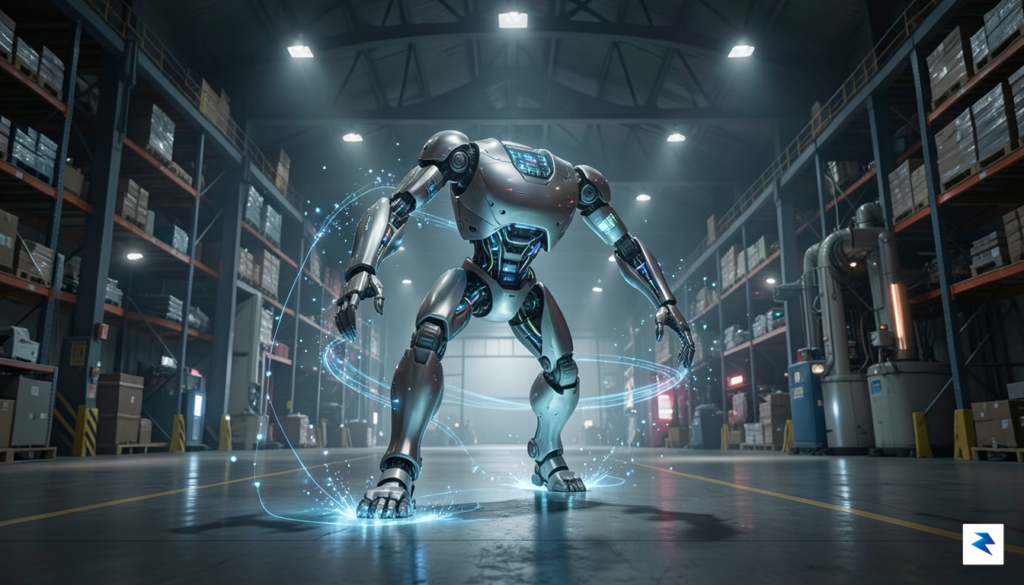
For decades, the field of robotics has been tethered to traditional Simultaneous Localization and Mapping (SLAM) systems, which, while functional, often operate like rigid, blind algorithms. These legacy architectures rely heavily on pre-defined geometric maps, treating the world as a static grid of obstacles rather than a living, breathing space. When confronted with dynamic environments—such as a crowded warehouse floor, a bustling hospital hallway, or a shifting outdoor landscape—these systems frequently falter, requiring intensive manual intervention or high-latency sensor processing to recover their orientation. This inherent fragility has long created a “black box” problem, where robots struggle to translate raw sensor data into meaningful, context-aware navigation decisions, ultimately limiting their utility in real-world, unpredictable settings.
Mistral AI’s entry into the robotics domain marks a fundamental paradigm shift with the launch of Robostral Navigate. By moving away from purely reactive geometric pathing, this model leverages advanced neural reasoning to imbue robots with a form of spatial awareness that mirrors human perception. Instead of simply calculating the shortest distance between two coordinates, Robostral Navigate interprets the semantic significance of the surroundings, allowing the machine to understand not just where a barrier is, but what it is and how it might change. This transition from “blind” navigation to “intelligent” spatial awareness is the key to unlocking true autonomy in robots that must share space with humans.
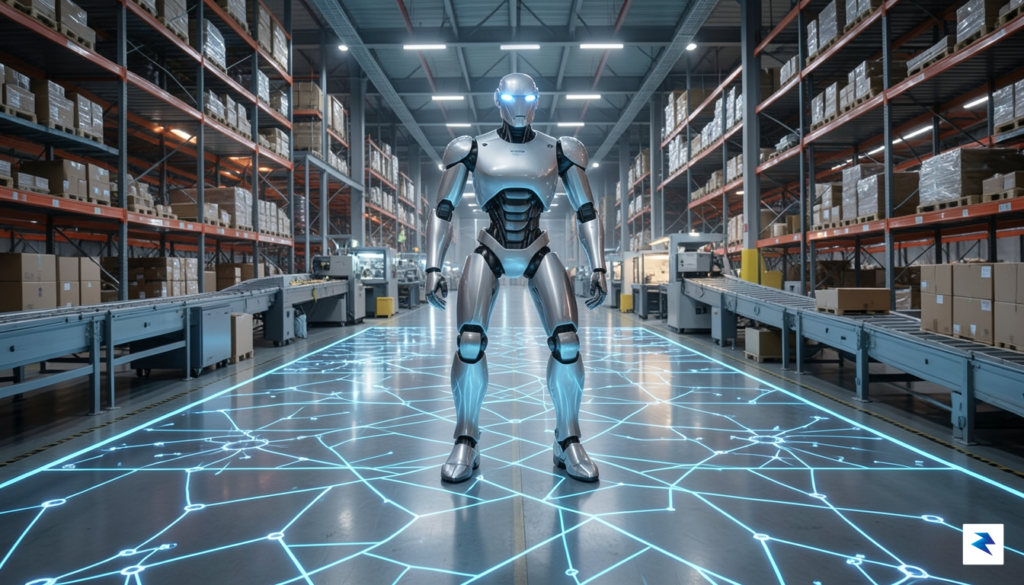
The core value proposition of this new model lies in its ability to balance high-level performance with unprecedented efficiency. By integrating sophisticated neural pathways into the navigation stack, Robostral Navigate significantly lowers compute overhead, allowing robots to process environmental changes locally and in real-time without the need for constant, power-hungry cloud synchronization. This optimization not only extends the operational lifespan of mobile units but also drastically improves their adaptability to non-static environments. Where older systems would stop and wait for a map update, a robot powered by this technology can fluidly re-route, anticipate movement, and adjust to cluttered, high-traffic zones with a level of reliability that was previously considered unattainable.
Robostral Navigate represents a move away from rigid, pre-programmed movement toward a fluid, intelligence-driven approach that allows robots to navigate the complexity of human-centric spaces with genuine discernment.
Ultimately, this advancement addresses the most persistent bottleneck in robotics: the gap between knowing where you are and knowing how to interact with the world around you. By effectively solving the “black box” issue through transparent, neural-informed decision-making, Mistral AI is setting a new industry standard. This model ensures that robots are no longer just automated machines executing a loop; they are becoming mobile agents capable of navigating the chaos of reality with grace, efficiency, and consistent, high-level intelligence.

At the heart of Robostral Navigate lies a sophisticated transformer-based architecture specifically engineered to move beyond the limitations of traditional, map-dependent robotics. While older autonomous systems often rely on pre-loaded floor plans and rigid coordinate systems, this model treats spatial navigation as an ongoing, generative process. By utilizing a high-dimensional attention mechanism, the system continuously ingests real-time sensor fusion data—including LiDAR point clouds, depth-sensing cameras, and inertial measurement units—to construct a dynamic “mental map” of its surroundings. This allows the robot to interpret its environment not as a static image, but as a fluid, temporal sequence of spatial relationships that evolve with every movement.
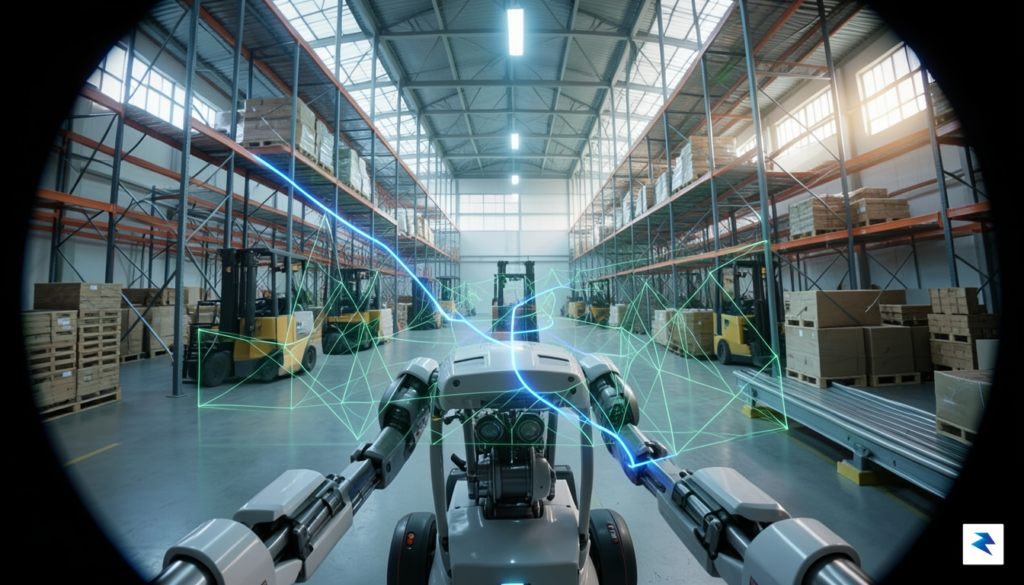
The transformer architecture is the engine of this predictive capability. By applying self-attention mechanisms to spatial data, the model can weigh the importance of different environmental features in real-time, effectively prioritizing critical pathing information over background noise. When the robot encounters complex variables, such as shifting lighting conditions or sudden occlusions caused by moving objects, the transformer excels at predictive pathing. Instead of merely reacting to an obstacle when it appears, the model anticipates the trajectory of moving entities and adjusts the robot’s pathing vectors milliseconds in advance. This capability is fundamentally different from reactive obstacle avoidance; it is a proactive form of spatial reasoning that mimics how biological entities navigate unfamiliar terrain.
The true innovation of Robostral Navigate is its transition from “mapping” to “understanding,” where the robot interprets the physics and semantic meaning of a room rather than just the geometry of its walls.
Handling edge cases—such as low-light environments, reflective surfaces, or dynamic human traffic—is where the model’s robust training regime truly shines. Because the architecture is trained on a massive, diverse dataset of varied environments, it has learned to synthesize contradictory sensor inputs. For instance, if a camera feed is obscured by lens flare or low light, the model seamlessly increases its reliance on LiDAR depth data without requiring a manual system switch. This level of internal redundancy ensures that the robot maintains its trajectory even when primary sensors are partially compromised. By continuously updating its internal representation of the space, Robostral Navigate effectively eliminates the “frozen robot” problem, ensuring smooth, human-like movement even in the most chaotic and unpredictable environments.
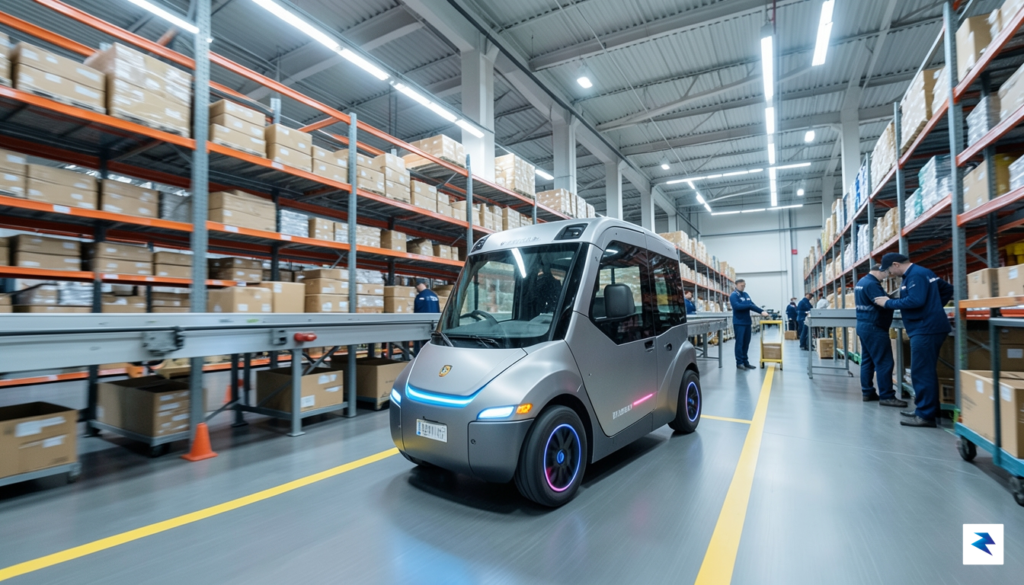
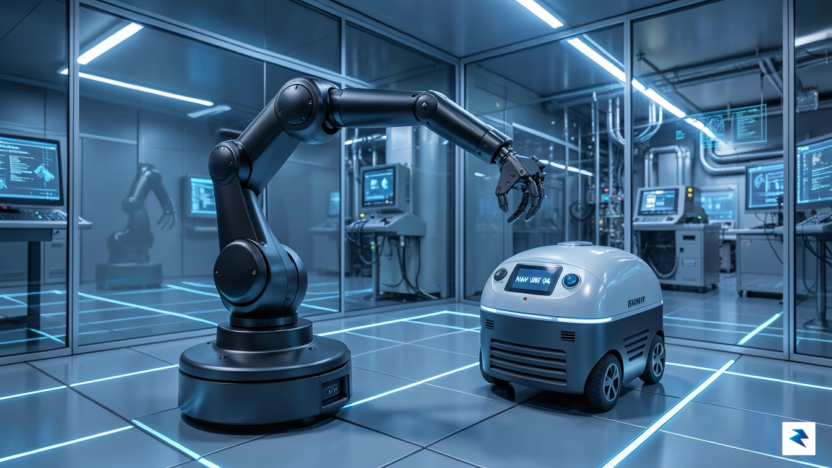
The advent of advanced navigation models like Mistral’s Robostral Navigate marks a pivotal moment for the practical deployment of autonomous robotics across commercial and industrial landscapes. This sophisticated system fundamentally redefines the economic viability and operational flexibility of autonomous mobile robots (AMRs), primarily by dramatically diminishing the need for the costly, specialized infrastructure that has traditionally constrained their widespread adoption. Imagine warehouses, factories, and even public spaces where AMRs can operate seamlessly without requiring intricate magnetic strips, extensive sensor arrays embedded in floors, or rigidly pre-mapped environments. This shift significantly lowers the initial capital expenditure and ongoing maintenance costs, thus democratizing access to robotic automation for businesses of all sizes and across various industries.
One of the most profound implications of this technology is the substantial reduction in operational deployment costs. Traditional AMR systems often demand considerable upfront investment in site preparation, including the installation of guiding wires, reflective markers, or a dense network of beacons for precise localization. Robostral Navigate, conversely, operates with an unprecedented level of autonomy and adaptability, leveraging its advanced AI to understand and navigate complex, dynamic environments with minimal prior setup. This ‘plug-and-play’ capability stands in stark contrast to incumbent proprietary systems, which frequently lock users into specific hardware ecosystems and require extensive integration efforts. Consequently, businesses can deploy AMRs with greater agility, adapting to evolving operational layouts or temporary obstacles without costly reconfigurations, translating directly into faster ROI and enhanced productivity.
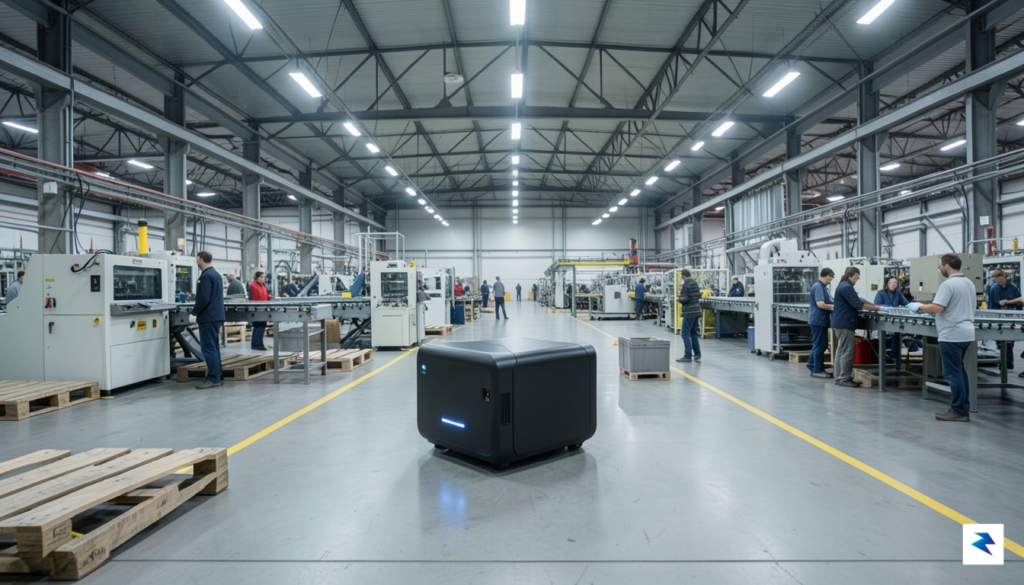
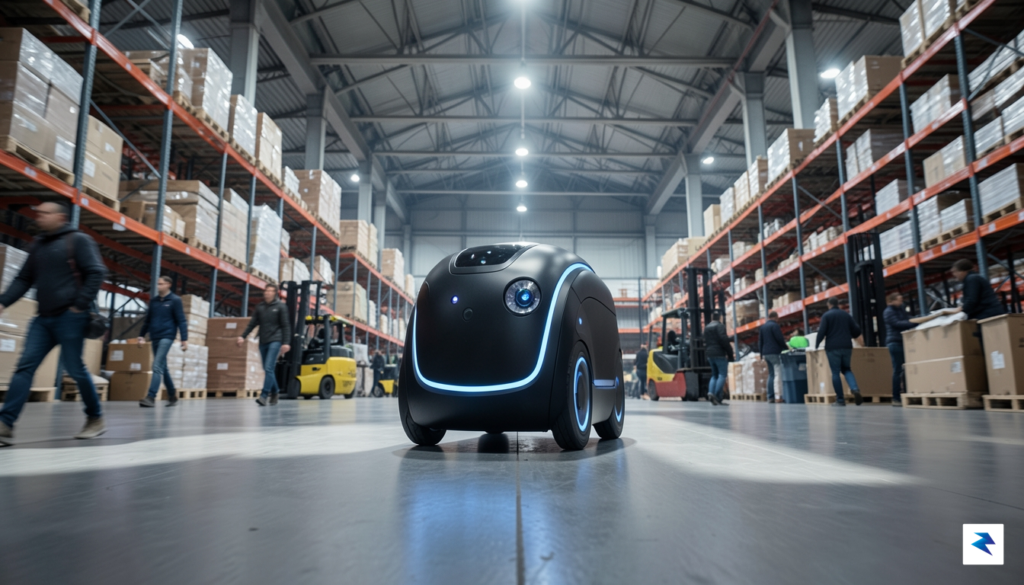
The ripple effects of this innovation are set to revolutionize key sectors. In supply chain management, autonomous forklifts and transport robots powered by Robostral Navigate can navigate bustling warehouses, interact safely with human workers, and optimize material flow, even in environments with constantly changing inventory or pathways. This leads to more efficient inventory management, reduced human error, and faster order fulfillment. Similarly, in manufacturing, AMRs can transport components between workstations, deliver tools, or assist with quality inspections, seamlessly adjusting to production line changes without manual reprogramming. Furthermore, the realm of autonomous last-mile delivery stands to benefit immensely, enabling robots to navigate sidewalks, urban landscapes, and varied terrains with greater reliability and less reliance on pre-defined routes, thereby accelerating the widespread adoption of automated delivery services for goods and packages.
Beyond the structured, albeit complex, environments of factories and warehouses, the model’s robustness opens doors for AMRs in truly unpredictable settings. Consider construction sites, agricultural fields, or even domestic settings, where environments are inherently dynamic and often unstructured. A domestic robot, for instance, could navigate a cluttered living room, learning new layouts as furniture is rearranged, without needing a costly professional installation or extensive mapping process. This inherent flexibility and self-sufficiency dramatically lowers the barrier to entry for deploying autonomous solutions in areas previously deemed too challenging or cost-prohibitive. Ultimately, by empowering robots to perceive and act intelligently in diverse, real-world conditions, Robostral Navigate isn’t just an incremental improvement; it’s a fundamental shift towards making autonomous robotics a ubiquitous and indispensable part of our commercial and industrial future.
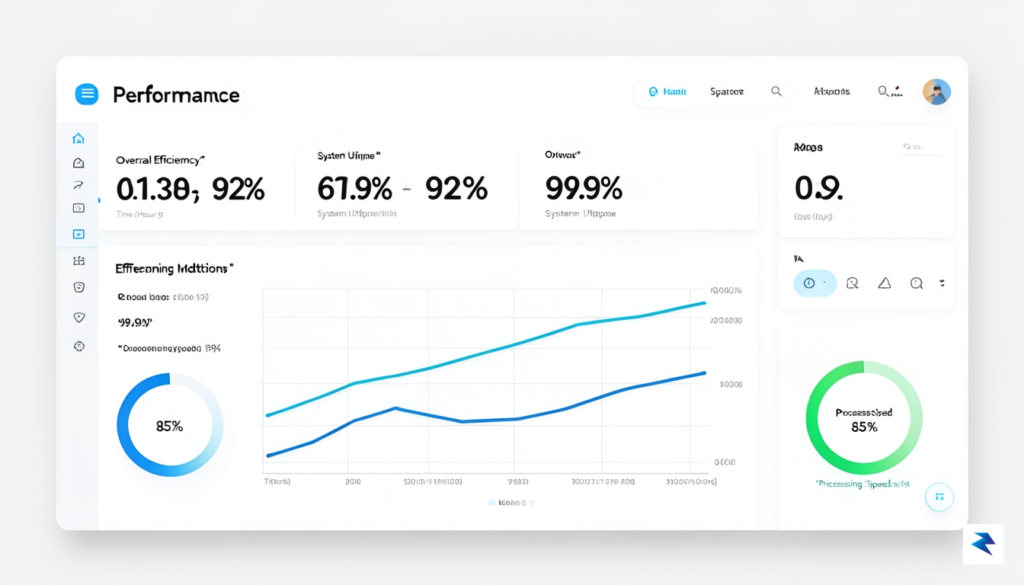
Mistral’s Robostral Navigate marks a significant leap forward in the capabilities of autonomous systems, particularly when examining its core performance metrics against current industry benchmarks. The model’s design ethos centers on drastically improving operational efficiency, primarily through substantial latency reduction and an unprecedented enhancement in path optimization. This translates directly into tangible benefits for robotic deployments, allowing machines to execute tasks not only with greater precision but also at significantly higher operational speeds, fundamentally altering expectations for what autonomous robots can achieve in dynamic environments.
A deep dive into the technical documentation reveals compelling efficiency metrics and latency benchmarks that underscore Robostral Navigate’s superiority. By meticulously optimizing the decision-making loop, the model processes environmental data and formulates responses with exceptional swiftness. This rapid processing capability is critical; it enables robots to react almost instantaneously to changes in their surroundings, thereby permitting operation at accelerated paces without compromising safety. Crucially, this optimization leads to a significantly lower collision risk, even in the most demanding, high-traffic settings where traditional navigation systems often falter under pressure. The ability to maintain robust safety protocols while increasing throughput represents a monumental step for logistics, manufacturing, and service robotics.
Beyond raw speed, the model’s sophistication in obstacle avoidance is a key differentiator. Robostral Navigate doesn’t merely react to obstacles; it anticipates and predicts the movements of dynamic elements within its operational space, whether that’s unpredictable human pedestrians, other robots, or moving equipment. This proactive approach to navigation allows robots to generate smoother, more natural trajectories, minimizing abrupt stops and starts that can degrade efficiency and increase wear on machinery. This intelligent prediction capability ensures that even in highly congested or unpredictable environments, robots can maintain their optimized paths with a high degree of confidence, contributing to both operational fluidity and overall system safety.
Furthermore, the practical applicability of Robostral Navigate is bolstered by its thoughtful hardware compatibility and impressive scalability. The model has been engineered to integrate seamlessly with a broad spectrum of existing robotic platforms, reducing the barrier to adoption for businesses looking to upgrade their autonomous fleets. Whether deploying on compact delivery robots navigating urban sidewalks or larger industrial autonomous guided vehicles (AGVs) operating in expansive factory floors, Robostral Navigate adapts its navigation intelligence to suit various form factors and operational requirements. This inherent flexibility ensures that organizations can leverage state-of-the-art navigation without necessitating a complete overhaul of their hardware infrastructure, paving the way for wider and more rapid deployment across diverse industries.
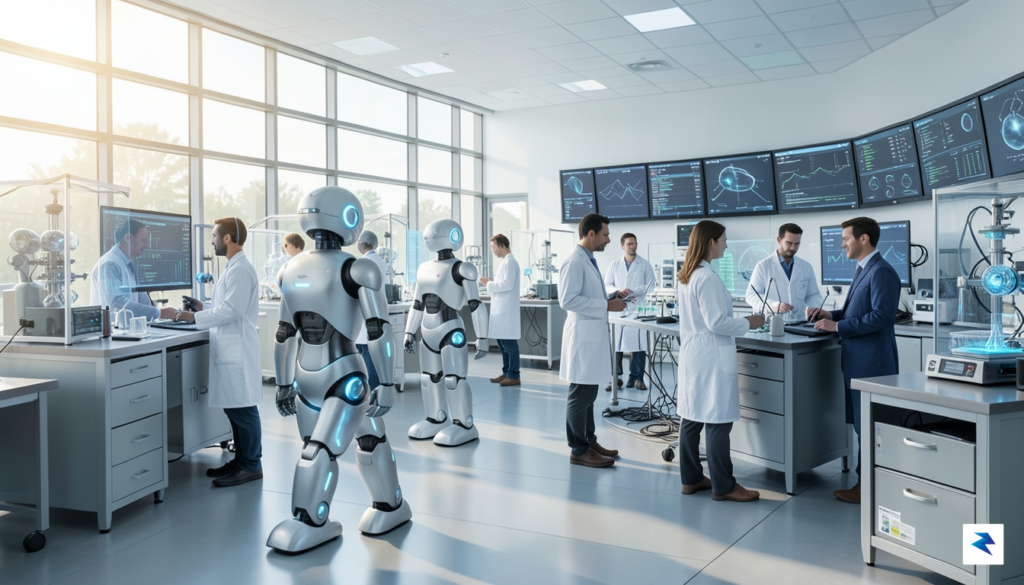
Mistral’s Robostral Navigate represents a significant leap beyond conventional robotics navigation, positing itself as a cornerstone for the next generation of Embodied AI. Unlike systems focused purely on obstacle avoidance or shortest path algorithms, Navigate is designed to imbue robots with a sophisticated understanding of human-centric environments. This foundational capability is crucial within the broader Mistral ecosystem, where the company’s prowess in large language models (LLMs) can be combined with physical embodiment. Imagine an LLM providing high-level task instructions, while Navigate translates these into precise, context-aware movements through complex, dynamic spaces, effectively bridging the gap between abstract intelligence and real-world action. This integration creates a more holistic AI agent, capable of not just processing information, but intelligently interacting with and manipulating its physical surroundings.
Furthermore, Mistral’s commitment to open-source-friendly models is poised to democratize access to advanced robotics capabilities, accelerating innovation across the industry. By making powerful navigation models more accessible, developers, researchers, and startups can build upon a robust foundation without the prohibitive costs or restrictive licenses often associated with proprietary systems. This approach fosters a vibrant ecosystem where diverse applications can emerge rapidly, encouraging collaborative development and iterative improvements. The ability for a wider community to scrutinize, adapt, and enhance these models means faster progress in areas like safety, efficiency, and adaptability, ultimately leading to more sophisticated and reliable robotic solutions that benefit everyone.
The long-term industry impact of such an approach is profound, particularly in fostering more fluid human-robot collaboration across critical sectors. In retail, for instance, robots powered by advanced navigation could seamlessly integrate into store operations, managing inventory, assisting customers with product location, or handling last-mile deliveries within complex shopping centers, all while effortlessly navigating crowded aisles and respecting personal space. This moves beyond simple automation to genuine co-presence, enhancing the customer experience and operational efficiency without causing disruption.
Similarly, the healthcare sector stands to gain immensely. Imagine autonomous robots safely delivering medications, lab samples, or equipment within bustling hospitals, navigating intricate corridors, patient rooms, and busy staff areas with precision and discretion. Such capabilities could significantly reduce the workload on human staff, improve response times, and minimize errors, allowing healthcare professionals to focus on direct patient care. In urban planning and smart cities, Robostral Navigate could underpin autonomous public transportation, delivery services, and infrastructure maintenance robots that operate safely and efficiently alongside pedestrians and other vehicles. These intelligent agents would contribute to safer, cleaner, and more efficient urban environments by understanding and adapting to the nuances of human movement and activity. Ultimately, Mistral’s approach pushes us closer to a future where robots are not just tools, but intelligent, collaborative partners, seamlessly integrated into the fabric of our daily lives.
You must be logged in to post a comment.