Best MagSafe Power Banks of 2024: Expert Picks for iPhone and Qi2 Android
Understanding the MagSafe and Qi2 Ecosystem The landscape of wireless charging has undergone a profound transformation, moving from the…
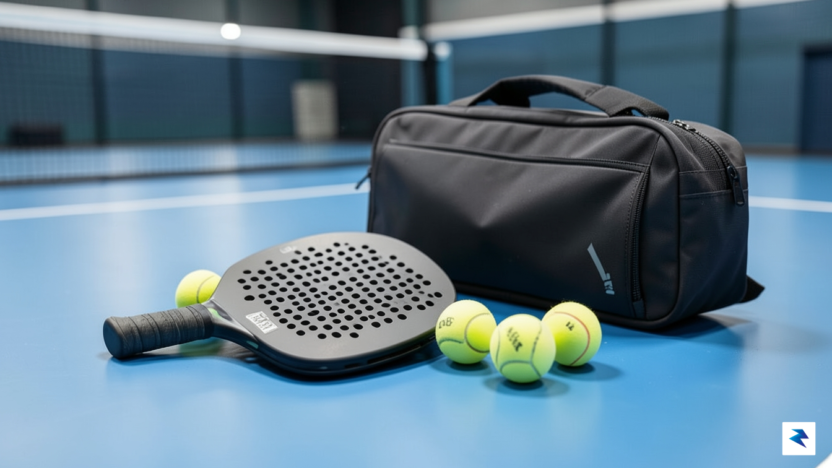
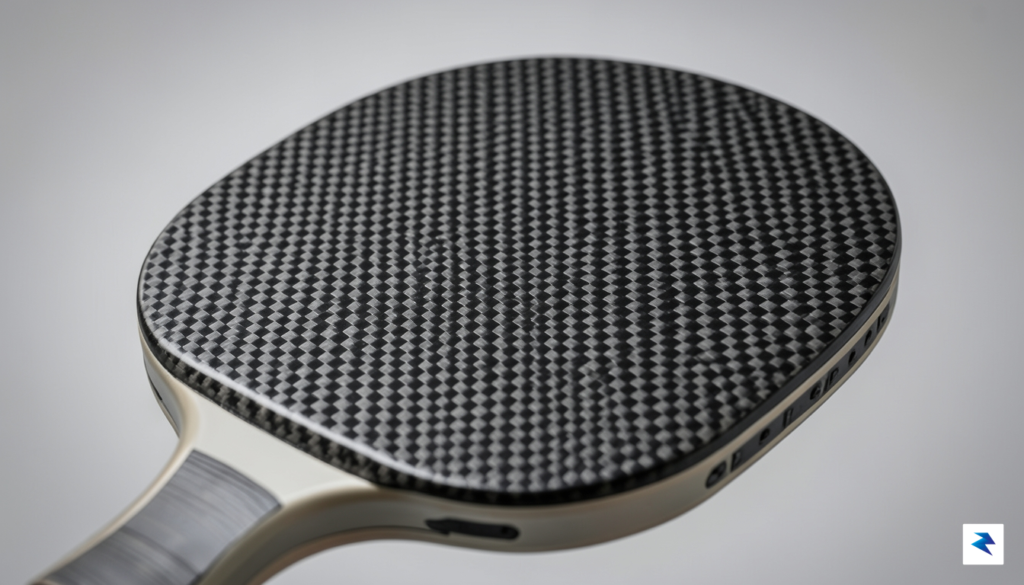
For decades, pickleball was defined by the simplistic thwack of plywood paddles hitting a plastic ball in suburban driveways. While those early days fostered the sport’s community-driven spirit, the equipment was undeniably crude, offering little in the way of aerodynamic efficiency or energy return. Today, the landscape has been completely transformed by rapid advancements in materials science. Engineers have pivoted away from basic wood and rudimentary polymers, embracing aerospace-grade carbon fiber, specialized honeycomb polypropylene cores, and advanced friction-based face textures that would look more at home on a fighter jet than a local court.
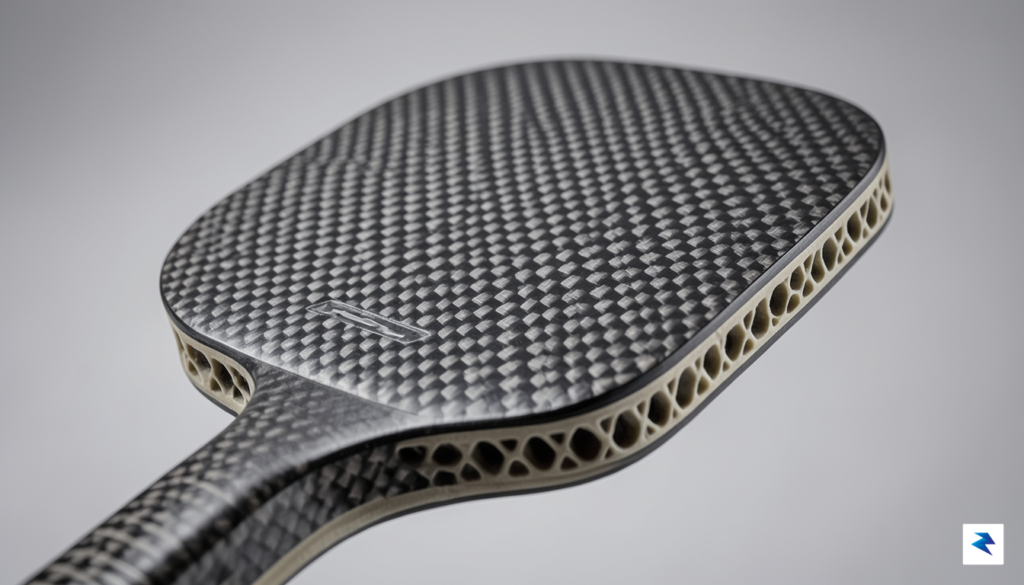
The shift toward high-performance materials has fundamentally altered the physics of the game. Modern paddles utilize a “sandwich” construction that pairs a stiff, lightweight core with a reactive surface, effectively functioning as a springboard for the ball. By utilizing carbon fiber—a material prized for its incredible strength-to-weight ratio—manufacturers have created paddles that provide a massive sweet spot, allowing players to maintain precision even on off-center hits. These technological leaps have enabled a surge in ball velocity and spin, turning what was once a game of soft-touch patience into a high-octane display of professional athleticism.
Beyond simple power, the integration of specialized resins and multi-layered face treatments has revolutionized control. Professional players now rely on proprietary grit textures and raw carbon surfaces to impart heavy topspin, allowing them to manipulate the ball’s trajectory in ways that were physically impossible with wooden paddles. This evolution has created a distinct divide between recreational equipment and performance-driven gear. As the sport continues to professionalize, the demand for paddles that can withstand higher impact forces while offering consistent feedback has pushed manufacturers to refine their production processes, ensuring that every ounce of energy transferred from the player’s arm is translated into efficient, predictable motion on the court.
The transition from wood to advanced composites hasn’t just changed how we swing; it has redefined the tactical ceiling of the sport, forcing players to master spin and pace in ways that keep the game evolving at a blistering speed.
Ultimately, these engineering breakthroughs have widened the gap between eras. Where older paddles often deadened the ball, modern tools are designed to provide a “pop” that rewards aggressive playstyles and complex shot-making. This performance-driven approach ensures that as players climb the ladder from amateur to elite, their equipment is capable of supporting—rather than hindering—the natural progression of their skills. Whether it is the vibration-dampening capabilities of internal foam injections or the rigidity of a thermoformed edge, today’s pickleball paddle is a masterpiece of precision engineering that continues to rewrite the rules of competitive play.
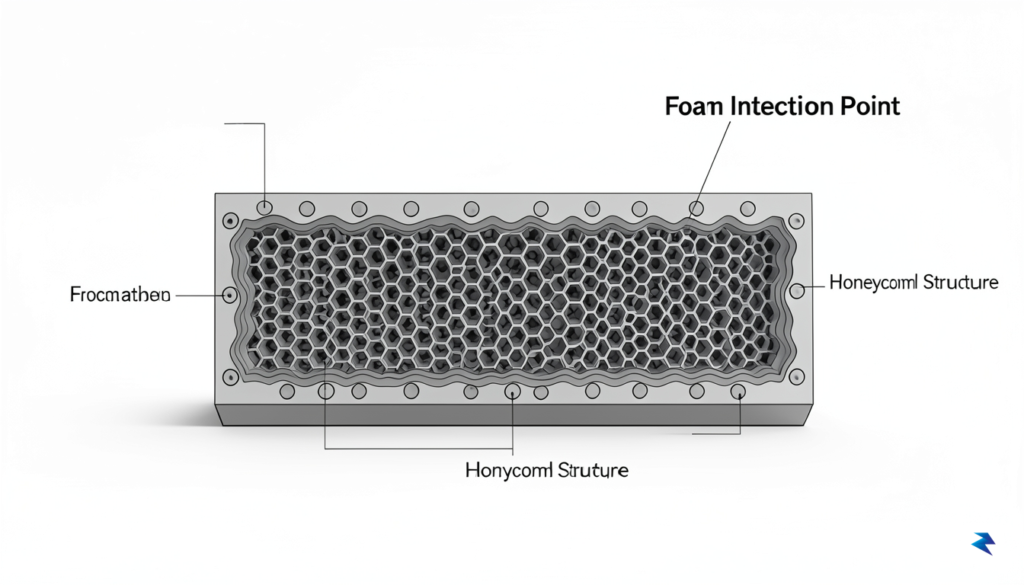
The landscape of pickleball paddle technology has undergone a significant transformation in recent years, largely driven by the advent of foam-injected core designs. This innovative approach represents a paradigm shift from traditional paddle construction, fundamentally altering how players experience power, control, and comfort on the court. By strategically integrating a specialized foam into the paddle’s internal structure, manufacturers have unlocked new levels of performance, offering benefits that were once considered unattainable. This core technology is now a hallmark of high-performance paddles, promising a more stable and forgiving playing experience for enthusiasts and professionals alike.
At its heart, foam-injected core technology involves precisely introducing a liquid polymer foam into the internal cavities of a paddle, typically within its perimeter or sometimes throughout the entire honeycomb matrix. Once injected, this foam expands and cures, solidifying into a dense yet lightweight material that fills the hollow spaces previously occupied by air. This process effectively adds structural integrity and mass to areas of the paddle that were traditionally less responsive. The result is a more composite, cohesive unit where the face material, core, and edges work in greater harmony, delivering a palpable difference in feel and performance upon ball contact.
Traditional pickleball paddles predominantly rely on a honeycomb polypropylene core, characterized by its hexagonal, hollow cells. While these cores are excellent for providing a lightweight structure and decent power, their inherent hollowness can lead to inconsistencies across the paddle face, particularly outside the very center. The air-filled gaps within these traditional cores allow for more vibration and can create distinct “dead spots” where the ball loses energy upon impact. In stark contrast, foam-injected cores mitigate these issues by filling those voids, adding a uniform density and substance that significantly enhances the paddle’s overall responsiveness and durability, making every part of the paddle feel more “live.”
One of the most immediate and appreciated advantages of foam-injected cores is their remarkable ability to mitigate unwanted vibrations. When a pickleball strikes a traditional paddle, the impact energy often resonates through the hollow core and up the player’s arm, leading to discomfort, fatigue, and even potential issues like “pickleball elbow” over time. The dense, expanded foam within the injected core acts as a superior dampening agent, absorbing and dispersing this kinetic energy much more effectively than air-filled cells. This not only significantly reduces the
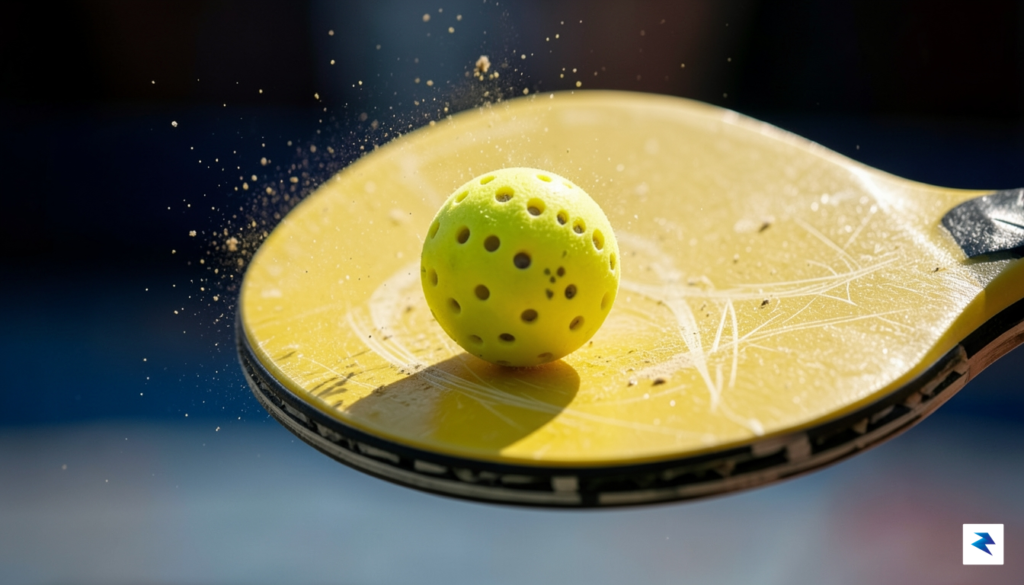
In the modern game, spin has evolved from a tactical advantage into the great equalizer, allowing players to manipulate the ball’s trajectory and force errors from opponents who previously felt comfortable at the baseline. The primary mechanism behind this evolution is the surface texture of the paddle, which acts as the point of contact between your kinetic energy and the ball’s rotation. When a paddle face possesses a high coefficient of friction, it “grabs” the ball upon impact, momentarily deforming the polymer core and imparting significant revolutions per minute (RPM). Without this essential friction, the ball simply slides across the surface, resulting in a flat, predictable shot that is easily countered by advanced players.
To understand the current market, one must distinguish between the two dominant methods of achieving this texture: raw carbon fiber and spray-on coatings. Raw carbon fiber is woven directly into the paddle face, meaning the texture is an intrinsic part of the material’s structural integrity. Because the “grit” is baked into the weave, it maintains its performance characteristics long after a spray-on grit would have worn smooth. In contrast, spray-on coatings—often referred to as “grit-paint”—offer an aggressive, sandpaper-like feel out of the box, but these particles inevitably abrade and flake off over time. For competitive players who rely on consistent spin profiles, the shift toward raw, woven carbon fiber has become the industry standard because it guarantees that a drive in the tenth month of use feels just as biting as it did on day one.
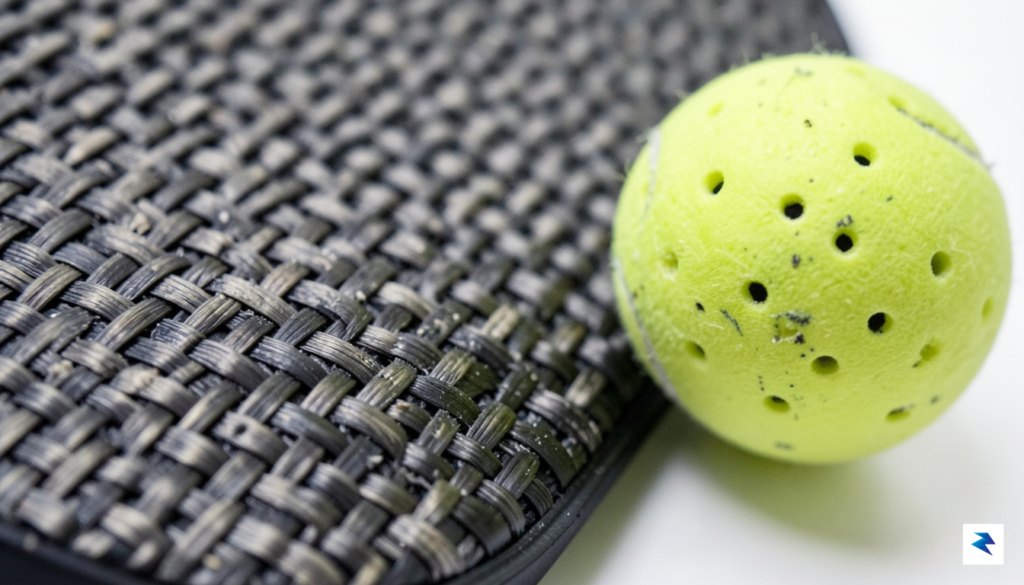
The impact of this surface profile is most evident in the execution of top-spin drives, backhand slices, and the dreaded unattackable drop shot. When you hit a heavy top-spin drive, a high-friction surface allows you to brush upward on the ball, creating a Magnus effect that forces the ball to dive sharply into the court after clearing the net. Similarly, for the soft game, a textured paddle provides the necessary control to “cut” under the ball, imparting backspin that makes the bounce stay low and slide away from the opponent’s reach. Players are prioritizing this “grit” more than ever because it provides a wider margin for error; you can swing with more speed and confidence, knowing the spin will keep the ball within the lines.
The marriage of core technology and surface friction is what defines the modern elite paddle; the core provides the power, but the surface provides the jurisdiction over where and how the ball lands.
Ultimately, the search for the perfect paddle has shifted away from mere weight or shape toward the longevity and depth of the surface texture. As the sport continues to trend toward faster, more aggressive play, the ability to impart spin is no longer just a luxury for the pros—it is a baseline requirement for anyone looking to remain competitive. By choosing a paddle that prioritizes a durable, high-friction face, you are investing in the most effective tool available to dictate the pace of a match and keep your opponents on their heels.
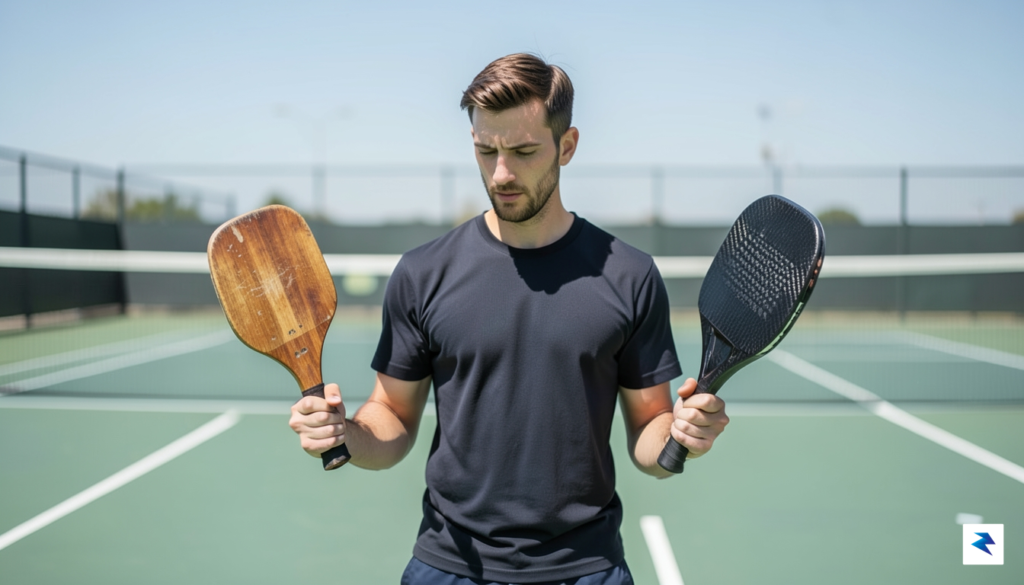
Selecting the ideal paddle in the current foam-core era requires more than just picking the trendiest model on the market; it demands an honest audit of your specific on-court tendencies. If you primarily operate as a baseline brawler, you likely prioritize raw velocity and put-away power. Conversely, if your game thrives on patience and precision at the kitchen line, you need a paddle that emphasizes touch and vibration dampening. Because modern foam-injected paddles offer a larger sweet spot and increased stability, the margin for error has shrunk, making it even more critical to align your gear with your tactical approach.
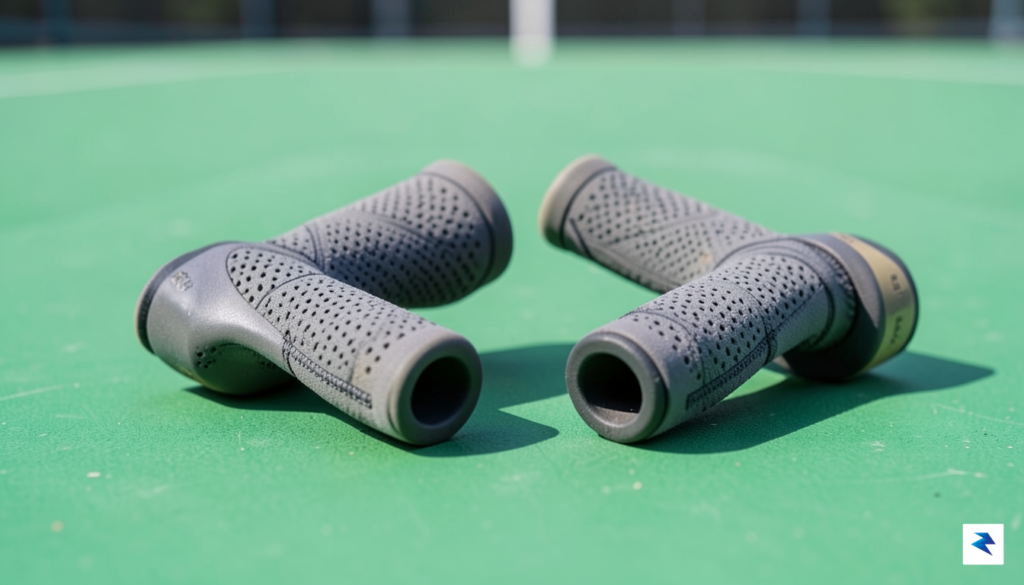
To determine what fits your game, consider your preferred weight distribution. A head-heavy paddle is a natural extension for players who want to punish high balls and dictate points from the backcourt. The extra mass in the paddle head generates significant momentum through the swing, which is a massive advantage when you need to drive the ball deep with pace. However, this added weight can become a liability during rapid-fire hand battles. If you frequently find yourself locked in quick volleys at the net, a head-light or neutrally balanced paddle is generally superior, as it allows for quicker hand speed and better maneuverability when reacting to incoming strikes.
Beyond weight distribution, the physical dimensions of the paddle play a pivotal role in your performance. For those who utilize a two-handed backhand, a longer handle is non-negotiable. An elongated handle provides the leverage needed to generate whip and topspin, but it often necessitates a slightly shorter paddle face to maintain a manageable swing weight. If you are a traditionalist who relies on a one-handed game, a standard handle length often feels more natural and offers a more balanced feel in the hand, allowing for cleaner transitions during resets and dinks.
The best paddle for you isn’t necessarily the one with the most advanced technology; it is the one that minimizes your weaknesses while amplifying your natural strengths.
Finally, do not overlook the importance of grip thickness. A grip that is too thick can restrict your wrist mobility, making it difficult to snap the paddle for top-spin serves or quick defensive blocks. On the other hand, a grip that is too thin might cause you to over-squeeze the handle, leading to fatigue and decreased control. Experimenting with different overgrip thicknesses can often bridge the gap between a paddle you like and a paddle that feels like a natural extension of your arm. By systematically evaluating your baseline power, net-front maneuverability, and grip comfort, you can move past the hype and invest in a tool that will genuinely elevate your play in the modern game.
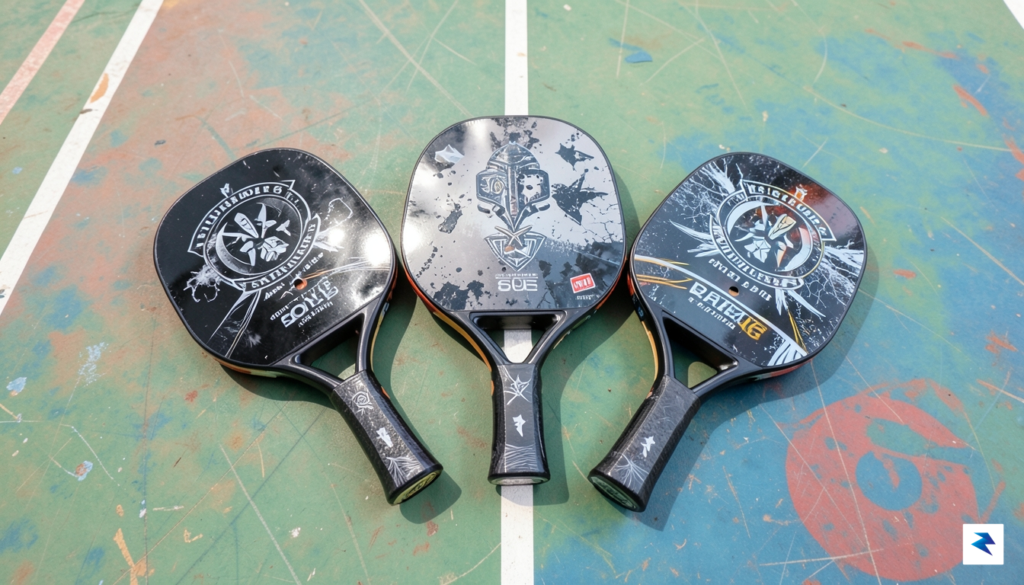
After months of rigorous field testing and deep analysis of the latest breakthroughs in materials science, two paddles have emerged as the clear leaders for the 2026 season. These selections represent a departure from the generic equipment of the past, leveraging proprietary foam-injected edge technology to maximize the sweet spot and minimize vibration. Whether you are a tournament-level competitor or a dedicated club player, these paddles offer a transformative experience on the court.
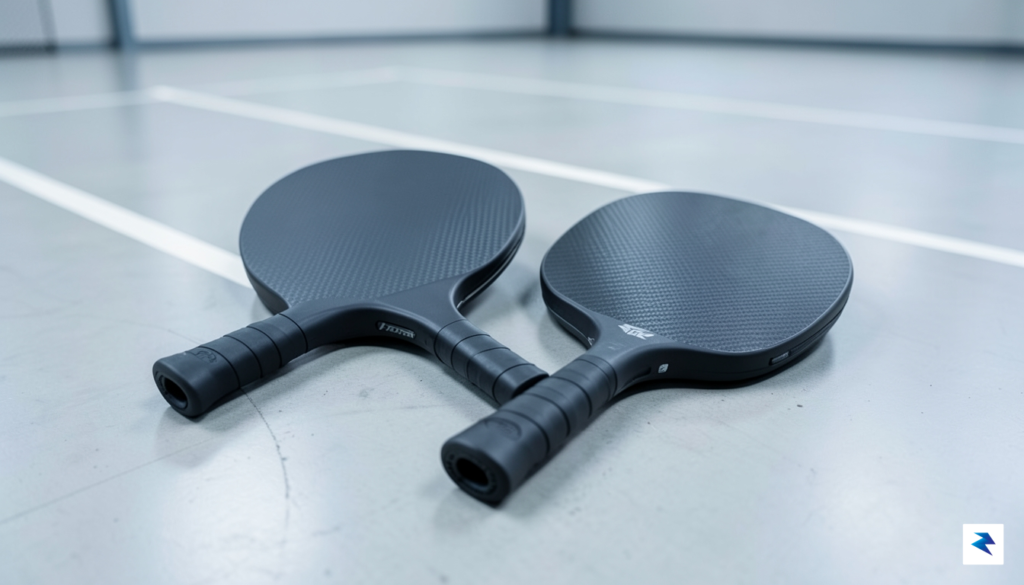
The Vanguard Apex has effectively set the benchmark for power and stability in the current market. Engineered with a high-density aerodynamic foam core, this paddle offers an incredibly plush feel upon impact without sacrificing the “pop” required for aggressive put-aways. During our testing cycle, the paddle demonstrated exceptional torsional stability, meaning off-center hits remain surprisingly accurate and controlled. Its 16mm thickness provides a dampening effect that is ideal for players who struggle with tennis elbow or joint fatigue, as the foam structure absorbs the harsh vibrations typically associated with rigid, unibody construction.
Verdict: The Vanguard Apex is the definitive choice for the all-court player who refuses to compromise between power and touch. It rose to the top because of its industry-leading grit retention, which ensures that players can generate consistent, heavy spin even after hundreds of hours of play. It is the perfect investment for those seeking a premium, long-lasting paddle that excels in both defensive resets and offensive drives.
While the Apex focuses on stability, the Zenith Kinetic Pro is a masterclass in maneuverability and hand speed. Utilizing a sophisticated honeycomb-foam hybrid structure, this paddle feels remarkably light in the hand, allowing for lightning-fast exchanges at the non-volley zone. The engineers behind the Kinetic Pro prioritized the “dwell time”—the milliseconds the ball stays on the paddle face—which provides an intuitive feedback loop for drop shots and delicate dinks. Despite its lightweight profile, the structural integrity remains robust, showing zero signs of core breakdown or edge guard separation during our stress tests.
The Zenith Kinetic Pro proves that you do not need a heavy paddle to command the baseline; its balance of weight distribution and aerodynamic tapering makes it the most responsive tool we have tested this year.
Verdict: The Zenith Kinetic Pro earns its spot as the top pick for players who rely on precision, speed, and tactical placement. It distinguishes itself from the field by offering the most tactile, “connected” feel of any paddle currently available. For players who view pickleball as a game of high-speed chess, this paddle offers the surgical control necessary to manipulate the ball exactly where the opponent isn’t.
You must be logged in to post a comment.