
The New Era of Pickleball: Top 2 Paddles for 2026
The Evolution of Pickleball Technology For decades, pickleball was defined by the simplistic thwack of plywood paddles hitting a plastic ball…

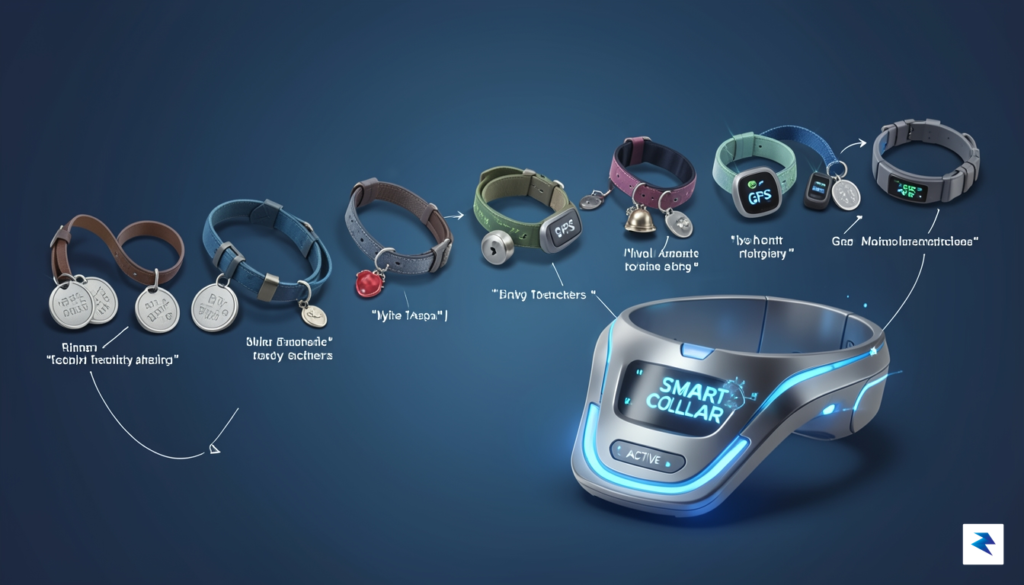
For decades, the journey of pet tracking technology has been a constant struggle against the physical constraints of hardware design. Early attempts at monitoring our companions were bulky, unreliable, and often limited to radio-frequency devices that required a handheld receiver to track a signal. As technology matured, the industry shifted toward cellular-based GPS trackers, which promised the convenience of real-time location monitoring directly on a smartphone. While these devices revolutionized pet safety for urban and suburban dwellers, they inadvertently created a false sense of security that crumbled the moment a pet wandered off the beaten path.
The fundamental flaw of traditional trackers lies in their reliance on cellular infrastructure. Like our smartphones, these collars require a handshake with nearby LTE or 5G towers to transmit coordinate data. In dense city centers, this works seamlessly, but the moment a pet ventures into vast wilderness, mountainous terrain, or even the remote stretches of a rural backyard, the device often becomes a “dead” piece of plastic. When a dog chases a scent into a forest or a canyon, they frequently exit the coverage map, leaving owners staring at a frozen screen and a “last seen” timestamp that offers little comfort. This technological “black hole” has historically been the greatest source of anxiety for pet parents, as the very environments where a pet is most likely to get lost are the ones where cellular signals are least likely to reach.

Bridging this gap required a fundamental shift in how we think about connectivity. Engineers have long faced a “trilemma” in pet tracker development: they must balance the physical size of the device, the longevity of the battery, and the reliability of the signal. Adding powerful long-range radios or satellite components traditionally meant creating a collar far too heavy for a medium-sized dog to wear comfortably. However, the recent integration of satellite-to-device communication has finally allowed the industry to bypass the limitations of terrestrial towers.
The true evolution of safety isn’t just about having a GPS signal; it is about ensuring that signal can find its way home even when the rest of the world is disconnected.
By leveraging the massive overhead network provided by Starlink, the Fi Ultra represents a significant leap forward in this field. Instead of relying solely on the proximity of a cell tower, this new generation of hardware utilizes satellite failover to maintain contact regardless of geographical location. This innovation essentially turns the entire sky into a coverage zone, ensuring that whether your pet is in the heart of a bustling metro area or deep within a remote national park, their location data is transmitted continuously. This transition from ground-dependent tracking to satellite-backed connectivity marks the end of the “black hole” era for pet owners, providing a level of reliability that was previously thought to be impossible in such a compact form factor.
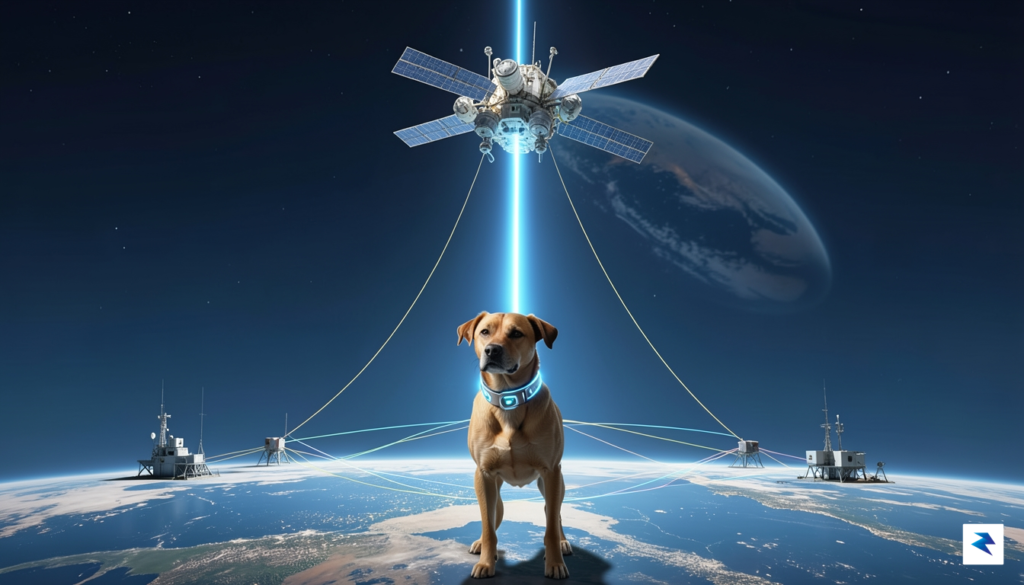
The integration of Starlink’s satellite network into a consumer-grade pet wearable represents a fundamental shift in how we approach location tracking. Historically, trackers have relied entirely on traditional cellular networks, which are tethered to terrestrial infrastructure such as ground-based towers. When a pet wanders into a remote area, a dense forest, or a deep canyon—places where cellular signals often struggle to penetrate—the device effectively loses its tether to the network. By leveraging SpaceX’s massive Low Earth Orbit (LEO) constellation, the Fi Ultra effectively bypasses these terrestrial limitations, ensuring that your pet remains visible even when they are miles away from the nearest cell tower.
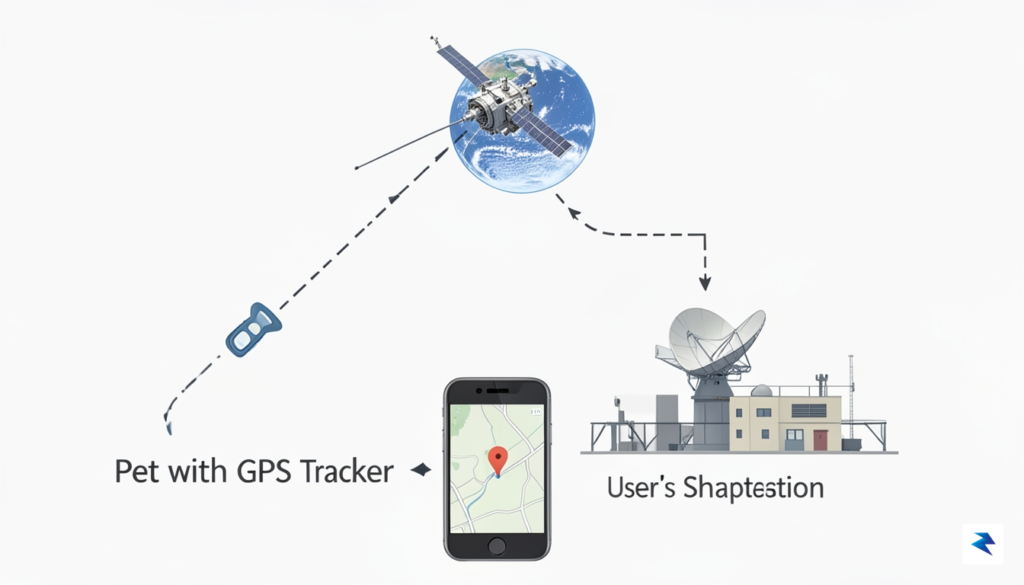
At the heart of this technology is a sophisticated direct-to-cell protocol that enables the tracker to communicate directly with satellites orbiting hundreds of miles above the Earth. Unlike traditional satellite phones, which often require bulky hardware and line-of-sight positioning, this system uses a specialized engineering approach. Through a strategic partnership between SpaceX and T-Mobile, the network is designed to treat the tracker as if it were connected to a standard cellular base station. This “T-Satellite” integration allows the device to intelligently transition from traditional LTE or 5G bands to satellite frequencies the moment terrestrial coverage drops below a functional threshold. This handoff is designed to be seamless, meaning the device automatically detects the loss of a ground signal and initiates a high-altitude handshake without requiring any input from the owner.
The true power of this technology lies in its ability to provide a “fail-safe” connection, ensuring that data packets containing GPS coordinates reach the cloud even when the local cellular grid is entirely absent.
It is important to clarify that this is not a universal satellite phone, nor does it provide the broad, unrestricted data speeds seen on a home internet Starlink dish. Instead, it is a highly optimized, low-bandwidth protocol specifically engineered to transmit essential telemetry—like location pings and status updates—in environments where traditional radio waves cannot reach. By utilizing the LEO constellation’s vast coverage area, the device maintains a persistent data stream by hopping between satellites as they move across the sky at high velocities. This creates a redundant layer of communication that turns the “blind spots” on a map into zones of constant, reliable tracking, effectively closing the gap that has historically plagued pet safety technology.
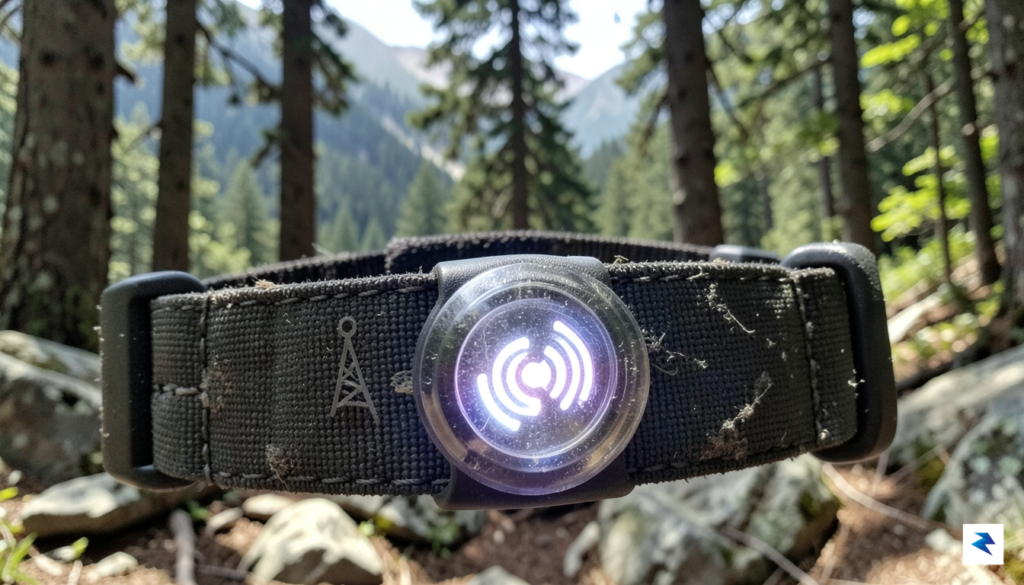
The true innovation behind the latest generation of pet tracking technology isn’t simply the inclusion of satellite hardware; it is the sophisticated intelligence governing how that hardware communicates with the outside world. Rather than forcing the device to choose between two disparate networks, the Fi Ultra employs a seamless automatic failover system that acts as a continuous safety net. When the device detects that the signal strength from local LTE towers is degrading—a common occurrence when you stray from urban centers into deep forests or remote valleys—it initiates a background handshake to hook into the satellite constellation. This transition happens entirely without user intervention, ensuring that your pet’s location data remains fluid and uninterrupted even as you cross the threshold from cellular coverage into the great unknown.
It is important to clarify a common misconception regarding how this technology functions: the device does not rely on a constant, battery-draining “always-on” satellite link. Instead, it utilizes an intelligent “on-demand” failover logic. In practice, this means the tracker prioritizes cellular data whenever it is robust enough to handle the transmission, which preserves battery life and reduces unnecessary data traffic. Only when the device determines that LTE connectivity is insufficient to maintain a reliable heartbeat does it pivot to the satellite network. This nuanced approach balances the need for extreme reliability with the realities of power management, allowing the tracker to stay active for weeks rather than hours, even while operating in off-grid environments.
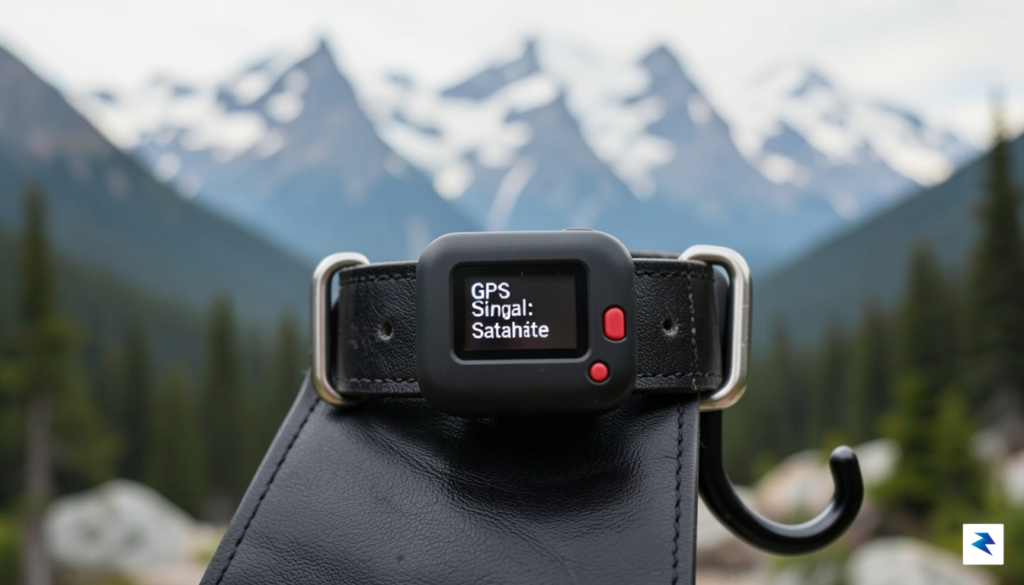
While the satellite connection provides unparalleled coverage, users should understand that it operates with slightly different latency characteristics compared to traditional cellular networks. Because satellite signals must travel to space and back to ground stations, you might notice a marginal delay in the real-time refresh rate within the mobile app when the device is in failover mode. However, this trade-off is negligible when compared to the alternative: total silence. While LTE offers snappy, near-instantaneous updates in city environments, the satellite layer is designed for persistence and recovery. By prioritizing packet delivery over absolute speed, the system ensures that even if you are miles away from the nearest cell tower, you will still receive the critical location pings necessary to reunite with your pet.
The power of this system lies in its autonomy; it recognizes the limits of terrestrial towers and compensates instantly, turning potential dead zones into manageable, connected terrain.
Ultimately, this failover logic shifts the paradigm of pet safety from “hopeful coverage” to “guaranteed connectivity.” By layering these two distinct technologies, the tracker creates a comprehensive map of your pet’s whereabouts that no longer ends at the edge of a cell service map. Whether you are navigating a dense national park or simply driving through a rural stretch of highway, the device’s internal logic acts as a silent, invisible monitor that bridges the gap between civilization and the wilderness.

For those who embrace the wild, whether as a dedicated weekend warrior exploring remote trails or a homeowner living on a sprawling rural property, the safety of a beloved canine companion is paramount. Until now, a significant “blind spot” has existed in pet tracking technology, leaving dog owners vulnerable the moment they ventured beyond reliable cellular service. This is precisely where the Fi Ultra, with its innovative Starlink integration, fundamentally changes the game, transforming what was once a source of anxiety into an unprecedented level of assurance for your pet’s whereabouts.
Consider the common scenario: you’re deep into a national forest, perhaps camping by a pristine lake or hiking a less-traveled mountain path. Your adventurous dog, captivated by a scent or a fleeting critter, darts off into the underbrush. With a traditional LTE-only pet tracker, the moment your phone displays “No Service,” your tracker likely goes silent too. That once-reassuring app now shows your pet’s last known location, which could be minutes or even hours old, leaving you to search blindly in rugged terrain. The dread of not knowing, compounded by the vastness of the wilderness, can quickly turn a peaceful outing into a frantic nightmare. In contrast, the Fi Ultra leverages Starlink’s satellite network, meaning that even when traditional cell towers are miles away and your phone has no bars, the tracker can still communicate its precise GPS coordinates, delivering real-time updates directly to your device via the satellite connection.
The implications extend far beyond just recreational outings. For those living off-grid or on expansive rural ranches, the challenge of keeping tabs on a wandering dog is a daily reality. A large property, especially one with varied terrain, dense woods, or proximity to wild areas, often presents numerous dead zones for cellular signals. An LTE tracker might work fine near the farmhouse, but if your dog decides to explore the back forty, where cell service is notoriously spotty, you’re back to square one. The Fi Ultra eliminates this frustration entirely. It provides a consistent, reliable signal across vast distances, offering continuous oversight whether your dog is investigating a distant creek bed or simply enjoying the freedom of a sprawling pasture. This constant connectivity isn’t just a technical feature; it’s a profound shift in how rural pet ownership can be managed, replacing uncertainty with unwavering confidence.
Moreover, comparing the Fi Ultra to simpler alternatives like Bluetooth-only tags highlights its monumental leap forward in pet safety. While Bluetooth tags are excellent for tracking pets within a very short range – say, finding a dog under a bed or in a cluttered yard – their utility vanishes the moment your pet steps beyond a few dozen feet. They offer no real solution for a dog that has genuinely gone missing outside the immediate vicinity of its owner. The Fi Ultra, by contrast, operates on a global scale, providing a robust, long-range tracking capability that Bluetooth simply cannot rival. This robust, wide-area coverage translates directly into unparalleled peace of mind, knowing that your pet’s location is accessible, regardless of how far they roam or how remote your environment becomes. It’s the difference between hoping for the best and having the tools to actively intervene and recover your beloved companion.
The Fi Ultra isn’t just a pet tracker; it’s a paradigm shift in pet safety, offering a robust, wide-area tracking capability that transforms uncertainty into unwavering confidence for pet owners in even the most remote locations.
Ultimately, the benefit of Starlink integration is about more than just technical specifications; it’s about restoring a sense of security that has long been absent for outdoor enthusiasts and rural residents. No longer do you have to choose between letting your dog enjoy the freedom of exploration and the gnawing worry of losing them in a communication dead zone. The Fi Ultra ensures that whether you’re camping in a remote canyon, hiking a sprawling wilderness trail, or managing a large, off-grid property, the connection to your pet remains unbroken. This ability to track a pet when standard phones show ‘No Service’ is a game-changer, offering truly unprecedented peace of mind that allows you and your dog to enjoy adventures without limits.

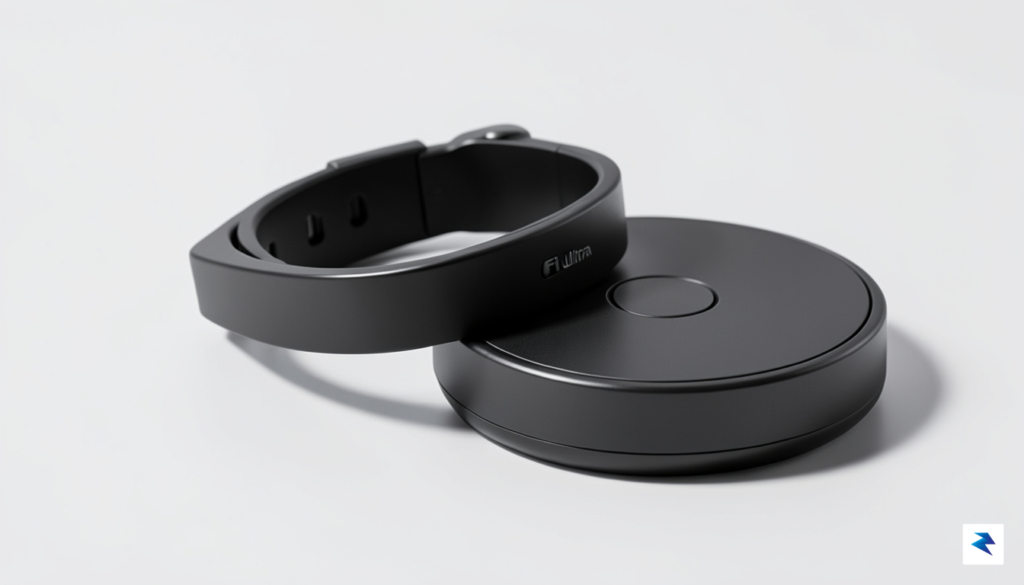
Engineering a wearable device that fits comfortably on a canine while housing the sophisticated hardware required for satellite communication represents a monumental challenge in miniaturization. Historically, pet trackers have been limited by the physical constraints of cellular antennas, which struggle to maintain a lock in remote, dead-zone areas. By integrating direct-to-satellite capabilities, the Fi Ultra has had to strike a delicate balance between a rugged, waterproof chassis and the internal real estate needed for specialized signal processing hardware. The result is a device that manages to remain sleek enough for daily wear while housing a high-density battery capable of sustaining intermittent satellite pings without requiring a nightly recharge.
Battery management is arguably the most critical engineering hurdle when incorporating satellite connectivity into a consumer-grade wearable. Unlike standard LTE trackers that constantly ping local cell towers, satellite-enabled devices must employ aggressive power-saving protocols, such as “burst” communication cycles and intelligent geofencing. The Fi Ultra optimizes its power consumption by defaulting to lower-energy connection methods when in urban environments, only activating its high-frequency satellite link when it detects that cellular and Wi-Fi networks have vanished. This tiered approach to connectivity ensures that the battery life is not prematurely drained, allowing the collar to remain functional for weeks at a time rather than hours, which is vital for the peace of mind of pet owners who prioritize long-term safety.
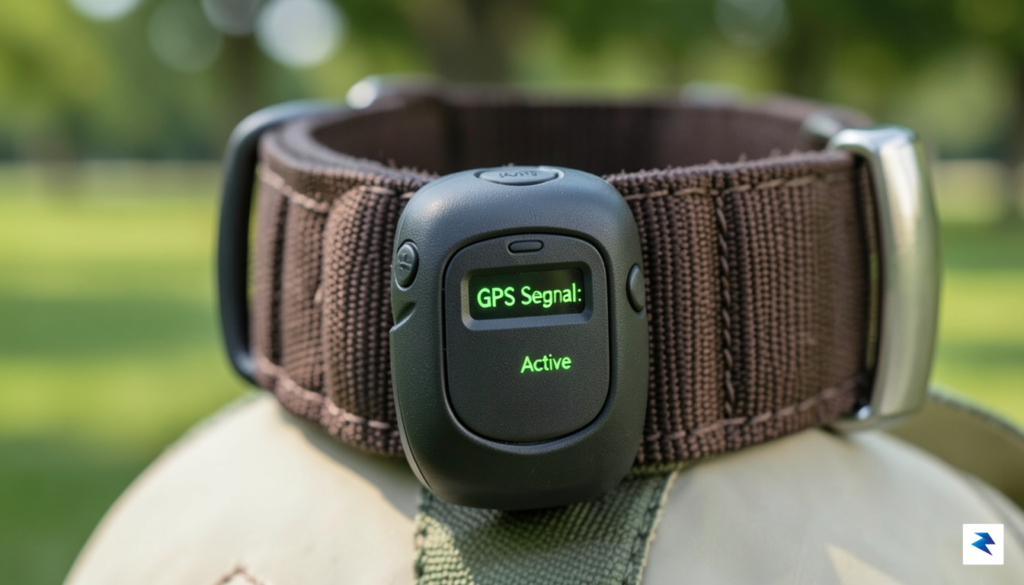
The true innovation in pet wearables isn’t just the connectivity itself; it is the intelligent orchestration of power consumption that allows sophisticated tracking to coexist with a practical, everyday form factor.
Looking ahead, the success of this satellite-integrated architecture is poised to shift the entire competitive landscape of the pet tech industry. As hardware costs decline and satellite constellations become more accessible, we can expect a transition where “offline” tracking becomes an obsolete concept. Competitors will likely be forced to move away from relying solely on terrestrial networks, potentially leading to a new standard of “always-on” safety for pets, regardless of terrain. This evolution signals a broader trend in consumer IoT, where the divide between urban connectivity and rural isolation is rapidly narrowing, ultimately building a more robust safety infrastructure for our four-legged companions. As these devices become smaller and more efficient, the future of pet ownership will be defined by the end of “lost dog” anxiety, as the network of global connectivity becomes as ubiquitous as the air our pets breathe.
You must be logged in to post a comment.