
How Starlink Connectivity Is Solving the Biggest Problem in Pet Tracking
The Evolution of Pet Tracking Technology For decades, the journey of pet tracking technology has been a constant struggle against the physical…

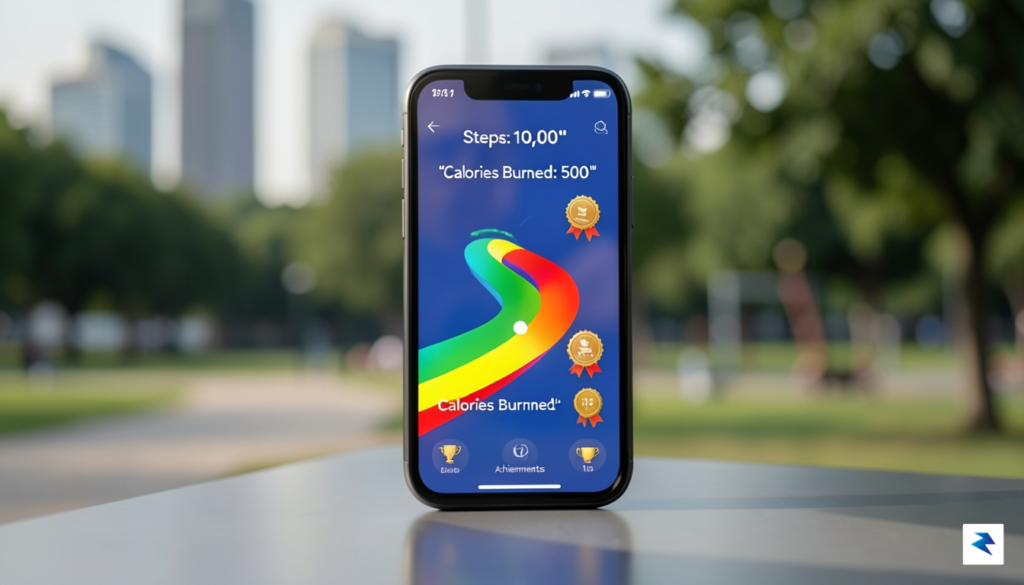
The journey of personal fitness tracking has evolved dramatically over the past few decades. What began with rudimentary mechanical pedometers, discreetly clipping onto waistbands, gradually transformed into sophisticated digital devices and smartphone applications. These early iterations primarily served as passive data recorders, meticulously counting steps and sometimes calculating calories burned. While invaluable for self-awareness and setting personal goals, they often lacked the intrinsic motivation to consistently push users beyond their comfort zones, leaving the persistent nudge to act largely unaddressed.
This gap between mere tracking and consistent action has spurred the emergence of a new frontier in digital health: gamified fitness and ‘move-to-earn’ applications. These innovative platforms transcend simple data logging by weaving elements of play, competition, and tangible rewards into the fabric of daily physical activity. They recognize that human behavior is powerfully influenced by incentives, thereby transforming the often-monotonous act of walking into an engaging, goal-oriented experience. This shift represents a fundamental rethinking of how technology can not just monitor, but actively cultivate healthier habits by turning every movement into a potential gain.
At the forefront of this innovative wave is WeWard, an application that has garnered significant attention for its unique approach to incentivizing movement. Its core philosophy is elegantly simple yet profoundly effective: users are rewarded directly for every step they take. Instead of just showing a number, WeWard converts physical activity into a digital currency, aptly named ‘Wards.’ This immediate, quantifiable return on effort provides a compelling reason to lace up those shoes, moving beyond the abstract benefits of health to offer concrete, redeemable value for your activity.
WeWard’s unique value proposition lies in its ability to inject purpose and excitement into everyday movement. It tackles the pervasive challenge of sedentary lifestyles by offering a clear, tangible incentive that resonates deeply in our increasingly digital world. Users accumulate Wards, which can then be exchanged for a diverse range of rewards, from gift cards and discounts at partner retailers to charitable donations, or even cash. This system leverages principles of behavioral economics, turning the accumulation of steps into a game of progression and achievement, thereby fostering a consistent, positive feedback loop that encourages sustained physical activity.
By transforming the mundane into the meaningful, WeWard illustrates the powerful potential of gamification to drive real-world behavioral change. It’s not merely about counting steps; it’s about valuing them, making each stride a small investment in both personal well-being and a tangible reward system. This innovative approach offers a compelling answer to the question of how to motivate a population increasingly glued to screens, proving that technology can indeed be a catalyst for getting us up and moving, one rewarded step at a time, ultimately promoting a more active lifestyle.
At the heart of this wellness innovation lies a sophisticated integration between the user’s smartphone accelerometer and the operating system’s permission settings. By setting a daily movement quota, users essentially turn their physical activity into a digital key. Once the feature is activated, the application monitors your real-time step count against the pre-set goal; if you attempt to open a designated “locked” app—such as a social media platform or a mobile game—before reaching your quota, the interface triggers a soft block. This barrier remains in place until the integrated pedometer confirms that the requisite amount of movement has been recorded, effectively turning your daily walk into a prerequisite for your digital leisure time.
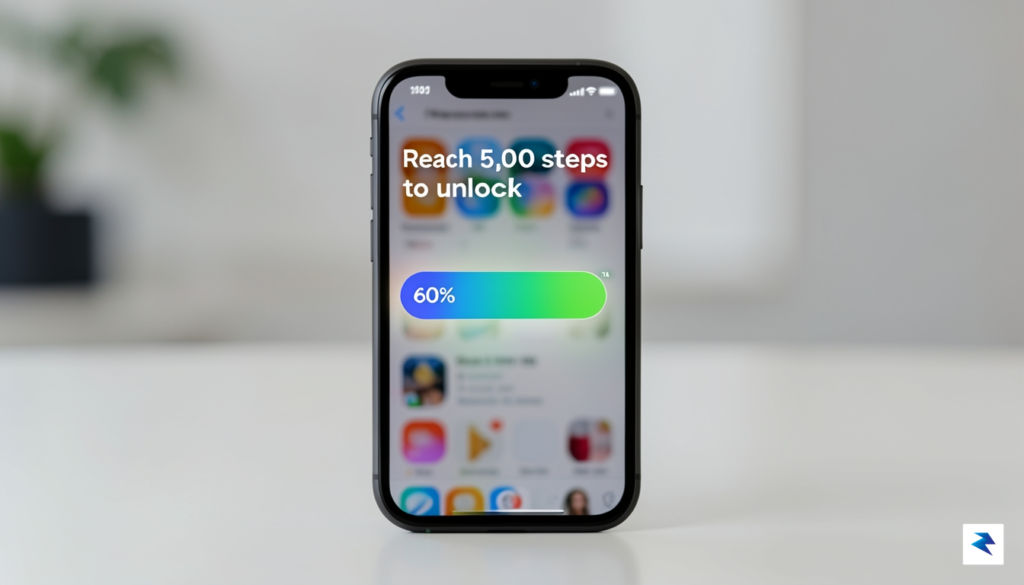
The user journey is designed to be seamless yet firm. Upon enabling the feature, you choose which specific applications are subject to the restriction, allowing you to prioritize the apps you find most distracting. Throughout the day, the platform provides gentle, persistent reminders of your progress. This mechanism of release is purely objective: as soon as the motion sensors verify the final step in your target, the digital gate lifts automatically, granting full access to your previously restricted applications. It is a system built on the premise that movement should be a reward, rather than a chore, effectively gamifying the transition from a sedentary task to active engagement.
By transforming movement into a digital currency, this technology shifts the perspective on physical activity from a secondary health goal to a primary requirement for digital access.
From a behavioral standpoint, this “digital gating” functions as a powerful tool for habit formation by leveraging the psychological principle of temptation bundling. By tethering high-value digital experiences to low-effort physical activity, users create a Pavlovian response where the impulse to check a social feed serves as a cue to get moving. This method circumvents the common struggle of willpower by automating the decision-making process; you no longer have to negotiate with yourself about whether to exercise, as the barrier to your favorite app acts as a non-negotiable external motivator. Over time, these small bursts of activity can significantly improve metabolic health, subtly rewiring the user’s daily rhythm to favor movement over prolonged periods of inactivity.
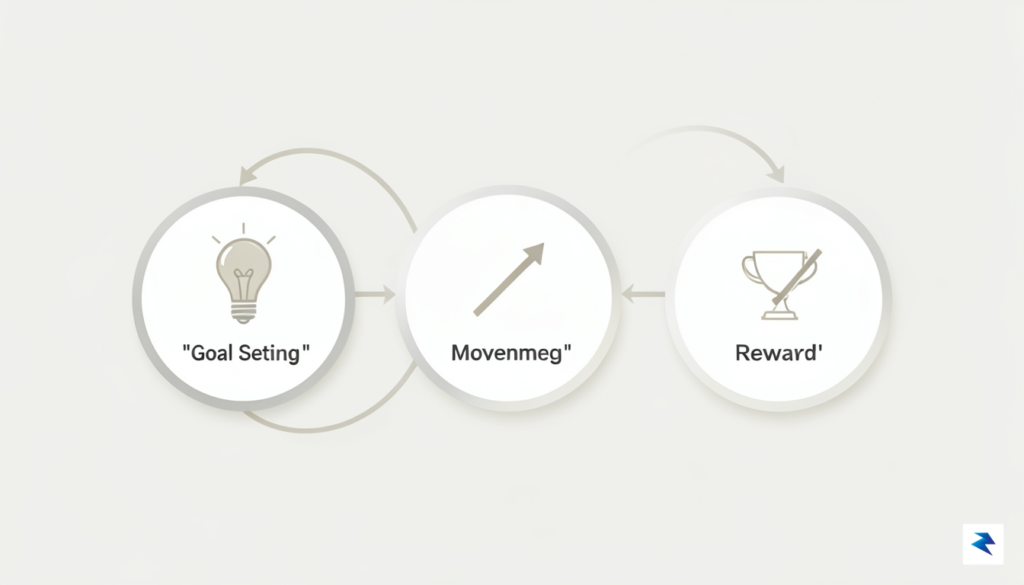
At the heart of behavioral economics lies the concept of the commitment device—a voluntary strategy where individuals restrict their own future choices to ensure they stick to a long-term goal. While traditional fitness trackers act as passive observers, merely recording data and presenting it in charts, WeWard transforms the user interface into an active participant in behavior modification. By introducing the ability to lock specific apps until a daily step goal is achieved, the platform creates a powerful psychological barrier. This forces users to confront the immediate friction of a digital restriction, effectively trading the temporary convenience of social media or entertainment for the long-term benefit of physical movement.

The efficacy of this approach stems from the concept of loss aversion, a psychological phenomenon where the pain of losing access to a preferred app outweighs the pleasure of simply “earning” rewards. Standard pedometers often fail to sustain long-term engagement because they rely entirely on intrinsic motivation, which can fluctuate wildly depending on a person’s mood or schedule. In contrast, WeWard utilizes forced accountability to bypass the “willpower gap”—that moment of fatigue when a user might otherwise choose the couch over a walk. By tethering our digital habits to our physical activity, the app creates a structural dependency that makes sedentary behavior feel less rewarding in the short term.
“Behavioral change is rarely a matter of willpower alone; it is a matter of environmental design. By leveraging commitment devices, we move from hoping for better habits to architecting them into our daily digital routine.”
Research into behavior modification suggests that extrinsic rewards—such as the digital currency offered by WeWard—are most effective when they are immediate and tangible. When these rewards are paired with the restrictive “app-locking” feature, the barrier to entry for exercise is significantly lowered. Users are no longer just walking for the abstract benefit of “health”; they are walking to regain access to their digital tools. This method has shown promise in increasing average daily walking times, as the desire to clear one’s digital queue acts as a consistent, daily nudge. Ultimately, by shifting the burden of discipline from the human mind to the software itself, WeWard provides a compelling blueprint for how technology can be repurposed to combat the modern epidemic of physical inactivity.

When an athlete of Venus Williams’s caliber—a seven-time Grand Slam champion known as much for her longevity on the court as for her entrepreneurial acumen—decides to back a wellness platform, it signals a profound transformation in the digital health landscape. Williams’s involvement in WeWard is not merely a celebrity endorsement; it represents a calculated pivot toward democratizing health through technology. By aligning her personal brand with a ‘move-to-earn’ model, she is effectively bridging the gap between elite athletic performance and the daily, often mundane struggles of maintaining an active lifestyle. Her investment suggests that the future of wellness lies in creating accessible, tangible incentives that turn the abstract goal of ‘staying fit’ into a measurable, daily habit.
For Williams, the decision to support WeWard stems from a long-standing commitment to promoting health and holistic longevity. Throughout her career, she has consistently championed the idea that wellness is not just about professional competition, but about the small, consistent choices individuals make throughout their day. By leveraging technology that rewards users for their physical activity, she is helping to dismantle the high barrier to entry that often prevents people from prioritizing their health. Her perspective is rooted in the belief that if you can gamify movement, you can fundamentally alter the way the general public perceives exercise—moving it away from a chore and toward a rewarding, integrated part of a modern, digital-first lifestyle.

“Wellness should be accessible, engaging, and integrated into our daily routines, not just reserved for the elite or the gym-obsessed. By gamifying our movement, we create a more sustainable path to health for everyone.”
This strategic endorsement serves a dual purpose: it provides WeWard with the credibility needed to scale, while simultaneously legitimizing the ‘move-to-earn’ sector for a mainstream audience that might otherwise be skeptical of such platforms. Historically, fitness apps have struggled with user retention, often failing to keep people motivated beyond the initial novelty phase. However, by introducing innovative friction—such as the app’s ability to lock distracting software until daily step goals are met—the platform moves beyond passive tracking into active behavioral modification. Williams’s participation signals to the market that this isn’t just another fad, but a serious technological intervention designed to combat sedentary behavior in an increasingly digital world.
Ultimately, Williams’s influence helps frame wellness as a strategic investment in one’s own future. By lending her name to an app that literally stops you from scrolling until you start walking, she is encouraging a shift in cultural values: prioritizing physical vitality over digital distraction. This partnership underscores a broader movement where celebrity influence is no longer just about selling a product, but about endorsing a lifestyle philosophy that values longevity and proactive health management. As the lines between our virtual and physical lives continue to blur, such collaborations will likely become the blueprint for how tech startups gain trust and how high-profile figures choose to shape the future of public health.

The innovative approach of apps like WeWard, which seeks to gamify physical activity by linking it to digital access, undeniably presents an intriguing solution to the modern challenge of sedentary lifestyles. However, this novel mechanism, where reaching a step goal unlocks access to other applications on one’s device, immediately sparks a vital conversation about privacy and digital wellbeing. While the promise of improved physical health is alluring, it compels us to critically examine the trade-offs involved, particularly concerning our digital autonomy and the intricate web of user data.
At the heart of the debate lies the question of control: who ultimately dictates access to our personal devices? When a third-party application gains the power to restrict engagement with other apps until certain conditions are met, it introduces a complex dynamic. This raises legitimate concerns about the ethics of ceding such significant control over one’s digital environment to an external entity. While the intention may be benign—to encourage healthier habits—the precedent of an app locking users out of their own device components warrants careful consideration, prompting questions about potential over-reliance and the unforeseen implications for our digital independence.
Indeed, the benefits of such gamified motivation are clear: a tangible incentive to move more, potentially breaking cycles of excessive screen time and fostering a healthier balance. Yet, this positive outcome must be weighed against the potential risks. Users are effectively entrusting a piece of their digital sovereignty to the app. What if the app malfunctions, or if the user genuinely needs access to a locked application for an urgent matter unrelated to their step count? The underlying principle of an app regulating personal screen time, while perhaps effective for some, touches upon deeper philosophical questions about self-regulation versus externally imposed discipline in the digital age.
Furthermore, the privacy implications are paramount. For an app to successfully implement a locking mechanism based on physical activity, it must necessarily collect and process a significant amount of user data. This includes not only step counts and activity levels but potentially also location data, app usage patterns, and other behavioral metrics. Users must demand absolute transparency regarding how this sensitive information is collected, stored, used, and, crucially, whether it is shared with third parties. A clear, easily understandable privacy policy is not merely a legal formality but an ethical imperative, ensuring users can make fully informed decisions about what data they are contributing and the safeguards in place to protect it.
Ultimately, the emergence of apps that blend health motivation with digital control forces a necessary re-evaluation of our relationship with technology. It highlights the delicate balance between leveraging innovative tools for personal improvement and maintaining fundamental digital autonomy. For such platforms to truly succeed ethically and sustainably, they must not only deliver on their health promises but also champion user control, provide robust data privacy, and foster an environment of trust through unparalleled transparency. The onus is on both developers to design ethically and users to engage critically, ensuring that the pursuit of physical wellbeing doesn’t inadvertently compromise our digital freedom.

You must be logged in to post a comment.