
Can Locking Your Apps Make You Fit? A Look at Venus Williams-Backed WeWard
The Rise of Gamified Fitness: Why WeWard is Turning Heads The journey of personal fitness tracking has evolved dramatically over the past few…


For decades, the process of parting ways with a vehicle has been defined by a fundamental imbalance of power. Historically, sellers were faced with a binary choice: the convenience of a dealership trade-in or the potential financial upside of a private party sale. Neither option was particularly appealing. Walking into a dealership meant subjecting yourself to high-pressure sales tactics and a “take it or leave it” offer that rarely reflected the true market value of your vehicle. Conversely, opting for a private sale shifted the entire administrative and safety burden onto your shoulders, requiring you to navigate endless inquiries, fickle buyers, and the inherent risks of meeting strangers for test drives. In this fragmented landscape, the average consumer almost always left significant equity on the table, trading hard-earned value for the sake of avoiding a logistical headache.

The dawn of online classifieds and early automotive marketplaces promised to solve these issues by increasing reach, yet they ultimately introduced a new set of inefficiencies. While these platforms made it easier to list a car, they did not necessarily improve the negotiation process. Sellers still found themselves acting as their own marketing departments, managing inquiries, and haggling with individual buyers who were often looking for a bargain rather than a fair market transaction. Furthermore, the rise of the “middleman”—third-party aggregators and automated buying services—often prioritized volume over the specific needs of the vehicle owner. These platforms standardized the appraisal process, stripping away the nuance of what makes a particular car valuable to a specific buyer, effectively commoditizing assets that should have commanded a premium.
The true value of a used car is rarely a fixed number; it is a fluid reflection of demand, geography, and the specific inventory needs of the dealerships competing for your keys.
Fortunately, we are witnessing a significant paradigm shift in how automotive retail functions. We are moving away from passive, static selling models toward dynamic, platform-based ecosystems that prioritize the seller’s equity through competition. By leveraging real-time data and digital infrastructure, new models allow sellers to solicit bids from multiple dealerships simultaneously, effectively turning the tables on the traditional trade-in experience. Instead of the seller chasing a buyer, the market now comes to them, creating a transparent auction environment where dealers compete to provide the most attractive offer. This evolution represents more than just a technological convenience; it is a fundamental correction of a long-standing industry inefficiency that has favored institutional buyers for far too long.
As this modern approach gains traction, it is clear that the future of selling a vehicle lies in removing the friction that once made the process a dreaded chore. By integrating competitive bidding directly into the user experience, we are finally seeing a level playing field where information parity replaces the guesswork of the past. Sellers no longer need to settle for the first offer they receive or fear the risks associated with private transactions. Instead, they can harness the power of a digital marketplace that treats their vehicle as a high-demand asset, ensuring they receive the full financial benefit of their ownership.

Selling a used car has historically been fraught with uncertainty, often feeling like a high-stakes guessing game where the seller is at a distinct disadvantage. The traditional appraisal process, characterized by driving from one dealership to another, waiting for an inspection, and receiving a solitary, often non-negotiable offer, has long been a primary friction point. This method forces sellers into a ‘take it or leave it’ ultimatum, leaving them to wonder if they truly secured the best possible price for their vehicle. Bidbus fundamentally reimagines this experience, transforming what was once a solitary, often frustrating negotiation into a dynamic, competitive marketplace designed to empower the seller.
The core innovation Bidbus introduces is the ‘bidding war’ mechanism, which effectively pits dealerships against each other to acquire your used car. Instead of visiting multiple locations for individual, isolated appraisals, a seller submits their vehicle’s details and condition once through the Bidbus platform. This singular submission then unleashes a wave of competitive bids from a network of pre-qualified dealerships, all eager to acquire inventory and willing to pay top dollar to secure it. This direct, real-time competition ensures that offers are pushed upward, reflecting the true market value of the vehicle rather than a single dealership’s internal valuation or profit margin objectives.
This competitive environment naturally fosters a level of transparency previously unheard of in the used car market, directly impacting the final transaction price in the seller’s favor. In the traditional model, sellers operated in the dark, with no insight into what other dealerships might be willing to offer. Bidbus eliminates this ‘blind’ appraisal, providing sellers with a clear, side-by-side view of multiple offers, often presented simultaneously. Knowing that numerous dealers are actively vying for their vehicle instills confidence in sellers that they are genuinely receiving the highest possible price, driven by genuine market demand and open competition.
Beyond the tangible financial benefits, Bidbus instigates a significant psychological shift for the consumer. The platform transforms the seller from a passive participant, simply waiting to be told their car’s worth, into the one holding the leverage. This newfound control over the pricing process is incredibly empowering, replacing anxiety and doubt with a sense of fairness and agency. Consumers no longer feel pressured or manipulated; instead, they are in the driver’s seat, making an informed decision based on transparent, competitive offers, ultimately dictating the terms of their sale. This redefinition of the negotiation dynamic is truly revolutionary, making selling a used car a far more equitable and satisfying experience.
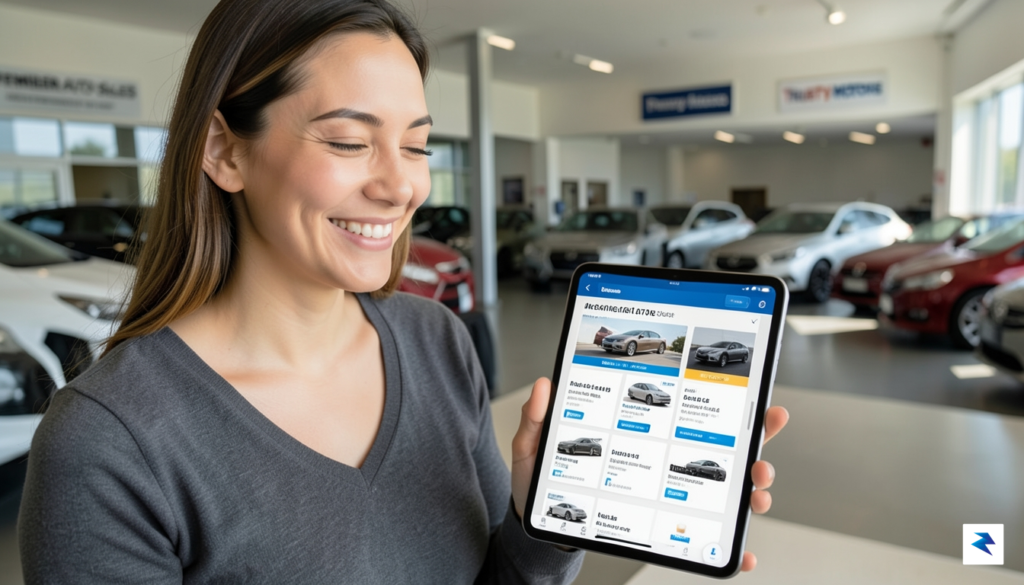
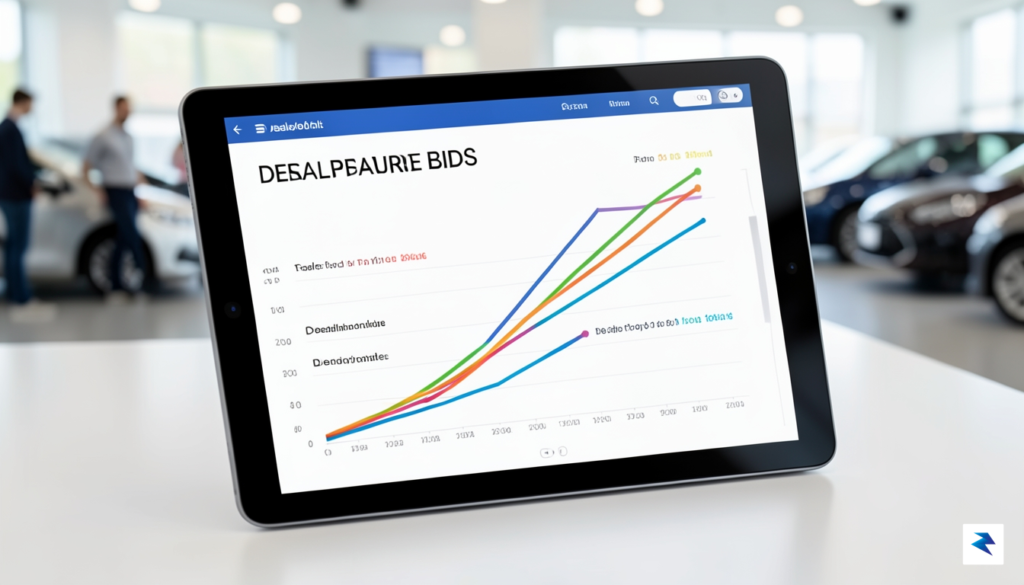
Beneath the streamlined, user-friendly interface lies a complex digital ecosystem designed to transform the antiquated car-selling process into a high-speed, data-driven auction. The platform’s reliability hinges first and foremost on the rigorous vetting process for its dealer network. Unlike open marketplaces where any entity can participate, this system hand-picks dealerships based on their historical performance, financial stability, and commitment to transparent business practices. Every participating buyer is vetted to ensure they have the liquidity to fulfill winning bids immediately, which eliminates the risk of “buyer ghosting” or last-minute price renegotiations that often plague private-party sales.
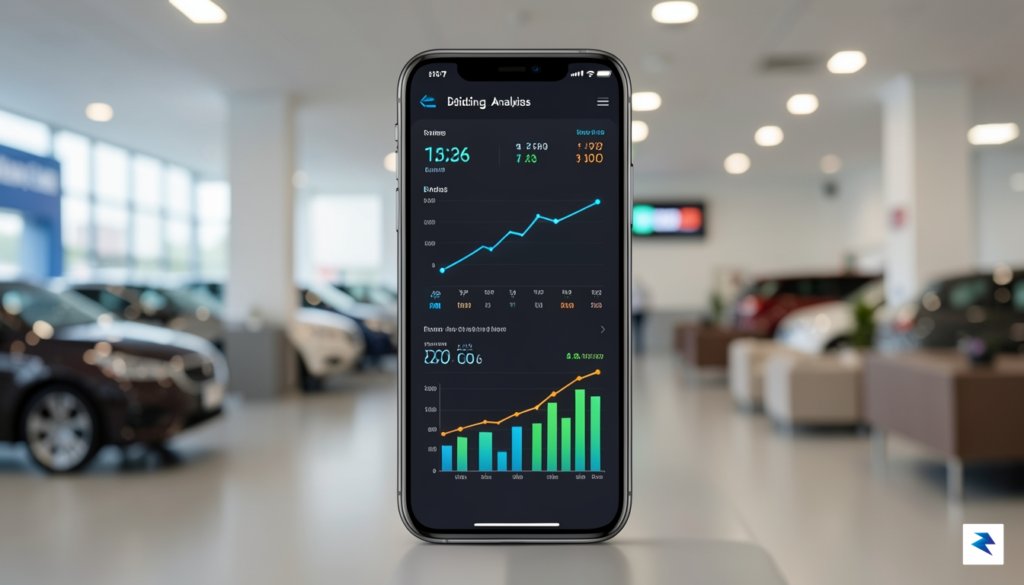
The accuracy of the competitive bidding process relies entirely on the integrity of the vehicle data provided at the start. When a seller inputs their Vehicle Identification Number (VIN) and current odometer reading, the platform’s engine cross-references this information against massive industry databases to pull factory specifications, service history, and market-standard depreciation curves. To go beyond simple averages, the system requires sellers to upload photos and self-report condition markers, which are then normalized by proprietary algorithms. These digital “condition reports” serve as the baseline for all incoming bids, ensuring that dealers are not guessing at the car’s state, but are instead placing informed offers based on a standardized set of metrics.
Once the auction clock expires and a winning bid is accepted, the platform initiates a structured post-bid workflow that removes the logistical headache of a private transaction. The winning dealer is contractually obligated to honor the bid, provided the vehicle’s condition matches the initial digital report. To facilitate this, a professional third-party inspector often coordinates with the seller to verify the vehicle’s status, ensuring that the transition is objective and friction-free. During this phase, the platform acts as a secure escrow intermediary, managing the transfer of funds directly to the seller’s account while ensuring the title documentation is processed correctly.
The core of the platform’s success is the shift from a subjective negotiation process to a structured, data-verified transaction where the seller holds the leverage.
Ultimately, the entire lifecycle—from the moment a user uploads a photo to the final handoff of the keys—is tracked through an integrated portal that keeps all parties aligned. By automating the title transfer paperwork and providing clear instructions for the physical exchange, the system minimizes human error and significantly shortens the time it takes to go from listing to liquidity. This meticulous operational engine ensures that even though the marketplace is fiercely competitive for the dealers, the experience for the seller remains remarkably simple, secure, and predictable.
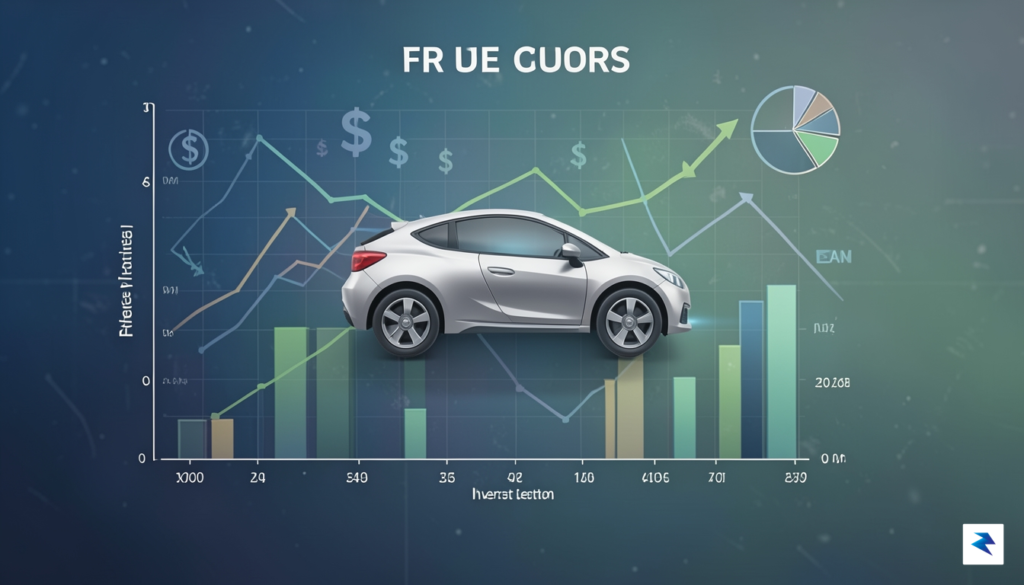
The recent $15 million Series A funding round, spearheaded by Ibex Investors, serves as a clear bellwether for the shifting tides within the automotive retail sector. By injecting significant capital into a platform that digitizes the historically fragmented and opaque process of selling a used vehicle, investors are signaling that the era of dealership-led monopoly is rapidly waning. This move is not merely a vote of confidence in a single company; it is an endorsement of the broader movement toward transparent, consumer-centric automotive mobility. As venture capital firms pivot away from speculative tech plays toward businesses with tangible, real-world utility, platforms that directly optimize the vehicle lifecycle—from acquisition to resale—have become the new darlings of the investment world.

Ibex Investors, known for their strategic focus on companies that offer scalable solutions to complex legacy industries, recognizes that the Bidbus model addresses a critical friction point in the automotive ecosystem. The current market is ripe for disruption because consumers are increasingly demanding the same digital-first, competitive bidding experience they enjoy in other sectors, such as real estate or travel. By forcing dealerships to compete directly for inventory, the platform effectively turns the tables on the traditional negotiation process, creating a dynamic marketplace where price discovery is driven by data rather than salesperson obfuscation. This level of efficiency is precisely what institutional investors look for when assessing the long-term scalability of a startup; they aren’t just betting on a tool, they are betting on a fundamental restructuring of how cars change hands.
“The integration of automated diagnostic verification and seamless financing layers will likely transform this platform from a simple bidding site into a comprehensive ecosystem for automotive asset management.”
Looking ahead, this capital injection provides the necessary runway for aggressive geographical expansion and the potential integration of value-added services that could redefine user expectations. With a stronger balance sheet, the company can move beyond localized pilot programs to establish a national footprint, effectively scaling its network of competing dealers to achieve better liquidity for sellers. Furthermore, the potential to integrate real-time, automated vehicle diagnostics or embedded financing options suggests a future where the platform manages the entire financial and mechanical health of a vehicle transfer. By capturing these additional touchpoints, the business model moves from a one-off transactional service to a recurring, indispensable utility in the automotive mobility chain, ensuring that investors see a clear path toward long-term, sustainable growth.

The allure of having dealerships actively compete for your used car is undeniable, promising a potentially higher return than traditional trade-ins or private sales. However, navigating a digital platform for such a significant transaction requires a strategic approach and a clear understanding of the process from preparation to final sale. While the convenience and competitive edge are compelling, sellers must equip themselves with practical knowledge to ensure the highest possible financial outcome and a smooth experience. This involves meticulous preparation of your vehicle, realistic expectations regarding the bidding process, and smart comparison of the final offers presented.
Before your vehicle ever goes live for dealers to bid on, its presentation online is paramount. Think of this digital listing as its first impression, one that significantly influences initial bid amounts. A thorough cleaning, both inside and out, is non-negotiable; this includes vacuuming interiors, wiping down surfaces, cleaning windows, and ensuring the exterior is washed and waxed. Addressing minor cosmetic issues, such as small dents or scratches, if cost-
You must be logged in to post a comment.