Why Oil Prices Are Rising After Recent Persian Gulf Tensions
The Strategic Importance of the Strait of Hormuz At its narrowest point, the Strait of Hormuz spans only 21 miles wide, yet this slim maritime…
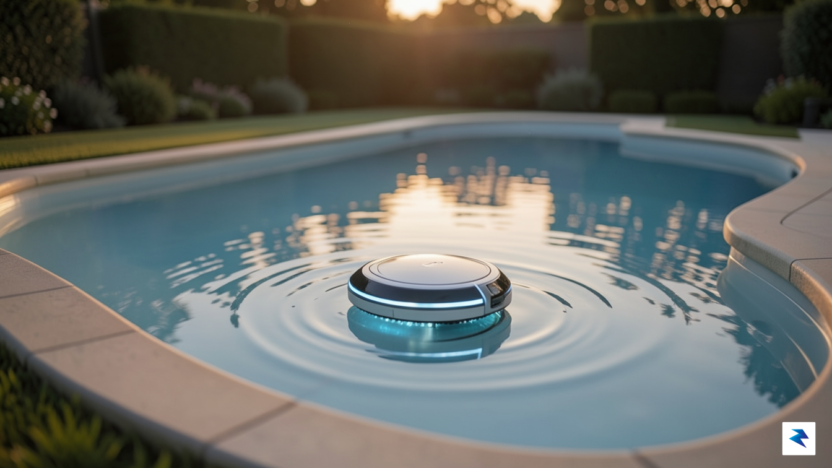
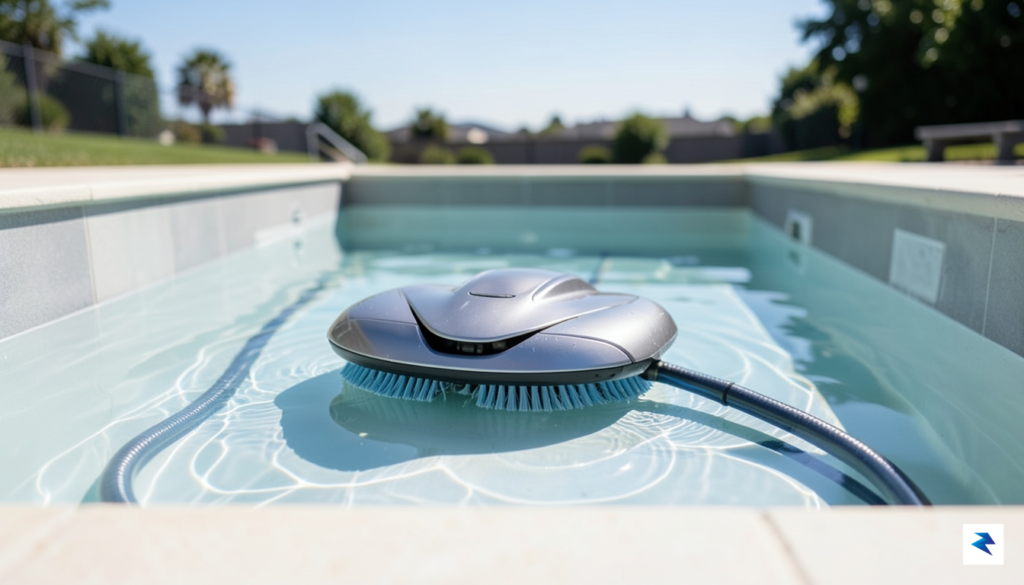
For decades, the ritual of pool ownership was inextricably linked to the grueling physical labor of manual maintenance. Homeowners spent countless sweltering weekends wrestling with cumbersome vacuum poles, untangling miles of suction hoses, and manually scrubbing waterline tiles until their backs ached. This labor-intensive process was not merely a chore; it was a significant barrier to the actual enjoyment of one’s investment. The traditional approach relied on brute force and manual precision, leaving little room for error and requiring a consistent, time-consuming commitment just to keep the water clear and the surfaces free of debris.
The landscape of aquatic care has fundamentally shifted, mirroring the broader trend of household automation that brought us intelligent indoor floor cleaners. Just as robotic vacuums have become a standard fixture in modern living rooms, advanced aquatic robotics have finally matured into essential household appliances. These machines have transcended the limitations of early, tethered models, evolving into truly autonomous units that operate with a level of sophistication previously reserved for industrial settings. By offloading the burden of debris collection and filtration to intelligent hardware, today’s pool owners are finally reclaiming their leisure time, transforming pool care from a dreaded task into a seamless, background process.
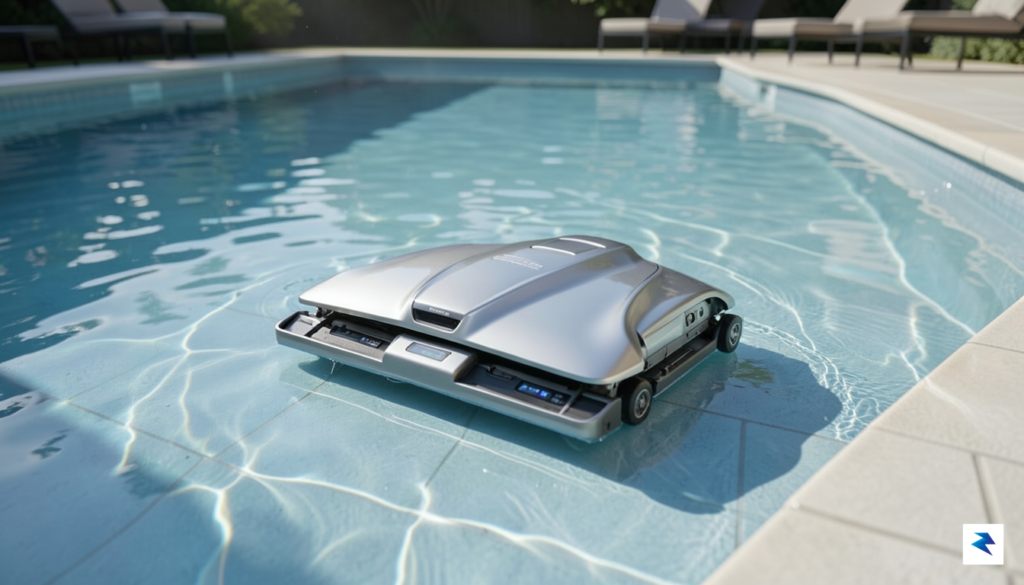
The 2026 generation of cleaners represents a massive technological leap forward, particularly in the realms of spatial navigation and energy efficiency. Where previous iterations often relied on random patterns—frequently getting stuck in corners or missing entire sections of the pool floor—the latest models utilize sophisticated AI-driven mapping and multi-sensor arrays. These devices continuously analyze the geometry of your pool, identifying high-traffic debris zones and adjusting their suction power dynamically based on the volume of waste they encounter. This intelligent approach ensures that every square inch of the pool, from the deep end to the trickiest waterline edges, receives systematic attention without redundant cycles.
The true measure of a 2026-grade robotic cleaner is not just its suction power, but its ability to “think” its way through a cleaning cycle, ensuring maximum efficiency with minimal human oversight.
Furthermore, the integration of smart connectivity allows these robots to communicate directly with your smartphone, providing real-time status updates and custom cleaning schedules tailored to your lifestyle. You no longer need to hover over the pool to ensure the machine is functioning; instead, you receive alerts regarding filter status, battery life, and task completion. This paradigm shift means that maintenance is no longer about managing a process, but rather managing an appliance. By leveraging these cutting-edge advancements, owners can maintain a pristine swimming environment all season long, effectively turning the once-daunting responsibility of pool upkeep into a set-it-and-forget-it reality.
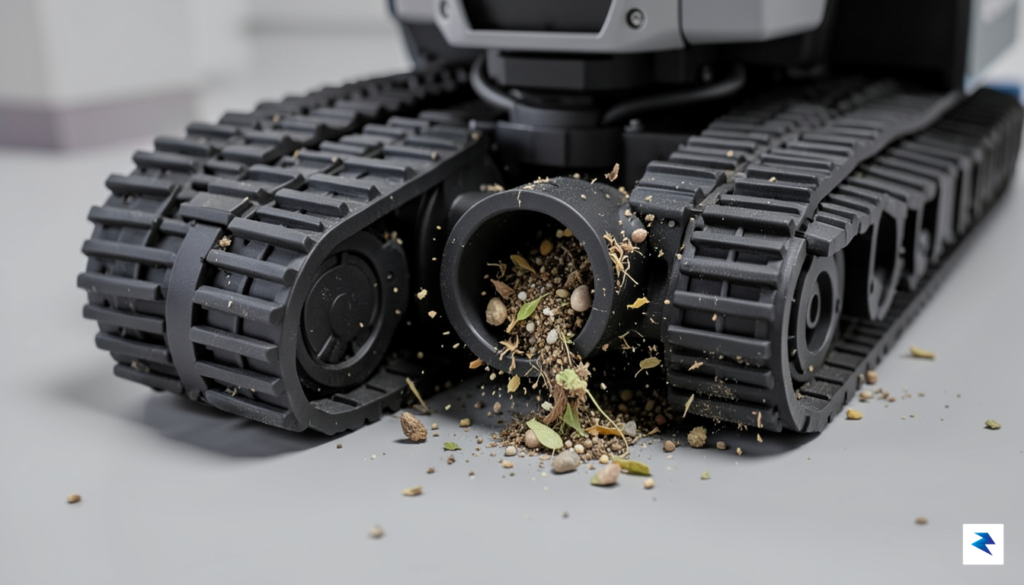
At the heart of the modern robotic pool cleaner lies a sophisticated fusion of aerospace-grade engineering and advanced computational intelligence. Unlike traditional suction-side or pressure-side cleaners that rely on your pool’s existing pump and plumbing, these autonomous units operate as completely independent systems. By housing high-torque internal motors and dedicated filtration pumps within a waterproof chassis, they circulate pool water through their own internal mesh canisters. This design ensures that debris is captured before it ever reaches your main filter, significantly reducing the maintenance burden on your primary equipment while providing a much more thorough cleaning cycle.
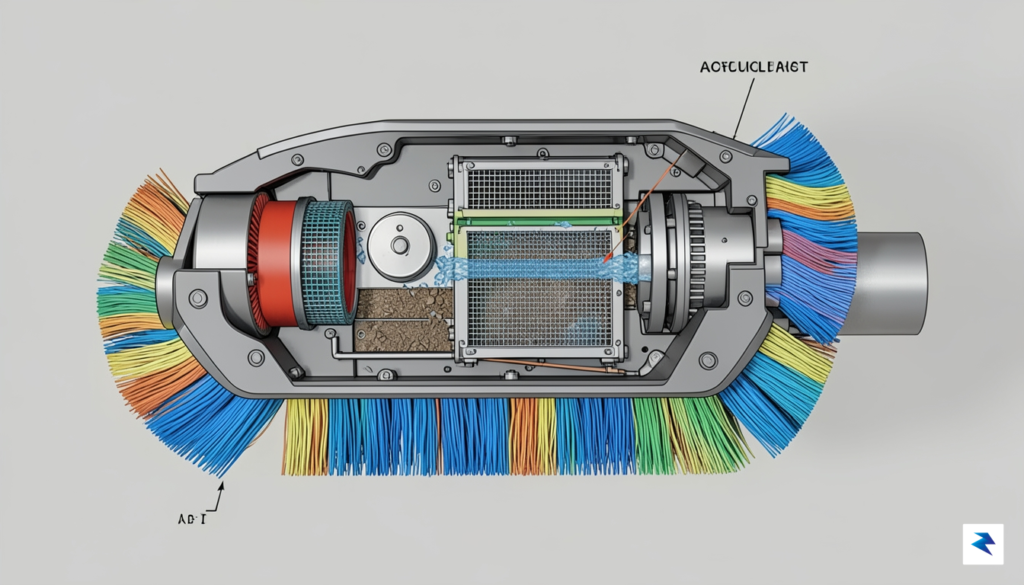
The intelligence that defines the 2026 generation of cleaners is largely driven by sophisticated spatial mapping software and an array of onboard sensors. These devices utilize gyroscopes, accelerometers, and advanced vision systems—often incorporating LiDAR or infrared—to calculate the dimensions of your pool in real-time. By mapping the floor, walls, and unique contours of steps or benches, the robot creates an optimized cleaning path that ensures zero overlap and total surface coverage. This spatial awareness is what allows these machines to transition seamlessly from the floor to the vertical surfaces, utilizing a combination of high-grip tracks and intelligent suction control to maintain contact even at the waterline.
Modern robotic cleaners function as the “roombas of the pool,” using proprietary algorithms to ensure that not a single square inch of tile or plaster is left untouched during their programmed cycles.
When it comes to wall climbing and waterline scrubbing, the mechanics are truly impressive. These robots utilize variable-speed propulsion systems that adjust power based on the surface angle, ensuring they maintain enough force to combat gravity while scrubbing away the stubborn biofilm and oily residue that typically accumulates at the water’s surface. Furthermore, the inclusion of high-density PVA brushes or multi-directional scrubbers ensures that algae and fine particulates are physically dislodged from the surface pores. Because these units are powered by sealed, long-lasting battery packs or low-voltage safety transformers, they operate with a level of efficiency and safety that was simply not possible with legacy cleaning hardware. This independent power source, coupled with smart-pathing algorithms, means you can simply drop the unit into the water, press a button, and return to a pristine pool without ever needing to worry about tangled hoses or complex manual settings.
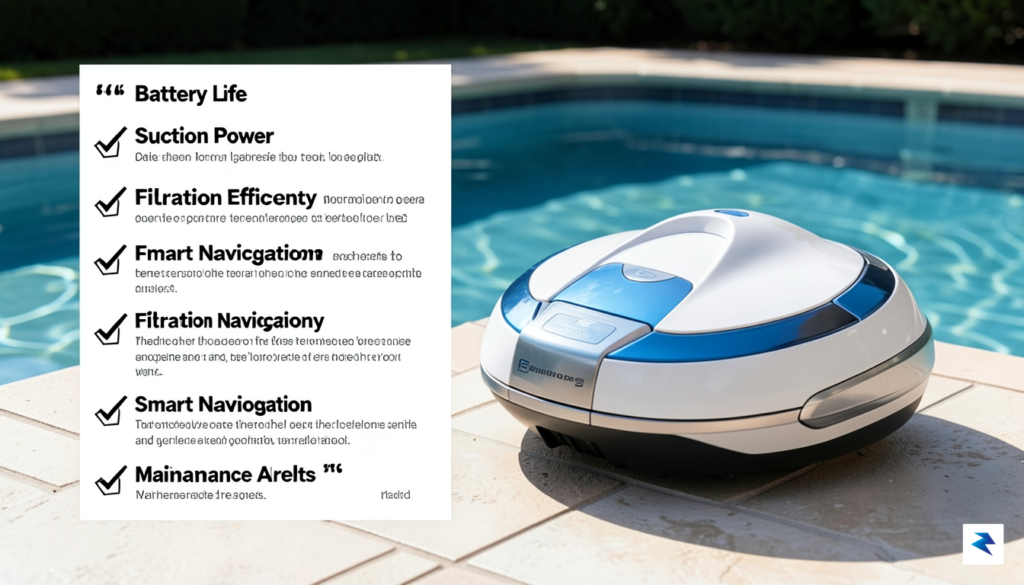
Choosing the right robotic pool cleaner is far from a one-size-fits-all decision; your pool’s unique characteristics dictate which features will genuinely benefit you most. Investing a little time upfront to evaluate key specifications against your specific needs will prevent future headaches, save money, and ensure your pool remains sparkling clean with minimal effort. With a diverse array of models on the market, each boasting specialized capabilities, understanding what truly matters for your aquatic oasis is paramount.
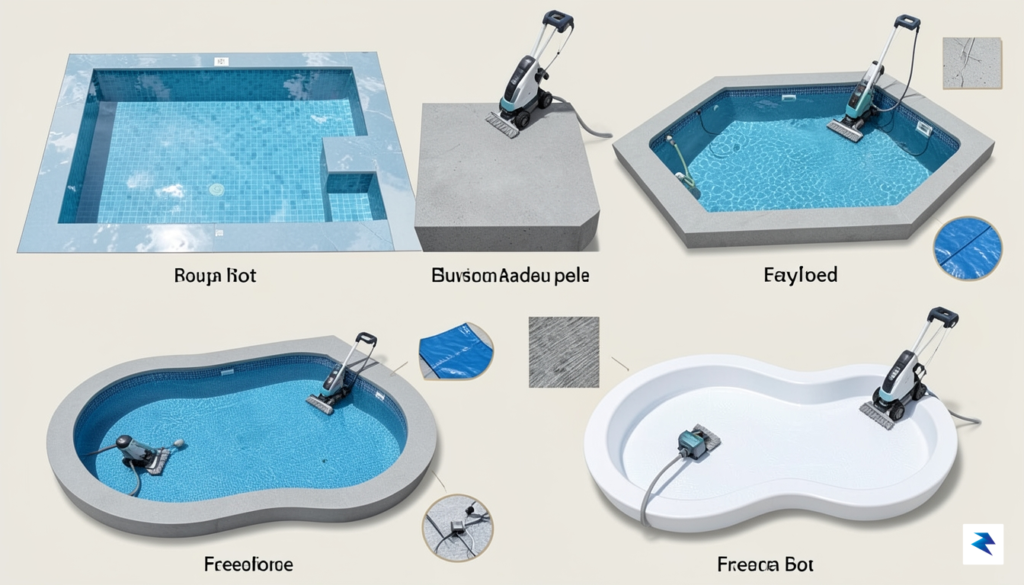
The very first considerations should revolve around your pool’s fundamental attributes: its shape, size, and surface material. An irregularly shaped pool, perhaps an L-shape, kidney, or freeform design, will demand a cleaner equipped with sophisticated navigation and mapping capabilities to ensure comprehensive coverage, unlike a simple rectangular pool. Larger pools, naturally, require models with longer cleaning cycles, more robust motors for sustained performance, and often larger filter capacities to handle increased debris volume. Crucially, the material of your pool’s surface – be it vinyl liner, fiberglass, concrete, gunite, or tile – dictates the optimal brush type; some cleaners feature PVA brushes for superior grip on slippery surfaces, while others offer versatile combi-brushes suited for various materials, all designed to scrub effectively without causing damage or losing traction.
Beyond the basics, the cleaner’s ability to tackle vertical surfaces and its operational modes are key performance indicators. Wall-climbing capabilities are essential for a truly comprehensive clean, as they effectively address the waterline where scum, algae, and fine debris frequently accumulate, often overlooked by floor-only cleaners. Look for models with powerful suction and advanced traction systems that can ascend walls and scrub the waterline efficiently. Furthermore, evaluate the available cleaning cycles: some models offer quick spot cleans for minor touch-ups, while others provide intensive floor-only, wall-only, or combined floor-and-wall deep scrubs. The flexibility to program custom cleaning paths or schedule routine operations significantly enhances convenience, ensuring your pool is always pristine when you need it, adapting to your lifestyle.
In our increasingly connected world, smart app connectivity has become a highly sought-after feature for modern robotic pool cleaners. Integration with a smartphone app allows for unparalleled remote control, enabling you to start or stop cleaning cycles, customize schedules, monitor real-time cleaning progress, and even receive diagnostic alerts from anywhere. This level of remote management offers immense convenience for busy homeowners. Simultaneously, advanced obstacle avoidance technology is crucial for uninterrupted and thorough cleaning. Cleaners equipped with sophisticated sensors—be they sonar, infrared, or vision-based—can intelligently navigate around common pool fixtures like drains, ladders, steps, and even forgotten toys, preventing them from getting stuck or damaging themselves, thereby ensuring every cleaning cycle is completed efficiently and effectively.
Finally, consider the practicalities of power delivery and maintenance, particularly the choice between corded and cordless models, and the ease of filter access. Corded robotic cleaners typically offer unlimited run time and consistent power, making them an excellent choice for very large pools or those requiring continuous, heavy-duty operation, though managing the cable can sometimes be a minor inconvenience. Cordless models, in contrast, provide unparalleled freedom from tangles and effortless deployment, ideal for smaller to medium-sized pools where convenience and quick setup are priorities, albeit with the consideration of battery life and recharging cycles. Regardless of the power type, the design of the filter basket is paramount for user-friendly maintenance. Look for large-capacity, easily accessible, top-loading filter baskets that minimize the frequency of emptying and simplify the cleaning process, often featuring fine-mesh filters capable of trapping everything from large leaves to microscopic dust, ensuring your pool water remains crystal clear with minimal fuss.
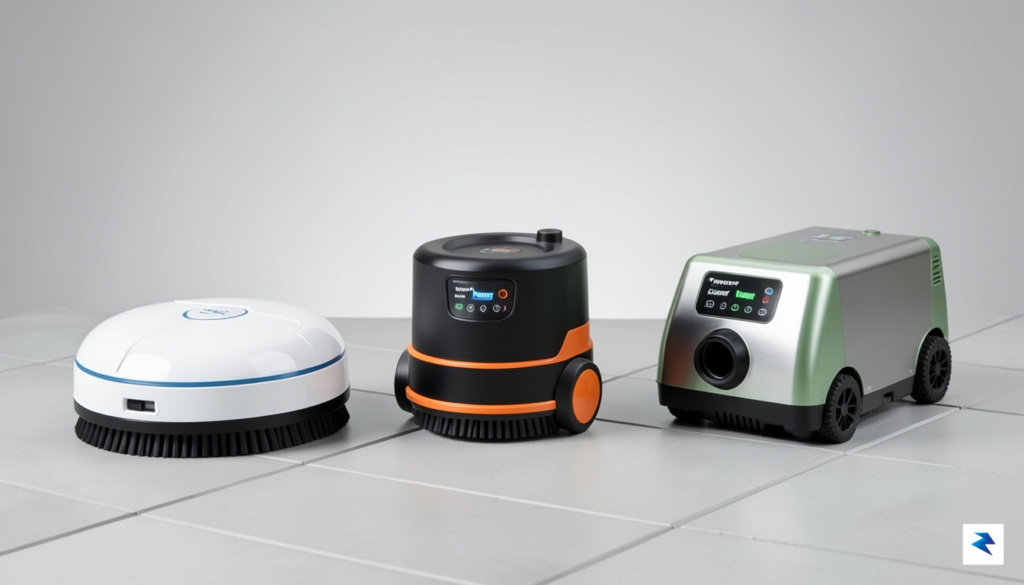
The robotic pool cleaner market has undergone a significant transformation in 2026, moving away from simple random-pattern navigation toward highly sophisticated, AI-driven maintenance systems. As consumers demand more autonomy, three brands—Beatbot, iGarden, and Dreame—have emerged as the definitive leaders, each prioritizing a distinct philosophy in aquatic maintenance. While their common goal is a pristine pool floor and waterline, the methodology behind their performance reveals important differences for prospective buyers.
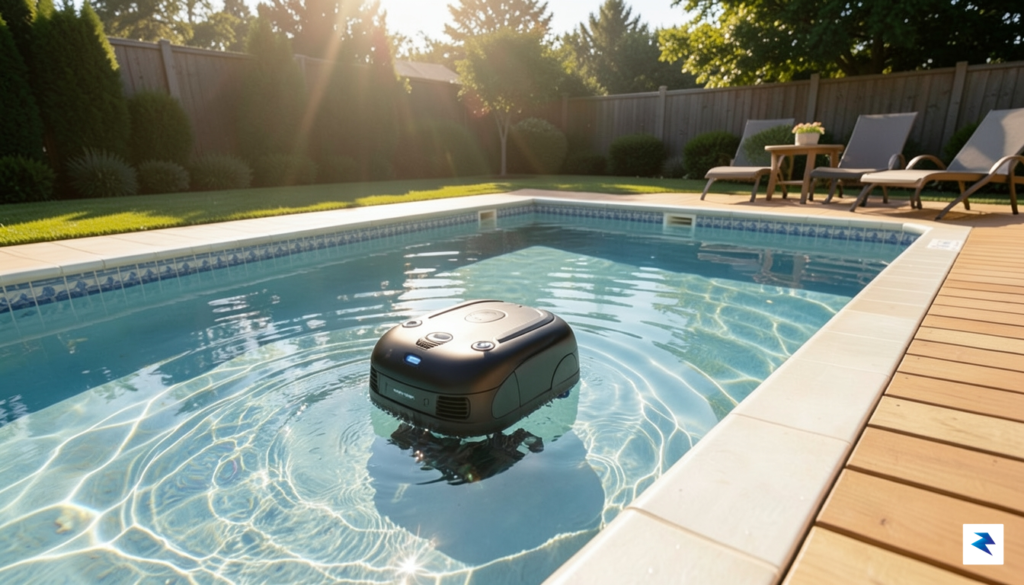
Beatbot has firmly established itself as the champion of all-in-one efficiency, particularly for homeowners who want a “set it and forget it” experience. Their current lineup excels at multi-stage cleaning, integrating vacuuming, scrubbing, and water filtration into a single pass. In our stress tests, the Beatbot units displayed exceptional wall-climbing capabilities, rarely losing suction even when transitioning from the floor to the waterline. However, this level of comprehensive cleaning comes with a larger physical footprint, which can make the device slightly more cumbersome to retrieve from the water compared to more lightweight competitors.
Conversely, iGarden has carved out a niche by prioritizing the user experience through intuitive interface design and connectivity. Their mobile app integration is arguably the most refined in the industry, allowing users to draw specific cleaning zones or set “no-go” areas with remarkable precision. This is a game-changer for those with complex pool layouts featuring spas, beach entries, or integrated water features. While their hardware is robust, the real strength of iGarden lies in its software; it effectively bridges the gap between complex robotics and the everyday user who may not want to spend hours troubleshooting settings.
The true test of a modern robotic cleaner is not just how well it removes debris, but how intelligently it adapts to the unique geometry of a pool without requiring constant human intervention.
Dreame takes a different approach by focusing heavily on advanced sensor technology, utilizing lidar-inspired mapping to navigate pools with surgical accuracy. By constantly scanning the pool’s perimeter and depth, Dreame cleaners avoid the repetitive patterns that often plague lower-tier models. During our evaluation, these devices showed the highest level of obstacle avoidance, deftly maneuvering around pool stairs and corner drains without getting stuck. While their sensor array makes them the most intelligent option on the market, they are also the most sensitive to water chemistry and turbidity; users must ensure their water balance remains optimal to allow the optical sensors to function at peak performance.
Ultimately, the choice between these three titans depends on your specific priorities:
By understanding these core strengths, you can select a cleaner that doesn’t just clear the surface, but actively improves the long-term maintenance of your aquatic space.
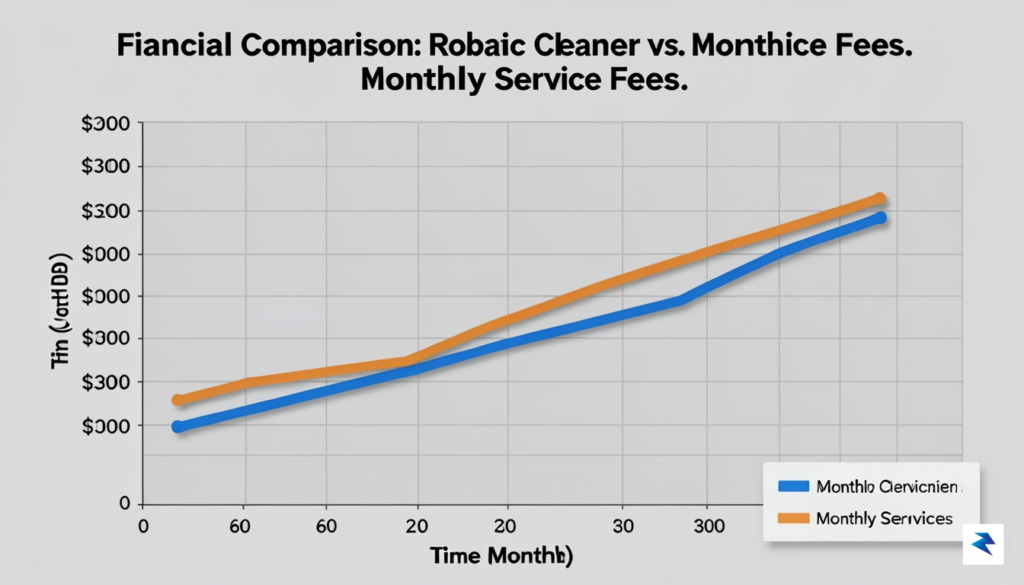
At first glance, the price tag of a premium robotic pool cleaner—often ranging between $800 and $1,500 for the 2026 flagship models—can feel like a substantial dent in the household budget. However, when you pivot your perspective to view this purchase as a capital investment rather than a one-time expense, the financial logic shifts significantly in favor of automation. The average monthly cost for professional pool maintenance services currently hovers between $150 and $250, depending on your region and the complexity of your pool system. Over the course of a single year, homeowners can easily spend upwards of $2,000 to $3,000 just to keep their water clear and debris-free, excluding the additional costs for chemical balancing and surprise equipment repairs.
By contrast, the operational costs of a modern robotic cleaner are remarkably low. These devices are engineered for extreme energy efficiency, typically consuming only a few cents worth of electricity per cleaning cycle. Even when factoring in the occasional replacement of filter baskets or brushes every few years, the total cost of ownership for a robot typically pays for itself within the first 12 to 18 months of operation. Once that initial investment period has passed, you are essentially enjoying professional-grade maintenance for free for the remainder of the robot’s lifespan, which often extends several years beyond the warranty period with proper care.
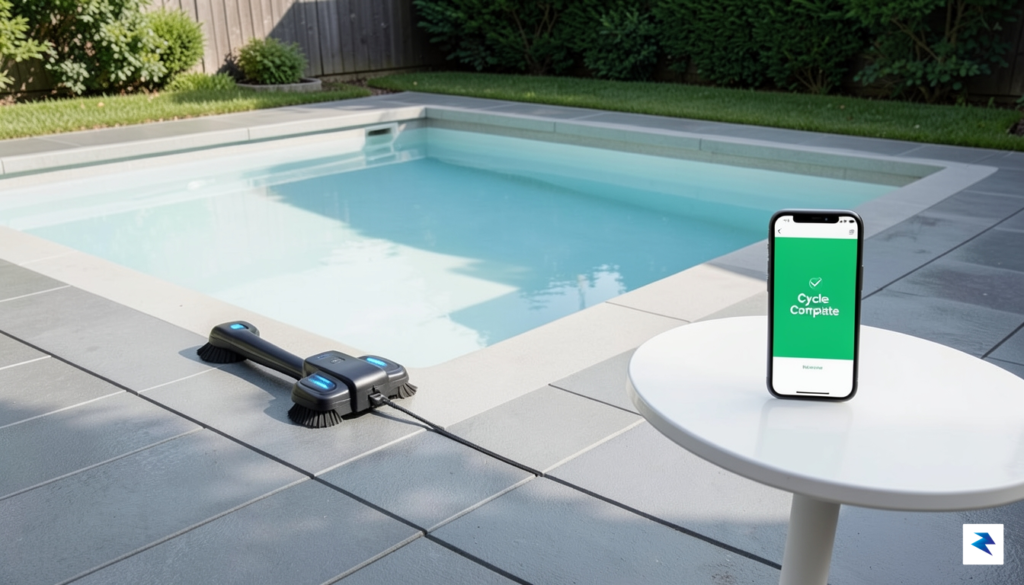
Key Takeaway: While a professional service provides a set-it-and-forget-it experience, a robotic cleaner offers total financial autonomy, typically recouping its purchase price within the first year and a half of consistent use.
Beyond the raw math, there is an immense, often overlooked value in the “on-demand” nature of robotic cleaners. Professional services usually operate on a strict weekly schedule; if a storm rolls through on a Tuesday and dumps leaves into your pool immediately after your service visit, you are left staring at a dirty pool for the next six days. A robotic cleaner, conversely, offers the freedom to run a deep-clean cycle whenever you desire. Whether you are hosting a last-minute weekend barbecue or simply want the peace of mind that comes with a pristine pool every morning, the ability to deploy your robot at a moment’s notice provides an intangible quality of life upgrade that a scheduled service simply cannot match. By reclaiming control over your pool’s cleanliness, you aren’t just saving money—you are maximizing the usability of your outdoor space throughout the entire swimming season.
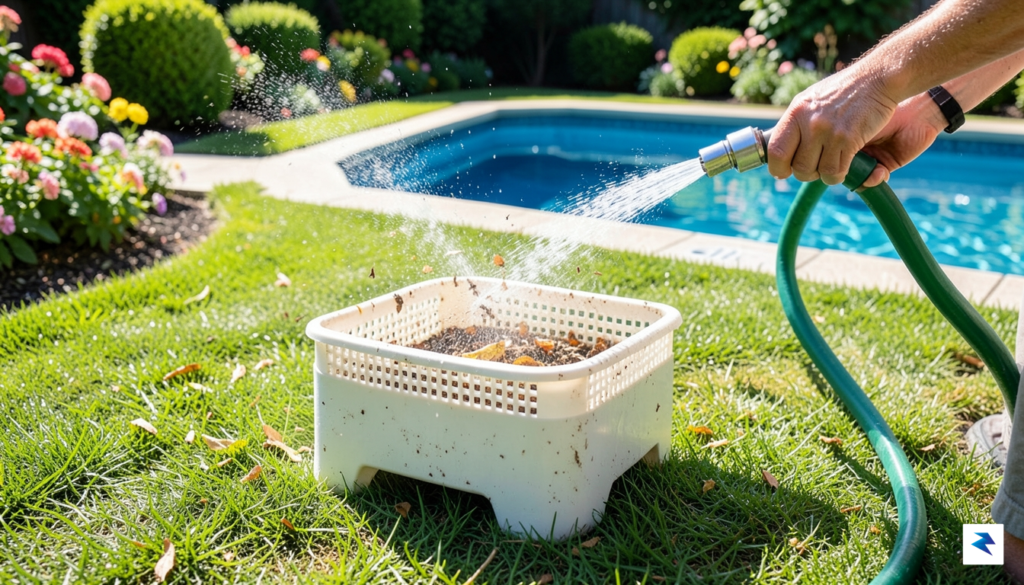
Investing in a high-end robotic pool cleaner is a significant commitment to your home’s maintenance, but the purchase is only the first step toward a pristine swimming experience. To ensure your investment delivers peak performance for many seasons, you must adopt a proactive care routine that goes beyond simply pushing the start button. Much like a high-performance vehicle, these sophisticated machines require routine attention to their internal components to prevent premature wear and maintain suction efficiency.
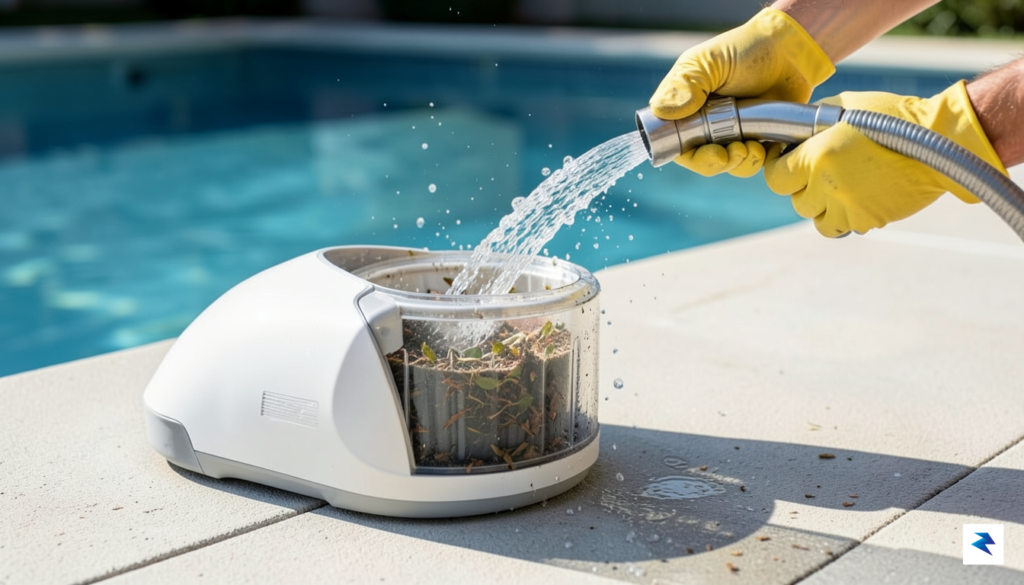
The most critical component of your robot is the filtration system, which acts as the machine’s lungs. After every cleaning cycle, you should remove the filter canister or mesh bags and rinse them thoroughly with a garden hose to clear away fine debris, algae, and calcium buildup. If left uncleaned, these particles can harden, significantly restricting water flow and forcing the pump motor to work harder than necessary, which leads to overheating and reduced lifespan. Aim to deep-clean the filter media with a mild detergent or a specialized pool cleaner solution once a month to remove stubborn oils and mineral deposits that standard rinsing might miss.
Beyond filter hygiene, you must inspect the robot’s brushes and tracks for debris entanglement. Over time, strands of hair, pool twine, or small pebbles can become lodged in the drive assembly, creating unnecessary friction that drags down motor efficiency. Make it a habit to rotate the brushes manually to ensure they turn freely and check the tracks for any signs of dry rot or cracking. If you notice the robot struggling to climb walls or navigate slopes, it is often a sign that the traction surfaces need a quick scrub or that a small piece of debris is obstructing the intake vent.
Pro-Tip: Always unplug your robotic cleaner from the power supply before performing any maintenance, and never leave the unit submerged in the pool for extended periods when it is not actively cleaning to avoid damaging the seals and internal electronics.
When the swimming season concludes, your storage protocol becomes the deciding factor in whether your robot survives until next spring. Never store your cleaner in direct sunlight or in a damp, unventilated shed, as extreme heat and moisture can degrade the lithium-ion batteries and sensitive control boards. Instead, ensure the unit is completely dry, neatly coil the power cable to prevent kinks, and store it in a cool, climate-controlled environment. If you follow these consistent care steps, you will protect your mechanical assistant from common failures, ultimately extending its service life by several years and saving you the cost of premature replacement.
You must be logged in to post a comment.