
States Prepare Legal Challenge to Block $111 Billion Paramount-Warner Merger
The Looming Legal Battle: States vs. Paramount-Warner Bros. The American media landscape stands on the precipice of a seismic transformation…


At its narrowest point, the Strait of Hormuz spans only 21 miles wide, yet this slim maritime passage acts as the jugular vein of the global energy economy. Positioned between Oman and Iran, it serves as the essential gateway for tankers departing the Persian Gulf to reach the open waters of the Indian Ocean. Because the vast majority of crude oil produced by Saudi Arabia, Iraq, the United Arab Emirates, and Kuwait must transit through this single conduit to reach international buyers, it is widely classified by energy analysts as the world’s most critical maritime chokepoint.
The sheer volume of energy passing through these waters is staggering. On an average day, approximately 20 to 21 million barrels of oil—representing roughly one-fifth of total global liquid petroleum consumption—traverse the Strait. This immense flow includes not only crude oil but also significant quantities of liquefied natural gas (LNG), which are essential for heating, electricity generation, and industrial processes across the globe. When geopolitical tensions flare in this region, the specter of a blockade or a disruption to tanker traffic is not merely a regional logistical hurdle; it is a catalyst for immediate, seismic volatility in commodity pricing that can destabilize economies thousands of miles away.
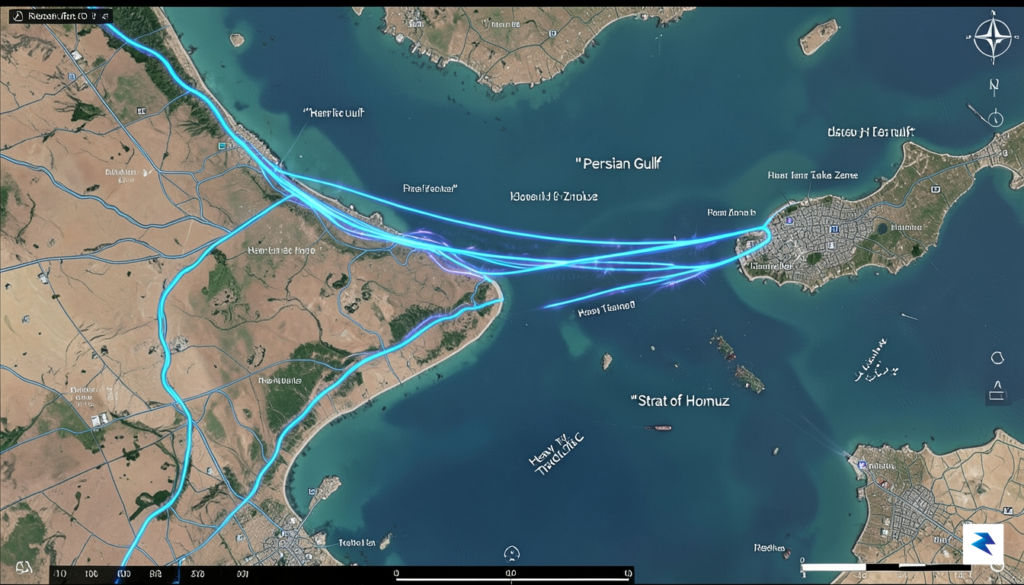
The global vulnerability to this specific chokepoint is underscored by the heavy dependence of Asian markets on Middle Eastern exports. Nations such as China, Japan, South Korea, and India rely on the Strait of Hormuz for the vast majority of their energy imports. Because these economies are central to global manufacturing and supply chains, any price spike caused by a perceived threat to tanker safety creates a domino effect. If the cost of transit increases due to heightened security risks or insurance premiums, those costs are inevitably passed down to the end consumer, resulting in inflationary pressure on everything from transportation fuels to finished consumer goods.
The Strait of Hormuz is not just a body of water; it is a global economic lifeline where the margin for error is razor-thin. When the flow of energy through this narrow corridor is threatened, the entire global market reacts with immediate, reflexive caution.
Ultimately, the strategic importance of the Strait lies in its lack of viable alternatives. While some pipeline infrastructure exists to bypass the most constrained areas of the Persian Gulf, these systems have limited capacity and cannot replicate the sheer throughput of the maritime route. Consequently, the world remains tethered to the stability of this specific geographic bottleneck. As long as modern civilization remains reliant on fossil fuels, the Strait of Hormuz will remain the most sensitive nerve center in the global energy network, capable of turning local diplomatic skirmishes into worldwide financial concerns overnight.

The recent escalation between U.S. military forces and Iranian-aligned assets represents a precarious pivot in the security architecture of the Persian Gulf. Over the past few days, a cycle of retaliatory strikes—beginning with targeted U.S. operations against militia outposts and followed by rapid counter-maneuvers from Iranian proxies—has effectively shattered the fragile status quo that previously governed regional naval interactions. This back-and-forth dynamic is not merely a series of isolated skirmishes; rather, it functions as a high-stakes chess match where both sides are testing the limits of deterrence without necessarily seeking an all-out conventional war. For the U.S., the strategic imperative remains the protection of maritime transit corridors and the containment of regional proxies, while Iran continues to utilize asymmetric warfare to project power and exert leverage over Western interests.
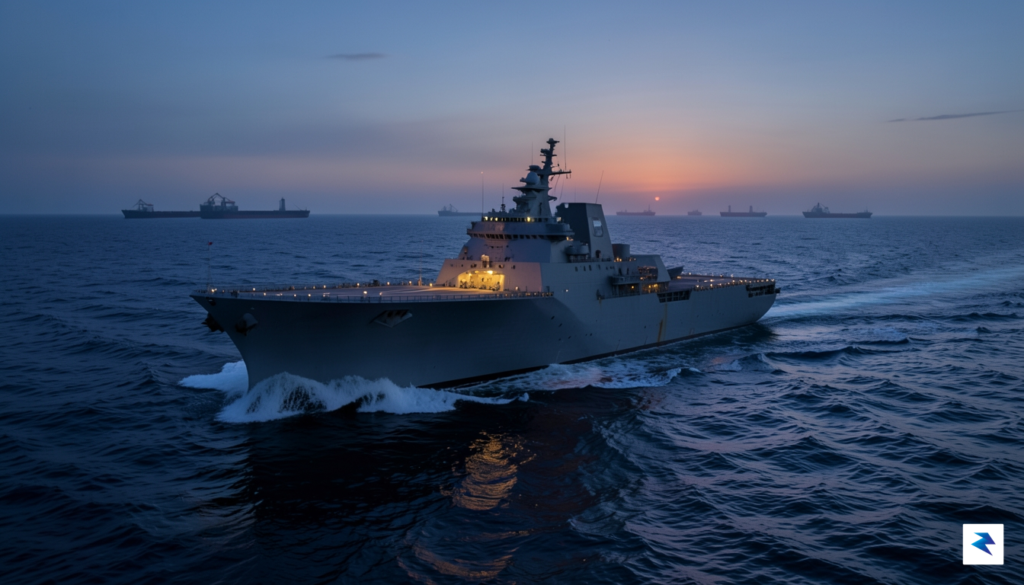
The underlying volatility in global energy markets is directly tied to these shifting rules of engagement. As naval patrols intensify and the proximity between opposing fleets narrows, the risk of a miscalculation—an accidental engagement that could lead to a broader conflict—has risen exponentially. Traders and energy analysts are acutely aware that the Strait of Hormuz serves as one of the world’s most critical maritime chokepoints, handling a significant percentage of global oil production. When tensions rise in this specific geography, the immediate market anxiety reflects a fear of potential supply chain disruptions, insurance premium hikes for commercial tankers, and the long-term possibility of a total closure of the strait.
The market’s reaction is a barometer for regional instability; every strike, regardless of its tactical outcome, signals a deeper fraying of the diplomatic buffers that have long prevented a direct confrontation.
Ultimately, the current friction highlights the limitations of traditional deterrence in an era of gray-zone warfare. Because both Washington and Tehran are operating within a framework of measured escalation, the situation remains perpetually on the edge of a breakdown. This uncertainty forces oil markets to price in a “geopolitical risk premium,” where the mere possibility of an intensified conflict keeps prices elevated. As long as the cycle of provocation and response continues to dictate the tempo of operations in the Persian Gulf, investors should expect sustained price sensitivity, as the market remains highly reactive to every new headline emerging from these contested waters.
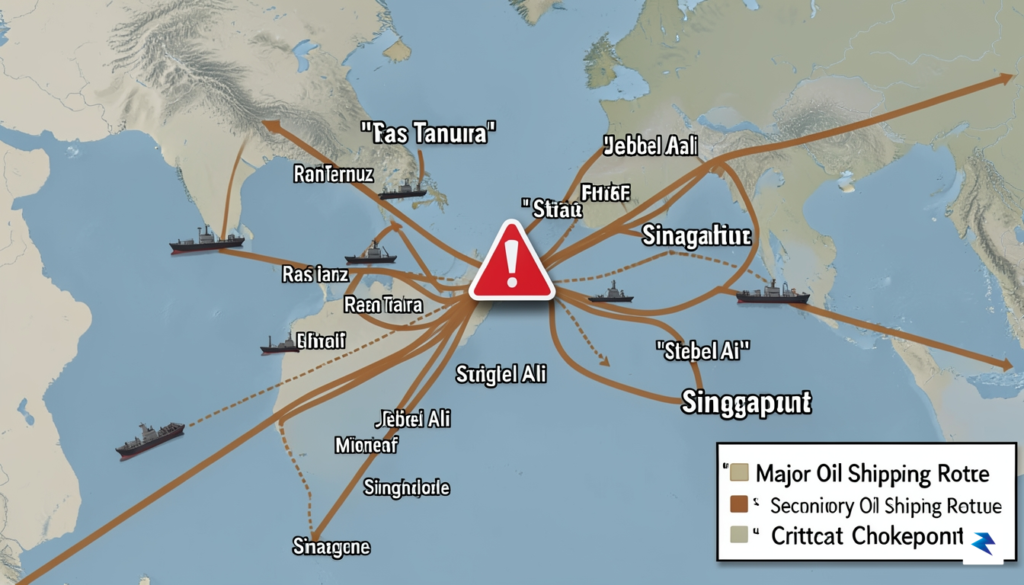
When military tensions escalate in the Persian Gulf, the immediate spike in oil prices is rarely a direct reflection of a physical loss in supply, but rather the manifestation of a geopolitical risk premium. Markets are inherently forward-looking, meaning they price in not only the oil currently sitting in storage but also the potential for future disruptions. Traders bid up the cost of futures contracts because they are accounting for the existential threat that conflict poses to the Strait of Hormuz, a critical maritime chokepoint through which approximately one-fifth of the world’s total oil consumption flows daily. This fear creates a volatile environment where even the smallest increase in regional instability forces buyers to pay a premium to ensure their energy security in the weeks and months to come.
Beyond the speculation of futures traders, the tangible economic burden manifests rapidly in the shipping and insurance sectors. As zones are declared high-risk by maritime authorities, insurance premiums for tankers operating in the region skyrocket, sometimes increasing by hundreds of percent within a matter of days. These costs are not absorbed by the shipping companies; instead, they are passed directly down the supply chain as mandatory surcharges. Consequently, the price to move a single barrel of crude oil increases, and these logistical expenses are eventually baked into the final retail price that consumers pay at the local gas pump.

Furthermore, the logistical strain extends to shipping schedules and the necessity of rerouting. If the risk of sailing through contested waters becomes too great, vessel operators may choose longer, safer routes around the Cape of Good Hope, which drastically extends transit times and depletes fuel reserves. This disruption creates a ripple effect throughout global energy logistics:
The true cost of geopolitical friction is found in the uncertainty of the supply chain; when shippers cannot guarantee the safe passage of a vessel, the market compensates by raising the price of every barrel currently in transit.
Ultimately, the consumer experiences this volatility as a sudden, unwelcome increase in the cost of transport and heating. While the average driver might view fuel prices as a simple reflection of supply and demand, the reality is far more complex. The current rise in prices acts as a tax on global commerce, triggered by the fear that the delicate infrastructure of global energy delivery could be compromised at any moment. As long as tensions remain elevated in the Persian Gulf, this risk premium will continue to act as a significant upward pressure on the global economy, reminding us just how interconnected our daily lives are with the stability of distant, contested waters.
The persistent volatility within the Strait of Hormuz has served as a wake-up call for global powers, forcing a fundamental reassessment of how nations secure their energy lifelines. As geopolitical tensions ebb and flow, the vulnerability of narrow maritime chokepoints has become an untenable risk for major economies. To combat these threats, countries are increasingly turning toward Strategic Petroleum Reserves (SPRs) as a primary insurance policy. By holding massive stockpiles of crude oil in subterranean salt caverns or secure tanks, governments gain the ability to flood the market during supply disruptions, effectively buffering the economy against the immediate, knee-jerk price spikes that follow regional conflict.
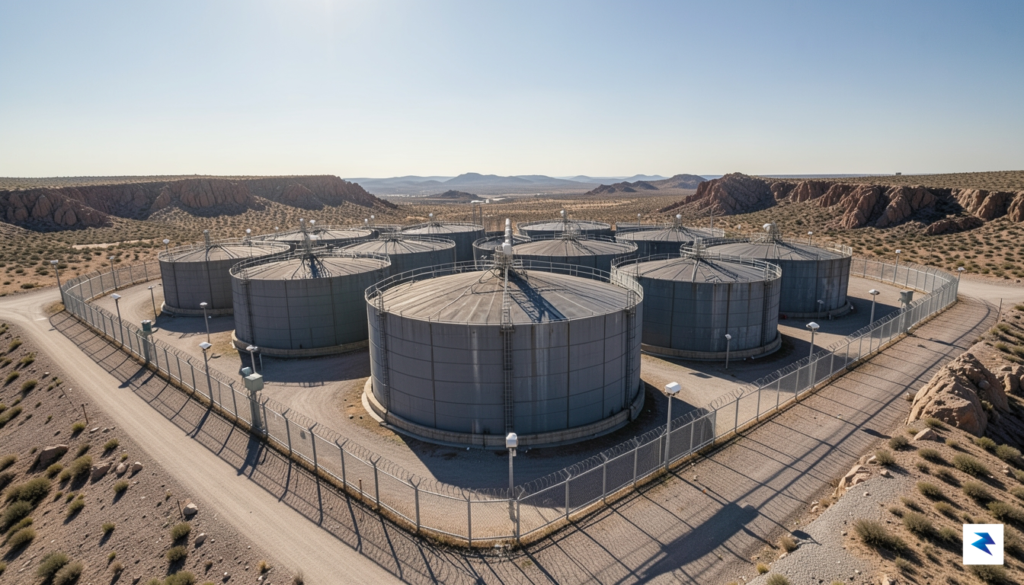
Beyond simply buffering against price surges, nations are aggressively diversifying their supply chains to move away from an over-reliance on Persian Gulf exports. European and Asian powers are actively forging new trade agreements with suppliers in the Atlantic Basin, including the United States, Brazil, and Guyana, to ensure that a localized conflict in the Middle East does not result in a total energy blackout. This geographical diversification is complemented by a strategic shift in infrastructure, where the preference is increasingly leaning toward long-range pipelines that bypass volatile waters. By moving energy through land-based networks, countries can insulate their industrial output from the unpredictable nature of naval blockades or localized maritime military skirmishes.
Energy security is no longer just about commodity procurement; it has evolved into a complex exercise in supply chain resilience and sovereign risk management.
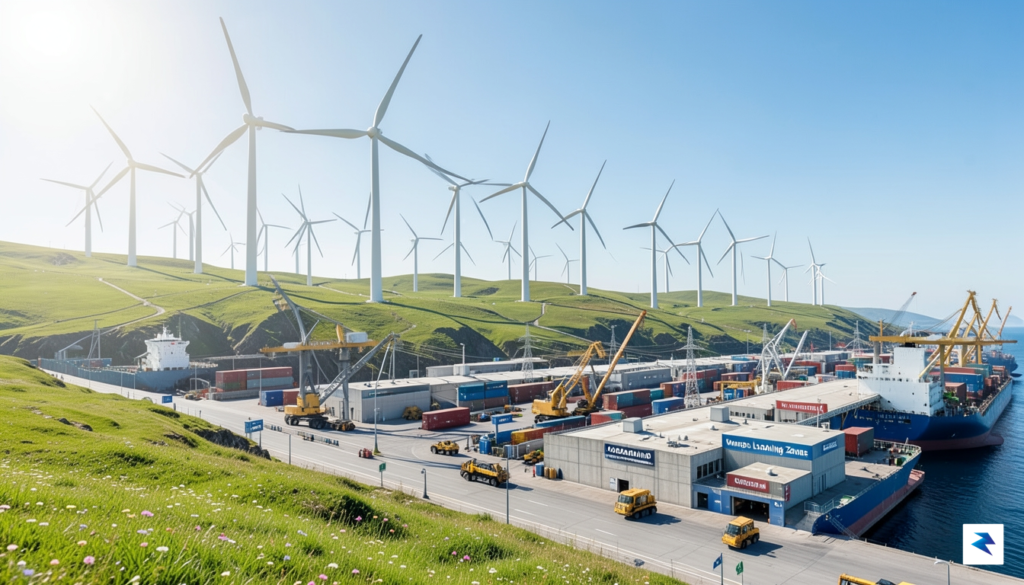
Perhaps the most significant long-term shift, however, is the integration of renewable energy as a cornerstone of national security policy. While oil remains the primary driver of global transport and manufacturing today, the transition toward wind, solar, and nuclear power is increasingly viewed through the lens of energy independence. By electrifying domestic grids and reducing the national appetite for imported fossil fuels, states can significantly shrink their exposure to the geopolitical “tax” imposed by instability in maritime chokepoints. This move toward domestic energy autonomy represents a profound structural change, turning energy policy into a defensive tool that minimizes the leverage held by oil-producing regions that are prone to sudden, strike-heavy cycles of escalation.

The recent exchange of hostilities in the Persian Gulf serves as a stark reminder that despite global efforts to diversify energy portfolios, the world remains tethered to the structural vulnerabilities of traditional maritime transit routes. While market traders often react to such strikes with reflexive, short-term price spikes, the deeper concern lies in the potential for a “new normal” characterized by a permanent risk premium. As regional stability fluctuates, the Strait of Hormuz remains a critical bottleneck, and any sustained insecurity here forces global markets to price in not just the cost of extraction, but the rising cost of geopolitical insurance. This volatility suggests that energy prices will likely remain sensitive to regional friction for the foreseeable future, regardless of gradual shifts in consumption patterns.
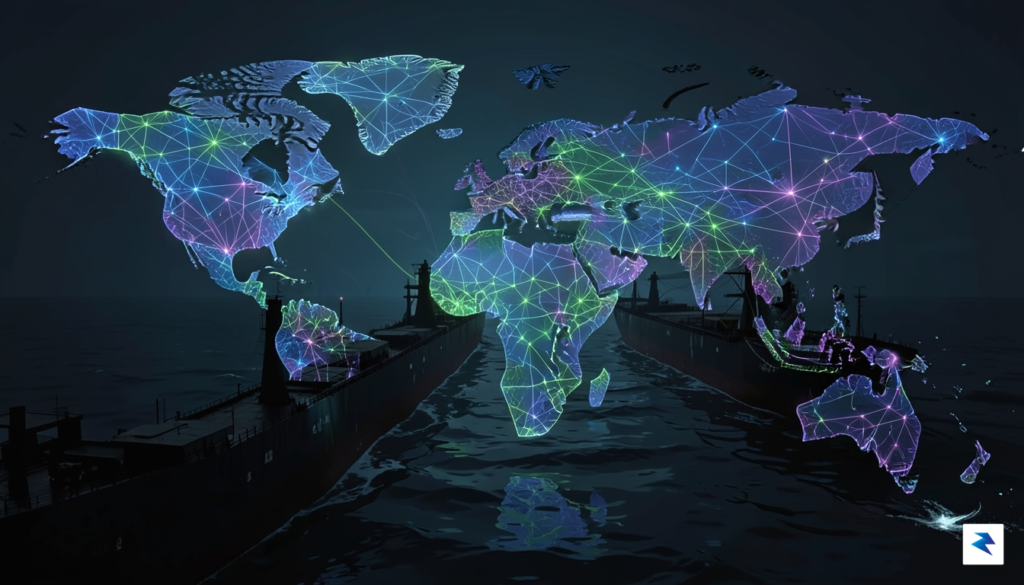
This evolving landscape creates a complex intersection between the global energy transition and long-standing geopolitical realities. Critics often argue that moving toward renewables will eventually insulate the global economy from Middle Eastern conflict; however, the transition is proving to be a decades-long marathon rather than a sprint. During this interim period, the global energy grid remains heavily reliant on the steady flow of hydrocarbons to bridge the gap between legacy infrastructure and emerging green technologies. Consequently, the strategic importance of maritime lanes has not diminished; rather, the risks have become more multifaceted, involving everything from traditional military posturing to cyber-warfare threats against energy infrastructure. Investors must therefore recognize that the “green shift” does not grant immediate immunity from the instabilities of the oil-dependent status quo.
The structural vulnerability of our energy supply chain is not merely a matter of fuel availability, but a persistent factor in the cost of global economic security.
For both investors and consumers, viewing these regional conflicts through the lens of energy independence is essential for long-term planning. True energy independence is increasingly being framed as a dual-track strategy: one that prioritizes domestic renewable development while simultaneously maintaining a resilient, diversified supply chain for the hydrocarbons still required to fuel the global economy. As we look toward the future, the market will likely reward those who can distinguish between fleeting geopolitical noise and structural shifts in supply-side stability. Ultimately, the recent tensions serve as a catalyst for policymakers to accelerate the modernization of domestic grids, ensuring that the next wave of regional instability is met with a more robust and less exposed economic foundation.
You must be logged in to post a comment.