
Apple’s iOS 27 Child Safety Update: What Parents Need to Know
The Evolution of Apple's Child Safety Framework For years, Apple has navigated the delicate tightrope between aggressive child protection…
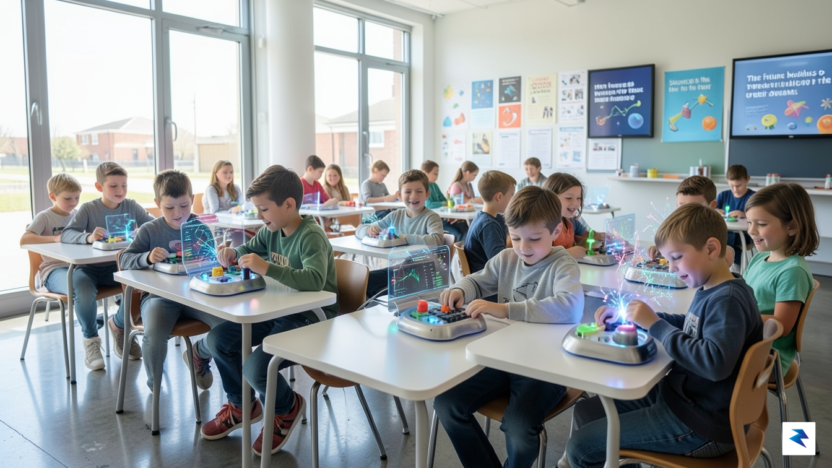
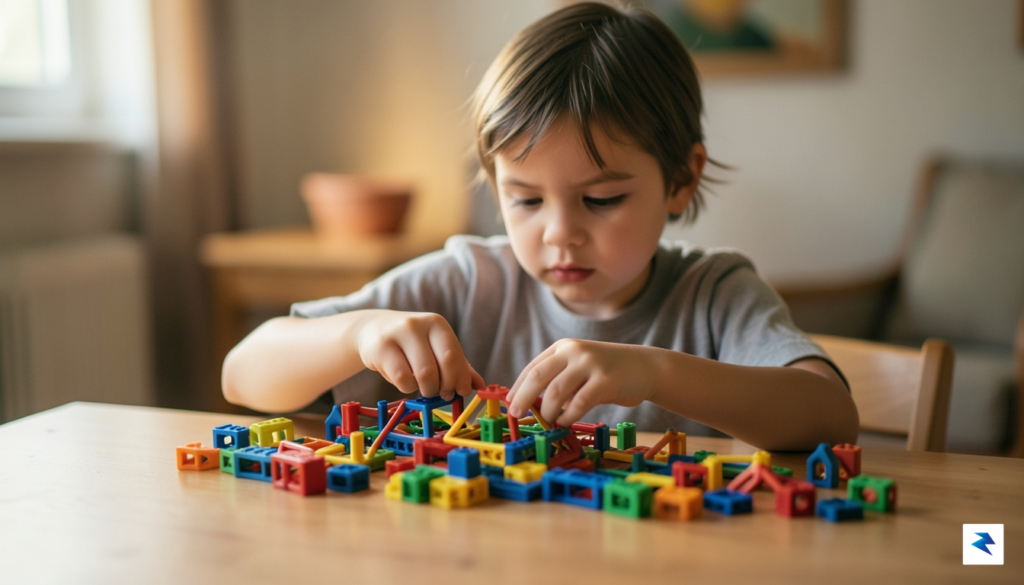
In a world increasingly dominated by passive digital consumption, where children often act as mere spectators to algorithms and curated content, STEM toys serve as a vital counter-balance. By shifting the focus from screen-based entertainment to active, hands-on engagement, these tools bridge the gap between theoretical knowledge and the physical world. When a child assembles a circuit or programs a robotic arm, they are no longer just observing how the world works; they are interacting with the very building blocks of science and technology. This transition from passive observation to active construction is essential for fostering a deep-seated curiosity that extends far beyond the playroom, helping to transform abstract, intimidating concepts into tangible, manageable experiences.
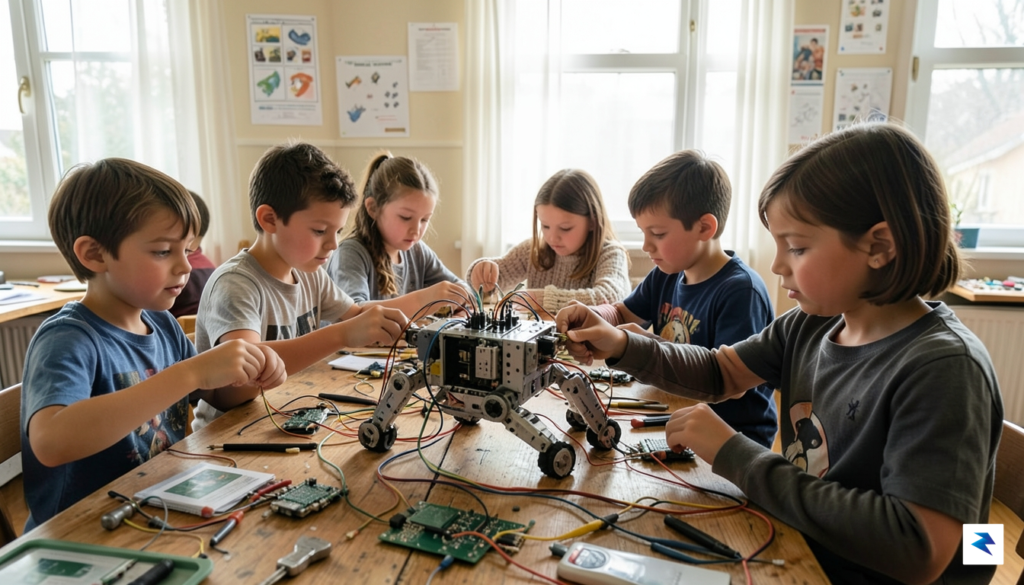
The true value of STEM lies in its integrated approach, which treats science, technology, engineering, and mathematics not as isolated, dusty subjects, but as a cohesive toolkit for problem-solving. When these disciplines are woven together through play, children learn to think systemically. They begin to understand that a mechanical failure in a toy bridge is an opportunity to revisit the physics of structural integrity, or that a coding glitch is simply a prompt to refine their logical reasoning. This holistic perspective mirrors the way modern innovation actually happens, teaching children that real-world challenges rarely fit into neat, siloed categories. By fostering this interconnected way of thinking early on, we prepare the next generation to approach complex global issues with a versatile and creative mindset.
True learning occurs when a child moves from asking ‘What does this do?’ to asking ‘How can I make this do something else?’ This shift is the hallmark of a budding scientist or engineer.
Perhaps most importantly, high-quality STEM toys encourage what educators call “productive struggle.” Unlike digital games that provide instant, low-effort gratification, these physical tools often require patience, trial and error, and the ability to troubleshoot when a project does not go as planned. This process of navigating frustration is fundamentally vital for building academic resilience and a “growth mindset.” When a child spends an hour recalibrating a gear system or debugging a sequence, they are learning that failure is not a dead end but a necessary step in the iterative process of creation. Ultimately, these toys do more than teach kids how to build; they teach them how to persist when the answer is not immediately obvious, a skill that serves as the foundation for lifelong success in any technical or creative field.
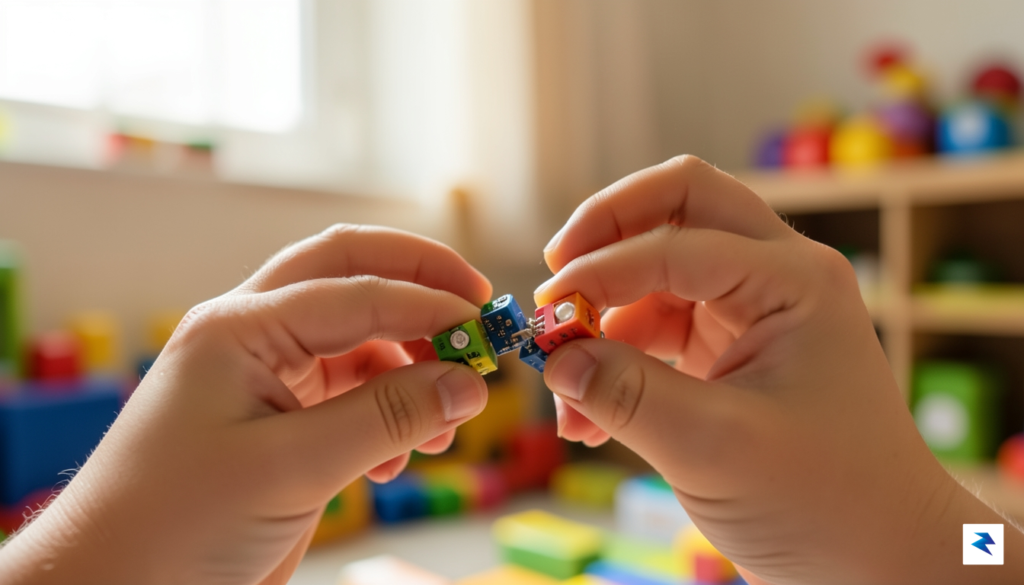
When children engage with construction-based and circuit-driven play, they are doing far more than simply assembling parts; they are actively architecting their own neural architecture. Physical construction serves as a primary vehicle for developing spatial reasoning—the ability to visualize objects in three dimensions and understand how they relate to one another in space. When a child manipulates blocks or connects modular circuitry, they are constantly performing mental rotations and predictive modeling. This process bridges the gap between abstract thought and concrete reality, teaching the brain how to translate internal creative visions into tangible, functional outcomes. Consequently, this deep engagement fosters a robust connection between the prefrontal cortex and the visual-spatial processing centers of the brain, laying a neurological foundation that is essential for future success in geometry, architecture, and advanced physics.
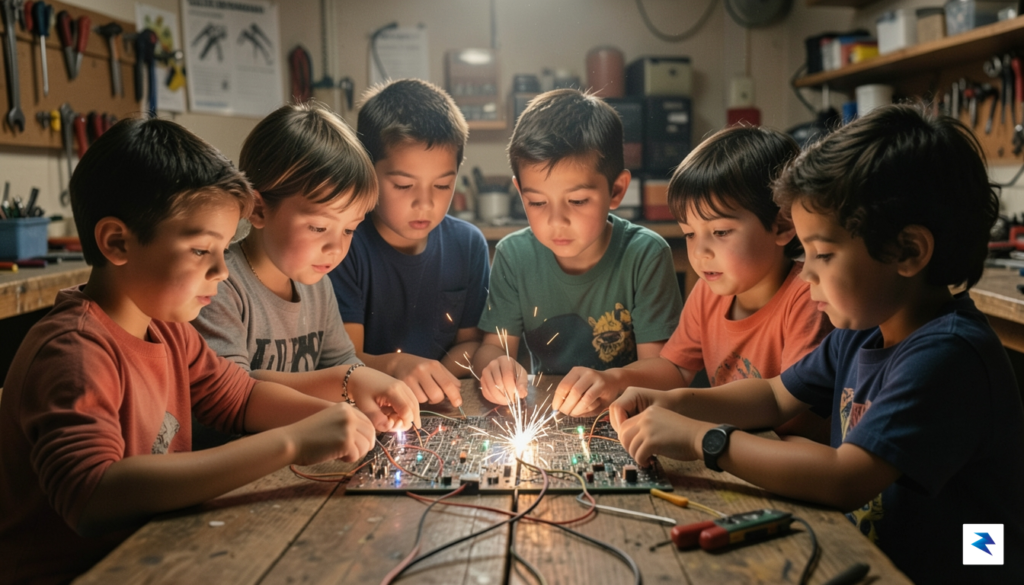
Beyond spatial development, logic-based STEM play plays a critical role in strengthening executive function, particularly in areas like working memory, cognitive flexibility, and inhibitory control. Circuit-based kits, in particular, demand a methodical approach; a child must follow a sequence of logical operations, understand polarity, and troubleshoot connections to achieve a specific result. This iterative process of trial and error is the cornerstone of scientific literacy. When a circuit fails to close or a structure collapses under its own weight, the child is forced to pause, analyze the failure, and formulate a new hypothesis. This resilience is not just a soft skill—it is a vital developmental milestone that shifts the brain from passive observation to active, investigative problem-solving.
The true value of engineering play lies not in the finished model, but in the rigorous, iterative mental struggle that occurs while trying to bring that model to life.
Furthermore, this type of hands-on learning transforms the way children perceive cause and effect. By manipulating physical variables—such as the length of a wire, the tension of a gear, or the structural integrity of a joint—children begin to internalize the fundamental laws of the natural world. This experiential learning allows them to move beyond rote memorization and toward a deeper, intuitive grasp of scientific principles. By the time they reach a formal classroom, these students possess a distinct advantage: they don’t just know how things work because they were told; they understand how things work because they have felt, adjusted, and successfully engineered solutions with their own hands. This tactile mastery is, ultimately, the most effective way to ensure that learning remains both durable and meaningful throughout their educational journey.
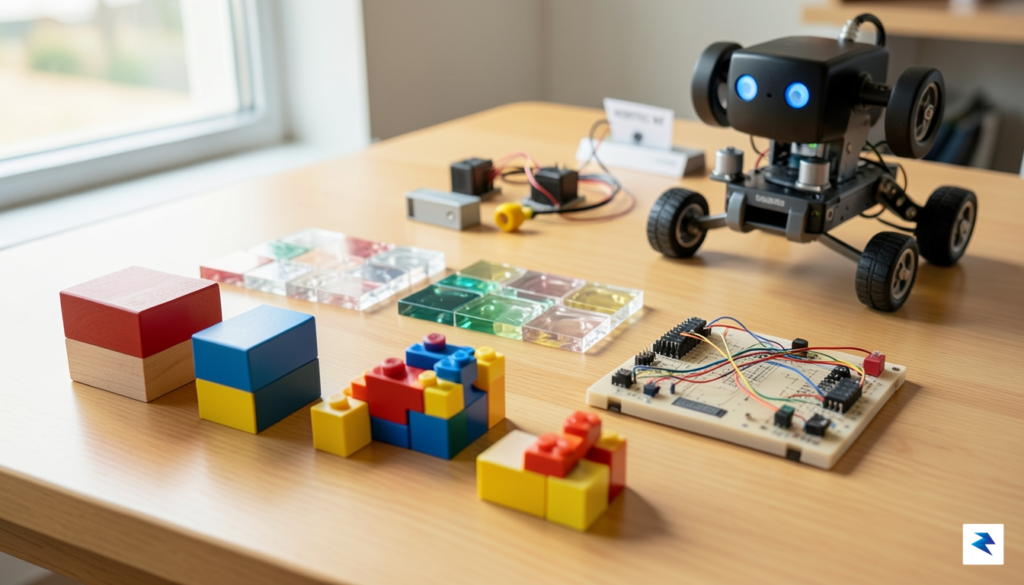
Finding the perfect STEM toy is less about purchasing the trendiest kit on the shelf and more about identifying the “Goldilocks zone” of difficulty for your child. When a toy is too simple, a child loses interest within minutes; conversely, if the challenge is too steep, it leads to avoidable frustration and eventual abandonment of the project. To hit that sweet spot, parents should view developmental stages as a guide rather than a strict rulebook. For toddlers and preschoolers, the focus should be on tactile, open-ended exploration—think magnetic tiles or sensory engineering sets—that fosters spatial reasoning without the pressure of a “correct” final outcome. As children move into middle school, their cognitive capacity expands to include logical sequencing and introductory programming, making modular robotics or circuit-building kits excellent choices. By the time they reach their pre-teen years, they are often ready for complex, project-based learning where they can apply scientific principles to solve real-world problems.
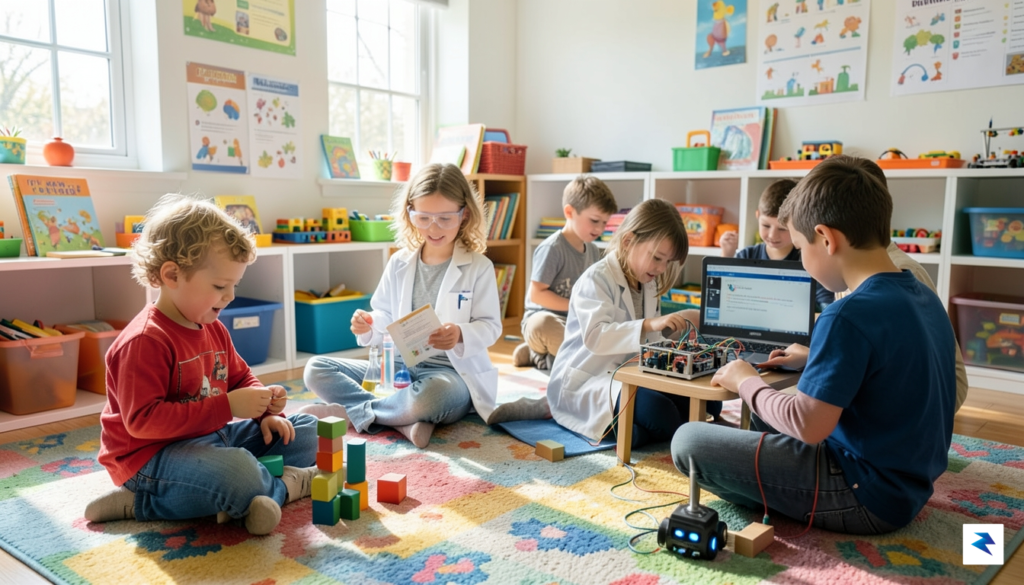
To ensure sustained engagement, it is helpful to distinguish between “closed-ended” and “open-ended” toys. Closed-ended kits, such as those that require following a specific blueprint to build a single model, are fantastic for teaching patience, attention to detail, and the ability to follow technical instructions. However, once the model is finished, the learning potential often plateaus. In contrast, open-ended toys—such as gear systems or versatile coding platforms—encourage iterative design. When a child can disassemble and reconfigure their creation, they are practicing the scientific method: testing a hypothesis, observing the failure, and refining the design. Integrating both types of toys into a collection provides a balanced diet of structured learning and creative problem-solving.
The most effective STEM toys are not necessarily the ones with the most advanced technology; they are the ones that invite the child to ask “What happens if I try this?” rather than simply showing them how it works.
Avoiding “kit burnout” is essential for keeping the spark of curiosity alive. Parents often fall into the trap of buying advanced kits that look impressive but require a level of abstract reasoning the child hasn’t yet developed. If you notice your child consistently struggling to reach the finish line, or if they seem bored by the repetitive nature of a set, don’t be afraid to take a step back. Introduce kits that bridge the gap between their current skills and their next developmental milestone. Remember that the ultimate goal is to build a positive association with science, technology, engineering, and math. When a toy feels like a playground rather than a classroom, the child is far more likely to return to it again and again, turning play into a lifelong habit of inquiry.
In an era dominated by high-definition displays and interactive software, it is easy to assume that digital learning is the most efficient path to literacy in science, technology, engineering, and mathematics. However, there is a fundamental cognitive difference between tapping a glass screen and manipulating physical objects. When a child engages with tactile STEM toys, they enter a sensory feedback loop that virtual environments simply cannot replicate. In the physical world, gravity is unforgiving, friction is palpable, and components occupy genuine space. These tangible constraints force a child to reckon with the laws of physics directly, rather than relying on pre-programmed digital animations that often gloss over the complexities of real-world mechanics.
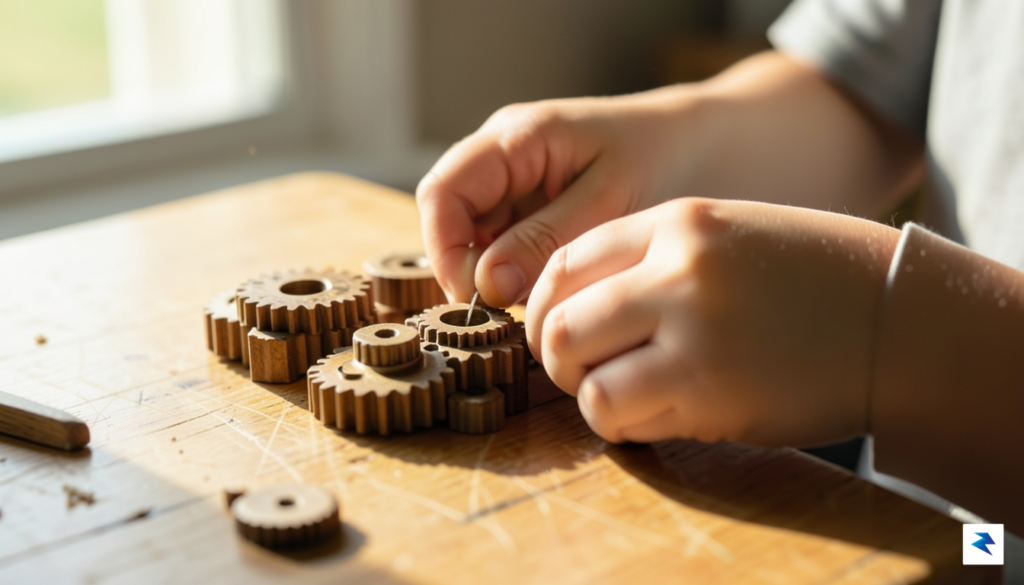
The true value of “maker time” lies in the resistance that physical materials provide. When a plastic brick refuses to snap into place or a mechanical arm sags under its own weight, the child is presented with an immediate, real-world problem that cannot be solved with a quick swipe or a restart button. This process cultivates a unique form of mechanical patience and grit. Instead of experiencing the frictionless convenience of an app, children learn the subtle art of troubleshooting—identifying why a piece does not fit, checking for obstructions, and adjusting their grip or alignment. This iterative process of failure and adjustment is the very essence of engineering, teaching them that success is rarely instantaneous but rather the result of persistence and spatial reasoning.
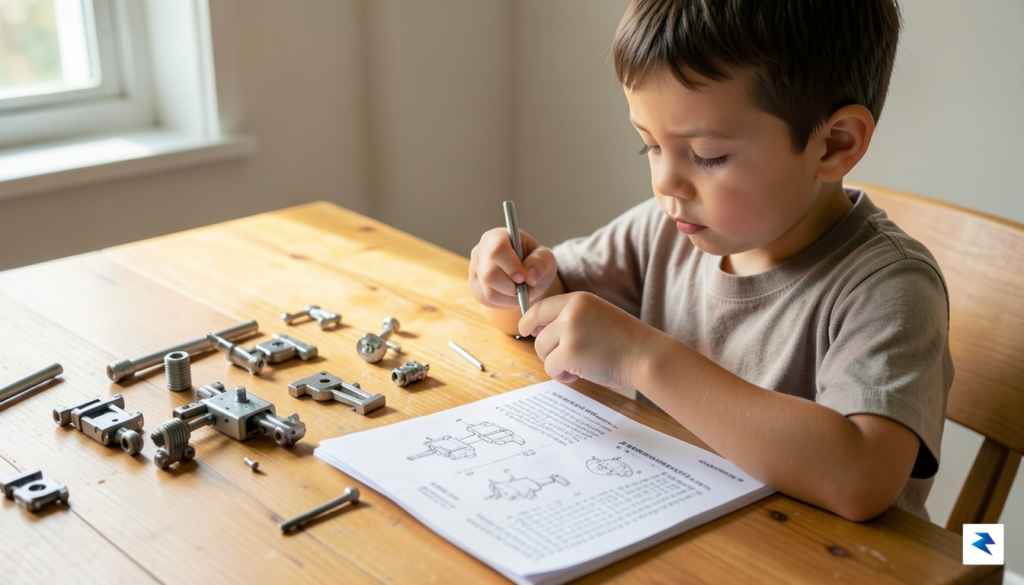
Furthermore, the reliance on printed, physical manuals rather than animated digital tutorials offers a distinct cognitive advantage in reading comprehension and spatial decoding. Translating a two-dimensional schematic into a three-dimensional structure requires a sophisticated level of mental rotation and logical sequencing. By forcing the brain to decode instructions and map them onto a physical object, children strengthen their spatial intelligence and their ability to follow complex, multi-step processes. This is a far more active engagement than watching an automated video demonstration, which often allows the viewer to remain in a passive, observational state.
True critical thinking is forged in the gap between a plan and its execution; physical toys provide the resistance necessary to bridge that gap.
Ultimately, while digital tools have their place in the modern classroom, they should not displace the tactile experience. Physical STEM toys serve as a bridge between abstract theory and reality, grounding complex concepts in concrete outcomes. By prioritizing materials that require assembly, balance, and mechanical interaction, parents and educators provide children with a robust foundation for scientific inquiry that will serve them long after they put the toys away.
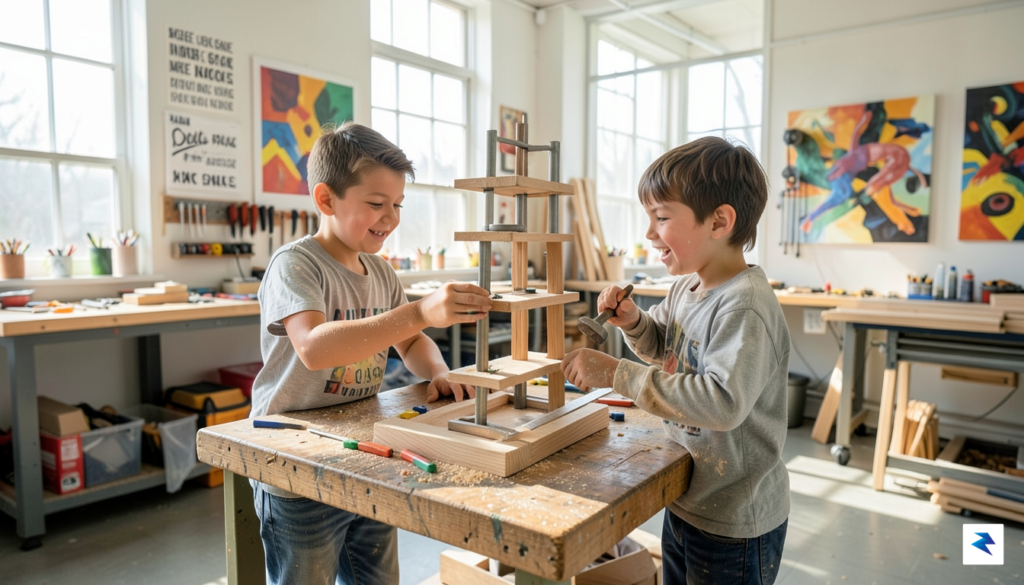
While the allure of STEM toys often centers on the tangible output—a blinking circuit board or a towering plastic structure—the true value of these tools lies in the invisible, internal architecture they build within a child’s mind. We are not merely training the next generation of robotics engineers or software developers; we are cultivating a mindset of persistent inquiry. By encouraging a child to ask, “What happens if I change this variable?” they learn the fundamental scientific process of hypothesis and experimentation. This cognitive agility is a universal asset, applicable to everything from creative writing and social sciences to entrepreneurship and community leadership.
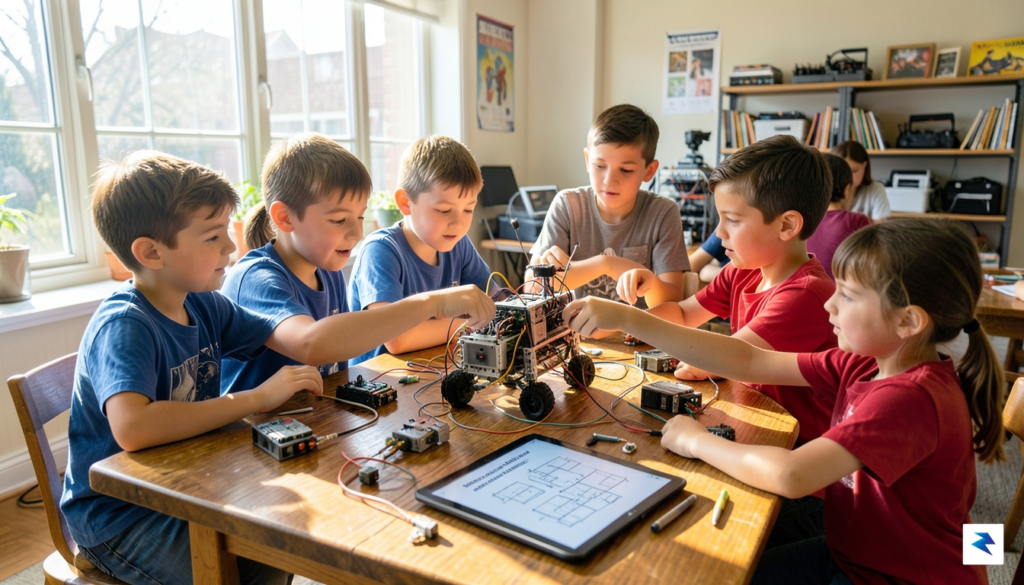
Beyond the technical mechanics, STEM play is a masterclass in developing the “soft skills” that are increasingly vital in our rapidly evolving, technology-driven workforce. When a building block structure collapses or a code sequence fails to run, a child is forced to practice frustration tolerance. This resilience—the ability to view a setback not as a failure, but as a valuable data point—is perhaps the most significant lesson a toy can impart. Furthermore, many of these kits require collaborative problem-solving, teaching children how to communicate complex ideas, listen to peer feedback, and distribute tasks effectively. These are the very competencies that modern employers prioritize, far outweighing the ability to memorize static facts.
The goal of modern STEM play is to foster a “growth mindset,” where the process of discovery is valued significantly more than the final, polished result.
Preparing a child for the future does not mean forcing them into a rigid academic mold, but rather equipping them with the tools to navigate ambiguity. As the global economy becomes more reliant on automation and digital infrastructure, the ability to think analytically and approach problems with a structured, logical framework will become a baseline requirement across all industries. By engaging with complex systems through play, children learn to decompose large, intimidating challenges into smaller, manageable components. This analytical approach demystifies the world around them, transforming the daunting complexity of modern technology into a series of logical steps that they feel empowered to master.
Ultimately, the impact of these toys is significantly amplified by adult involvement. When parents and educators participate in the play process, they act as facilitators of curiosity rather than mere spectators. By asking open-ended questions and encouraging children to explain their reasoning, adults help solidify the connection between play and critical thinking. This supportive environment validates the child’s exploration, ensuring that they feel safe to take risks and innovate. In this way, the humble STEM toy becomes a bridge between simple curiosity and the lifelong pursuit of knowledge, providing a sturdy foundation for success in a future that remains yet to be written.
You must be logged in to post a comment.