Why Philips Hue Is the Gold Standard for Smart Home Design
The Smart Home Paradox: Why Most Systems Fail For many early adopters, the promise of the "connected home" was supposed to be a seamless…
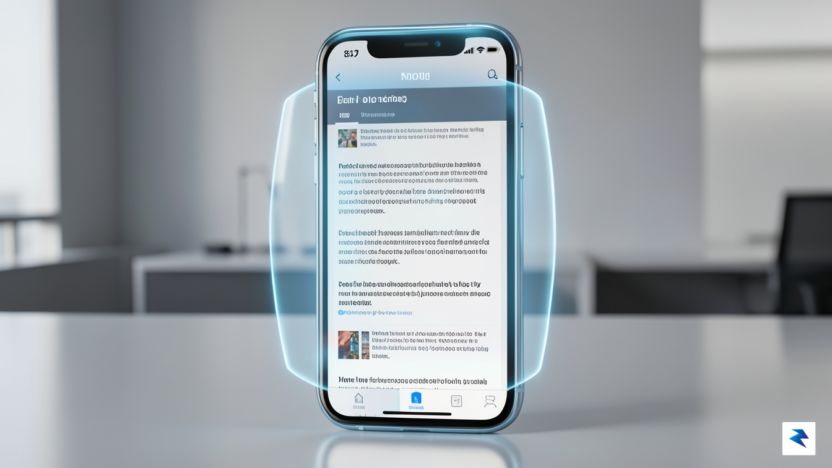

For years, Apple has navigated the delicate tightrope between aggressive child protection and its foundational commitment to user privacy. The company’s journey began in earnest with the introduction of Communication Safety features, which utilized on-device machine learning to blur sensitive imagery in Messages before a minor could view it. Unlike traditional cloud-based monitoring services that flag content by scanning data on external servers, Apple’s initial approach sought to keep the entire analysis process contained within the device’s hardware. This design choice was not merely a technical preference but a philosophical stance: if the company could prevent harmful content from appearing on a child’s screen without ever seeing that content themselves, they could fulfill their safety obligations without compromising the integrity of end-to-end encryption.
The technical hurdles inherent in this strategy are significant. To identify potentially harmful material without a centralized database, the device must perform complex image analysis locally, a process that is both computationally expensive and difficult to calibrate for accuracy. Early iterations of these features faced criticism from both sides of the aisle; privacy advocates worried about the potential for “feature creep” where on-device scanning might expand, while safety organizations argued that local processing lacked the comprehensive oversight of server-side scanning. Apple’s transition toward the current architecture found in iOS 27 represents a maturation of this “privacy-first” methodology. By refining the local heuristics and expanding the scope of detection, Apple has opted to double down on device-side processing rather than yielding to the pressure of implementing server-side surveillance.
By prioritizing on-device intelligence over cloud-based surveillance, Apple has fundamentally altered the landscape of digital safety, proving that robust protection does not require a backdoor into a user’s private messages.
The evolution from those early, limited tools to the comprehensive suite seen in iOS 27 highlights a pivot toward more nuanced, context-aware protection. Apple’s engineers have worked to create systems that understand the difference between innocuous content and genuine threats, reducing the rate of “false positives” that often plague automated moderation systems. By keeping the analysis local, the device acts as a private guardian that communicates only with the user and their designated family members, rather than reporting back to a corporate server. This strategy reinforces the idea that user privacy is not an impediment to child safety, but rather the essential framework within which safe digital environments should be built. As we move into the era of iOS 27, this historical commitment to local processing serves as the bedrock for new, more advanced safety features that continue to prioritize the user’s autonomy above all else.
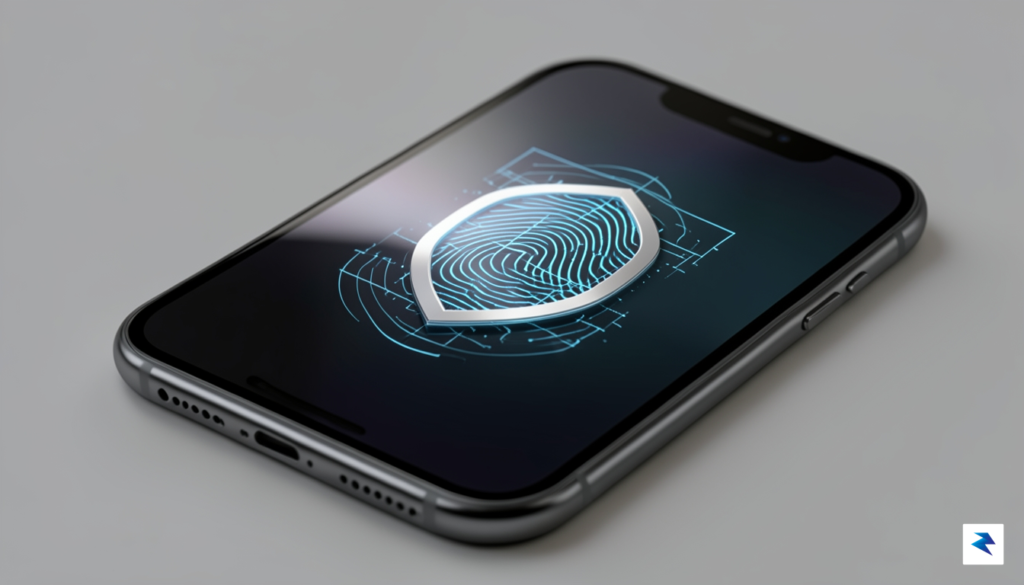
The latest iteration of Apple’s operating system, iOS 27, introduces a sophisticated evolution in how the company handles child safety, moving beyond reactive measures toward a more proactive, context-aware framework. At the core of this update is a refined machine-learning architecture that processes image and video data directly on the device, ensuring that user privacy remains intact while significantly improving the accuracy of detection. Unlike previous versions that relied on broader pattern matching, these new algorithms are engineered to differentiate between benign interactions—such as a child sharing a photo of a family vacation or a school project—and potentially harmful content that violates safety standards. By analyzing metadata, visual composition, and specific behavioral signals, the system can now identify high-risk imagery with a much lower rate of false positives, which is essential for maintaining trust in digital communications.
This enhanced protection is being woven deeply into the fabric of the Apple ecosystem, specifically targeting the most common vectors for unwanted exposure: Messages, FaceTime, and AirDrop. Within the Messages app, the safety features now extend to include blurred previews of sensitive content, giving younger users a moment to pause and decide if they truly wish to view an image before it is rendered in full quality. Similarly, the integration within FaceTime ensures that real-time video feeds are monitored for inappropriate content without interrupting the call, providing a seamless layer of defense that operates silently in the background. Furthermore, the update brings robust oversight to AirDrop, which has historically been a point of vulnerability due to its open-discovery nature. By automatically restricting incoming requests from unknown contacts, iOS 27 ensures that children are shielded from unsolicited content transfers, effectively closing a significant gap in peer-to-peer security.
The primary goal of these updates is to empower guardians with better tools while ensuring that children can explore their digital environments without the constant risk of accidental exposure to harmful material.
Beyond these immediate detections, Apple has introduced a more nuanced reporting system that allows parents to intervene effectively when the system flags a potential issue. When the software identifies a concern, it does not simply block the interaction; instead, it provides a guided experience that encourages open communication between the child and their parent or guardian. By leveraging on-device intelligence to categorize threats based on their severity, the system can prioritize notifications, ensuring that parents are alerted to genuine risks rather than overwhelmed by constant, non-critical alerts. This holistic approach represents a paradigm shift in how technology companies approach child safety, prioritizing the mental well-being of users alongside the technical necessity of data security.

The primary concern for many users when Apple introduces new safety features is whether the company is compromising the integrity of its end-to-end encryption. In the landscape of digital security, Apple has maintained a firm stance that user privacy and child safety are not mutually exclusive goals. By shifting the burden of analysis away from remote servers and directly onto the individual device, Apple ensures that sensitive data—such as personal messages or photos—never leaves the user’s ecosystem in an unencrypted state. This technical transition relies on on-device processing, which allows the phone’s hardware to perform complex pattern recognition locally, ensuring that private content remains inaccessible to Apple or any third-party entity.
When comparing this approach to industry competitors, the difference is stark. While many platforms rely on cloud-based scanning that essentially breaks encryption to inspect content, Apple’s architecture utilizes a “zero-knowledge” framework. In this model, the system is designed so that the service provider lacks the decryption keys or the visibility required to view private user data. This remains the gold standard for privacy-conscious engineering, as it prevents the creation of backdoors that could potentially be exploited by bad actors or government surveillance. By keeping the analytical tools contained within the secure enclave of the device, Apple effectively creates a protective perimeter that guards user autonomy while still identifying high-risk content.
The “zero-knowledge” architecture ensures that even as software becomes more adept at identifying threats, the fundamental promise of end-to-end encryption remains unbroken and uncompromised.
Furthermore, the implementation of these safety measures involves a sophisticated system of cryptographic proofs rather than a simple database check. Instead of sending actual files to a server, the device generates a mathematical signature that corresponds to known patterns of harmful content. Only when a high degree of confidence is reached does the system trigger a notification or a safety intervention. This rigorous process minimizes the risk of false positives and ensures that the system is not acting as a dragnet for general communication. Consequently, users can benefit from enhanced protective layers without sacrificing the fundamental right to digital privacy, proving that sophisticated protection can exist alongside total data sovereignty.
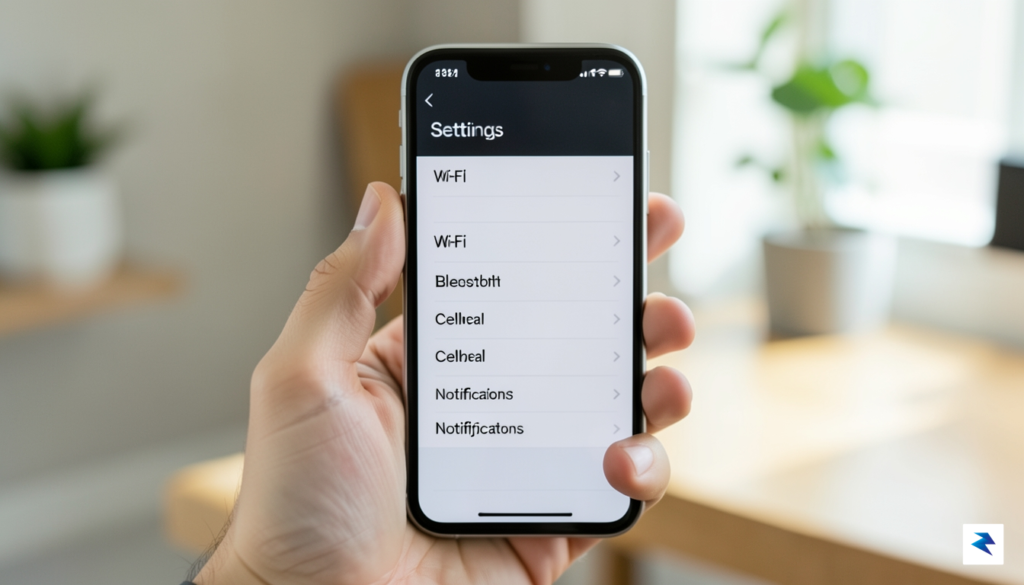
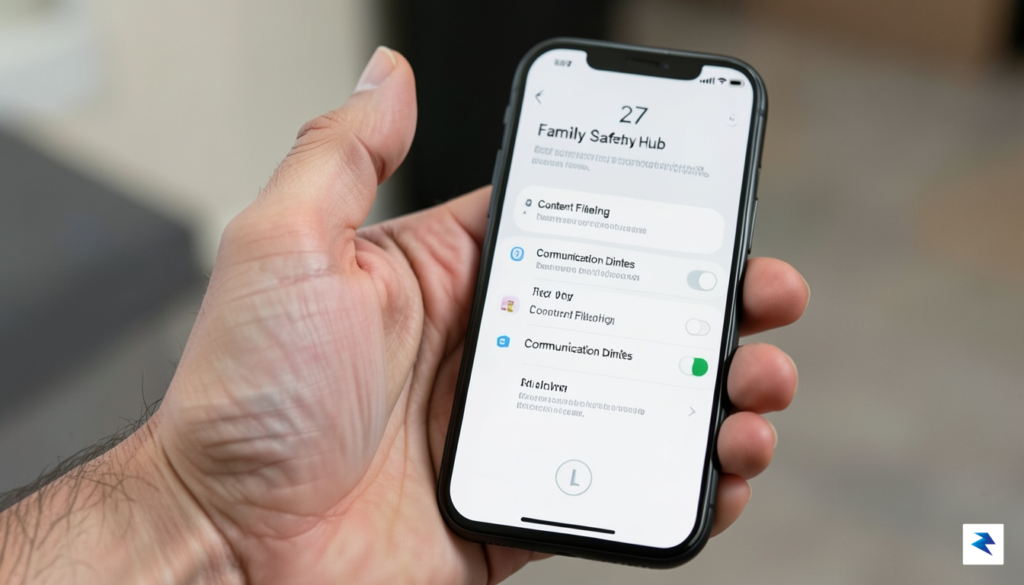
Navigating the enhanced security landscape of iOS 27 begins with knowing exactly where to find the updated controls. To access these features, start by opening the Settings app on your child’s device and scrolling down to the Screen Time menu. Once inside, look for the new Family Safety Hub, which has been redesigned to consolidate all privacy and communication safeguards into one intuitive dashboard. From this central location, you can toggle individual protection layers, such as expanded sensitive content filtering for third-party messaging apps and updated location sharing parameters, ensuring that your customized configuration aligns perfectly with your household’s unique digital boundaries.
Effective parental control requires more than just turning on a switch; it involves fine-tuning these settings to foster a balanced digital environment. Within the Screen Time dashboard, you can now establish granular “Communication Limits” that restrict who your child can interact with during both active hours and designated downtime. By tapping into the Content & Privacy Restrictions sub-menu, you can specifically filter web content, restrict explicit language in music or podcasts, and set strict age-gating for app store downloads. It is highly recommended to enable the Require Password for Purchases setting to prevent accidental or unauthorized transactions, providing an extra layer of financial security alongside your safety protocols.
Establishing digital boundaries is not about surveillance; it is about creating a safe space where your child can explore, learn, and grow without stumbling onto inappropriate content prematurely.
Beyond the technical configuration, the most critical step is initiating an open, honest dialogue with your child about why these safety features exist. Rather than framing these settings as a restrictive “lockdown,” present them as a set of guardrails designed to protect their experience while they navigate the vast complexities of the internet. Explain that these tools act as an extra pair of eyes to help avoid harmful content, similar to how they might wear a helmet while riding a bike or a seatbelt in a car. By involving your child in the process and explaining the “why” behind your choices, you cultivate a sense of shared responsibility and build trust, which is far more effective than covertly monitoring their activity from behind the scenes.
Regularly reviewing these settings as your child matures is essential to maintaining an effective safety strategy. As your children grow, their digital habits will naturally evolve, and the restrictions that were appropriate at age eight may need adjustment by age twelve. Set a recurring reminder on your own calendar to revisit the Family Safety Hub every few months, allowing you to gradually grant more independence while still maintaining the core protections that keep them safe. This proactive approach ensures that your family’s technology stays a helpful resource rather than a source of unnecessary stress.

As artificial intelligence continues to accelerate at an unprecedented pace, the mechanisms designed to protect younger users must evolve with equal sophistication. The landscape of online interaction is no longer static; it is defined by rapidly shifting social media trends, ephemeral messaging platforms, and increasingly complex modes of digital communication. Apple’s long-term strategy appears to hinge on the integration of more adaptive machine learning models that can distinguish between benign social interactions and genuine predatory behavior. By moving beyond simple keyword filters, the next generation of iOS safeguards will likely leverage contextual analysis to understand the nuances of conversation, allowing the system to intervene only when it detects patterns that indicate potential harm or exploitation.
The trajectory of these safety features points toward a more proactive, rather than reactive, ecosystem. Future iterations of iOS will likely incorporate advanced behavioral analytics that monitor for signs of grooming or cyberbullying in real time, regardless of the specific platform being used. As children navigate virtual reality environments and decentralized social networks, Apple’s underlying architecture will need to extend its protective umbrella to cover these new frontiers. This requires a delicate balance between rigorous security and user privacy, ensuring that while the software remains vigilant against evolving threats, it does not infringe upon the personal autonomy or data security of the child.

Continuous innovation in safety technology is not merely an optional upgrade; it is a fundamental requirement in an era where digital threats can change overnight.
Furthermore, the effectiveness of these safeguards will rely heavily on the ability to update detection algorithms without requiring full operating system overhauls. We can expect Apple to push more granular, server-side security patches that allow safety features to learn from emerging threats as they surface across the global digital landscape. This agility is crucial because bad actors are constantly refining their tactics to circumvent traditional security measures. By fostering a symbiotic relationship between on-device processing—which keeps sensitive data private—and cloud-based threat intelligence, Apple is positioning itself to provide a robust shield that adapts to the sophistication of modern cyber risks.
Ultimately, the future of child safety in the iOS ecosystem will likely involve deeper integration with parental control suites, offering families more transparent insights into their children’s digital well-being. As these tools become more intuitive, they will empower parents to have meaningful conversations about online safety rather than relying solely on automated blocks. By combining powerful machine learning capabilities with user-friendly reporting features, Apple is setting a new standard for how technology companies should view their responsibility toward the most vulnerable members of their user base. The ongoing commitment to iterative improvement ensures that as the internet grows more complex, the protections surrounding our children remain one step ahead of those who wish to do them harm.
You must be logged in to post a comment.