Oura Ring 5 Review: Is the Best Smart Ring Getting Better?
Introduction: The Evolution of Subtle Health Tracking The wearable technology market has been in a constant state of flux, but a discernible…
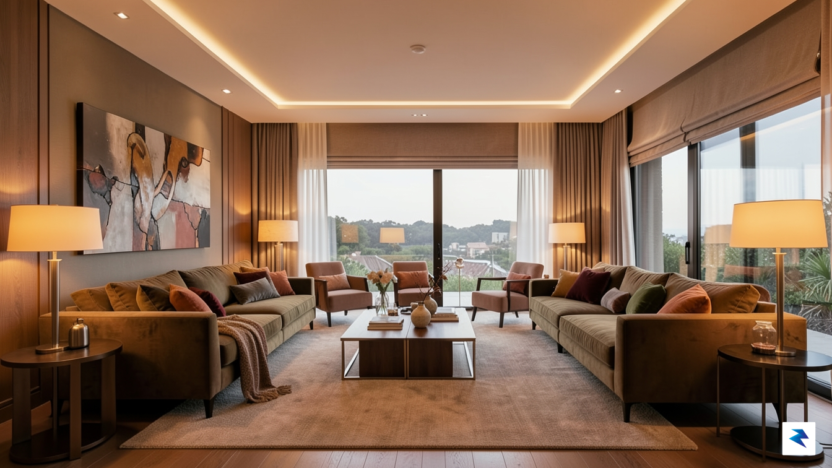
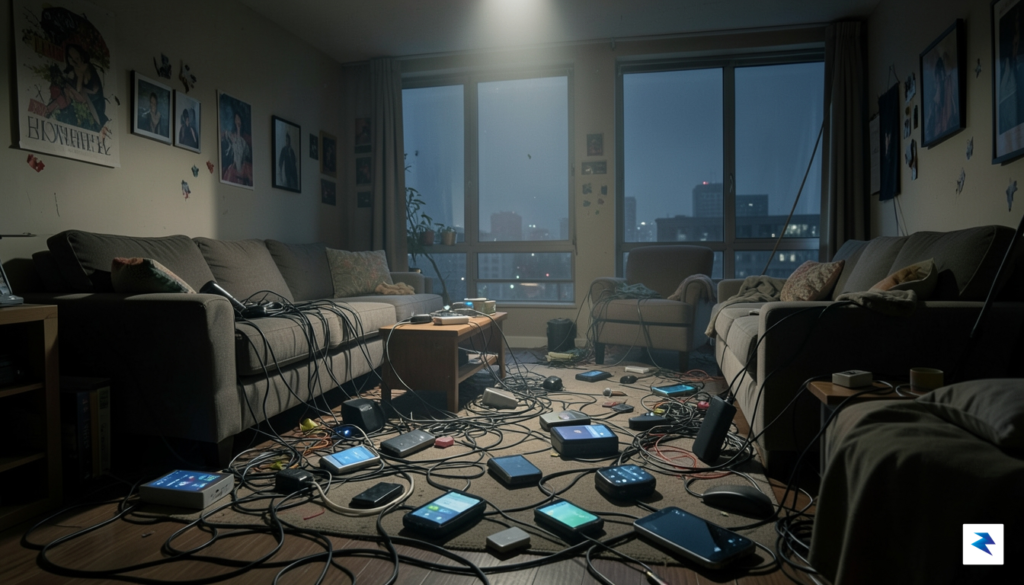
For many early adopters, the promise of the “connected home” was supposed to be a seamless symphony of automation, where lights dimmed to greet us and thermostats adjusted to our preferences without a second thought. Instead, the reality for the average consumer has become a disjointed landscape defined by high-friction interfaces and persistent technical debt. We find ourselves living in a digital architecture that requires constant troubleshooting, firmware updates, and the tedious management of a dozen disparate mobile applications just to perform simple, everyday tasks. When a home requires more maintenance than a vintage car, the convenience that technology promised begins to evaporate, leaving behind a layer of frustration that undermines the entire purpose of smart living.
The primary offender in this ecosystem is the lack of a unified language, which forces users to act as human bridges between incompatible protocols and fragmented software platforms. It is not uncommon for a single living room to require five separate apps—one for the blinds, one for the music, two for different light brands, and another for the climate control—to function as a cohesive space. This “app-hopping” creates a significant cognitive load; rather than enjoying a curated environment, the user becomes a system administrator. We have reached a point where the smart home often feels more like a part-time job than a luxury, as we spend more time debugging connectivity issues than enjoying the automation we paid to install.
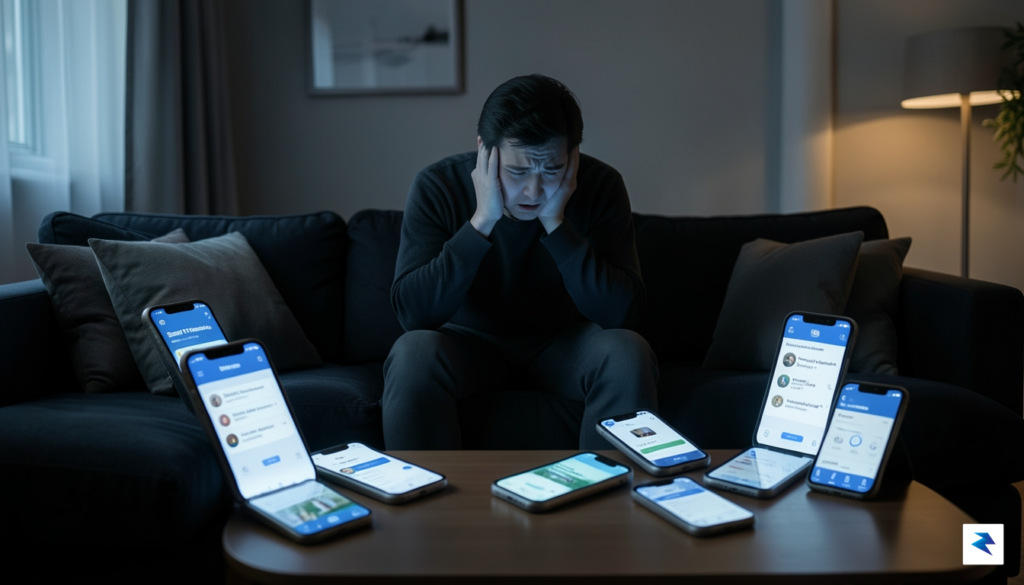
Ultimately, the core failure of many smart home systems lies in a fundamental design misalignment: they expect the human to adapt to the limitations of the technology, rather than forcing the technology to evolve around the nuances of human behavior. True innovation in this space should be invisible, operating in the background to augment our lives without demanding our constant attention or technical expertise. When a system is intuitive, the user doesn’t need to consult a manual or navigate through nested menus just to turn on a lamp. We have become accustomed to settling for “smart” devices that are actually quite clumsy, accepting that frustration is a necessary trade-off for innovation. However, the most successful technologies throughout history have always been those that disappear into the fabric of our daily routines, prioritizing human-centric design over complex, feature-heavy specs.
The true measure of a smart home is not the number of devices it supports, but how quickly it vanishes from the user’s conscious thought, leaving only the comfort of a perfectly adjusted environment.
To move beyond this paradox, the industry must shift its focus toward reliability and interoperability. We are currently trapped in a cycle of novelty-seeking, where manufacturers push out new features before they have perfected the fundamental user experience. By prioritizing ease of use and consistent connectivity, developers can finally bridge the gap between technical potential and daily practicality. If the goal is to make our living spaces truly “smart,” we must start by ensuring that the technology serves the inhabitant, rather than turning the inhabitant into a servant of the technology.
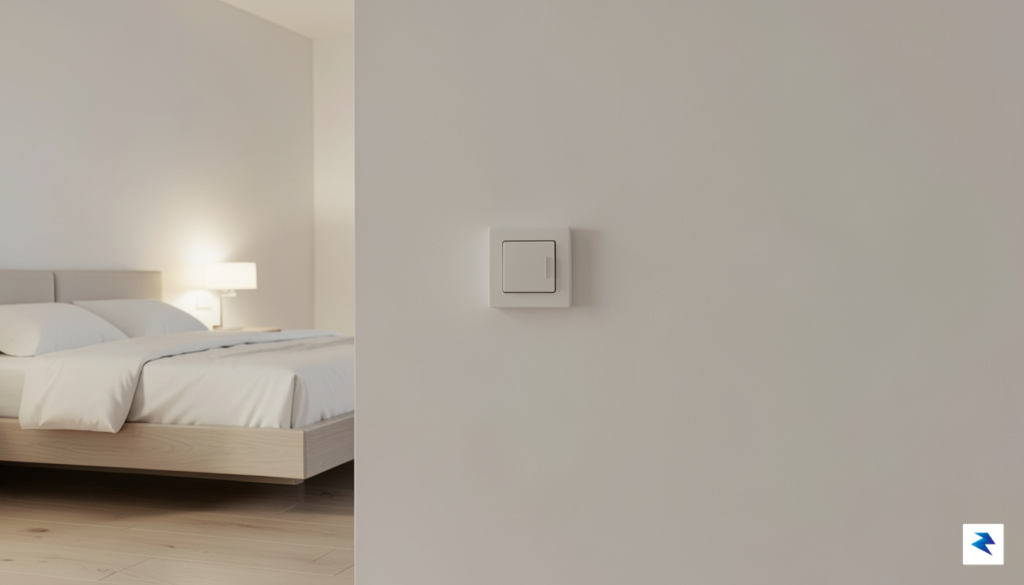
In the early days of the smart home revolution, many manufacturers fell into the trap of prioritizing complex automation scripts and futuristic interfaces over the basic functionality of a light bulb. Philips Hue, however, took a different path by adhering to a philosophy of “invisible utility.” By leveraging the Zigbee communication protocol through their dedicated Bridge, Hue ensured that their lights remained responsive and reliable even when a home’s Wi-Fi network became congested. While other smart devices frequently suffered from latency or connection drops, the Bridge acted as a dedicated traffic controller, prioritizing lighting commands above all else. This foundational commitment to stability meant that when a user tapped an icon on their smartphone, the light responded instantly, mimicking the immediacy of a hardwired electrical circuit rather than the sluggishness often associated with nascent internet-connected hardware.
Perhaps the most brilliant aspect of the Hue ecosystem is its profound respect for the traditional physical light switch. While many competitors insisted on forcing users to navigate through cumbersome smartphone menus just to illuminate a room, Philips recognized that the most successful technology is that which augments existing behaviors rather than disrupting them. By introducing intuitive accessories like the Hue Dimmer Switch, they provided a tactile interface that felt familiar to every member of the household, regardless of their technical proficiency. This approach acknowledged a fundamental truth of home design: technology should feel like an extension of the home, not an obstacle to living in it. When a guest can walk into a room and turn on the lights without needing a tutorial or a specific mobile application, the smart home has truly succeeded.
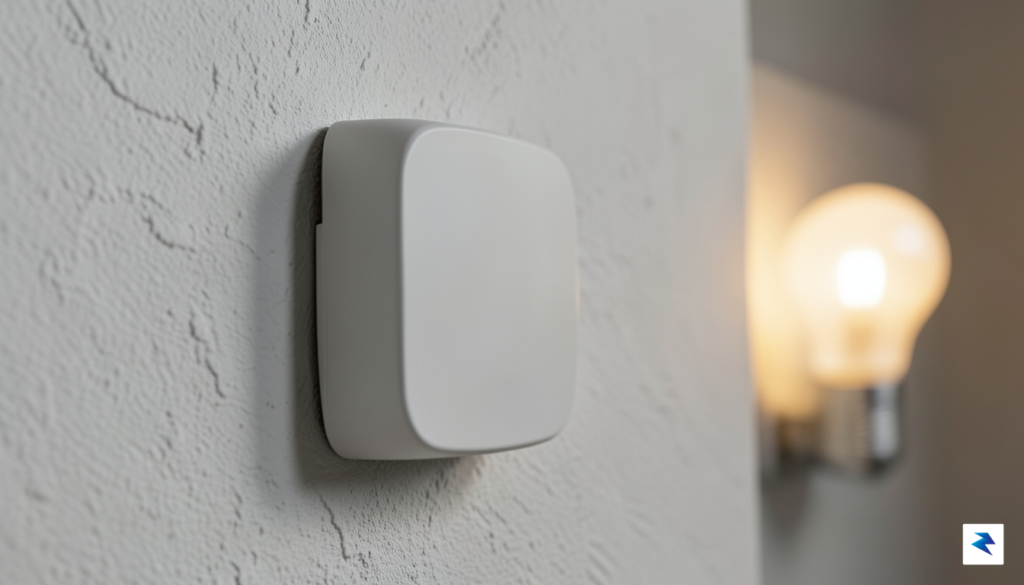
The gold standard for smart home integration is not the number of features an app can perform, but the complete disappearance of the technology into the background of daily life.
Ultimately, Philips Hue thrived because they prioritized the principle of “it just works” over the temptation to “do everything.” They focused on perfecting the color temperature, the dimming curve, and the ecosystem reliability rather than packing their bulbs with gimmicky features that rarely see daily use. This restraint allowed them to build a robust foundation that third-party integrations, voice assistants, and complex scene-setting routines could be built upon later. By treating lighting as an essential utility that required 99.9% uptime, they transformed smart bulbs from a niche hobbyist curiosity into a reliable infrastructure component. In doing so, they proved that true innovation isn’t about making the user do more; it is about making the environment respond so naturally that the presence of technology becomes completely invisible.
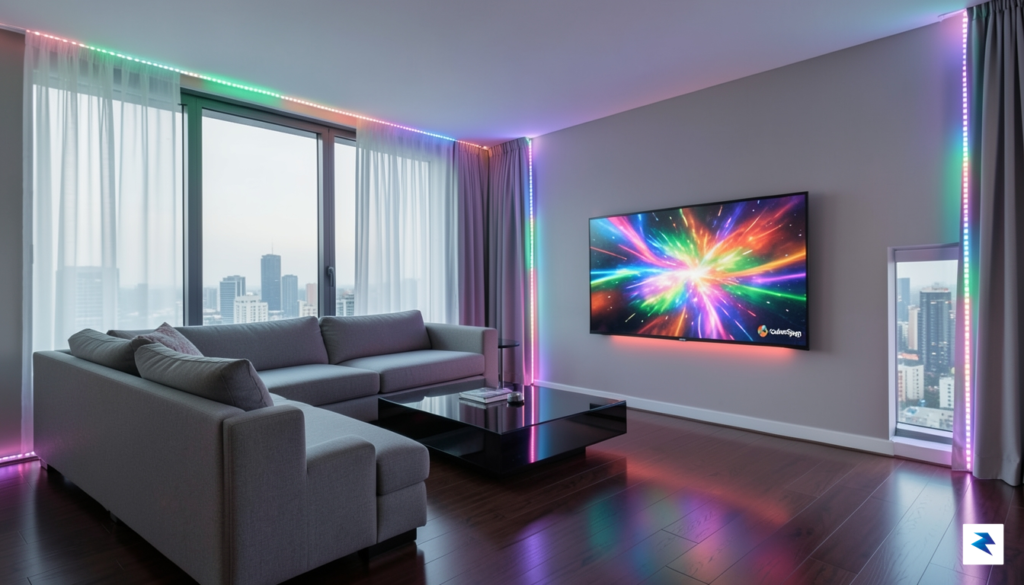
For decades, lighting was viewed strictly through a utilitarian lens: a simple binary switch that dictated whether a room was visible or dark. Philips Hue fundamentally challenged this paradigm, shifting our relationship with illumination from basic functionality to immersive environmental design. By evolving from a collection of Wi-Fi-connected bulbs into a comprehensive, interconnected ecosystem, Hue transformed the home from a static structure into a responsive, living interface. This transition marked a move away from granular, device-by-device control toward the orchestration of holistic atmospheres, where the lighting adapts fluidly to the rhythm of human life rather than waiting for manual input.
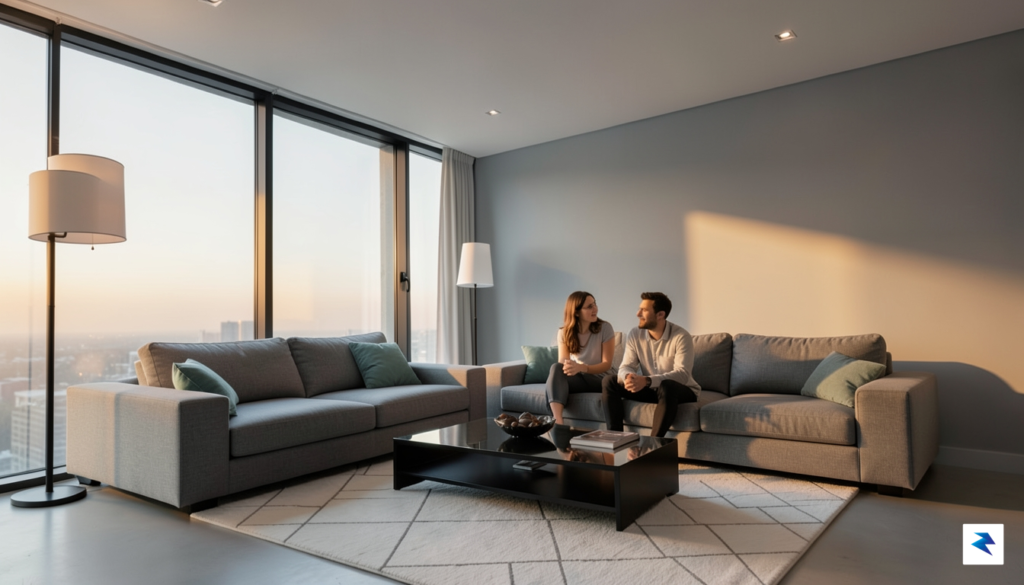
The true genius of this evolution lies in the development of “scenes” and “entertainment areas.” In the early days, users were content simply changing a bulb’s color via a smartphone app. Today, however, the platform allows for complex, multi-layered configurations that define the psychological utility of a space. Whether it is a “Concentrate” scene that mimics the sharp, blue-enriched light of the morning to boost productivity, or a “Relax” scene that bathes a room in soft, golden hues to trigger a calm state, Hue has effectively turned lighting into a wellness tool. This integration of circadian rhythm support proves that lighting is now a fundamental component of home comfort, influencing our mood, sleep cycles, and daily energy levels with surgical precision.
The most successful smart home technologies are those that disappear into the background, working silently to enhance our wellbeing while demanding almost zero cognitive effort from the user.
Beyond personal wellness, the platform has mastered the art of spatial synchronization. Through its entertainment capabilities, Philips Hue bridges the gap between digital content and physical reality; lights now pulse, dim, and shift in perfect harmony with movies, music, or high-octane gaming sessions. This leap from static illumination to dynamic sensory feedback represents the maturation of the smart home ecosystem. By acting as the central nervous system of the residence, the platform ensures that the environment is no longer just a backdrop to our activities, but an active participant in our experiences. As these systems become more intuitive and predictive, it is clear that the future of home design will be written in light, moving ever closer to a seamless, automated symphony of color and intensity.

For years, the smart home industry was plagued by the “walled garden” mentality, where manufacturers prioritized brand loyalty through artificial exclusivity. This fragmented landscape forced consumers to choose a single ecosystem—whether it was Apple, Google, or Amazon—often finding that their favorite devices couldn’t communicate with one another. Philips Hue, however, charted a different course early on. By prioritizing an API-first design, they treated interoperability not as a technical concession, but as a core business strategy. This decision allowed the system to integrate seamlessly with virtually every major smart home platform, effectively future-proofing the user’s investment while fostering a vibrant, expansive third-party developer community that built custom tools and automations long before mainstream support existed.
The failure of proprietary ecosystems to gain mass-market traction serves as a cautionary tale: consumers ultimately reject complexity and fragmentation. When a user feels trapped by a brand, they are less likely to expand their smart home setup for fear of incompatibility. Philips Hue recognized that the true value of lighting lies in its ability to exist as a background utility, capable of responding to triggers from motion sensors, thermostats, or security systems regardless of the manufacturer. By opening their doors to external developers and cross-platform partnerships, they ensured that their product remained relevant and functional, even as the broader smart home market underwent massive structural shifts.
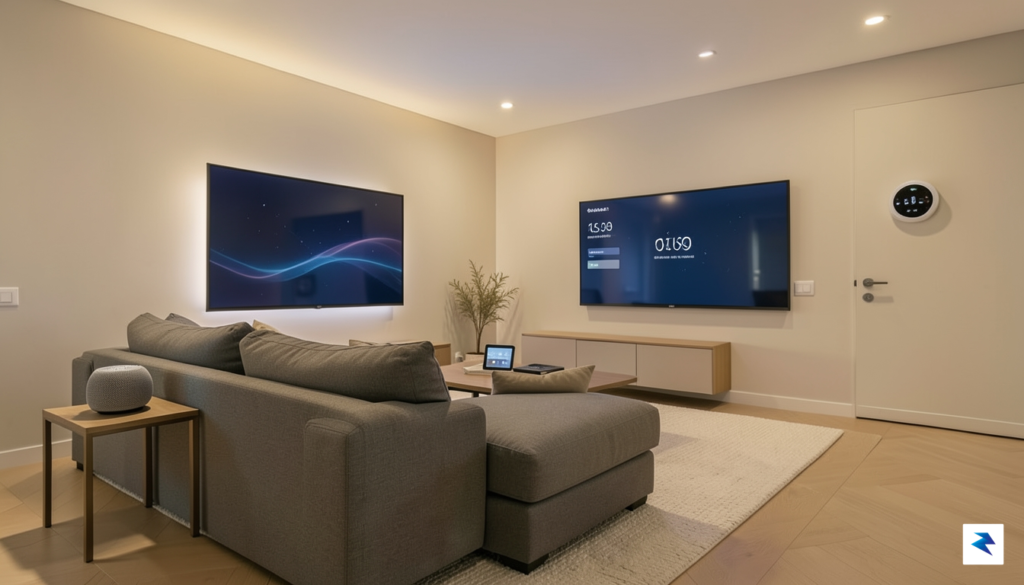
The industry is now undergoing a long-overdue evolution toward unified standards like Matter and Thread. These protocols represent the “True North” of smart home technology, aiming to strip away the friction that has historically hindered adoption. Matter, in particular, acts as a common language that allows devices from different companies to communicate locally without relying on unstable cloud bridges or proprietary hubs. Because Philips Hue built its foundation on open connectivity, it was uniquely positioned to embrace these standards without needing to overhaul its entire philosophy. This transition marks the end of the era where brand silos dictated the limits of home automation.
True innovation in the smart home space isn’t found in a device’s ability to lock a user in, but in its capacity to disappear into a broader, interconnected ecosystem that works for everyone.
Moving forward, the success of any smart home brand will be measured by how well it plays with others. We are entering a future where the consumer expects seamless, out-of-the-box compatibility, and the companies that resist this shift will inevitably become obsolete. Philips Hue’s longevity proves that when you prioritize openness, you don’t lose your customers—you earn their trust. By staying ahead of the curve and championing interoperability, they have set a gold standard that reminds us that the best technology is the kind that works everywhere, for everyone.
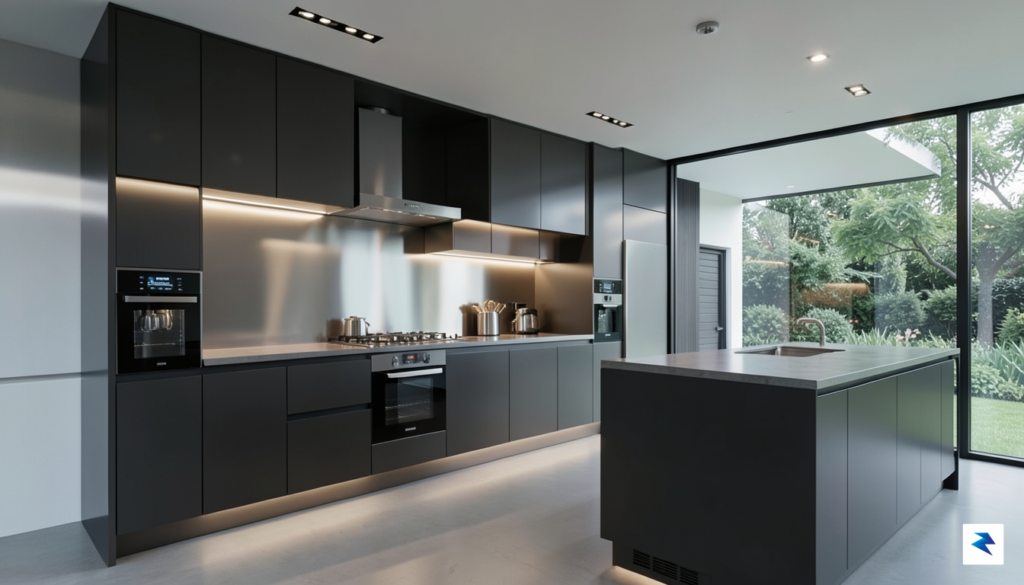
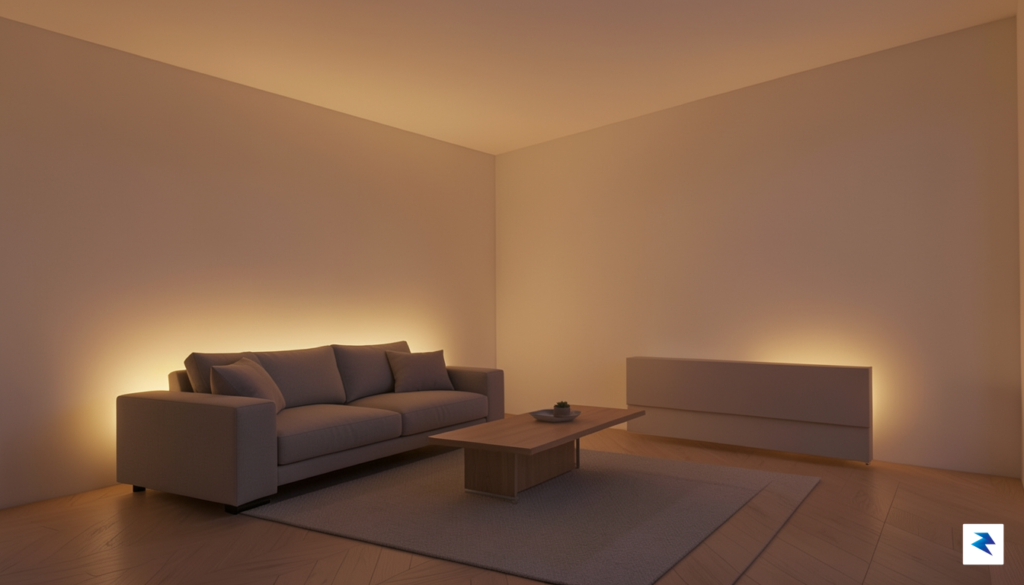
The true hallmark of a sophisticated smart home is not the complexity of its interface, but the degree to which that interface disappears entirely. For years, we have been tethered to the “app-first” paradigm, a clunky middle step that forces us to pull out a smartphone just to dim the lights or adjust the thermostat. However, as we look toward the next decade, the evolution of ambient computing suggests a shift away from reactive manual control toward a state of intuitive anticipation. By learning from the foundational success of Philips Hue—which prioritized the natural human experience of light over technical configuration—the next generation of home architecture will treat the entire house as a singular, responsive shell. In this future, the home will operate as a living organism, sensing our presence and adjusting its environment based on context, rhythm, and intent rather than waiting for a digital command.
This transition relies heavily on the advancement of sophisticated presence-sensing technologies, such as ultra-wideband (UWB) radar and advanced occupancy sensors, which can map human movement with granular precision. Unlike older motion sensors that frequently left inhabitants sitting in the dark after a few minutes of stillness, modern ambient systems will understand that a person reading on the sofa requires a different lighting profile than someone walking through a hallway. By leveraging the low-latency communication standards established by ecosystems like Matter, these devices will communicate beneath the surface, orchestrating a symphony of hardware that reacts to our habits. Consequently, the act of “controlling” your home will be replaced by the experience of simply “living” in it, as the technology subtly anticipates your needs before you even realize they exist.
The most successful smart home technology is that which becomes so integrated into the fabric of daily life that it ceases to be perceived as technology at all.
Of course, the promise of a persistently sensing home brings the critical issue of privacy to the forefront. If our homes are to become truly intelligent, they must process intimate data regarding our patterns, schedules, and behaviors. To build trust in this ambient future, manufacturers must prioritize local, edge-based processing, ensuring that sensitive behavioral data stays within the walls of the home rather than being uploaded to a cloud server. When the home acts as its own private, secure brain, the user feels empowered rather than watched. Ultimately, the invisible smart home of the future will be defined by this delicate balance: a high level of environmental awareness coupled with an uncompromising commitment to personal sovereignty. As we move past the era of novelty gadgets, we are entering a phase where the home finally stops being a collection of disparate devices and starts becoming a cohesive, thoughtful partner in our daily lives.
You must be logged in to post a comment.