Best External Hard Drives for 2026: SSDs vs. HDDs Explained
Understanding Your Storage Needs: HDD vs. SSD At the most fundamental level, the distinction between a Hard Disk Drive (HDD) and a Solid State…
The wearable technology market has been in a constant state of flux, but a discernible shift is now firmly underway. For years, the prevailing wisdom pushed larger screens, more apps, and an ever-increasing stream of notifications directly onto our wrists. However, many users are beginning to experience a profound “screen fatigue,” a weariness not just from the devices themselves, but from the constant digital demands they impose. This growing sentiment suggests that the novelty of a miniature smartphone strapped to one’s arm has faded, replaced by a desire for a more integrated, less intrusive approach to personal health monitoring. Consumers are increasingly questioning whether the constant glowing display and buzzing alerts genuinely enhance their well-being or merely add another layer of digital distraction to already busy lives.
This shift isn’t merely about aesthetics; it represents a deeper philosophical re-evaluation of what a health tracker should be. Instead of active, notification-centric wearables that constantly vie for our attention, there’s a burgeoning preference for passive, data-driven insights. People are less interested in devices that tell them to stand up right now or buzz with every incoming email, and more interested in tools that quietly collect comprehensive data about their sleep quality, recovery metrics, and daily activity trends. The goal has evolved from immediate, often interruptive, feedback to a more holistic understanding of one’s body over time, empowering users to make informed decisions without feeling tethered to a screen. This move towards unobtrusive monitoring champions a healthier relationship with technology, where insights are offered on demand rather than pushed incessantly.
It is within this evolving landscape that the Oura Ring 5 emerges, not as a radical revolution of wearable tech, but as a refined iteration of a concept that perfectly aligns with this new user demand. By eschewing a screen entirely and embedding advanced sensors into a sleek, minimalist ring, the Oura Ring 5 positions itself as the ultimate ‘invisible’ health tracker. It’s designed to integrate seamlessly into daily life, collecting crucial physiological data – from heart rate variability and body temperature to sleep stages and activity levels – without ever demanding attention through a bright display or intrusive alerts. This device understands that true empowerment comes from subtle, continuous data collection and intelligent analysis, allowing users to reclaim their focus while still benefiting from cutting-edge health insights. The Oura Ring 5, therefore, carves out a unique niche for itself, catering to those who prioritize deep health understanding without the digital noise.
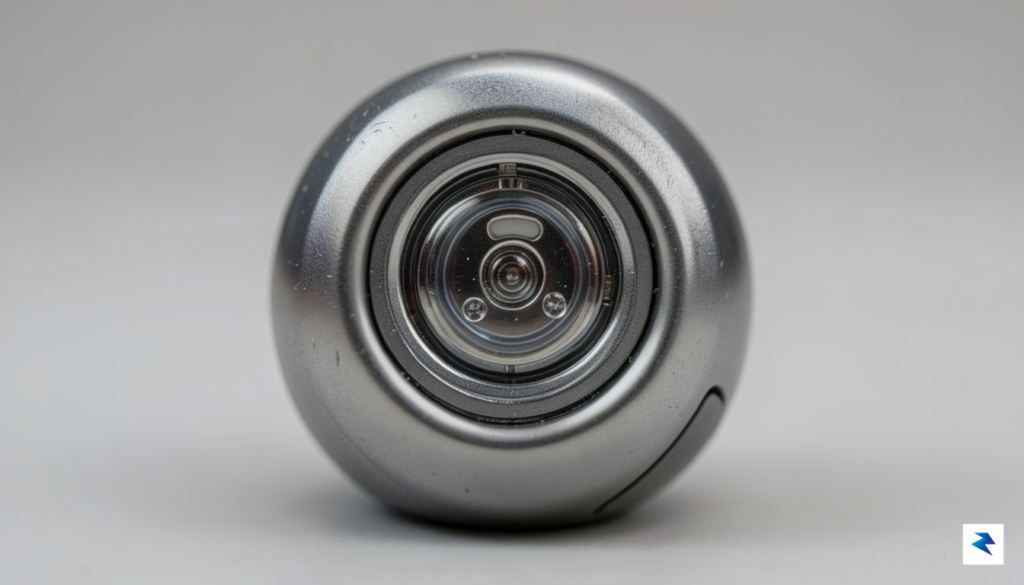
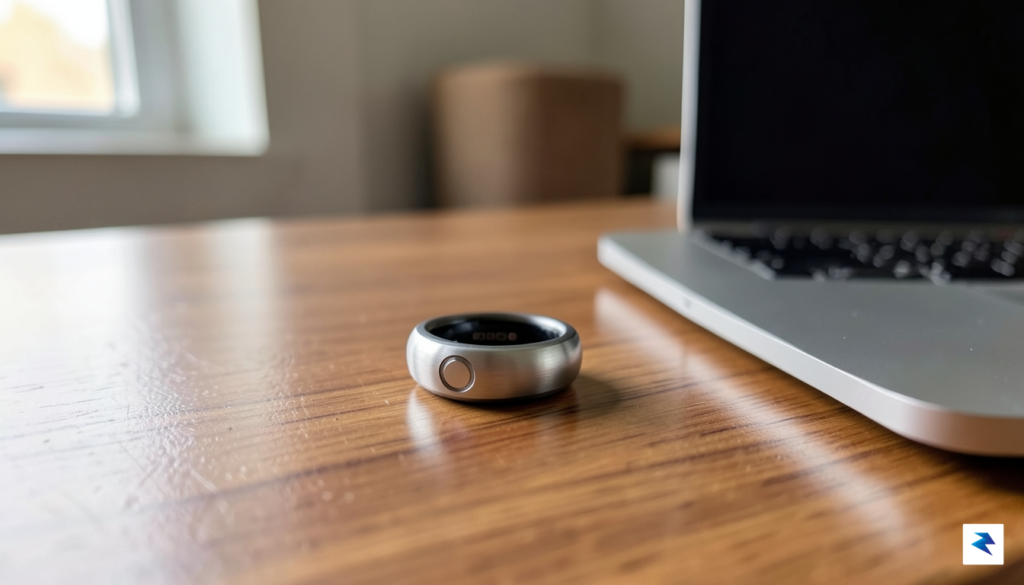
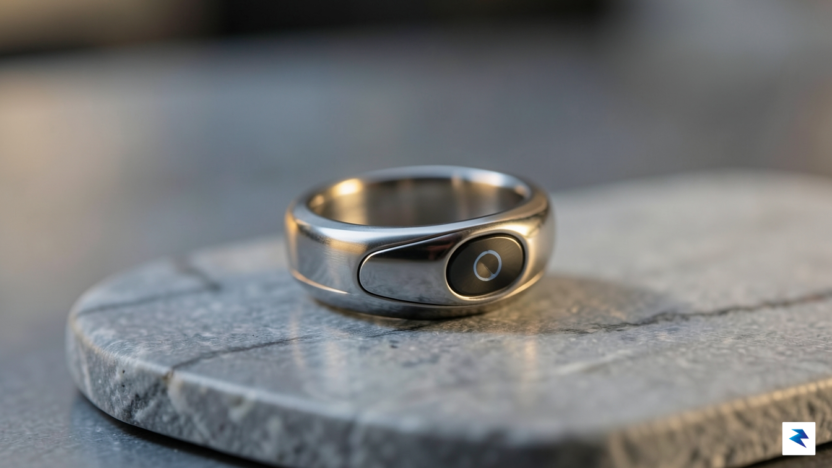
The primary allure of the Oura Ring 5 lies in its ability to disappear into your daily life, effectively bridging the gap between high-end jewelry and sophisticated health diagnostics. Unlike traditional smartwatches that can feel cumbersome or intrusive, the Oura Ring 5 is crafted from lightweight, aerospace-grade titanium, making it remarkably durable while remaining feather-light on the finger. This build quality is not merely for aesthetics; it provides a rugged exterior capable of withstanding the rigors of high-intensity workouts, heavy lifting, and the occasional accidental bump against a hard surface. Because the device is fully waterproof, you never have to worry about taking it off during a morning swim or a post-workout shower, which ensures that the stream of biometric data remains uninterrupted and consistent.
Achieving this seamless experience begins long before the ring arrives on your doorstep. Oura’s comprehensive sizing kit is an essential step in the process, allowing you to test various sizes over a 24-hour period to account for natural finger swelling that occurs throughout the day and night. This attention to fit is vital because, unlike a watch that can be tightened or loosened on the wrist, the ring must find the perfect balance between being secure enough for accurate sensor readings and comfortable enough to wear during deep sleep. When sized correctly, the ring feels less like a piece of technology and more like a permanent accessory, often leading users to forget they are even wearing a sophisticated computer on their finger.
The true mark of a successful wearable is its ability to provide deep, actionable insights without demanding constant attention or physical adjustment from the user.
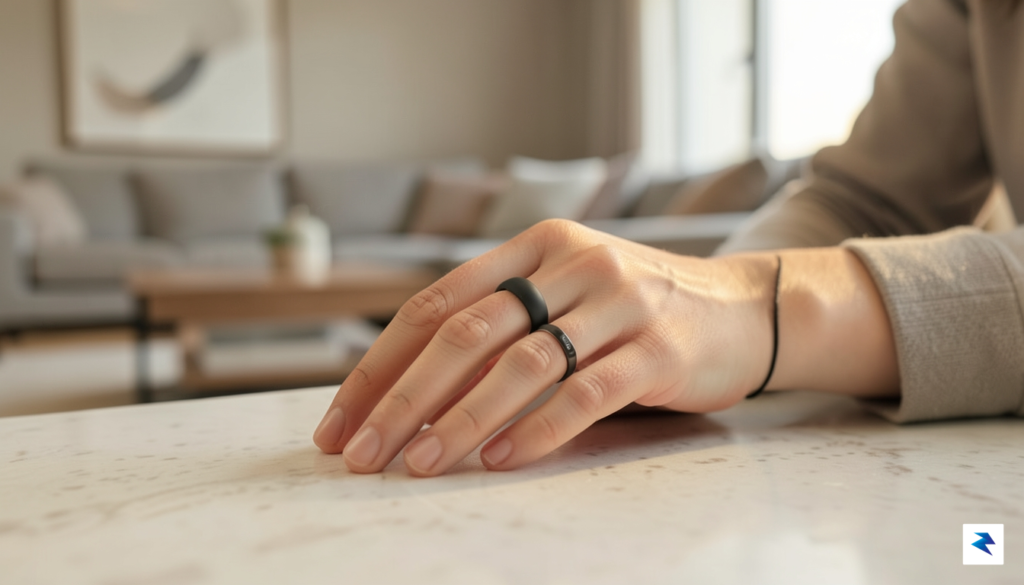
Beyond its physical durability, the Oura Ring 5 excels in social and professional integration. In environments where a chunky fitness tracker or a glowing watch face might feel out of place—such as a boardroom meeting or a formal dinner—the ring maintains a subtle, sophisticated profile. It mimics the appearance of a classic titanium band, allowing it to blend effortlessly with other jewelry or your personal style without drawing unnecessary attention. By prioritizing a “less is more” design philosophy, the Oura Ring 5 proves that the most effective health technology is the kind that works silently in the background, liberating the wearer from the distraction of constant screen notifications while still delivering a comprehensive picture of their long-term wellness.
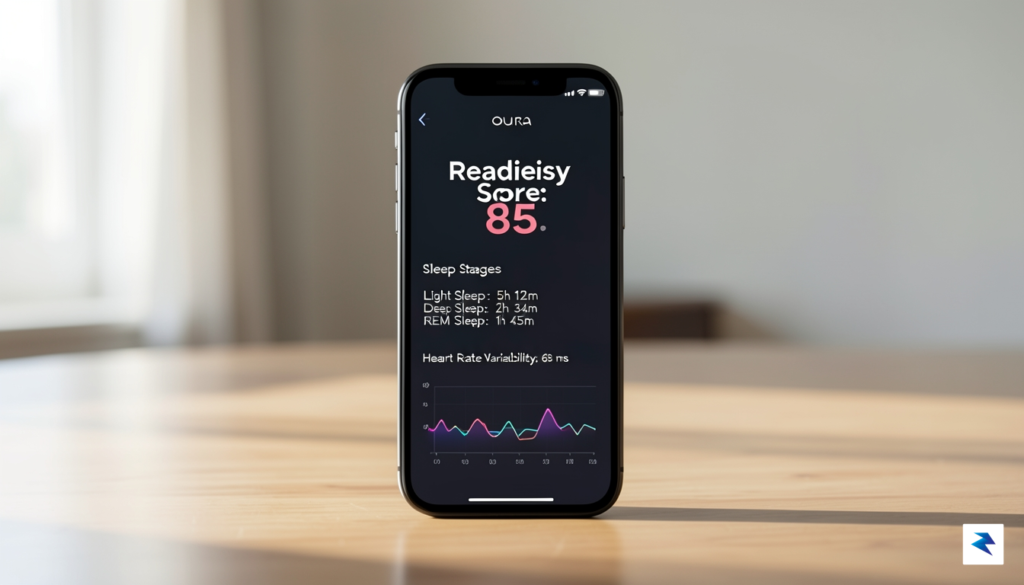
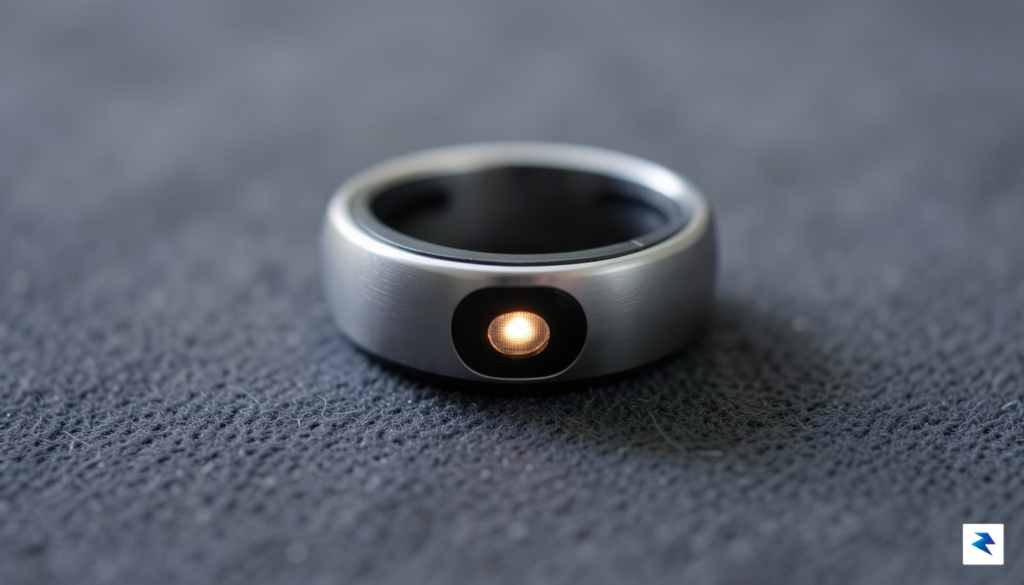
The true power of the Oura Ring 5 lies in its ability to translate raw physiological signals into actionable health insights without ever demanding your active attention. By positioning high-fidelity infrared PPG sensors against the skin of the finger—where the arterial pulse is often more stable and less prone to the “motion artifacts” that plague wrist-based devices—the ring achieves a level of data consistency that rivals medical-grade pulse oximeters. While a Garmin or Apple Watch relies on contact points that can shift during vigorous arm movement, the Oura’s snug fit ensures that heart rate variability (HRV) readings remain remarkably precise, providing a clearer window into your autonomic nervous system’s recovery state.
When comparing this form factor to traditional sport watches, the primary difference is one of philosophy rather than just hardware. Smartwatches excel at “active” tracking—monitoring your cadence during a sprint or your pace on a climb—whereas the Oura Ring 5 focuses on “passive” physiological trends. Because the finger provides a superior site for monitoring capillary blood flow, the device excels at tracking sleep staging. It distinguishes between REM, light, and deep sleep with an accuracy that frequently matches clinical polysomnography, a feat that bulkier, wrist-worn devices often struggle with due to their tendency to lose skin contact during the night.
The Oura Ring 5’s Readiness Score serves as the ultimate arbiter of your daily energy, intelligently synthesizing HRV, body temperature trends, and previous sleep quality into a single, cohesive metric that tells you whether to push for a personal best or prioritize active recovery.
This synthesis of data is where the platform truly separates itself from its competitors. Rather than simply bombarding you with raw numbers, the ring’s algorithm interprets your body’s unique baselines to calculate a Readiness Score. If your resting heart rate is elevated or your temperature shows a slight fluctuation, the app will proactively suggest a lighter day, effectively acting as an intuitive health coach. By prioritizing this longitudinal view of your well-being, the Oura Ring 5 offers a meaningful alternative to the constant notification cycle of a smartwatch, proving that when it comes to long-term health, less intrusive monitoring often yields significantly more valuable insights.
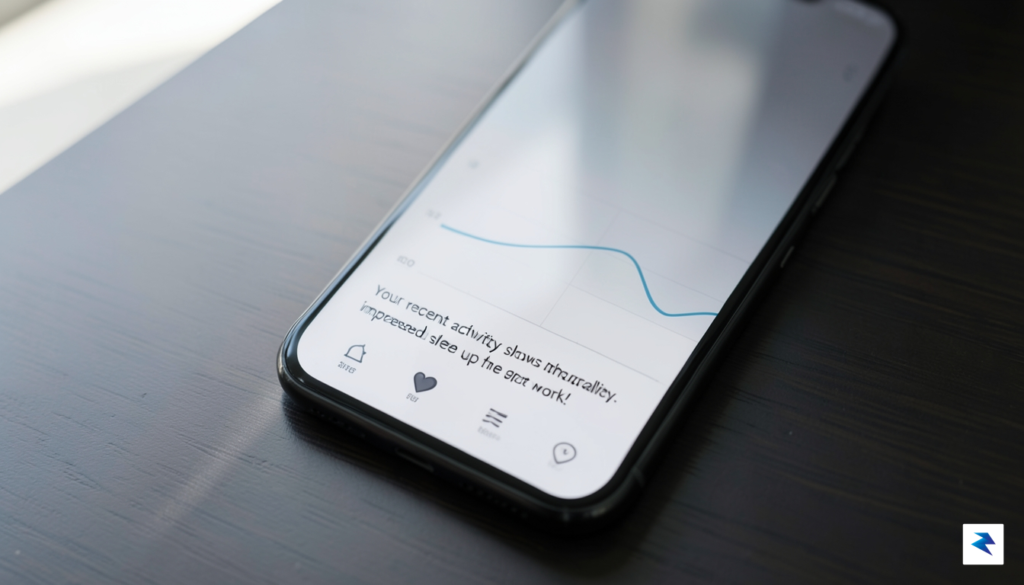
At the heart of the Oura experience lies an interface that feels remarkably refined, emphasizing clarity and minimalist design over the cluttered data dashboards found in many competing wearables. The Oura app prioritizes three core pillars—Readiness, Sleep, and Activity—distilling complex physiological metrics into intuitive scores that tell you exactly what you need to know at a glance. By stripping away the noise and presenting trends through elegant, color-coded visualizations, the software successfully lowers the barrier to entry for users who want to optimize their health without needing a degree in exercise physiology. This focus on “less is more” ensures that you are interacting with meaningful insights rather than drowning in raw, uninterpreted sensor data.
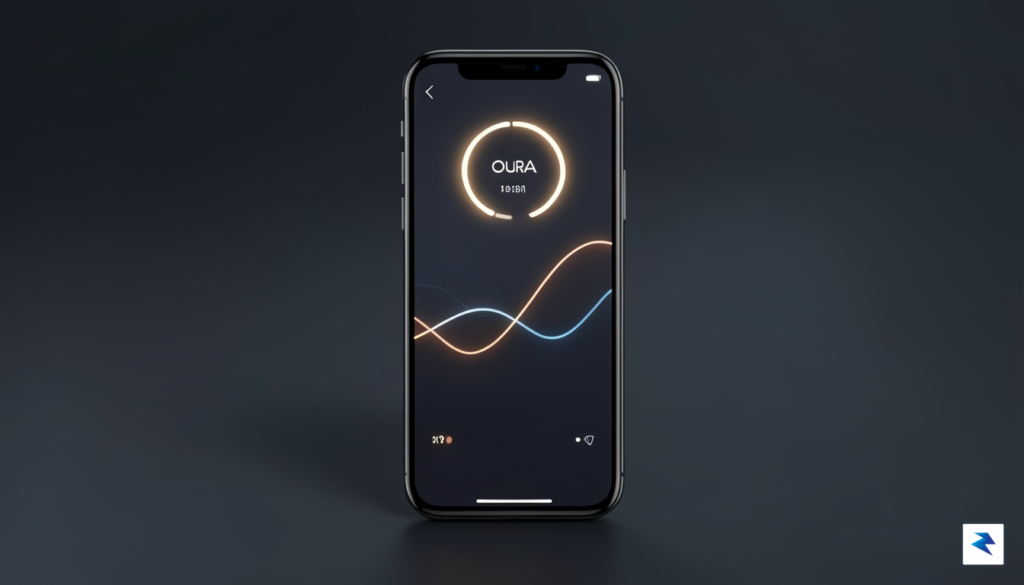
However, the true weight of the Oura ecosystem rests on the mandatory monthly subscription, a point of contention for many prospective buyers. While the hardware captures the raw data, it is the cloud-based algorithm that processes this information to provide personalized guidance, long-term trend analysis, and advanced features like the “Resilience” score. Critics often argue that paying a recurring fee for a device they have already purchased feels restrictive. Yet, when viewed through the lens of continuous improvement, the subscription model allows Oura to push frequent firmware and software updates that keep the ring relevant in a rapidly evolving market. Without this ongoing investment, the app would quickly become a static dashboard rather than a dynamic, evolving health companion.
The value of the Oura subscription is not found in the raw numbers, but in the context the software applies to your daily habits, turning passive tracking into active health management.
Ultimately, the effectiveness of this ecosystem depends on whether you can translate these insights into tangible behavioral changes. The app excels at “nudge” psychology, suggesting when you should dial back your intensity or prioritize recovery after a particularly taxing day. If you are the type of user who actively checks your Readiness score to decide whether to hit the gym or take a rest day, the subscription fee pays for itself in injury prevention and improved vitality. Conversely, if you are looking for a device that simply tracks steps without requiring your active engagement or lifestyle adjustment, the barrier of the monthly cost may outweigh the utility. The Oura experience is designed for the intentional user; it is a tool that rewards those who are willing to listen to the data and adjust their lives accordingly.
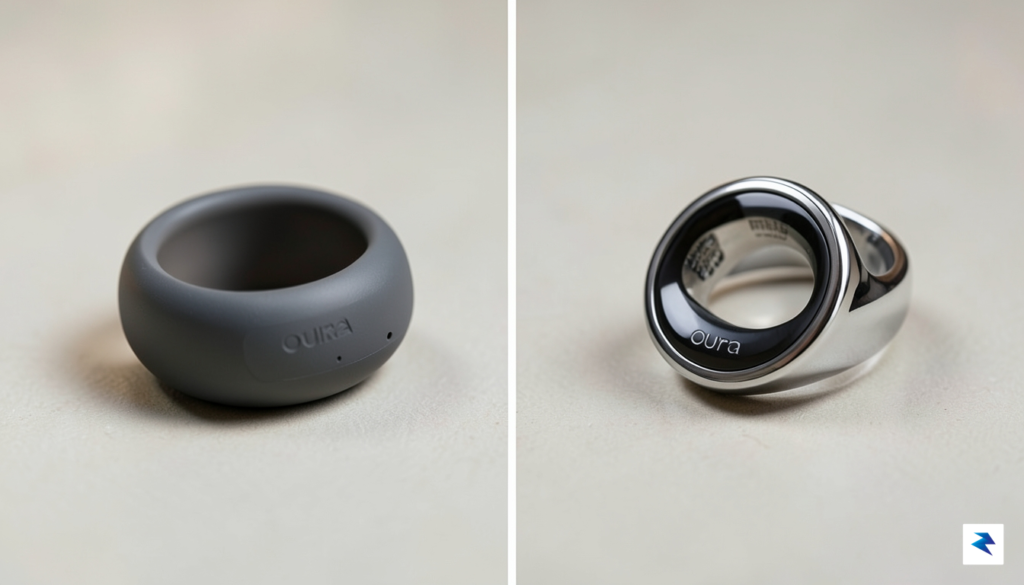
For long-time Oura loyalists, the arrival of the fifth generation brings a familiar question: does the incremental refinement justify the investment, or are we chasing diminishing returns? If you are currently wearing a third or fourth-generation ring, you have likely become accustomed to the rhythm of Oura’s data ecosystem. The Gen 5 doesn’t reinvent the wheel; instead, it polishes the mechanics of the entire experience. While the sensor suite has seen a notable boost in precision—particularly regarding cardiovascular tracking during high-intensity movement—the leap is less about revolutionary new metrics and more about the reliability of the data you already trust. For those who rely on Oura for deep sleep architecture insights and readiness scores, the improved sensor fidelity offers a more granular look at heart rate variability, which effectively reduces the “noise” that occasionally plagues older hardware.
Battery longevity remains the most tangible differentiator between your current device and the latest model. While previous iterations required a rigid charging schedule to avoid data gaps, the Gen 5’s power optimization allows for a significantly more forgiving cadence. By extending the time between charges by an additional two days under typical usage, Oura has addressed the primary pain point for travelers and those who frequently forget their charging puck. This isn’t merely a convenience upgrade; it ensures that your longitudinal data set remains unbroken, preventing the frustrating “gaps” in your readiness trends that often occur when an older ring dies mid-day.
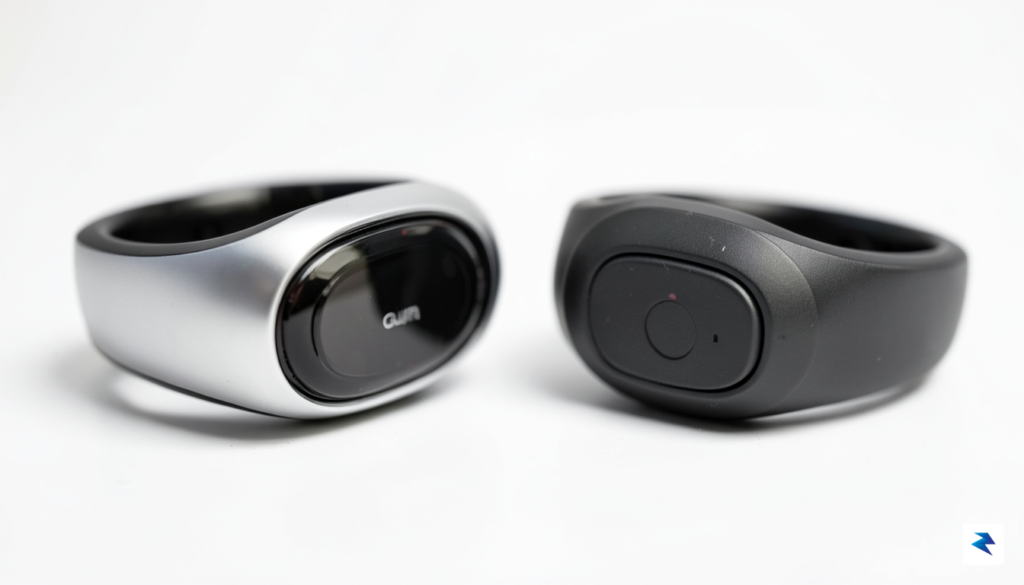
The decision to upgrade should be based on your commitment to the long-term data trend. If your current ring is losing its charge or struggling to capture consistent heart rate data, the Gen 5 is an essential refinement. If your current ring is still holding a charge and providing accurate data, the internal improvements may feel like iterative quality-of-life adjustments rather than a paradigm shift.
When weighing the “must-have” features against what might be considered iterative fluff, it is helpful to categorize the changes. The refined sensor array, which provides faster stabilization and improved accuracy during exercise, falls firmly into the “must-have” category for athletes who use their ring to track recovery after intense sessions. Conversely, the minor aesthetic tweaks—such as the slightly slimmed profile and new finish options—are welcome, but they don’t fundamentally alter the utility of the product. Ultimately, if you are a data purist who values the absolute highest fidelity in readiness and sleep tracking, the Gen 5 justifies the leap. However, if you are a casual user who only checks your scores sporadically, the core experience remains largely consistent across the last few generations, making an immediate upgrade a luxury rather than a necessity.
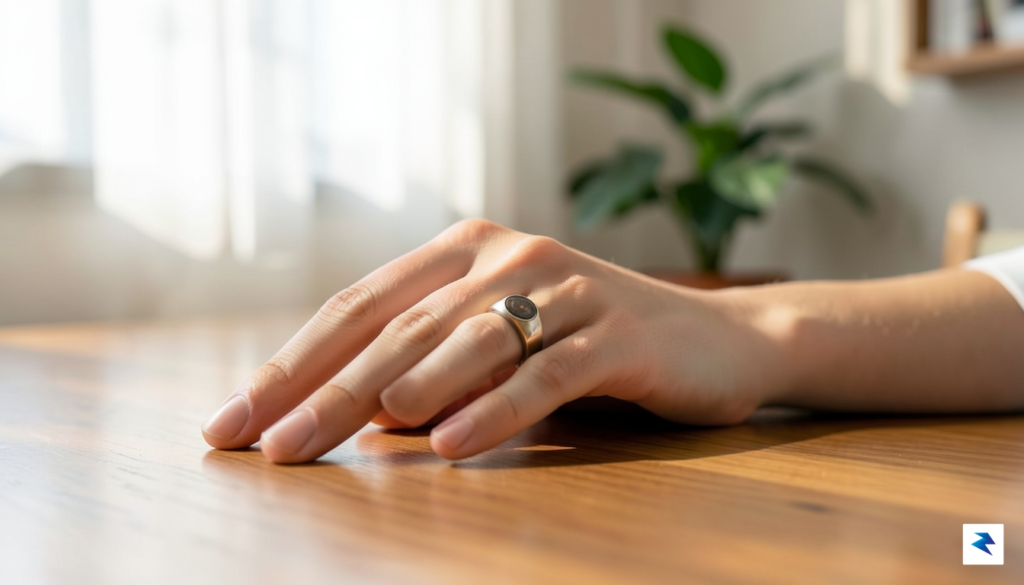
The Oura Ring 5 represents a definitive shift in the wearable market, proving that the most powerful health insights often come from the devices we barely notice. At its core, the value proposition here is one of seamless integration; it is designed for the individual who wants to monitor their physiological baseline without the constant, buzzing interruptions of a traditional smartwatch. If you find yourself overwhelmed by the screen-heavy nature of modern technology, the Oura Ring 5 offers a sophisticated alternative that prioritizes long-term health trends over short-term notifications.
To determine if this device belongs on your finger, it helps to identify which category of user you fall into. We primarily see two types of people who will derive the most utility from this form factor:
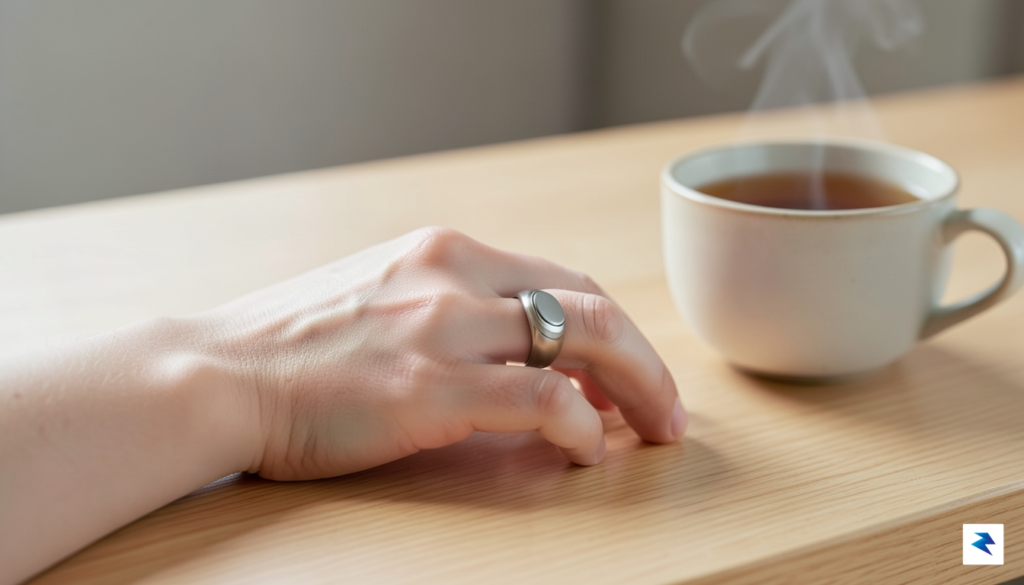
The Oura Ring 5 isn’t just another gadget; it is a commitment to passive health monitoring that rewards consistency over intensity.
Conversely, if you are a user who requires active, real-time feedback during workouts—such as viewing your heart rate zones mid-run or relying on a secondary display for GPS mapping—this device is likely not for you. The Oura Ring 5 is built for reflection and recovery analysis, not for live performance coaching. Furthermore, those who are strictly budget-conscious may find the combination of the hardware cost and the ongoing subscription model difficult to justify, especially if they are not already deeply engaged with the Oura ecosystem’s data insights.
Ultimately, the smart ring market in 2024 has matured, and the Oura Ring 5 stands as the benchmark for this evolution. It successfully bridges the gap between high-end biometric laboratory technology and everyday personal jewelry. By choosing to do less—by removing the screen and the distraction—Oura has actually managed to provide more meaningful, actionable, and sustainable value to the health-conscious consumer.
You must be logged in to post a comment.