
Inside the UPI Engine: How India’s Payment Network Works
The Digital Revolution: Understanding UPI Architecture Before the advent of the Unified Payments Interface (UPI), India’s digital payment…

In an increasingly complex world, maintaining consistent motivation for personal goals often feels like an uphill battle against an endless stream of distractions and mundane responsibilities. The concept of gamification, which applies game-design elements and game principles in non-game contexts, has emerged as a powerful psychological hack to combat this inertia. However, while countless productivity apps promise to streamline your day and inject fun into tasks, many quickly become bloated, adding more cognitive load than they relieve with their elaborate UIs and constant notifications. This paradox leaves many yearning for a simpler, yet equally effective, solution to turn their aspirations into achievable quests.
Enter Earth Game, a truly refreshing paradigm shift designed specifically for those who thrive in the elegant simplicity and raw power of the command line. It eschews graphical clutter and endless notifications in favor of a lean, mean, text-based interface, proving that true efficiency often lies in minimalism. This offline CLI tool offers a unique proposition: transform your daily life, personal ambitions, and long-term objectives into a compelling role-playing game. It’s a deliberate step back from the over-engineered software of today, providing a focused environment where your interaction with tasks is direct, tangible, and deeply satisfying.
At its core, Earth Game masterfully bridges the gap between terminal efficiency and profound personal development. By treating every life goal as a quest, every task as a mission yielding experience points, and every completed objective as progress towards leveling up, it injects a vital sense of purpose and achievement into activities that might otherwise feel overwhelming or uninspiring. Imagine the satisfaction of typing a simple command like earth complete "Learn Python basics" and watching your character—representing your real self—gain experience, gold, or even unlock new skills within your personal development journey. This immediate, structured feedback loop mirrors the addictive nature of RPGs, but with real-world benefits.
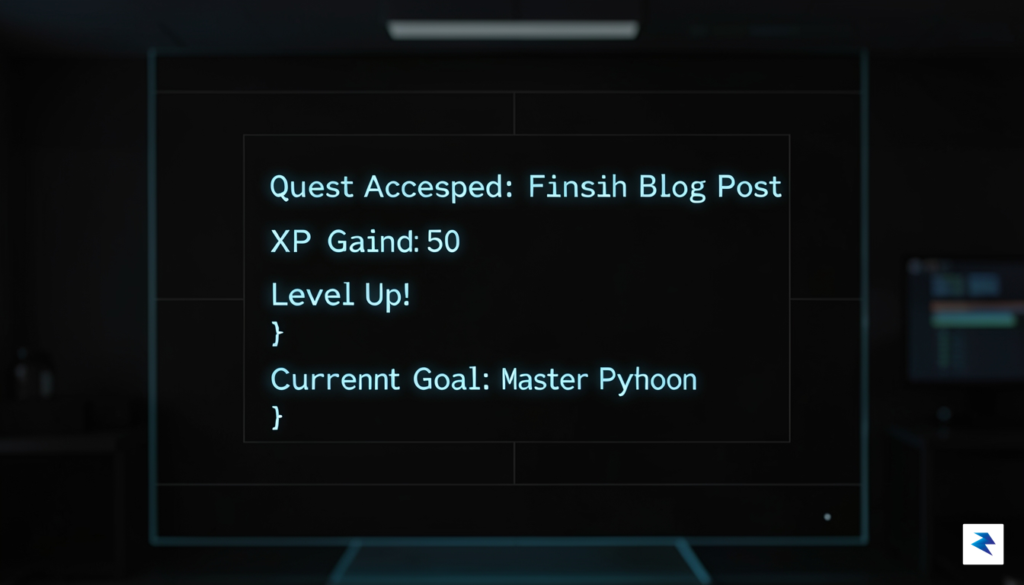
For the dedicated terminal user, Earth Game is far more than just another productivity tool; it’s an extension of their preferred workflow, seamlessly integrating personal growth with the command-line interface they already master. It taps into the innate satisfaction of precise, controlled input and the clarity of text-based interaction, turning the act of managing your life into an engaging, interactive narrative. This unique synergy ensures that every earth complete command doesn’t just check off an item, but actively contributes to your character’s—and your own—growth, making the journey towards your goals both efficient and deeply engaging. It’s about rediscovering motivation not through flashy graphics, but through the profound simplicity and power of your own terminal.

While graphical user interfaces (GUIs) dominate our digital lives, offering intuitive visual experiences, there’s a compelling argument for returning to the command-line interface (CLI) for specific tasks, especially those requiring deep focus and routine engagement. Far from being an arcane tool solely for developers or system administrators, CLI applications represent a powerful paradigm shift for personal productivity, particularly when it to comes to tracking habits and managing goals. They champion a ‘flow-state’ friendly approach, minimizing the distractions inherent in modern software and fostering an environment conducive to sustained concentration.
One of the most significant advantages of a CLI for productivity lies in its ability to drastically reduce context switching and visual noise. Modern SaaS productivity platforms, while feature-rich, often bombard users with an overwhelming array of buttons, menus, notifications, and visually complex dashboards. Each new tab or application switch demands a momentary cognitive reset, disrupting your train of thought and siphoning away precious mental energy. By contrast, a CLI tool keeps you firmly within your terminal environment, whether you’re coding, managing files, or now, tracking your daily quests, fostering an uninterrupted workflow that keeps you in the zone.
The sheer speed and efficiency of keyboard-driven interaction is another undeniable benefit. Navigating menus with a mouse, clicking through dialog boxes, or waiting for web pages to load can accumulate into significant time drains over a day. With a CLI, you execute commands directly, often with just a few keystrokes, making logging a completed task or reviewing your progress instantaneous. This immediacy not only saves time but also significantly reduces the friction associated with the act of tracking, transforming it from a separate chore into an integrated, seamless part of your existing routine.
Furthermore, the minimalist nature of a CLI inherently promotes focus. Stripped of visual embellishments, animations, and intrusive pop-ups, the terminal presents a clean canvas where only the essential information is displayed. This deliberate lack of visual clutter allows your brain to concentrate solely on the task at hand – be it marking off a completed goal or reviewing your daily stats – without being tempted by extraneous features or unrelated notifications. It’s an environment designed for direct interaction and deep concentration, perfectly aligning with the needs of someone striving to build consistent habits.
Beyond the cognitive benefits, CLI tools often boast superior performance due to their remarkably low resource footprint. They consume significantly less RAM, CPU cycles, and battery power compared to their GUI counterparts, ensuring your machine remains responsive and energy-efficient, which is especially vital for older hardware or prolonged work sessions. Moreover, many CLI applications store data locally in simple, human-readable formats like plain text or markdown files. This approach grants you complete ownership and portability of your personal data, freeing you from vendor lock-in and allowing for easy backups, custom scripting, and seamless integration with other local tools you might use.
[IMAGE: A user intently focused on a dark terminal window displaying text-based productivity tasks, perhaps a to-do list or habit tracker, with a subtle glow, conveying a sense of deep concentration and efficiency.

Embarking on your journey with Earth Game is a surprisingly straightforward process, especially for anyone comfortable navigating their terminal or command line interface. This innovative tool transforms your personal and professional objectives into an engaging quest system, bringing a gamified structure to your daily productivity. While the initial setup is designed to be accessible, truly mastering Earth Game goes beyond mere command execution; it requires a deep understanding of its unique syntax and, more importantly, a philosophical embrace of its quest-tracking methodology.

There’s a profound psychological chasm separating the mundane act of checking off a ‘to-do’ item from the exhilarating sensation of completing a ‘quest.’ While both involve accomplishing a task, the latter injects a powerful narrative element that fundamentally alters our brain’s response. When we frame a chore or an objective as a quest, we tap into primal reward systems, triggering a more robust release of dopamine—the neurochemical associated with pleasure, motivation, and reinforcement. This isn’t merely a semantic trick; it’s a recalibration of our internal reward mechanism, transforming obligation into opportunity for triumph and fostering a deeper sense of accomplishment with each victory.
To truly harness this psychological leverage, structuring our “quests” becomes paramount. Rather than a vague bullet point, a well-designed quest possesses clear objectives, often with a defined start, middle, and end, much like a mini-narrative arc. Imagine “Clean the kitchen” versus “The Scourge of the Grease Goblins: A Quest to Restore Culinary Sanctity.” By breaking down larger, intimidating goals into smaller, more digestible “sub-quests”—like “Gather the Disinfectant Potions” or “Vanquish the Crumb Monsters”—we ensure more frequent opportunities for success. Each successful completion provides a mini-dopamine hit, reinforcing the positive behavior and building momentum towards the larger objective, turning what might have been a daunting task into an engaging series of achievable challenges.

The power of this quest-based approach extends far beyond individual tasks; it’s a cornerstone for long-term habit building and sustained motivation through “quest-line” progression. Just as heroes in sagas embark on interconnected adventures that lead to a grand finale, our personal quests can be woven into an overarching narrative of self-improvement or goal attainment. Successfully completing a series of related quests—for instance, “Master the Morning Routine,” “Conquer the Weekly Report,” and “Embark on the Fitness Expedition”—creates a compelling sense of advancement. This progression fosters a feeling of leveling up in real life, providing tangible evidence of growth and competence, which in turn fuels intrinsic motivation and makes the formation of new, beneficial habits feel less like a chore and more like an unfolding personal epic.
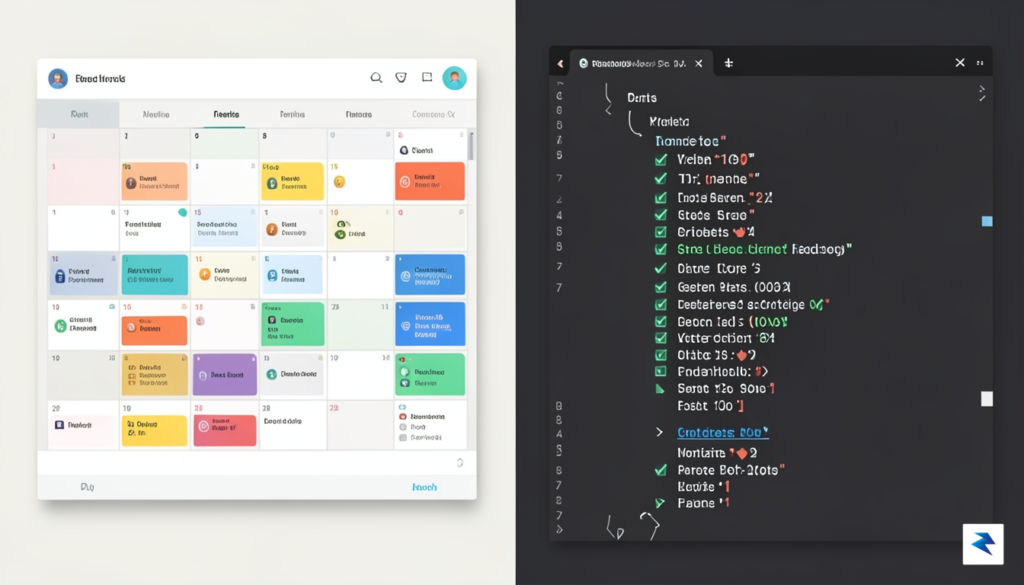
The true power of any productivity tool, no matter how innovative, lies in its consistent application. Earth Game, with its elegant command-line interface, is designed for efficiency, but integrating it effectively into a busy schedule requires developing a few key habits. By weaving it into your existing daily rhythms, you can transform your to-do list from a source of dread into a series of achievable quests, driving genuine progress towards your life goals.
To truly leverage Earth Game’s potential, consider bookending your day with dedicated quest management sessions. These brief but impactful interactions will ensure your objectives remain front and center, preventing tasks from slipping through the cracks. The beauty of a CLI tool like Earth Game is its speed; you can perform these rituals in mere minutes, making them sustainable even on the busiest days without feeling like another chore added to your plate.
Kickstart your day by spending a few moments with Earth Game, ideally before diving into emails or other distractions. This is your chance to review the quests planned for the day, make any necessary adjustments based on new priorities, and set your intentions. Use commands like earthgame current to see your active quests and perhaps earthgame prioritize [quest_id] to highlight the most critical tasks. This proactive approach ensures you begin your workday with a clear roadmap, focusing your energy on what truly matters rather than reacting to immediate demands. It frames your day as a series of achievable objectives, building momentum from the outset.
Equally crucial is an end-of-day review, a habit that provides closure and prepares you for tomorrow. Before shutting down, open Earth Game to log your completed quests using earthgame complete [quest_id] and reflect on your progress. Take a moment to assess any unfulfilled quests; perhaps they need to be re-prioritized for the next day, broken down further, or even archived if no longer relevant. This ritual not only reinforces a sense of accomplishment but also allows you to clear your mental slate, ensuring you don’t carry over unfinished business unnecessarily and can truly disconnect from work. It’s an opportunity to acknowledge victories and strategically plan for continued success.
One of the strengths of Earth Game is its flexibility in handling different types of objectives, from mundane daily routines to ambitious long-term projects. Understanding how to categorize and manage these within the game’s framework is key to maintaining a clear and effective quest log. This distinction allows you to build sustainable habits while simultaneously making measurable progress on significant milestones, preventing either from overwhelming the other.
Many life goals are built on consistent habits, whether it’s daily exercise, learning a new language, or even just regular meditation. Earth Game excels at tracking these recurring quests. Set up tasks that repeat daily, weekly, or monthly, and make it a point to mark them complete each time you perform the action. Seeing your streaks grow can be a powerful motivator, transforming routine tasks into rewarding mini-quests. For instance, `earthgame add “30 min workout” –daily –points 5` would create a recurring daily quest, providing continuous feedback and gamified encouragement for your consistent efforts.
Larger, one-off objectives, like “Launch personal website” or “Write a business plan,” often feel daunting. The trick is to break them down into smaller, manageable sub-quests within Earth Game. Instead of a single monolithic quest, create several smaller, actionable steps. For example, “Launch personal website” might become “Design landing page,” “Write ‘About Me’ content,” “Set up hosting,” and “Configure domain.” Each completed sub-quest provides a sense of progress and contributes to the larger goal, making intimidating projects feel more approachable and achievable through incremental victories.
Your quest log within Earth Game represents not just tasks, but your aspirations and achievements. Protecting this valuable data and regularly reflecting on it are crucial components of a robust workflow, ensuring your efforts are sustainable and aligned with your broader vision.
Given that Earth Game operates offline, the responsibility for data integrity rests with you. Make it a non-negotiable habit to perform regular backups of your quest data. A simple command like `earthgame backup` (or similar, depending on the tool’s actual syntax) executed daily or weekly can save you immense frustration should your system encounter an issue. Consider integrating this into your end-of-day routine or a weekly system maintenance check. Storing these backups in a secure, perhaps cloud-synced, location adds an extra layer of protection, ensuring your hard-earned progress is never lost.
Beyond daily check-ins, dedicate time each week or month for a deeper performance reflection. Use Earth Game’s reporting features to review your overall progress, identify patterns, and understand where you’re excelling and where you might be struggling. Are certain types of quests consistently left incomplete? Are you accumulating too many quests without making headway? This macro-level analysis allows you to adjust your strategies, refine your goals, and ensure your questing efforts remain productive and aligned with your long-term vision. It’s about optimizing your personal game strategy to achieve maximum impact.

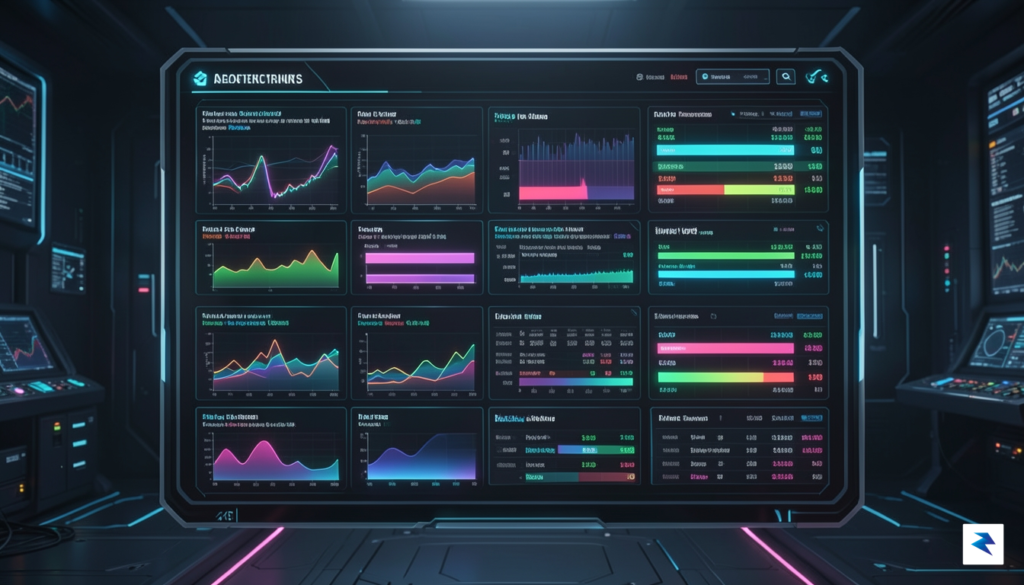
As our lives increasingly intertwine with the digital realm, the ability to directly command our environment through the humble terminal remains a potent superpower. In an era dominated by complex graphical interfaces and feature-heavy applications, there’s a growing appreciation for the elegance and efficiency of command-line tools. Projects that transform everyday tasks into structured, manageable interactions, like turning life goals into quests accessible via a simple prompt, exemplify this powerful shift. This movement isn’t just about nostalgia for an earlier computing age; it’s about reclaiming agency, fostering a deeper understanding of our digital tools, and embracing a personalized approach to productivity that prioritizes clarity and directness over bloat. This embrace of minimalist, yet incredibly functional, technology empowers users to tailor their workflow precisely to their needs, cutting through the noise with surgical precision.
What makes many of these emergent tools particularly compelling is their foundation in open-source principles. When a project is open-source, it invites transparency, allowing anyone to inspect the code, understand its inner workings, and verify its integrity. More profoundly, it fosters a vibrant community where users are not just consumers but active participants in the tool’s evolution. This collaborative spirit means that bugs are often identified and fixed rapidly, new features are proposed and implemented based on real-world needs, and the tool can be customized or extended in ways the original creators might not have envisioned. Contributing to such a project, whether by reporting an issue, suggesting an enhancement, or even submitting a patch of code, transforms users into co-creators, collectively refining a shared resource for the benefit of all. It’s a testament to the idea that the best solutions often arise from collective intelligence and shared ownership.
<
You must be logged in to post a comment.