
The Probabilistic Revolution: How New Computing Turns Noise Into Answers
The Shift from Deterministic to Probabilistic Computing For decades, the bedrock of our digital existence has been the von Neumann…

Recent investigative reporting has shed light on a potentially seismic shift in how federal law enforcement agencies police their own ranks. According to accounts surfacing in the media, the Federal Bureau of Investigation (FBI) has reportedly signaled a retreat from conducting proactive investigations into misconduct or criminal confrontations involving Immigration and Customs Enforcement (ICE) agents. This alleged policy change marks a profound departure from the established norms of inter-agency oversight, where the FBI has traditionally served as the primary investigative body tasked with ensuring that federal officers remain accountable to the same laws they are sworn to uphold. If these reports are accurate, they suggest a weakening of the checks and balances designed to prevent abuse of power within the executive branch’s enforcement apparatus.
The scope of this reported shift is particularly concerning because it touches upon the delicate nature of high-stakes federal operations. When agents from different agencies intersect—or when one agency’s actions come under scrutiny for potential civil rights violations or criminal overreach—the public relies on an impartial, external entity to investigate the facts without bias or political interference. By distancing itself from these investigations, the FBI risks creating an accountability vacuum. Such a transition leaves observers to wonder exactly who is left to watch the watchmen, especially in an environment where ICE agents operate with significant autonomy and carry out sensitive directives that directly impact the lives and legal status of thousands of individuals daily.

Inter-agency cooperation and the willingness of law enforcement to hold peers accountable are foundational elements of the rule of law. When federal agencies operate under a system of mutual scrutiny, it fosters institutional integrity and bolsters public trust in the justice system. However, a move to insulate ICE from FBI oversight complicates this dynamic significantly. Critics argue that this policy change could embolden misconduct by lowering the perceived risk of investigation, thereby jeopardizing the transparency that is essential for a functioning democracy. Furthermore, it raises difficult questions about the internal priorities of the Department of Justice and whether the bureaucratic desire to avoid inter-agency friction is beginning to supersede the mandate to ensure that every agent, regardless of their department, is held to the highest standards of conduct.
The erosion of independent, external oversight mechanisms in federal law enforcement can lead to a culture of impunity, where the mechanisms of accountability are traded for administrative convenience or political expediency.
Ultimately, the reported change represents more than just a procedural adjustment; it serves as a litmus test for the independence of federal oversight. As these developments continue to unfold, it is critical for policymakers and the public alike to demand clarity on how the government intends to maintain accountability. Without robust, transparent investigative processes, the friction between immigration enforcement and the rule of law is likely to intensify, further polarizing an already volatile landscape of federal policing.

The architecture of federal law enforcement is built upon a delicate, interconnected web of jurisdictions designed to prevent the concentration of power and minimize potential abuses. Within this framework, the Federal Bureau of Investigation (FBI) has long served as the primary investigative arm of the Department of Justice, often acting as the designated “neutral third party” when other federal entities face allegations of misconduct or use-of-force incidents. By maintaining a separation between the agency performing the enforcement duties—such as Immigration and Customs Enforcement (ICE)—and the agency conducting the inquiry, the government creates a necessary buffer. This institutional independence is meant to ensure that investigations are driven by evidence rather than internal political pressures or organizational loyalties.
When an agency is tasked with investigating its own personnel, the inherent conflict of interest becomes nearly impossible to reconcile. The model of the neutral investigator exists specifically to mitigate the “blue wall of silence” or the tendency of an organization to prioritize its public image over the rigorous pursuit of justice. Historically, the FBI’s involvement in these matters has functioned as a safeguard, providing a layer of scrutiny that is external to the operational chain of command of the agency in question. This separation is not merely a bureaucratic preference; it is a fundamental component of the checks and balances required to maintain the legitimacy of federal policing in the eyes of the public.
Public trust in law enforcement is deeply contingent on the transparency and impartiality of the investigative process. If the mechanisms for holding federal agents accountable are perceived as insular or self-serving, the social contract between the government and the citizenry begins to fray. When the FBI steps back from its traditional role of overseeing agencies like ICE, it leaves a void that is difficult to fill with internal reviews alone. Without the objective perspective of an external body, the investigative process becomes vulnerable to claims of bias, which can undermine the findings regardless of their accuracy. Consequently, the transition away from this established model of neutral oversight raises profound questions about how the government intends to maintain accountability in high-stakes encounters involving federal power.
The core of institutional integrity lies in the ability of a system to police itself through transparent, external, and objective mechanisms of accountability.
Furthermore, the legal complexities of these investigations often require the specialized resources, forensic expertise, and jurisdictional authority that the FBI uniquely possesses. By shifting the burden of investigation back to the agency itself, there is a risk that critical evidence could be overlooked or that the scope of the inquiry might be narrowed to protect institutional interests. Maintaining a clear, documented separation between the enforcer and the investigator remains the most effective way to uphold the rule of law, ensuring that every allegation is handled with the gravity and impartiality that the public expects and deserves.

The current climate surrounding Immigration and Customs Enforcement (ICE) is defined by a profound tension between federal mandate and public expectation for accountability. For years, the agency has operated under the intense spotlight of civil rights organizations and advocacy groups who argue that existing internal review mechanisms are insufficient to address the complexities of modern immigration enforcement. This skepticism has been further fueled by a series of high-profile, fatal confrontations involving agents during field operations, which have forced a national conversation regarding the adequacy of current use-of-force protocols and the rigidity of training programs. As these incidents mount, the public perception of the agency has shifted from one of administrative enforcement to one of volatile engagement, prompting a widespread demand for independent, federal-level investigation into conduct that historically might have remained within the agency’s internal purview.
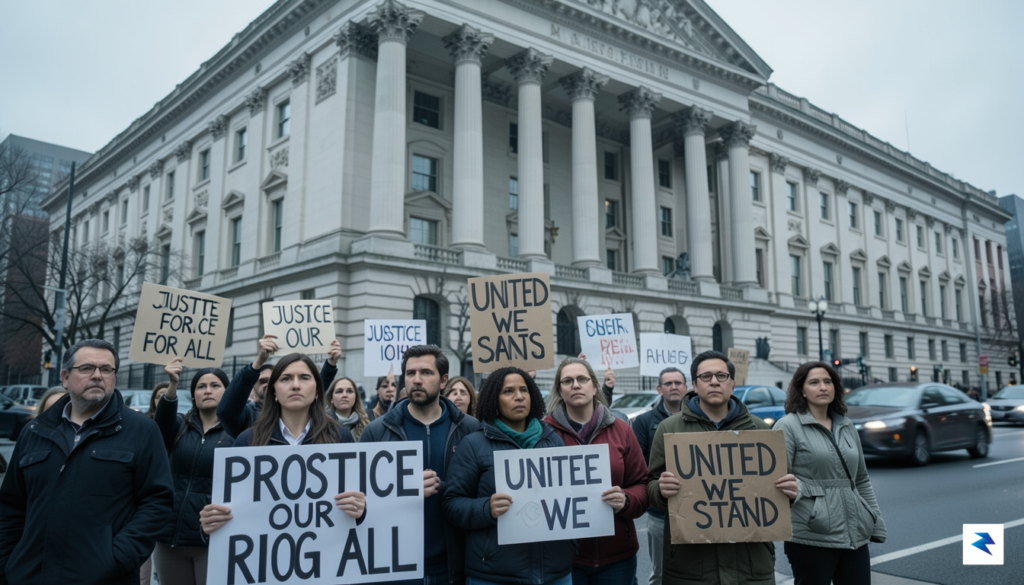
Legislative attention has intensified in direct response to these specific, often tragic, encounters. Lawmakers from both sides of the aisle have begun to question the operational transparency of ICE, particularly when lethal force is utilized in residential neighborhoods or during routine apprehensions. The core of this legislative friction lies in the “grey zone” of oversight: while ICE maintains internal affairs divisions, critics argue that these departments lack the objective distance necessary to impartially adjudicate cases involving potential civil rights violations or excessive force. Consequently, there has been a mounting push for the Department of Justice and the FBI to play a more active role in vetting these incidents. The logic is simple yet powerful: federal enforcement agencies should be subject to the same level of rigorous, external scrutiny as local police departments, ensuring that accountability is not merely a suggestion, but a foundational requirement of the rule of law.
The demand for transparency is no longer confined to activist circles; it has become a central theme in federal policy debates, reflecting a broader societal insistence that those tasked with enforcing the law must also be subject to its highest standards of accountability.
Ultimately, the growing pressure for independent oversight represents a pivot toward systemic reform. When incidents of violence occur, the public now expects more than just a closed-door report; they demand a transparent evidentiary process that acknowledges the severity of the loss of life. This shift in the landscape of oversight is not merely a reaction to individual errors, but a fundamental challenge to the status quo of how federal agencies police their own actions. As calls for reform echo through congressional hearings, the role of the FBI—or the lack thereof—in investigating these matters becomes a critical focal point. Whether the government will formalize a structure for independent review or continue to rely on existing, arguably opaque, systems remains the central question facing policymakers today.
In the wake of reports suggesting a retreat in oversight, both the Department of Homeland Security (DHS) and the Department of Justice (DOJ) have issued formal, categorical denials. These agencies maintain that no formal policy shift has been enacted to restrict the FBI’s investigative reach into Immigration and Customs Enforcement (ICE) operations. By positioning these reports as inaccurate or misrepresentative of current protocols, the administration aims to reassure the public that federal checks and balances remain fully operational. However, these denials have done little to quiet the underlying concerns regarding the transparency of internal bureaucratic mandates, which often operate behind a veil of classified procedures and inter-agency agreements.
The difficulty in verifying these claims stems from the opaque nature of institutional policy shifts, which rarely manifest as public-facing memos. Instead, changes in investigative priority are often communicated through informal channels, updated internal manuals, or subtle shifts in resource allocation that are not subject to standard Freedom of Information Act disclosures. Consequently, when journalists uncover evidence of a retreat, the government’s instinct is often to rely on the technicality that no “official policy change” has been signed into law. This creates a semantic battlefield where the legal definition of a policy shift conflicts with the practical, observable reality of how federal agents conduct their daily duties.

The friction between investigative findings and government rebuttals underscores a fundamental challenge in modern governance: when the public sees a pattern of inaction that the agencies insist does not exist, trust becomes the primary casualty.
Ultimately, this gap between reportage and official stance has profound implications for public confidence in federal institutions. When two major pillars of the executive branch provide denials that contradict investigative findings, it fosters a climate of skepticism rather than accountability. If the public perceives that oversight mechanisms are being weakened—even if the agencies maintain that the law remains unchanged—the perceived legitimacy of both the FBI and ICE suffers. Sustained transparency is necessary to bridge this divide; without it, the suspicion that federal oversight is being curbed for political convenience will continue to flourish, further eroding the social contract between the American people and the agencies tasked with upholding the rule of law.

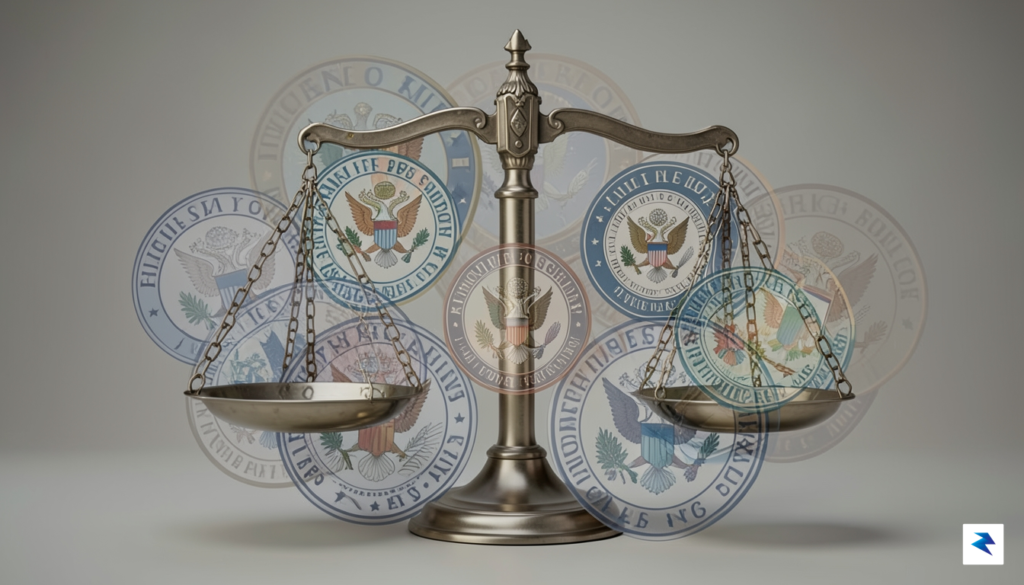
The perceived withdrawal of the FBI from its traditional role in overseeing Immigration and Customs Enforcement (ICE) operations signals a potential shift in the architecture of federal accountability. Whether this transition is the result of a formal policy directive or an informal realignment of priorities, the impact remains significant for the American justice system. When the public begins to view federal law enforcement agencies as entities that operate in silos, shielded from the investigative scrutiny applied to other government sectors, the fundamental contract between the state and its citizens begins to fray. Maintaining the integrity of these institutions requires a rigid commitment to the principle that no agency is above the law, and that federal agents must be held to the same ethical and legal standards as any other citizen.
As the vacuum left by shifting investigative protocols becomes more apparent, the momentum for congressional intervention is likely to accelerate. Lawmakers are increasingly faced with the reality that internal oversight mechanisms, while necessary, are often insufficient to quell public concern regarding transparency. Future legislative efforts will likely focus on codifying the jurisdiction of investigative bodies, ensuring that there are clear, legal mandates requiring inter-agency cooperation during criminal inquiries. By establishing more rigorous, independent frameworks, Congress can prevent the erosion of trust that occurs when oversight appears arbitrary or subject to political influence.
True institutional accountability is not merely an internal administrative procedure; it is a vital safeguard that ensures democratic legitimacy remains intact during the enforcement of federal law.
Beyond legislative action, there is a growing consensus regarding the need for permanent, independent monitoring of federal law enforcement activities. Relying solely on one agency to investigate another—or worse, relying on self-policing—creates a conflict of interest that is inherently at odds with modern governance standards. Independent inspector generals and non-partisan oversight boards play a critical role in bridging the gap between executive power and public transparency. These entities serve as a necessary check, providing an objective lens through which potential misconduct can be evaluated without the interference of inter-agency rivalries or political pressure.
Ultimately, the long-term health of our federal law enforcement system depends on its ability to evolve alongside the public’s demand for accountability. If the lines of authority become blurred or if investigative mechanisms are curtailed, the result is a weakened perception of justice that undermines the rule of law. Moving forward, the focus must remain on building a system that is resilient enough to handle complex investigations with impartiality, ensuring that federal authority is exercised with the transparency that a democracy demands.
You must be logged in to post a comment.