Is the FBI Stepping Back from Investigating ICE? What We Know
The Shift in Federal Oversight: What Changes for ICE Investigations? Recent investigative reporting has shed light on a potentially seismic…
For years, the discourse surrounding generative AI in music has been defined by a deep-seated, often reflexive skepticism. Critics, industry purists, and seasoned musicians have long dismissed the output of platforms like Suno as inherently “soulless,” arguing that art is fundamentally tied to the lived human experience—the sweat, the heartbreak, and the technical mastery that defines a professional career. This sentiment is rooted in the belief that music is not merely a sequence of harmonious frequencies, but a deliberate act of communication that cannot be replicated by a cold, predictive algorithm. Consequently, the prevailing narrative has cast AI-generated tracks as derivative, hollow echoes of human genius, perpetually trapped in a state of artistic bankruptcy.
Yet, we are currently witnessing a jarring shift in this consensus, driven by the emergence of tracks that defy these expectations. We have all encountered the “uncanny valley” of sound: those awkward, glitchy compositions where the vocals struggle with articulation or the rhythmic structure collapses under the weight of its own mimicry. However, a new generation of generative models has begun to bridge this gap, producing melodies and arrangements that are not only competent but genuinely compelling. This creates a psychological tension for the listener; there is a profound, almost uncomfortable frustration in catching yourself tapping your foot to a song you know was birthed from a string of text prompts rather than a studio session.
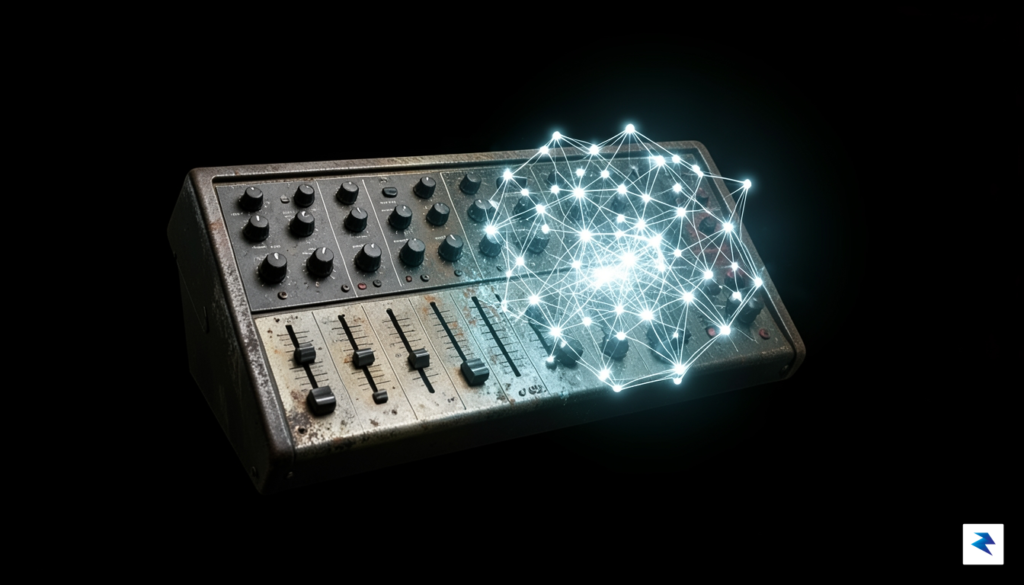
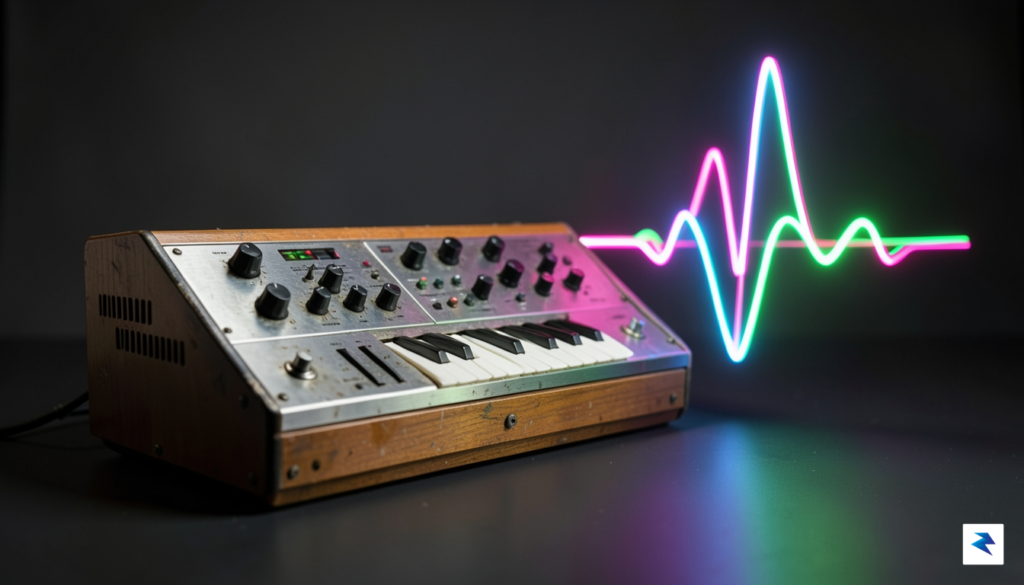
This dissonance forces us to confront an uncomfortable question: if a song effectively triggers an emotional response, does the origin of its creation truly invalidate the listener’s experience? The core of the dilemma lies in our tendency to equate the “soul” of a track with the labor behind it. When we hear a piece of music that resonates, we instinctively search for the human struggle that created it, feeling betrayed when we realize that struggle was simulated. Nevertheless, the technology’s true value may not be found in its ability to replace the artist, but in its capacity to act as a sophisticated instrument. Just as the synthesizer was once feared as a threat to the integrity of “real” music, generative tools are simply expanding the toolkit.
The ultimate worth of a composition is increasingly defined not by the novelty of the algorithm, but by the human framework—the curation, the intent, and the emotional context—that we choose to wrap around the machine’s output.
Ultimately, the controversy surrounding platforms like Suno serves as a litmus test for our evolving relationship with technology. We are moving toward a reality where the divide between “human-made” and “machine-assisted” will become increasingly blurred and, perhaps, irrelevant. By shifting our focus from the suspicion of the tool to the quality of the resulting art, we can begin to appreciate these tracks for what they are: a complex, collaborative dialogue between human intent and computational possibility. The challenge for the future isn’t whether AI can make music, but whether we have the discernment to elevate the human vision guiding the machine toward something truly meaningful.
To understand why a Suno track might unexpectedly resonate, we first have to confront the “uncanny valley” of generative audio. Most AI-generated music suffers from a pervasive sense of hollowness, rooted in the way these models are trained: they are essentially high-powered pattern matchers rather than creators. They analyze vast swaths of existing music to identify structural tropes—the standard four-chord progressions, the predictable transition from verse to chorus, and the polished, compressed production styles that have dominated the charts for the last decade. Because the AI is optimized to predict the most statistically likely next note or sound, the resulting compositions often feel like a collage of musical clichés rather than an organic, cohesive thought.
This reliance on statistical probability inevitably leads to the flattening of emotional dynamics. Human music thrives on intentional imperfection—the slight drag behind the beat, the subtle waver in a vocal cord, or the deliberate choice to hold a note just a fraction longer to build tension. Generative models, by contrast, tend to produce a sterile, “perfect” sound that lacks the narrative arc of lived experience. When a machine mimics a vocal timbre, it captures the surface-level characteristics of a voice—the grit, the pitch, and the register—but it cannot encode the genuine longing or catharsis that occurs when a human singer connects to a specific lyric. The result is a performance that sounds technically proficient but remains emotionally hollow, leaving the listener feeling like they are observing a simulation rather than sharing a moment.
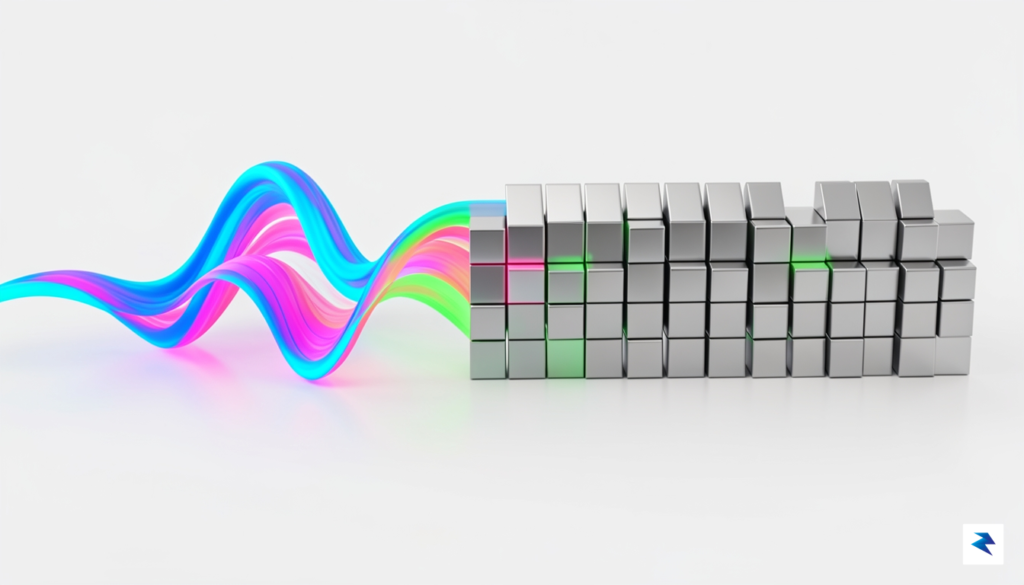
Furthermore, the lack of intentionality acts as a barrier between the medium and the listener. In traditional songwriting, every choice—from the specific choice of a minor second interval to the placement of a breath—is a deliberate act of communication intended to evoke a particular response. AI operates without a conscious goal; it does not know what it is “saying,” nor does it understand the cultural or personal context behind its output. When we listen to music made by people, we are engaging in a silent dialogue with the artist’s intent. When we listen to an algorithm, we are merely hearing the echo of our own collective musical history, reconfigured in a way that is impressive for its speed but ultimately disconnected from the human condition.
The core limitation of algorithmic music isn’t a lack of talent, but a lack of stakes; without a creator who has something to lose or gain through the expression of a song, the music remains a mirror, reflecting patterns back at us without ever truly looking us in the eye.
It is precisely because of these limitations that a track which actually “works” feels so unsettling. When a model manages to transcend these tropes and land on a genuine, evocative melody, it forces us to reevaluate our cynicism. We are conditioned to view AI as a mere parlor trick of mimicry, yet when the output captures the ephemeral feeling of a “real” song, the boundary between human artistry and machine computation begins to blur in ways that are both fascinating and deeply uncomfortable.
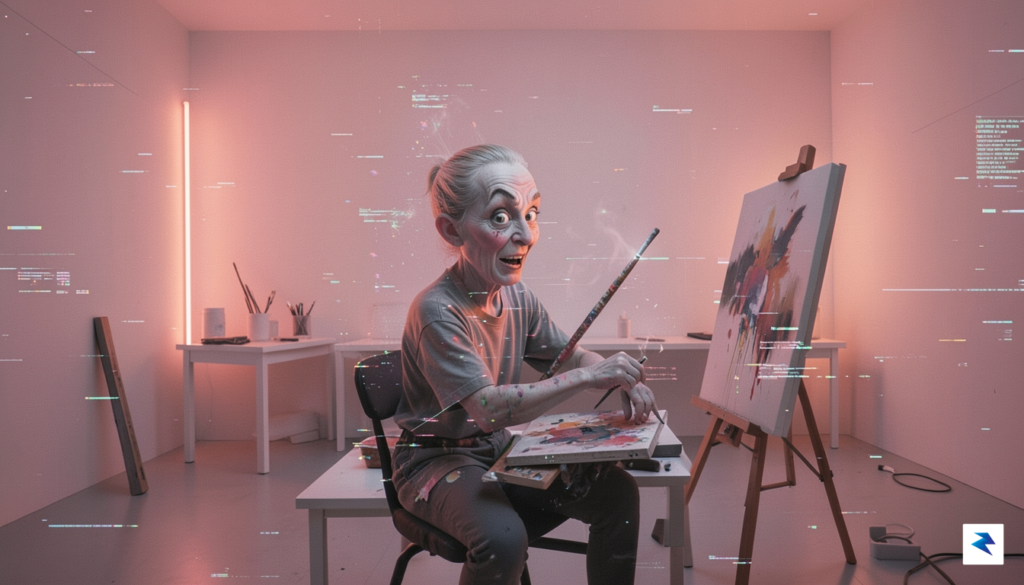
The prevailing narrative surrounding generative music platforms like Suno often suggests a sterile, assembly-line process—a “prompt-and-play” cycle that threatens to drown out human creativity in a sea of algorithmic mediocrity. However, the work of 1010benja challenges this reductionist view, proving that the tool is only as limited as the person wielding it. Rather than treating the software as an autonomous composer meant to churn out finished tracks, 1010benja approaches Suno as a malleable instrument, a synthesizer of texture and atmosphere that requires a heavy hand to mold into something truly resonant. By treating the AI output as a raw material rather than a final product, the artist demonstrates that the divide between human intent and machine generation is not a binary wall, but a permeable membrane that can be manipulated through deep, intentional curation.
What sets this particular application apart is the refusal to accept the machine’s first draft at face value. Instead of relying on the AI to dictate the structure, melody, or emotional arc of a song, 1010benja engages in a rigorous process of re-contextualization. This involves taking the uncanny, often disjointed sonic artifacts produced by the model and folding them into a broader, human-led production landscape. It is an act of artistic distillation: identifying the “happy accidents” within the AI’s output—those strange, glitchy, or haunting moments that feel almost accidental—and elevating them into the core of a track. This process shifts the AI from a replacement for songwriting into a collaborator that provides unexpected inputs, which the artist then synthesizes with personal narrative and structural discipline.
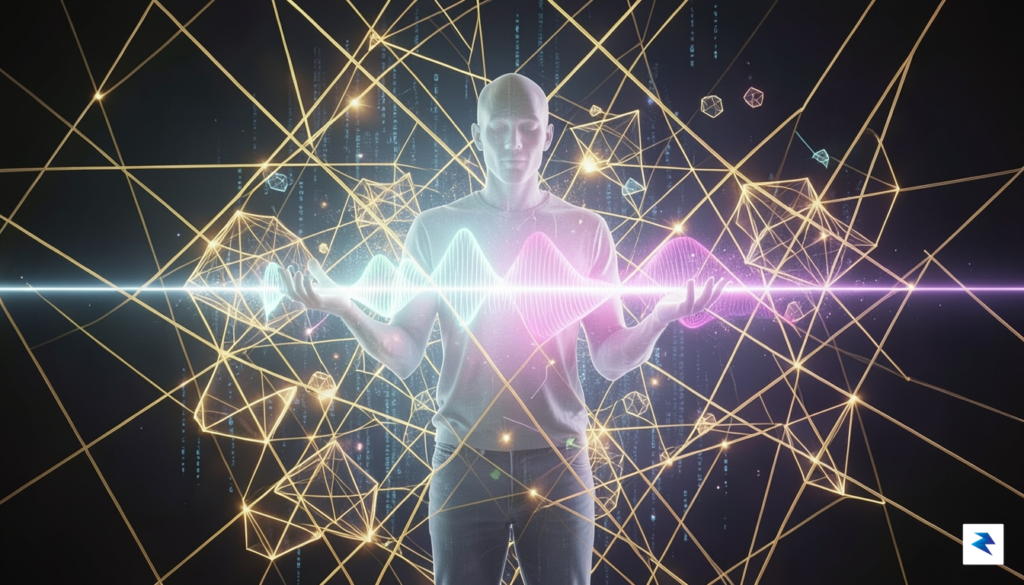
The true craft here lies not in the generation of the sound, but in the editorial courage required to dismantle, distort, and reassemble those sounds into a cohesive vision.
Ultimately, this approach underscores a vital truth about the future of music production: the value of a song is not found in the technical labor of its creation, but in the human intent behind its curation. By treating Suno as a texture generator rather than a songwriter, 1010benja preserves the soul of the work, ensuring that the final output remains deeply tethered to a specific, human perspective. The machine may be capable of generating vast amounts of musical data, but it lacks the capacity for the subjective taste and emotional resonance that define art. When we see an artist bridge this gap successfully, it forces us to reconsider our knee-jerk reaction to AI-assisted music. It becomes clear that when the human element remains firmly in the driver’s seat, the technology ceases to be an existential threat and instead becomes an expansive, albeit complex, extension of the artistic imagination.
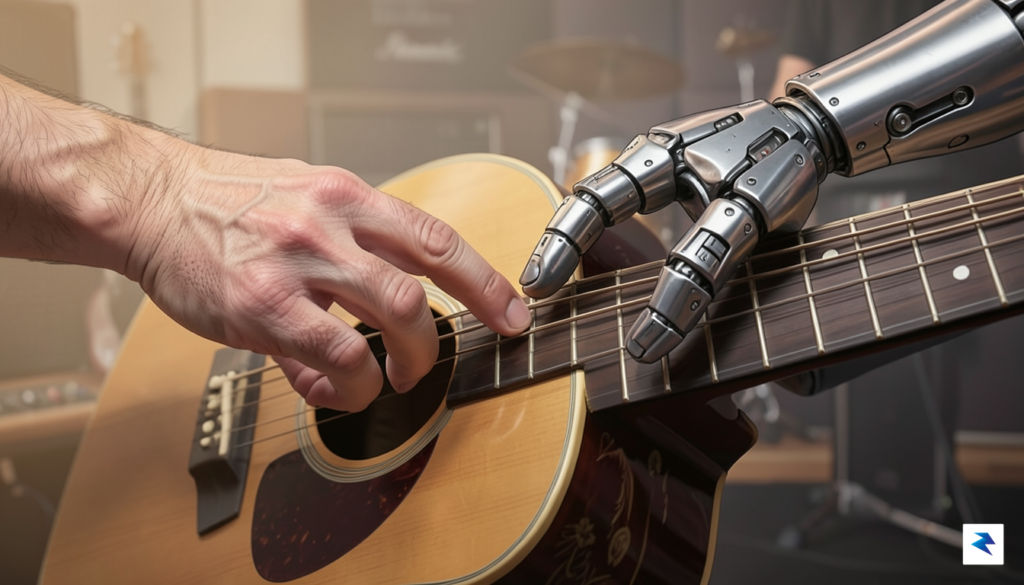
The discomfort many of us feel when a machine-generated track sounds genuinely good stems from a misunderstanding of authorship. We often frame AI as a replacement for the musician, fearing a future where human creativity is rendered obsolete by a sophisticated algorithm. However, the true utility of tools like Suno lies in a fundamental paradigm shift: moving from viewing AI as an autonomous creator to treating it as a limitless source of raw material. In this light, the user is not a passive consumer of algorithmic output, but a curator who guides the machine, selecting, refining, and re-contextualizing the resulting audio to fit a specific vision.
This process mirrors the evolution of hip-hop production in the late 20th century, where producers utilized samplers to cut, loop, and manipulate existing records into entirely new compositions. Just as a producer might take a fleeting trumpet blast from a 1970s jazz record and turn it into the backbone of a modern rhythmic masterpiece, a contemporary AI user acts as a conduit for creative synthesis. The AI provides the sonic palette—the textures, the harmonies, and the structural foundations—but the human intent remains the essential catalyst that transforms these disparate components into a cohesive emotional statement. Without that curatorial touch, the music remains mere data; with it, the output gains a soul.

The “success” of AI-generated music is rarely found in the first prompt; it is found in the relentless filtering, layering, and intentionality applied by the artist who refuses to settle for the machine’s default output.
By reclaiming these technologies as legitimate instruments, creators are effectively expanding the definition of what it means to “write” a song. This is not a passive act of clicking a button; it is an iterative dialogue between human taste and machine capability. When we engage with AI in this way, we are essentially performing a high-speed form of collage, where the human capacity for pattern recognition and emotional resonance serves as the primary filter. This collaborative model validates the idea that expression is not found solely in the physical act of playing an instrument, but in the decision-making process that guides a piece of art from an abstract concept into a finished, resonant reality. Ultimately, the music works not because the AI is “smart,” but because a human listener found enough value in the output to claim it, curate it, and present it as their own.

We are rapidly hurtling toward a hybrid era of music production where the rigid boundaries between “human-made” and “AI-assisted” are dissolving into irrelevance. For decades, the industry has fetishized the purity of the analog process, often equating the struggle of manual labor with the legitimacy of the final product. However, as tools like Suno prove that an algorithm can evoke a genuine emotional response, we must confront the reality that the listener rarely cares about the provenance of a chord progression. The future of the craft will not be defined by the exclusion of technology, but by the seamless integration of generative models into the songwriter’s existing toolkit. In this landscape, the role of the musician is shifting from that of a pure technician or performer to that of a creative director, one who curates, filters, and refines the output of powerful computational engines.
This evolution inevitably challenges our long-held definitions of artistic authorship. If a song captures a profound human truth, does its value diminish simply because the melody was generated in seconds rather than discovered over months of trial and error? The answer likely lies in the shift toward intentionality. As the barrier to entry for high-fidelity production collapses, the value of a musician’s work will depend less on their ability to master a DAW or play a complex scale, and more on their capacity to cultivate a distinct artistic vision. The tool itself is ultimately inert; it is the human intent—the decision to keep one riff over another, the choice of lyrical theme, and the emotional context provided by the artist—that imbues a piece of music with meaning.
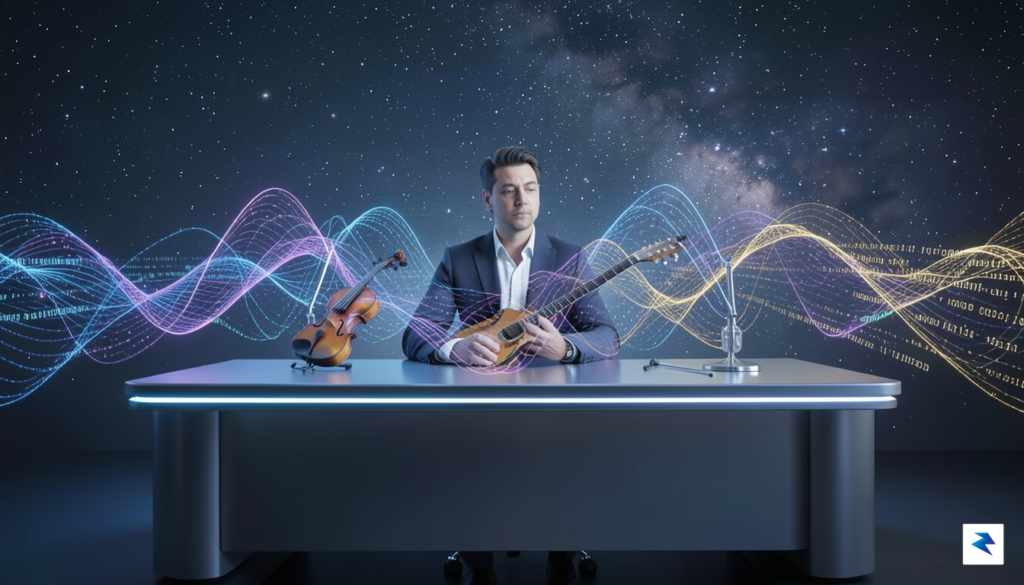
The true measure of a masterpiece is not how it was synthesized, but how deeply it resonates with the human experience. When the process becomes democratized, the competitive edge shifts from technical proficiency to the depth of the creative soul.
Ultimately, this democratization of production is a double-edged sword. While it grants unprecedented agency to people who previously lacked the resources or training to produce music, it also risks flooding our cultural landscape with a sea of technically perfect but emotionally hollow compositions. The challenge for the next generation of creators will be to maintain that essential human depth amidst the noise. We must remain vigilant, ensuring that while we embrace the efficiency of AI, we do not outsource the parts of songwriting that require vulnerability, lived experience, and genuine connection. By treating AI as a collaborator rather than a replacement, musicians can transcend the limitations of their own singular perspective, using these tools to push the boundaries of what is sonically possible while keeping the heartbeat of human expression at the center of the work.
You must be logged in to post a comment.