
Beyond Lithium: Is This Startup the Key to Breaking China’s Battery Monopoly?
The Geopolitical Stakes of Battery Technology The global transition to electric vehicles (EVs) represents far more than an environmental…

The quiet routine of a Houston afternoon was shattered when a standard traffic stop escalated into a lethal encounter, resulting in the death of Lorenzo Salgado Araujo. Araujo, a Mexican immigrant who had made a life for himself in the United States, was pulled over by officers operating under the authority of U.S. Immigration and Customs Enforcement (ICE). What began as an interaction ostensibly rooted in traffic enforcement rapidly spiraled into a violent confrontation, leaving Araujo dead at the scene and a community reeling in shock. The specific details regarding the escalation of force remain a point of intense scrutiny, as observers and legal advocates question the necessity of the lethal measures employed by federal agents during a routine stop.
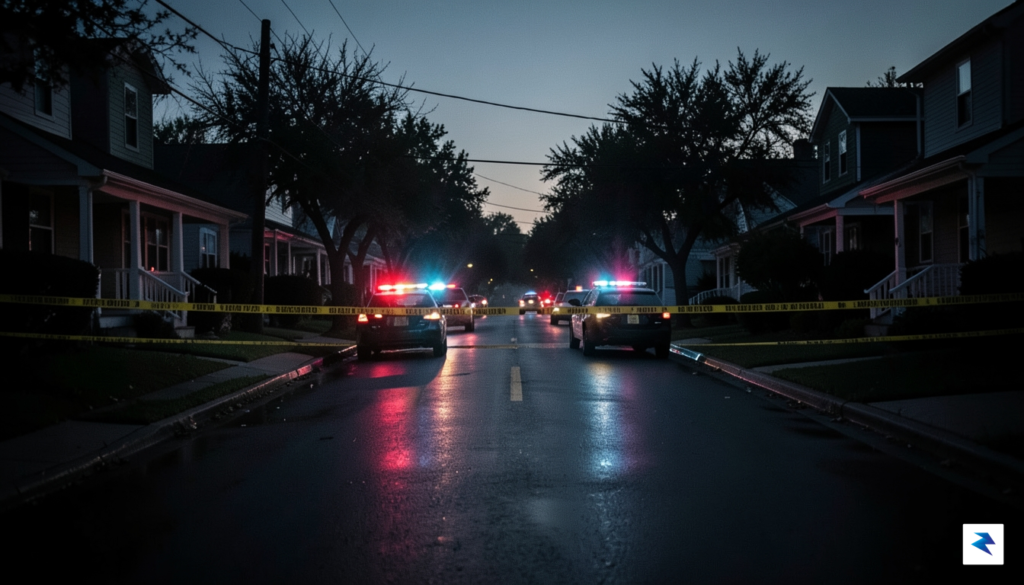
Following the shooting, the immediate aftermath was characterized by confusion, grief, and a growing sense of vulnerability among local residents. Witnesses who were present at the scene described a scene of chaos, noting that the lethal force appeared disproportionate to the circumstances of the stop. As word of the tragedy spread through the neighborhood, civil rights organizations and local community leaders were quick to arrive on the scene to demand transparency. These groups argued that the aggressive tactics utilized by the officers suggest a broader trend of federal overreach that prioritizes enforcement over the basic safety and constitutional rights of immigrant populations living in the area.
The loss of life in such a manner is a profound tragedy that demands an exhaustive and independent investigation to ensure that accountability is not sidelined by bureaucratic immunity.
The tension between the community and federal authorities has reached a breaking point in the wake of this incident. Local residents, many of whom are members of immigrant families, now find themselves navigating a climate of fear, wondering if future interactions with law enforcement will lead to similar outcomes. The urgency of the situation is compounded by the fact that those who witnessed the shooting are now allegedly being targeted by the very agency responsible for the death. This chilling development has effectively turned potential sources of truth into targets for deportation, a move that critics describe as a calculated effort to suppress testimony and shield officers from public oversight and legal accountability.
As the investigation unfolds, the central question remains whether this tragic encounter was an isolated lapse in judgment or a symptom of systemic issues within federal immigration enforcement practices. The mounting anxiety among Houston residents serves as a stark reminder of the fragile relationship between marginalized communities and the authorities tasked with policing them. With witnesses fearing for their own security, the path to justice for Lorenzo Salgado Araujo appears increasingly obstructed, casting a long shadow over the integrity of the official investigation and the agency’s commitment to due process.
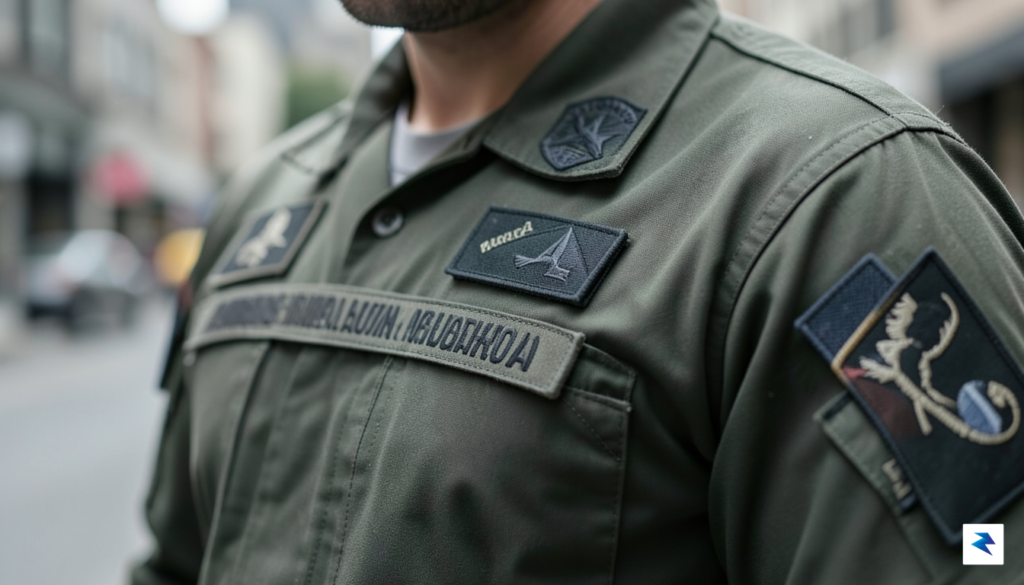
The absence of body-worn camera footage in the wake of the recent shooting involving Immigration and Customs Enforcement (ICE) agents is not merely a technical oversight; it represents a profound institutional failure that undermines the pursuit of justice. While local police departments across the United States have increasingly adopted body-worn cameras as a standard tool for transparency and public accountability, federal agencies like ICE have lagged significantly behind. This technological void creates a dangerous evidentiary vacuum, where the truth of a life-altering encounter rests solely on the conflicting testimonies of those involved, rather than objective, recorded evidence. When federal agents operate without the oversight of a camera, the public is forced to rely on the agency’s self-reported narrative, a dynamic that inevitably erodes trust in law enforcement.
Department of Homeland Security (DHS) officials have historically cited logistical hurdles and the complex nature of federal operations as reasons for the slow rollout of body-worn cameras. However, this justification rings hollow in an era where portable, high-definition recording technology is both affordable and widely utilized by municipal agencies. By failing to mandate consistent camera use, the agency effectively shields its officers from the same level of scrutiny that citizens have come to expect from their local police. This inconsistency creates a two-tiered system of accountability: one where local officers are held to a standard of recorded transparency, and another where federal agents operate in a realm of relative secrecy, shielded from the immediate documentation that could either exonerate them or hold them accountable for misconduct.

The complications arising from this lack of documentation are particularly acute when the witnesses themselves are vulnerable individuals who fear retaliation. When an officer-involved shooting occurs without video evidence, the burden of proof shifts heavily onto the witnesses, who may already be marginalized by their immigration status. In this case, the threat of deportation hanging over those who witnessed the incident serves as a chilling deterrent to truth-seeking. Without an objective video record, the power imbalance between federal authorities and immigrant communities becomes insurmountable. The absence of a digital “third party” observer allows for a narrative controlled exclusively by the state, leaving witnesses to choose between their own safety and the pursuit of justice.
The lack of bodycam footage does not just obscure the facts of a single incident; it systematically prevents the public from verifying whether federal power is being exercised within the bounds of the law.
Ultimately, the “bodycam gap” is a policy choice, not an unavoidable technical limitation. As long as federal agencies are permitted to operate without the oversight that modern technology affords, public confidence in their interactions with vulnerable communities will continue to decline. True accountability requires more than internal investigations; it requires the transparency provided by visual evidence that is accessible to the public and the courts. Until DHS adopts a universal and uncompromising body-worn camera policy, the questions surrounding incidents like this recent shooting will remain unanswered, leaving both the victims’ families and the public at large without a clear path toward the truth.

Beyond the immediate tragedy of the shooting itself, an even more alarming development has emerged: reports that Immigration and Customs Enforcement (ICE) officials are allegedly threatening witnesses with deportation. When the very individuals who hold the key to uncovering the truth regarding a state-sanctioned use of force are simultaneously targeted by the agency involved in that violence, the integrity of the entire justice system is placed in immediate jeopardy. By leveraging the threat of removal against those who may provide critical testimony, the agency effectively creates a mechanism of self-preservation that actively obstructs the pursuit of accountability.
The legal ramifications of such intimidation are profound and potentially irreparable. In any objective inquiry, the testimony of bystanders is the cornerstone of evidence, providing the necessary perspective to distinguish between lawful enforcement and excessive force. When those witnesses are intimidated into silence or fear coming forward due to their precarious immigration status, the evidentiary record becomes fractured, leaving investigators and the public with an incomplete narrative. Furthermore, this behavior arguably constitutes witness tampering or obstruction of justice, undermining the fundamental principle that the law should operate as a neutral arbiter rather than a tool for shielding government agencies from scrutiny.
This tactic fosters a pervasive culture of silence that reaches far beyond the individual case, severely damaging the long-term safety of the immigrant community. When residents believe that interacting with any facet of law enforcement—or even witnessing an incident—could result in their family being torn apart, they are forced to retreat into the shadows. This collective fear prevents the reporting of crimes and undermines the cooperative relationship that is essential for public safety. Instead of viewing the legal system as a structure for protection, marginalized communities are led to perceive it as an existential threat, which ultimately erodes the trust necessary for a functional, transparent society.
The core of a functioning justice system depends on the ability of every witness to speak freely without the looming specter of retaliation, regardless of their documentation status.
Ultimately, the reported threats against these witnesses suggest a systemic failure to distinguish between the mandate of immigration enforcement and the necessity of due process. If agencies are permitted to weaponize their authority to silence potential critics or investigators, the checks and balances designed to hold officials accountable become purely performative. To restore any semblance of confidence, there must be a clear, firewall-protected pathway for witnesses to come forward without risking their residency, ensuring that the quest for truth is never sacrificed for the sake of institutional protectionism.
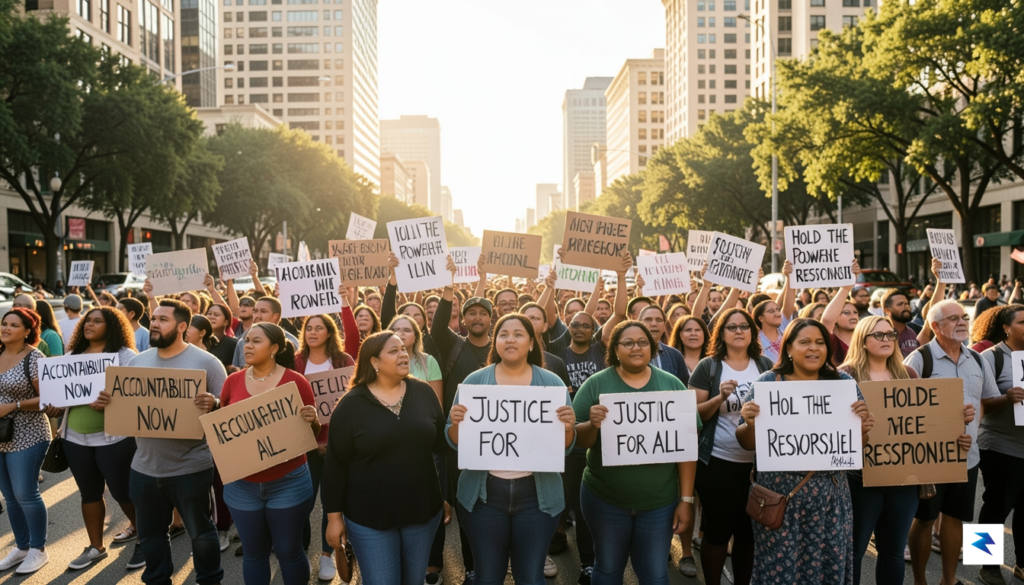
In the wake of the tragic shooting in Houston, a coalition of prominent civil rights organizations—including the American Civil Liberties Union (ACLU), Immigrant Defense Project, and various local Houston-based advocacy groups—has mobilized with unprecedented urgency. These organizations are not merely documenting the incident; they are actively challenging the Department of Homeland Security (DHS) to account for an enforcement operation that has left witnesses fearing for their lives rather than seeking justice. By framing the intimidation of witnesses as a fundamental violation of due process, these advocates are working to expose the inherent dangers of clandestine federal operations that prioritize deportation quotas over the safety of community members and the integrity of the judicial system.
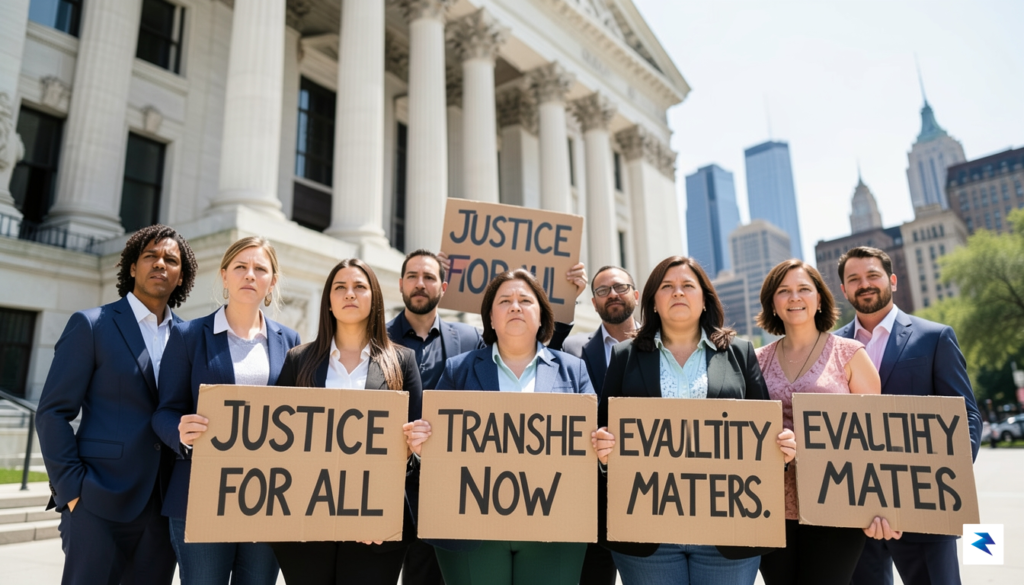
The demands directed at the DHS are both specific and non-negotiable. Advocates are calling for an immediate moratorium on deportation proceedings for any individual identified as a witness to the shooting, arguing that the threat of removal acts as a coercive tool that effectively silences victims of state violence. Furthermore, these groups are pushing for a comprehensive, independent investigation into the rules of engagement utilized by ICE agents during the operation. They contend that without full transparency regarding the agency’s internal protocols and the specific chain of command involved in the Houston incident, the public remains vulnerable to unchecked federal power that operates behind a veil of secrecy.
“When federal agencies use the threat of deportation to silence witnesses, they are not just undermining a specific investigation; they are dismantling the very foundation of public trust and the rule of law.”
To secure these objectives, advocacy groups are employing a multi-pronged legal and political strategy. On the legal front, attorneys are filing emergency motions to stay removal orders, asserting that these witnesses possess critical information that is essential for any credible inquiry into the shooting. Simultaneously, they are leveraging political pressure by engaging with congressional oversight committees, demanding that DHS officials testify under oath about their operational failures. This dual approach aims to bridge the gap between grassroots outrage and institutional accountability, forcing the government to acknowledge that its mandate to enforce immigration law does not grant it immunity from the basic requirements of justice and the public’s fundamental right to know the truth.
The tragedy involving Lorenzo Salgado Araujo serves as a stark microcosm of the systemic tensions embedded within modern U.S. immigration enforcement. Over the past decade, the agency’s operational mandate has increasingly prioritized rapid apprehension and removal, often at the expense of the delicate balance required to maintain public safety and judicial integrity. When federal enforcement mechanisms view witnesses to their own actions as mere targets for deportation, the fundamental pillars of accountability and community cooperation are fundamentally undermined. This shift toward an enforcement-first mentality creates a chilling effect, where the fear of state-sponsored retaliation prevents individuals from coming forward, thereby eroding the legal protections that are ostensibly designed to apply to everyone on American soil, regardless of immigration status.

The friction between federal authority and civil rights has reached a critical juncture, forcing a national conversation about the limits of administrative power. When ICE operates with broad discretion, it often bypasses the standard oversight mechanisms that regulate local law enforcement, leading to incidents where the line between public safety and human rights violations becomes dangerously thin. This institutional structure, which heavily favors expedited removal, creates an environment where internal investigations lack the necessary independence to ensure justice. Without rigorous outside oversight, the agency’s priorities tend to drift toward numerical output—deportation quotas and arrest statistics—rather than the nuanced, evidence-based justice that a democratic society demands.
The refusal to grant immunity to witnesses of state violence is not merely a procedural oversight; it is a policy choice that effectively silences those who hold the key to uncovering the truth.
Ultimately, the future of immigration policy must move beyond this cycle of reactive enforcement and toward a framework defined by institutional accountability. If the goal of the U.S. immigration system is to maintain the rule of law, it cannot do so by subverting the very judicial processes that protect the rights of individuals in the face of state power. Meaningful reform requires robust legal protections for those who witness misconduct, ensuring that the fear of removal does not prevent the exposure of policy failures. Until transparency and civil rights are elevated to the same level of priority as border and interior enforcement, similar tragedies will likely continue to occur, further damaging the relationship between the government and the communities it serves.
You must be logged in to post a comment.