Fatal ICE Shooting in Houston: Why Witnesses Face Deportation Threats
The Incident in Houston: A Fatal Traffic Stop The quiet routine of a Houston afternoon was shattered when a standard traffic stop escalated…
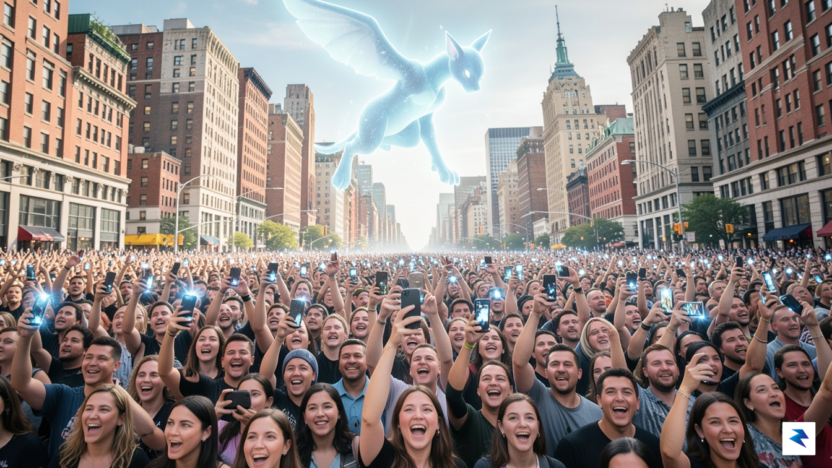
When Niantic first unveiled its groundbreaking vision for Pokémon Go in 2015, the world watched a cinematic trailer that promised nothing less than a revolution. This iconic “Mewtwo trailer” depicted a monumental, global event where thousands of players converged in Times Square, uniting their strengths to face off against legendary Pokémon in real-time, large-scale battles. It was a concept of collective heroism, of digital monsters seamlessly integrated into our physical world, demanding communal effort to overcome epic challenges. The trailer painted a picture of a shared, dynamic experience, deeply rooted in real-world exploration and social interaction, igniting unprecedented excitement and setting an incredibly high bar for what a mobile game could be.
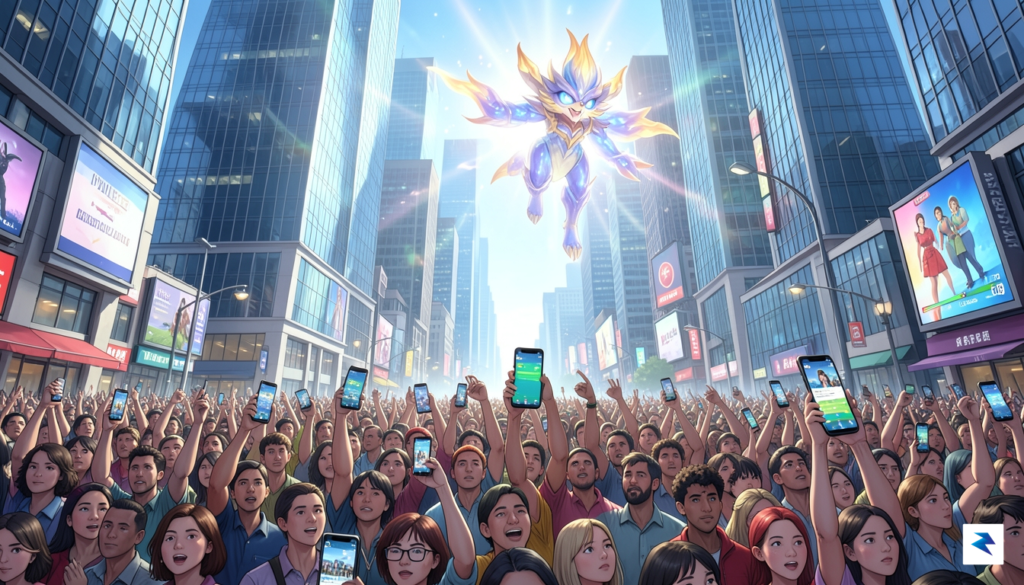
However, the game that launched in 2016, while immensely popular and groundbreaking in its own right, presented a significantly more modest experience. The initial release, though revolutionary for its location-based gameplay and augmented reality elements, primarily functioned as a solo exploration tool. Players could venture out, catch Pokémon, and battle for control of Gyms, but the grand, cooperative multiplayer raids against legendary creatures, as seen in the trailer, were conspicuously absent. This disconnect wasn’t due to a lack of ambition, but rather the stark reality of the technological capabilities of the time; early AR implementations were rudimentary, and the network infrastructure required to support massive, simultaneous player interactions across real-world locations simply wasn’t ready. The initial joy of catching a Pidgey in your backyard was undeniable, yet the ultimate dream of a global, collective Pokémon adventure remained just that—a dream.
Nevertheless, Niantic embarked on a meticulous, iterative journey to bridge this gap, slowly but surely building out the infrastructure and features necessary to fulfill its original promise. Over the subsequent decade, the game evolved from its solo-centric origins through a series of significant updates that fostered community and collective play. The introduction of Raid Battles in 2017 marked a pivotal moment, finally allowing groups of players to team up and take down powerful Pokémon, directly echoing the trailer’s vision of communal effort. This was followed by features like Friends Lists, trading, and eventually Remote Raids and the Campfire app, all designed to deepen social connections and facilitate real-world meetups. Each update, carefully rolled out over years, served to refine the game’s technical capabilities and cultivate a robust, engaged community, transforming Pokémon Go into the massive social phenomenon it was always intended to be, a testament to Niantic’s unwavering commitment to its long-term vision.
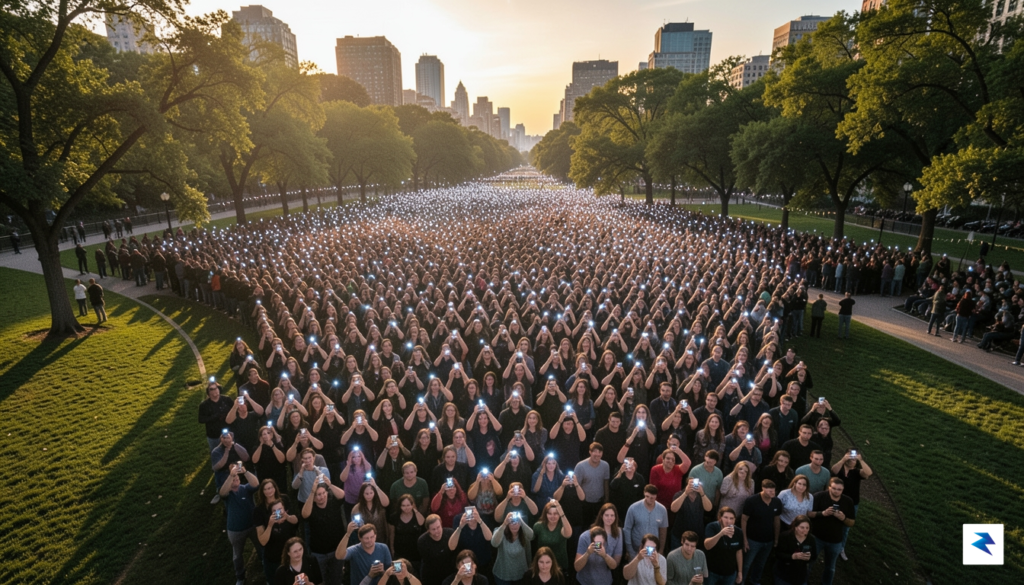
When Niantic announced the 10th-anniversary celebration in New York City, seasoned players knew this was intended to be more than just a celebratory gathering; it was a high-stakes stress test for the game’s long-evolving social infrastructure. For years, the vision of Pokémon Go was defined by those early 2016 trailers showing crowds rushing toward a shared objective, yet the reality of in-game limitations often felt fragmented. The NYC event dismantled that skepticism by forcing a logistical convergence: nearly 2,000 trainers descending upon a singular, virtual anchor point. By orchestrating a massive, synchronized Mewtwo raid, the developers finally pushed the game’s backend architecture to its breaking point, proving that the dream of large-scale, cooperative gameplay was not only possible but sustainable at a massive, real-world level.
The sheer technical challenge of coordinating thousands of players simultaneously cannot be overstated. In previous iterations, attempting to group such a vast number of users in one location would have inevitably led to server latency, lobby errors, or the dreaded “network error” pop-ups that have historically plagued large-scale raids. However, the NYC event utilized refined proximity-based matchmaking and optimized instance handling that allowed the community to function as a cohesive machine. Players didn’t just stand near each other; they formed hyper-efficient battle teams, communicating through a blend of digital lobby codes and spontaneous, real-world vocal coordination. This level of synchronization turned the chaos of a crowded park into a tactical operation, where every trainer understood their role in the collective effort to bring down the legendary Pokémon.
The true success of the event wasn’t in the digital reward, but in the rare, tangible sensation of thousands of strangers moving in perfect, strategic harmony toward a singular goal.
Beyond the technical hurdles, the social dynamics of the day redefined what it means to participate in a “community day.” There was a palpable shift from individual gameplay—where one might casually tap a screen while walking alone—to a deep, shared sense of accomplishment that permeated the entire venue. When the Mewtwo raid successfully concluded, the eruption of cheers among the crowd served as a visceral reminder of why the game was created in the first place: to bridge the gap between digital isolation and physical gathering. By successfully scaling the raid mechanics to accommodate such an massive influx of concurrent users, Niantic finally delivered the “original promise” of Pokémon Go, transforming the city streets into a genuine, collaborative arena where the boundary between the game and reality finally dissolved.
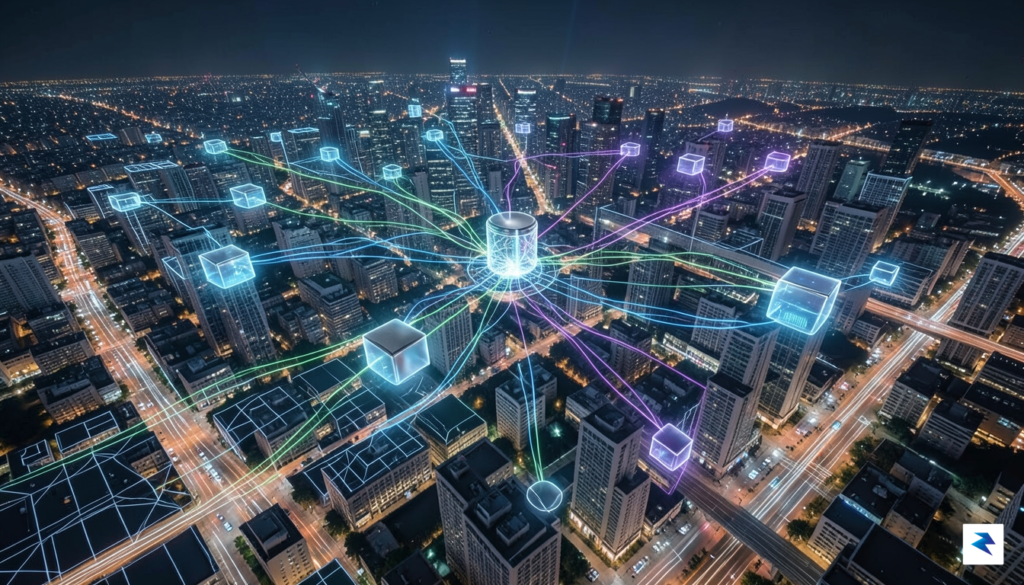
When Pokémon Go first launched in 2016, the spectacle of thousands of players converging on a single city park often resulted in immediate, catastrophic server failures. The game’s initial infrastructure simply could not account for the sheer density of data requests generated by massive crowds, leading to the infamous “spinning Pokéball” of death that plagued early community days. Over the last decade, Niantic has had to fundamentally re-engineer its backend architecture to move from a basic client-server model to a sophisticated, distributed system capable of handling hyper-local traffic spikes. By implementing advanced load-balancing techniques and adopting cloud-native microservices, they successfully transitioned the game from a fragile novelty into a robust platform that remains stable even when tens of thousands of users attempt to coordinate a raid simultaneously in a confined geographic space.
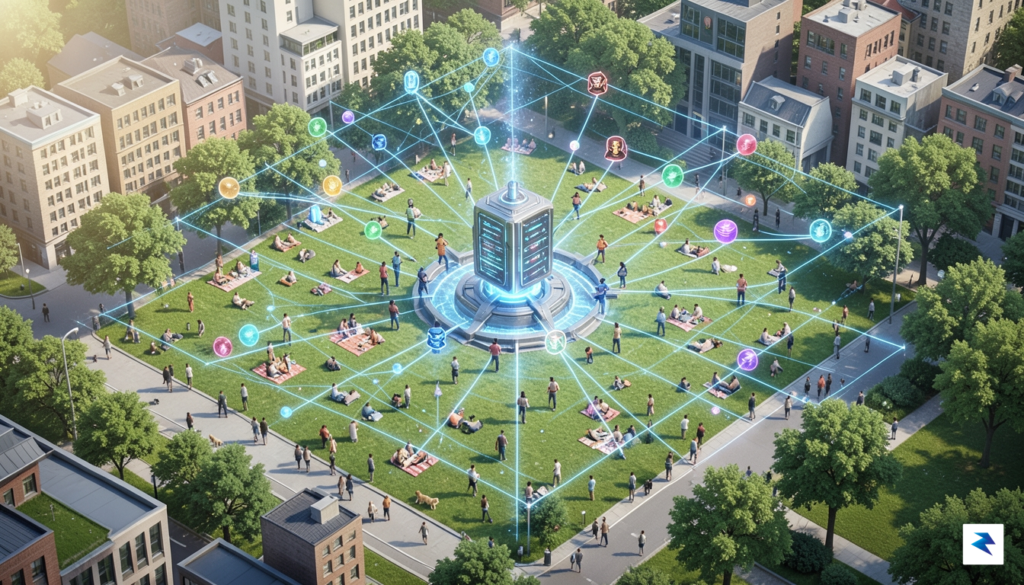
A critical component of this stabilization process was the complete overhaul of Niantic’s geofencing and spatial query technology. In the early days, the game struggled to distinguish between legitimate player movement and GPS drift, which often caused the server to reject legitimate interactions during high-latency periods. Through the refinement of their proprietary Lightship platform, Niantic improved the precision of geofencing, allowing the game to process location data with significantly lower overhead. This improvement meant that the server no longer had to constantly verify every pixel of movement for every user; instead, it could prioritize interactions within specific “zones of interest.” This spatial prioritization is what allows massive events like Pokémon Go Fest to function, as the game now dynamically allocates server resources to areas with the highest density of players, ensuring that the experience remains fluid regardless of how many people are standing on the same street corner.
The true engineering feat wasn’t just building a game that works; it was building a digital ecosystem that breathes in sync with the physical world, scaling its capacity up or down based on the human heartbeat of the crowd.
Furthermore, the team tackled the persistent issue of mobile data congestion, which had historically been the silent killer of outdoor AR experiences. By optimizing the game’s network protocols to prioritize essential game state updates over non-critical background data, Niantic drastically reduced the payload size of each sync. This optimization ensures that even in crowded environments where cellular towers are pushed to their absolute limits, the game maintains enough bandwidth to keep raid lobbies synchronized. These quiet, behind-the-scenes adjustments to how the application talks to the cloud have transformed the player experience from one defined by frustration and lag into a seamless, reliable utility. Consequently, the technical maturity of the game today stands as a testament to how far augmented reality infrastructure has evolved, proving that large-scale, real-world multiplayer stability is not just a dream, but a fully realized engineering standard.
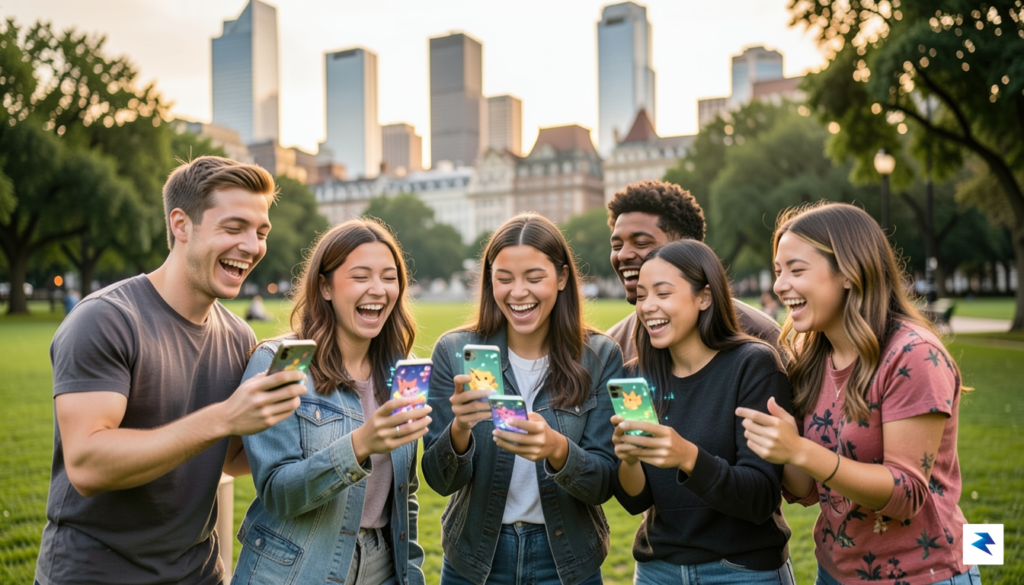
When Pokémon Go first launched in 2016, the initial draw was the novelty of seeing a digital Pikachu superimposed onto a real-world sidewalk. However, as the initial wave of technological wonder subsided, something more durable took its place: the people standing next to you. Over the last decade, the game has undergone a profound metamorphosis, shifting from a creature-collection experience into a robust, living social platform. Today, the core gameplay loop is no longer just about filling a Pokédex; it is about the coordination, camaraderie, and collective effort required to conquer high-level raids and complete community research tasks.

This evolution toward a “community-first” design philosophy has effectively turned the player base into the game’s most vital feature. Niantic recognized early on that the software was merely a catalyst for real-world interaction, and they eventually leaned into that reality. Grassroots organization has become the lifeblood of the experience, with local Discord servers and WhatsApp groups serving as the modern-day town squares for trainers. These digital hubs allow players to synchronize their movements, share tips on rare spawns, and foster a sense of belonging that few other mobile games can replicate. In many ways, the community has become the content, providing a level of engagement that no software update could ever hope to manufacture on its own.
The true success of Pokémon Go lies not in the precision of its augmented reality, but in the way it reclaims urban spaces for communal play, turning strangers into teammates through the simple language of digital competition.
The cultural impact of this shift is perhaps most visible in how the game has revitalized urban spaces and local tourism. During global Community Days, city parks and downtown squares transform into vibrant hives of activity, generating tangible economic benefits for nearby businesses that cater to the influx of wandering trainers. This phenomenon has proven that digital games can have a positive, physical footprint on the world, encouraging people to explore their own neighborhoods and engage with their local environment in ways they otherwise never would. By facilitating these real-world gatherings, the game has transcended its status as a mere application, cementing its place as a cornerstone of modern social infrastructure.
Ultimately, the longevity of Pokémon Go is a testament to the fact that human connection remains the most addictive mechanic of all. While the game provides the framework and the digital incentives, it is the community that provides the meaning. By fostering environments where players feel seen, heard, and necessary to the success of others, the developers have ensured that the game remains relevant long after the initial hype faded. The promise of augmented reality was always about bringing the world together, and a decade later, it is clear that the players themselves were the missing piece of the puzzle all along.
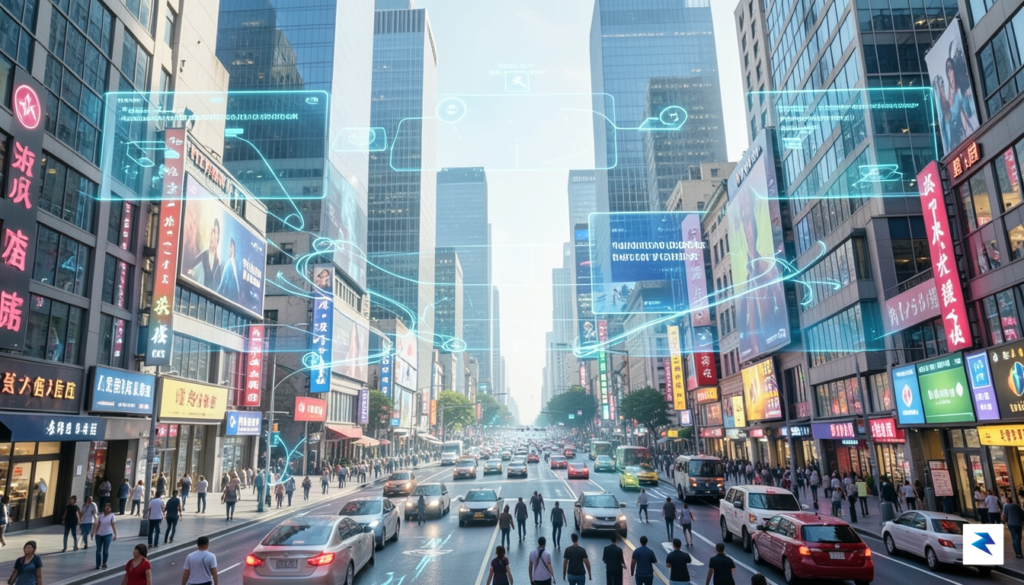
The monumental success of the recent Mewtwo anniversary event represents far more than a nostalgic nod to the game’s early days; it serves as a definitive proof of concept for the future of augmented reality. By successfully orchestrating a globally synchronized, high-stakes encounter that required true community coordination, Niantic has demonstrated that AR is no longer just a gimmick for capturing screenshots. Instead, the event showcased a blueprint for persistent, shared digital experiences that exist layers deep within our physical reality. This milestone suggests that the next decade of gaming will move beyond simple location-tagging and toward truly immersive environments where the digital world feels as dynamic and consequential as the streets we walk on every day.
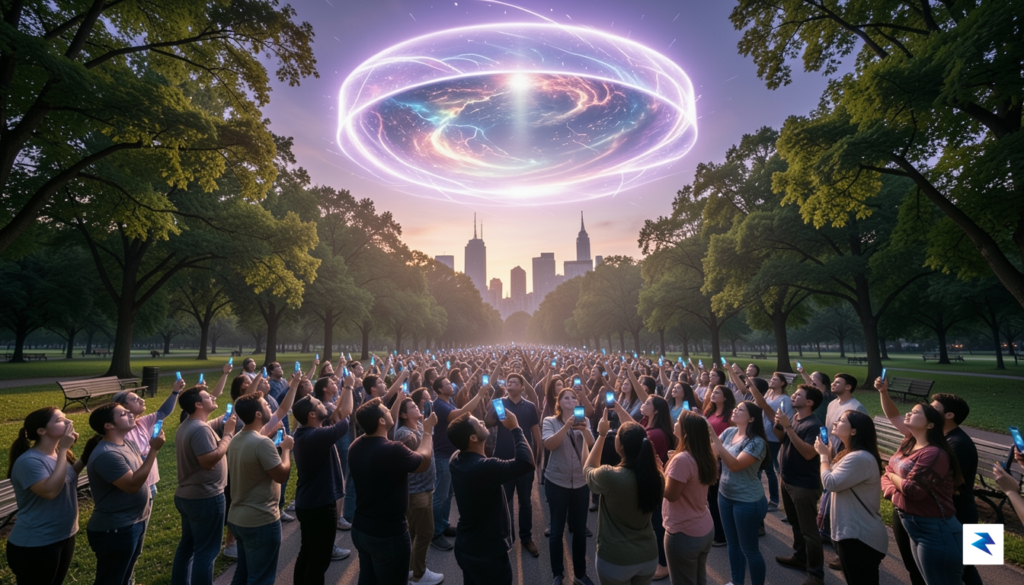
Looking ahead, we can anticipate a transition toward real-time, persistent AR environments that evolve based on player behavior. The lessons learned from the Mewtwo milestone—specifically the importance of pacing, collective goals, and geographical density—will likely inform the architecture of future Niantic titles. We are moving toward a paradigm where the “digital layer” of our world is not just a static map overlay, but a living, breathing ecosystem that responds to collective player input. Imagine a future where an entire city block can be transformed by the combined efforts of a community, creating temporary “biomes” that change the very way players interact with their local architecture and public spaces.
The true potential of augmented reality lies not in replacing the physical world, but in enriching our shared experience of it through meaningful, collaborative digital interactions.
The broader AR industry must now reckon with the challenge of bridging the digital and physical divide without becoming intrusive. As technology advances, the goal should be to create experiences that feel integrated into our daily routines rather than disruptive to them. This requires a delicate balance of game design that incentivizes exploration while respecting the sanctity of the physical environment. If Niantic and its competitors can apply the community-building spirit of the last decade to more sophisticated hardware—such as lightweight AR glasses—we may finally reach the “metaverse” that was promised years ago: a world where digital utility and physical presence exist in perfect, seamless harmony. By focusing on shared human connection rather than just technological novelty, the next era of gaming promises to turn every sidewalk and street corner into a canvas for collective wonder.
You must be logged in to post a comment.