
The Science of Fandom: What Happens to Your Heart During a Soccer Final?
The Physiology of Fandom: Why Your Heart Races During the Big Game When you sit down to watch a high-stakes soccer final, your brain does not…


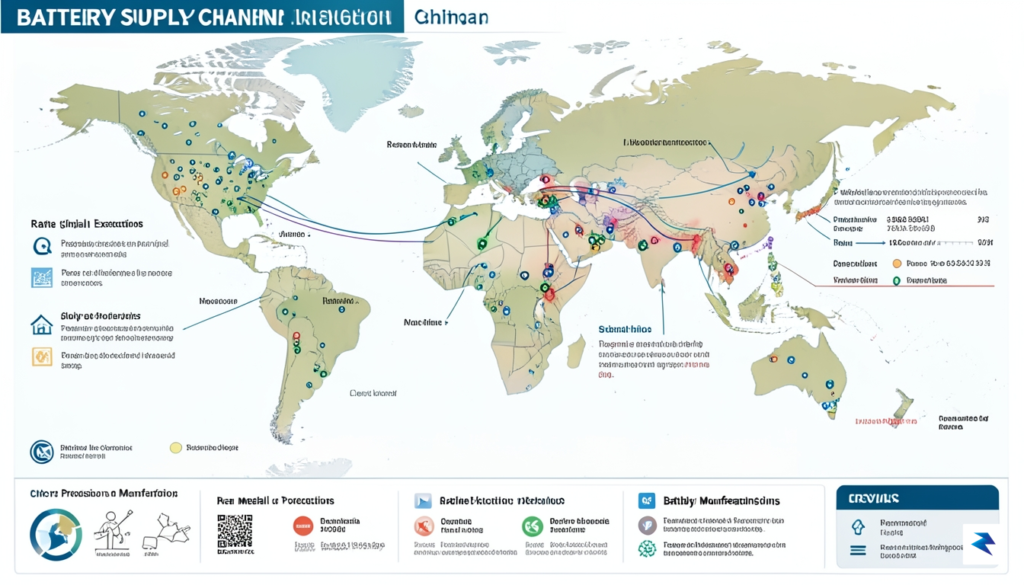
The global transition to electric vehicles (EVs) represents far more than an environmental imperative or a technological upgrade; it signals a fundamental restructuring of global economic power and a new battleground for geopolitical influence. At the heart of this transformation lies the battery, the critical component powering everything from our cars to our energy grids. Control over the battery supply chain is rapidly becoming synonymous with national security and economic sovereignty, dictating which nations will lead the next industrial revolution and which will be left reliant on others.
Currently, one nation stands overwhelmingly dominant in this crucial sector: China. Through decades of strategic investment, aggressive raw material acquisition, and state-backed industrial policy, China has established an unrivaled command over nearly every stage of the lithium-ion battery supply chain. From the refining of critical minerals like lithium and cobalt to the production of anodes, cathodes, and ultimately, the finished battery cells, Chinese companies account for the vast majority of global capacity. This intricate web of manufacturing prowess means that a significant portion of the world’s EVs, regardless of where they are assembled, fundamentally rely on components and intellectual property originating from China.
For Western nations, particularly the United States and Europe, this overwhelming dependency poses a significant strategic vulnerability. Battery sovereignty is now widely considered a national security issue, not merely an economic one. Reliance on a single geopolitical rival for such a foundational technology introduces risks of supply disruptions, economic coercion, and a stifling of domestic innovation. Governments are increasingly recognizing that without a robust, independent battery supply chain, their goals for energy independence, climate action, and industrial competitiveness remain tenuous, tethered to external forces. Developing indigenous capacity for battery production is therefore not just about creating jobs or reducing emissions; it’s about securing future economic resilience and technological leadership.
This urgent imperative has spurred a global scramble to diversify and localize battery production, fostering an environment ripe for innovation. Western governments are pouring billions into incentives and research, aiming to cultivate domestic industries capable of challenging China’s entrenched position. This landscape has created fertile ground for ambitious startups, often armed with groundbreaking battery chemistries and novel manufacturing processes, to emerge as potential game-changers. These innovative companies represent a crucial front in the broader effort to rebalance the global battery landscape, offering a glimmer of hope that a more distributed and secure supply chain is not only possible but within reach, potentially shifting the narrative away from monopoly towards a more competitive and resilient future.
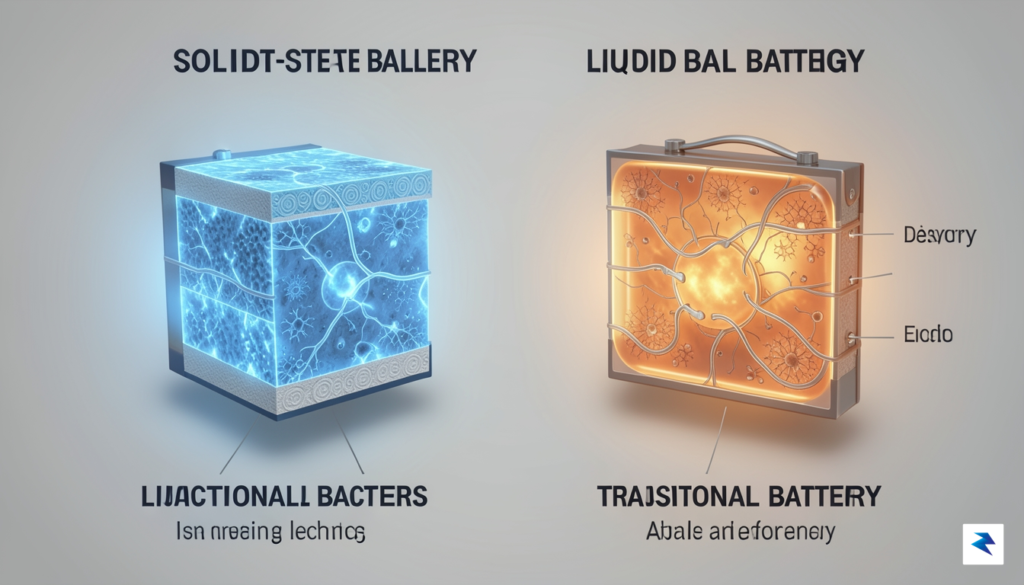
At the heart of the current electric vehicle revolution lies the lithium-ion battery, a technology that relies on a liquid electrolyte to shuttle ions between the anode and the cathode. While this liquid medium has served the industry well, it is fundamentally flawed; the volatile, flammable nature of these electrolytes is a primary driver of thermal runaway and safety concerns. Solid-state technology represents a radical departure from this architecture by replacing the liquid component with a dense, solid material—typically ceramic, glass, or a specialized polymer. This shift is widely considered the “holy grail” of energy storage because it eliminates the combustible pathways that make traditional batteries prone to overheating, effectively creating a much safer, more stable environment for high-capacity power storage.
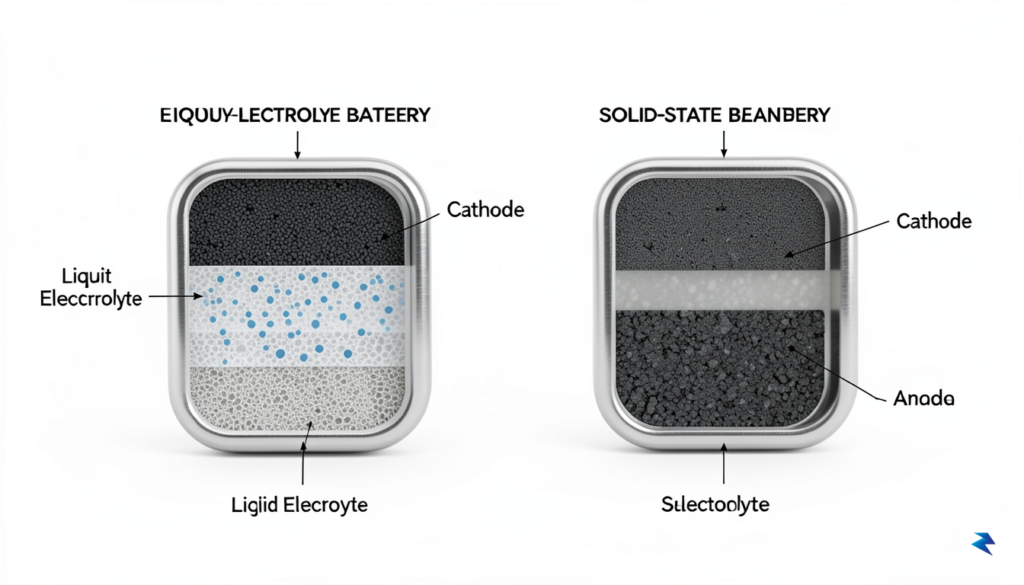
Beyond the critical safety improvements, the move to a solid-state architecture unlocks significant gains in energy density. Because solid electrolytes are physically thinner and more robust, they allow for the use of high-capacity lithium-metal anodes, which can pack far more energy into the same physical footprint. This translates directly to the consumer experience: electric vehicles equipped with these cells could potentially see their range extend by hundreds of miles without requiring larger, heavier battery packs. Furthermore, the inherent stability of solid materials enables much faster charging rates, as the system can handle the rapid movement of ions without the degradation or structural stress that often occurs in liquid-based systems.
Solid-state batteries essentially remove the “speed limit” on power transfer, allowing for rapid charging cycles that were previously thought to be physically damaging to traditional cell chemistry.
Despite these overwhelming advantages, bringing solid-state batteries to the mass market has remained a formidable engineering challenge. For years, the industry struggled with the “interface problem”—the difficulty of maintaining a perfect, continuous contact point between solid materials as they expand and contract during charge and discharge cycles. If these interfaces crack or lose contact, the battery’s performance plummets. Additionally, manufacturing these batteries at scale requires entirely new industrial processes that differ significantly from the standardized assembly lines currently dominated by global manufacturers. Nevertheless, as startups refine these delicate manufacturing techniques and move toward mass-scale fabrication, the technical barriers are finally crumbling, signaling a potential shift in the global energy landscape that could render our current reliance on liquid-based power storage obsolete.
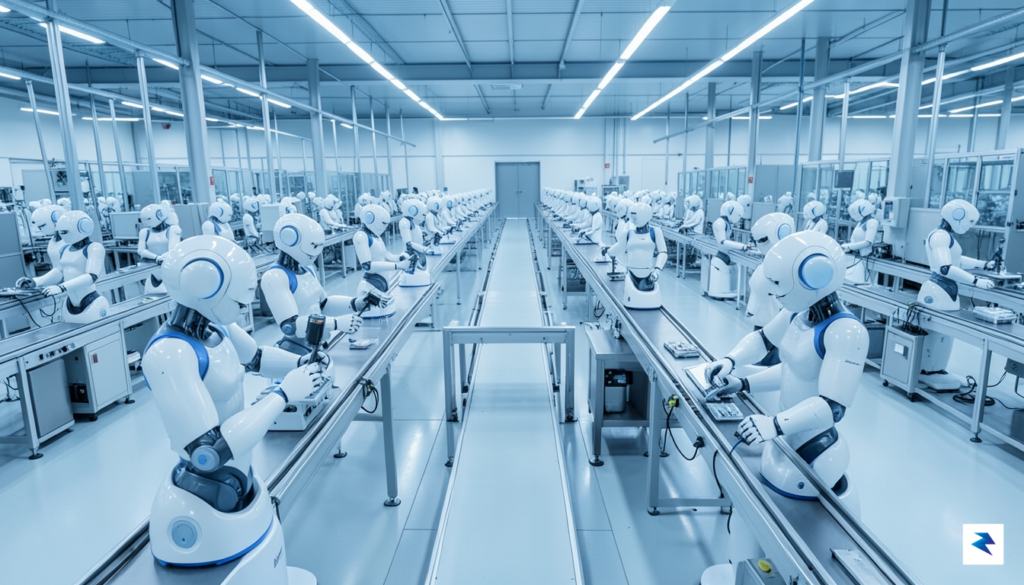
The journey from a breakthrough in a research laboratory to a functional product on a factory floor is often referred to as the “valley of death” for deep-tech startups. While solid-state technology has long been touted as the “holy grail” of energy storage due to its superior safety and energy density, moving these innovations from a benchtop to a gigafactory remains an immense industrial challenge. In the controlled environment of a lab, researchers can carefully assemble small-batch prototypes using artisanal techniques that are simply impossible to replicate at the speed and scale required by the global automotive industry. Transitioning to mass manufacturing requires not just scientific ingenuity, but a radical transformation in engineering that many promising ventures fail to navigate.
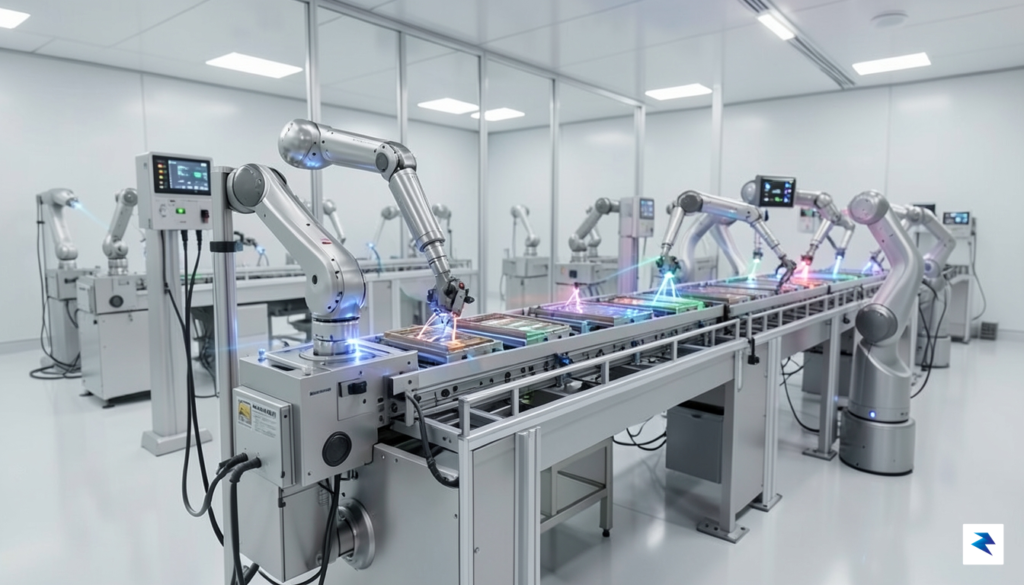
One of the primary obstacles is the capital-intensive nature of battery production. Unlike software companies that can scale with relatively low overhead, battery manufacturing demands billions of dollars in upfront investment for specialized equipment, climate-controlled cleanrooms, and complex supply chain logistics. Because solid-state batteries rely on different materials—such as ceramic or sulfide-based electrolytes—they cannot be produced on the existing legacy machinery used for standard lithium-ion cells. This necessitates the construction of custom-built, highly expensive manufacturing lines that must operate with near-perfect yield rates to be economically viable. If a startup cannot prove that its production process is both reliable and cost-effective, it risks being priced out of a market that is currently dominated by massive, vertically integrated players.
The true test of a battery startup is not how well the technology performs in a vacuum, but how consistently it performs after being stamped out by the millions.
Furthermore, the engineering complexities involved in scaling solid-state cells are profound. Maintaining consistent performance across millions of units requires precise control over thin-film deposition and interface stability, which are prone to microscopic defects during high-speed assembly. Even a tiny impurity or a slight misalignment in the stacking process can lead to reduced conductivity or premature failure of the cell. Startups are currently locked in a race to prove that their proprietary production methods can mitigate these risks without requiring prohibitive costs. Ultimately, the winners of this sector will be those who can bridge the gap between “perfect science” and “predictable manufacturing,” proving that their battery designs are not just revolutionary, but also ready for the relentless pace of modern industrial assembly lines.

ProLogium is carving out a distinct competitive advantage by betting heavily on a proprietary solid-state manufacturing process that addresses the inherent limitations of traditional lithium-ion batteries. Unlike conventional liquid-electrolyte cells, which are prone to thermal runaway and energy density plateaus, ProLogium’s technology utilizes a ceramic solid electrolyte. This material innovation allows for the creation of thinner, safer, and more energy-dense batteries that can withstand significantly higher temperatures. By refining a manufacturing technique that is surprisingly compatible with existing roll-to-roll production lines, the company has managed to sidestep the massive capital expenditure typically required to overhaul global supply chains, positioning its technology as a viable, drop-in replacement for automotive manufacturers seeking a leap in performance.

Beyond the technical specifications, ProLogium is making a calculated geopolitical move by aggressively expanding its manufacturing footprint outside of China. While the incumbent battery giants have largely consolidated their influence within East Asian borders, ProLogium is looking toward Europe as its primary battleground. By establishing a flagship gigafactory in France and fostering deep integration with the European automotive ecosystem, the startup is directly addressing the growing demand for “sovereign” battery production. This strategy is not merely about physical proximity to customers like Mercedes-Benz; it is a defensive play intended to mitigate the risks of supply chain fragility and regulatory friction that currently haunt manufacturers tethered to a single geographic region.
The core of ProLogium’s disruption strategy lies in its ability to offer a “Made in Europe” solid-state battery that combines the safety profile of ceramic materials with the scalability of existing manufacturing infrastructure.
To ensure its long-term viability, the company has pivoted away from the traditional “lone wolf” startup model in favor of deep, strategic partnerships. By locking in long-term supply agreements and research collaborations with legacy automakers, ProLogium is effectively insulating itself from the volatile market fluctuations that often threaten smaller energy firms. These alliances provide the necessary financial runway to scale production while simultaneously validating their technology under the rigorous testing standards of the automotive industry. As these partnerships mature, ProLogium is well-positioned to disrupt the status quo by providing a tangible, high-performance alternative to the liquid-electrolyte batteries that have dominated the market for decades, ultimately challenging the established giants to either innovate at a faster pace or risk being rendered obsolete by the solid-state shift.

The successful scaling of next-generation battery technology represents far more than a mere incremental upgrade for the automotive industry; it signifies a tectonic shift in the global energy hierarchy. For decades, the production of electric vehicle batteries has been heavily concentrated in specific geographic corridors, creating a reliance that has left many Western markets vulnerable to supply chain volatility and geopolitical friction. By pioneering localized, high-efficiency production methods, startups like ProLogium are laying the groundwork for a more decentralized energy future. As these manufacturing hubs begin to populate Europe and North America, governments will likely find themselves in a stronger position to ensure industrial resilience, effectively decoupling the transition to green energy from the dominance of singular, centralized sources.

For the average consumer, the tangible benefits of this technological leap will manifest primarily through improved safety, longevity, and affordability. Traditional lithium-ion batteries often require complex thermal management systems to mitigate the risk of overheating, which adds significant weight and cost to the final vehicle. Solid-state alternatives, by contrast, utilize materials that are inherently more stable, allowing for a higher energy density that translates into longer driving ranges and faster charging times. Furthermore, as these manufacturing processes become more efficient and less reliant on rare earth materials that are difficult to extract, the overall environmental footprint of battery production is expected to drop significantly. This evolution isn’t just about making cars faster; it is about making sustainable transportation a standard, rather than a premium, experience for the global public.
The true measure of this technological shift will be the democratization of the electric vehicle, turning it from a niche luxury into an accessible, reliable tool for the everyday driver.
While the promise is transformative, a realistic outlook requires patience. Mainstream adoption is not an overnight occurrence; it is a multi-stage process that involves rigorous pilot testing, factory certification, and the inevitable challenges of large-scale industrial ramp-up. Industry analysts suggest that while niche or high-performance vehicles may integrate these advanced cells within the next few years, broad market saturation will likely take until the end of the decade. During this transition, we can expect to see a hybrid approach where manufacturers phase in solid-state components into their flagship models before eventually rolling them out across their entire fleets. Ultimately, the success of these startups will be defined by their ability to balance high-tech innovation with the brutal, high-volume realities of automotive manufacturing.
You must be logged in to post a comment.