
How to Share Your Real-Time Location Safely (2026 Guide)
Why Location Sharing Matters: Safety and Convenience In our hyper-connected landscape, the ability to transmit your location has evolved from…


In recent years, the concept of biohacking has migrated from the shadowy corners of fringe science experiments and Silicon Valley basements into the mainstream consciousness. At its core, biohacking is the systematic pursuit of biological optimization, transforming the human body into a project to be managed, measured, and perfected. Driven by a desire to transcend the limitations of genetics and aging, proponents treat their physiology like a piece of software that can be debugged, updated, and overclocked. This movement has been fueled by an explosion in consumer technology, turning the once-prohibitively expensive world of medical-grade diagnostics into a sleek, accessible ecosystem of rings, patches, and smartphone applications.
The rise of the “quantified self” has made this obsession tangible, allowing individuals to track everything from heart rate variability and deep sleep cycles to continuous glucose levels and blood oxygen saturation. There is a profound psychological comfort in this data-driven approach; it promises the illusion of control in an inherently unpredictable world. When we can quantify our internal states, we feel empowered to make granular adjustments to our diet, supplement stacks, or morning routines, believing that if we just find the right set of variables, we can unlock a state of peak performance. It transforms the often-chaotic experience of being human into a series of solvable equations, offering the allure of immortality or, at the very least, a frictionless existence.
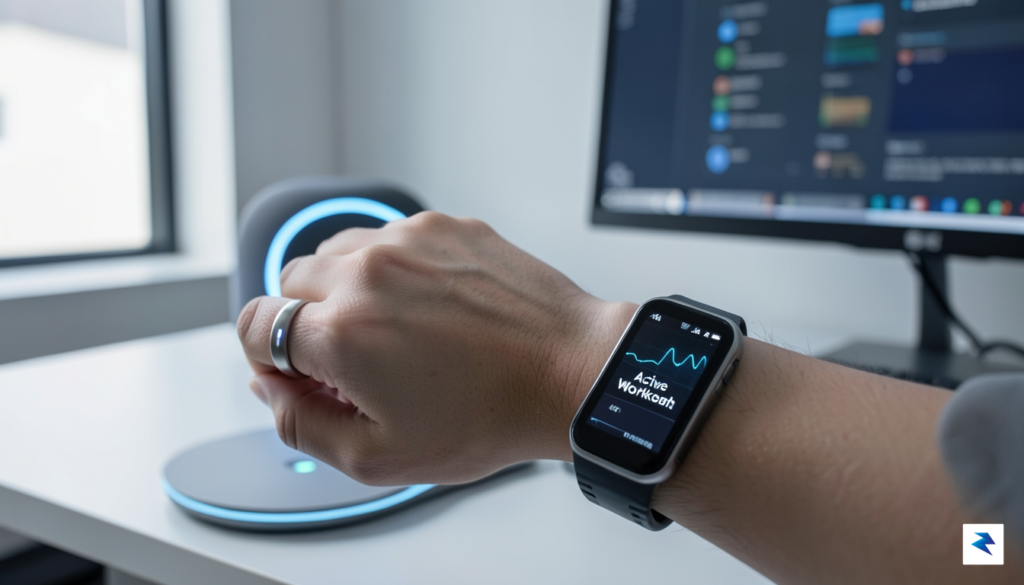
However, the gap between the promise of these wearables and the reality of daily life is often vast. While data provides a fascinating snapshot of our physiological performance, it is frequently misinterpreted as a comprehensive roadmap for health. The reality is that the human body is a complex, non-linear system that resists the reductive logic of an app’s interface. Obsessing over a single “off” metric—like a dip in sleep score—can inadvertently create the very stress that the biohacker is trying to avoid, turning health into a source of chronic anxiety. We are often so busy optimizing the data points that we lose sight of the qualitative experience of living, trading genuine well-being for the shallow satisfaction of a perfectly optimized spreadsheet.
The pursuit of biological perfection often ignores the fundamental truth that health is not merely the absence of inefficiency, but the presence of balance, rest, and the ability to embrace the unpredictable nature of being alive.
Ultimately, the danger of the biohacking movement lies in its tendency to view the body as a machine that can be mastered, rather than a living organism that requires stewardship. While there is undeniable value in being aware of our physiological health, we must be wary of equating high-performance metrics with a high-performance life. True optimization is not found in the latest supplement or the most expensive wearable, but in understanding when to stop tracking and start simply existing within the messy, unquantifiable reality of our own biology.
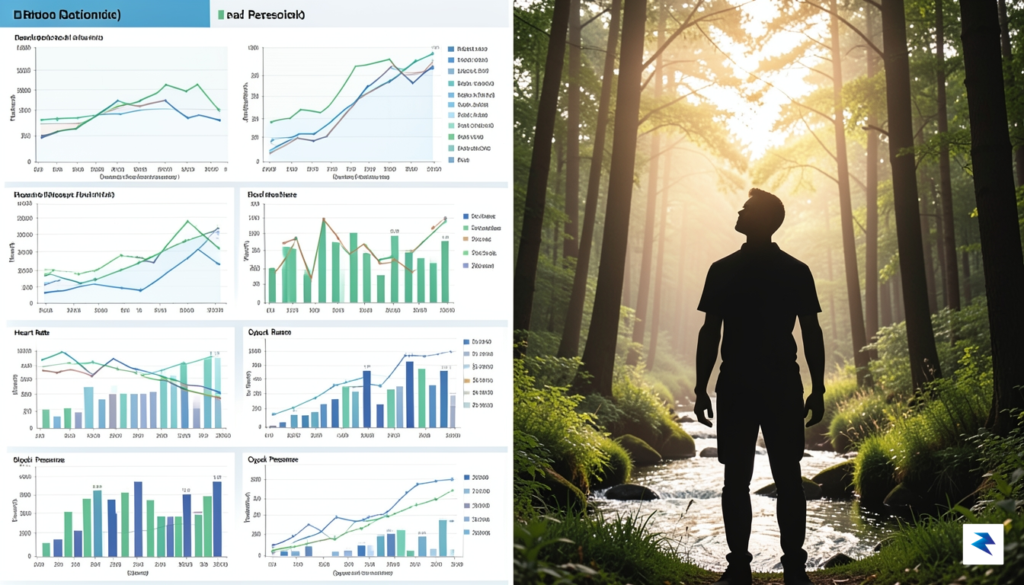
Bryan Johnson’s “Blueprint” project represents the zenith of the modern biohacking movement, a radical experiment that treats the human body less like a biological organism and more like a high-performance machine requiring precise calibration. By tracking hundreds of biomarkers daily, adhering to a meticulous diet, and subjecting himself to an exhaustive routine of clinical interventions, Johnson aims to reverse his biological age. However, the veneer of this data-driven perfection began to crack with the disclosure of health setbacks that defied his rigid optimization protocols. This irony serves as a sobering reminder that while data can illuminate the mechanics of health, it cannot account for the unpredictable, nonlinear reality of human biology.
The core philosophy of the “Blueprint” approach rests on the assumption that if we gather enough granular data, we can engineer our way out of mortality. This is the fallacy of the perfect data point: the belief that a blood test, a scan, or a heart-rate variability metric can capture the entirety of an individual’s physiological state. In reality, the body is a complex, self-organizing system defined by emergent properties that simple metrics often fail to grasp. When Johnson faced physical complications despite his rigorous adherence to his protocol, it highlighted a fundamental limit of current technology: we can measure the inputs and the outputs, but we often remain blind to the chaotic, interconnected processes that occur in the middle.
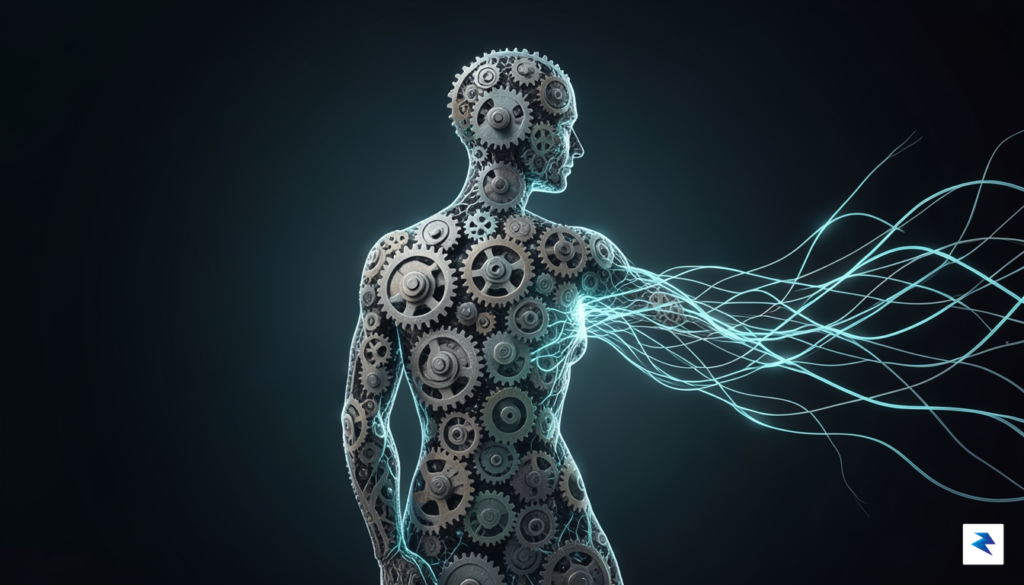
There is a profound psychological weight that comes with viewing one’s own existence as an engineering project. By reducing health to a spreadsheet of optimal outcomes, the optimizer risks alienating themselves from the very thing they are trying to preserve: their humanity. When the quest for longevity becomes the sole focus, the pursuit of “perfect health” can ironically lead to chronic stress, social isolation, and a fixation on numbers that may actually degrade the quality of life. The human experience is inherently messy, shaped by stressors, emotions, and environmental factors that do not always show up on a lab report.
True wellness is rarely found in the total elimination of risk or the surgical optimization of every cell, but rather in the capacity to inhabit a body that is fundamentally unpredictable and stubbornly alive.
Ultimately, Johnson’s journey forces us to confront the uncomfortable truth that we are not yet masters of our own biology. We can optimize our sleep, refine our nutrition, and monitor our hormones, yet we remain subject to the fundamental entropy that defines all life. Treating the body as a machine to be tuned is a seductive narrative, but it ignores the reality that biological systems are designed to survive, not necessarily to be efficient in the way a computer is. By acknowledging the limits of data-driven health, we might find a more sustainable, compassionate path toward longevity—one that values the wisdom of how we feel over the cold precision of what we measure.
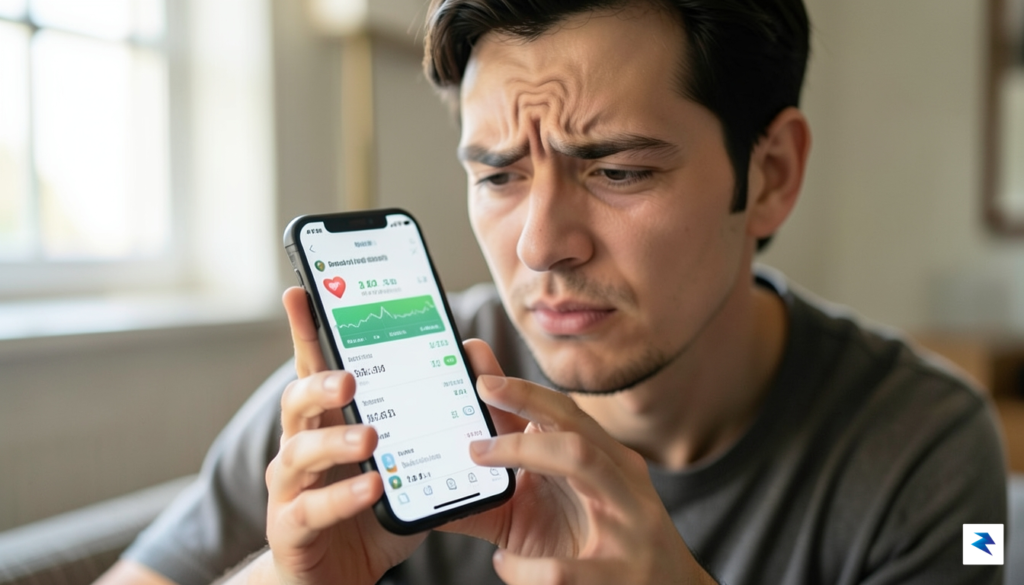
The modern obsession with the “quantified self” has promised us a life of peak performance, where every biometric marker—from deep sleep cycles to heart rate variability—is a variable we can tweak for a better outcome. Yet, there is a mounting psychological toll to this relentless pursuit of efficiency. When our internal experience of living is constantly mediated by data points on a screen, we risk shifting from being active participants in our lives to mere managers of biological hardware. This hyper-fixation often manifests as a form of low-grade anxiety, where a “suboptimal” night of sleep or a slightly higher resting heart rate triggers a cascade of stress. Paradoxically, the very cortisol spikes induced by worrying about our recovery metrics may be more damaging to our long-term health than the minor physiological deviations we are trying to correct.
At its core, the line between health-conscious behavior and health-related anxiety is far thinner than many biohackers admit. Healthy habits are meant to serve our lives, providing the energy and clarity needed to pursue meaningful goals, yet over-optimization often turns this relationship on its head. When an individual feels unable to enjoy a meal without calculating its macronutrient density or refuses to engage in social activities because they interfere with an arbitrary “optimal” bedtime, they are no longer optimizing for health; they are optimizing for control. This rigidity can quickly spiral into a form of orthorexia-adjacent obsession, where the quest for the perfect lifestyle becomes a cage that isolates the individual from the spontaneous, messy, and necessary experiences that constitute a well-rounded existence.
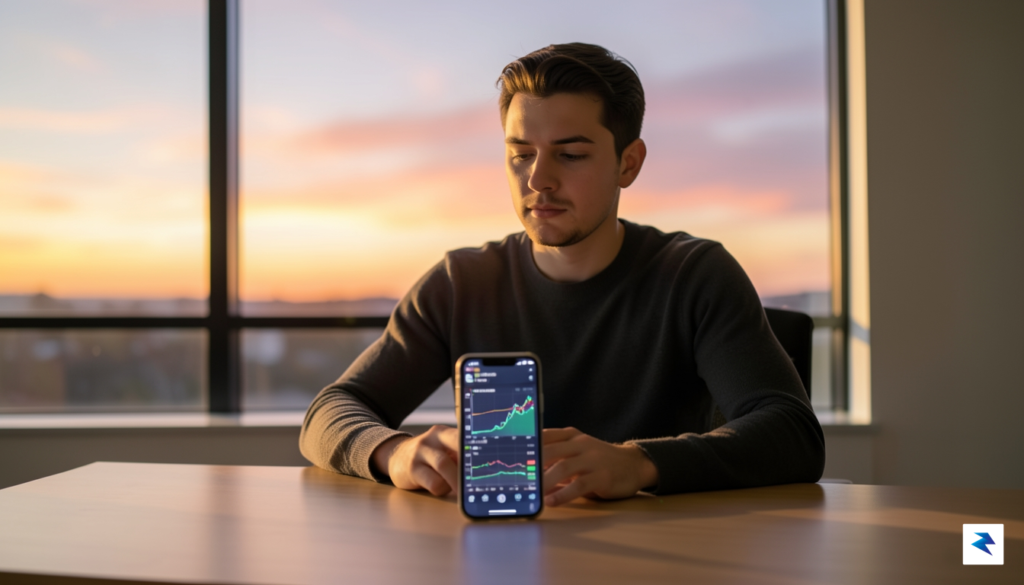
The pursuit of a perfectly optimized life often obscures the fact that the stress of constant monitoring is, in itself, a significant health risk. True wellness includes the freedom to be imperfect.
Furthermore, the fixation on longevity can ironically diminish the quality of the very life one is trying to extend. We must ask ourselves whether the trade-off—a life governed by strict protocols, restriction, and constant self-surveillance—is actually worth the potential reward of a few extra years. If the path to a longer life is paved with the anxiety of perpetual tracking, we are effectively shortening the duration of our actual enjoyment. Living well requires a degree of psychological flexibility and the ability to listen to one’s body intuitively rather than relying solely on the feedback loop of a wearable device. By loosening our grip on the data, we reclaim the mental bandwidth necessary to focus on what actually brings us fulfillment, recognizing that a life well-lived is not merely a collection of optimized metrics, but a rich tapestry of human experience.

In our relentless pursuit of peak performance, we have become increasingly obsessed with the quantifiable metrics of our existence. We track our sleep cycles, count our resting heart rate variability, and meticulously log every macronutrient that crosses our lips, often believing that if we can measure it, we can master it. However, true wellness frequently resides in the spaces between these data points—in the intangible, qualitative experiences that sensors simply cannot capture. While a wearable device might report a perfect night of restorative sleep, it cannot account for the deep, soul-replenishing satisfaction of a meaningful conversation with a friend or the quiet peace that comes from a genuine sense of purpose. By tethering our self-worth to digital dashboards, we risk ignoring the nuanced, subjective signals of our own bodies and minds.
Data should function as a compass rather than a master, providing us with helpful navigation while we remain the captains of our own health journeys. When we rely solely on algorithmic feedback, we inadvertently erode our capacity for intuition—the fundamental human ability to listen to our internal state without needing external validation. True well-being requires a shift from the cold, clinical language of “optimization” toward a more holistic integration of life’s messy, spontaneous realities. It is about understanding that a slightly elevated heart rate might not be a sign of poor recovery, but rather the result of a joyous, adrenaline-fueled moment of play or the excitement of a new creative endeavor.
True health is not a spreadsheet to be balanced; it is a dynamic, living harmony between our physical needs, our social bonds, and our psychological fulfillment.

To move toward this more comprehensive model of health, we must start valuing metrics that defy simple digitization. We should consider the “quality” of our social connections, the depth of our engagement with our work, and our ability to remain present during life’s unpredictable fluctuations. These pillars—community, purpose, and stress management—are the bedrock of a long, vibrant life, yet they are notoriously difficult to track with a smartphone app. By prioritizing these qualitative markers, we stop treating our bodies like machines to be tuned and start treating them like vessels for a rich, human experience. Ultimately, the goal is not to become a more efficient version of ourselves, but to cultivate a state of well-being that allows us to fully inhabit our lives, independent of what the numbers might say.

Navigating the current landscape of health technology requires a delicate dance between curiosity and skepticism. While it is tempting to view every new wearable, supplement, or tracking protocol as a breakthrough in longevity, we must first learn to distinguish between genuine scientific advancement and the aggressive marketing of “miracle” solutions. Mindful engagement with technology means treating your data as a tool for self-awareness rather than a definitive score of your worth. Before adopting a new habit or purchasing an expensive device, ask yourself whether the metric being tracked actually aligns with your personal well-being or if you are simply chasing numbers for the sake of the chase itself.

Setting firm boundaries with your health data is essential for preserving your mental peace. Constant monitoring can easily morph into a form of hyper-vigilance, where every minor fluctuation in heart rate variability or sleep efficiency becomes a source of unnecessary anxiety. If your pursuit of a perfect biological state prevents you from enjoying a spontaneous dinner with friends or forces you to skip a social event because it doesn’t fit your “recovery protocol,” then the technology is no longer serving your life—it is dictating it. True health is inherently social and psychological, not just physiological; it involves the ability to be present, to engage with loved ones, and to find joy in experiences that cannot be quantified by a sensor.
The most advanced technology in your health journey is not a device, but your ability to listen to the subtle cues of your own body and mind.
Ultimately, we must remember that health is meant to be a means to an end, not the end itself. We optimize our systems so that we have the energy and vitality to pursue meaningful work, nurture deep relationships, and contribute to our communities. When the process of “hacking” your biology consumes all your resources, you risk becoming a high-functioning machine that has forgotten why it is running in the first place. By shifting our focus from radical longevity to radical presence, we can utilize the best that modern science has to offer while remaining firmly grounded in the rich, messy, and beautiful reality of being human. Choose to use tools that amplify your life’s purpose, and have the courage to discard those that merely demand your constant attention.
You must be logged in to post a comment.