
The Truth About Biohacking: Why Optimization Isn’t Everything
The Allure and Reality of Biohacking In recent years, the concept of biohacking has migrated from the shadowy corners of fringe science…
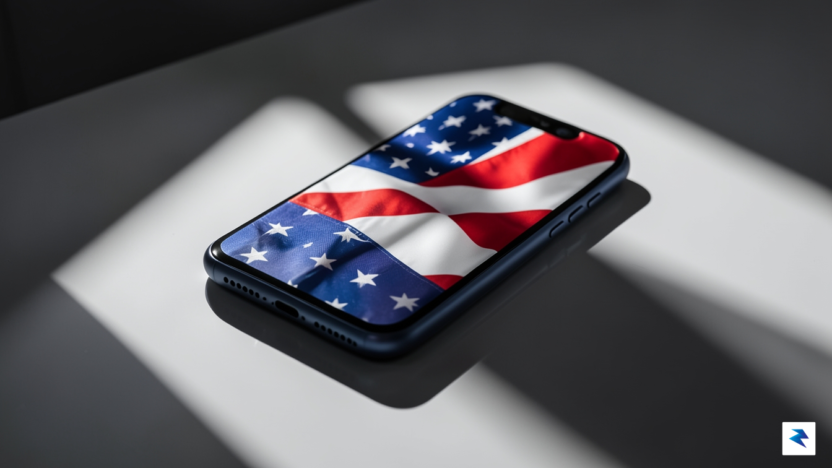
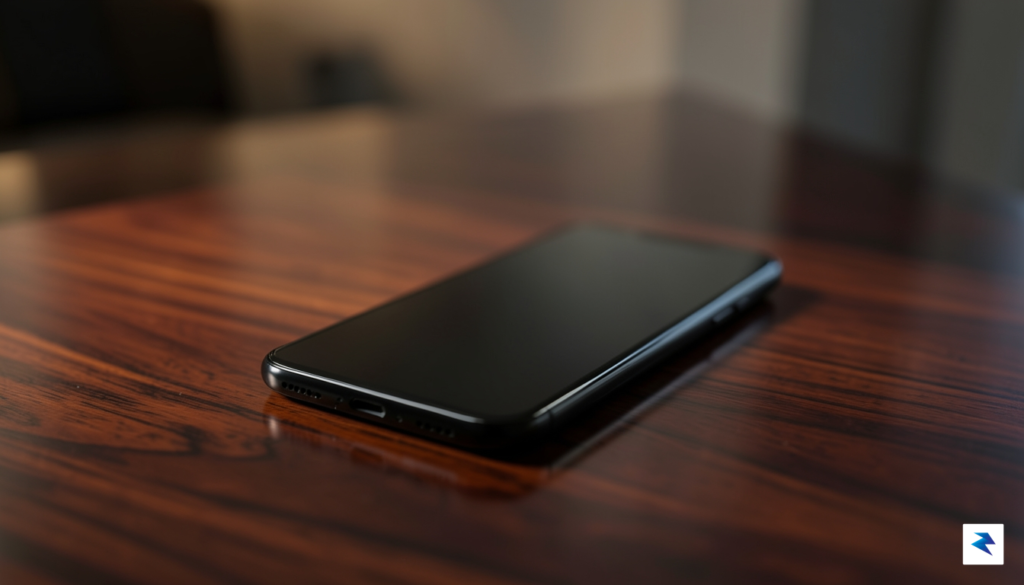
The emergence of the Trump-branded smartphone was positioned less as a breakthrough in mobile engineering and more as a bold statement of ideological alignment. When the device was first announced, the marketing materials painted a picture of a secure, patriotic alternative to the mainstream tech giants, promising a bespoke user experience tailored to a specific political demographic. By leveraging the immense cultural gravity of the former president’s brand, the manufacturers managed to bypass the usual technical scrutiny that accompanies a hardware launch, relying instead on the fervor of a loyal base eager to support products that reflect their values. It was a masterclass in identity-driven commerce, where the promise of a “pro-freedom” device effectively shielded the project from the standard expectations of industry-leading performance or innovative software design.
However, the transition from these polished, high-resolution promotional renders to the tangible reality of the hardware revealed a glaring disconnect. While the advertisements spoke of cutting-edge privacy and exclusive, curated content, the device itself quickly proved to be a masterclass in rebranding rather than engineering. It became immediately apparent that the project prioritized a specific aesthetic—heavy on gold accents and nationalistic motifs—over the fundamental requirements of modern smartphones, such as reliable battery life, optimized operating systems, or seamless touch sensitivity. By focusing almost exclusively on the superficial aspects of the device, the creators ignored the fact that a phone is, first and foremost, a tool that requires functional excellence to be anything more than a glorified paperweight.
The danger of modern consumer branding lies in the belief that political allegiance can substitute for the rigorous, iterative process of hardware development.
This situation serves as a sobering cautionary tale regarding the risks of prioritizing branding over engineering. When a company relies on the strength of a personality or a political movement to sell technology, it inherently lowers the barrier for product quality, assuming that the consumer’s emotional investment will compensate for technical mediocrity. In the long run, this strategy is inherently unstable; even the most ardent supporter eventually demands a device that can reliably send messages, browse the web, and run applications without constant frustration. By treating a smartphone as a piece of political merchandise rather than a complex piece of electronics, the creators ultimately undermined their own brand, leaving users with a device that serves as a constant, tangible reminder of the gap between marketing hype and actual utility.
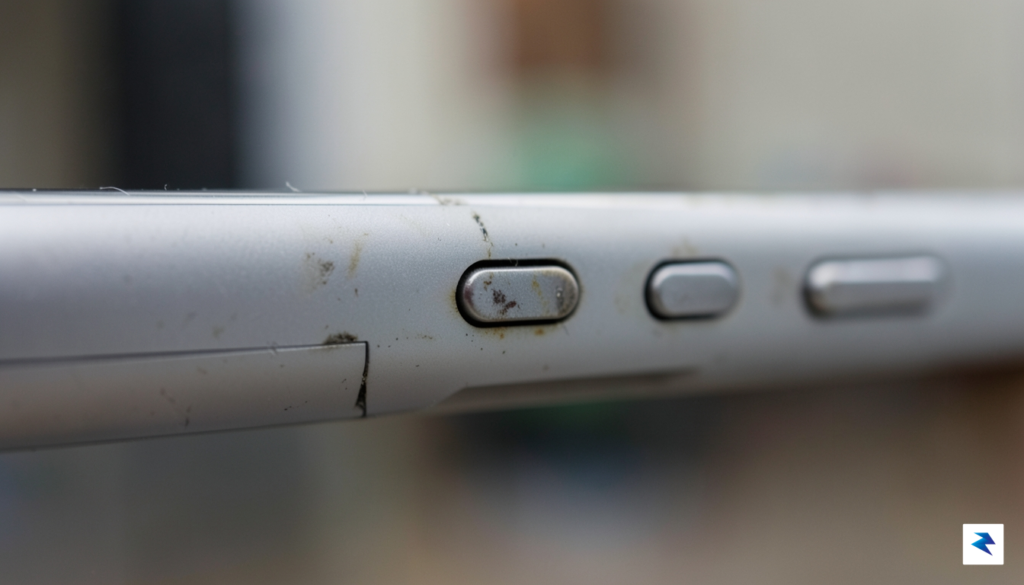
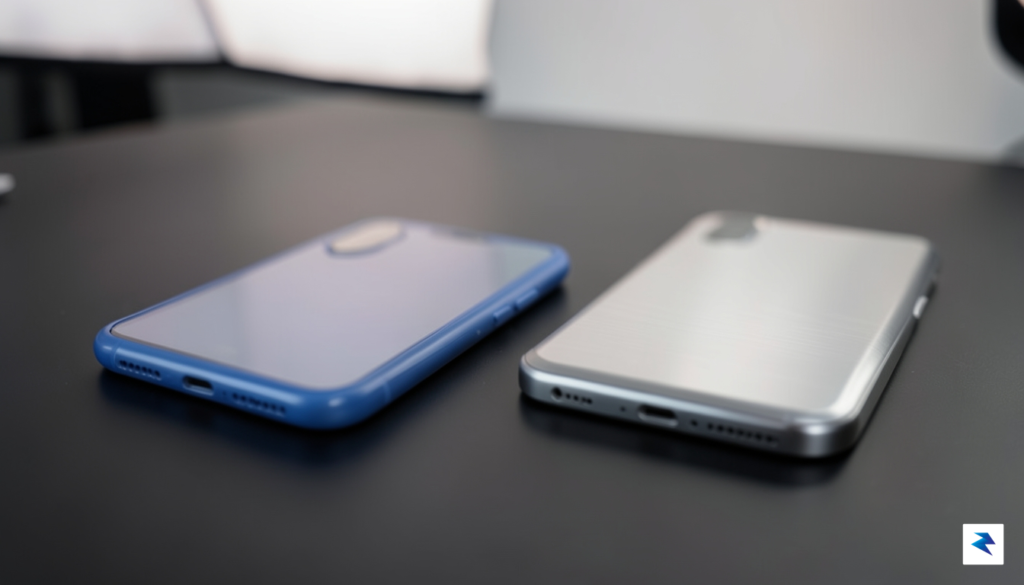
When you first hold the device, the disparity between the sleek, high-definition marketing renders and the physical reality is immediately jarring. While the promotional imagery promises a premium aesthetic, the hardware feels remarkably hollow, characterized by a lightweight, brittle plastic chassis that lacks the reassuring density of modern smartphones. Even when compared to the entry-level tier of the Samsung Galaxy A-series or the Google Pixel ‘a’ series, which manage to make polycarbonate feel durable and intentional, this device suffers from loose seams and a noticeable “creak” under modest pressure. It is a build quality that feels several years behind the curve, lacking the structural integrity required for daily handling.
The screen quality serves as another significant point of contention, failing to meet even the most basic industry benchmarks for clarity and color reproduction. The display exhibits poor viewing angles and a lackluster brightness ceiling that makes outdoor visibility nearly impossible, even on moderately sunny days. Unlike the vibrant, high-refresh-rate panels found on budget-friendly competitors, this screen feels washed out and unresponsive to touch inputs. When you consider the price point, the hardware feels less like a functional piece of modern technology and more like an OEM-white-labeled device sourced from the lowest-cost supply chain, rebranded with little regard for the user’s tactile experience.
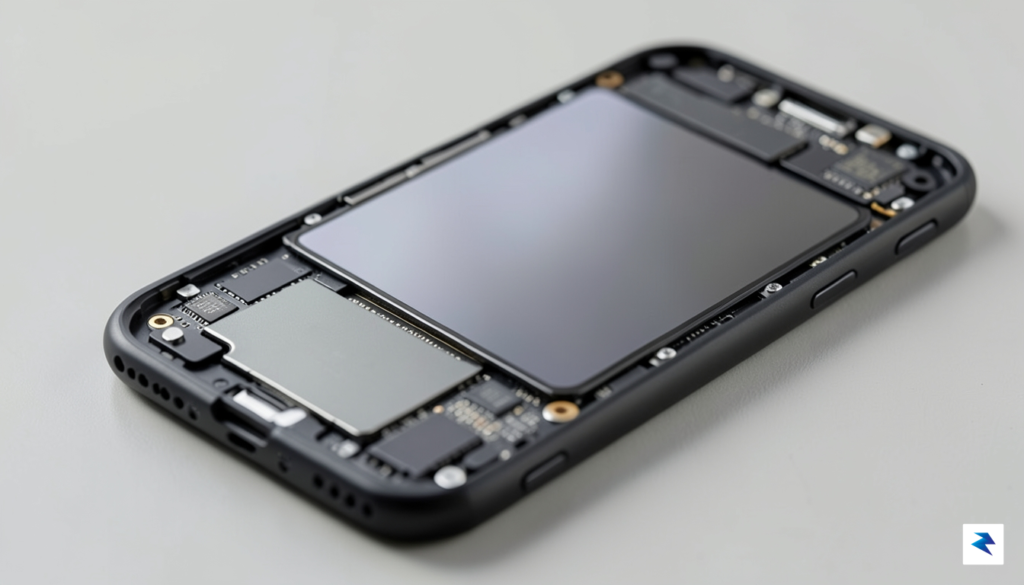
Despite the branding’s heavy emphasis on domestic production and “America-first” manufacturing, the internal reality tells a much different story. Disassembling the casing reveals components that are standard in mass-produced, budget-tier hardware sourced from international assembly lines, undermining the narrative of a unique, custom-engineered domestic product. There is no evidence of specialized proprietary engineering; instead, you are met with a generic motherboard and a battery assembly that feels dated by current standards. The internal layout is cluttered and lacks the sophisticated thermal management systems that have become standard in even the most affordable mid-range devices.
The gap between the marketed promise of “premium manufacturing” and the actual tactile experience of the device is massive, leaving users with a product that feels fragile, outdated, and fundamentally disconnected from the standards of the current smartphone market.
Ergonomically, the device is cumbersome, featuring sharp, unrefined edges that dig into the palm and a weight distribution that feels top-heavy. The buttons lack the crisp, tactile feedback one expects from a device in this price bracket, often feeling mushy or unresponsive. Ultimately, the design choices prioritize a superficial aesthetic over real-world usability and durability. While marketing can frame the device as a bold statement piece, the objective reality is that it fails to stand up to the most basic scrutiny when placed alongside hardware that actually delivers on its promises of longevity and performance.
When you strip away the branding and the political marketing, what remains is a device that struggles to keep pace with the most basic demands of modern mobile computing. The hardware at the core of this phone feels significantly dated, relying on a processor that was already showing its age years ago. In practice, this manifests as frequent stuttering when navigating through menus, prolonged loading times for simple applications, and a general lack of responsiveness that makes every interaction feel like a chore. Even tasks as trivial as switching between messaging apps or scrolling through a web page trigger noticeable frame drops, revealing a lack of optimization between the internal components and the system architecture.
The software experience is, frankly, the most concerning aspect of the entire package. Rather than running a refined, streamlined version of an operating system, the interface feels cluttered with unnecessary bloatware that consumes precious background resources. Because there is no clear commitment to long-term software support or security patches, users are left with a stagnant environment that becomes increasingly vulnerable and inefficient over time. A smartphone is only as good as the software that powers it, and here, the lack of regular updates means that bugs go unfixed and performance optimizations never arrive to breathe new life into the aging hardware.
The fundamental issue is not just that the device is slow, but that it lacks the infrastructure to ever get better. Without a dedicated software team to refine the kernel or patch hardware inefficiencies, the phone is effectively frozen in its current state of mediocrity.
Battery life further compounds these frustrations, acting as a testament to the poor synergy between the hardware and software layers. Despite a physical battery capacity that should, in theory, provide enough power to last through a standard workday, the lack of aggressive power management results in rapid drain even during periods of inactivity. This erratic power consumption forces users to carry a portable charger as a mandatory accessory, further highlighting the device’s failure to meet the baseline expectations for a modern mobile tool. When a phone cannot maintain a stable, predictable workflow for a full day, it ceases to be a reliable communication device and becomes a constant source of anxiety.
Ultimately, the marriage of underwhelming hardware and an unoptimized operating system creates a user experience that feels fragile. There is no sense of cohesion here; instead, the device feels like a collection of off-the-shelf parts forced to work together without the necessary fine-tuning to ensure longevity. For a consumer, this represents a significant risk, as the device lacks the “future-proofing” required to remain viable for more than a few months. In a market defined by high-performance standards and seamless integration, this phone serves as a stark reminder that branding cannot compensate for the lack of rigorous technical engineering.

In the landscape of modern mobile technology, the term “secure” has become a hollow buzzword, often deployed to sell hardware rather than protect the user. When a device enters the market promising unparalleled privacy, we must look beyond the glossy marketing copy and examine the fundamental architecture of the phone. True mobile security is not achieved through slogans or political branding; it is built upon a foundation of transparent, verifiable software and industry-standard encryption protocols that have been vetted by independent security researchers. The device in question, however, offers little in the way of such technical transparency, leaving users to wonder what, exactly, is protecting their data behind the scenes.
Most mainstream smartphones rely on years of rigorous development from massive engineering teams dedicated to patching vulnerabilities and ensuring that background telemetry is kept to a minimum. In contrast, this niche device appears to run on an opaque software stack with an unknown provenance. Without a clear commitment to regular security patches, a transparent update roadmap, or a public bug bounty program, it is impossible to verify if the phone is truly hardened against modern exploits. When you use a device for your daily communications—banking, private messaging, and personal emails—you are essentially entrusting your digital life to the integrity of the operating system. If that system is a “black box,” you are not achieving security; you are simply shifting your trust from known entities to an unproven, potentially vulnerable ecosystem.
True security is defined by observability and accountability, not by the promise of being untouchable. If you cannot audit the code, you cannot verify the protection.
Furthermore, the paradox of these devices often lies in their telemetry. Many “secure” phones marketed toward specific ideological niches actually collect more background data than a standard consumer handset, as they must maintain their own proprietary servers to facilitate services that would otherwise be handled by established tech giants. By opting for a niche device, you might inadvertently expose yourself to a fragmented security update cycle, where critical zero-day vulnerabilities remain unpatched for weeks or months. For the average user, the risk is simple: a phone that lacks a robust, battle-tested security framework is essentially an open door, regardless of the rhetoric surrounding it. Relying on such hardware for sensitive tasks is a gamble that ignores the established reality of how modern cyber threats operate.
After spending a full week integrating this device into my daily workflow, the conclusion is as unavoidable as it is underwhelming: novelty is a poor substitute for actual engineering. While the branding may capture attention in a saturated market, the hardware and software experience reveal a product that was clearly designed to be seen rather than used. A smartphone is not merely a collection of aesthetic choices or a platform for a specific personality; it is a vital tool that demands reliability, security, and a seamless interface. When those fundamental pillars are sacrificed at the altar of branding, the result is a device that functions more like a cumbersome paperweight than a modern communication portal.
The core issue lies in the disparity between the marketing promise and the tangible reality of the user experience. Throughout my testing, I encountered persistent software bugs, abysmal battery optimization, and a lack of the essential security protocols that modern consumers have come to expect as a baseline requirement. It is dangerous to prioritize ideological alignment over technical integrity, especially when that device is tasked with handling sensitive personal data, emails, and financial information. Ultimately, this phone serves as a stark reminder that consumer technology requires rigorous testing, long-term software support, and hardware optimization that cannot be replicated by simply slapping a logo on a generic chassis.
True utility in technology is measured by how effectively a device disappears into the background of your life, not by how loudly it demands your attention through superficial branding.
If you are in the market for a new smartphone, I strongly advise you to look past the political theater or the celebrity endorsements that currently clutter the tech landscape. Instead, prioritize devices from manufacturers with a proven track record of performance, consistent security updates, and robust customer support. When you purchase a phone, you are investing in a long-term relationship with a piece of hardware that will define how you navigate the digital world. By choosing established brands that focus on substance over spectacle, you ensure that your investment is protected and that your daily digital interactions remain efficient, secure, and frustration-free. Do not let the allure of a famous name distract you from the fact that technology must work for you, not against you.
You must be logged in to post a comment.