
Major Publishers Sue Google Over AI Training Data Practices
The Growing Tension Between AI Giants and Global Publishers The rapid ascent of generative artificial intelligence has fundamentally altered…

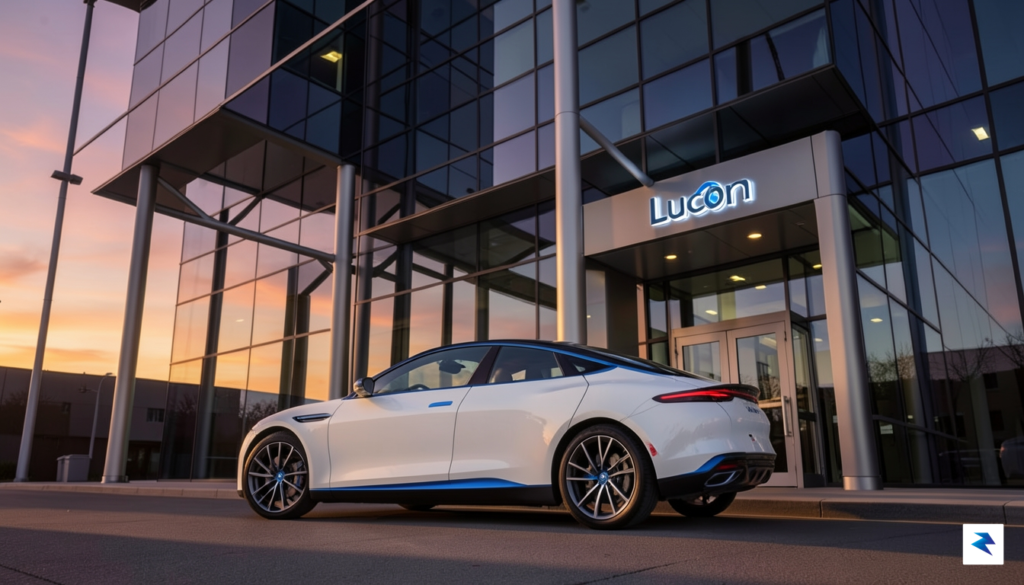
The electric vehicle landscape is notoriously sensitive to speculation, and recent days served as a stark reminder of how quickly misinformation can manifest into tangible market volatility. A flurry of sensationalist reports recently surfaced, suggesting that Lucid Motors was quietly evaluating bankruptcy options as a means to navigate ongoing fiscal pressures. These claims triggered an immediate and sharp decline in the company’s stock price, as jittery investors reacted to the specter of insolvency. However, the narrative was short-lived, as Lucid Motors acted with unprecedented swiftness to categorize these allegations as entirely false, categorically dismissing the notion that the firm is in any way considering such extreme financial restructuring.
In an official capacity, Lucid Motors has moved to stabilize market sentiment by reaffirming its underlying financial health and long-term strategic trajectory. The company emphasized that these bankruptcy rumors were not just speculative, but objectively baseless, lacking any foundation in their actual operational or financial status. By addressing the claims head-on, leadership aimed to protect shareholder interests and prevent the further erosion of public trust caused by unfounded fear-mongering. This decisive communication serves as a necessary intervention, intended to shift the focus back to the company’s tangible progress, such as its production scaling and technological milestones, rather than the distorted rumors circulating on social media and speculative financial blogs.
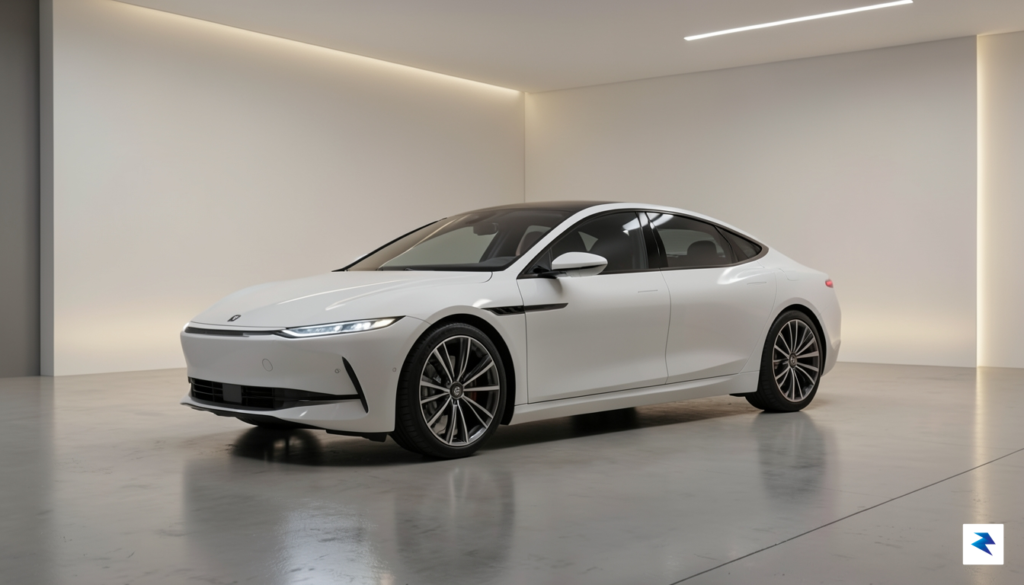
“Lucid Motors remains fully committed to its mission, backed by a robust capital structure and a clear path toward long-term growth that exists entirely independent of the speculative narratives currently circulating in the media.”
The prevalence of these rumors can be attributed to the inherent volatility of the EV sector, where high capital expenditure and intense competition often make startups vulnerable to skepticism. Investors are perpetually on edge, constantly searching for signs of distress, which creates a fertile environment for misinformation to flourish. When a company is operating in a capital-intensive industry, even minor fluctuations in quarterly performance can be misinterpreted by those looking for a dramatic story. Consequently, the importance of transparent and frequent corporate communication cannot be overstated; it acts as the primary defense against the corrosive effects of market rumors.
Moving forward, the incident highlights a broader lesson regarding the necessity for investors to distinguish between rigorous financial analysis and baseless sensationalism. Lucid’s experience underscores that while market anxiety is a natural byproduct of a rapidly evolving industry, the reality of a company’s financial position is defined by SEC filings, production figures, and verified capital reserves—not by anonymous reports. By maintaining an open channel of communication and maintaining a steadfast commitment to their core business goals, Lucid Motors is working to ensure that their vision for sustainable mobility remains untarnished by the noise of speculative trading.
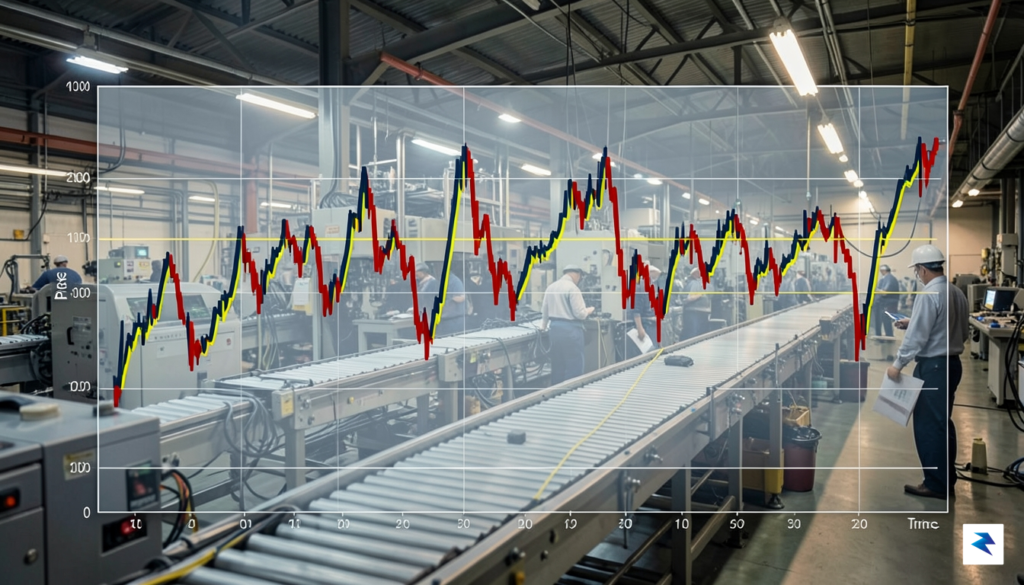
The electric vehicle sector is currently navigating a period of unprecedented economic turbulence, characterized by a fundamental shift in how investors value growth-stage manufacturers. Building an automotive company from the ground up requires massive, upfront capital expenditure to develop proprietary battery technology, construct state-of-the-art manufacturing facilities, and build out a reliable service network. In an era of historically low interest rates, investors were often willing to overlook sustained losses in favor of long-term scaling potential. However, the current high-interest-rate environment has fundamentally altered this calculus, forcing companies to prove their path to profitability while simultaneously managing the heavy weight of debt financing.
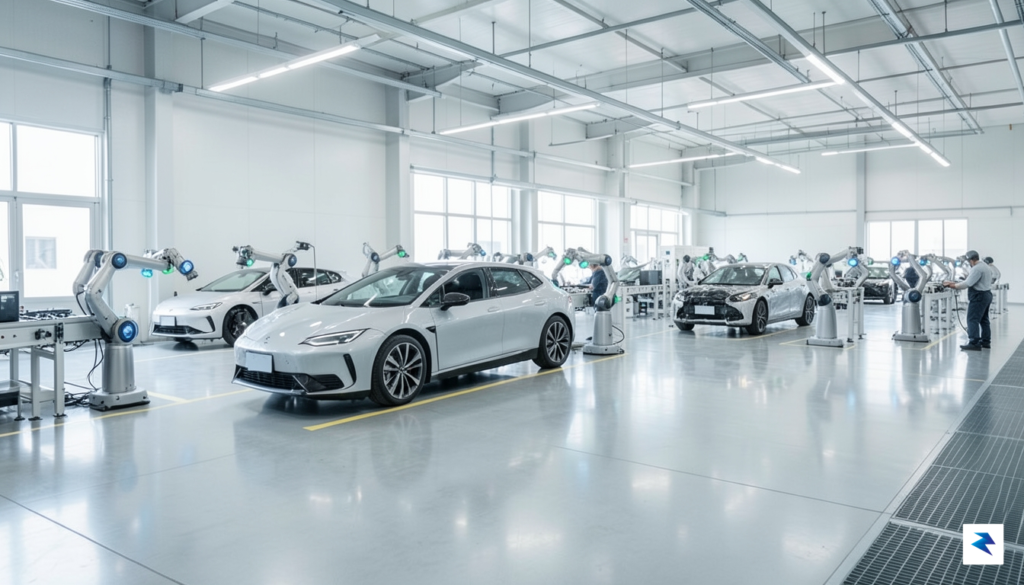
Scaling production remains the single greatest hurdle for newcomers entering a market long dominated by legacy automakers. While established giants can leverage existing supply chains and decades of cash flow to subsidize their transition to electrification, startups like Lucid are forced to navigate the “valley of death”—the period where cash burn is at its peak before manufacturing volumes hit the efficiency levels necessary for economies of scale. Because these companies must continually pour capital into research, development, and expansion, their “burn rate” becomes the primary metric by which Wall Street measures their survival. Any deviation from production targets or a slowdown in consumer adoption can trigger immediate, reflexive market skepticism.
The intense focus on liquidity means that even unsubstantiated rumors can act as a catalyst for panic, as investors are hyper-sensitive to any signal that a company’s runway might be shortening.
This climate of anxiety is further exacerbated by cooling consumer demand, as high prices and concerns over charging infrastructure cause some potential buyers to pause their transition to electric models. Consequently, the market has become incredibly reactive; when a report surfaced suggesting financial instability for Lucid, the immediate sell-off was less a reflection of the company’s audited balance sheet and more a manifestation of broader fears regarding the sector’s overall health. In such a volatile landscape, the mere suggestion of insolvency—whether factual or not—can cause a liquidity crunch by eroding investor confidence and making it more expensive for companies to raise the very capital they need to survive. Navigating this environment requires more than just excellent vehicle engineering; it demands a transparent, ironclad communication strategy to reassure stakeholders that the company is built to weather long-term economic storms.
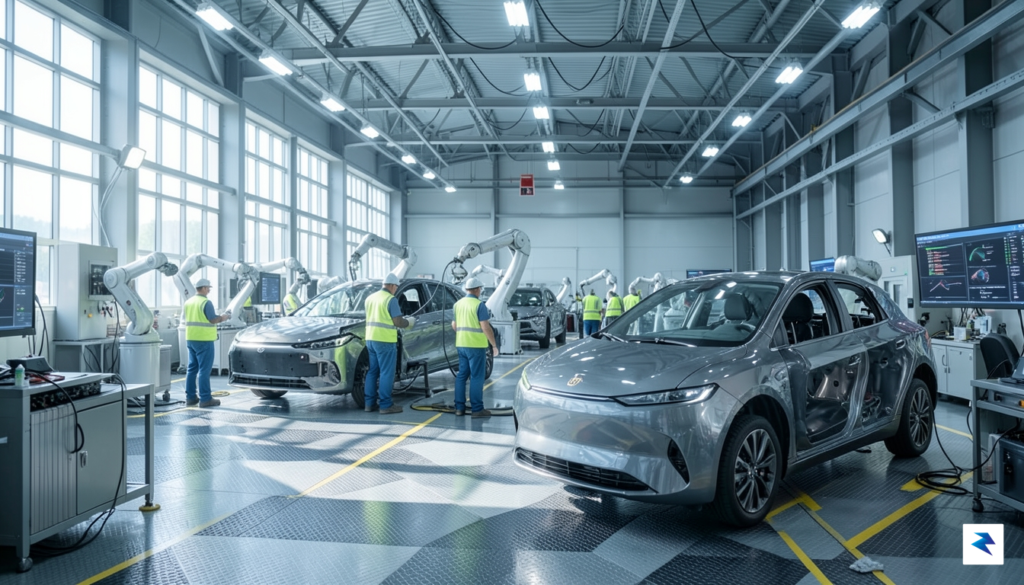
While speculative market rumors have recently cast a shadow over Lucid Motors, a closer look at the company’s financial disclosures reveals a much more stable foundation than the noise would suggest. At the heart of this stability is the ongoing, unwavering support from the Public Investment Fund (PIF) of Saudi Arabia. By consistently participating in capital raises—most recently through significant equity offerings—the PIF has provided Lucid with the liquidity necessary to weather the high-cost transition period inherent in scaling electric vehicle manufacturing. This capital runway ensures that the company remains well-funded to execute its operational objectives, allowing leadership to prioritize long-term infrastructure and research over the short-term pressures that typically destabilize smaller startups.
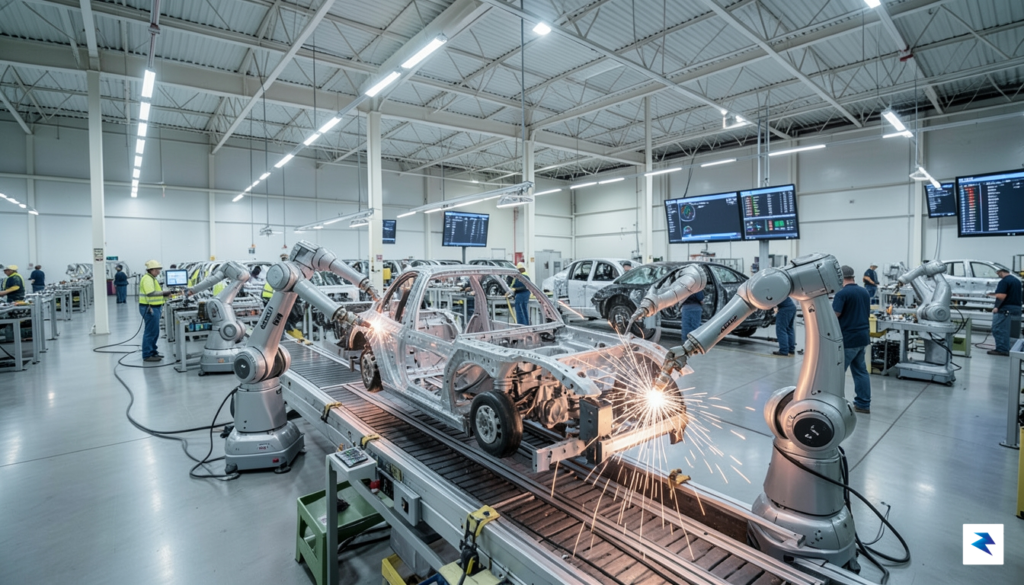
The company’s roadmap is currently entering its most critical phase, marked by the transition from a single-model manufacturer to a diversified luxury automotive brand. The upcoming launch of the Gravity SUV represents the most significant inflection point in Lucid’s history, as it targets a much larger segment of the premium market that has shown a strong preference for utility-focused electric vehicles. By leveraging the proprietary powertrain technology developed for the Air sedan—which remains the most efficient EV architecture on the market—Lucid is positioned to achieve greater economies of scale. This shift is expected to drastically improve their manufacturing efficiency and reduce the cost-per-unit, which is essential for achieving a sustainable path toward positive cash flow.
“The launch of the Gravity SUV is not merely a product expansion; it is a strategic scaling mechanism designed to leverage our existing manufacturing prowess and capture a broader share of the luxury SUV market.”
Furthermore, Lucid’s ability to navigate the broader competitive landscape hinges on its commitment to technological vertical integration. Unlike many legacy automakers that rely heavily on third-party suppliers, Lucid designs and manufactures its own battery packs, electric motors, and software systems in-house. This strategy, while capital-intensive in the early stages, provides the company with superior control over its production costs and the ability to rapidly iterate on its vehicle performance. As the production ramp-up for the Gravity SUV gains momentum throughout the coming fiscal year, investors and analysts will likely shift their focus from liquidation fears to the company’s ability to meet delivery targets, which will serve as the ultimate barometer for their long-term viability in the electric mobility sector.

In the modern financial landscape, the intersection of rapid-fire algorithmic trading and sensationalist digital journalism has created a volatile environment where stock prices can plummet based on little more than a headline. When an unverified report concerning the financial solvency of a high-growth company like Lucid Motors circulates, the reaction is often instantaneous and disproportionate. Automated trading systems, programmed to scan news outlets for keywords related to bankruptcy or insolvency, trigger massive sell-offs before human analysts have even had the chance to verify the veracity of the claims. This feedback loop forces retail investors into a defensive posture, where the fear of losing capital often overrides the logic of long-term investment strategies.
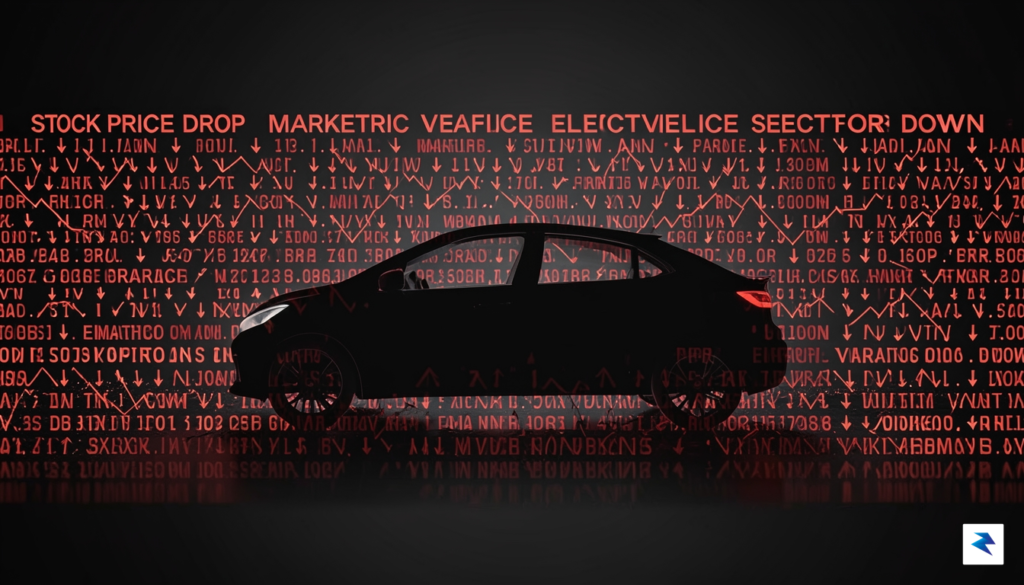
The rise of click-driven journalism has further exacerbated this instability, as digital outlets compete for precious reader attention in a crowded media space. In this environment, the urgency to be “first” frequently outweighs the professional obligation to be “accurate.” For emerging sectors like automotive technology, which are already defined by high capital expenditure and intense scrutiny, these rumors act as a catalyst for unwarranted panic. When financial health is questioned, the resulting market volatility doesn’t just affect the stock price; it can complicate a company’s ability to secure future funding, supplier partnerships, or consumer confidence. Essentially, speculative reporting can inadvertently create the very instability it claims to be predicting, turning a minor rumor into a self-fulfilling prophecy.
The speed at which misinformation travels in the digital age requires investors to shift from reactive emotional trading to a disciplined, inquiry-based approach.
For the average retail investor, navigating this landscape requires a fundamental change in how news is consumed and acted upon. It is essential to recognize that breaking headlines in high-growth sectors are often devoid of the necessary financial context, such as cash-on-hand figures, debt maturity schedules, or strategic backing from major investors. Before reacting to a headline that threatens a company’s existence, investors should prioritize thorough due diligence by cross-referencing reports with official SEC filings and direct press releases from the company itself. By slowing down the decision-making process, investors can protect themselves from the predatory nature of “fake news” and contribute to a more stable, information-driven market ecosystem. Ultimately, the integrity of stock market news depends as much on the vigilance of the reader as it does on the ethics of the publisher.

In the volatile world of electric vehicle manufacturing, separating speculative noise from genuine business indicators is a critical skill for any stakeholder. When headlines suggest insolvency or financial distress, the most prudent approach is to bypass sensationalist commentary in favor of verifiable data. For investors and consumers alike, the primary objective should be tracking the company’s fundamental progress, such as quarterly production milestones, capital expenditure efficiency, and the expansion of their proprietary battery technology. By focusing on these concrete pillars of growth, stakeholders can better distinguish between temporary market volatility and actual operational shifts.
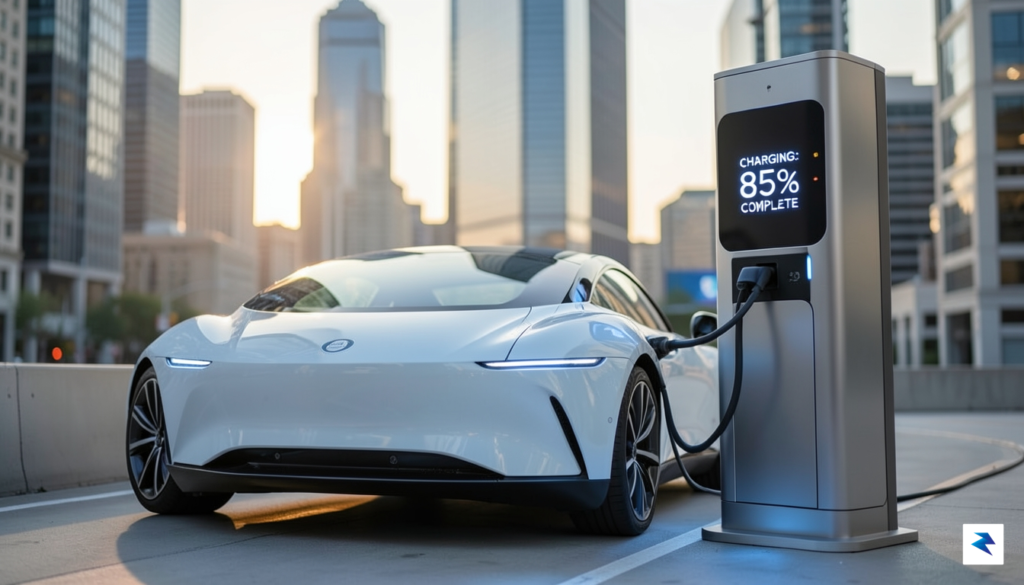
To navigate the current landscape of EV news, it is essential to establish a personal checklist for vetting information. Rather than reacting to unverified social media discourse or third-party rumors, rely on these foundational practices to maintain a clear perspective:
The true measure of a luxury EV brand lies not in the volume of market chatter, but in its ability to consistently deliver high-performance engineering to a growing customer base.
Ultimately, the long-term viability of a company like Lucid Motors depends on its ability to scale production while maintaining its reputation for luxury and technical superiority. Investors who remain disciplined by focusing on official regulatory disclosures are far more likely to make informed, rational decisions than those who chase the emotional highs and lows of the news cycle. By remaining grounded in facts and holding the company accountable to its announced roadmap, you can effectively filter the signal from the noise and determine whether the brand’s trajectory aligns with your personal investment strategy or purchasing expectations.
You must be logged in to post a comment.