
Lucid Motors Clashes With False Bankruptcy Reports: What You Need to Know
Setting the Record Straight: Lucid Motors Addresses Bankruptcy Rumors The electric vehicle landscape is notoriously sensitive to speculation,…
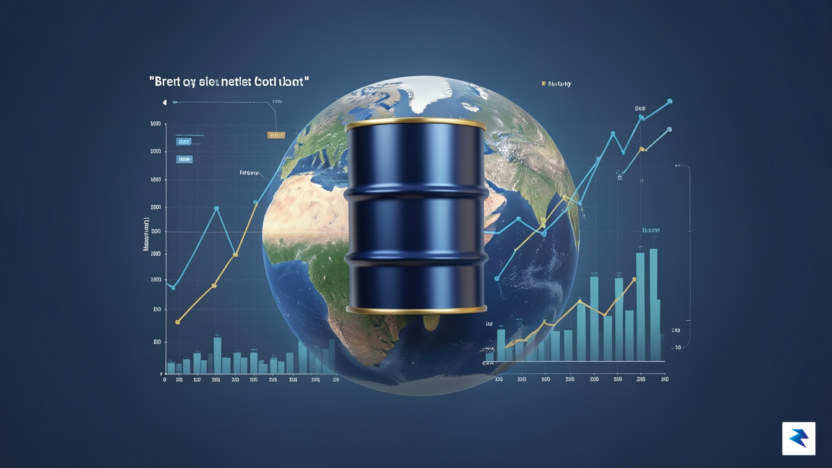
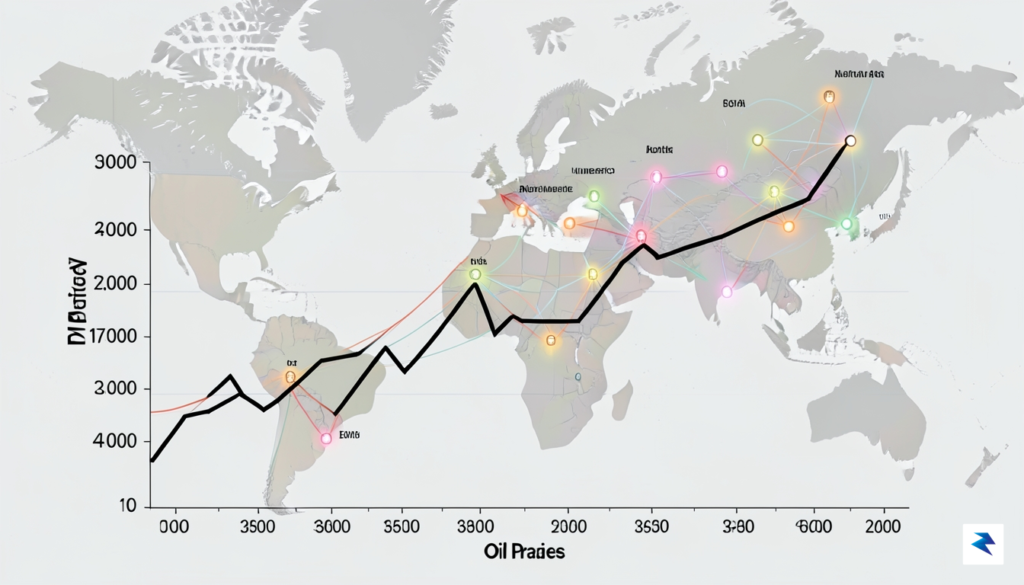
The global energy landscape is currently undergoing a period of pronounced instability, defined by rapid price swings that underscore just how fragile the equilibrium between supply and demand truly is. Recently, Brent crude prices managed to breach the significant psychological threshold of $85 per barrel, an event that sent ripples of anxiety through financial markets and industrial sectors alike. When a commodity as vital as oil hits such a round, high-value figure, it often acts as a catalyst for automated trading algorithms and reactive hedging strategies. These psychological barriers are far more than just arbitrary numbers; they represent critical pivot points where market participants reassess their exposure to risk, often leading to intensified buying or selling pressure that can decouple the price from fundamental supply-and-demand realities.
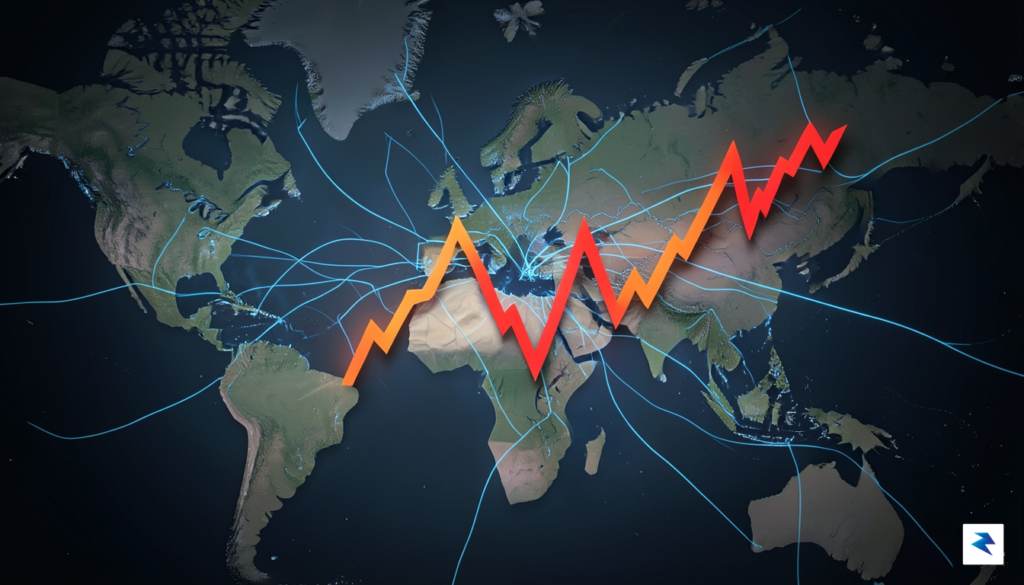
This volatility is exacerbated by the market’s heightened sensitivity to sudden shifts in international political and trade policies. Traders are no longer just monitoring extraction rates or storage levels; they are now forced to analyze the granular details of administrative policy changes and shipping fee mandates that can emerge with little warning. Because modern supply chains are built on lean, just-in-time delivery models, even a minor alteration in the expected cost of transporting crude across major maritime corridors can disrupt the entire downstream pricing structure. When an influential political figure suggests a change in tariffs or port levies, the market reacts instantaneously, pricing in the potential for increased logistical expenses long before a single tanker has actually paid the new rate.
The recent dip in oil prices serves as a stark reminder that in an interconnected global economy, political rhetoric is often as influential as physical production capacity.
Ultimately, the rapid retreat from those peak prices highlights the speculative nature of current energy valuations. While the initial climb toward $85 was driven by a combination of genuine geopolitical tension and anticipatory fear, the subsequent correction reflects a more tempered assessment of how policy shifts might actually manifest in the real world. Investors are learning to distinguish between high-stakes political maneuvering and tangible, long-term shifts in operational costs. As we move forward, this cycle of fear-driven spikes followed by data-driven cooling periods is likely to remain the defining characteristic of the energy sector, requiring both policymakers and corporate leaders to maintain a high degree of agility in their planning and risk mitigation strategies.
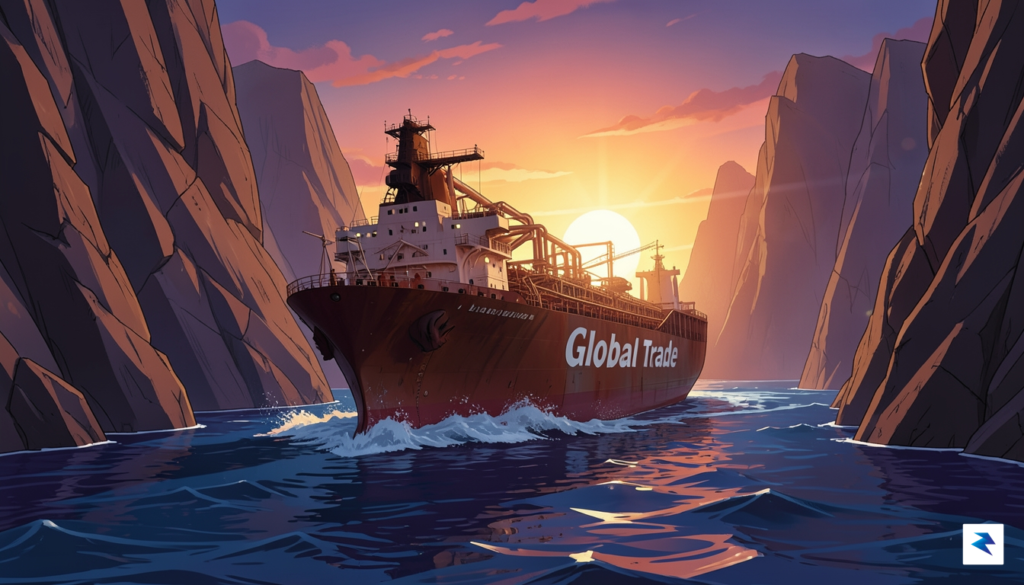
To understand the current volatility in energy markets, one must first recognize the role of Brent crude as the global heartbeat of the oil industry. As the primary benchmark for roughly two-thirds of the world’s internationally traded crude oil, Brent functions as the definitive reference point for pricing. Because it is sourced from the North Sea and reflects a blend of light, sweet crude oil, its market value is scrutinized daily by traders, governments, and economists alike. When geopolitical stability wavers in oil-producing regions, this benchmark acts as a sensitive barometer, immediately reflecting the collective anxiety of the global economy regarding future supply chain integrity.
The relationship between regional stability and commodity pricing is often dictated by the concept of a “war risk premium.” When conflict flares—or even when the threat of escalation involving major producers like Iran emerges—market participants preemptively bake the possibility of supply disruption into the cost of a barrel. This is not necessarily because a physical shortage has occurred, but because the market is pricing in the cost of potential chaos. Should transit routes in the Strait of Hormuz be compromised, the logistical nightmare of rerouting global supply would be immense, leading investors to aggressively hedge their positions. Consequently, speculative investment flows into the market, driving prices upward as traders seek to protect themselves against the worst-case scenarios.
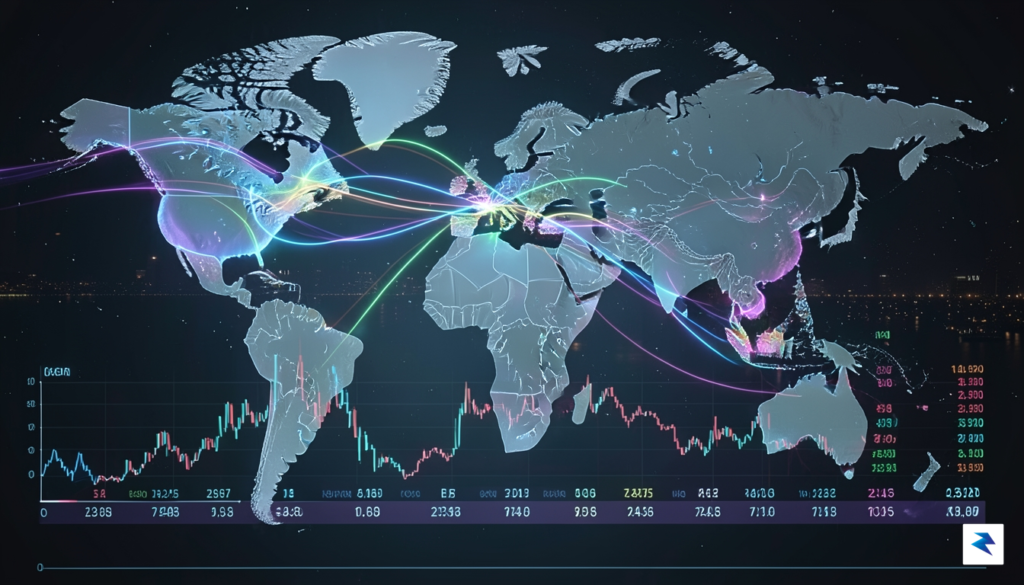
Ultimately, the sensitivity of Brent crude to these shifting geopolitical tides underscores the fragility of our modern energy architecture. Even when tangible production levels remain steady, the mere perception of risk can cause significant price swings that ripple through consumer gas pumps and industrial shipping costs worldwide. As nations adjust their trade policies and shipping fee structures, the market remains in a perpetual state of recalibration. By monitoring Brent crude, we are essentially tracking the world’s reaction to global uncertainty, making it an indispensable tool for anyone looking to understand why the price of energy remains so inextricably linked to the complexities of international relations.
The “war risk premium” serves as a financial safeguard for traders, but for the average consumer, it represents the immediate, often painful cost of global political friction reflected in daily fuel prices.
Furthermore, because the global oil trade operates on a just-in-time delivery model, any sudden shift in maritime policy or regional security can create a psychological shockwave. When major powers alter their shipping plans or threaten to impose new fees, the market interprets these signals as potential bottlenecks. This environment encourages a cycle of volatility where rumor and reality are often indistinguishable, ensuring that Brent crude remains the most watched commodity on the planet. As long as geopolitical tensions persist, the fluctuations we see in the energy sector will continue to be a direct reflection of how the world balances the need for security against the demands of a globalized economy.
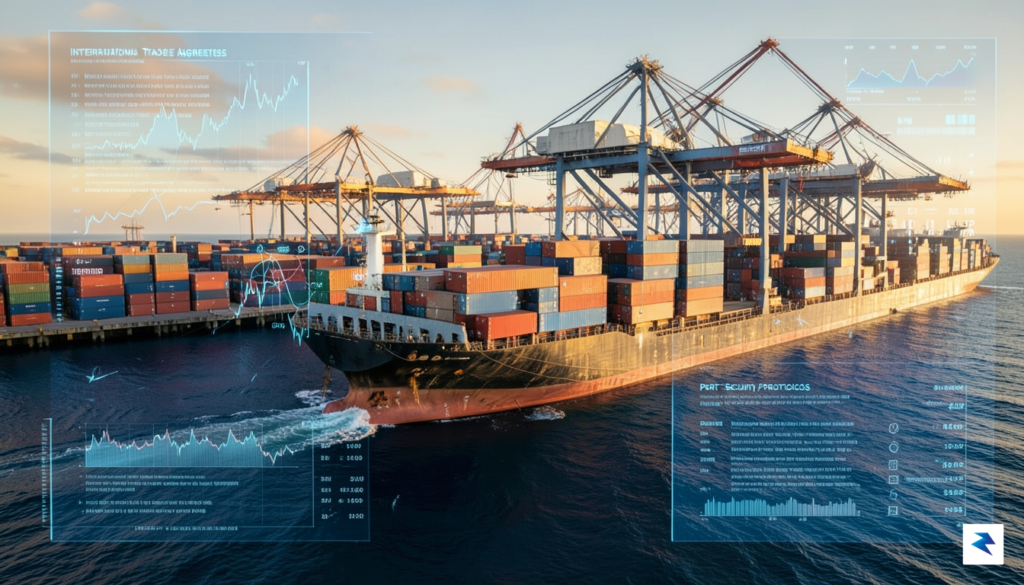
The intricate dance between international trade policy and global energy markets is governed by more than just supply and demand; it is deeply tied to the logistical overhead of moving resources across borders. Shipping fees represent a critical friction point in the price of a barrel of oil, as these costs are essentially a tax on the efficiency of global trade. When geopolitical actors shift their stance on tariffs or navigational levies, the immediate reaction in the futures market is often a direct reflection of how these changes alter the landing cost of energy. By adjusting the expected financial burden on tankers and cargo vessels, policymakers effectively pull a lever that can either accelerate or stifle the upward trajectory of energy prices, as evidenced by the recent cooling of market rallies following revised shipping fee projections.
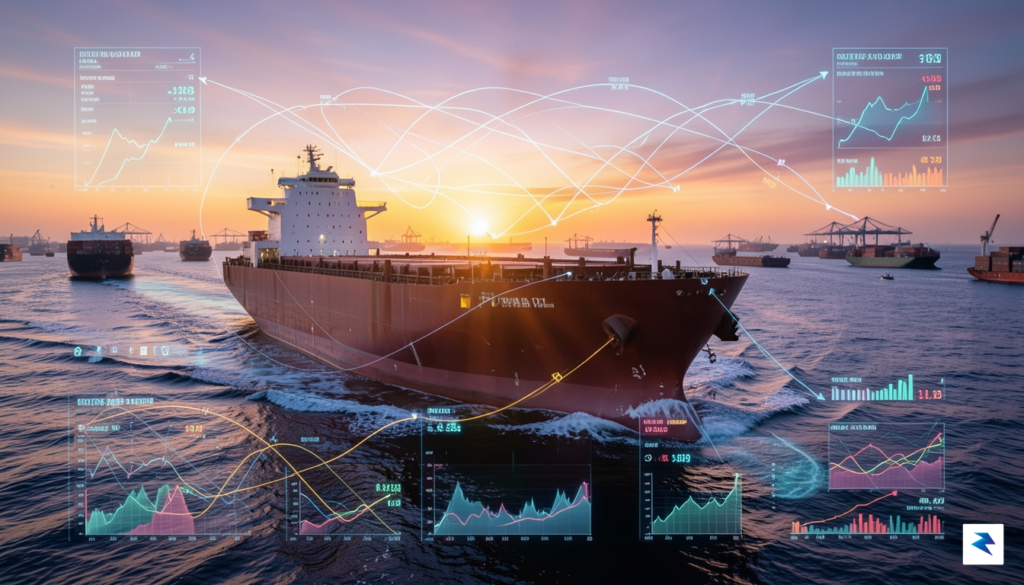
Historically, the relationship between trade regulation and energy costs has been one of rapid, often volatile, adjustments. Whenever a significant regulatory shift is announced, market participants—ranging from hedge funds to industrial buyers—recalculate the net cost of delivery almost instantaneously. This phenomenon highlights a fundamental truth about modern energy economics: the perceived cost of transportation is just as vital as the cost of extraction. When shipping fees rise, they create a “barrier to entry” for imported oil, which forces domestic prices to climb as supply chains tighten. Conversely, when political intervention leads to a reduction or stabilization of these fees, the sudden easing of logistical premiums provides immediate relief, signaling to investors that the inflationary pressure on energy goods is subsiding.
The fluctuation of oil prices is rarely just about what is coming out of the ground; it is about the cost of the journey that energy takes to reach the consumer.
To understand the current market behavior, one must look at how these regulatory swings compare to historical precedents. In past decades, abrupt changes in trade policy have consistently acted as a catalyst for market correction. For instance, when trade barriers are lowered or shipping costs are eased through policy adjustments, the market typically pivots from a defensive, high-price stance to a more moderate outlook. This rapid reaction underscores the sensitivity of the global economy to regulatory news. Because energy is the lifeblood of industrial production, even a minor change in shipping fee policy serves as a powerful signal that the total cost of finished goods will likely normalize, thereby curbing the speculative fervor that often drives energy prices to unsustainable peaks.
Ultimately, the recent retreat in oil prices demonstrates that investors are highly attuned to the nuance of trade policy. By recalibrating shipping fee expectations, policymakers have effectively managed to temper the market’s enthusiasm, proving that the logistical framework of energy transport is a primary driver of price stability. As we move forward, the interplay between political decision-making and shipping logistics will remain a cornerstone of market analysis, dictating whether energy costs continue to soften or find a new baseline in an increasingly interconnected global trade landscape.
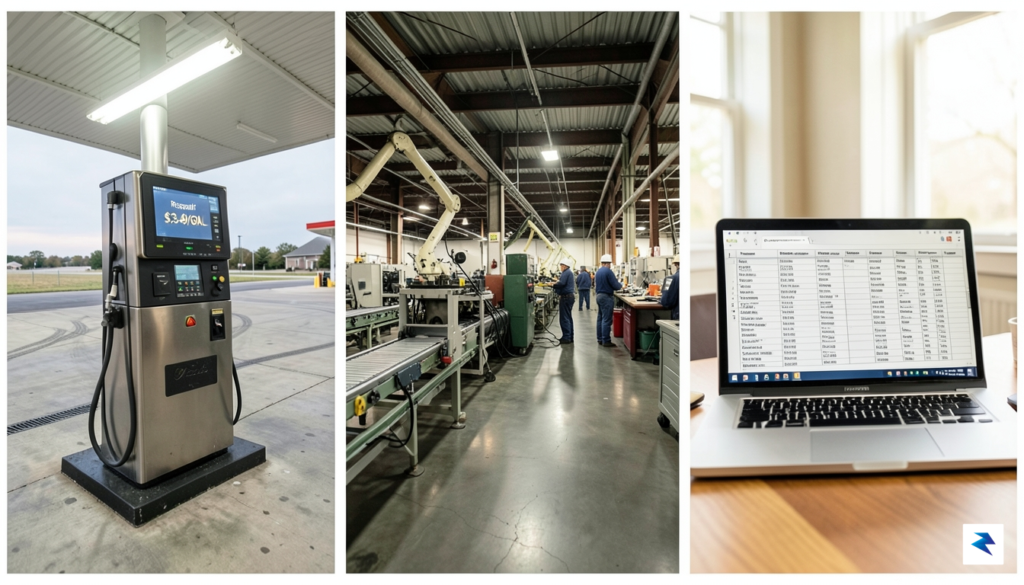
While global energy markets often appear to operate in a distant, abstract sphere, the reality is that the cost of crude oil acts as a fundamental heartbeat for the modern economy. When prices fluctuate—whether due to shifts in geopolitical policy or changes in trade regulations—the impact is almost immediately felt at the local gas pump. For the average consumer, rising oil prices function much like a hidden tax, siphoning disposable income away from discretionary spending and redirecting it toward essential transportation and heating costs. Because gasoline and heating oil are relatively inelastic goods, households have little choice but to absorb these costs, which can stifle broader consumer confidence and dampen retail activity across the board.
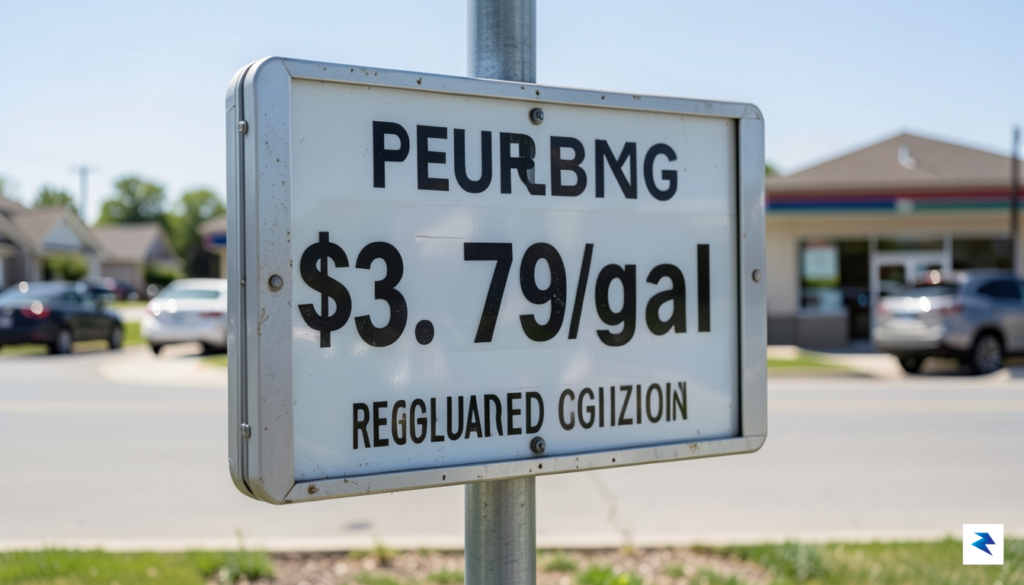
Beyond the personal budget, these energy costs are baked into the price of nearly every physical product we consume. The logistics of the global supply chain rely heavily on diesel-powered shipping, trucking, and air freight; consequently, when fuel prices spike, the “last mile” delivery costs for everything from fresh groceries to electronics surge. Manufacturers, too, face a double-edged sword when energy prices become volatile. Energy is a primary input for industrial production, required to power heavy machinery, refine raw materials, and operate climate-controlled facilities. When the price of crude oil is unpredictable, corporations struggle to forecast operating expenses, often leading them to pass these costs onto the consumer or pause capital investments until market stability returns.
Stable energy prices are the bedrock of macroeconomic predictability, allowing businesses to plan long-term expansion and helping central banks manage inflation targets more effectively.
Ultimately, the correlation between crude oil pricing and macroeconomic health cannot be overstated. Periods of extreme volatility introduce uncertainty that ripples through capital markets, potentially leading to higher interest rates if inflation remains sticky. Conversely, when energy markets find a consistent equilibrium, the entire economic ecosystem benefits from lower overhead costs and more reliable supply chains. By understanding how these daily market shifts translate into the cost of goods and services, consumers can better grasp why trade policy and shipping regulations hold such significant weight in the broader financial landscape. Achieving a balance in energy pricing is not just a concern for oil traders; it is a vital requirement for sustained, healthy economic growth that benefits the entire global community.
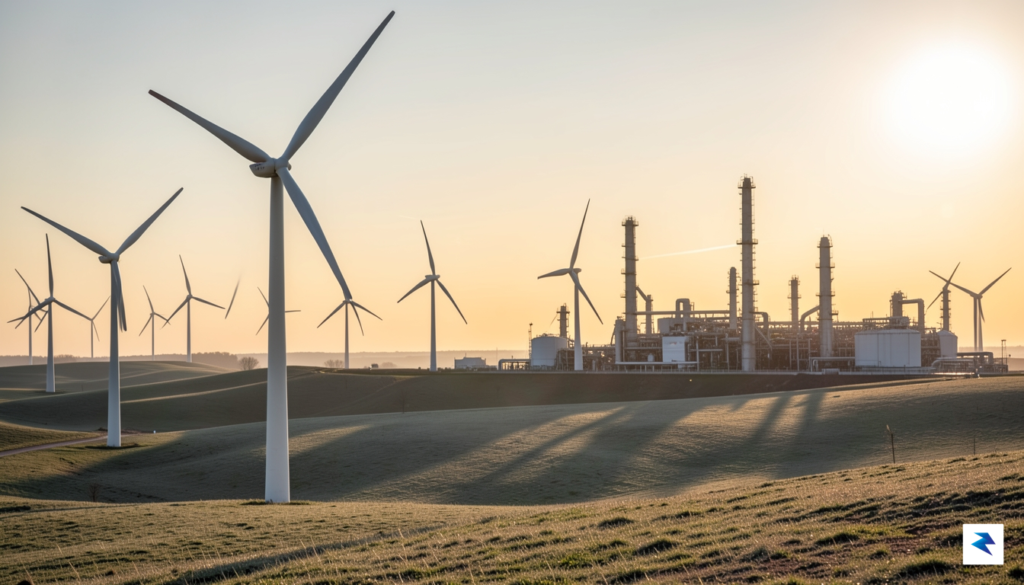
The recent oscillations in global crude prices serve as a potent reminder that the energy sector remains inextricably linked to the whims of political maneuvering. As we look toward the future, the integration of national policy and energy security will continue to be a primary driver of market sentiment. Investors and industry leaders alike must recognize that we are moving into an era where geopolitical narratives—often delivered in real-time via social platforms or sudden policy reversals—can shift supply-demand expectations overnight. Navigating this landscape requires moving beyond a traditional focus on inventory levels and production quotas, necessitating instead a deeper, more nuanced understanding of how diplomatic shifts directly impact the flow of capital and commodities.
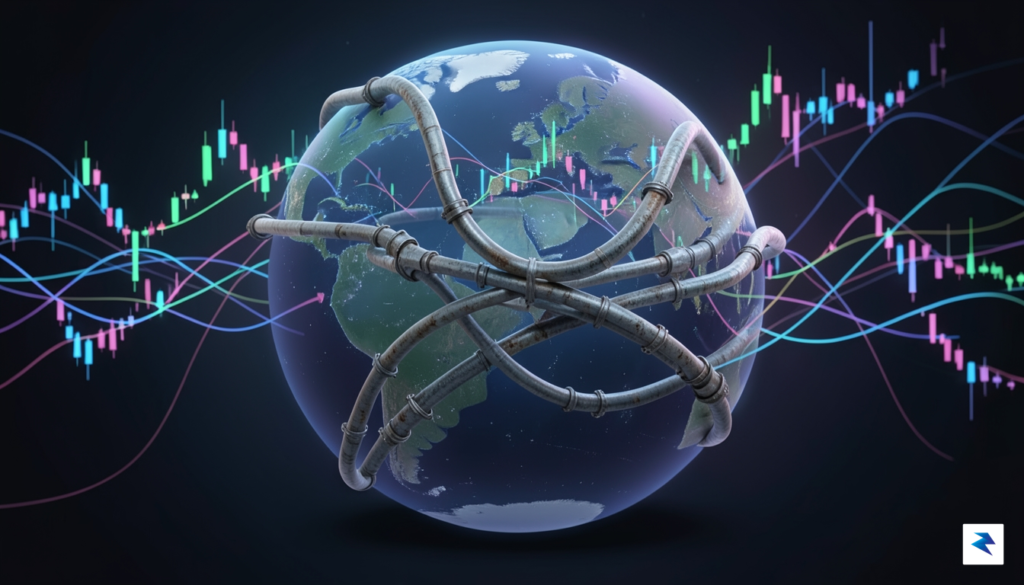
Looking ahead, the potential for market stabilization hinges on whether global powers can establish a predictable framework for trade and shipping, or if the current climate of reactionary policy-making will persist. While sudden shifts in shipping fees or tariffs may cause immediate price dips, the long-term trend remains susceptible to renewed volatility if supply chains become increasingly fragmented. Factors such as the transition to renewable alternatives, the strategic management of national reserves, and the evolving relationships between major producing nations will likely determine whether we see a return to equilibrium or a sustained period of erratic price swings. Consequently, market participants should prepare for a “new normal” where the rapid pace of political change often outstrips the ability of physical markets to adjust.
To thrive in an environment defined by geopolitical uncertainty, stakeholders must prioritize agility over rigid forecasting, ensuring that their portfolios are resilient enough to absorb sudden shocks while remaining flexible enough to capitalize on temporary price dislocations.
For those looking to hedge against this inherent instability, diversification remains the most reliable, albeit imperfect, shield. Industries heavily reliant on fossil fuels are increasingly turning to dual-pronged strategies: securing long-term supply contracts to insulate against spot-price shocks while simultaneously investing in energy efficiency to reduce overall exposure to market volatility. Furthermore, the use of sophisticated financial derivatives allows institutional investors to mitigate the risks associated with abrupt policy shifts. Ultimately, the most successful market participants will be those who view political developments not merely as external noise, but as fundamental data points that must be integrated into their broader risk management frameworks. By fostering a deeper comprehension of how policy influences the global energy architecture, businesses can better navigate the turbulence that is likely to characterize the energy landscape for the foreseeable future.
You must be logged in to post a comment.