How to Claim Your $30 Samsung Galaxy Reservation Credit Before Unpacked
Understanding the Samsung Galaxy Reservation Program To understand how Samsung’s reservation system functions, it is essential to distinguish…


For over a decade, our digital lives have been tethered to the rectangular screens residing in our pockets. We have become a society of reactive users, constantly breaking our focus to pull out a smartphone, unlock a device, and navigate through apps to retrieve information or document a moment. This cycle of engagement is inherently disruptive, creating a barrier between our physical experiences and our digital intent. However, the industry is currently undergoing a fundamental shift toward ambient computing—a paradigm where technology recedes into the background, becoming a seamless layer of intelligence that observes, assists, and interprets the world alongside us without requiring constant manual intervention.
The history of wearable technology has served as a slow-moving precursor to this transition. From the early, cumbersome days of fitness trackers and the initial experimental phase of head-mounted displays, developers have sought to bridge the gap between human biology and machine capability. While these early efforts often struggled with battery life, social acceptance, and practical utility, they laid the groundwork for a more sophisticated integration. We are now moving beyond simple biometric monitoring and notification mirroring; we are entering an era where wearable devices possess the computer vision and linguistic processing power to act as an extension of our own cognitive senses.

Meta’s strategic pivot toward ‘always-on’ smart glasses is the most aggressive move yet to solidify this ambient future. By positioning glasses as the primary interface for digital intelligence, the company is effectively attempting to decouple the user from the smartphone entirely. In this vision, the glasses serve as a perpetual observer, capturing contextual data—what you see, where you are, and what you are doing—to provide proactive assistance. Instead of searching for an answer, the AI interprets your environment in real-time, offering suggestions, translations, or object recognition before you even realize you need them. This moves the technology from being a tool we use to an environment we inhabit.
The true potential of ambient AI lies not in the speed of the hardware, but in the invisibility of the interface. When technology stops demanding our attention and starts anticipating our needs, it ceases to be a distraction and becomes an extension of human intent.
This evolution is essential for the long-term viability of the Metaverse and the integration of multimodal AI. If digital worlds are to coexist with our physical reality, the interface cannot be a handheld device that obscures our view or occupies our hands. Glasses offer the perfect form factor: they are naturally situated in our field of view and are socially accepted accessories. By maintaining an ‘always-on’ state, these devices can build a persistent, context-aware memory of the user’s life, creating a level of personalization that a smartphone simply cannot achieve. As we stand on the precipice of this change, it is clear that the future of digital interaction will not be found on a screen, but rather in the space between our eyes and the world we observe.
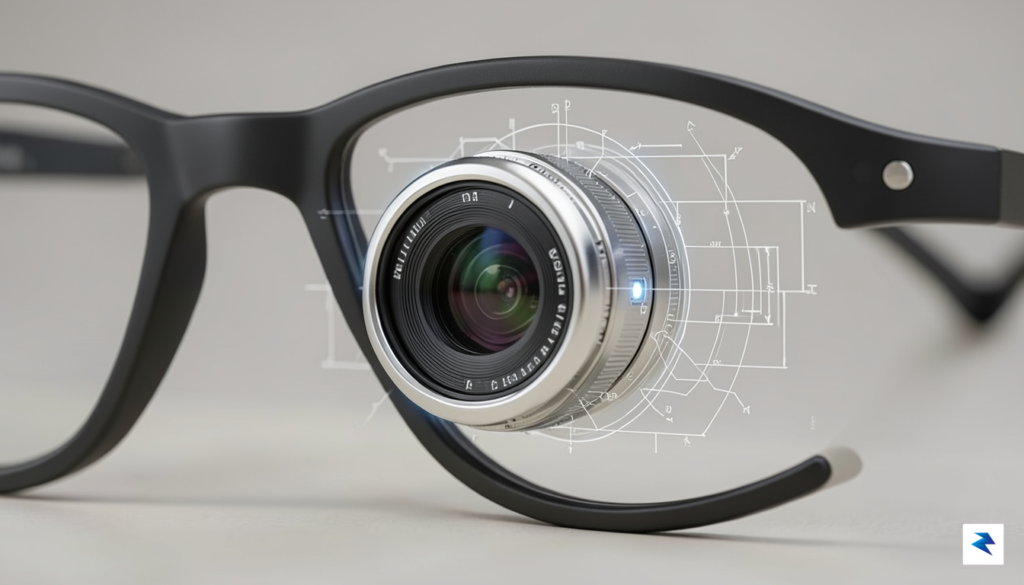
At the core of Meta’s ambitious prototype lies a paradigm shift in wearable technology: the transition from “active capture” devices to “always-aware” ambient assistants. Unlike current smart glasses that require a manual trigger—such as a voice command or a physical button press—to start recording, these next-generation units are designed to ingest sensory data continuously. By constantly streaming visual and auditory input into a localized processing engine, the glasses aim to function as a persistent cognitive surrogate. This implies that the device is essentially “watching” and “listening” to your surroundings in the same way a human brain does, filtering out the trivial while indexing significant events, objects, and conversations into a searchable digital archive.
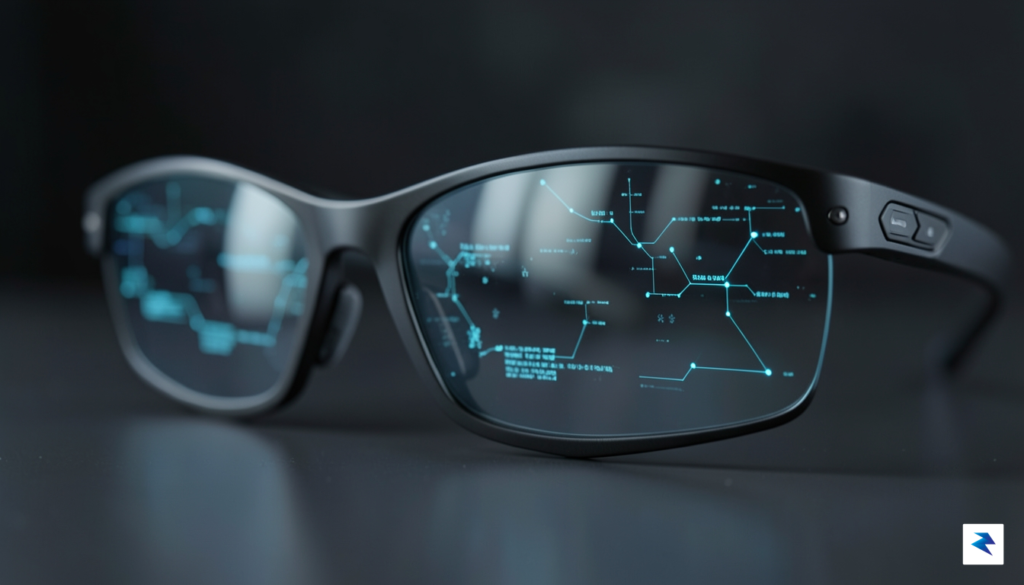
The technical heavy lifting occurs through a sophisticated pipeline of snapshotting and real-time AI inference. As the sensors capture raw data, the system doesn’t merely save a gargantuan, unorganized video file; instead, it uses on-device machine learning models to identify key contextual markers. When a user queries the Meta AI, the system parses these indexed snapshots to reconstruct the requested information. Whether you are trying to recall the name of a person you met three days ago or the specific location where you left your keys, the AI traverses your personal “memory stream” to provide a precise, context-aware answer. This creates a symbiotic relationship between human biological memory and synthetic storage, effectively offloading the burden of total recall to the cloud-connected hardware.
Comparing these “super sensing” capabilities to the current generation of smart glasses reveals a significant technological leap. While existing wearables are primarily focused on occasional media capture—such as taking a quick photo or recording a short video clip for social media—this new iteration is designed for deep integration into the user’s daily life. The “always-on” nature of the sensors necessitates advancements in power management and thermal efficiency, as the device must maintain constant situational awareness without draining the battery or causing discomfort. Furthermore, the shift toward proactive environmental understanding means the glasses can anticipate needs, such as surfacing information about a restaurant you are looking at or transcribing a lecture in real-time, effectively blurring the lines between the physical world and the digital layer projected over it.
The goal is not to record every second for posterity, but to enable an “ambient memory” that allows AI to act as a contextual companion, filling the gaps in human recollection through continuous, intelligent observation.
Ultimately, this technological evolution represents a move toward true ambient computing, where the interface disappears entirely. By processing data as it happens, the glasses eliminate the friction of pulling out a smartphone or navigating through apps to retrieve information. Instead, the user simply interacts with the environment, and the AI acts as a silent partner, ready to provide insights based on the visual and auditory history it has compiled. This level of sensory integration promises to redefine how we perceive our own experiences, turning every walk through the city or meeting in the office into a data-rich, searchable resource.

The transition toward wearable devices capable of constant recording marks a significant shift in how we perceive public and private boundaries. When smart glasses evolve from occasional tools for snapping photos into ambient devices that perpetually capture our surroundings, the “creepy” factor becomes more than just a matter of social etiquette—it becomes a fundamental challenge to personal autonomy. We are moving toward a reality where the simple act of walking down a street or enjoying a coffee could mean being digitized and ingested into a third-party database. This creates an environment of involuntary participation, where individuals who never signed up for a tech ecosystem find themselves as unwilling subjects in a massive, real-time data collection experiment.

At the heart of this tension lies a fragile social contract. Historically, we have operated under the assumption that our public interactions were fleeting and ephemeral, recorded only by the occasional security camera or bystander. If wearable AI becomes ubiquitous, that expectation of privacy effectively evaporates. This shift raises profound ethical questions about consent: is it truly possible to grant permission when you are walking through a crowd filled with recording devices? Furthermore, who owns this data? If Meta or other tech giants store these fragments of our lives, the potential for misuse—whether through predictive advertising, facial recognition, or state-level surveillance—grows exponentially. We must demand clear legal frameworks that protect the individual’s right to be forgotten in a world that never stops watching.
The true cost of ambient computing is not just the price of the hardware, but the erosion of the “anonymity of the crowd” that has long served as a prerequisite for a free society.
To mitigate these risks, developers must prioritize transparency through both hardware and software architecture. Hardware-level indicators, such as a physical, bright LED light that is impossible to obscure or deactivate, could serve as a vital signal to the public that recording is active. However, visual cues are only the first step. A more robust solution involves decentralized data processing, where the raw video or audio streams are processed locally on the device and immediately discarded, rather than being uploaded to the cloud. By ensuring that personal data never leaves the user’s possession unless explicitly shared, companies could theoretically maintain the utility of ambient AI without creating a centralized repository of our most private moments. Ultimately, the success of this technology will depend not on its processing power, but on whether the public feels that their fundamental dignity is being respected rather than exploited.

Engineering a pair of smart glasses capable of constant, high-fidelity recording and real-time AI processing represents perhaps the most difficult balancing act in modern hardware development. The fundamental conflict lies in the laws of physics: to provide a truly seamless “ambient” experience, the device must be lightweight and comfortable enough to wear all day, yet it must house enough computing power to run advanced neural networks and high-resolution sensors. Shrinking these complex systems into a frame that doesn’t feel like a heavy, heat-generating brick on the bridge of your nose is the industry’s current “holy grail,” and it requires breakthroughs in both material science and power density that have yet to be fully realized.
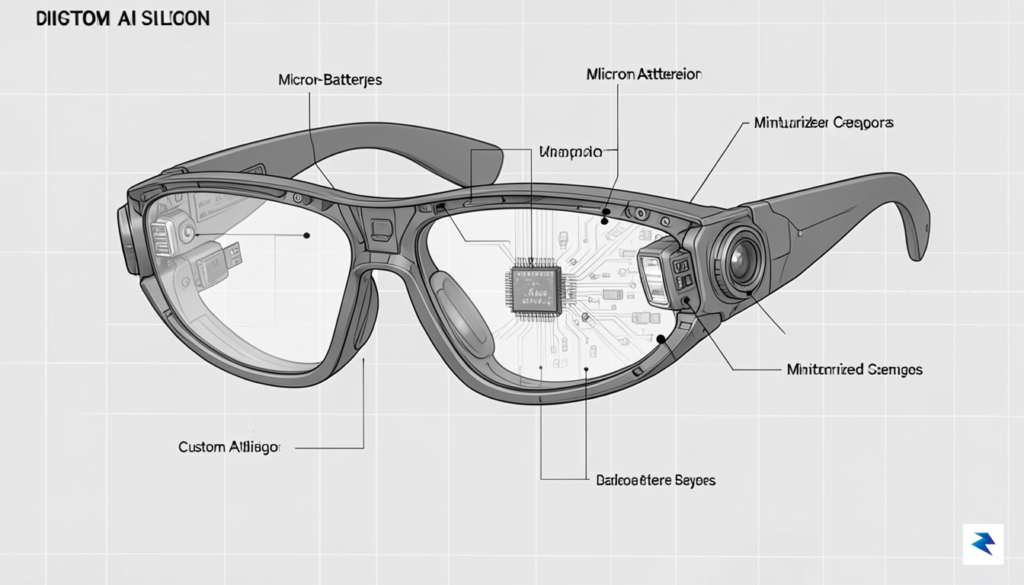
The primary constraint is energy density. Modern AI models, particularly those capable of multimodal understanding—interpreting both video and audio input—demand significant electrical current. Current lithium-ion battery technology simply cannot keep up with the power draw of an “always-on” device without becoming prohibitively bulky. Consequently, Meta’s engineers are likely forced to rely on aggressive power-management strategies, perhaps utilizing low-power “always-sensing” chips that remain in a sleep state until a specific trigger is detected. However, this creates a secondary problem: if the device is constantly throttling its own processing capability to save battery, the quality of the AI’s real-time assistance will inevitably suffer, leading to a sluggish or disjointed user experience.
Thermal management adds another layer of complexity to this already precarious situation. When a processor is pushed to analyze high-definition video frames in real-time, it generates heat that must be dissipated, yet the form factor of glasses offers almost no surface area for cooling fans or heat sinks. If the frames become too warm, they not only become uncomfortable for the user but also risk damaging the sensitive electronics embedded within the plastic or metal housing. Engineers are therefore tasked with developing incredibly efficient, low-heat-output silicon that can perform complex inferencing locally, rather than relying on external cloud servers for every minor calculation.
The challenge is not just shrinking the components, but ensuring that the device can sustain high-level performance without becoming a wearable heat source that compromises user comfort.
Finally, there is the persistent issue of latency. For ambient AI to feel natural, the feedback loop between the world and the wearer must be nearly instantaneous. If the glasses rely entirely on cloud computing, the time required to upload video data, process it in a data center, and stream the response back creates a noticeable delay that destroys the illusion of intelligence. To solve this, Meta must perfect “edge computing,” where the glasses themselves possess enough onboard intelligence to make immediate decisions. Balancing these three pillars—battery longevity, thermal safety, and computational speed—requires a level of hardware miniaturization that pushes the absolute boundaries of what is possible with current technology.
The era of the personal assistant is on the cusp of a profound transformation, moving far beyond the voice-activated speakers we know today. Imagine an AI not just responding to your commands, but silently observing, learning, and anticipating your needs, all through the lens of always-on smart glasses. This isn’t merely about convenience; it’s about fundamentally redefining human memory and productivity. Our future personal AI will evolve into an invisible, ever-present partner, meticulously cataloging the details of our daily lives that often slip through the cracks of human recall, from the name of a new acquaintance’s pet to the exact location where you last saw your keys.
This continuous recording capability unlocks unprecedented memory enhancement. Consider the myriad social interactions where recalling a specific detail can forge stronger connections: the AI could discreetly prompt you with a client’s favorite sports team mentioned in a prior conversation, or remind you of a friend’s recent travel plans. Beyond social graces, this extends to practical applications. Never again would you forget where you parked in a sprawling lot, or struggle to recall the precise terms of a phone conversation with customer service from weeks ago. The AI, acting as your extended digital memory, could instantly replay key moments, offering unparalleled recall and significantly reducing the cognitive load we often carry trying to remember every crucial detail.
Beyond personal recall, the impact on professional work environments would be revolutionary. Meetings, for instance, could become incredibly efficient; instead of frantic note-taking, the AI would capture every word, action item, and decision made, creating an instantly searchable transcript. Imagine reviewing a complex project discussion and immediately being able to pinpoint who committed to which task, or revisiting a client presentation to recall their specific feedback on a design iteration. This level of comprehensive documentation not only boosts individual productivity but also fosters a more informed, less error-prone collaborative workspace, allowing professionals to focus on strategic thinking rather than the mechanics of information retention.
Looking ahead, this foundational technology is poised to integrate seamlessly with augmented reality (AR) and the broader AI ecosystem, creating an even more immersive and proactive form of assistance. Picture AR overlays that display a person’s name and relevant context as you look at them, or subtle directions appearing in your field of view for a place you mentioned wanting to visit last week. Furthermore, this always-on AI could anticipate your needs, leveraging past data and current context to offer predictive assistance – perhaps suggesting a relevant document for an upcoming meeting based on your calendar and recent conversations, or even reminding you to pick up a specific grocery item based on a casual remark made days earlier. The ultimate vision is an AI that doesn’t just respond, but intelligently anticipates and augments your reality, becoming an indispensable, silent co-pilot through the complexities of modern life.
You must be logged in to post a comment.