
ASML vs. The US: The Truth Behind EUV Export Allegations
The Complexity of EUV Export Controls At the very heart of the global technological competition, particularly in the realm of advanced…
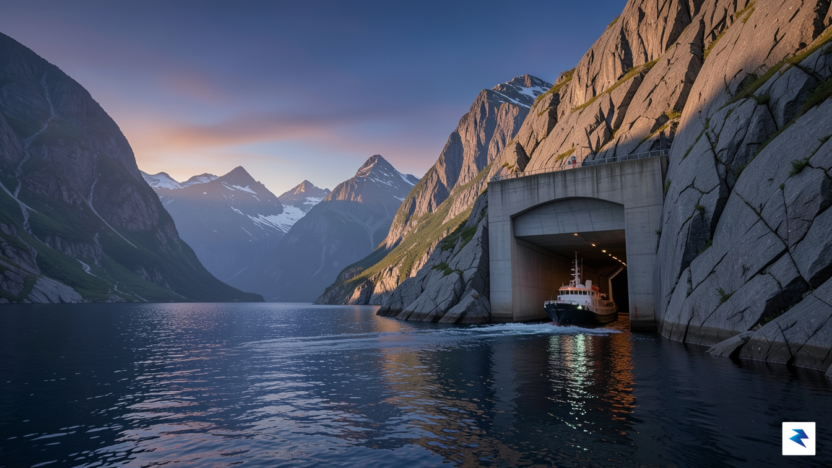
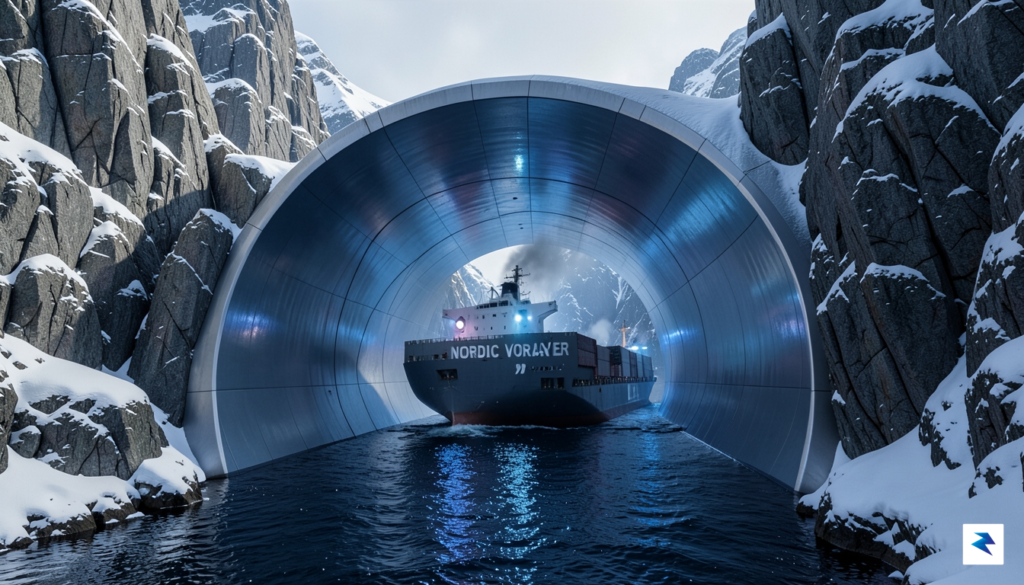
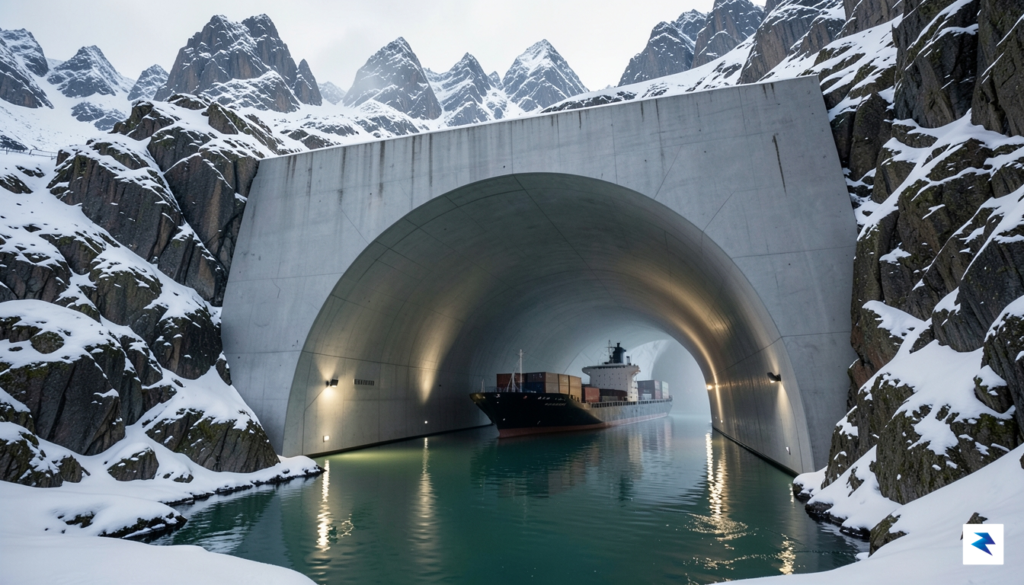
For centuries, the Stadhavet Sea has stood as a formidable barrier to maritime traffic, earning a reputation as one of the most perilous stretches of coastline along the Norwegian shore. Characterized by volatile weather conditions, towering waves, and complex current systems, this area has long forced captains to wait for calm windows before attempting passage. Now, the Norwegian government has officially greenlit a project that will forever alter the maritime landscape: the construction of the world’s first full-scale ship tunnel. This monumental undertaking is not merely a shortcut; it is a sophisticated engineering solution designed to bypass the treacherous open waters of the Stad peninsula, effectively creating a sheltered, reliable corridor for vessels of all sizes.
The complexity of this project lies in the sheer scale of the excavation required to carve a passage through solid rock. Engineers are tasked with blasting through nearly two kilometers of mountainous terrain to create a tunnel capable of accommodating large cruise ships and cargo vessels. By merging ancient tunneling techniques with state-of-the-art precision technology, the project team aims to ensure structural integrity while maintaining safety standards that are unprecedented in civil engineering. This endeavor represents a significant departure from traditional canal building, as it forces humanity to confront the physical limits of mountain tunneling while simultaneously addressing the fluid dynamics of sea-level water management within a confined space.
“The Stad Ship Tunnel is a groundbreaking project that combines the necessity of maritime safety with the audacity of modern civil engineering, setting a new global benchmark for how we navigate the world’s most difficult coastlines.”
Beyond the technical statistics, the significance of this project is deeply rooted in its promise of safety and efficiency. By providing a secure alternative to the open sea, the tunnel will drastically reduce the risk of accidents and shipwrecks in the Stadhavet region, ultimately saving lives and protecting the marine environment from the dangers of fuel spills and cargo loss. Furthermore, the reliability of this route will provide a massive boost to regional logistics, allowing for more predictable scheduling of coastal traffic. As the first of its kind, the Stad Ship Tunnel serves as a testament to Norway’s commitment to pushing the boundaries of what is possible, proving that even the most daunting geographical challenges can be overcome through human ingenuity and vision.
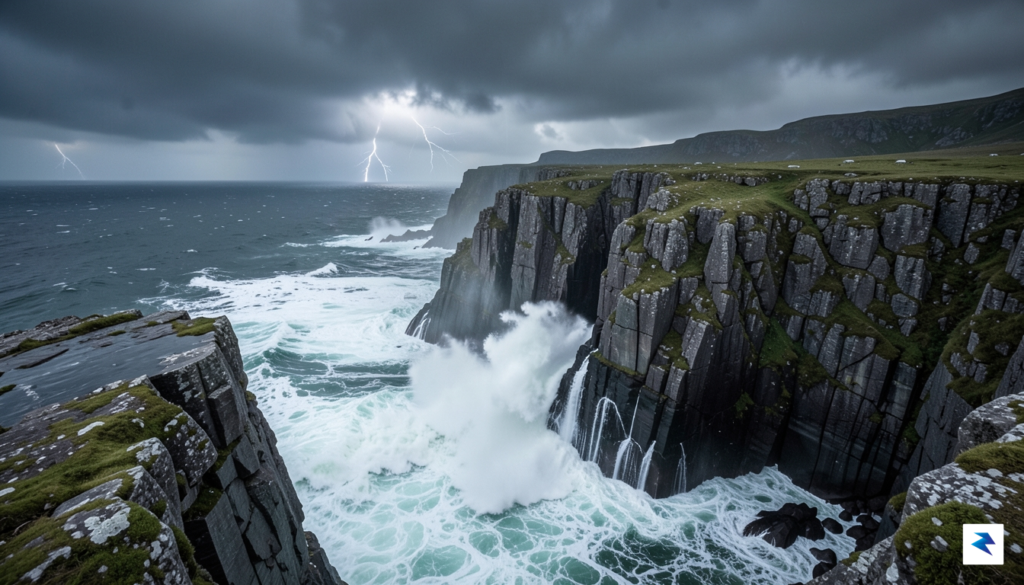
The Stadhavet Sea, located along the rugged western coastline of Norway, is widely regarded by maritime experts as one of the most perilous stretches of water in the world. This particular region acts as a collision zone where the open, aggressive currents of the North Sea encounter the restrictive, shallow topography of the Norwegian coast. The combination of intense wind speeds and the convergence of different wave systems creates a chaotic environment characterized by “short, steep waves” that can strike a vessel from multiple directions simultaneously. These unpredictable cross-seas are notoriously difficult for even experienced captains to navigate, as the water depth changes abruptly near the coastline, causing waves to amplify in height and force with little warning.
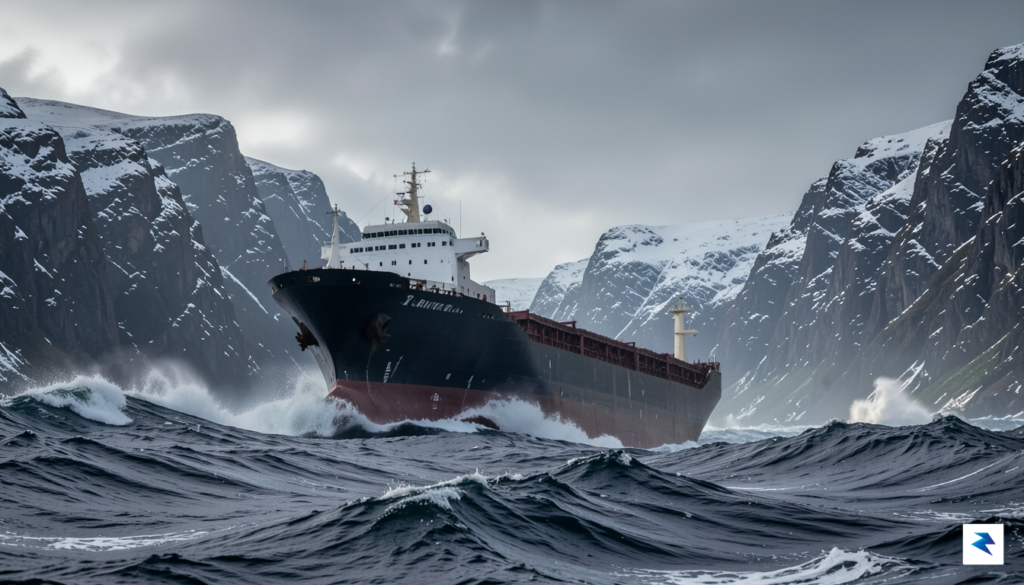
For centuries, the Stadhavet area has been a graveyard for vessels, with a historical record marked by hundreds of maritime accidents and tragic losses of life. The geography of the Stad Peninsula forces ships into an exposed position where they have nowhere to retreat once they commit to the passage. Because the seabed rises sharply toward the shore, the water becomes aerated and unstable, leading to a phenomenon where ships lose their ability to maneuver effectively. Mariners have long described the sensation of navigating this stretch as being caught in a washing machine of unpredictable currents, where the structural integrity of a hull is constantly tested by the rhythmic, heavy pounding of the Atlantic swell.
The impact of these conditions on logistics and trade is profound, often resulting in significant economic stagnation for coastal transit. Current maritime operations are frequently subject to lengthy delays, as captains are forced to anchor for days at a time, waiting for a “weather window” that allows for a safe crossing. These wait times are not merely inconveniences; they represent a major bottleneck in the Norwegian coastal transport chain, stalling the delivery of essential goods and hindering the efficiency of the region’s fishing and ferry industries. Statistics from the Norwegian Coastal Administration highlight that on the worst days, winds can reach hurricane force, making it physically impossible for smaller vessels to attempt the passage at all.
The Stadhavet Sea is not merely a challenge of navigation; it is a fundamental constraint on the safety and reliability of Norway’s entire maritime infrastructure, demanding a radical engineering solution to bypass the volatility of the open coast.
To understand the sheer scale of the risk, one must consider that the Stadhavet region experiences roughly 100 days of storm-force winds every year. This extreme meteorological volatility means that transit is rarely a straightforward journey, but rather a calculated gamble against nature. By providing a bypass through the solid rock of the peninsula, the planned tunnel aims to transform this treacherous gauntlet into a controlled, sheltered passage, effectively decoupling the safety of commercial shipping from the whims of the North Atlantic’s unpredictable climate.
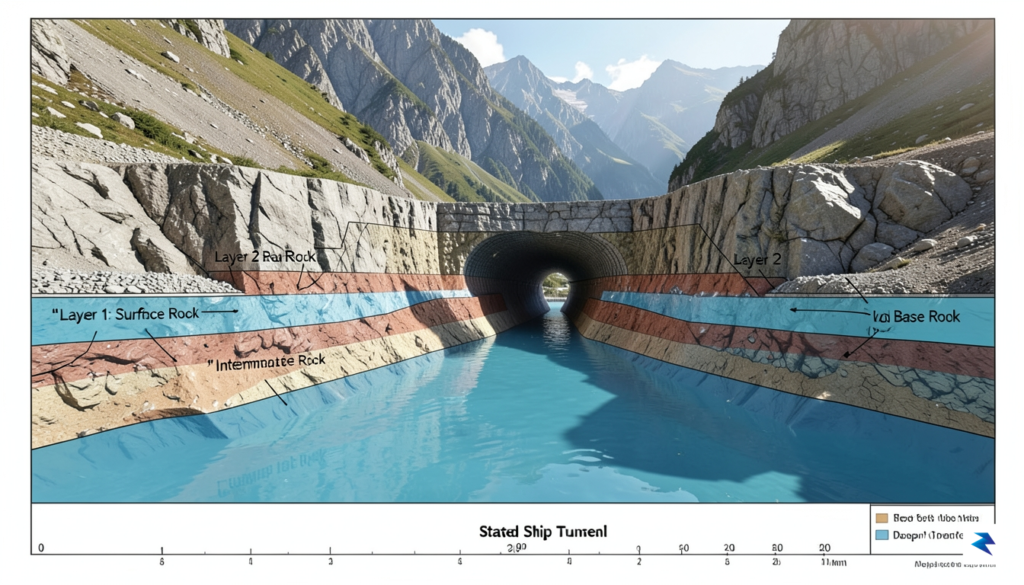
The Stad Ship Tunnel represents a monumental leap in maritime infrastructure, designed to pierce the rugged Stadhavet Peninsula with a span that defies traditional engineering norms. To accommodate large-scale commercial vessels and cruise ships, the tunnel will stretch approximately 1.7 kilometers in length, boasting a cross-sectional area of 1,600 square meters. The interior vault will reach a staggering height of 37 meters and a width of 26.5 meters, ensuring ample clearance for ships to transit safely beneath the weight of the mountain. Achieving these dimensions requires the removal of roughly three million cubic meters of solid rock, a feat of excavation that demands extreme precision to maintain the geological integrity of the surrounding terrain.
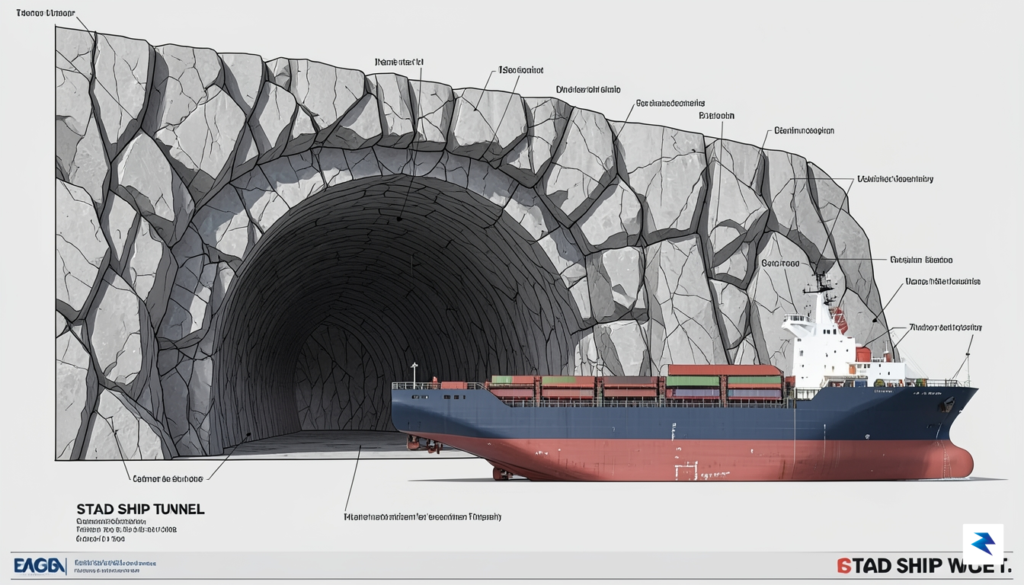
Excavation will rely on a combination of traditional drilling and blasting techniques, carefully calibrated to minimize structural vibrations that could compromise the peninsula’s stability. Given the intense geological pressure inherent in such a massive underground passage, engineers have integrated advanced seismic monitoring systems to detect even the slightest shifts in the rock mass. These sensors work in tandem with rock bolting and the application of sprayed concrete, or shotcrete, to reinforce the walls against the immense external stresses. Furthermore, the tunnel is designed to withstand the volatile environmental conditions of the Norwegian coast, incorporating specialized water management systems to handle the significant influx of moisture and high-pressure seepage that characterizes this region’s subterranean landscape.
The Stad Ship Tunnel is not merely a path through rock; it is a high-tech conduit requiring a sophisticated harmony between heavy civil engineering and digital navigation precision.
Navigating a vessel through a confined mountain passage requires more than just raw scale; it demands cutting-edge safety and guidance technology. Because the tunnel is too narrow for ships to pass one another, a dedicated traffic management system—similar to that used for high-frequency maritime lanes—will be implemented to coordinate transit intervals. Inside the tunnel, sophisticated laser-based positioning systems and automated docking aids will assist captains in maintaining a steady course, compensating for the lack of visual horizons and the potential for atmospheric turbulence within the enclosed space. Ventilation also plays a critical role, as the tunnel must feature a robust air-exchange system to prevent the accumulation of exhaust fumes from vessel engines, ensuring that both the crew and the local environment remain protected throughout the transit.
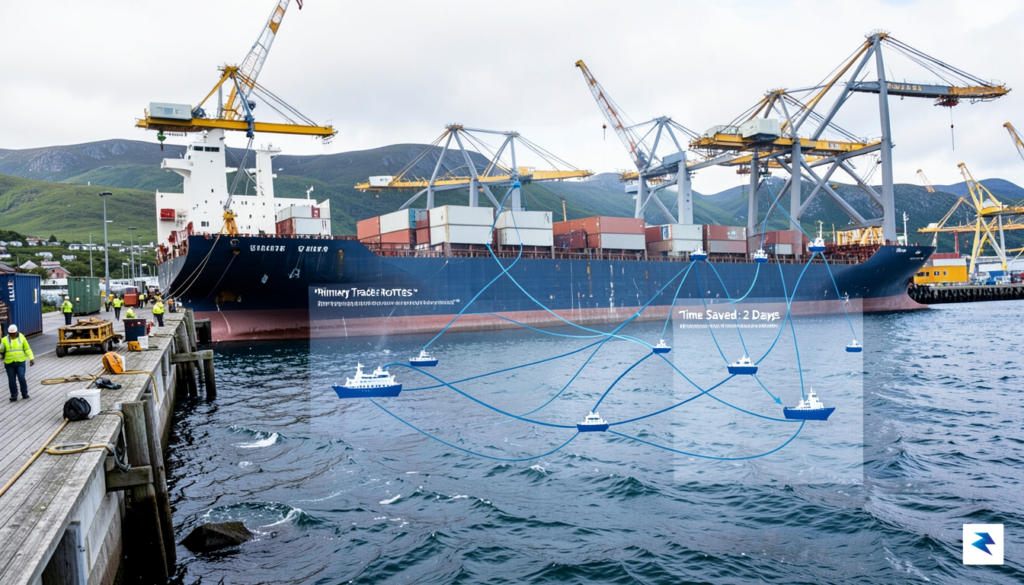
Beyond the sheer engineering ambition of carving a passage through solid rock, the Stad Ship Tunnel represents a fundamental shift in the logic of Norwegian coastal logistics. For decades, the Stadhavet Sea has been notorious as one of the most dangerous stretches of water along the Norwegian coastline, characterized by complex current patterns and unpredictable weather that frequently force vessels to remain anchored in port for days on end. By providing a sheltered, reliable alternative, the tunnel will effectively eliminate these “weather delays,” transforming the predictability of maritime supply chains. This newfound consistency allows businesses to transition from sporadic, risk-averse logistics planning to a synchronized, just-in-time delivery model that integrates more seamlessly with land-based transport networks.
The economic ripple effects of this infrastructure project extend far beyond simple scheduling improvements. By bypassing the treacherous open sea, shipping companies stand to significantly reduce fuel consumption and wear on vessels, as they will no longer need to navigate heavy swells or take lengthy, circuitous detours around the peninsula. This reduction in operational overhead translates into lower shipping costs for regional industries, particularly those reliant on the steady export of Norwegian seafood and raw materials. Furthermore, the tunnel acts as a catalyst for regional growth, as the increased frequency of maritime traffic provides local ports with a steady stream of trade opportunities that were previously hampered by the volatility of the Stadhavet conditions.
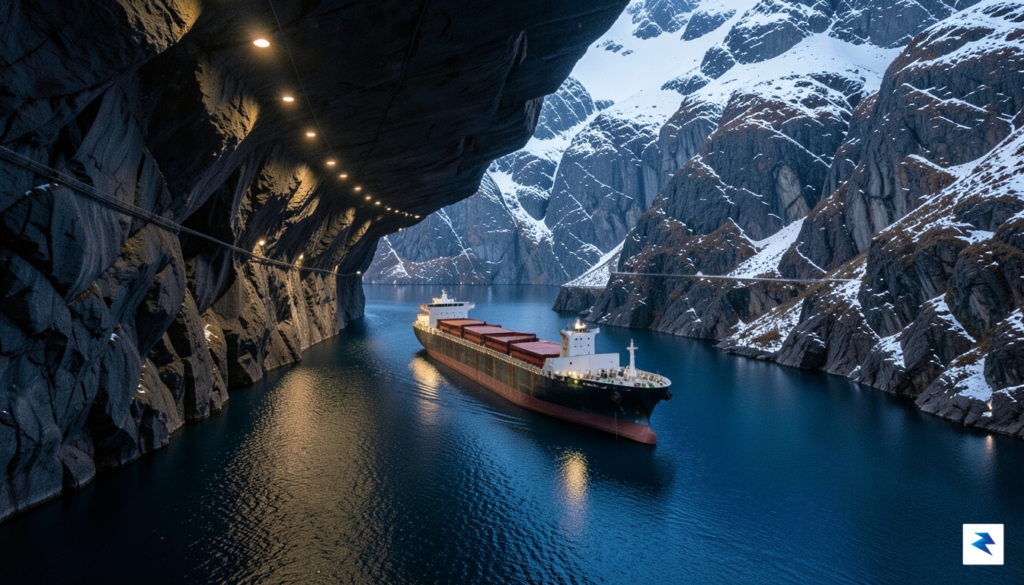
The Stad Ship Tunnel is not merely a shortcut; it is a vital artery designed to stabilize the economic pulse of Norway’s coastal communities by decoupling maritime transit from the whims of the North Sea.
Tourism, a pillar of the Norwegian economy, is also set for a significant transformation once the tunnel opens to commercial traffic. Currently, cruise operators often bypass the Stadhavet area due to the high risk of uncomfortable seas for passengers, effectively removing some of the country’s most scenic coastal regions from major travel itineraries. With the tunnel in place, cruise lines can guarantee a smooth, safe passage regardless of the weather, encouraging a more consistent flow of visitors to smaller coastal municipalities that have previously struggled to attract large-scale tourism. This influx of travelers will provide a vital boost to local hospitality sectors, creating jobs and supporting the preservation of cultural heritage in remote fjord communities that are otherwise difficult to access by road.
Ultimately, the project serves as a masterclass in how targeted infrastructure investment can solve deeply entrenched geographic limitations. By bridging the gap between isolated segments of the coastline, the tunnel fosters a more interconnected domestic market, reducing the regional disparities that have long defined the Norwegian periphery. As logistics chains become more robust and transit times become standardized, the entire regional economy stands to benefit from a more cohesive, efficient, and resilient maritime infrastructure that is prepared for the challenges of the future.
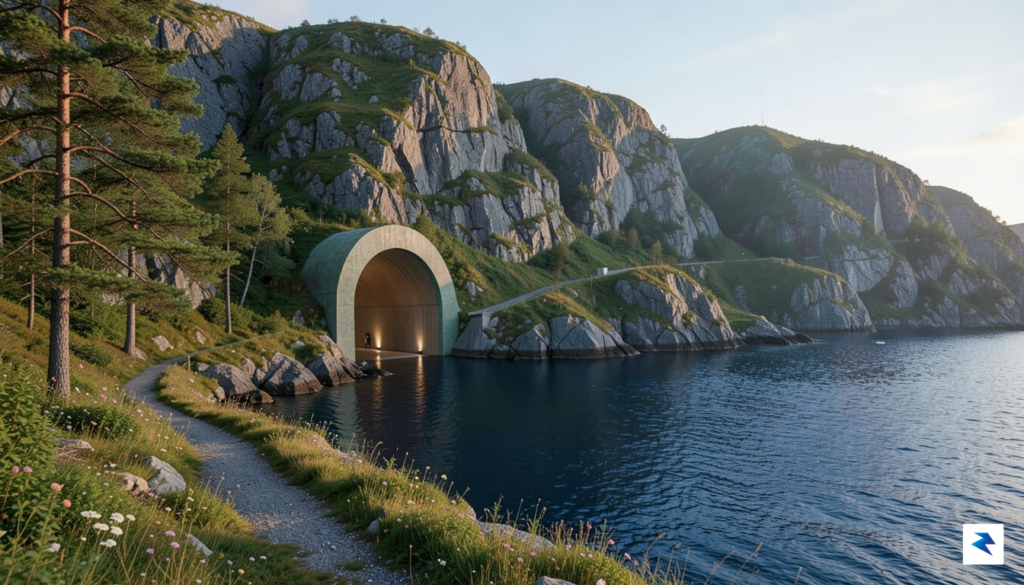
Constructing a massive tunnel through the Stad peninsula is an engineering feat of unprecedented scale, yet the Norwegian Coastal Administration recognizes that such an ambitious project must exist in harmony with the delicate marine environment of the region. To achieve this, the project team has implemented a robust framework of environmental safeguards designed to minimize the ecological footprint from the initial excavation phase through to long-term operational use. By prioritizing sustainable engineering, the project aims to set a global benchmark for how large-scale maritime infrastructure can coexist with vulnerable coastal ecosystems.
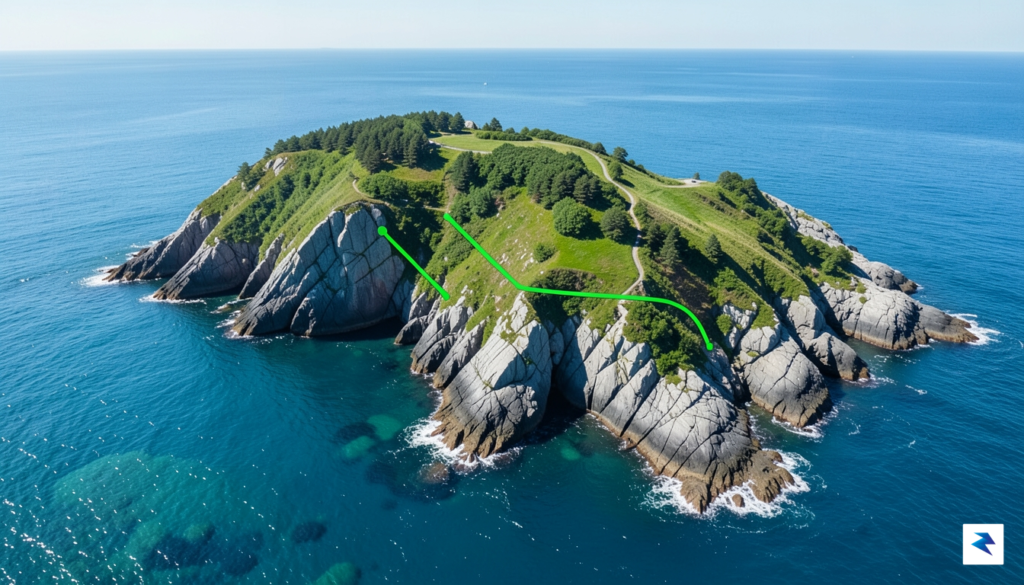
A primary concern during the construction phase is the responsible management of the millions of tons of rock displaced by the excavation. Rather than treating this material as waste, engineers have devised a strategy to utilize the excavated granite for land reclamation and port development projects in the local area. This circular approach not only reduces the carbon footprint associated with transporting heavy debris but also prevents the environmental degradation that would occur if such large quantities of material were dumped into the marine environment. By repurposing this rock, the project effectively transforms a byproduct of construction into a valuable resource for local infrastructure growth.
The project also places a heavy emphasis on protecting marine biodiversity, particularly concerning noise pollution. Underwater noise can have devastating effects on fish populations and marine mammals, which rely on sound for navigation and communication. To mitigate this impact, contractors are required to utilize advanced drilling techniques that keep acoustic disturbances within strictly monitored thresholds. Furthermore, the project has committed to the following long-term environmental strategies:
The goal of the Stad Ship Tunnel is not just to provide a safer passage for sailors, but to ensure that the natural beauty and ecological integrity of the Stad peninsula remain preserved for future generations.
Ultimately, the successful delivery of this passage depends on a delicate balance between mechanical efficiency and environmental stewardship. By integrating these comprehensive mitigation measures, Norway is demonstrating that large-scale infrastructure projects can be both transformative for the economy and responsible stewards of the natural world. As the project progresses, the commitment to transparency and rigorous environmental monitoring will remain a cornerstone of the construction process, ensuring that the legacy of this tunnel is defined as much by its sustainability as by its engineering prowess.

With the final green light officially granted, the ambitious Stad Ship Tunnel project is now poised to transition from decades of meticulous planning into its active construction phase. This monumental undertaking, set to commence excavation in early 2024, marks a pivotal moment for maritime navigation along Norway’s treacherous Stadhavet peninsula. The Norwegian Coastal Administration projects an estimated completion timeframe of five to six years, suggesting the world’s first full-scale ship tunnel could be open to traffic by late 2029 or early 2030, fundamentally reshaping coastal shipping routes and ensuring vastly improved safety for vessels navigating these notoriously difficult waters.
The construction itself will be an engineering marvel, involving the excavation of approximately three million cubic meters of solid rock to carve a 1.7-kilometer-long, 36-meter-wide, and 49-meter-high passage through the mountain. This colossal endeavor will employ state-of-the-art tunneling techniques, primarily drill and blast methods, executed with precision to minimize environmental impact and disruption to local communities. During peak construction, a dedicated workforce of hundreds of engineers, technicians, and skilled laborers will be on site, meticulously shaping the tunnel. Beyond the raw excavation, extensive work will be required for internal outfitting, including advanced navigation systems, robust ventilation, emergency exits, and comprehensive safety protocols, all designed to ensure seamless and secure passage for a diverse range of maritime traffic.
Once operational, the Stad Ship Tunnel is envisioned as a vital artery, significantly enhancing the efficiency and safety of coastal transport. It will accommodate passenger and freight vessels up to 16,000 gross tons, offering a sheltered alternative to the often-stormy Stadhavet Sea, which is notorious for its challenging currents and high waves. This not only promises a smoother, more predictable journey for commercial shipping but also opens up new possibilities for the region’s burgeoning tourism industry, allowing cruise ships and leisure craft to safely explore Norway’s stunning western coastline year-round. The consistent and reliable passage will undoubtedly foster economic growth in the Nordfjord and Sunnmøre regions, reducing transit times and fuel consumption while mitigating the risks associated with adverse weather conditions.
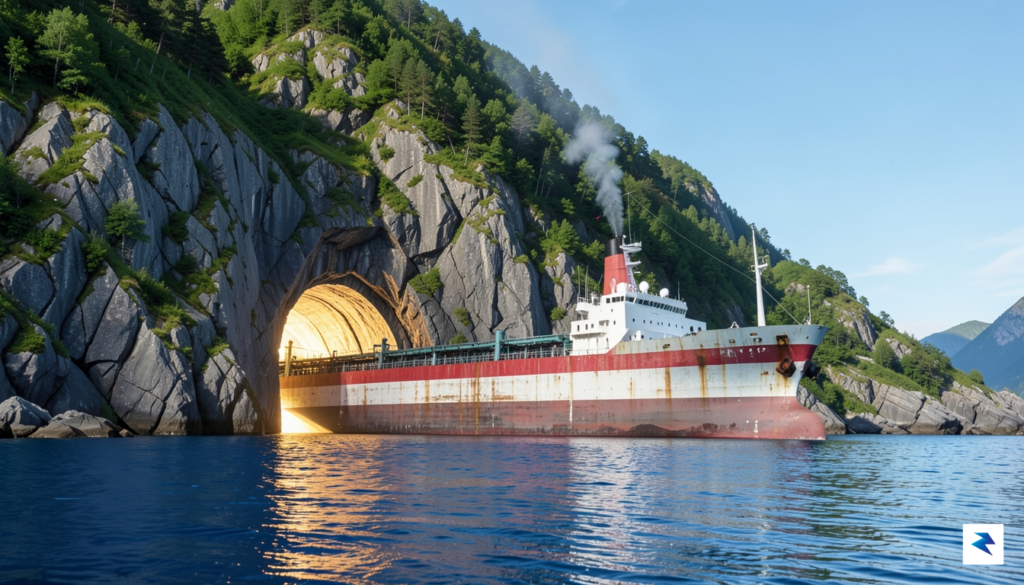
The long-term vision for the Stad Ship Tunnel extends far beyond its immediate operational benefits; it serves as a groundbreaking proof-of-concept for similar infrastructural solutions globally. The success of this project could inspire other nations facing hazardous maritime choke points to consider similar audacious engineering feats, thereby ushering in a new era of infrastructure development aimed at enhancing global maritime safety and efficiency. Experts are already discussing how the techniques and lessons learned from Norway could be applied in other challenging coastal environments, potentially leading to a network of protected waterways that bypass treacherous natural obstacles. This innovative approach to maritime engineering could fundamentally alter global shipping routes, making them safer, more reliable, and more environmentally sustainable.
Ultimately, the Stad Ship Tunnel’s legacy will be multifaceted. It stands as a powerful testament to human ingenuity and Norway’s unwavering commitment to innovation, demonstrating the capacity to overcome formidable natural barriers through advanced engineering. More profoundly, it represents a significant step towards safer and more sustainable maritime practices, providing a crucial lifeline for coastal communities and industries. As the first of its kind, the tunnel will not only safeguard countless lives and valuable cargo but also solidify Norway’s position at the forefront of maritime infrastructure development, leaving an indelible mark on the future of global navigation for generations to come.
You must be logged in to post a comment.