
Norway’s Stad Ship Tunnel: Engineering the World’s First Mountain Passage
The Engineering Marvel of the Stad Ship Tunnel For centuries, the Stadhavet Sea has stood as a formidable barrier to maritime traffic, earning…
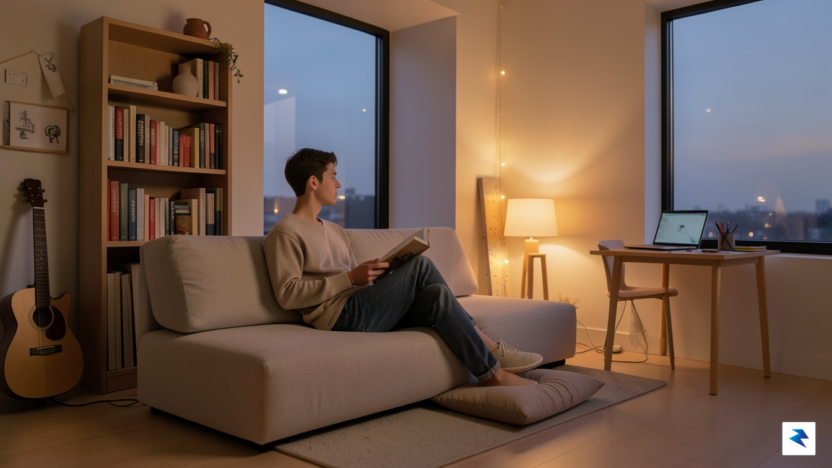
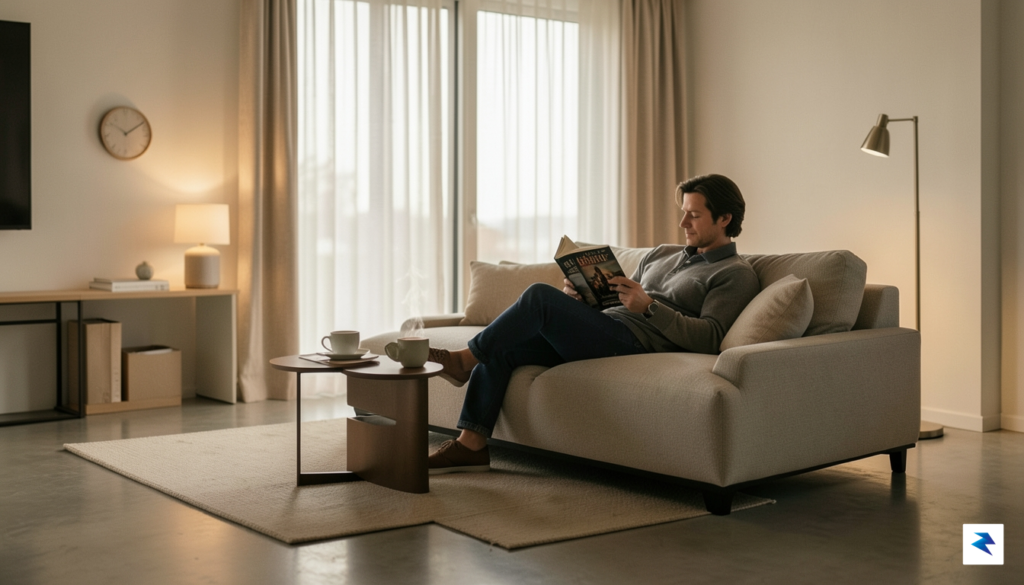
For generations, societal scripts have dictated that the ultimate marker of maturity and success is the transition from a solitary existence to a partnership. To be single was long viewed as a temporary waiting room—a state of “not yet” that implied one was either searching for a missing half or failing to secure the inevitable milestone of marriage. However, a significant cultural pivot is currently underway as Gen Z begins to embrace “solomaxxing.” Far from being a passive byproduct of modern dating fatigue, solomaxxing is an intentional, high-quality approach to living that treats solitary life as a peak state of existence rather than a deficiency. It is a radical rejection of the idea that a household or a life must be shared to be considered complete or meaningful.
The evolution of this mindset represents a departure from the historical stigma that painted the single person as lonely, antisocial, or incomplete. In previous decades, the “spinster” or “bachelor” labels carried heavy social costs, often forcing individuals into domestic arrangements that stifled personal growth for the sake of companionship. Today’s solomaxxers are dismantling these antiquated narratives by curating their lives with the same level of care, investment, and aesthetic intention that society previously reserved for married households. By prioritizing self-development, financial independence, and a bespoke home environment, these individuals are proving that the singular life can be richer, more adventurous, and more deeply satisfying than the compromises often demanded by traditional relationship structures.
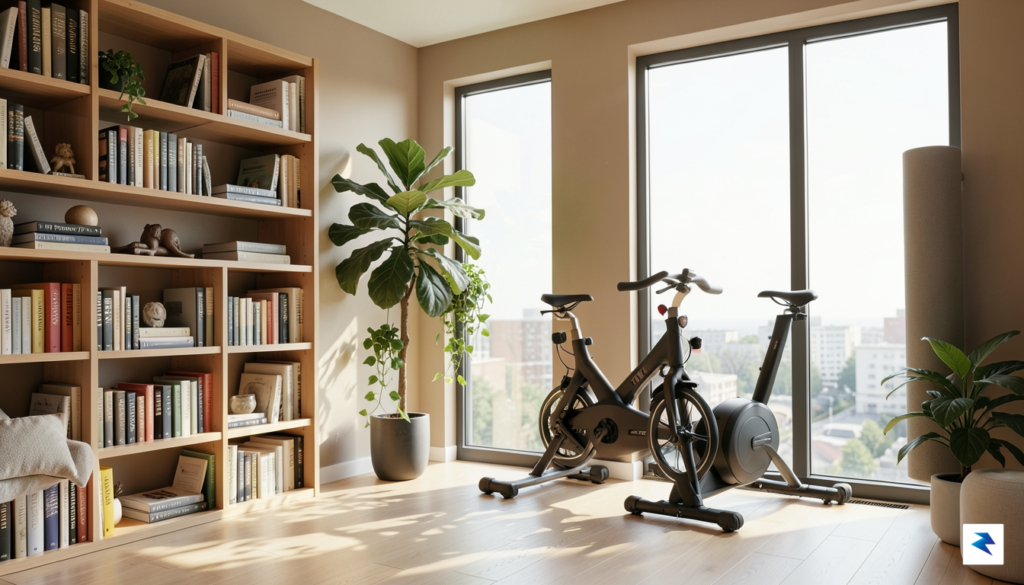
Solomaxxing is not about the absence of others; it is about the presence of self-actualization. It is the act of treating one’s own life as the primary project, rather than the secondary support system for a partner.
This shift is not merely a temporary trend or a defensive reaction to a difficult dating market; it is a fundamental revaluation of how we define fulfillment. Gen Z is increasingly recognizing that the resources—emotional, financial, and temporal—previously poured into the pursuit of a “better half” can be redirected toward personal mastery and community-building in ways that benefit the individual long-term. When the pressure to “settle down” is removed, the canvas of one’s life opens up. Consequently, the focus shifts toward cultivating deep friendships, pursuing ambitious career goals, and engaging in hobbies that require total dedication. Ultimately, solomaxxing offers a new blueprint for adulthood, one where the highest priority is not finding someone else to complete the picture, but rather ensuring that the picture itself is a masterpiece of one’s own design.
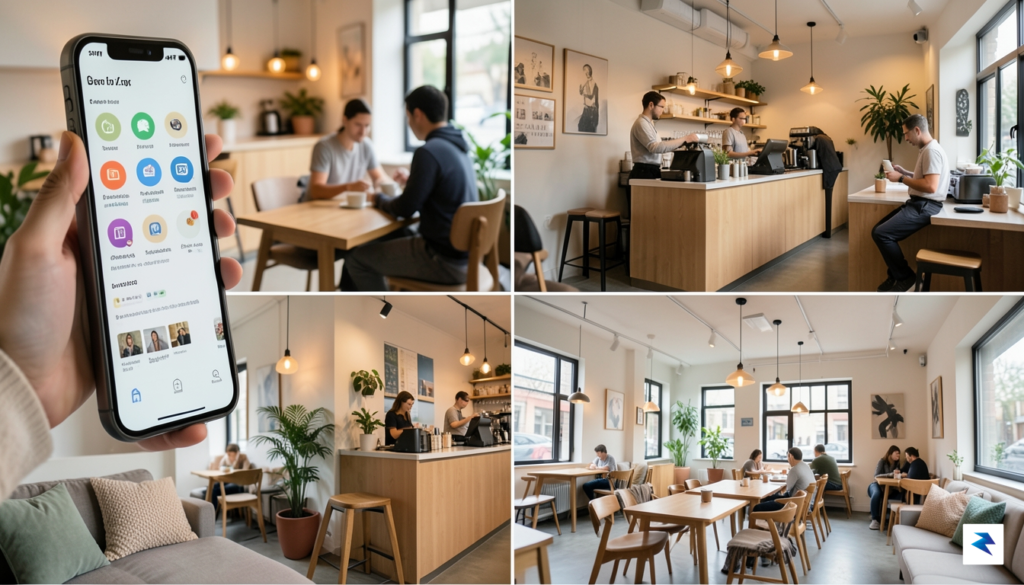
For many members of Generation Z, the traditional pursuit of marriage and domestic nesting is no longer the inevitable finish line of adulthood. Instead, a growing number of young people are leaning into a lifestyle known as “solomaxxing,” a deliberate reclaiming of the single life that prioritizes personal growth, autonomy, and the curation of one’s own space. This shift is largely a reaction to the persistent digital-age burnout that characterizes much of modern life, where the pressure to be constantly available—both in professional roles and in romantic partnerships—has left many feeling tethered and drained. By choosing to remain uncoupled, Gen Z is effectively drawing a boundary, asserting that their mental health and individual development are far more valuable than the performance of conventional social milestones.
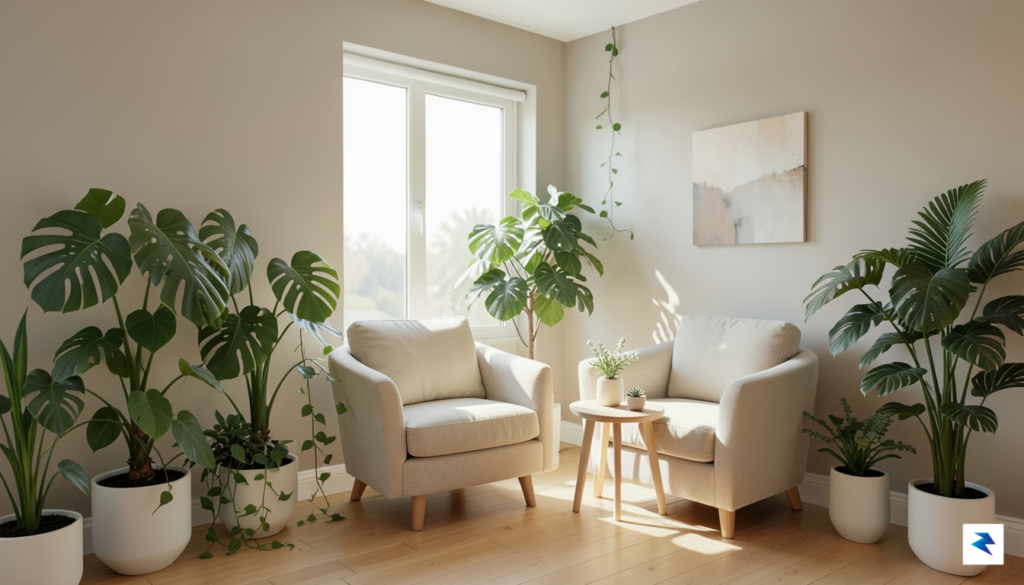
The ubiquity of social media has significantly complicated the quest for self-worth, often turning life into a curated competition of relationship statuses and domestic achievements. In response, younger generations are using solitude as a protective mechanism against the constant external validation demanded by online platforms. Rather than measuring their success by the presence of a partner, solomaxxing encourages the individual to view their time as a finite, precious resource to be invested in self-actualization. This perspective shifts the narrative from the “loneliness” once associated with being single to a powerful, aspirational “autonomy.” It is a radical rejection of the idea that one is incomplete without a romantic counterpart, suggesting instead that the most important relationship a person will ever have is the one they cultivate with themselves.
The core of this movement lies in the realization that freedom is not a void to be filled by a partner, but a canvas upon which to build a life of one’s own choosing.
Furthermore, this generational shift reflects a broader prioritization of experiences over the static markers of success that defined previous decades. Gen Z faces a unique economic and environmental landscape, one that makes traditional milestones like homeownership or early marriage feel increasingly unattainable or even stifling. Consequently, they are opting to trade these rigid societal scripts for a more fluid existence that allows for global travel, creative experimentation, and the pursuit of niche personal interests. By decoupling their identity from relationship status, they are creating a new blueprint for happiness—one that is defined by the depth of one’s experiences and the richness of their internal world rather than the size of their household.

The transition toward a solo-centric lifestyle is far from a mere trend; it is a calculated response to a precarious economic landscape. With the rising costs of housing, groceries, and essential services, the traditional milestones of early adulthood—such as marriage or cohabitation—often feel like financial liabilities rather than assets. For many in Gen Z, the ability to maintain total control over one’s bank account is the ultimate form of stability. By eschewing the shared expenses and complexities of a partnership, young adults are finding that they can allocate their limited resources toward personal debt reduction, investments, or experiences that offer immediate, tangible returns. In this context, financial independence has evolved from a baseline expectation into a guarded luxury, where the ability to live alone or remain uncoupled is viewed as a sign of fiscal maturity.

Beyond the ledger, the psychological impetus for embracing solitude is equally compelling. Modern dating culture, often characterized by performative expectations and digital fatigue, can be a significant source of chronic stress and anxiety. By opting out of the traditional romantic narrative, individuals are effectively removing a major layer of interpersonal complexity, allowing them to redirect that emotional energy toward self-actualization. This “me-first” philosophy is not necessarily born from selfishness, but rather from a desire to cultivate a stable internal environment. When one is not constantly negotiating their identity or schedule with a partner, there is a newfound freedom to pursue personal development, therapy, and hobbies that might otherwise be sidelined.
The true essence of this movement lies in reclaiming the mental bandwidth that is traditionally consumed by the labor of romantic maintenance, redirecting it instead toward self-care and professional growth.
Furthermore, the prioritization of personal well-being is fostering a culture where autonomy is celebrated as the highest form of self-love. This framework encourages young people to build robust, independent lives that do not rely on the validation or presence of another person to feel complete. By leaning into self-care routines and deep personal inquiry, Gen Z is crafting a lifestyle that is resilient, adaptable, and inherently their own. This shift represents a fundamental change in how the next generation perceives value, suggesting that the most meaningful relationship one can cultivate is the one maintained with oneself, free from the societal pressures that have historically dictated the necessity of a partner.
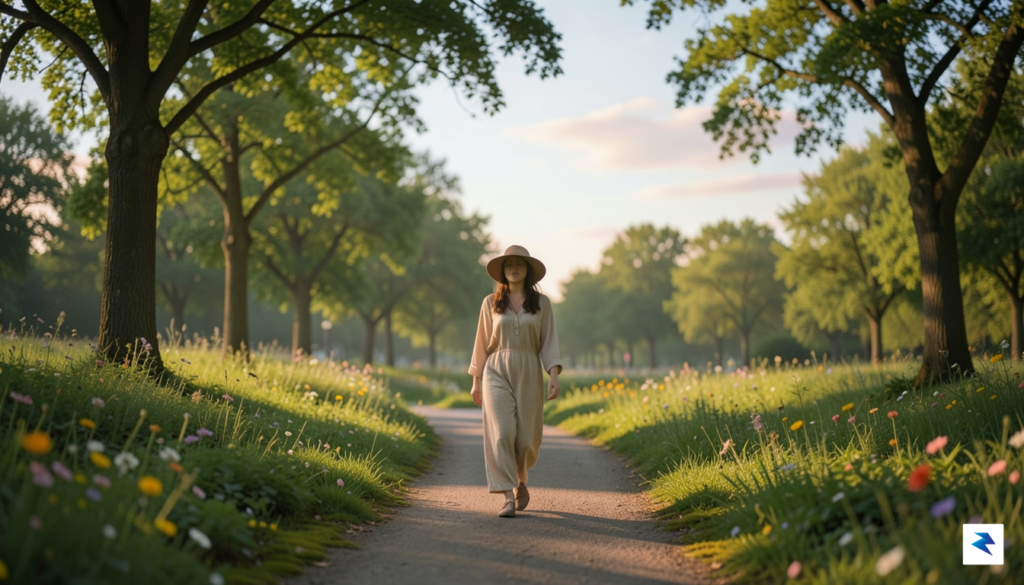
The modern experience of being single is frequently clouded by a pervasive sense of involuntary loneliness, a byproduct of a culture that historically equates partnership with personal success. However, the rise of “solomaxxing” marks a deliberate departure from this narrative, drawing a sharp, essential line between the hollow ache of isolation and the empowering clarity of intentional solitude. While loneliness is often a reactive state—a feeling of being left behind or lacking external validation—intentional solitude is a proactive choice. It is the practice of curating one’s own space, time, and emotional energy to foster self-growth, effectively transforming the absence of a partner from a deficit into a foundational asset for a richer life.
Adopting a solomaxxing lifestyle does not necessitate a retreat from the world; on the contrary, it often requires a more refined approach to community engagement. The misconception that choosing to live alone is synonymous with social withdrawal ignores the reality that solitary living can actually catalyze higher-quality interactions. When an individual is no longer tethered to the obligation of shared domesticity or the pursuit of a singular romantic anchor, they gain the autonomy to participate in various social circles on their own terms. By maintaining a solitary home base, people can engage with friends, colleagues, and community groups with a renewed sense of presence, unburdened by the pressure to perform within a traditional relationship structure.
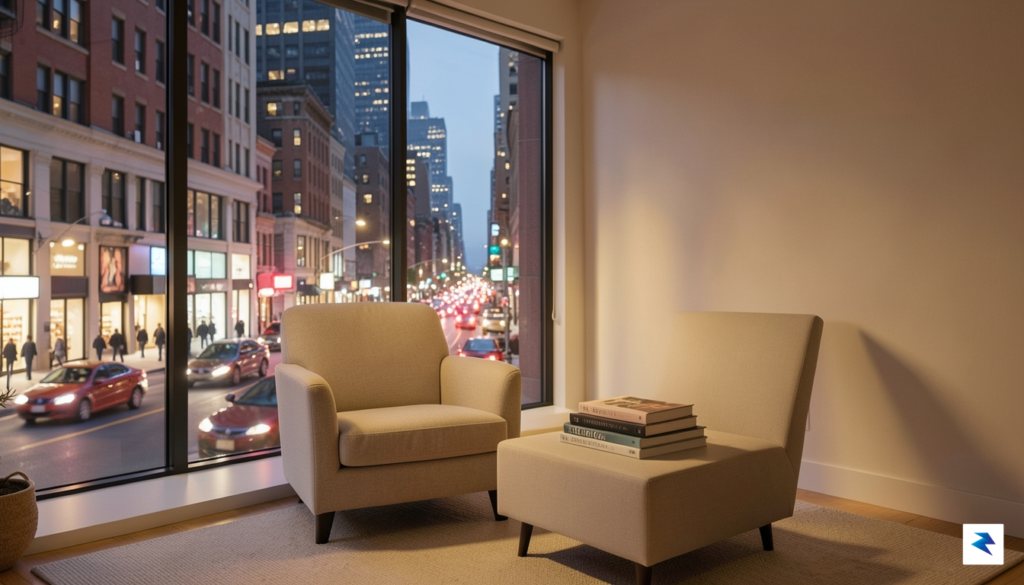
True independence is not found in the absence of people, but in the strength of one’s own company. Solomaxxing is the art of being your own best companion while remaining deeply connected to the world around you.
To strike a healthy balance, those embracing this lifestyle must be vigilant about the difference between self-sufficiency and social stagnation. It is entirely possible to cultivate a life that is both deeply private and outwardly vibrant by setting conscious boundaries. This might mean scheduling weekly communal activities, such as fitness classes or volunteer work, to ensure that the “solo” aspect of one’s life remains a choice rather than an default setting. Ultimately, solomaxxing is about reclaiming the agency to design a life where solitude serves as a launchpad for personal ambition and social fulfillment, rather than a place to hide from the complexities of the outside world.
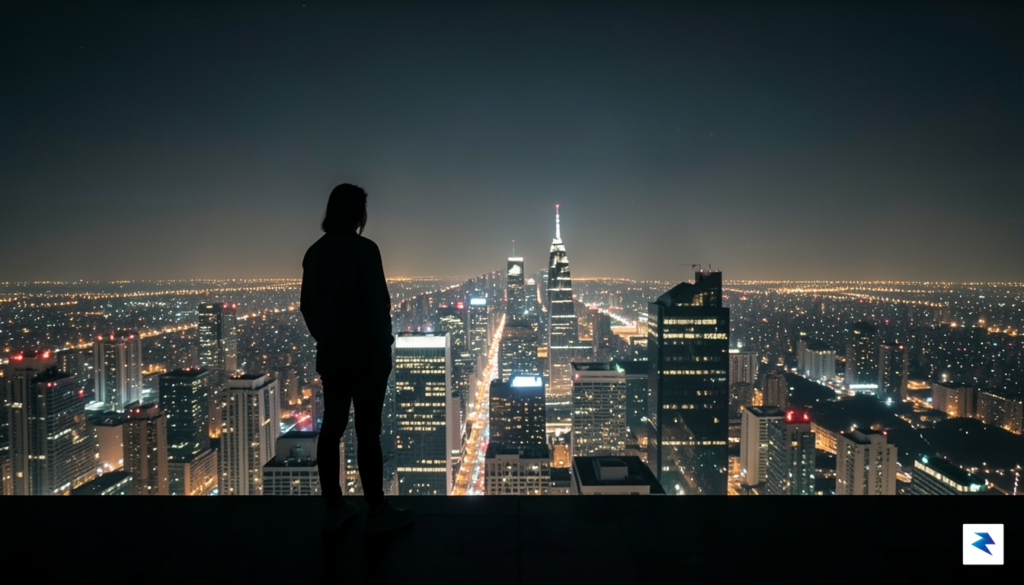
The transition toward intentional solitude—often framed as solomaxxing—raises significant questions about the long-term viability of a life structured entirely around the individual. While the immediate benefits of autonomy, financial freedom, and self-actualization are clear, human beings are fundamentally social creatures who have historically relied on communal bonds for survival and emotional regulation. Over the long term, the primary challenge of this lifestyle lies in the potential for social atrophy. Without the friction and growth that come from shared domestic life or long-term partnership, individuals must work twice as hard to maintain the external support networks that prevent the creeping isolation that often accompanies extended solo living.
Societal infrastructure, however, is notoriously ill-equipped for this shift. Our current systems—from tax codes and housing markets to healthcare and elder care—are largely built upon the nuclear family model. If solomaxxing evolves from a niche trend into a generational standard, cities and policymakers will be forced to pivot. We may need to see a surge in intentional communities, co-housing arrangements, and social spaces designed to facilitate connection outside of the traditional romantic sphere. Without these structural adaptations, those who choose to live alone may find that the cost of independence is a lack of institutional support during life’s inevitable crises.
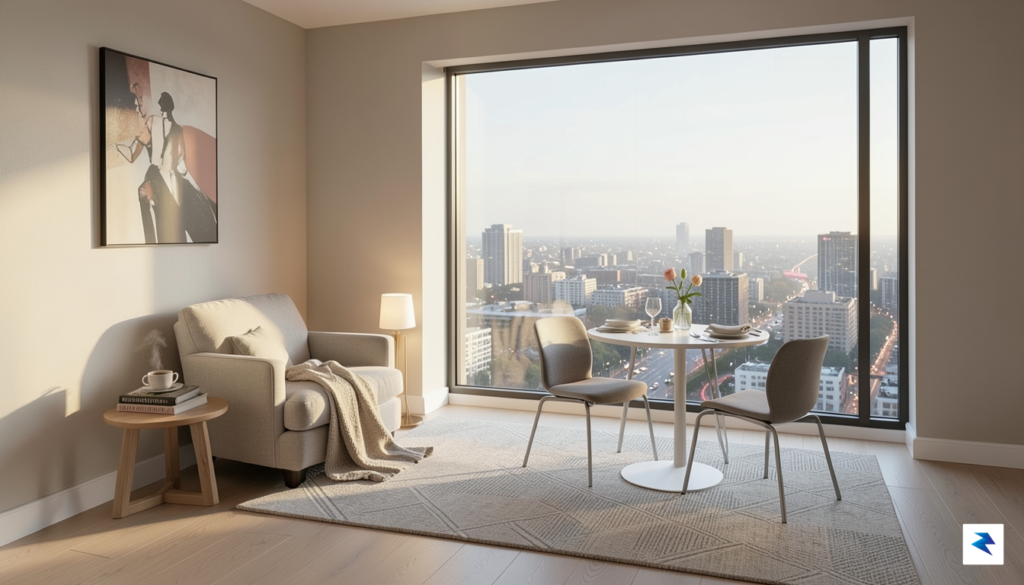
The true test of solomaxxing isn’t the ability to thrive in your twenties, but the capacity to cultivate a rich, interconnected community that endures long after the initial excitement of independence fades.
Ultimately, the long-term success of this movement depends on whether it is viewed as a total rejection of partnership or merely a reconfiguration of intimacy. If solomaxxing is used as a tool to delay or avoid the vulnerability required by deep relationships, it may lead to a profound sense of emptiness later in life. Conversely, if it is treated as a foundation for building a stronger sense of self, it can actually lead to healthier, more intentional relationships in the future. The future of human connection is likely moving away from the binary of “coupled vs. alone” and toward a more fluid spectrum where autonomy is not the enemy of intimacy, but rather its most essential prerequisite. Whether this becomes a permanent cultural fixture or a temporary reaction to current economic pressures will depend on our collective ability to redefine what it means to be truly supported in a modern world.
You must be logged in to post a comment.