Beyond Scraping: How Context.dev Turns Raw Web Data Into AI-Ready Insights
The Evolution of Web Data Extraction For over a decade, the practice of extracting information from the web remained largely stagnant, defined…
For the past few years, the narrative surrounding artificial intelligence has been dominated by Retrieval-Augmented Generation (RAG). While these systems have proven remarkably effective at summarizing documents and answering queries based on static knowledge bases, they fundamentally operate as passive observers. We have spent an era building “chatbots” that can tell you what to do, but are rarely capable of actually doing it. This creates a friction-filled experience where users must copy data from a browser, paste it into an AI interface, and then manually migrate the results back into their professional software suites. The shift we are currently observing is a move toward active agency, where the AI is no longer a consultant, but a collaborative participant in our digital workflows.
The promise of “computer use” agents—systems that can perceive screen pixels and manipulate interfaces like a human—initially seemed like the ultimate solution to this integration gap. However, the reality of deploying these agents is often dampened by significant technical hurdles. Relying on visual inference models to “see” a web page introduces massive latency, as the agent must constantly re-process frames to understand the state of a UI. Furthermore, the token consumption required to maintain this visual awareness can become prohibitively expensive, turning simple task automation into a high-cost endeavor. We are finding that asking an AI to “act like a human” is often less efficient than providing it with a direct, machine-readable understanding of the application’s underlying logic.
This is where the paradigm of reverse-engineering web applications emerges as a sophisticated alternative to traditional, fragile API wrappers. Rather than waiting for official developer documentation or struggling with screen-scraping bots that break every time a CSS class is renamed, developers are beginning to treat web applications as programmable environments. By analyzing the network traffic and internal data structures that power these apps, we can construct lightweight, reliable tools that allow AI agents to communicate directly with the backend logic. This approach transforms any web platform—from internal CRMs to niche project management software—into an extensible tool for autonomous agents.
The most effective agents of the future will not be those that mimic human clicking, but those that speak the native language of the web applications they inhabit.
By shifting from visual interaction to structured data manipulation, we effectively solve the “last mile” problem of AI integration. Instead of forcing an AI to interpret a complex dashboard visually, we can provide it with specific, targeted endpoints that mirror the app’s internal capabilities. This not only reduces the cognitive load on the language model but also drastically increases the speed and reliability of the automated task. As we refine these reverse-engineering techniques, we are moving away from the brittle, surface-level automation of the past and toward a future where our digital tools are natively designed to be orchestrated by AI.

Today’s digital world is a sprawling metropolis of web applications, each meticulously designed with its own unique architecture, logic, and user interface. While this diversity fosters innovation, it also creates a significant chasm for AI agents tasked with seamless interaction and automation. For an AI agent attempting to navigate this landscape without native support, the experience is akin to trying to solve a complex puzzle where the pieces not only change shape unpredictably but also demand a different set of tools for each individual piece. This inherent lack of standardization fundamentally undermines the scalability of current AI-app connectivity methods.
The primary hurdle lies in the highly proprietary nature of modern software. Unlike a standardized operating system or a universally adopted API specification, most web applications are built on a “spider web” of bespoke APIs, internal protocols, and custom data models. This intricate, often undocumented, infrastructure is largely invisible to external AI systems. Consequently, integrating an AI agent with such an application becomes a custom engineering project every single time. There are no universal blueprints or common languages; instead, each new app demands a deep dive into its unique structure, making truly generalizable and scalable integration an elusive goal for traditional approaches.
This proprietary complexity often forces AI agents to resort to ‘computer vision’ or pixel-based navigation, effectively teaching the AI to “look” at the screen and “click” buttons like a human. While impressive in demonstrations, this method is inherently slow, resource-intensive, and incredibly brittle in practice. A minor UI change—a relocated button, an updated color scheme, or even a different screen resolution—can completely break the agent’s understanding, rendering it useless until meticulously re-trained. Furthermore, relying on visual cues means the agent is always reacting to the surface, never truly understanding the underlying data or logic, which severely limits its capacity for intelligent, proactive problem-solving or robust error handling.
Beyond mere navigation, the authentication landscape presents another formidable barrier to scalable agent interaction. Modern web applications employ a dizzying array of security models: from traditional username/password forms to sophisticated JWTs (JSON Web Tokens), session cookies, OAuth flows, and even proprietary multi-factor authentication systems. Each system demands a specific handshake, often involving complex cryptographic exchanges or time-sensitive tokens that require constant refreshing. This makes it exceedingly difficult for a generalized AI agent to maintain persistent, secure access without being hardcoded for every single application, transforming what should be a straightforward login into a convoluted, application-specific challenge.
Consequently, relying on these traditional methods—whether it’s brute-force screen scraping, brittle UI automation, or ad-hoc Retrieval Augmented Generation (RAG) approaches that treat UI elements as mere text—results in bespoke, one-off solutions that are expensive to build and even more costly to maintain. Such fragile integrations simply cannot keep pace with the dynamic, ever-evolving nature of web development. As applications continuously update their interfaces and underlying APIs, AI agents built on these precarious foundations are left perpetually playing catch-up, making true autonomy and wide-scale adoption an impractical dream.
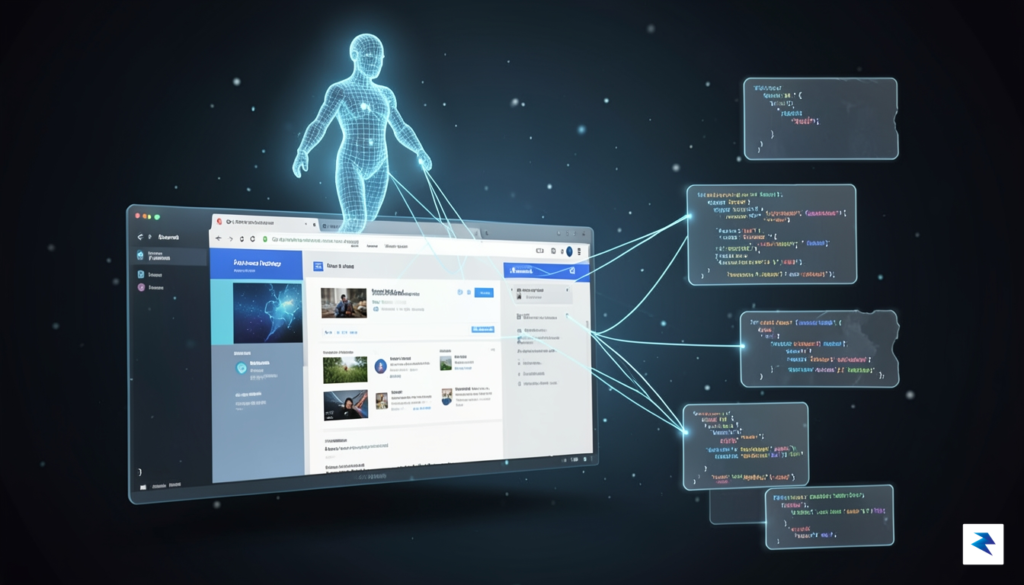
The traditional approach to building integrations with web applications often feels like trying to solve a puzzle in the dark. Developers typically spend hours manually inspecting network traffic, guessing how proprietary endpoints function, and struggling to replicate complex authentication headers. However, the paradigm is shifting toward a more intuitive methodology: using the browser itself as an observation deck. By deploying an autonomous agent directly within an active, authenticated browser session, we can watch the application “speak” to its own backend in real-time. This allows the system to observe the exact sequence of events, headers, and payloads that occur when a user performs a task, effectively crowdsourcing the reverse-engineering process from the user’s own interactions.

When an agent observes these interactions, it isn’t just recording static logs; it is performing a deep analysis of the application’s internal communication patterns. The agent monitors the browser’s network activity to map out API methods, request schemas, and the specific response structures required to achieve a goal. Because the agent resides within the authenticated session, it bypasses the most significant hurdle of API integration: the authentication wall. It inherits the user’s cookies, session tokens, and security context, allowing it to perform actions with the same level of access as a human user without needing to manually re-authenticate or handle complex token refresh cycles.
The true power of this breakthrough lies in the transition from manual, error-prone API documentation scraping to automated, behavior-driven discovery.
To bridge the gap between raw, chaotic network traffic and structured automation, we utilize the concept of “Recipes.” A Recipe acts as a translation layer that interprets the noise of browser-based activity into actionable, reusable tool definitions. Once the agent identifies a successful pattern—such as how a specific button click triggers a POST request with a unique JSON schema—it codifies that interaction into a Recipe. These Recipes serve as the blueprint for future autonomous tasks, allowing the agent to replicate the process on command without needing to “learn” the interface again. Through this mechanism, what was once a fragile, bespoke integration becomes a robust, self-documenting tool that evolves alongside the web application itself.
By leveraging this automated observation loop, developers can effectively turn any web-based platform into a programmable interface. Whether it is a complex dashboard, an internal enterprise tool, or a consumer-facing service, the browser-agent approach ensures that the integration remains synchronized with the live application. As the web app updates its underlying API or shifts its endpoint structures, the agent can observe these changes in real-time, potentially updating the Recipes automatically. This creates a resilient ecosystem where the barrier to building autonomous tools is lowered from intensive reverse-engineering to simply performing the task once within the browser, letting the agent handle the complexity of the digital architecture beneath the surface.

The core mechanism behind transforming a static web application into a dynamic agent tool lies in the automated synthesis of a “recipe”—a structured instruction set that tells an AI model exactly how to interact with an application’s backend. Instead of relying on brittle, manually written integration scripts that fail the moment a developer changes a class name or an API endpoint, this approach treats the application as a living environment. The process begins with automated API endpoint identification, where the system monitors network traffic to map out the specific requests necessary to perform a task. By intercepting these calls, the agent identifies the essential payloads, headers, and query parameters required to trigger meaningful actions, such as creating a calendar event or updating a project management board.
Once the endpoints are isolated, the system handles the complexities of authentication and schema mapping. Managing session tokens, cookies, and headers is often the most tedious part of manual integration, but here, the agent automatically extracts the necessary credentials from the browser’s active session. It then parses the JSON responses to map fields to human-understandable parameters. This is where the magic happens: the system translates complex, machine-readable data structures into a schema that an Large Language Model can interpret. By normalizing these inputs, the agent gains the ability to talk to any application as if it were a native plugin, effectively bridging the gap between raw web traffic and intent-driven logic.
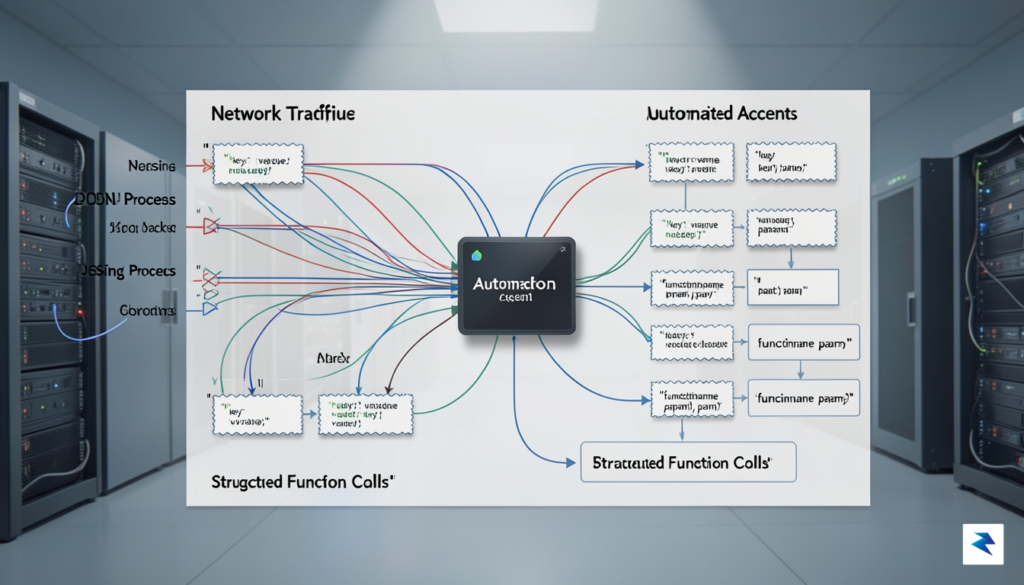
The true strength of this architecture is its self-healing capability; when an application’s internal structure shifts, the agent detects the discrepancy, re-analyzes the new network traffic, and regenerates its own internal recipe to restore functionality without human intervention.
The final phase of this workflow involves the synthesis of human-readable descriptions that define the tool’s capabilities for the agent. By generating clear, semantic documentation for each discovered endpoint, the agent understands not just how to make a request, but when it is appropriate to do so. For example, if a web app updates its internal API to include a new field for “priority level” in tasks, the agent observes the updated schema, updates its mapping, and immediately makes that feature available to the end user. This continuous feedback loop eliminates the maintenance burden associated with traditional API wrappers. By treating the web application as a dynamic source of truth rather than a fixed target, you ensure that your agent tools remain robust, resilient, and ready to tackle workflows that would break standard automation suites within days of deployment.

The transition toward autonomous agents that can interact directly with web applications brings undeniable convenience, yet it inevitably raises significant questions regarding digital security and data sovereignty. When we bypass traditional, rigid APIs in favor of reverse-engineering web interfaces, we are essentially training an agent to act as a digital proxy for the user. By keeping the agent tethered to an active, authenticated web session, we eliminate the need for third-party relays or middleman proxies that often act as honeypots for sensitive credentials. In this architecture, the user’s browser remains the gatekeeper, ensuring that the AI operates strictly within the boundaries of the user’s existing permissions and session tokens, rather than requiring the transfer of API keys or administrative access to external platforms.
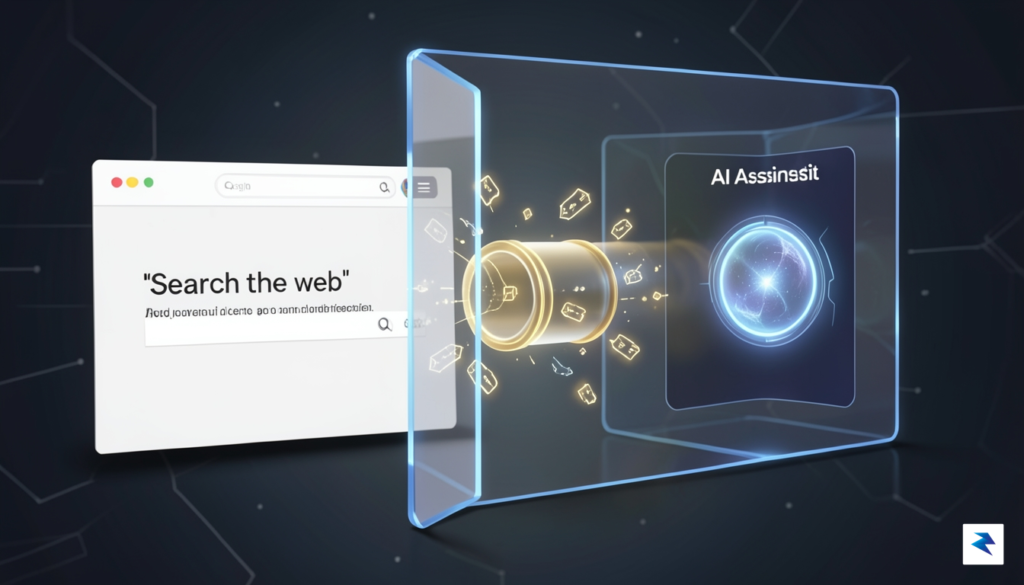
One of the most persistent technical hurdles in this domain is the increasing complexity of modern web architecture, particularly the widespread adoption of GraphQL. Unlike classic REST APIs, which follow predictable paths, GraphQL allows for highly dynamic, nested queries that can change based on the state of the interface. Reverse-engineering these endpoints requires a robust approach that can handle the shifting schemas and polymorphic data structures often found in enterprise-grade applications. To ensure stability, agents must be designed to validate these payloads in real-time, effectively mirroring the client-side logic of the web application. When the agent is “inside” the session, it benefits from the same cookies and headers the user already possesses, which drastically reduces the risk of authentication bypasses or credential leakage that plague external integration services.
True security in the age of autonomous agents is not about building higher walls, but about ensuring that the agent’s identity is indistinguishable from the user’s verified session.
Looking toward the future, the stability of these tools depends on their ability to gracefully handle UI changes. Since reverse-engineered tools rely on the underlying network traffic rather than brittle DOM selectors, they are inherently more resilient to cosmetic changes in the website’s layout. However, developers must still prioritize “defensive automation,” which includes implementing strict rate-limiting and circuit breakers that prevent an agent from performing unintended actions in rapid succession. By treating the browser as the primary execution environment and maintaining local control over the agent’s interaction loop, we can bridge the gap between powerful automation and safe, user-centric data privacy. As these tools become more sophisticated, the focus must remain on transparency, giving users clear visibility into exactly what actions their agents are performing on their behalf within the authenticated environment.

The true power of transforming standard web applications into autonomous agent tools lies in the transition from passive observation to active execution. By bridging the gap between a browser interface and an AI agent, we move beyond simple chatbots that merely summarize information or draft emails. Instead, we empower software to perform complex, multi-step workflows that previously required manual intervention. For instance, within a project management suite like Jira, an agent can be tasked with “onboarding a new team member.” Rather than asking a human to navigate through nested settings, roles, and permission menus, the agent autonomously interacts with the interface to provision accounts, assign necessary project boards, and send out automated invitations. This capability shifts the paradigm of productivity, allowing professionals to delegate tedious administrative “browser-work” to intelligent agents that function with the same precision as a human user.
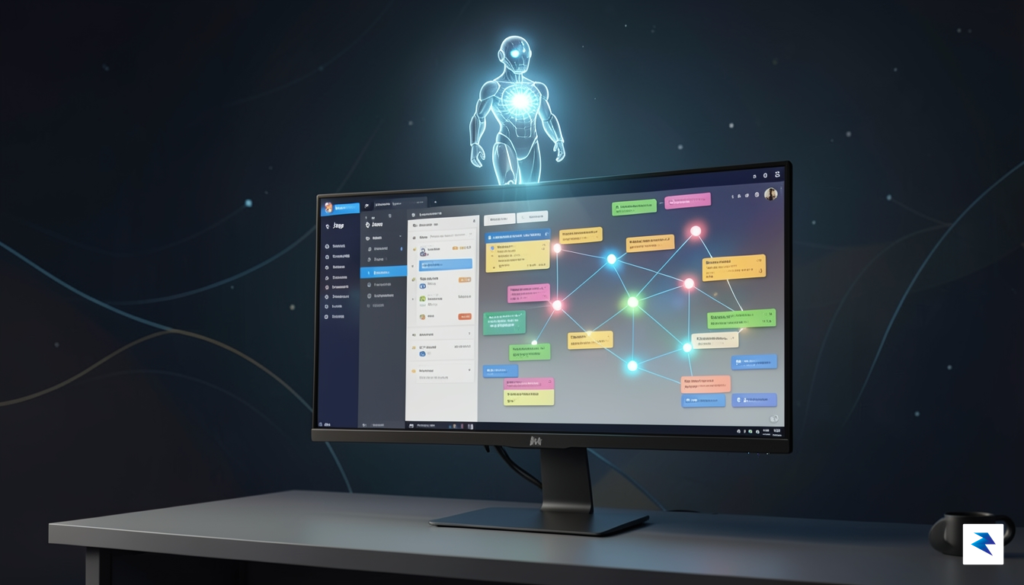
Beyond the realm of enterprise project management, these tools significantly enhance our daily digital interactions in personal applications like Spotify. When an agent is granted the ability to navigate a web interface, it can parse nuanced user requests—such as “create a collaborative playlist based on my listening history from the last three months and invite my friends”—and execute the corresponding clicks and inputs in real time. This level of automation is not merely about saving a few seconds; it is about the fluidity of the user experience. By removing the friction of manual navigation, the agent acts as an extension of the user’s intent, turning the browser into a programmable workspace where complex actions are reduced to a single, high-level command.
The most significant leap in productivity occurs when the software stops being a static destination for our data and starts becoming an active participant in our goals.
The broader implications for enterprise productivity are profound. When every web app in a company’s tech stack can be seamlessly integrated into an autonomous agent’s workflow, the potential for cross-platform synergy becomes limitless. Agents can effectively act as the “connective tissue” between disparate systems that lack native API integrations. They can read data from a CRM, format it according to internal documentation standards in a cloud-based office suite, and finally update a task tracker—all without the user ever needing to switch tabs or copy-paste information. As we continue to refine the reliability of these agent-driven interactions, we are rapidly approaching an era where the primary role of the knowledge worker shifts from executing individual digital tasks to orchestrating systems of autonomous agents that handle the heavy lifting of the modern digital landscape.
You must be logged in to post a comment.