SpaceX IPO Hype: How Tokenized Equities Hit Record $3.86B in June
The Rise of Tokenized Equities: A Market Shift Tokenized equities represent a fundamental evolution in how we conceive of ownership,…
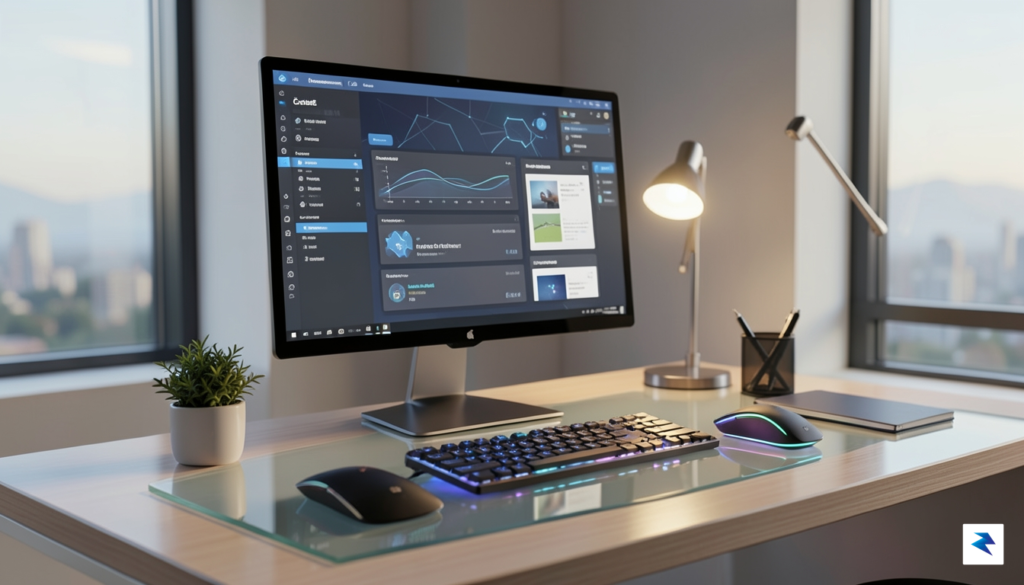
For the past year, the prevailing model of AI interaction has been dominated by the chat-bot paradigm. While applications like Claude Desktop have been instrumental in democratizing access to high-level intelligence, they have inadvertently tethered users to a transient, conversational loop. We find ourselves constantly copy-pasting code, summarizing fragments of text, or manually migrating AI-generated insights into our actual project files. This repetitive “ping-pong” interaction creates a cognitive overhead that prevents true flow, leading to a palpable sense of chat-bot fatigue where the effort of managing the conversation begins to outweigh the benefits of the intelligence provided.
The fundamental limitation of the chat-only interface is its lack of persistent context and agency. An AI that merely talks is a consultant that forgets everything the moment you close the tab, whereas an AI that works acts as a persistent layer over your existing environment. To move beyond the novelty of conversational agents, we need software that understands the structure of our local files, the nuance of our specific development environments, and the long-term history of our projects. This transition marks the shift from treating AI as an external service to embedding it as a fundamental utility within our local digital workspace.
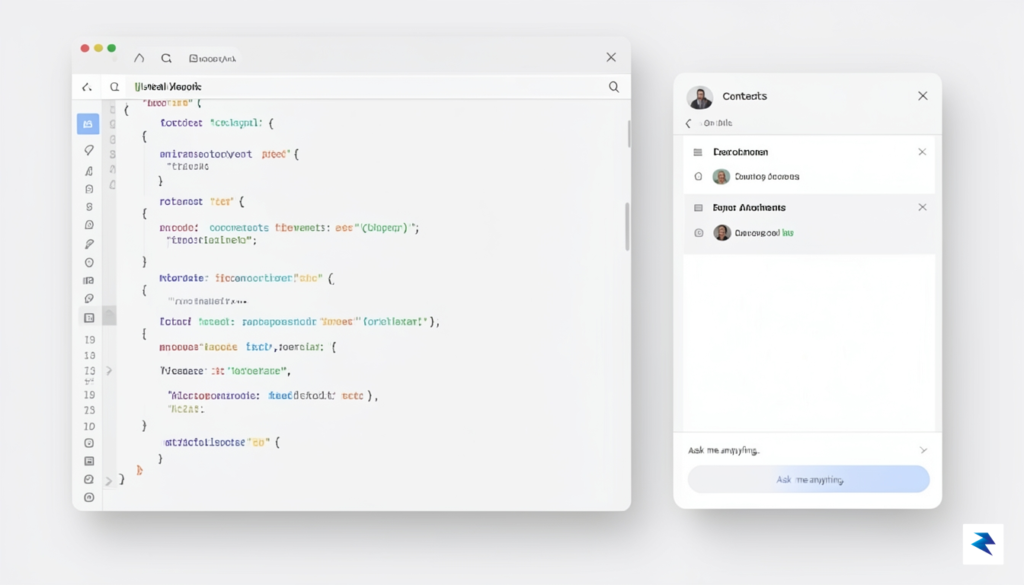
True productivity is not found in how fast we can talk to an AI, but in how seamlessly the AI can operate within the boundaries of our own private tools.
Rowboat represents a deliberate pivot toward this philosophy of workflow-integrated intelligence. By prioritizing a local-first architecture, it sidesteps the friction inherent in cloud-reliant applications, ensuring that sensitive data remains under the user’s control while simultaneously allowing the assistant to maintain a deep, persistent awareness of local project states. This is the logical next step for productivity software: evolving from a passive text-generation window into an active participant in our daily tasks. When the AI is no longer a separate destination but a background process capable of seeing, indexing, and interacting with our local files, it ceases to be a novelty and becomes a force multiplier.
Ultimately, the goal is to bridge the gap between simple prompt engineering and fully realized, context-aware work applications. By integrating AI directly into the fabric of the developer’s environment, we remove the artificial barrier between “doing the work” and “asking for help.” This evolution ensures that the AI doesn’t just provide answers to isolated questions, but rather understands the intent behind our workflows, helping us manage complex, multi-step projects with a level of continuity that was previously impossible in a chat-only environment.

In an increasingly digital professional landscape, the reliance on cloud-based AI tools has created a silent tension between convenience and control. Most modern AI interfaces operate as black boxes, pulling your prompts and data into remote servers where privacy policies can be opaque and data retention practices are often beyond your reach. By adopting a local-first architecture, Rowboat fundamentally shifts this power dynamic, placing your intellectual property back where it belongs: on your own machine. This approach ensures that your brainstorming sessions, sensitive research, and proprietary code snippets remain private, protected from third-party data mining or accidental exposure in a shared cloud environment.
Beyond the critical aspect of privacy, local-first software provides a level of speed and reliability that cloud-dependent applications simply cannot match. When your data lives locally, you are no longer at the mercy of intermittent internet connectivity or server-side latency. You can iterate on ideas, draft complex documents, and leverage AI assistance even while traveling or working in bandwidth-constrained environments. This offline-first capability turns your AI assistant from a fickle web service into a stable, permanent tool in your professional toolkit, ensuring that your workflow remains uninterrupted regardless of the state of your network connection.
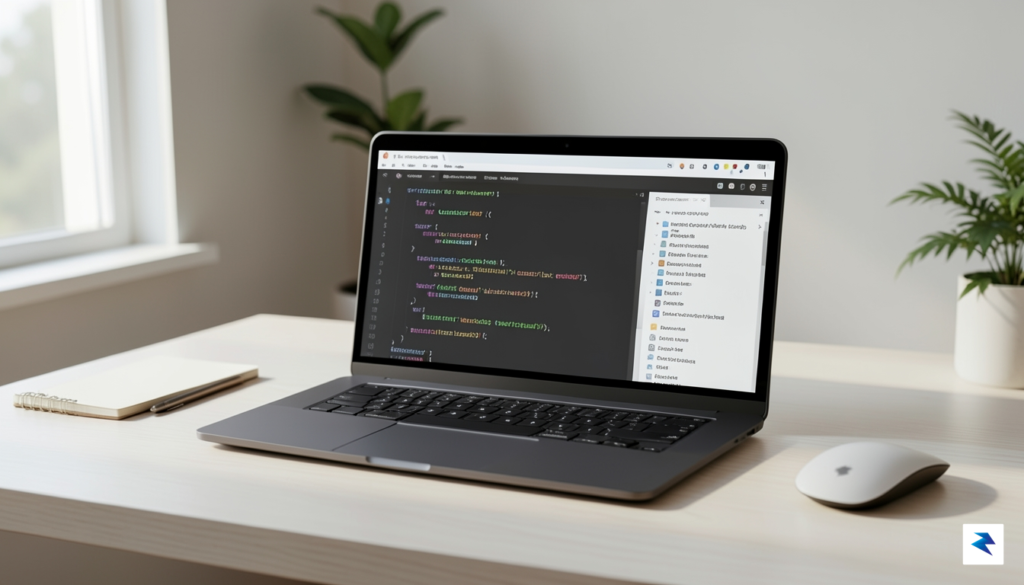
The decision to store information in standard Markdown files is a deliberate choice for longevity and interoperability. When data is trapped within the proprietary database of a SaaS platform, you effectively lose access to your own work the moment your subscription expires or the service undergoes a pivot. By utilizing plain text files, Rowboat ensures that your notes and AI interactions are future-proof; you can open, edit, and export them using virtually any text editor or knowledge management system available today or decades from now. This commitment to open standards means you aren’t just building a repository of knowledge within a specific app—you are creating a portable, evergreen archive of your best ideas.
True data sovereignty means that your digital history belongs to you, not the software provider. By prioritizing local-first architecture, you eliminate the risk of vendor lock-in and ensure that your creative assets remain accessible, searchable, and secure for the long term.
Ultimately, the move toward local-first AI is about reclaiming the agency that we often sacrifice for the sake of “smart” features. As we integrate large language models deeper into our daily creative and analytical processes, the need for a transparent, user-controlled environment becomes paramount. Rowboat demonstrates that you do not have to compromise on the sophistication of your AI tools to maintain control over your digital life. By merging high-level machine intelligence with the tangible, permanent nature of local files, it offers a sustainable path forward for professionals who demand both power and privacy in their productivity stack.
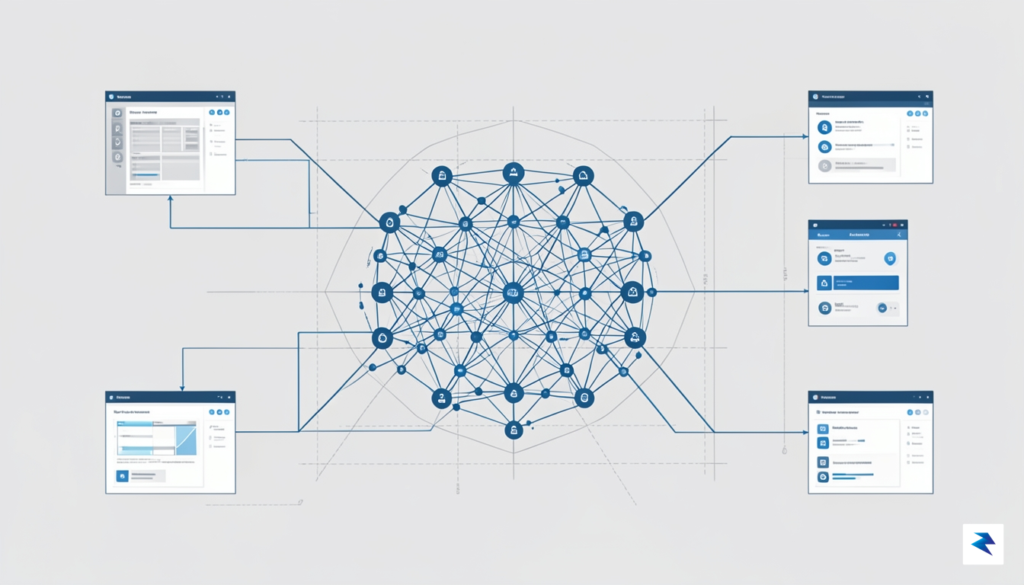
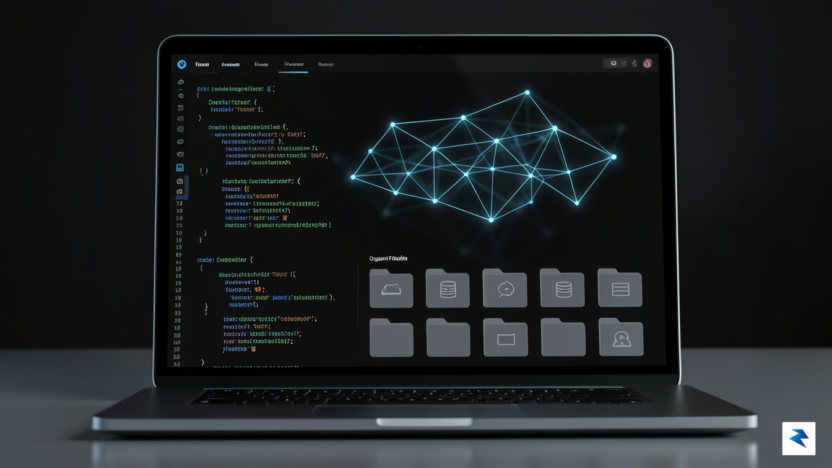
At its core, Rowboat functions as a sophisticated orchestrator designed to unify your fragmented digital environment. Unlike standard chat interfaces that operate in a vacuum, Rowboat acts as a bridge between your local files, projects, and the intelligence of modern language models. By indexing your work into a structured knowledge graph, the platform transforms raw data into a relational map that allows the AI to perceive the “why” and “how” behind your technical tasks. This contextual awareness ensures that when you interact with the system, the model isn’t just predicting the next token; it is pulling from a deeply understood history of your specific development patterns, dependencies, and project goals.
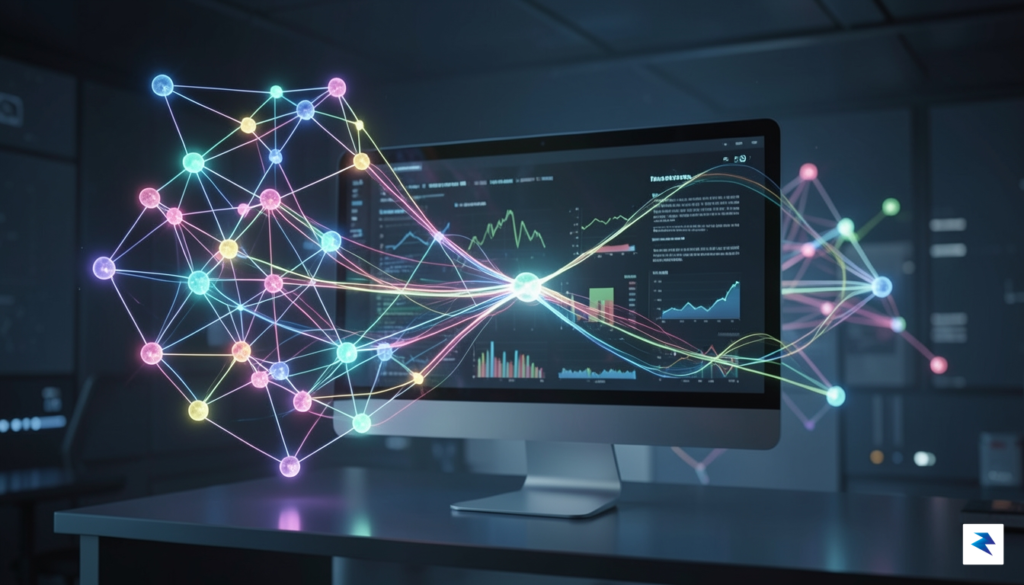
The architecture is built on an Apache-2.0 open-source foundation, ensuring that the community retains full control over the evolution of the software. This permissive licensing model invites developers to audit, extend, and integrate the tool into their existing workflows without the friction of proprietary constraints. Because it is a local-first application, Rowboat prioritizes user privacy and data sovereignty, keeping your sensitive codebases and notes off of third-party cloud servers unless you explicitly choose to connect them to a remote service. This approach provides the performance benefits of local execution while maintaining the flexibility required for professional-grade software development.
A standout feature of Rowboat is its commitment to being model-agnostic, providing users with the freedom to swap out the underlying “brain” of the operation. Whether you prefer the efficiency of running models locally through Ollama or LM Studio, or you need the high-level reasoning capabilities of cloud-hosted providers, Rowboat serves as a neutral interface that routes your requests seamlessly. This versatility prevents vendor lock-in and allows you to optimize your hardware usage, ensuring that you can utilize the best model for the specific task at hand without needing to switch between disjointed applications.
The power of Rowboat lies in its ability to treat the LLM as a modular component rather than a monolithic dependency, allowing for a truly bespoke AI-assisted development environment.
To manage the complexity of modern coding tasks, Rowboat implements the Agent Client Protocol (ACP). This standardization is critical for managing coding agents, as it creates a common language for how agents discover tools, request file reads, and execute terminal commands. By adhering to this protocol, Rowboat ensures that your agents are not just text generators, but functional participants in your development lifecycle. This architecture allows for a modular plugin system where new capabilities—such as specialized linting, documentation generation, or automated testing—can be added as autonomous agents that communicate effectively within the unified knowledge graph.
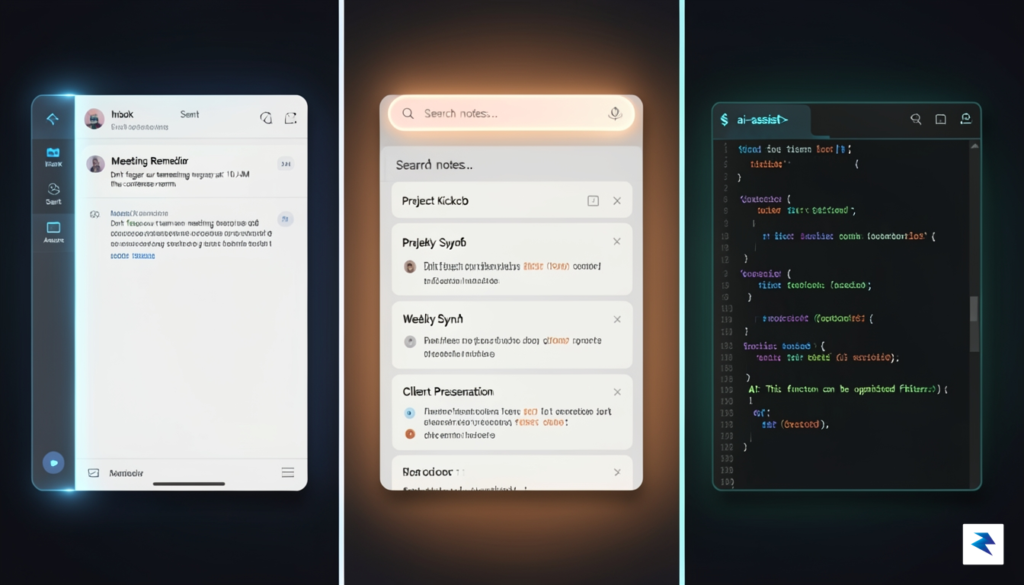
Rowboat’s fundamental innovation marks a significant departure from traditional AI interaction, moving far beyond the confines of a simple chat window to introduce the groundbreaking concept of “work surfaces.” These aren’t merely new tabs or applications; they are intelligently designed, dedicated digital environments where the AI operates as a true, integrated partner within the specific context of your task. This approach fundamentally redefines how we collaborate with artificial intelligence, shifting from a command-and-response dynamic to genuine, contextual assistance that deeply understands the nuances of your workflow and helps you achieve your goals more effectively and efficiently. It’s about creating bespoke digital workspaces where the AI isn’t just a tool, but an intuitive extension of your own capabilities, consistently enhancing productivity by anticipating needs and providing targeted, intelligent support.
Consider, for instance, the dedicated email client work surface, a prime example of contextual AI partnership. Here, the AI doesn’t just proofread or offer generic suggestions; it actively learns your unique communication style, tone, and preferences. This intelligent partner can then draft initial responses, summarize lengthy email threads, or even compose entirely new emails, all while meticulously adhering to your established voice and communication habits. Instead of generic, boilerplate text, you receive personalized drafts that require minimal editing, significantly reducing the time spent on correspondence and allowing you to focus on the strategic aspects of your communications rather than the mechanics of writing.
Beyond email, the meeting notetaker work surface addresses one of the biggest challenges in collaborative environments: transforming spoken discussions into actionable, structured knowledge. This surface actively transcribes live meetings, processes the conversation in real-time, and then intelligently summarizes key points, decisions, and action items. Crucially, it goes beyond simply dumping raw text; it can seamlessly transform these insights into structured updates for a knowledge graph, stored in a universally accessible Markdown format. This ensures that valuable information from every meeting is captured, organized, and easily retrievable, fostering a more informed and agile team environment where no crucial detail is lost or forgotten.
Furthermore, Rowboat extends this contextual partnership to more specialized domains, offering an isolated browser for authenticated tasks and a parallel coding environment. The isolated browser provides a secure sandbox for sensitive operations, allowing the AI to assist with data entry, complex web interactions, or research without ever compromising your privacy or security. Simultaneously, the coding work surface empowers developers by providing an AI that can suggest relevant code snippets, identify potential bugs, explain complex functions, or even refactor code in real-time, all within a dedicated space that complements your existing development tools. This parallel environment ensures the AI is always at your side, offering intelligent assistance without ever interrupting your primary workflow, making development faster, more intuitive, and significantly more efficient.
In essence, Rowboat’s work surfaces represent a profound paradigm shift in human-AI interaction. By providing these specialized, context-aware environments, Rowboat moves beyond the generic utility of a one-size-fits-all chat interface to deliver highly integrated and personalized AI assistance across the most critical aspects of your digital life. This innovative approach ensures that the AI is not just a reactive assistant but a proactive partner, deeply embedded in your daily tasks, understanding your intent, and significantly amplifying your productivity and decision-making capabilities by working with you, not just for you.
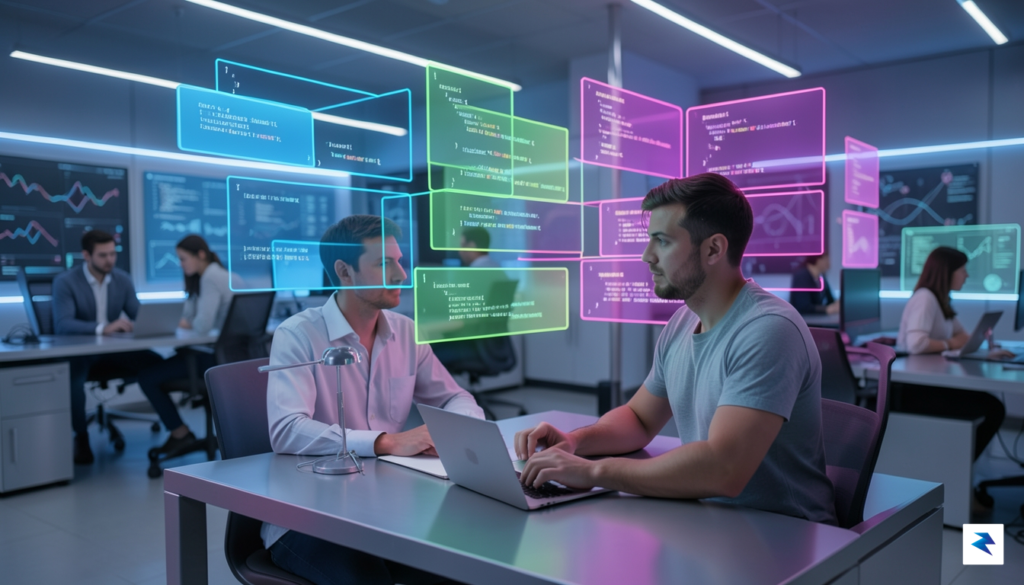
At its core, Rowboat is engineered to transcend the limitations of static AI interfaces by evolving into a highly extensible ecosystem. Rather than forcing users into a one-size-fits-all experience, the platform empowers you to build and integrate custom “work surfaces”—specialized web applications that run alongside your local AI. These surfaces act as dedicated environments where background agents can operate autonomously, turning the desktop client from a simple chat window into a powerful, domain-specific command center. Whether you are managing complex project lifecycles or tracking real-time social media sentiment, these agents bridge the gap between high-level reasoning and granular, actionable tasks.
Developers can leverage the Rowboat SDK to craft these bespoke tools, defining how an agent interacts with local data and external APIs. The beauty of this architecture lies in its modularity; you aren’t just downloading a plugin, but rather deploying a sandbox where your AI can perform multi-step workflows without human intervention. By utilizing the platform’s registry system, you can easily discover, install, and manage these community-driven apps, ensuring that your AI setup remains as dynamic as your professional requirements. This creates a vibrant marketplace of functionality where the community collectively builds the tools they need to stay productive.
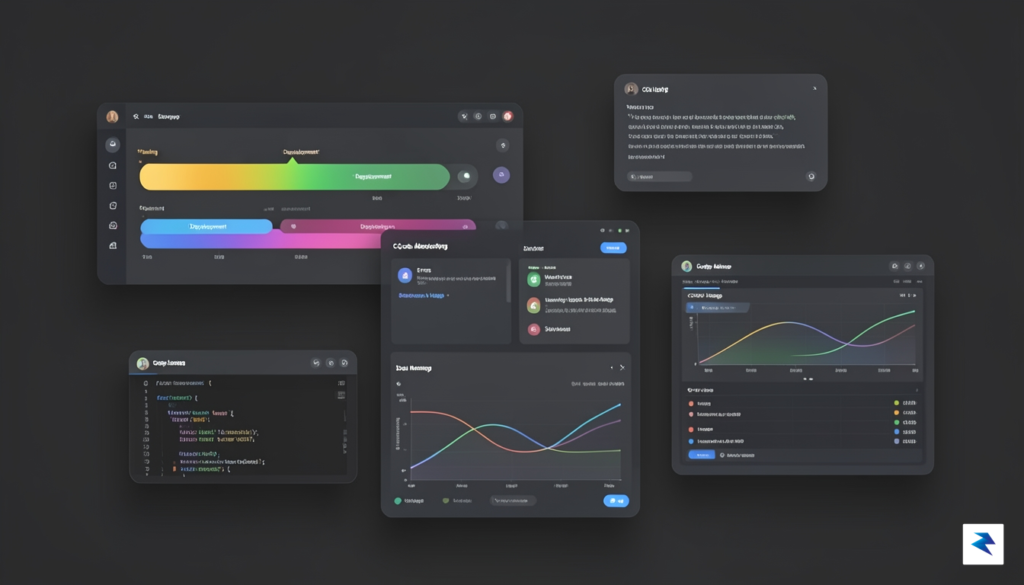
The true power of this ecosystem is unlocked through the shared knowledge graph, which acts as a connective tissue between your various agents. When you build a custom app within the Rowboat environment, it doesn’t operate in a vacuum; it communicates with your existing data, allowing agents to pull context from your past projects, documentation, or local files. This interconnectedness allows for sophisticated, multi-step automation that would otherwise be impossible in a siloed application. For instance, an agent monitoring your project management software can automatically trigger a research task in your browser-based agent, then summarize the findings directly into your documentation tool—all within the same secure, local-first environment.
The future of local-first AI isn’t just about faster models; it is about providing a programmable foundation where users can orchestrate agents to handle the nuanced, repetitive labor that currently slows down our creative and professional workflows.
As the community continues to expand this registry, the barrier to entry for building complex automation decreases significantly. By focusing on an open-source, developer-friendly architecture, the project ensures that you are never locked into a proprietary vendor roadmap. Instead, you maintain total control over your agents and the data they process, fostering a workspace that is both highly personalized and robustly private. Whether you are a solo developer looking to automate a tedious testing loop or a creative professional organizing disparate project assets, the extensible nature of these custom agents ensures that your AI will always be perfectly calibrated to your specific goals.
The transition toward local-first AI tools represents a necessary evolution in how knowledge workers interact with machine intelligence. For too long, the standard model has forced users to sacrifice data privacy and granular control for the sake of convenience, funneling sensitive intellectual property through centralized, black-box cloud services. By shifting the processing and data management to your local machine, this approach restores ownership to the user. You no longer have to wonder where your prompts are stored or who might be auditing your proprietary codebase for future model training; instead, your data stays exactly where it belongs—on your device, under your complete jurisdiction.
Beyond the undeniable security benefits, the performance gains of a local-first architecture are profound. Centralized AI applications are often subject to latency spikes, server-side outages, and the unpredictable nature of internet connectivity. In contrast, this model delivers a seamless, responsive experience that integrates directly with your existing local file system and development workflows. Because the application interacts with your environment locally, it can leverage your machine’s resources to achieve faster, more reliable performance, turning AI from an external service into a fluid, native component of your operating system.
The open-source philosophy driving this shift ensures that you are not just a customer, but an active participant in the evolution of your tools. Unlike proprietary desktop versions that lock you into a rigid vendor ecosystem, an open-source alternative provides the flexibility to customize, audit, and extend your assistant to suit your specific professional requirements. This transparency allows for deep integrations that would be impossible in a locked-down, cloud-only environment, effectively future-proofing your workflow against sudden policy changes or service deprecations.
The true value of a local-first assistant lies not just in the speed of the output, but in the total sovereignty it grants the user over their digital creative process.
Ultimately, adopting this tool changes the rhythm of the modern knowledge worker’s daily routine. It replaces the fragmented, browser-bound experience of traditional chat-based models with a cohesive, persistent, and highly capable environment that respects the sanctity of your work. By eliminating the friction between your ideas and the tools you use to refine them, it fosters a more focused and productive state of flow. When your AI assistant is a local utility rather than a distant web service, it ceases to be a distraction and becomes an extension of your own cognitive process, providing exactly the power you need with the peace of mind you deserve.
You must be logged in to post a comment.