
Public Health Groups Take FDA to Court Over Flavored Vape Policy
The FDA’s Regulatory Crossroads For over a decade, the Food and Drug Administration (FDA) has grappled with the complex task of regulating a…

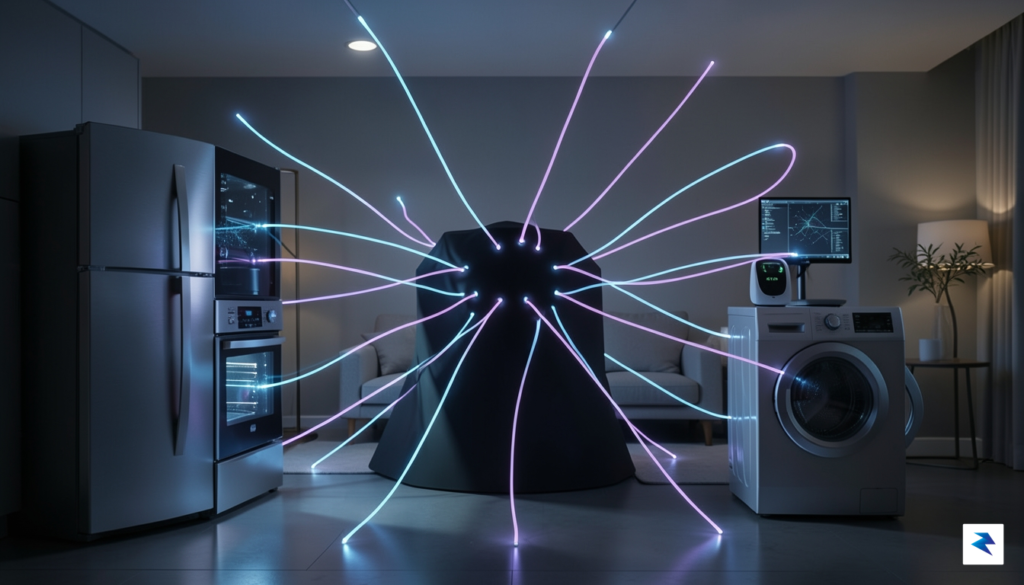
The modern “plug-and-play” experience promised by smart appliances is a masterclass in convenience, but it often masks a complex, opaque reality. When you connect a new smart refrigerator or television to your home network, you are essentially opening a digital doorway that never truly closes. These devices function as “black boxes”—proprietary systems where the internal firmware remains hidden from the user, leaving you with little visibility into what data is being processed, stored, or transmitted. Because manufacturers prioritize seamless functionality and rapid time-to-market over granular security, these devices are frequently shipped with open ports and hard-coded credentials that are easily exploited by malicious actors scanning the web for vulnerable targets.
A significant portion of this risk stems from the industry’s aggressive pursuit of telemetry. Many appliances are designed to “phone home” constantly, sending granular usage data back to the manufacturer’s servers—often located in disparate jurisdictions—to fuel their analytics engines. While proponents argue that this data helps improve product performance, the reality is that your private habits, schedules, and environmental data are being commodified without your explicit, ongoing consent. By treating default settings as sufficient, users unwittingly grant these devices a permanent line of communication to the outside world, turning a helpful home tool into a persistent conduit for data exfiltration.
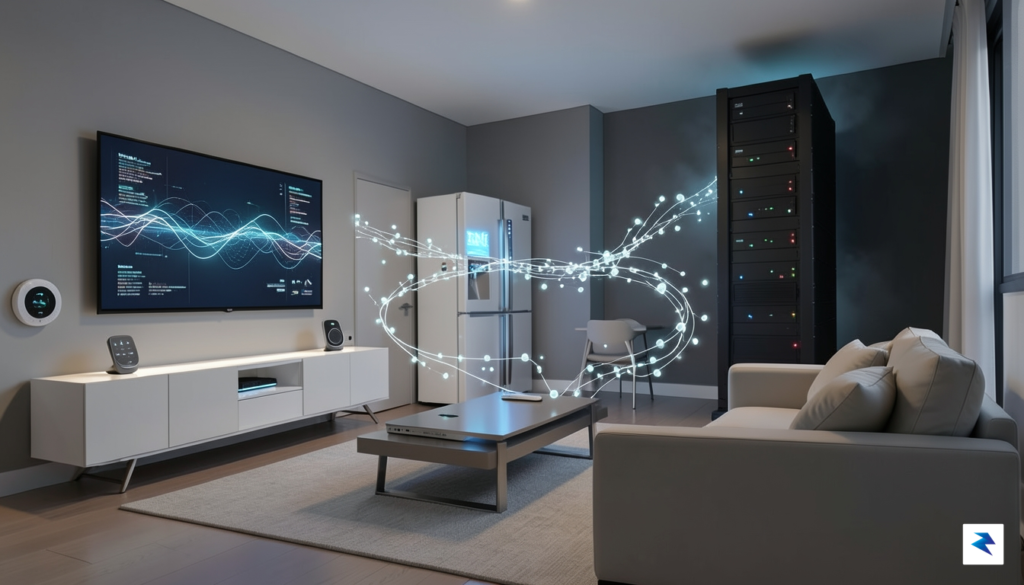
The convenience of a connected home is not free; it is paid for in data, and when you fail to secure your network, you are essentially inviting external corporations to observe the private rhythms of your daily life.
Furthermore, the risk is compounded by the fact that smart devices rarely receive the same level of rigorous security patching as your smartphone or laptop. Once a device is installed, it is often forgotten, languishing on your network for years without a firmware update. This creates a dangerous “legacy” environment where security vulnerabilities remain unpatched, allowing hackers to use your smart toaster or lightbulb as a beachhead to pivot into more sensitive areas of your network, such as your computers or file servers. To combat this, you must move beyond the “set it and forget it” mentality. Proactive security management—such as isolating smart devices on a separate guest network, regularly auditing connected hardware, and disabling unnecessary remote access features—is no longer an optional technical hobby; it is a fundamental requirement for maintaining digital privacy in the 21st century.
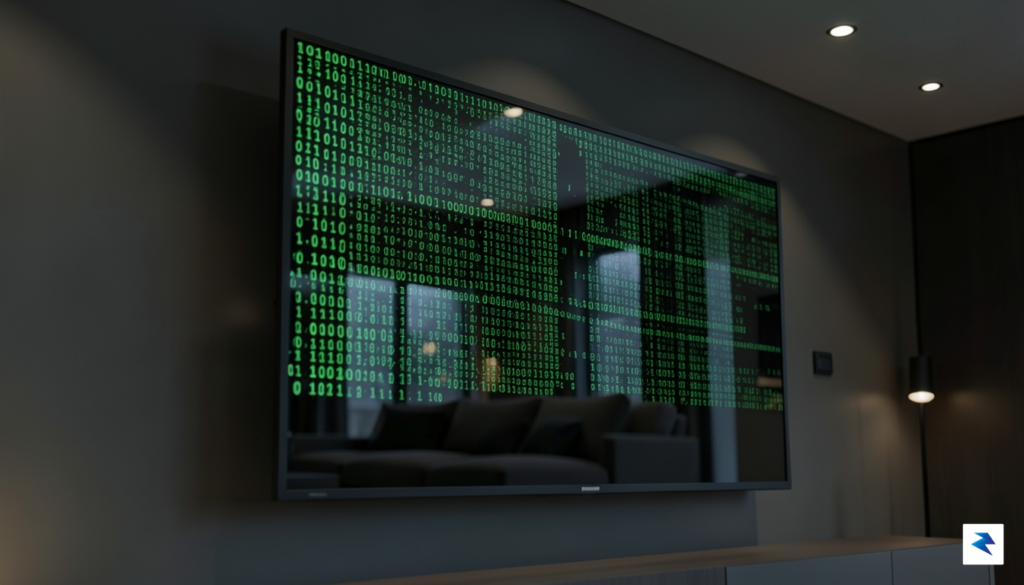
Modern smart televisions have evolved far beyond simple display panels, transforming into sophisticated data-gathering hubs that treat your living room as a laboratory for behavioral analysis. At the core of this transformation is Automatic Content Recognition (ACR) technology, a powerful mechanism embedded deep within the operating system. ACR works by constantly capturing snippets of the pixels and audio signals appearing on your screen, then comparing those fragments against massive proprietary databases to identify exactly what you are watching. Whether you are viewing a broadcast signal, a Blu-ray disc, or a gaming console input, the television catalogs your viewing history in real-time, effectively turning your remote control behavior into a monetizable commodity.
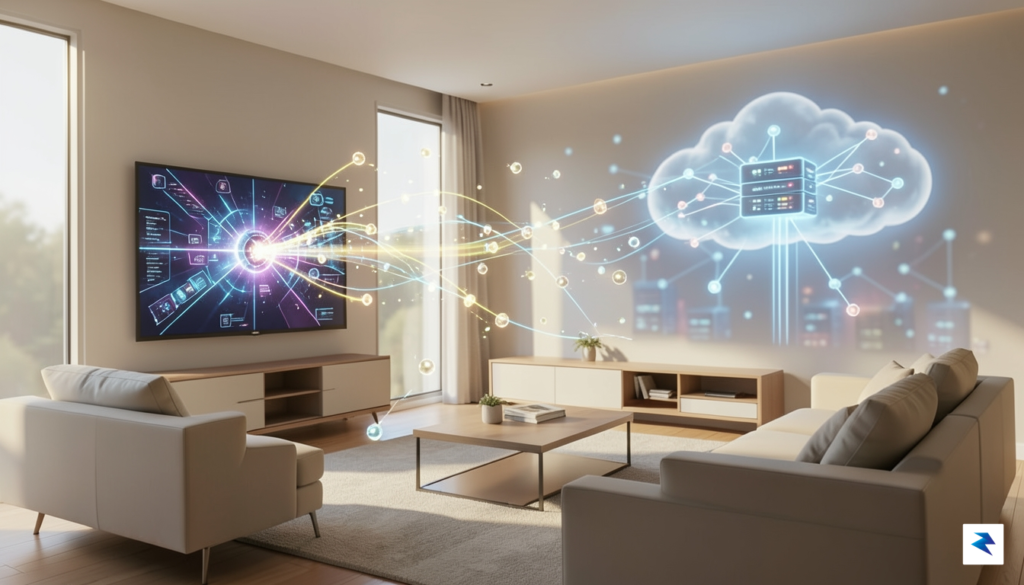
Beyond passive visual tracking, the integration of voice assistants has added an active listening layer to the hardware. When you use voice search or command features, the television is essentially a gateway that transmits your vocal inputs to remote servers for processing. While manufacturers often claim these devices only “listen” when a wake word is detected, the underlying reality is that these voice snippets are frequently stored, analyzed, and sometimes even reviewed by third-party contractors to refine machine learning models. This persistent state of readiness means that your device is technically programmed to be “always-on” in a limited capacity, creating a bridge between your private domestic conversations and corporate data centers.
Your viewing habits are not just personal preferences; they are highly valuable data points used to fuel precision advertising engines that follow you across every device you own.
To maximize the profit potential of this information, manufacturers assign unique advertising identifiers to every household. These identifiers act like a digital fingerprint, allowing companies to correlate your television habits with your mobile browsing, social media activity, and even your offline purchasing behavior. Through complex network interactions, the television sends logs of your app usage, connection times, and metadata to third-party ad-tech partners. By aggregating this stream of data, these platforms create a comprehensive profile of your household’s lifestyle, which is then used to serve targeted advertisements that appear not just on the TV, but also on your smartphone and laptop. Understanding these mechanisms is the first step toward reclaiming your digital privacy, as it reveals that the “smart” features you enjoy come at the invisible cost of your personal behavioral data.

The first step toward reclaiming your digital privacy is to gain full visibility into the traffic flowing across your home network. Most modern routers offer a basic “connected devices” list, but this only shows you who is currently online, not what they are saying to the outside world. To truly audit your smart home, you need tools that act as a digital magnifying glass. For many, a Pi-hole—a network-wide ad blocker and DNS sinkhole—is the perfect entry point. By routing your device traffic through a Pi-hole, you can view real-time logs of every domain your smart devices attempt to contact. If your “smart” refrigerator is sending data to a server in a foreign country every ten seconds, the Pi-hole dashboard will make that behavior impossible to ignore.
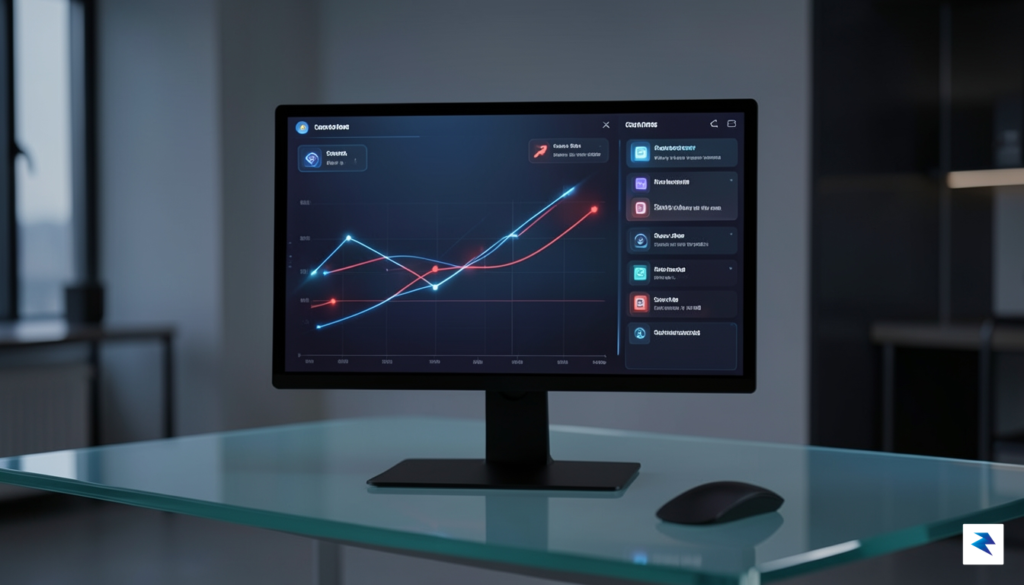
For those who require a deeper level of technical scrutiny, Wireshark remains the industry standard for packet analysis. While it has a steeper learning curve, it allows you to capture the actual data packets moving between your devices and their cloud controllers. If you are comfortable with basic terminal commands, you can filter this traffic to look for unencrypted data transmissions, which are a major red flag for any consumer electronics device. Furthermore, examining your router’s firewall logs can reveal suspicious connection attempts that occur outside of typical usage hours. These logs often highlight unauthorized outbound traffic, providing a clear trail of evidence if a device has been compromised or is functioning outside of its advertised parameters.
Once you have identified which devices are “chatty,” the most effective way to mitigate risk is through network segmentation. Many modern mesh Wi-Fi systems and advanced routers support the creation of a Guest Network or a dedicated VLAN (Virtual Local Area Network). By placing your IoT devices—such as smart bulbs, cameras, and thermostats—on a separate network from your primary computer and storage drives, you create a virtual firewall. This ensures that even if a smart device is breached by a malicious actor, the attacker cannot easily pivot to your personal documents, banking portals, or sensitive files.
To achieve true peace of mind, treat every “smart” appliance as an untrusted guest on your network; keep them isolated, monitor their destinations, and never assume they are offline just because you have turned them off.
Ultimately, auditing your network is not a one-time project, but a consistent practice of digital hygiene. Start by looking for domains that look like random strings of characters, as these are often used by botnets to receive commands. If you notice a device consistently trying to reach an unrecognized IP address, do not hesitate to block that traffic at the firewall level. By combining DNS filtering, packet inspection, and network segmentation, you transform your home network from a vulnerable collection of black boxes into a transparent, secure environment that you finally control.
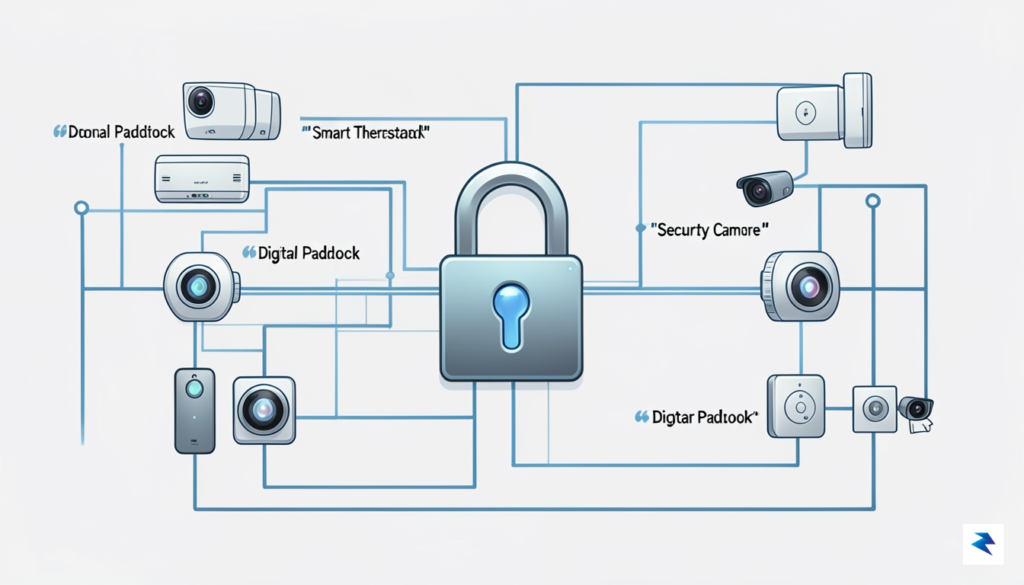
You do not need to discard your smart devices or return to an analog lifestyle to maintain a private home environment. Instead, you can regain control by implementing a “zero-trust” approach to your local network. The most effective strategy for isolation is creating a Virtual Local Area Network, or VLAN, specifically for your Internet of Things (IoT) hardware. By segregating your smart television, light bulbs, and thermostats from your primary computers and smartphones, you ensure that even if a budget-friendly smart plug is compromised, the attacker cannot pivot to your personal laptop or access your sensitive financial data.
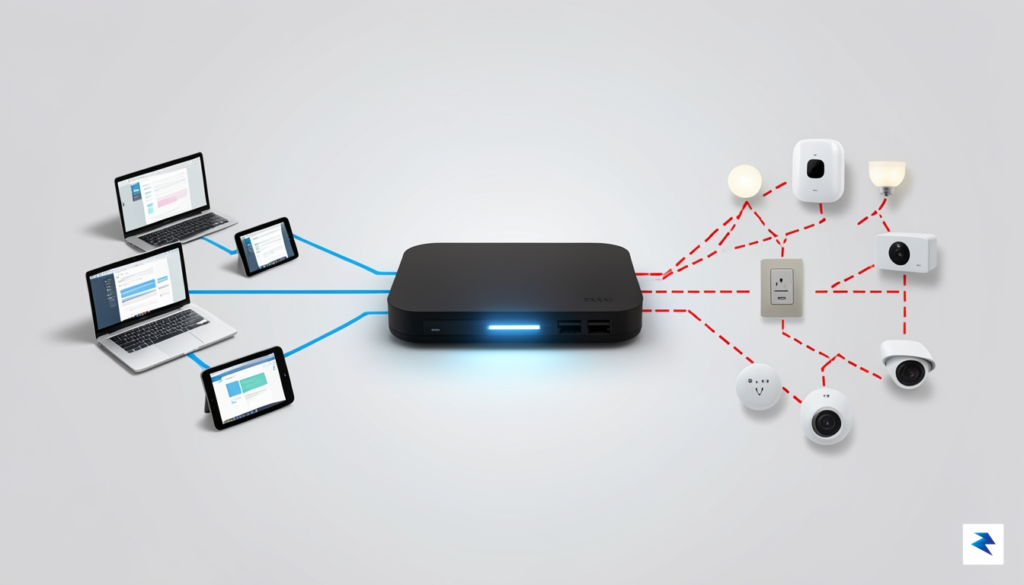
Beyond network architecture, you must audit the individual settings within each device to minimize data leakage. Most smart TVs come with Automatic Content Recognition (ACR) enabled by default, a feature that tracks everything you watch to build a marketing profile. Dig deep into your device’s “Privacy” or “Terms & Conditions” menu to disable ACR, interest-based advertising, and voice command processing if you do not actively use them. Additionally, prioritize manual firmware updates over automatic ones whenever possible; this forces you to periodically check the manufacturer’s support page for security patches, ensuring you are not running outdated software that contains known vulnerabilities.
Hardening your smart home is not a one-time setup; it is a routine hygiene practice. Just as you update your operating system, you must treat your IoT hardware as a dynamic component of your network that requires ongoing maintenance.
To further strip away the invasive telemetry sent by these devices, consider configuring your router to use a custom DNS service that offers built-in ad and tracker blocking. Services like NextDNS or Pi-hole allow you to see exactly which domains your smart fridge or television is trying to “phone home” to. By blacklisting these telemetry servers, you can effectively silence the data stream without breaking the core functionality of the device. Implementing these steps requires a bit of patience, but the result is a home that offers modern convenience without the constant, quiet surveillance of your private habits.

The wild west era of the Internet of Things is slowly drawing to a close as global legislative bodies begin to treat data privacy as a fundamental human right rather than an optional feature. We are currently witnessing a transition from self-regulation to stringent oversight, exemplified by policies like the EU’s General Data Protection Regulation (GDPR) and the growing momentum behind the U.S. Cyber Trust Mark. These frameworks are forcing manufacturers to move away from the “data-harvesting first” model that defined the last decade. In the near future, we can expect to see mandatory transparency requirements that force companies to disclose exactly what data is being collected and, more importantly, how that data is being shared with third-party advertising partners.
Beyond government mandates, the rise of open-source firmware is providing a critical check on the power of hardware manufacturers. Savvy users are increasingly turning to community-driven projects that allow them to “de-google” or “de-cloud” their devices, effectively cutting the cord between their home appliances and a remote corporate server. By flashing open-source firmware, users can ensure that their smart lightbulbs or thermostats communicate only with their local network, eliminating the risk of unauthorized data transmission. This shift toward local-only control empowers consumers to regain sovereignty over their own living spaces, ensuring that their private habits remain within the four walls of their homes.
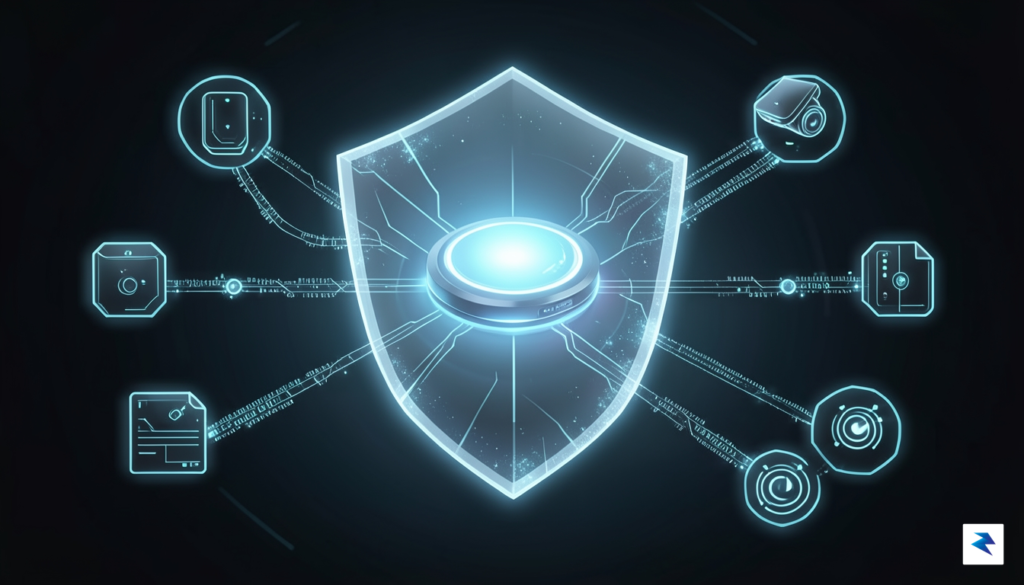
A significant trend on the horizon is the emergence of “privacy-first” hardware certification, a standard that will likely become as recognizable as Energy Star ratings. Organizations are beginning to advocate for independent security audits that verify a device’s resistance to intrusion and its commitment to local data processing. When consumers shop for smart devices in the future, they will likely prioritize products that carry these security labels, signaling that the hardware has been built with privacy by design. This economic pressure will inevitably force manufacturers to treat security as a primary competitive advantage rather than a costly afterthought, as companies that fail to meet these standards will find themselves increasingly shunned by an informed, security-conscious public.
The long-term security of the modern home relies on a shift in mindset: we must view every connected device not just as a convenience, but as a potential point of entry that requires proactive maintenance and vigilant oversight.
Ultimately, the transition toward a more secure IoT ecosystem offers long-term benefits that extend far beyond simple data protection. By building resilient, segmented home networks, users can enjoy the automation of the future without sacrificing the sanctity of their personal information. As legislation catches up with technology and manufacturers are held accountable for their design choices, the smart home will evolve from a source of constant surveillance into a truly integrated, private environment. Investing the time now to audit your network and understand your device permissions is not just a defensive measure; it is an active contribution to a digital landscape that respects individual boundaries.
You must be logged in to post a comment.