
PixVerse Hits $2B Valuation: What Their $439M Funding Means for AI Video
The Rise of PixVerse: A New Giant in Generative AI In the high-stakes arena of artificial intelligence, few companies have managed to capture…


Under the strategic guidance of its product chief, Sachin Kansal, Uber is undergoing a significant philosophical shift, deliberately moving away from the pervasive industry trend of becoming an all-encompassing “everything app.” This evolution marks a conscious decision to eschew the allure of integrating countless unrelated services into a single platform. Instead, the company is doubling down on its foundational strengths, embracing a philosophy that prioritizes depth and excellence within its core offerings over a broad, potentially diluted, expansion into disparate markets. This refined focus aims to deliver tangible, high-value experiences that genuinely resonate with user needs, rather than overwhelming them with a multitude of services that may not align with Uber’s primary identity.
Kansal’s vision for Uber’s product roadmap is firmly rooted in a “less is more” approach, meticulously designed to avert the bloat and diminished user experience often associated with the “super-app” ambition. This strategy entails a sharp, unwavering focus on its proven core competencies: ride-sharing, food delivery, and other essential personal mobility solutions. By concentrating its considerable resources and innovative spirit on these established pillars, Uber seeks to deepen the utility, enhance the seamlessness, and elevate the overall quality of its services. Every feature and enhancement introduced under this new directive is intended to genuinely improve the user journey within these specific domains, ensuring that the platform remains intuitive, efficient, and indispensable for its primary functions.
This focused strategy stands in stark contrast to many tech giants, particularly those in rapidly expanding global markets, who are aggressively pursuing the “everything app” model. These companies often attempt to integrate an extensive array of services—from social media to financial transactions and e-commerce—under one digital roof, aiming for platform ubiquity. While the theoretical appeal of a single, all-encompassing application is understandable, such an expansive approach frequently leads to a fragmented user experience, an unwieldy and confusing interface, and a significant drain on precious development and operational resources. Uber’s leadership astutely recognizes that stretching its capabilities too thin can inadvertently dilute its strong brand identity and compromise the very quality of the core offerings that users value most.
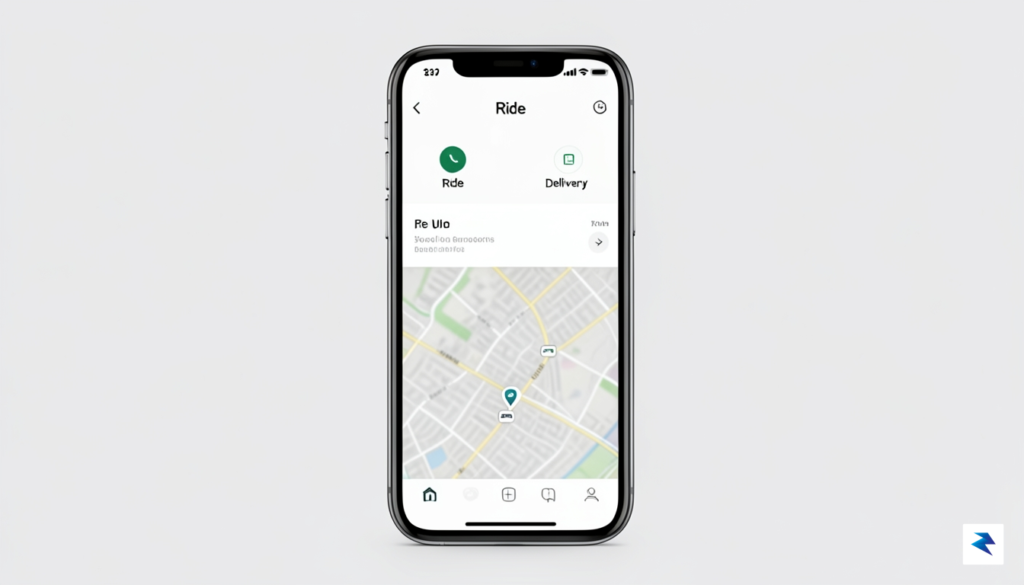
By deliberately narrowing its operational scope to transit, delivery, and personal mobility, Uber is proactively building a more resilient and sustainably growing business model. This strategic concentration allows for deeper, more impactful investments in the technological advancements crucial to these specific areas, fostering ground-breaking innovations in areas like dynamic routing algorithms, advanced logistics for delivery partners, and sophisticated support systems for both drivers and riders. This specialized expertise translates directly into more reliable service, greater operational efficiency across the board, and a clearer, more compelling value proposition for its millions of users. Ultimately, this refined focus promises to cultivate robust, organic growth driven by genuine user satisfaction, rather than chasing fleeting market trends or superficial expansion.
This strategic refinement is not about limiting Uber’s potential; rather, it’s about unlocking a more impactful, sustainable, and ultimately more valuable future. By recommitting to its fundamental identity as a global leader in mobility and delivery, Uber aims to offer unparalleled reliability, convenience, and quality in the services it knows and executes best. The long-term outcome is expected to be a platform that feels inherently intuitive, highly reliable, and truly indispensable to its users, solidifying Uber’s position not as an app that attempts to do everything, but as the definitive and most efficient app for getting around and getting things delivered with unmatched precision and excellence.
The landscape of urban mobility is undergoing a profound transformation, and at its heart lies the evolving relationship between industry titans like Uber and Waymo. What began as a fierce, often contentious, rivalry in the race to develop self-driving technology has matured into a strategic symbiosis. This shift underscores Uber’s pragmatic approach to the future of transportation: rather than attempting to conquer every facet of autonomous vehicle development itself, the company is leveraging its unparalleled platform to integrate the best available technology, thereby facilitating the widespread adoption of robotaxis without bearing the full burden of hardware innovation.
Uber’s decision to pivot away from in-house autonomous vehicle hardware development was a pragmatic acknowledgement of the colossal investment and specialized expertise required. Building and safely deploying a fleet of self-driving cars from scratch demands not just billions in capital but also decades of advanced robotics, AI research, and regulatory navigation. By partnering with leaders like Waymo, who have spent years meticulously perfecting their autonomous driving systems, Uber cleverly sidesteps this immense overhead. This strategic move aligns perfectly with its broader philosophy of focusing on its core strength as a mobility platform, efficiently connecting riders with transportation solutions rather than manufacturing the vehicles themselves.
The challenges of scaling autonomous fleets are substantial, extending far beyond merely perfecting the technology. Even with cutting-edge self-driving cars, deploying them reliably and efficiently across diverse urban environments presents complex logistical hurdles. This is precisely where Uber’s vast operational experience and existing network become indispensable. Uber provides the robust infrastructure for dispatch, routing, customer service, and payment processing, acting as the critical interface between Waymo’s autonomous vehicles and millions of potential riders. This partnership allows Waymo to focus on what it does best – developing advanced self-driving tech – while Uber manages the complex orchestration of supply and demand, ensuring that these high-tech vehicles can be effectively utilized.
Naturally, the introduction of robotaxis raises pertinent questions about the future role of Uber’s extensive network of driver-partners. While the long-term vision includes a significant presence of autonomous vehicles, it’s crucial to understand that this transition will be gradual and multifaceted. Robotaxis are likely to initially augment, rather than outright replace, human drivers, particularly in specific geographic areas or during peak demand. Human drivers will continue to play a vital role in areas where autonomous technology is still developing, or for rides requiring human interaction and flexibility. Uber is positioning itself to manage a hybrid fleet, offering riders the choice and adaptability that a solely autonomous or human-driven system might lack, thereby ensuring a smoother transition for all stakeholders.
Furthermore, this integration opens new avenues for pricing models and service differentiation. Autonomous rides could potentially offer cost efficiencies in the long run, as operational expenses related to human drivers are reduced. However, there might also be premium pricing for the novelty, convenience, and perceived safety of early robotaxi services. Uber’s platform provides the flexibility to experiment with these models, tailoring services to different market segments and evolving consumer preferences. Ultimately, this strategic alliance with Waymo solidifies Uber’s position at the forefront of mobility innovation, ensuring it remains a central, indispensable player in shaping the future of urban transport by effectively harnessing advanced technology without diverting from its core platform-centric mission.


At the core of Uber’s pivot toward a more specialized future lies AV Labs, a sophisticated research and development arm dedicated to mastering the intricate puzzle of autonomous driving. Rather than attempting to build every component of a self-driving vehicle from the ground up, the company has positioned this laboratory as a vital data nexus that bridges the gap between raw machine learning and real-world navigation. By treating “data-as-a-service,” AV Labs synthesizes the chaotic variables of urban environments—such as unpredictable pedestrian behavior, complex traffic patterns, and sudden construction zones—into actionable intelligence that autonomous partners can deploy immediately. This infrastructure is not merely about testing cars; it is about creating a high-fidelity digital map of the world that evolves in real-time, ensuring that autonomous systems are equipped with the most accurate situational awareness available.
The true competitive advantage of this initiative stems from Uber’s unrivaled footprint in the mobility sector. Every day, millions of rides across thousands of cities generate a massive, continuous stream of real-world traffic data that remains inaccessible to traditional car manufacturers. While many competitors rely on simulated environments or limited test fleets, Uber leverages its existing network to observe how human drivers navigate complex intersections, manage lane changes during peak hours, and respond to environmental hazards. By feeding this organic, human-driven data into the AV Labs pipeline, the company is effectively training the next generation of autonomous artificial intelligence to recognize subtle cues that are often missed in controlled, theoretical settings.
The goal of AV Labs is to transform the massive scale of Uber’s global network into a safety layer that makes autonomous vehicles more predictable, reliable, and efficient for every passenger on the road.
This data-driven approach directly translates into tangible improvements for safety and operational efficiency. When an autonomous partner integrates with the Uber ecosystem, they gain access to predictive models that account for everything from micro-weather changes to localized traffic bottlenecks. Consequently, the vehicles can make safer, more informed decisions, such as identifying the most efficient drop-off points or choosing routes that minimize risky maneuvers. By focusing on these high-level data challenges, Uber is proving that it doesn’t need to be an “everything app” to be indispensable; instead, it is carving out a crucial role as the intelligence layer that powers the future of autonomous transit, ensuring that when robotaxis finally arrive at scale, they are guided by the most experienced digital navigator in the industry.

Beyond its ubiquitous ride-hailing and food delivery services, Uber is strategically building a robust financial services layer designed to deepen its relationship with its vast network of drivers and, eventually, riders. This ambitious expansion moves Uber far beyond its traditional mobility core, establishing it as a critical financial partner for its most active contributors in the gig economy. By introducing Uber-branded financial products, the company aims to provide greater stability and convenience, transforming the often-unpredictable nature of contract work into a more dependable income stream. This initiative underscores a significant pivot towards making the Uber ecosystem not just a source of income, but also a platform for managing and growing that income effectively.
The logic behind integrating fintech directly into the driver and rider experience is compelling and rooted in practical needs. For drivers, immediate access to earnings through services like the Uber Pro Card and instant payouts directly addresses a major pain point in the gig economy: the lag between work performed and payment received. This financial agility is crucial for individuals who rely on their Uber earnings for daily expenses, fuel, or vehicle maintenance, where even a day’s delay can create significant hardship. By eliminating the waiting period, Uber significantly reduces financial friction, making the platform a more attractive and reliable choice for drivers and thereby strengthening its competitive edge against other gig platforms. It’s about more than just transactions; it’s about empowering drivers with better cash flow management and a stronger sense of financial control over their earnings.
These integrated financial tools are not merely transactional; they are powerful mechanisms for increasing platform loyalty and deepening user engagement. When drivers can seamlessly access their funds, manage expenses, and even benefit from discounts or rewards tied to their Uber Pro Card, the platform becomes deeply embedded in their financial lives. This convenience fosters a stronger sense of allegiance, making it less appealing for drivers to switch to competing services that might offer less streamlined financial support or immediate access to funds. Essentially, by providing tangible, value-added financial services, Uber transforms its relationship with drivers from a purely transactional one into a more comprehensive partnership, encouraging longer-term engagement and significantly reducing churn. The loyalty generated here is a direct result of making a driver’s financial journey smoother and more predictable.
While much of the initial focus on financial services naturally gravitates towards drivers, the broader vision encompasses a more integrated financial ecosystem for all users. The underlying infrastructure built for driver payments and financial management can eventually be extended or adapted to offer services to riders, perhaps through enhanced Uber Cash features, loyalty-based credit lines for frequent users, or even a branded digital wallet. This expansion would create a “sticky” closed-loop system where funds flow more efficiently and seamlessly within the Uber environment, from rider payments to driver earnings and back into the ecosystem through related financial products. Such a comprehensive approach solidifies Uber’s position not just as a service provider, but as a central financial hub for its vast community, leveraging its massive user base and transactional data.
Looking ahead, the potential future expansions into more sophisticated financial products for drivers are significant and transformative. Imagine Uber leveraging its deep understanding of driver earnings patterns and behavior to offer specialized vehicle insurance policies tailored to gig work, health benefits programs, or even micro-lending solutions for unexpected repairs, personal emergencies, or small business expansion for its top-performing drivers. These tailored offerings could further stabilize the gig economy for drivers, providing a crucial safety net and growth opportunities that are currently scarce or difficult to access through traditional financial institutions. By becoming a comprehensive provider of essential financial services, Uber can
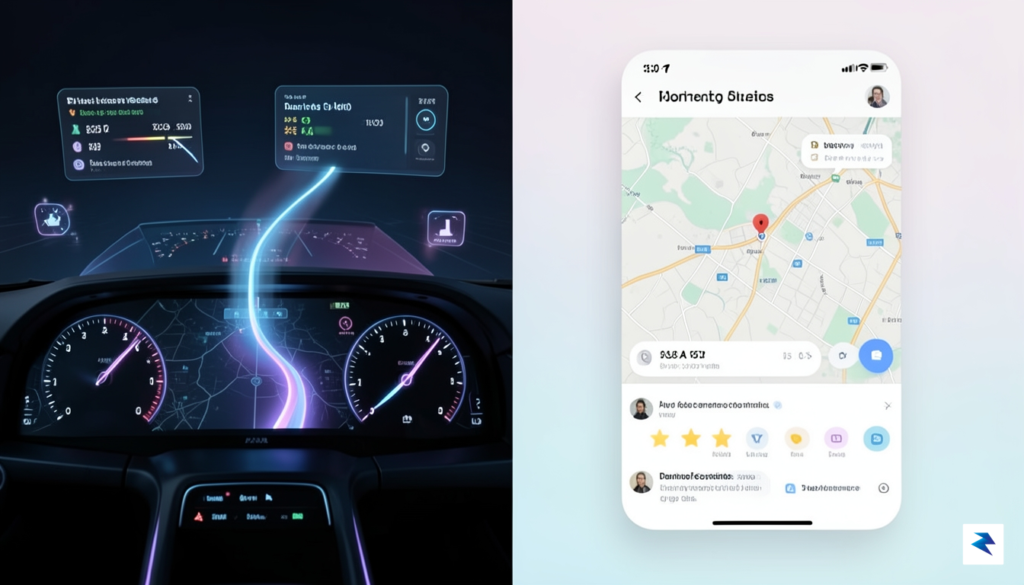
For the average rider, artificial intelligence often sounds like a buzzword reserved for tech conferences, yet at Uber, it functions as the quiet engine driving every trip. Rather than overwhelming users with flashy, gimmicky interfaces, the company has prioritized what engineers call “invisible AI”—technology that works in the background to streamline logistics without cluttering the user experience. By leveraging machine learning models, Uber can predict demand patterns with staggering accuracy, allowing the platform to adjust route optimization in real-time. This ensures that when a driver turns down a side street to avoid a traffic bottleneck, they are often following a path suggested by an algorithm that has analyzed thousands of historical data points to shave precious minutes off an arrival time.
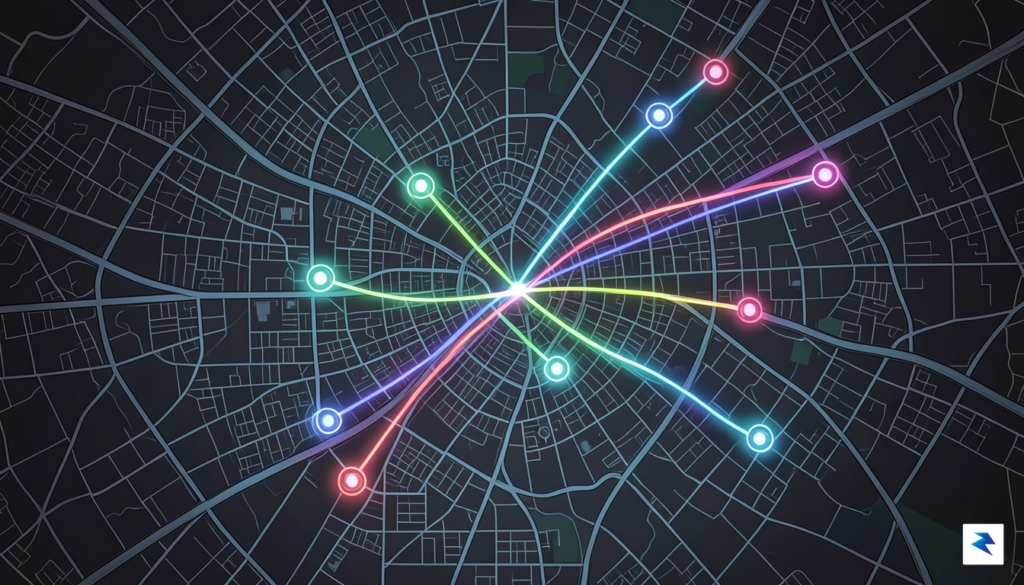
The practical application of this intelligence extends deep into the realm of safety, where AI acts as a digital guardian during a journey. One of the most significant, yet subtle, implementations is the “RideCheck” feature, which utilizes sensors in a smartphone to detect if a vehicle has come to an unexpected stop or deviated significantly from its planned route. Instead of requiring manual input, the AI assesses the situation and proactively triggers a notification to both the rider and the driver, asking if everything is alright and providing instant access to emergency tools. This shift from reactive to proactive safety measures represents a fundamental change in how the platform manages risk, ensuring that technology serves as a safety net rather than a distraction.
The goal of our AI strategy isn’t to change how people interact with the app, but to ensure the interaction itself is as frictionless and secure as possible, regardless of the complexity occurring behind the screen.
Beyond safety and routing, AI is the silent architect behind the dynamic pricing models that keep the entire marketplace balanced. While “surge pricing” is often viewed through a lens of frustration by riders, it is actually a sophisticated balancing act managed by predictive models that anticipate shifts in supply and demand before they fully materialize. By analyzing everything from sudden rainstorms to local transit disruptions, these algorithms incentivize more drivers to enter high-demand zones, effectively preventing the catastrophic wait times that would otherwise plague a city during peak hours. This ensures that the app remains a reliable utility, functioning consistently even when the external world becomes chaotic.
Ultimately, Uber’s focus remains on mobility, and their approach to AI reflects a refusal to become an “everything app” that tries to solve every human problem with automation. By keeping the interface clean and the AI task-oriented, they avoid the “feature creep” that plagues many other platforms. Whether it is refining the estimated time of arrival (ETA) through complex traffic modeling or personalizing pickup points to account for inaccessible curbs, the company is proving that the best technology is often the kind you don’t even notice—it simply works, making the journey from point A to point B feel effortless.
You must be logged in to post a comment.