The Top 8 Must-Stream Movies You Need to Watch This July
The Evolution of Streaming Cinema in Summer 2026 The landscape of digital entertainment has undergone a profound transformation as we settle…


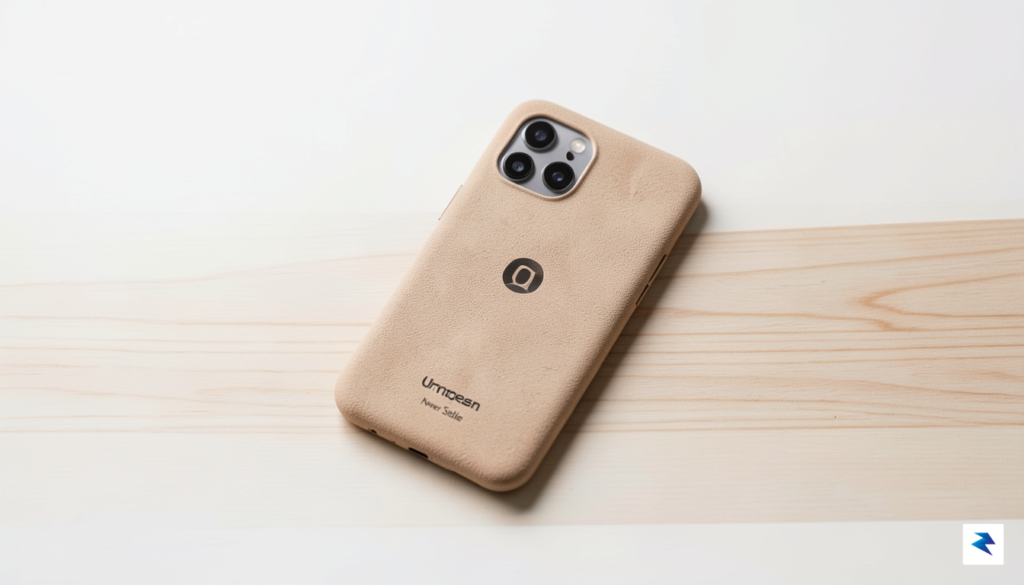
When OnePlus first emerged onto the global stage in 2014, it arrived with a clear, disruptive mission: to challenge the hegemony of established industry giants like Samsung and Apple. By championing the “Never Settle” mantra, the company offered flagship-level performance and premium hardware at a fraction of the cost, effectively carving out the “flagship killer” niche. Enthusiasts were immediately drawn to the brand’s transparent approach, which prioritized high-end specifications and a clean, near-stock Android experience over the bloated software suites that defined its competitors at the time. This period marked the golden age for the company, as it fostered a passionate, community-driven ecosystem that felt like it was building the perfect phone for its own users.
However, the trajectory of the brand shifted significantly as it moved away from its roots as an enthusiast-focused boutique and toward a more traditional, mass-market business model. This evolution became especially apparent as the company’s operations became more deeply integrated with its parent company, Oppo. While this integration allowed for tighter supply chain management and more consistent hardware quality, it also signaled a pivot toward broader commercial appeal. Consequently, the distinct identity that once made OnePlus a scrappy underdog began to blur, as the company expanded its portfolio to include mid-range handsets and accessories, prioritizing market share and retail presence over the exclusive, invite-only sales strategy that once defined its allure.
The transition from a community-centric disruptor to a mainstream manufacturer has fundamentally altered the relationship between OnePlus and its original core audience.
Today, the brand exists in a state of complex duality. To the general public, OnePlus is now viewed as a legitimate, reliable alternative to the mainstream heavyweights, frequently found on carrier shelves and in big-box electronics stores. Conversely, the original power-user base often expresses a sense of disconnect, lamenting the loss of the “hacker-friendly” ethos and the software purity that once cemented the brand’s reputation. Understanding this historical progression is vital for interpreting the current rumors regarding the company’s future in the United States. As the market landscape becomes increasingly saturated and the distinction between mid-range and premium hardware continues to shrink, the question of whether OnePlus can maintain its relevance in the U.S. has become a defining concern for stakeholders and consumers alike.

The recent wave of anxiety surrounding OnePlus’s future in Western markets originated largely from a report by WinFuture, which initially suggested a potential withdrawal from several key regions. Much of the ensuing panic can be traced back to the nuances of machine translation, where technical industry analysis was interpreted as a definitive corporate roadmap. When international news cycles digest reports written in different languages, subtle qualifiers—such as mentions of “strategic realignment” or “market re-evaluation”—are often stripped of their context, leaving behind only the most sensationalist implications. For a brand that built its reputation on being a direct-to-consumer disruptor, these misinterpreted headlines created a vacuum of information that quickly escalated into widespread speculation across enthusiast forums and tech news outlets.
These rumors gain such significant traction in the tech industry precisely because the global smartphone landscape is currently defined by extreme volatility and shifting consumer loyalties. In a market where giants like Samsung and Apple command the vast majority of premium sales, smaller players often face existential pressures that make “exit rumors” feel plausible, if not inevitable. When a company like OnePlus—which has spent years pivoting from a boutique “flagship killer” to a mainstream mobile manufacturer—faces any hint of organizational restructuring, the tech community naturally prepares for the worst. This reflexive concern is a testament to the brand’s unique history, as users are acutely aware of how quickly a manufacturer’s fortunes can change in the highly competitive North American and European arenas.
It is essential to distinguish between a company’s long-term corporate strategy and the speculative conclusions drawn by industry observers who monitor logistical shifts.
Ultimately, it is crucial to clarify the vast chasm that exists between official corporate strategy and reactive media speculation. While companies frequently adjust their distribution models, marketing spend, and inventory management based on regional performance, these tactical shifts are rarely synonymous with a total market abandonment. Maintaining a presence in saturated Western regions is a costly endeavor, requiring massive investments in retail partnerships, carrier agreements, and localized customer support. Consequently, when a brand chooses to lean into its most profitable territories, it is often a matter of fiscal efficiency rather than a signal of an impending departure. Until OnePlus provides a clear, official statement regarding its long-term commitment to these territories, consumers should view these reports as indicators of a shifting business model rather than the end of the road for the brand’s availability.
Looking ahead, the reality for manufacturers like OnePlus is that success is no longer just about the hardware, but about navigating the intricate web of regional supply chains and regulatory environments. As the cost of capturing new customers in North America continues to rise, it is perfectly logical for leadership teams to consolidate their efforts, which can sometimes be misconstrued as a retreat. However, until official documentation confirms a change in distribution, the most accurate interpretation is that the company is refining its operations to survive in an increasingly crowded and demanding global marketplace.

The relationship between OnePlus and its parent company, Oppo, has evolved from a distant partnership into a highly integrated operational machine. For years, the two brands operated with a degree of separation that allowed OnePlus to cultivate its unique, enthusiast-focused identity. However, as global economic pressures mount and the smartphone market faces unprecedented saturation, the logic behind this synergy has shifted toward total resource optimization. By pooling their R&D efforts, engineering talent, and manufacturing capabilities, the companies have effectively eliminated redundant costs, allowing them to focus on high-impact innovations that benefit both product lines simultaneously.
At the core of this consolidation is the logistical advantage of a shared supply chain. By leveraging Oppo’s massive scale, OnePlus can negotiate better pricing for critical components like camera sensors, display panels, and processors. This is not merely about cost-cutting; it is about survival in an environment where margins are razor-thin. Furthermore, the integration of OxygenOS with ColorOS represents a move toward software stability and efficiency. Rather than maintaining two distinct development teams for operating systems that share a common foundation, the companies have unified their software stack, which significantly accelerates the rollout of security patches and feature updates for users across the globe.
Beyond the internal efficiencies, regional consolidation is a calculated response to a increasingly complex geopolitical and regulatory landscape. Companies are finding it progressively difficult to maintain separate distribution infrastructures in regions where patent litigation and import regulations create high barriers to entry. By folding OnePlus more tightly into the Oppo ecosystem, the parent entity can centralize its legal and regulatory compliance teams. This consolidation allows them to deploy a unified strategy when facing patent disputes in foreign courts, rather than managing fragmented legal battles that drain resources and threaten market access.
The integration of OnePlus into Oppo’s broader infrastructure is less about the loss of brand identity and more about securing a sustainable future in a market that no longer rewards the inefficiencies of the past.
Ultimately, the strategic shift reflects a broader trend in the tech industry: when growth slows, consolidation follows. For a company like OnePlus, which once thrived on its agile, independent startup persona, the current climate necessitates a more pragmatic approach. By aligning its destiny with the industrial might of Oppo, OnePlus ensures that it can continue to compete in major markets while insulating itself against the volatility of international trade. Whether this centralization will alienate its core user base remains to be seen, but from a business perspective, the move is a clear signal that operational efficiency now takes precedence over independent branding.
For the millions of users currently tethered to the OnePlus ecosystem, a potential withdrawal from the United States market would create a cascade of uncertainty regarding the longevity of their devices. The most immediate concern for owners is the future of OxygenOS support; if the company shifts its focus away from Western regions, we could see a rapid degradation in the cadence of security patches and Android version upgrades. While OnePlus has historically promised multi-year software commitments, those guarantees often become difficult to enforce when a brand lacks a corporate presence in a specific territory. Current users might find themselves stuck with aging software, effectively rendering their high-end hardware obsolete years before the physical components actually fail.
Beyond software, the practical reality of hardware maintenance presents an even greater hurdle. OnePlus has cultivated a network of authorized service centers and warranty support channels across the U.S. that rely on a steady supply chain of replacement parts and certified technicians. Should the company pull out, these localized support structures would likely evaporate, leaving owners with no viable way to repair cracked screens, degraded batteries, or faulty charging ports. Those who have invested in premium models like the flagship Pro series or the sleek Foldables would be forced to gamble on third-party repair shops that may lack the specialized equipment or genuine components necessary to maintain the device’s original integrity.
The loss of a major player like OnePlus wouldn’t just be an inconvenience for individual users; it would signify a shrinking of consumer choice in an already consolidated market.
The competitive landscape would also suffer significantly, as OnePlus has long served as the primary disruptor to the duopoly of Apple and Samsung. If they were to abandon their retail partnerships with major carriers like T-Mobile and Verizon, consumers would lose the subsidized pricing and financing plans that make flagship-tier technology accessible to the average buyer. Without OnePlus filling the “premium-at-a-discount” niche, the market would likely tilt further toward more expensive offerings, leaving a void that smaller, niche brands like Nothing or Motorola might struggle to fully fill. Prospective buyers would effectively be pushed toward more expensive, locked-down ecosystems, diminishing the variety and innovation that has defined the Android experience in the U.S. for the past decade.

The potential withdrawal of a major manufacturer like OnePlus from the North American market is more than just a localized business decision; it serves as a bellwether for a significant shift in the global smartphone landscape. For years, the industry operated under the assumption that aggressive global expansion was the only path to dominance. However, we are now witnessing a transition toward a more conservative, regionalized model of brand focus. As hardware markets reach peak saturation, companies are realizing that the cost of competing in highly established, carrier-dominated territories often outweighs the potential for long-term growth, leading them to retreat toward safer, more profitable strongholds in Asia and emerging markets.
This consolidation is largely fueled by a palpable slowing of the innovation cycle that once drove consumers to upgrade their devices annually. With the era of revolutionary hardware leaps largely behind us, the smartphone has matured into a utility-focused commodity. When the primary differences between flagships are reduced to marginal camera improvements or minor processing speed bumps, brand loyalty becomes harder to capture and maintain. Consequently, manufacturers are struggling to justify the massive overhead required to maintain a physical and digital presence in competitive markets like the United States, where consumers are increasingly holding onto their devices for three years or longer.
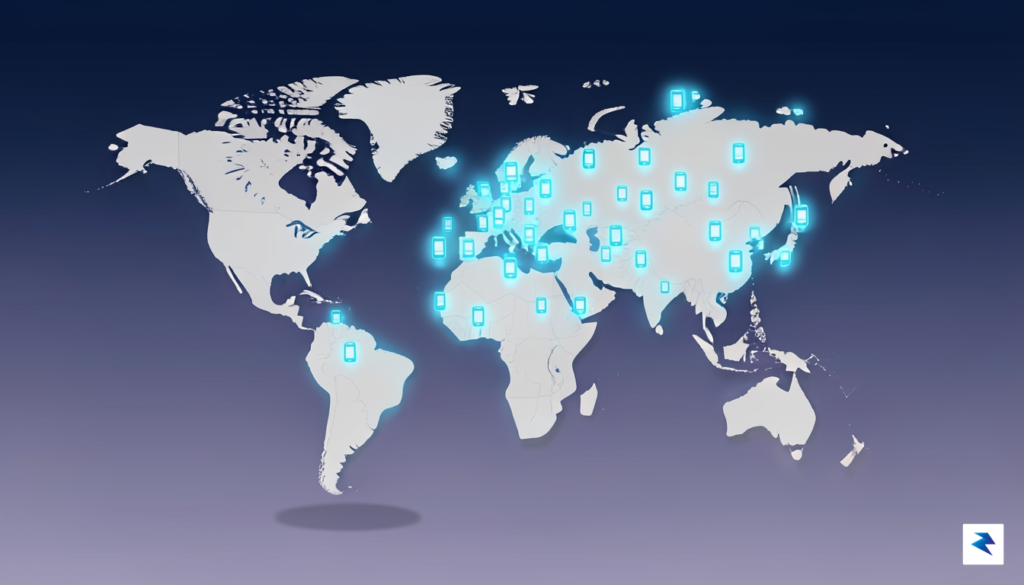
The long-term implications for the average consumer are complex and potentially double-edged. On one hand, a reduction in the number of active players in the market inevitably threatens the vibrancy of competition. When the field narrows to a handful of massive, entrenched entities, the pressure to innovate or lower price points tends to dissipate, often resulting in stagnant designs and inflated costs. We have already seen the impact of this “duopoly” effect in various tech sectors, where limited choice leads to a homogenization of features and a decrease in the aggressive pricing strategies that once disrupted the status quo.
The narrowing of the smartphone ecosystem suggests that the era of the “budget flagship” disruptor may be coming to a close, forcing consumers to reckon with a market defined by fewer, more expensive options.
Ultimately, as these brands recalibrate their footprints, the mobile landscape will likely become a battleground of ecosystem lock-in rather than pure hardware prowess. If OnePlus and similar mid-tier challengers exit the US, the remaining players will face less friction in pushing their proprietary software services and hardware accessories, effectively narrowing the consumer’s ability to “shop around” for value. While this shift signals a more sustainable path for the companies themselves, it undeniably marks the end of a golden age of rapid technological democratization and diverse hardware choices for the global user base.
You must be logged in to post a comment.