Strait of Hormuz Shipping Plummets Amid Rising Regional Tensions
The Strategic Chokepoint: Understanding the Strait of Hormuz The Strait of Hormuz is far more than a mere geographical anomaly; it serves as…
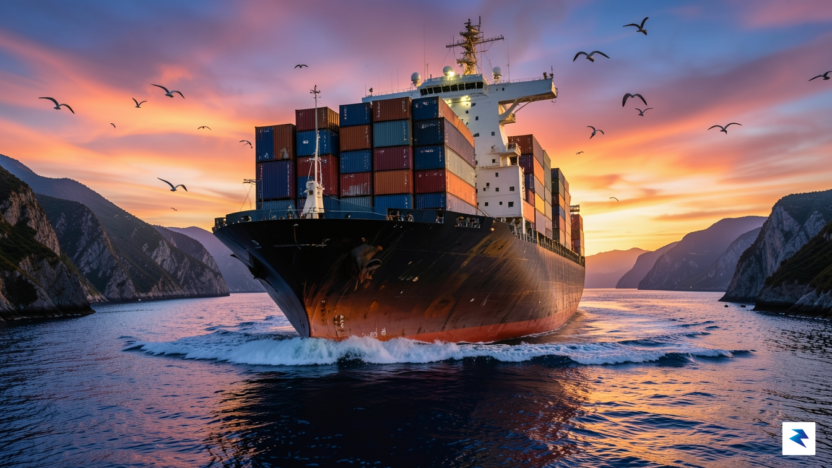
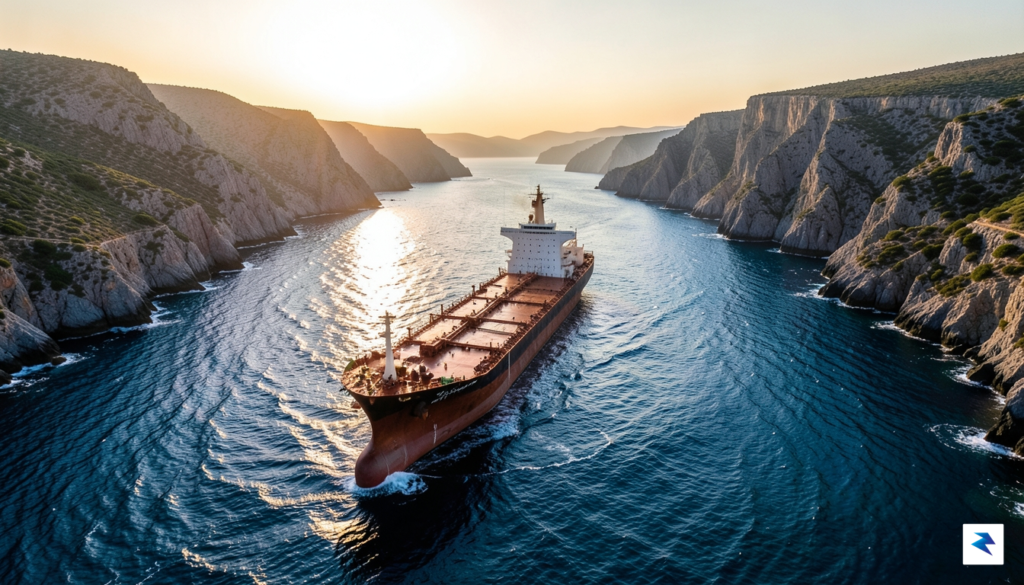
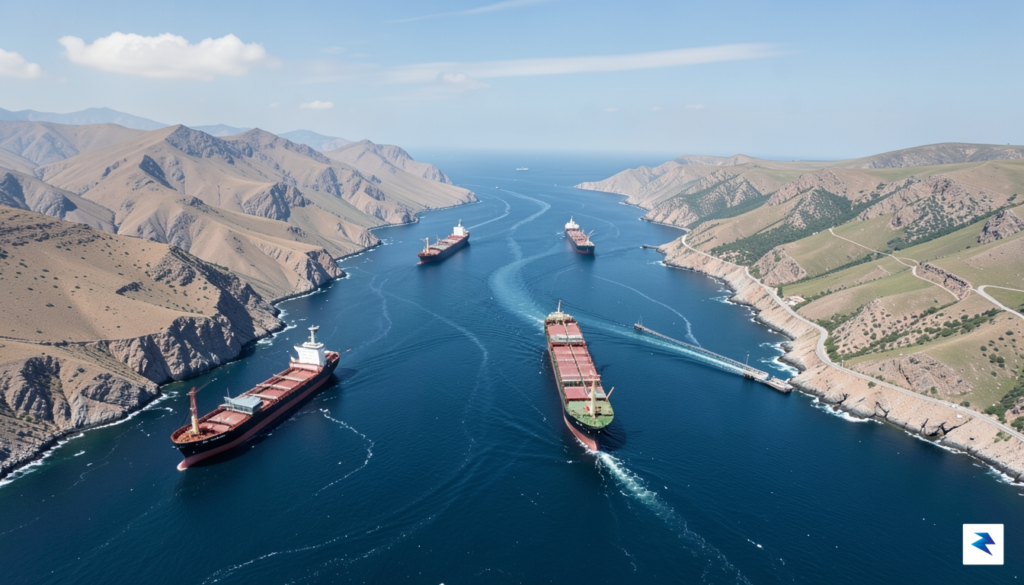
The Strait of Hormuz is not merely a maritime shipping lane; it is the absolute jugular vein of the global energy supply. Spanning only 21 miles at its narrowest point, this precarious passage serves as the only sea route connecting the oil-rich Persian Gulf to the open ocean. Every single day, approximately 20 to 21 million barrels of petroleum and petroleum products transit through these waters, accounting for roughly one-fifth of the world’s total liquid petroleum consumption. Because the shipping channels are restricted to just two miles wide—one for inbound traffic and one for outbound—the sheer volume of traffic creates a logistical bottleneck that has no viable bypass.
The reliance of major global economies on this narrow artery cannot be overstated, particularly for the rapidly growing markets in Asia. Nations such as China, India, Japan, and South Korea depend heavily on crude oil sourced from Saudi Arabia, Iraq, the United Arab Emirates, and Kuwait. These countries rely on the Strait for the vast majority of their daily energy imports, meaning that any disruption—whether caused by geopolitical posturing, military conflict, or the imposition of new transit fees—ripples instantly across their industrial sectors. When the flow of energy is threatened here, the immediate tremor is felt in every gas station and manufacturing plant across the globe.
The Strait of Hormuz is the world’s most critical energy chokepoint because its closure would not only spike global oil prices but would essentially paralyze the industrial output of major Asian economies that have no immediate alternatives for supply.
Beyond the sheer volume of trade, the vulnerability of the tankers passing through these waters is a constant source of anxiety for international policymakers. Because the tankers are slow-moving and massive, they are highly susceptible to regional instability, maritime mines, or drone interference. Navigating this narrow corridor requires precision and cooperation, both of which become increasingly difficult during times of diplomatic tension. As global powers look to secure their supply chains, the precarious geography of the Strait remains a constant reminder that the modern economy is built upon a fragile foundation of open sea lanes that are only as secure as the political climate allows them to be.
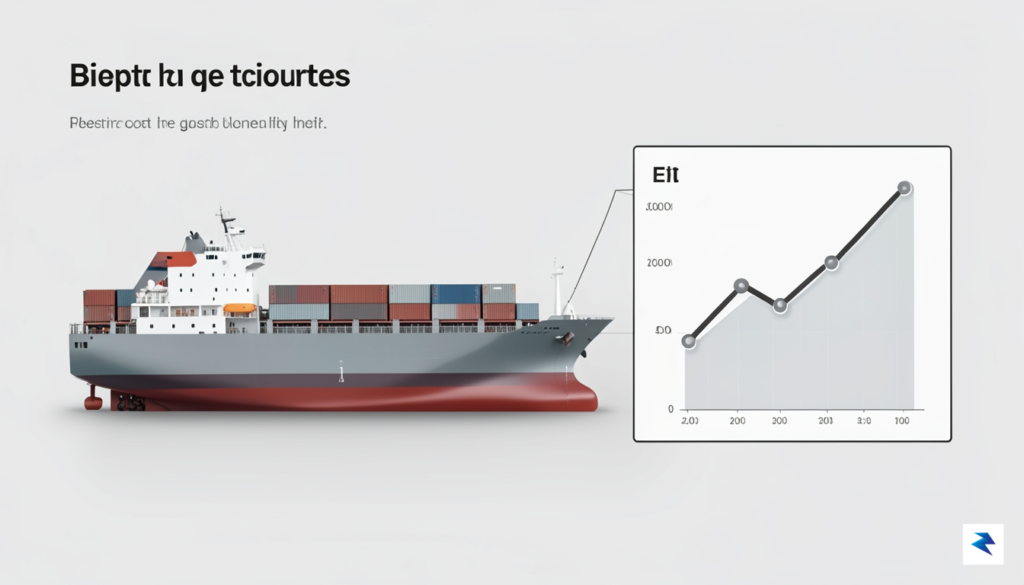
The implementation of a 20% transit levy on vessels navigating the Strait of Hormuz represents far more than a mere transactional surcharge; it functions as a potent economic multiplier that would fundamentally restructure global maritime logistics. Because the Strait serves as the world’s most critical artery for energy—facilitating the movement of approximately 20% of global petroleum consumption—any sudden increase in transit costs acts as a direct tax on the global energy supply. When shipping companies are forced to absorb or pass on a 20% fee, the immediate result is an upward shift in the baseline price of crude oil and liquefied natural gas. This initial cost spike then ripples outward, inflating the operating expenses of manufacturers who rely on these fuels for production and heating, eventually manifesting as higher price tags for finished consumer goods on store shelves.
To understand the depth of this disruption, one must consider the compounding effect of maritime logistics. Shipping rates are typically calculated based on vessel size, voyage time, and fuel consumption, but they also include risk premiums that adjust according to geopolitical stability. A government-mandated 20% surcharge would likely be viewed by underwriters as a permanent increase in operational risk, potentially driving insurance premiums even higher alongside the levy itself. For dry goods and commodities moving through these waters, the impact is equally severe; as fuel costs rise, the cost of container shipping—already sensitive to bunker fuel prices—will climb, creating a “cost-push” inflationary pressure that hits industries ranging from agriculture to automotive manufacturing.
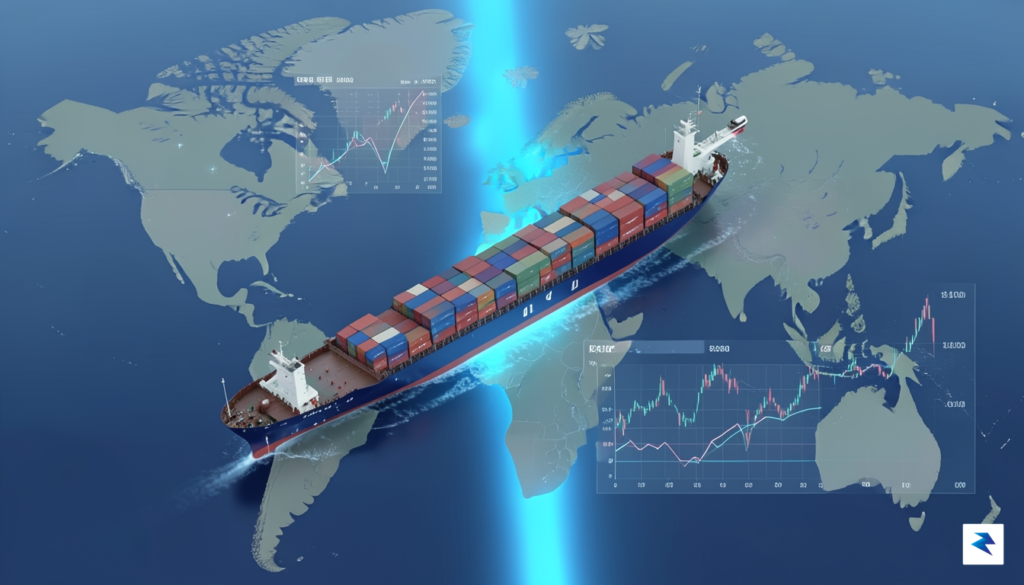
Ultimately, the 20% surcharge acts as a hidden tax on the global consumer, where every link in the supply chain—from the oil refinery to the regional distributor—adds its own margin to the initial transit cost, resulting in a final retail price that far exceeds the original 20% levy.
Beyond the immediate financial burden, the proposal faces immense legal hurdles that could stifle its implementation. International maritime law, primarily governed by the United Nations Convention on the Law of the Sea (UNCLOS), emphasizes the principle of “transit passage” through international straits. This legal framework ensures that vessels can move freely through strategic waterways without being subject to arbitrary taxes or tolls by coastal states. Imposing a unilateral levy would likely trigger a wave of litigation in international tribunals and could invite retaliatory trade measures from affected nations, such as China, India, and the European Union. These geopolitical tensions introduce a layer of uncertainty that financial markets despise, potentially leading to increased market volatility that could harm the global economy even before a single dollar of the levy is collected.
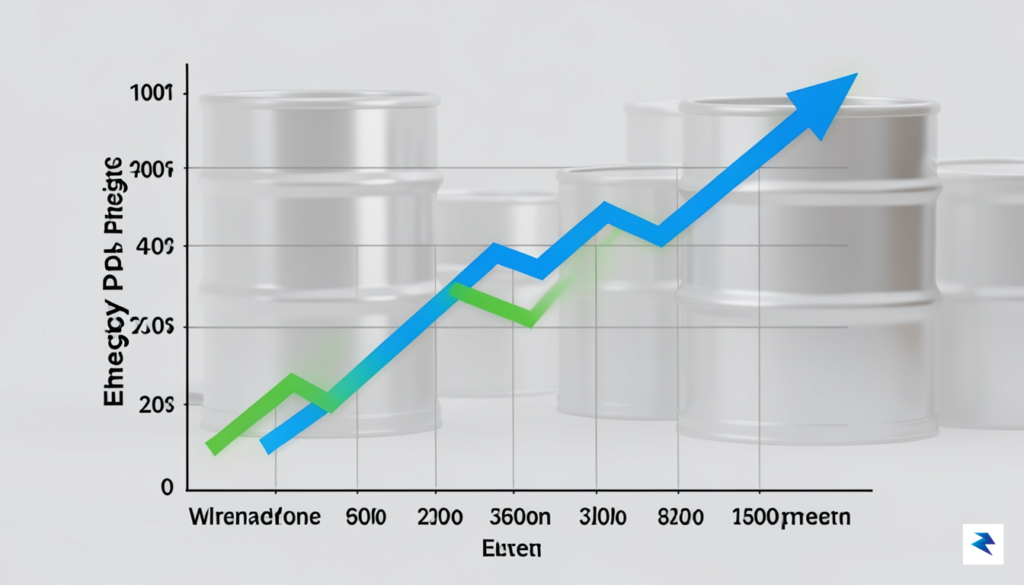
Energy markets are, by their very nature, addicted to the comfort of predictability; when that equilibrium is shattered, the results are rarely confined to the trading floor. Introducing a transit toll on the Strait of Hormuz—the world’s most critical oil chokepoint, through which roughly 20% of global petroleum consumption flows—would act as a massive, destabilizing shock to the system. Energy traders are already notoriously sensitive to geopolitical friction, and the mere suggestion of a mandatory fee is forcing them to bake a permanent “risk premium” into every barrel of crude. This premium isn’t just a hypothetical number; it represents the immediate cost of insuring vessels against potential conflict, higher maritime insurance premiums, and the psychological weight of an uncertain supply chain. As volatility spikes, institutional investors and hedge funds will likely pull back or drastically adjust their positions, leading to erratic price swings that make long-term energy planning nearly impossible for major refineries.
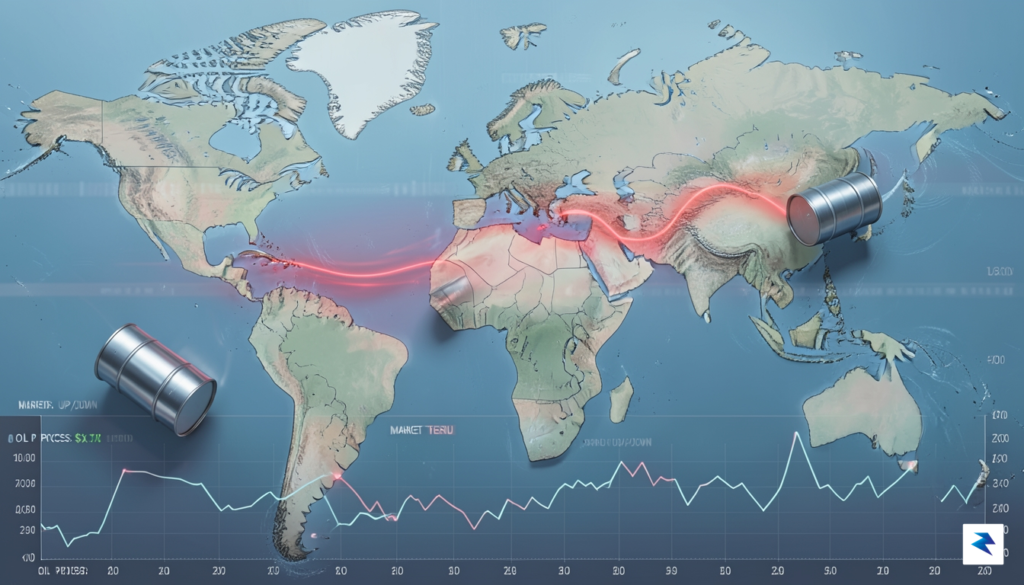
The trickle-down effect of these increased shipping costs will inevitably manifest in the daily life of the average household, acting as a regressive tax on consumption. Because oil is the primary feedstock for transportation fuels and heating oils, any increase in the cost of moving crude from the Persian Gulf to international ports will be passed directly to the consumer. When the price of transporting a barrel rises, the margin for error at the gas pump evaporates, leading to higher prices at the pump and increased costs for residential heating. This creates a compounding inflationary pressure; as logistics companies raise their rates to cover the rising cost of diesel, the price of everything from groceries to manufactured goods—all of which rely on a functioning global supply chain—begins to climb in tandem.
The imposition of a transit fee creates a ripple effect: it is not merely a cost of shipping, but a cost of existence for a global economy that remains tethered to the flow of crude through this narrow corridor.
Historically, we have seen how supply shocks—such as the 1973 oil crisis or the 1979 Iranian Revolution—can fundamentally alter the economic landscape by triggering stagflation. While a transit fee is a policy-driven disruption rather than a physical blockade, the economic consequences could be eerily similar. During those past periods of instability, the inability to guarantee supply led to panic buying and hoarding, which further exacerbated price volatility. If global markets perceive this proposed fee as a structural change to how energy is moved, we should expect a period of prolonged inflationary pressure that could force central banks to rethink their interest rate strategies. Ultimately, the burden of this policy shift would rest on the shoulders of the consumer, who must contend with the reality that energy independence is a complex goal, and until it is achieved, the world remains hostage to the price of passage through the Strait.

Implementing a maritime levy within the Strait of Hormuz is far from a simple bureaucratic maneuver; it represents a profound challenge to the long-standing international consensus regarding freedom of navigation. Because nearly 20% of the world’s total petroleum consumption passes through this narrow artery, any attempt to monetize transit rights is almost certain to be viewed by regional powers—most notably Iran—as an act of economic warfare or an intolerable violation of sovereignty. Under the United Nations Convention on the Law of the Sea (UNCLOS), the Strait is classified as a transit passage, which strictly limits the ability of coastal states to interfere with the movement of foreign-flagged vessels. By attempting to impose a fee, the United States would be effectively discarding these established legal norms, inviting a chaotic environment where regional actors may feel emboldened to disregard international treaties in kind.
The risk of direct military escalation is perhaps the most immediate concern for global logistics providers. If an enforced fee were met with resistance, regional nations might choose to exert control through asymmetric naval tactics, such as the deployment of sea mines, fast-attack craft, or even the seizure of commercial tankers as a form of retaliatory leverage. Such actions would not only spike insurance premiums to historic levels but could trigger a complete closure of the chokepoint, effectively paralyzing energy markets overnight. The presence of international naval coalitions, currently tasked with protecting shipping lanes, would be forced into a precarious position: either enforce a controversial tax that could ignite a broader conflict or stand down, thereby rendering the fee unenforceable and undermining the credibility of the policy itself.
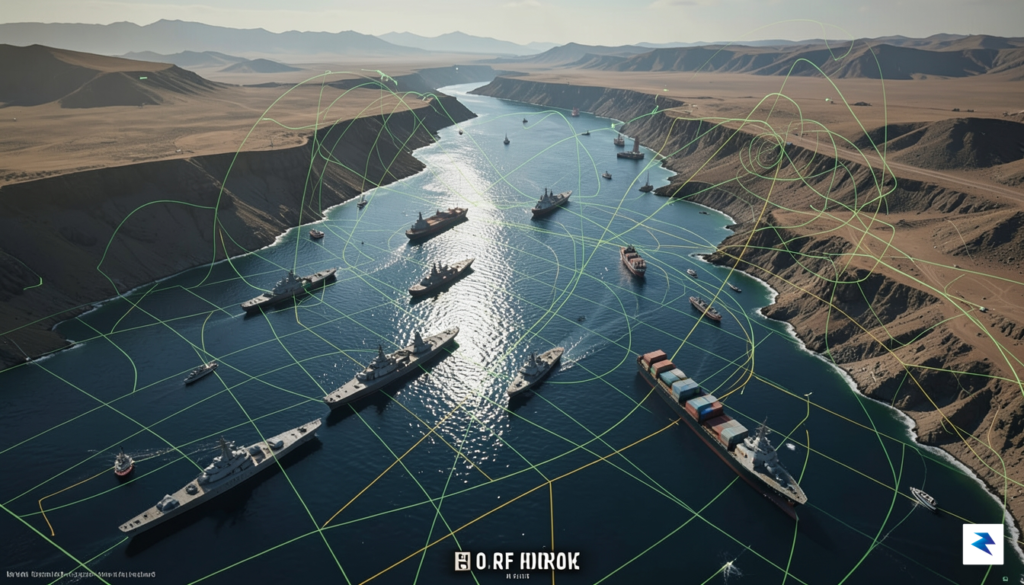
The enforcement of maritime tolls in international waters risks transforming a commercial shipping route into a high-intensity theater of state-on-state confrontation, where the cost of security far outweighs the revenue generated by the fees.
Furthermore, the diplomatic fallout would likely extend far beyond the immediate region. Traditional allies in Europe and Asia, who rely heavily on stable energy prices, would likely view such a unilateral policy as a destabilizing force that threatens their domestic economic security. This could lead to a fracturing of existing diplomatic alliances, as nations seek to negotiate their own exemptions or bypass the U.S.-led framework altogether to ensure the flow of oil remains uninterrupted. Ultimately, the move risks turning the Strait into a focal point for global power struggles, where legal arguments regarding territorial waters are inevitably eclipsed by the reality of naval posturing and the desperate need to prevent a catastrophic energy shortage.
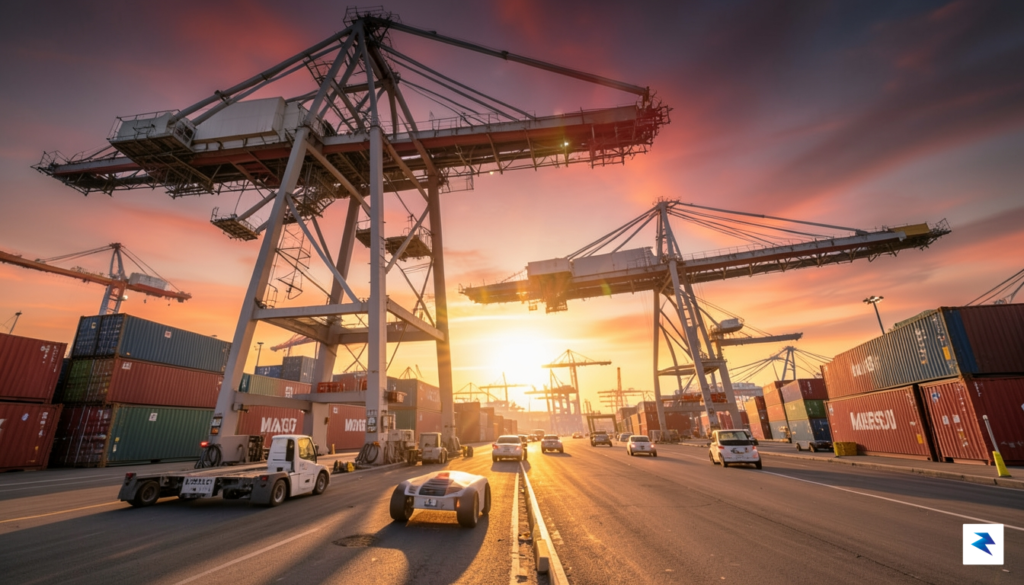
The prospect of a substantial transit levy at one of the world’s most critical maritime chokepoints has forced a radical rethink of global supply chain strategies. For decades, the efficiency of the Strait of Hormuz was taken for granted, but as geopolitical tensions rise and regulatory threats loom, logistics planners are no longer viewing these waters as an immutable constant. Instead, major energy firms and shipping conglomerates are accelerating the development of bypass infrastructure, such as expanded pipeline networks that allow oil and gas to reach export terminals on the Arabian Sea, effectively circumventing the bottleneck entirely. By prioritizing these terrestrial conduits, nations are not merely looking to avoid a potential 20% surcharge; they are actively working to decouple their energy security from the unpredictable volatility of maritime transit zones.
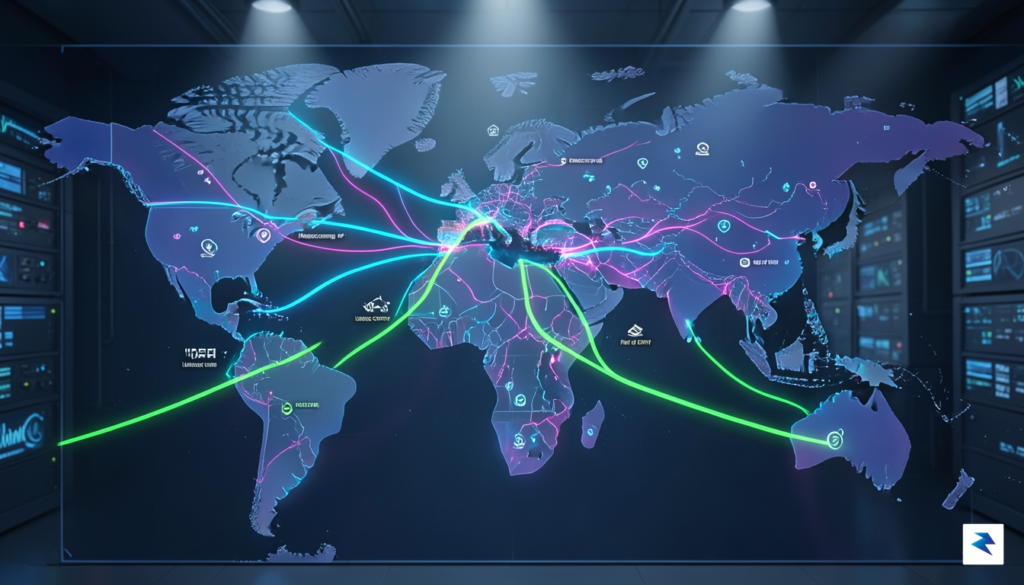
Beyond rerouting, the shipping industry is undergoing a profound shift toward extreme operational efficiency to offset rising overheads. As transit costs threaten to erode profit margins, maritime carriers are increasingly incentivized to adopt sophisticated fleet management software that optimizes fuel consumption through predictive weather routing and slow-steaming initiatives. This movement toward “lean logistics” is not just about environmental sustainability; it is a defensive posture designed to absorb the financial shock of regional trade taxes. Furthermore, shippers are investing heavily in autonomous vessel technology and AI-driven predictive maintenance, ensuring that when a ship does have to traverse a high-cost zone, it does so with maximum reliability and minimal downtime, reducing the likelihood of costly delays that would only compound the burden of new fees.
The future of global trade lies in the shift from a ‘just-in-time’ model to a ‘just-in-case’ strategy, where redundancy and regional resilience take precedence over pure, low-cost centralization.
Finally, we are observing a structural transition toward regionalized trade networks as a fundamental hedge against systemic global instability. Companies are moving away from hyper-globalized, single-source manufacturing in favor of near-shoring and friend-shoring, which shortens the distance goods must travel across volatile international waters. By building localized production hubs that serve specific continental markets, businesses can insulate themselves from the ripple effects of localized geopolitical conflicts or sudden maritime levies. This pivot toward regionalization essentially decentralizes the risk, ensuring that if one major artery of global trade faces an artificial barrier or physical obstruction, the broader network remains functional and resilient enough to sustain the flow of essential commerce.
You must be logged in to post a comment.