
X’s New Algorithm: Can It Actually Make the Platform Friendlier?
Understanding the Shift: From Global Reach to Mutual Connections For years, the architecture of X—formerly known as Twitter—was built on the…
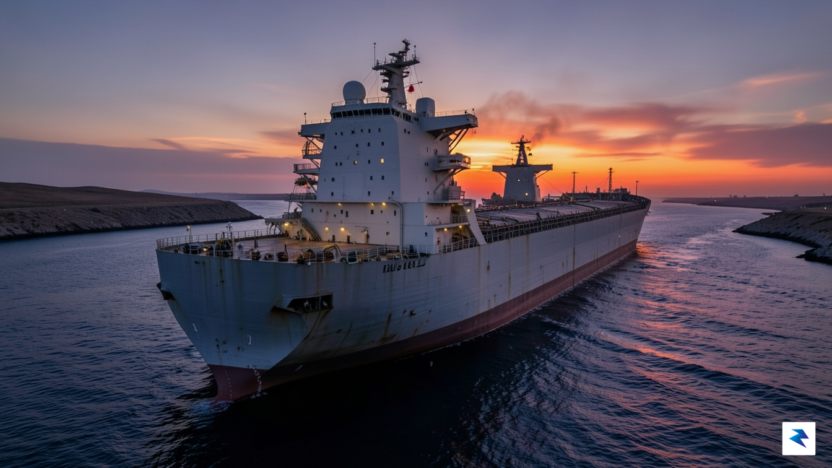
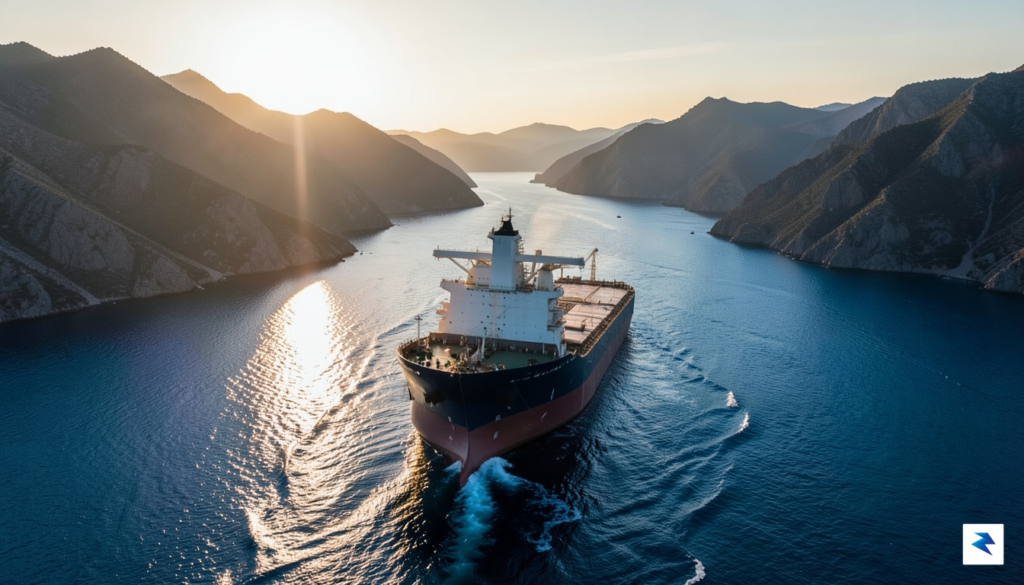
The Strait of Hormuz is far more than a mere geographical anomaly; it serves as the literal jugular vein of the modern global economy. Connecting the Persian Gulf with the Gulf of Oman and the Arabian Sea, this narrow passage—only 21 miles wide at its most constricted point—functions as the primary artery for the world’s energy supply. Because the vast majority of crude oil and liquefied natural gas (LNG) produced by major Middle Eastern exporters must traverse these waters to reach international buyers, any disruption here sends immediate, cascading shockwaves through every financial market on the planet. Its status as the world’s most critical maritime chokepoint is cemented by the fact that nearly 20 percent of total global petroleum consumption passes through its currents daily.
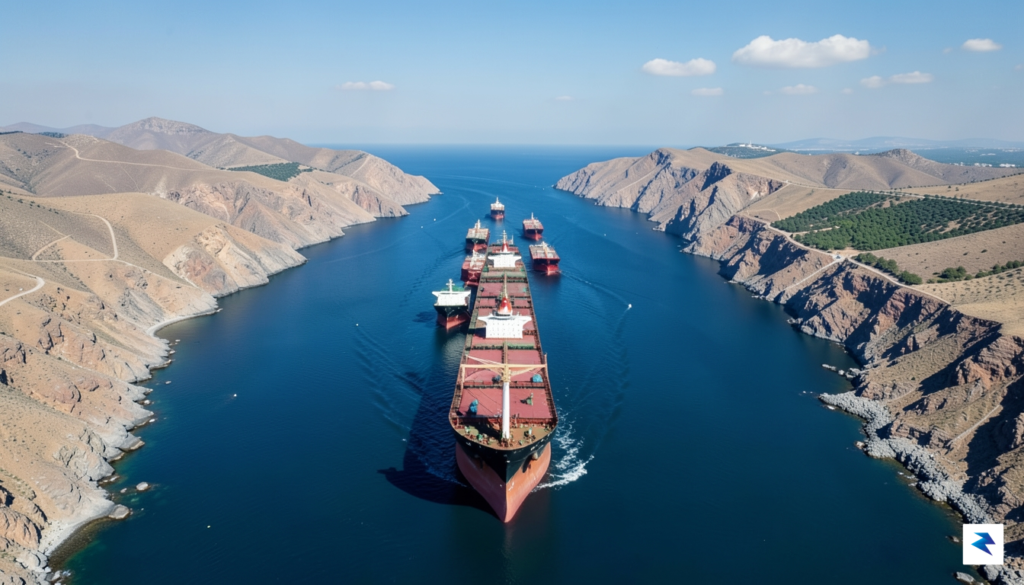
For the rapidly expanding economies of Asia, including heavyweights like China, India, Japan, and South Korea, the Strait represents an existential lifeline. These nations rely on the consistent, uninterrupted flow of tankers from the Persian Gulf to fuel their industrial output, power their electrical grids, and maintain domestic stability. Similarly, European markets remain deeply tethered to this route, as shifts in transit volumes directly influence the volatility of Brent crude prices and domestic heating costs. The sheer volume of traffic—often exceeding 20 million barrels of oil per day—means that even a minor delay or a localized security incident can translate into immediate inflationary pressure for consumers thousands of miles away.
The stability of the Strait of Hormuz is not merely a regional concern; it is a global public good. When the flow of energy is threatened, the entire architecture of international trade begins to fracture.
Historically, the Strait has functioned as a high-stakes chessboard where regional rivalries and international geopolitical interests collide. Because of its strategic positioning, the passage has frequently served as a proxy for broader tensions, with various actors leveraging the threat of maritime blockades as a tool of diplomatic coercion. This volatile history has necessitated a permanent, heavy naval presence from global powers to ensure freedom of navigation, yet these patrols often serve to heighten the perceived risk of conflict. Consequently, the Strait remains a delicate balance of economic necessity and military posturing, where the slightest miscalculation can transform a routine shipping lane into a flashpoint for a global energy crisis.
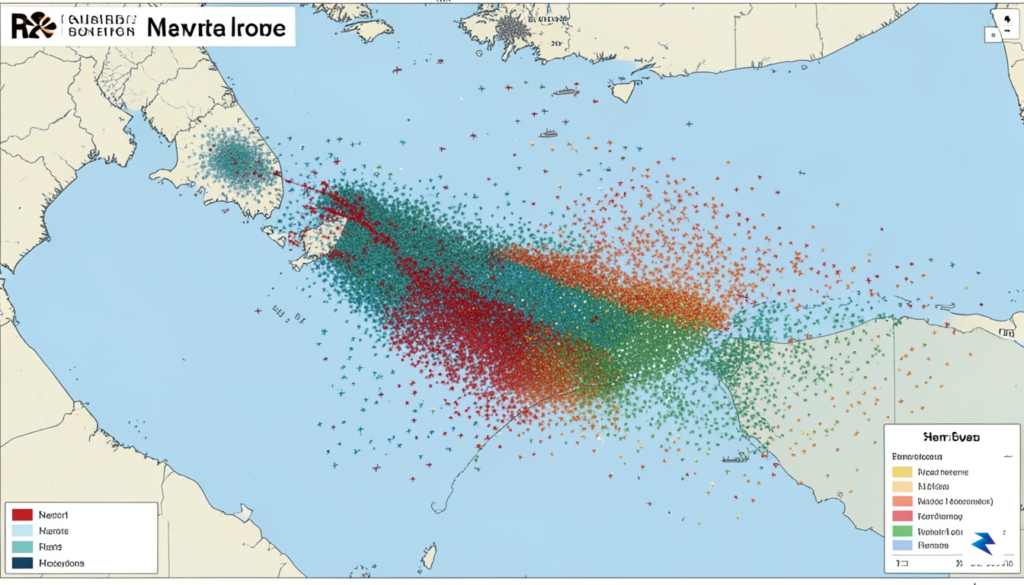
Recent maritime tracking data reveals a sobering trend: vessel transits through the Strait of Hormuz have plunged to their lowest level in over thirty days. This statistical decline represents a sharp departure from the typical flow of global commerce, acting as an immediate, visceral reaction to the volatile security environment currently engulfing the region. As maritime analysts observe a thinning of tanker traffic, it is becoming increasingly clear that this is not a temporary anomaly or a seasonal fluctuation in trade, but rather a calculated withdrawal triggered by the elevated risk profile of the waterway. The correlation between recent kinetic strikes and the rapid retreat of commercial fleet operators highlights just how fragile the global supply chain remains when faced with localized geopolitical instability.
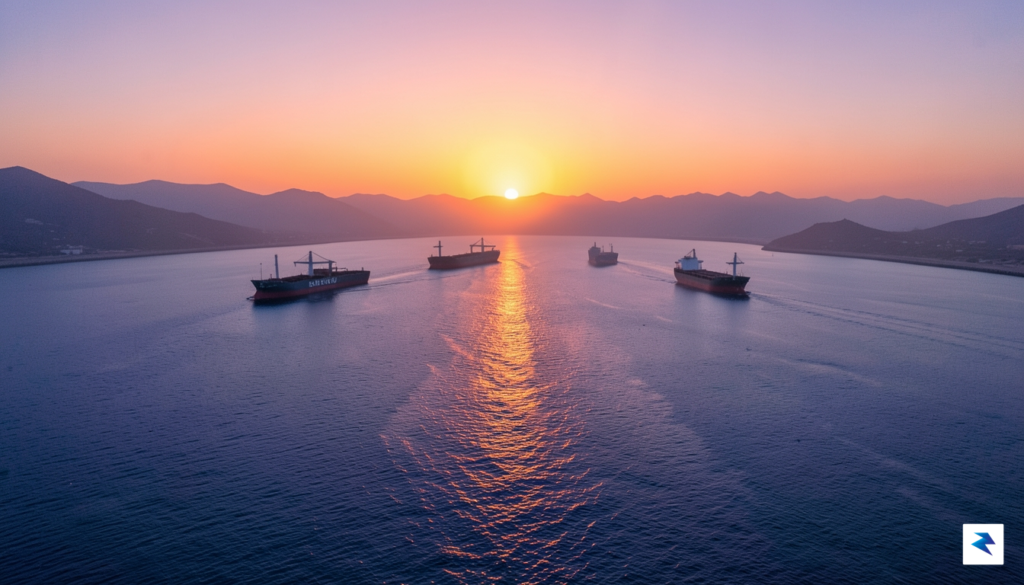
The decision-making process for major shipping conglomerates has shifted overnight from a focus on efficiency to a mandate for survival. When insurance underwriters designate a body of water as a “high-risk” zone, the financial implications are immediate and severe; premiums for war-risk coverage can spike by hundreds of percentage points, effectively rendering certain transit routes economically unviable. For a shipping firm operating on thin margins, the choice to bypass the Strait is no longer just a security precaution but a fiscal necessity. Consequently, maritime traffic controllers are witnessing a logistical scramble as operators attempt to secure alternative routes, often involving significantly longer voyages that add days, if not weeks, to delivery schedules.
The sudden thinning of vessel density in the Strait serves as a stark reminder that global energy security is inextricably linked to the perceived safety of these narrow maritime chokepoints.
Beyond the immediate financial costs, this rerouting effort creates a cascading series of delays that ripple through the global economy. As tankers carrying vital crude oil and liquefied natural gas are diverted away from the Strait, the logistical burden forces a reorganization of port arrivals and storage demand far from the original intended destinations. This scramble to maintain the flow of energy puts immense pressure on global shipping capacity, as vessels are tied up for longer durations on longer routes. Ultimately, the current lull in traffic is a manifestation of the industry’s cautious posture, prioritizing the protection of multi-million dollar assets and human crews over the traditional speed and cost-effectiveness that usually define the shipping industry’s approach to the Strait of Hormuz.
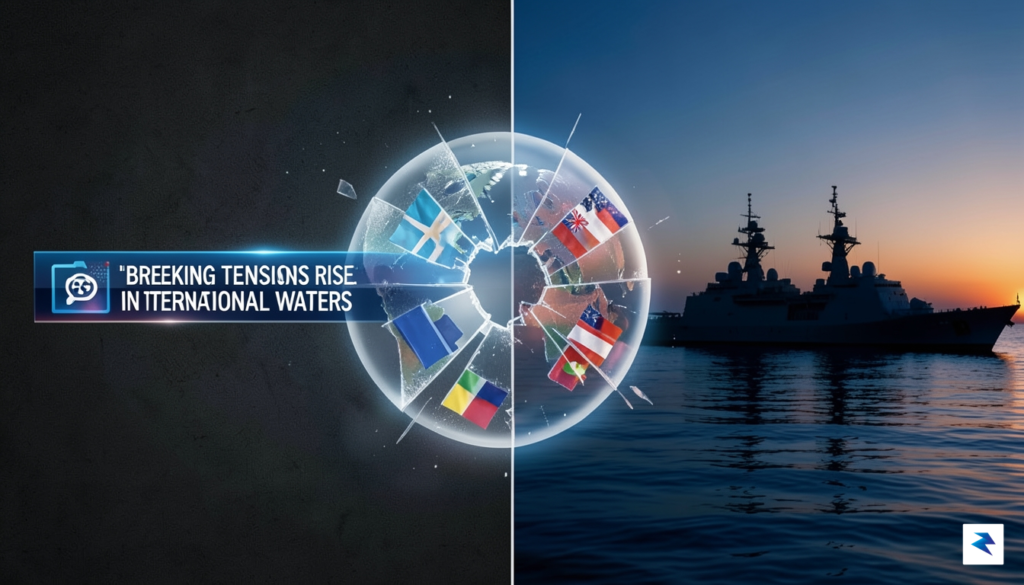
The current disruption in maritime traffic through the Strait of Hormuz is far from an isolated incident; rather, it represents the latest, most precarious chapter in a long-standing cycle of regional hostility. The sequence of events began in earnest with a calculated assault on a commercial merchant vessel, an act that shattered the fragile stability often maintained in these critical shipping lanes. In immediate response, U.S. military forces conducted targeted counter-strikes aimed at neutralizing the threat and deterring further aggression. This rapid escalation from an initial strike to a kinetic military reaction has fundamentally altered the security environment, forcing global shipping companies to weigh the economic necessity of transit against the stark reality of physical danger.
The situation has been further compounded by President Trump’s recent rhetoric suggesting the potential for a formal blockade of Iranian ports. Such a declaration, whether intended as a strategic bargaining chip or a concrete policy shift, has sent shockwaves through diplomatic channels and commodity markets alike. By introducing the prospect of a total cutoff of trade access, the administration has moved the conflict beyond the realm of localized skirmishes and into the territory of broad economic warfare. This pivot has left regional stakeholders and international observers scrambling to decipher whether these statements signal a move toward containment or a precursor to a wider, more entrenched confrontation.
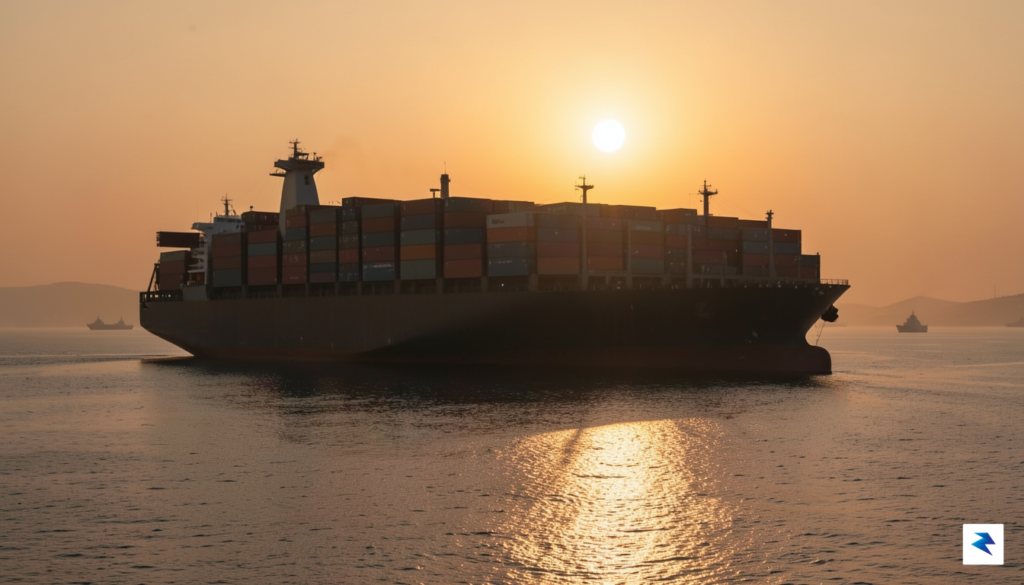
The volatility in the Strait of Hormuz is a stark reminder that global supply chains are only as secure as the political stability of the regions they traverse.
Analyzing the potential for de-escalation versus further conflict requires an understanding of the precarious balance currently held by all parties involved. On one hand, the sheer economic pressure caused by plummeting shipping volumes may provide a narrow window for back-channel diplomacy, as neither side benefits indefinitely from a total paralysis of the world’s most vital oil transit chokepoint. Conversely, the momentum of the current cycle—where every retaliatory strike demands a counter-response to maintain perceived strength—suggests that the window for meaningful negotiation is rapidly closing. As naval assets remain on high alert and the rhetoric regarding port blockades continues to dominate the discourse, the Strait of Hormuz stands at a critical juncture where a single miscalculation could trigger a permanent shift in regional security dynamics.
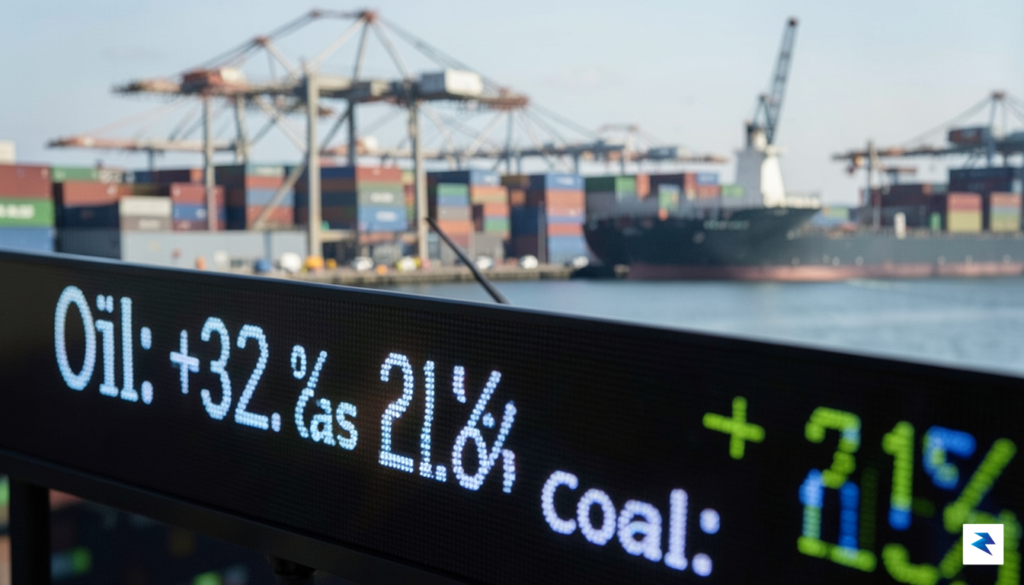
The immediate reaction of global energy markets to the restricted transit through the Strait of Hormuz has been swift and unforgiving. As a critical chokepoint that facilitates the movement of roughly one-fifth of the world’s total oil consumption, any perceived reduction in throughput triggers an almost instantaneous surge in oil futures. Traders and investors, fearing a prolonged bottleneck, have moved to price in a “risk premium,” driving barrels higher as uncertainty clouds the stability of Middle Eastern exports. This volatility is not merely a financial blip; it serves as a stark reminder of how fragile global energy security remains in the face of localized geopolitical friction.
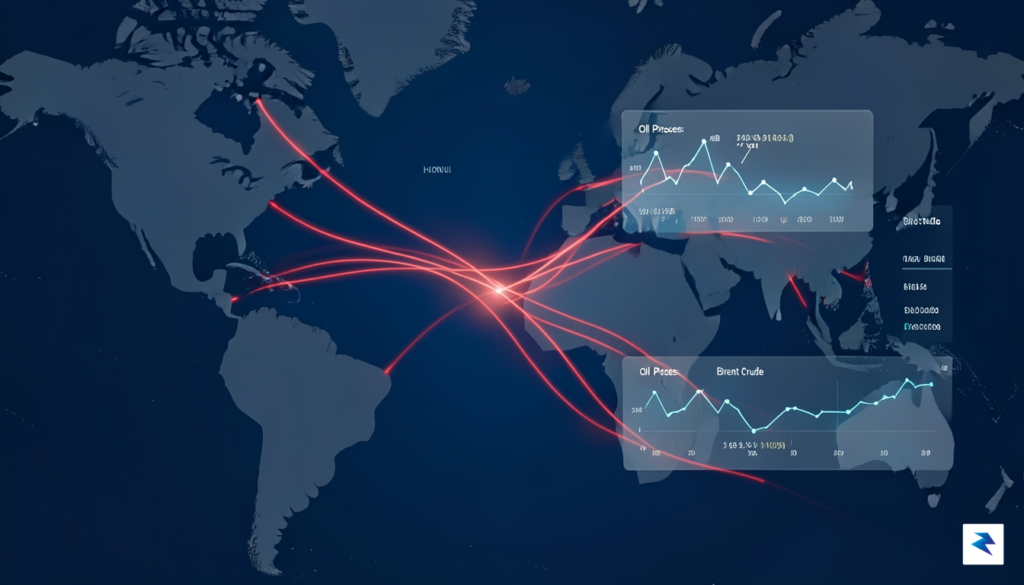
Beyond the immediate price fluctuations, the broader supply chain faces a cascading effect that threatens industrial productivity. Energy-dependent sectors—ranging from manufacturing and logistics to petrochemical production—are bracing for extended lead times and rising input costs. When the cost of fuel spikes, the entire logistics ecosystem absorbs the shock, which is eventually passed down to the end consumer. If this disruption persists, we can expect to see a resurgence in inflationary pressures, as the increased cost of transporting raw materials and finished goods forces businesses to adjust their pricing models. This creates a difficult environment for central banks, which are already struggling to balance growth with price stability.
Furthermore, the psychological impact on the market cannot be understated. Fear of scarcity often precipitates “panic buying,” where fuel wholesalers and governments hoard reserves to hedge against potential future shortages. This defensive behavior can exacerbate price spikes, creating a feedback loop that makes the underlying energy crisis appear more severe than current supply levels might otherwise dictate.
The real danger lies not just in the temporary loss of volume, but in the erosion of predictability. Global trade relies on the assumption that major arteries remain open; when that trust is broken, companies are forced to reconsider their reliance on just-in-time delivery models, potentially shifting toward more expensive, localized supply chains that could permanently alter the cost structure of global commerce.
Ultimately, if the current downward trend in shipping traffic continues, the coming quarter may witness a measurable cooling in industrial output. Businesses that cannot offset the rising energy costs through efficiency gains will likely face margin compression, leading to a potential slowdown in capital investment. The situation serves as a sobering case study in the interconnectedness of modern trade, where a single regional disruption can ripple outward, affecting the economic health of nations thousands of miles away from the source of the tension.

As the volatility in the Strait of Hormuz continues to ripple through global supply chains, the international community is forced to navigate a precarious path between military deterrence and diplomatic de-escalation. The recent decline in vessel traffic serves as a stark reminder that the security of this maritime chokepoint is not merely a regional concern, but a pillar of the global economy. Moving forward, the effectiveness of international naval coalitions will be tested as they attempt to balance a protective presence with the need to avoid further inciting regional actors. These coalitions must prioritize transparent communication and adherence to established maritime laws to prevent miscalculations that could inadvertently escalate a localized conflict into a broader maritime crisis.
Beyond the presence of warships, the role of diplomatic backchannels has never been more critical. While public posturing often dominates the headlines, quiet, behind-the-scenes negotiations remain the most effective tool for mitigating the risk of direct confrontation. Stakeholders are currently monitoring these channels closely, looking for signals that key regional powers are willing to establish “de-confliction zones” or communication protocols that allow commercial vessels to transit safely despite the underlying political friction. For shipping companies, this environment necessitates a shift toward more sophisticated risk-management strategies, including real-time intelligence monitoring, the use of private security contractors, and the adoption of flexible routing to bypass the most volatile sectors whenever possible.
The stability of the Strait of Hormuz is a non-negotiable global interest, as any prolonged disruption to this vital artery threatens the energy security and economic prosperity of nations across every continent.
Looking ahead, the international maritime community must view these recent developments as a catalyst for strengthening long-term security cooperation. Whether through enhanced information-sharing networks or the standardization of emergency response protocols, the priority must be to insulate commercial logistics from the ebbs and flows of geopolitical hostility. Ultimately, protecting these waters is a collective responsibility that requires a multi-faceted approach, combining robust deterrence with the patient, often invisible work of diplomacy. As industry analysts and policymakers keep a watchful eye on the weeks ahead, the consensus remains clear: restoring confidence in the safety of these shipping lanes is essential for maintaining the fragile equilibrium of global trade.
You must be logged in to post a comment.