
Inside Nous Research’s $1.5B Valuation: The Rise of Agentic AI
The Rise of Nous Research: A New Titan in AI Agents For years, the artificial intelligence landscape was dominated by monolithic tech giants…


For years, the architecture of X—formerly known as Twitter—was built on the bedrock of viral velocity. The algorithm was essentially designed to be a digital accelerant, prioritizing content that triggered immediate, high-volume reactions. By rewarding posts that sparked outrage, debate, or large-scale engagement, the platform inadvertently transformed into a global battleground where conflict served as the primary currency for visibility. In this legacy ecosystem, a user’s follower count acted as a massive megaphone, often drowning out nuanced conversation in favor of polarizing soundbites that were engineered to travel across the furthest reaches of the network, regardless of whether the audience shared a genuine connection with the author.
The platform is now undergoing a fundamental recalibration, moving away from this “global town square” model toward a more intimate, communal experience. Instead of forcing users into the center of a chaotic, worldwide shouting match, the new algorithmic focus prioritizes what many are calling a “mutuals-first” approach. This shift acknowledges that the most meaningful interactions online do not occur in the presence of thousands of strangers, but rather within the circles of people we actually know, respect, or interact with regularly. By suppressing the reach of inflammatory content that relies on broad, surface-level engagement, the system is attempting to foster a digital environment that feels less like an arena and more like a local community.

The core of this transition lies in de-emphasizing the vanity metrics of the past—where raw follower count dictated the hierarchy of information—and replacing them with relationship-driven signals.
This transition represents a significant departure from the traditional logic of social media growth. Previously, the algorithm functioned like a lottery for virality, where high-follower accounts were granted an inherent advantage in every conversation. Under the new parameters, visibility is increasingly tied to the strength of the social graph: if your connections engage with your content, the platform elevates it within your immediate network rather than pushing it into the feeds of millions of disconnected observers. Consequently, this creates a protective buffer against the toxicity that often comes with forced exposure to opposing viewpoints in a high-stakes, public format.
Ultimately, this change suggests that X is attempting to solve its long-standing reputational issue by re-engineering the user experience from the ground up. By favoring the quality of existing relationships over the quantity of potential reach, the platform is betting that users will find more value in a quiet, coherent conversation with their peers than in the constant, high-octane stimulation of a global controversy. While it remains to be seen if this can truly silence the noise, the shift marks a deliberate move toward a more sustainable and less hostile digital landscape for the average user.

At its core, the platform’s shift centers on a fundamental recalibration of how it interprets the value of a connection. Previously, the algorithm operated as a massive amplification engine, rewarding any interaction—regardless of its source—with visibility to a global audience. Under the new framework, the system is increasingly prioritizing mutual connectivity, or the state where two accounts follow one another. By isolating these nodes of reciprocal engagement, the algorithm now treats interactions between mutuals as a high-trust signal, effectively elevating content that originates from within your established social orbit over the noise of the broader, often contentious, public square.
This technical pivot involves a deliberate devaluation of “vanity metrics” generated by strangers. In the past, a viral like from a total stranger carried significant weight in propelling a post toward wider distribution. Now, the system appears to be dampening the impact of these broad-reach signals, instead assigning a higher coefficient to engagement—such as replies or reposts—coming from individuals already embedded in your verified social graph. Consequently, the mathematical probability of a post surfacing in your primary discovery stream is now heavily dependent on the density of your connections to the author. This approach creates a more insulated environment where the algorithm acts as a curator of your community rather than a megaphone for mass-market provocation.
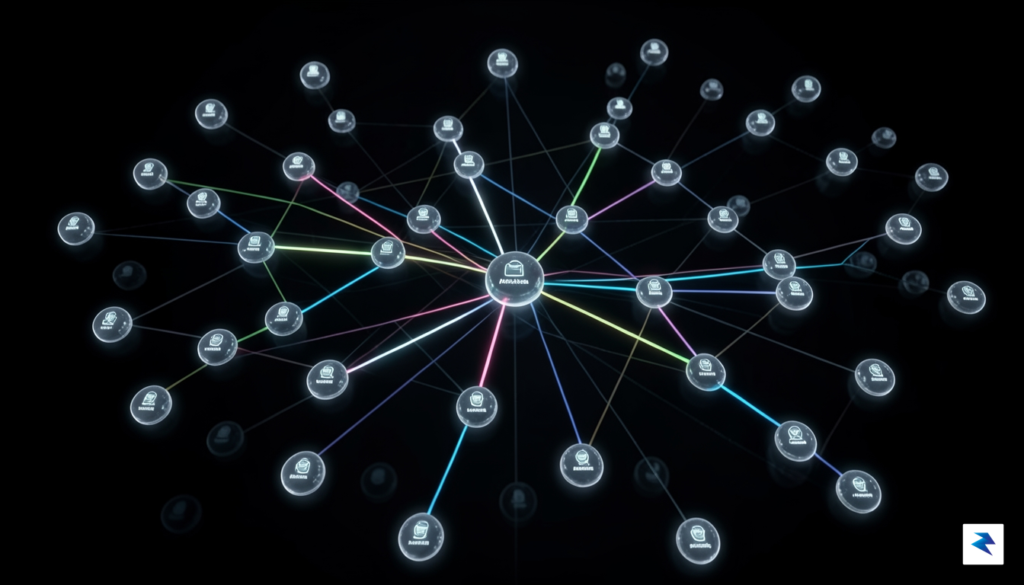
The shift represents a move away from the ‘engagement at any cost’ model toward a ‘social cohesion’ model, where the strength of a relationship is prioritized over the volume of the audience.
The impact of this change is most pronounced in how the platform distinguishes between different modes of content consumption. While the chronological stream remains a reflection of raw time, the recommendation engine is undergoing a transformation that favors intimacy over reach. By weighting mutual interactions more heavily, the platform essentially creates a “high-trust zone” for the user. When you interact with someone you mutually follow, that activity is now weighted to trigger further recommendations from that same social cluster, effectively tightening the feedback loop. This structural change fundamentally alters the incentive system: creators are no longer rewarded solely for being provocative to a mass audience, but rather for fostering consistent, reciprocal relationships with their existing community. Ultimately, this algorithmic nudge aims to dampen the platform’s reputation as a battleground by prioritizing the social ties that make digital spaces feel more personal and less like a chaotic, anonymous arena.

For years, the experience of navigating the platform now known as X has felt less like a town square and more like a high-stakes arena. The algorithm was famously tuned to prioritize high-arousal content, meaning that posts which triggered outrage, shock, or aggressive disagreement were propelled to the top of everyone’s timeline. While this strategy successfully drove engagement metrics in the short term, it inadvertently fostered a toxic environment that many users found exhausting. Constant exposure to conflict creates a state of perpetual hyper-vigilance, and over time, this psychological toll has manifested as widespread platform fatigue. Users are no longer just scrolling to stay informed; they are bracing themselves for the next wave of negativity, a dynamic that has inevitably led to declining dwell times and a noticeable exodus of more casual, community-oriented participants.
The core of this problem lies in the neurological response to outrage. When content is designed to provoke, it hijacks the user’s attention, creating a cycle of reactive posting that feels urgent but lacks substance. However, the human brain is not wired for sustained, high-intensity conflict. As users reach their threshold for digital combat, the very mechanism that once kept them glued to their screens—the endless stream of viral argument—has become the primary reason they decide to close the app. Market analysts have observed that this brand of engagement is ultimately unsustainable; once the initial shock wears off, it leaves behind a hollow, cynical user base that is far more likely to churn than one built on positive reinforcement or shared interests.

Recognizing this burnout, the shift toward a friendlier algorithmic approach is a calculated survival strategy. By dialing back the amplification of inflammatory content, the platform is attempting to pivot from being a volatile battleground to a space that fosters genuine, intimate connections. This is a crucial move for long-term retention. When users feel that their feed is a place where they can discover hobbies, follow niche communities, or share lighthearted moments without being dragged into a political or social fray, the platform transitions from an obligation into a destination.
The future of social media isn’t found in the loudest voice in the room, but in the most relevant conversation. Success now depends on transforming the digital experience from a source of anxiety into a source of value.
Ultimately, this pivot acknowledges a fundamental truth: users are increasingly craving digital environments that prioritize mental well-being over sheer volume of interaction. If the platform can successfully recalibrate its signal-to-noise ratio, it may be able to rebuild the trust necessary to keep audiences engaged for the long haul. Moving away from the “outrage economy” is not just a moral adjustment; it is a pragmatic necessity to ensure that the platform remains a viable, healthy ecosystem in an increasingly crowded social media landscape.

The pivot away from rage-bait and divisive content marks a significant turning point for anyone operating on the platform. For years, the prevailing wisdom suggested that the fastest way to scale was to lean into controversy, triggering high-volume engagement through heated debates and polarizing opinions. However, as the platform shifts its technical focus toward fostering healthier interactions, this “growth hacking” mentality is becoming a liability rather than an asset. Creators and brands must now recognize that the algorithm is no longer rewarding the loudest voice in the room, but rather the voice that cultivates the most meaningful dialogue.

This transition necessitates a fundamental shift from a broadcasting mindset to one centered on community stewardship. Instead of treating followers as mere metrics to be inflated, successful accounts will prioritize the development of a “mutual” base. A mutual base consists of an audience that is genuinely invested in the creator’s vision, where the relationship is reciprocal rather than transactional. When you focus on building this foundation, you move away from chasing vanity follower counts that rarely convert into actual sales or loyalty. Building a loyal community is undeniably slower than manufacturing a viral moment, but the resulting stability is far more resilient to future algorithmic shifts.
True authority on the platform is no longer measured by the volume of noise you create, but by the depth of the community you maintain.
To successfully adapt your strategy, consider implementing these community-centric posting habits:
Ultimately, this evolution invites creators to return to the human element of social media. By moving away from the metrics of conflict, you open the door to sustainable growth that is built on trust and consistent value. Brands that embrace this change will find themselves with a more stable, receptive audience that is far more likely to stick around when the next major platform update inevitably arrives. The era of the digital battleground is fading; in its place, the era of the digital community is taking root, rewarding those who choose connection over confrontation.

The recent algorithmic adjustments at X represent more than just a tweak to the underlying code; they signal a profound realization that the era of unbridled, massive-scale virality may be reaching a point of diminishing returns. For years, social platforms prioritized outrage and polarizing engagement to keep users scrolling, but this strategy created digital environments often characterized by hostility and fragmentation. By attempting to pivot toward a structure that mimics the intimacy of private group chats, the platform is essentially trying to bottle the cozy, low-stakes comfort of a living room conversation and transplant it into a public town square. The industry-wide shift suggests a collective awakening: users are increasingly exhausted by the constant pressure to perform or conflict, and they are gravitating toward digital spaces that feel manageable rather than overwhelming.
Whether these changes will genuinely reduce toxicity remains a subject of intense debate among digital sociologists and casual users alike. While surfacing content from shared interests rather than inflammatory global trends sounds promising, the underlying architecture of a public social network still inherently incentivizes performative behavior. Unlike the closed loops of messaging apps or Discord servers, public platforms are fundamentally designed for broadcast. Competitors like Threads and Bluesky have also been experimenting with decentralized protocols and algorithm-free discovery, attempting to solve the toxicity problem by giving users more agency over their personal digital experience. However, if X can successfully shift its gravitational pull from “debate club” to “community hub,” it might prove that the platform’s utility is tied more to long-term trust than to the volatile spike of the next viral argument.
The true test for any social platform in this new era is not how many people are shouting at once, but how many people feel safe enough to speak at all.
This pivot toward a “Small Web” philosophy—where the focus shifts from global reach to meaningful, local interaction—is likely the future of social media. We are seeing a distinct movement away from the “infinite feed” model that prioritizes sheer volume, favoring instead architectures that mimic human-scale social circles. If developers can successfully gatekeep the toxicity that typically scales alongside user growth, we may see a resurgence in platforms that function more like digital neighborhoods. Ultimately, the success of this transition will depend on whether the algorithm can learn to distinguish between healthy, passionate discourse and the corrosive engagement traps that defined the previous decade. If the platform succeeds in fostering these smaller, more intimate sub-communities, it could redefine what it means to be “social” in a digital world that has spent far too long prioritizing scale over genuine connection.

You must be logged in to post a comment.