
The Alan Grant Effect: How Sam Neill Inspired a Generation of Scientists
The Alan Grant Effect: How Fiction Shaped Real-World Science For decades, the cultural archetype of the scientist was trapped behind the glass…
The landscape of digital entertainment has undergone a profound transformation as we settle into the summer of 2026. Gone are the days when the primary goal of streaming platforms was the relentless accumulation of volume, often leaving viewers paralyzed by the sheer exhaustion of endless, algorithm-driven scroll menus. Instead, we have entered an era defined by intentionality, where quality curation serves as the essential filter against the noise. This shift is particularly evident this July, as platforms pivot away from generic filler toward high-concept science fiction and intricate psychological dramas that prioritize narrative depth over rapid-fire content delivery.
A significant trend defining this mid-summer window is the industry’s renewed focus on prestige literary adaptations. Streaming services are increasingly positioning themselves as the new stewards of high-budget intellectual property, betting that audiences are craving more sophisticated, long-form storytelling that honors the source material. By investing heavily in production design and nuanced character studies, these platforms are effectively turning the average living room into a premiere home-cinema experience. This transition signals a maturation of the medium, moving beyond the “throw everything at the wall” mentality toward a more refined, deliberate approach to home entertainment.
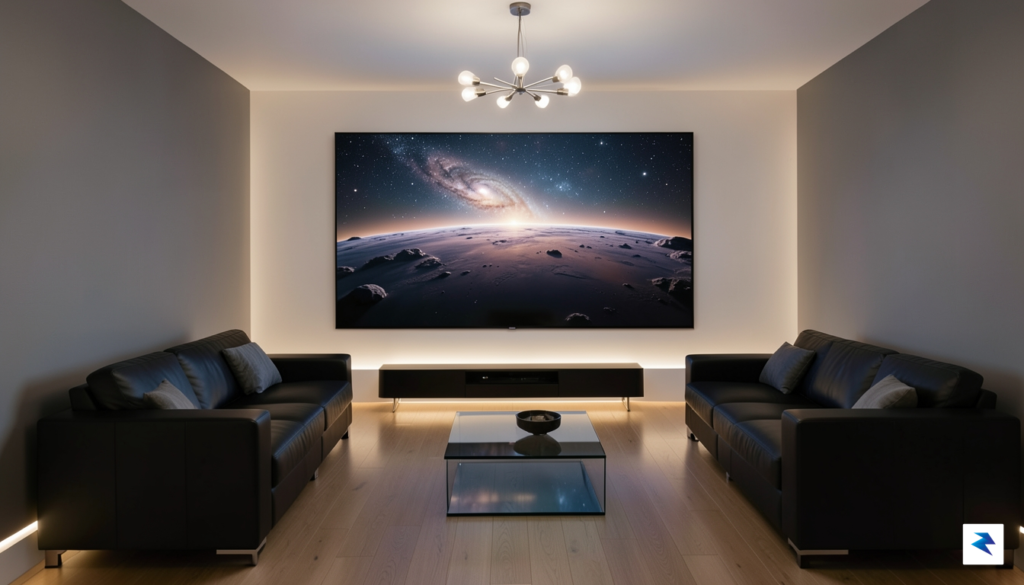
In an age of infinite choice, the most valuable commodity is not the content itself, but the guidance required to find the stories that actually resonate.
Mid-summer has historically been viewed as a secondary season for film releases, but in 2026, it has become a peak window for cinematic excellence. As blockbuster fatigue sets in at traditional multiplexes, viewers are finding that the most compelling, thought-provoking films are being released directly to their streaming queues. Navigating this environment effectively requires a new kind of viewer literacy. Rather than relying on automated recommendations, it is becoming increasingly vital to follow curated roadmaps that highlight thematic cohesion and artistic merit. By being selective and intentional with our viewing time, we can transform the act of streaming from a passive, mindless habit into an active engagement with the best cinema of the year.
To make the most of your subscriptions this month, consider structuring your watchlists around specific moods or themes rather than simply hitting “play” on the latest trending thumbnail. Start by identifying the primary genre—such as the cerebral sci-fi or psychological tension dominating this month’s releases—and prioritize those titles during your weekend downtime. Furthermore, keeping a simple list of “must-watch” films helps prevent the dreaded decision paralysis that often plagues modern users. By treating your streaming library as a curated gallery rather than an bottomless pit, you ensure that every hour spent in front of the screen is a meaningful investment in great storytelling.
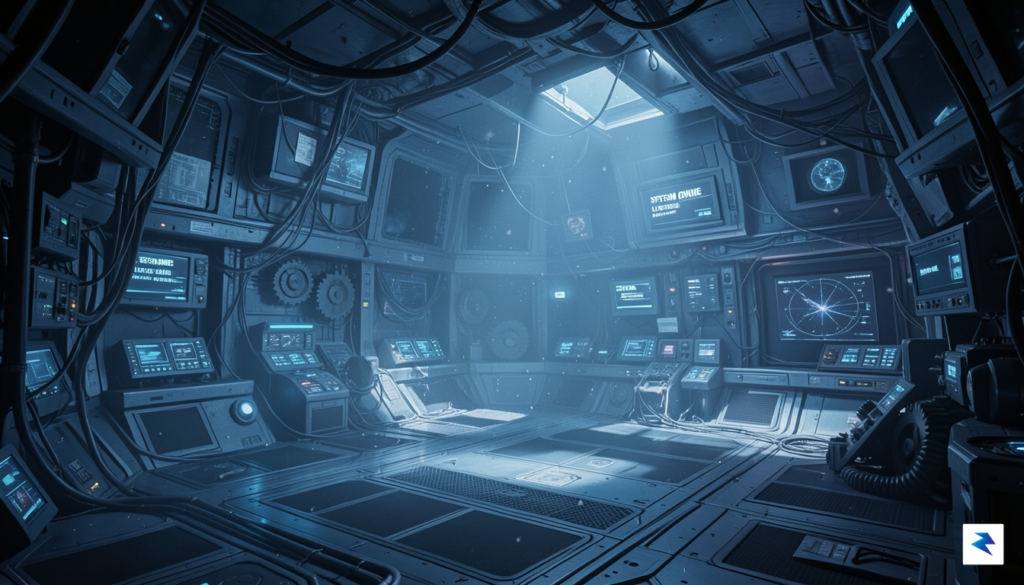
We are currently witnessing a golden age for hard science fiction, a genre that has effectively traded the tired tropes of laser-blasting space operas for the intellectual thrill of survival against impossible odds. Audiences are increasingly gravitating toward narratives that respect their intelligence, prioritizing intricate problem-solving and grounded, plausible physics over mere spectacle. At the vanguard of this shift is the highly anticipated adaptation of Project Hail Mary. Unlike stories that rely on “magic” technology to resolve plot holes, this film leans heavily into the beauty of the scientific method, turning the act of calculation, experimentation, and failure into the most suspenseful sequences on screen.
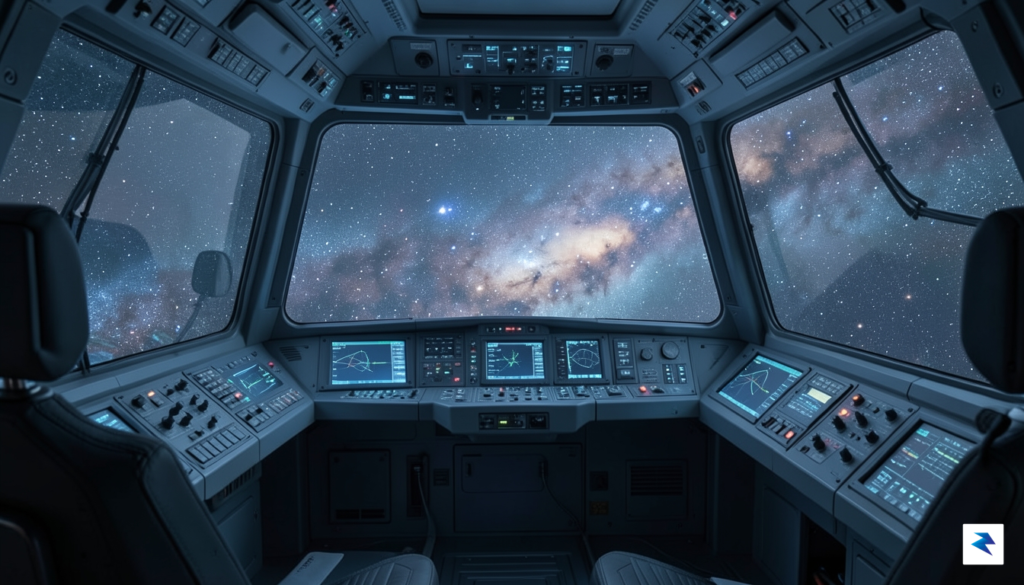
The core appeal of this particular project lies in what many critics call “competence porn”—the deeply satisfying experience of watching a brilliant mind systematically dismantle a seemingly insurmountable obstacle through sheer logic and grit. By focusing on the solitary struggle of an isolated astronaut, the film strips away the noise of typical blockbuster action to highlight the raw, human necessity of curiosity and resilience. The production values further distinguish this from its peers; every bolt, light, and trajectory calculation has been vetted for scientific accuracy, creating an immersive atmosphere where the audience feels the weight of the vacuum just outside the hull. It is this commitment to detail that anchors the film’s higher-concept narrative, ensuring that even as the story reaches for the stars, it remains tethered to a recognizable, tactile reality.
The true brilliance of this adaptation is its refusal to simplify the science. It treats the audience as partners in the protagonist’s journey, making every breakthrough feel earned rather than scripted.
Beyond the technical prowess, the casting choices signal a departure from the traditional archetypes of space-faring heroes. By prioritizing performers who can convey complex internal monologues and the slow, creeping existential dread of deep space, the film transforms a technical procedural into a deeply emotional character study. The shift away from generic heroism toward a more vulnerable, intellectual protagonist allows the viewer to see themselves in the struggle, making the eventual triumphs feel profoundly personal. As July’s streaming landscape becomes crowded with sequels and reboots, this adaptation stands out as a rare, cerebral powerhouse that challenges viewers to think, calculate, and ultimately marvel at the ingenuity required to survive in the great unknown.
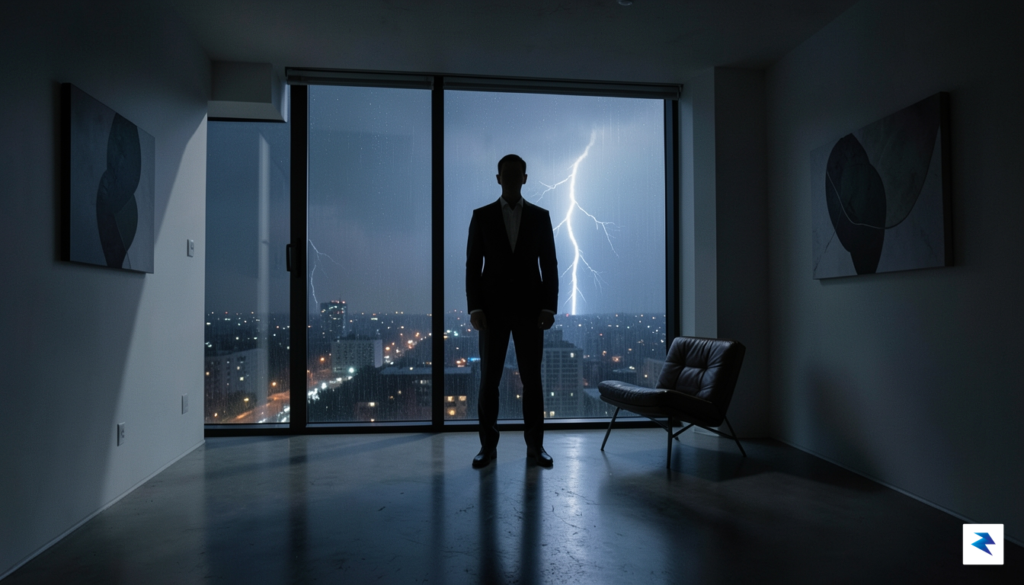
There is a primal, almost magnetic draw to the psychological thriller—a genre that demands more than mere observation from the audience. Unlike traditional action films that rely on explosive spectacles, the modern psychological thriller invites us to question the very fabric of reality alongside the protagonist. This resurgence is defined by a shift toward the “slow burn,” where the environment itself feels like a ticking time bomb. In films like They Will Kill You, the tension isn’t found in a chase sequence, but in the suffocating silence of an unreliable memory or a distorted perspective. By stripping away the bells and whistles, these filmmakers force us to confront the unsettling possibility that our own perceptions might be the greatest threat to our survival.
The hallmark of these contemporary thrillers lies in the masterful use of the unreliable narrator. Modern audiences have become incredibly savvy, often guessing plot twists before they happen, which has pushed storytellers to craft deeper, more insidious psychological traps. By centering the story on a character whose mental state is unraveling, the film becomes a collaborative puzzle; we aren’t just watching a story, we are actively auditing every piece of information presented to us. This mirrors our current cultural anxiety, where the line between objective truth and curated narrative feels increasingly blurred. We relate to these protagonists not because they are heroes, but because they represent our own fear of losing control in an unpredictable world.
The most effective suspense doesn’t come from what we see, but from what our minds fill in the gaps with when the screen goes dark.
When comparing current releases to the classic tropes of the past, it is clear that pacing has become more deliberate and clinical. Where 1990s thrillers often utilized sudden “jump scares” to jolt the viewer, the 2026 landscape prefers to sustain a low-frequency hum of dread that persists long after the credits roll. They Will Kill You excels in this regard by grounding its horror in relatable human vulnerabilities—isolation, gaslighting, and the desperate need for validation. By focusing on these visceral fears, the film transforms from a simple genre exercise into a profound commentary on the instability of the human condition. It is a reminder that the most terrifying monsters are not those lurking under the bed, but those born from the doubts we keep tucked away in the back of our minds.
Ultimately, the appeal of these films this July lies in their ability to mirror the complexities of our daily lives. As we navigate a world dominated by information overload and shifting realities, the psychological thriller offers a safe space to process our paranoia. These stories challenge us to stay sharp, forcing a hyper-awareness that feels both exhausting and deeply satisfying. If you are looking for a viewing experience that will linger in your thoughts for days, this month’s selection of tension-heavy narratives is exactly what you need to test your nerves.

For decades, dystopian cinema has functioned as a dark, distorting mirror held up to our collective anxieties, reflecting our deepest fears about authoritarianism, environmental collapse, and the erosion of individual autonomy. From the clinical paranoia of the mid-20th century to the high-octane survivalism of the early 2000s, audiences have consistently sought out stories that push the human spirit to its absolute breaking point. This enduring fascination stems from our need to process complex social pressures through a safe, fictionalized lens. By watching characters navigate a world where the rules have been rewritten by cruelty or necessity, we find a cathartic validation of our own persistent, often unspoken, concerns about the trajectory of modern society.
The arrival of the long-awaited adaptation of Stephen King’s The Long Walk feels particularly significant in our current media landscape. Unlike the glossy, tech-heavy science fiction that dominated streaming platforms throughout the early 2020s, this narrative returns to a more visceral, grounded style of storytelling. The premise—a brutal, state-sponsored walking contest where the penalty for slowing down is fatal—is a masterclass in psychological tension. It strips away the distractions of advanced machinery or futuristic weaponry, focusing instead on the raw, unvarnished endurance of the human body and the fragile state of the human mind under extreme, manufactured pressure.
The true horror of the dystopia is not found in the technology of the oppressors, but in the willingness of the spectators to treat suffering as a form of entertainment.
What makes this iteration of King’s classic so compelling for modern viewers is its sharp critique of the “spectacle” of suffering. In an era where digital content is consumed in fleeting bursts and personal tragedy is often commodified for online engagement, the story hits a nerve. It forces us to confront our own role as observers of struggle, blurring the lines between the desperate contestants on screen and the voyeuristic nature of contemporary streaming culture. By focusing on the relentless, repetitive act of walking, the film captures a sense of existential dread that feels terrifyingly relevant. It suggests that our greatest survival challenge may not be physical at all, but rather the internal battle to maintain one’s humanity when the world around us demands that we simply keep moving, regardless of the cost.
Building a truly rewarding streaming experience requires more than just scrolling aimlessly through endless menus until the perfect option appears. To avoid the dreaded “choice paralysis” that plagues modern viewers, it is best to approach your watchlist as a living, breathing library rather than a stagnant to-do list. Start by categorizing your evenings based on your current bandwidth; reserve “active engagement” films—those complex dramas or visually dense sci-fi epics that demand your full, undivided attention—for your most alert hours, typically on weekend afternoons. Conversely, keep a designated folder of “low-stakes” favorites, such as lighthearted comedies or comfort-watch documentaries, for those weeknights when you need to unwind without the cognitive load of a heavy plot twist.
A balanced queue is fundamentally about variety, ensuring that you aren’t stuck in a cycle of watching the same genre or tone repeatedly. You might consider adopting a “one-in, one-out” methodology where every high-octane thriller you add is balanced by a reflective, character-driven indie film. By diversifying your intake, you prevent viewer fatigue and keep your cinematic palette sharp. Moreover, intentionally seeking out original storytelling from international filmmakers or debut directors can be incredibly enriching. These hidden gems often provide the most profound emotional resonance, pushing you outside your comfort zone and challenging your perspective in ways that big-budget franchise sequels rarely manage.
The secret to a great movie night isn’t finding the “perfect” film, but rather aligning the film’s energy with your own mental state.
To keep your streaming habits sustainable, try scheduling your viewings just as you would a dinner reservation or a workout. If you know you have a busy Tuesday, commit to a shorter 90-minute feature or a limited series episode, saving the sprawling three-hour epics for a Saturday night when the clock isn’t ticking. This simple act of planning transforms your living room into a private film festival, allowing you to treat each viewing as a distinct event rather than a default setting for your downtime. Remember, the goal is to cultivate a collection of stories that reflect your personal tastes while continuously leaving room for the thrill of discovering something entirely unexpected.
You must be logged in to post a comment.