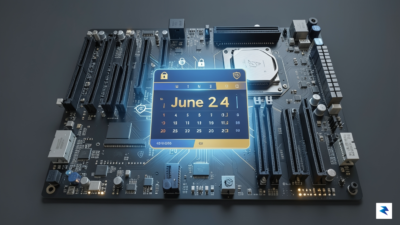
The June 24 Secure Boot Deadline: What You Need to Know
Understanding the Secure Boot Expiration Crisis At the heart of modern computer security lies a mechanism known as Secure Boot, a critical…
For years, the ritual of upgrading to the latest flagship smartphone felt like an unavoidable tax on modernity. However, as the price tag for top-tier devices has steadily climbed well past the thousand-dollar threshold, consumers are beginning to question whether the incremental gains in hardware truly justify the steep financial burden. This shift in sentiment marks a departure from viewing pre-owned hardware as a fallback for those on a tight budget; instead, buying a used iPhone has emerged as a calculated, sophisticated strategy for savvy tech enthusiasts. By decoupling the desire for a premium experience from the urge to possess the absolute newest model, users are finding that they can enjoy the pinnacle of mobile technology while keeping their financial priorities intact.
The core of this trend lies in the law of diminishing returns, which has become increasingly evident in the smartphone industry. While early iterations of the iPhone saw radical leaps in processing power, camera capabilities, and display technology every twelve months, current upgrades often feel like subtle refinements rather than revolutionary shifts. Modern iPhones are built to last, with high-quality components and long-term software support that ensure a device remains performant for four to five years or more. Consequently, purchasing a phone that is one or two years old provides nearly all the functional benefits of a brand-new release, but at a fraction of the cost. The gap between what a new phone can do and what a “used” phone can do has never been narrower, making the case for pre-owned devices stronger than ever.
Furthermore, there is a clear “sweet spot” in the iPhone lifecycle that savvy buyers are now targeting. Shortly after a new model is released, the value of its predecessor experiences a sharp, predictable dip in the secondary market. This depreciation is driven more by marketing cycles than by any actual failure in the hardware itself. By entering the market at this juncture—when the device has already shed its initial premium price tag but still retains top-tier performance and full compatibility with the latest iOS updates—buyers can maximize their return on investment. This approach allows users to own high-end hardware without the rapid loss of value that defines the first year of a new device’s life.
The smartest way to navigate the tech market today is to view a smartphone as a tool for longevity rather than a disposable fashion accessory. By choosing a pre-owned model, you aren’t settling for less; you are paying for the performance you actually use, rather than the marketing hype you don’t.
Ultimately, this strategic shift is about empowerment and resource management. When you stop chasing the “newest” label, you gain the freedom to invest your savings elsewhere, whether that means upgrading to a higher storage capacity model, choosing a Pro-tier device that would have been unaffordable new, or simply keeping your money in your pocket. In 2024, the smartest tech upgrade is no longer the one that arrived in the factory-sealed box; it is the one that offers the highest level of performance, reliability, and value for your lifestyle.
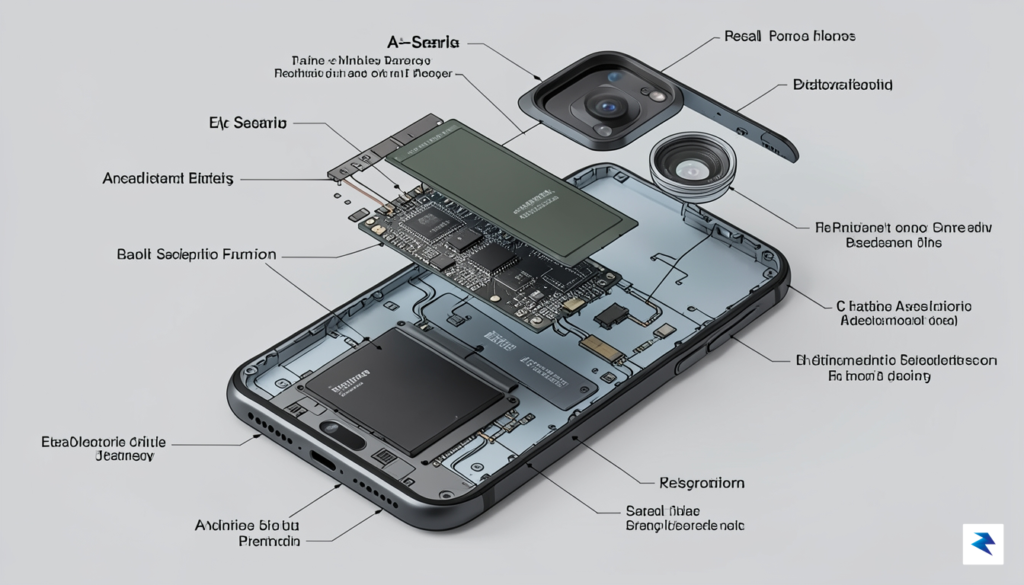
The misconception that a smartphone becomes obsolete the moment a newer model hits the shelves is rapidly fading. For the average user, the gap between “cutting-edge” and “highly capable” has narrowed to a point where the marginal gains of the latest flagship often go unnoticed in daily use. Apple’s A-series silicon has consistently outperformed industry expectations, meaning that chips found in devices released two or three years ago—such as the A14 or A15 Bionic—remain powerhouses. These processors were designed with a level of architectural foresight that allows them to handle demanding applications, complex multitasking, and high-resolution video editing with ease. In fact, for 95% of the tasks most people perform, such as browsing social media, streaming high-definition content, or managing professional workflows, these older chips are arguably overkill, providing a level of performance that exceeds current software requirements.
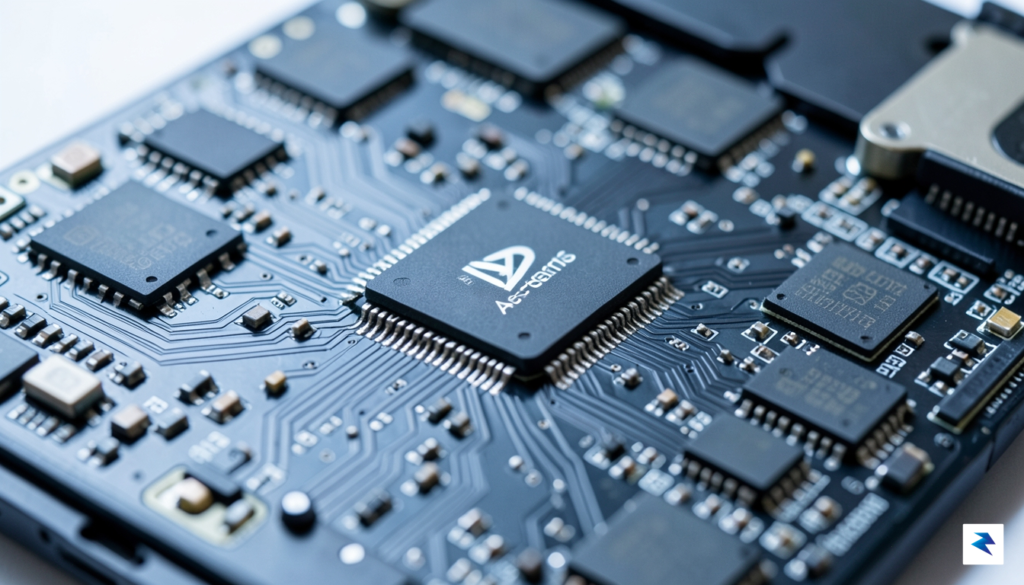
Beyond the raw processing power, the physical build quality of iPhones has reached a plateau of maturity that ensures long-term viability. Modern iPhones are constructed using aerospace-grade aluminum or surgical-grade stainless steel paired with Ceramic Shield front covers, offering a level of durability that was once reserved for specialized equipment. When you purchase a used iPhone from the last few years, you are securing a device that is already equipped with industry-standard IP68 water and dust resistance, ensuring it can survive the accidental spills or environmental exposure of everyday life. This structural integrity means that an older device isn’t just “functional”; it is resilient enough to serve as a reliable daily driver for years to come, long after its initial retail cycle has concluded.
The true value of a smartphone is found not in the launch-day marketing hype, but in the sustained reliability of its hardware over a multi-year lifecycle.
Furthermore, Apple’s commitment to long-term software support provides a safety net that makes older hardware a particularly sensible investment. Because these devices continue to receive the latest iOS updates for years after their release, they remain secure and feature-rich, effectively bridging the gap between “used” and “obsolete.” When you choose a model from two or three years ago, you aren’t sacrificing the modern user experience; instead, you are leveraging the immense overhead built into the hardware at the time of its manufacturing. By opting for a high-quality pre-owned device, you are essentially acquiring a premium piece of engineering that has been stress-tested by time, proving itself to be a dependable, fast, and responsive tool that refuses to compromise on quality.
One of the most compelling advantages of investing in an iPhone, regardless of whether it’s fresh out of the box or a pre-owned gem, lies in Apple’s truly unparalleled software support lifecycle. Unlike many other manufacturers who might offer a couple of years of updates, Apple consistently provides its devices with five, six, or even more years of robust iOS updates. This commitment means that a device purchased today, even if it’s a model from a few generations back, will continue to receive the latest operating system features, performance enhancements, and crucial security patches for a significant duration, thereby extending its usable life far beyond typical expectations. This longevity directly translates into a more secure and feature-rich experience for the consumer, making a used iPhone an exceptionally wise choice.
This extended support window carries significant implications, particularly concerning security. Regular firmware updates are not just about adding flashy new features; they are absolutely vital for maintaining the integrity and safety of your personal data in an increasingly complex digital landscape. Apple proactively addresses newly discovered vulnerabilities, patches security loopholes, and bolsters privacy protections with each iOS release, ensuring that your device remains a fortress against evolving threats. Without these consistent updates, an older phone, regardless of its initial build quality, becomes increasingly susceptible to malware, phishing attempts, and data breaches, turning what might seem like a bargain into a potential liability. Therefore, an older iPhone receiving current iOS versions remains a robust shield against the latest digital dangers.
Beyond security, these regular software updates play a crucial role in bridging the gap between older hardware and the ever-evolving demands of modern user interfaces and applications. Newer iOS versions often introduce significant optimizations that improve performance on slightly older processors, making the overall experience feel smoother and more responsive than one might expect from a device that is several years old. Furthermore, receiving the latest iOS ensures full compatibility with the newest apps and services, meaning you won’t be left behind as app developers leverage the latest platform features and capabilities. This continuity allows users of older models to enjoy a contemporary mobile experience, complete with fresh aesthetics, enhanced usability, and access to the full spectrum of the App Store, effectively future-proofing their investment against premature obsolescence.
Ultimately, the remarkable longevity of iOS software support transforms a used iPhone from merely a cheaper alternative into a genuinely secure, feature-rich, and remarkably future-proof investment. This dedication to long-term device health and user experience is a cornerstone of the Apple ecosystem, ensuring that your pre-owned iPhone isn’t just a temporary stop-gap, but a reliable daily driver for years to come. It’s a compelling reason why opting for a meticulously maintained used iPhone truly makes more sense than ever, providing premium functionality and unparalleled peace of mind without the premium price tag of a brand-new device. You’re not just buying a phone; you’re buying into an ecosystem that values enduring quality and continuous improvement.
Navigating the second-hand market might initially feel like a daunting task, but it is far from a gamble when you know exactly where to source your device. If you prioritize peace of mind above all else, Apple’s official Certified Refurbished store remains the gold standard; these units undergo rigorous testing, include brand-new outer shells, and arrive with a fresh battery and the same one-year warranty as a brand-new iPhone. For those looking for more competitive pricing without sacrificing reliability, reputable third-party marketplaces like Back Market or Gazelle act as excellent alternatives. These platforms curate professional refurbishers who grade devices based on cosmetic condition, often providing their own extended warranties that act as a safety net for your purchase.
Once you have the device in your hands, your first priority is to verify that it is fully functional and free of hidden restrictions. Start by checking the iCloud Activation Lock; if the phone is still linked to a previous owner’s account, it is essentially a paperweight. You must ensure the device is completely wiped and signed out of any Apple ID before you finalize any payment. Furthermore, perform an IMEI check using an online tool to ensure the phone has not been reported as lost or stolen, which would render it impossible to activate on a cellular network.
Always ensure the device is ‘factory unlocked.’ Buying a carrier-locked phone limits your flexibility and can be a significant headache if you decide to switch service providers later down the line.
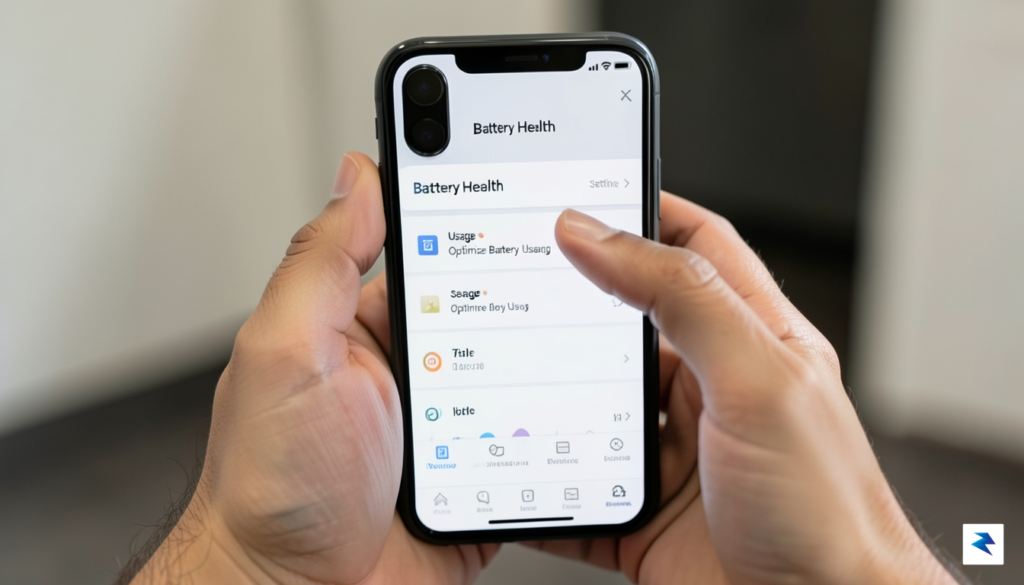
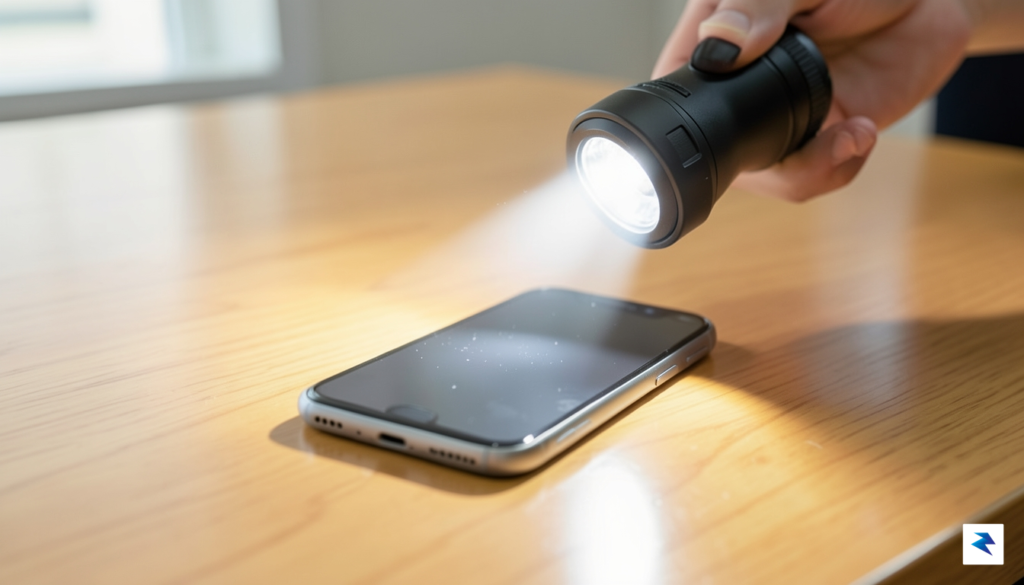
Beyond the software, you should perform a thorough physical assessment. Navigate to the Settings menu to check the battery health; while a pre-owned device won’t always have 100% capacity, anything below 85% may necessitate a replacement sooner than you would like. Inspect the ports for debris, check the camera lenses for any internal fog or scratches, and test the tactile response of the volume and power buttons. If the seller offers a return window, use those first few days to stress-test the device by running high-performance apps or testing the wireless charging capabilities. By taking these methodical steps, you transform a potentially risky transaction into a calculated, budget-friendly victory.
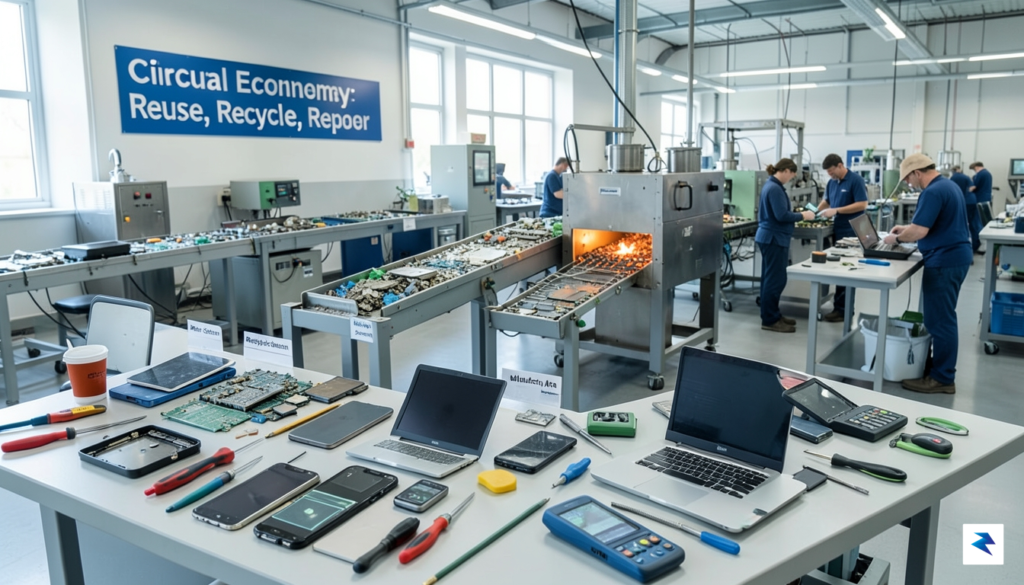
When you decide to purchase a used iPhone, the advantages extend far beyond the immediate relief to your bank account. While the financial savings are often the primary driver for consumers, shifting your focus toward the pre-owned market serves as a powerful personal contribution to a more sustainable global ecosystem. Every time a functional smartphone is refurbished and rehomed rather than discarded, you are effectively curbing the demand for the resource-intensive manufacturing processes that define the modern tech industry.
The environmental cost of producing a single brand-new smartphone is staggering, involving the extraction of rare earth minerals, gold, and cobalt, often sourced under questionable labor conditions and at a high ecological price. By opting for a second-hand device, you are actively bypassing the need for these raw materials to be mined, processed, and shipped across the globe. Research indicates that the majority of a smartphone’s total carbon footprint is generated during the production phase rather than during its years of daily use. Consequently, extending the functional lifespan of a single iPhone by just two additional years can cut its total lifecycle environmental impact by nearly 40 percent, making it one of the most effective individual actions you can take to reduce your personal e-waste footprint.
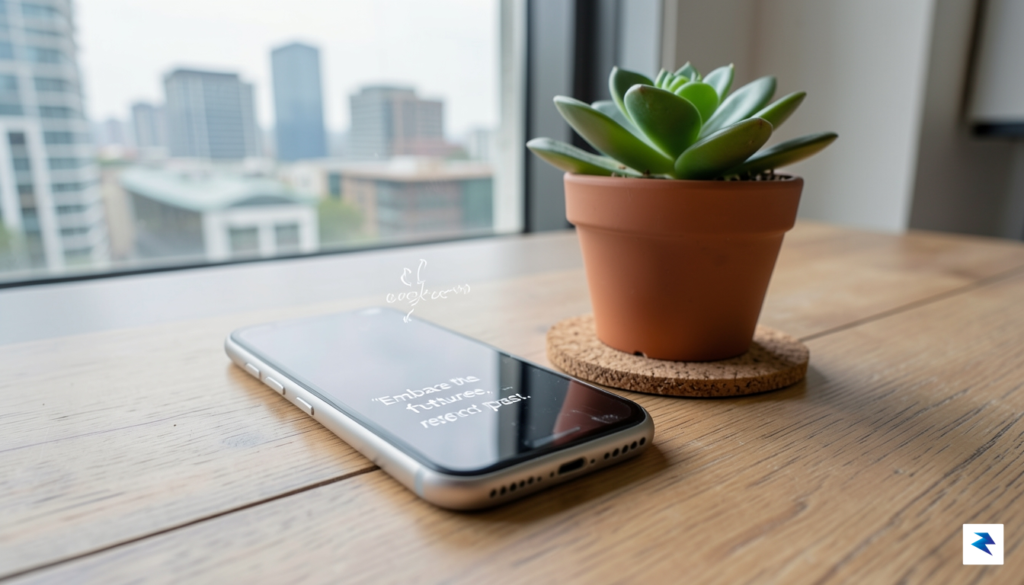
Beyond the direct reduction of waste, participating in the secondary market encourages a circular economy that challenges the tech industry’s reliance on planned obsolescence. When consumers demand high-quality, long-lasting devices rather than chasing the latest incremental hardware updates, it sends a clear signal to manufacturers that durability and repairability are valuable features. This market pressure is essential for driving systemic change, pushing corporations to prioritize longevity over the rapid turnover of consumer goods. In this sense, your purchase is not merely a transaction; it is a vote for a business model that values resources over reckless consumption.
By keeping a perfectly capable device in circulation, you are helping to close the loop on electronics production, effectively decoupling your digital lifestyle from the destructive cycle of continuous resource extraction.
Finally, there is a compelling economic multiplier effect that occurs when you choose pre-owned tech. By retaining the hundreds of dollars you would have otherwise spent on a premium flagship launch model, you regain control over your personal capital, which can then be reinvested into other areas of your life—whether that means increasing your savings, paying down debt, or supporting local businesses. This financial agility is the ultimate personal advantage of the circular economy: you gain the modern utility of a high-end smartphone while simultaneously lowering your carbon footprint and strengthening your own economic stability. It is a rare scenario where the most fiscally responsible choice is also the most environmentally conscious one.
You must be logged in to post a comment.