
The AI Paradox: Why Professionals Are Training Their Own Replacements
The New Gold Rush: Training Your Digital Replacement A profound, yet often unacknowledged, transformation is subtly reshaping the landscape of…
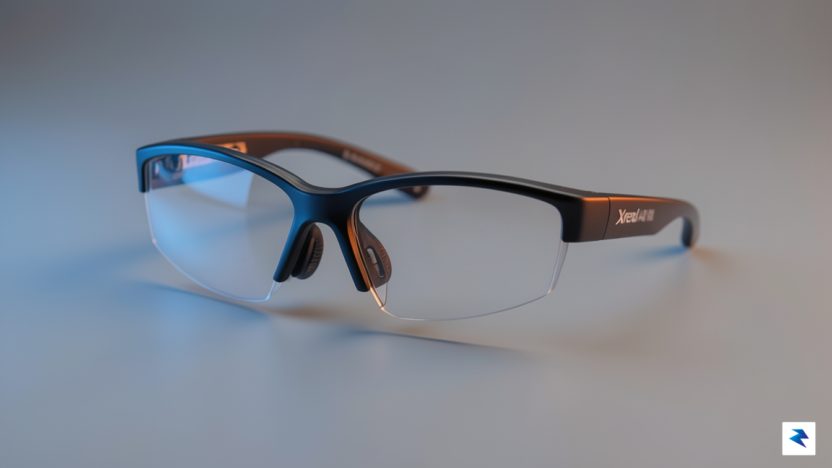
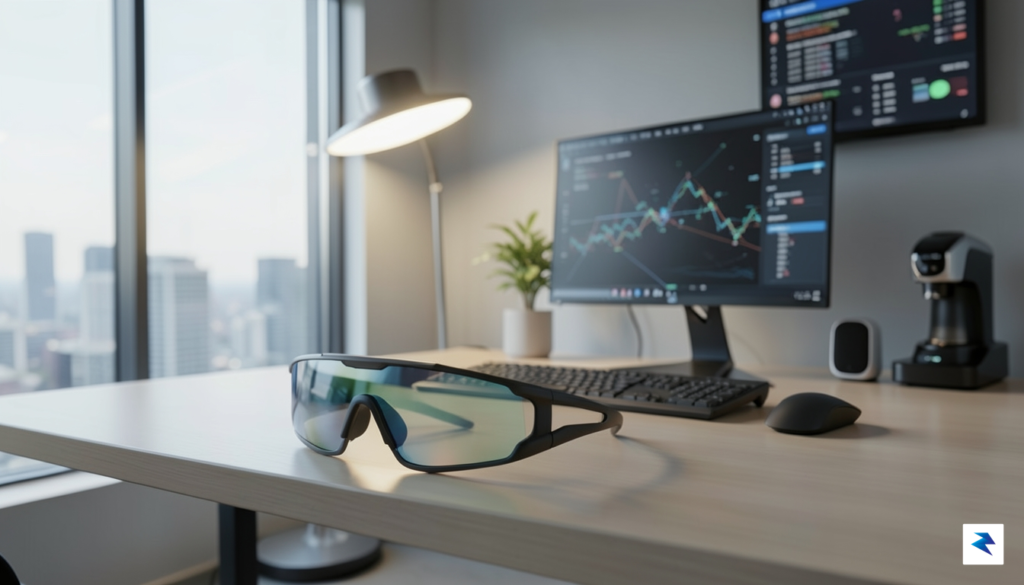
For the better part of a decade, augmented reality existed primarily in the realm of speculative fiction or within the tightly guarded laboratories of industrial giants. Early attempts to bring AR to the masses were plagued by a “prestige tax,” where the hardware was either prohibitively expensive—costing thousands of dollars—or relegated to bulky, tethered headsets that prioritized enterprise utility over human comfort. This historical barrier effectively cordoned off the technology, leaving it accessible only to specialized developers, enterprise users, or the most dedicated early adopters willing to overlook significant aesthetic and ergonomic flaws. The market was essentially waiting for a catalyst that could balance high-fidelity optics with a form factor that didn’t feel like a science experiment.
The tech landscape has recently hit a critical inflection point, moving away from the era of “innovation at any cost” toward a more pragmatic consumer focus. This transition is not merely about shrinking components; it is about reframing augmented reality as a lifestyle utility rather than a niche novelty. By prioritizing efficiency and stripping away non-essential bells and whistles that inflate manufacturing costs, companies are finally peeling back the layers of complexity that kept prices artificially high. This movement is a direct acknowledgment that mass adoption depends on the intersection of intuitive design, lightweight portability, and, most importantly, affordability.
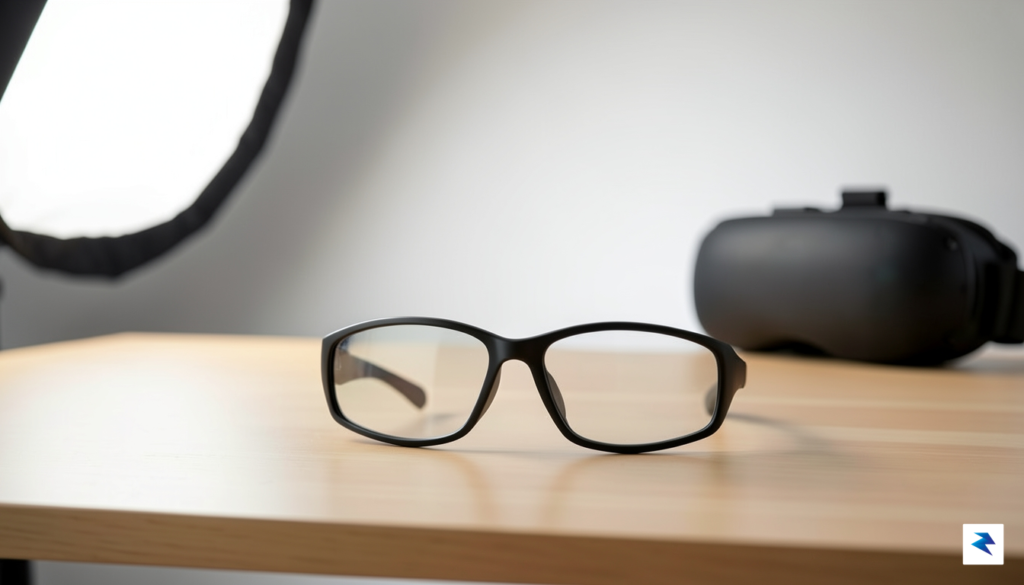
In this context, the arrival of the Xreal A01 Plus acts as a definitive market shift, grounding the dream of wearable AR in a reality that feels attainable for the average consumer. Priced at $299, the A01 Plus serves as the democratized sibling to the more premium 1S, effectively distilling the core experience—sharp, high-contrast visuals and immersive spatial display capabilities—into a package that feels accessible rather than intimidating. By hitting this specific price point, Xreal isn’t just selling a piece of hardware; they are challenging the industry standard that suggests quality spatial computing must be an expensive luxury. This device serves as a bridge, inviting everyday users to experience the potential of a digital workspace that travels with them, without requiring a professional-grade budget to enter the ecosystem.
The true success of the A01 Plus lies in its ability to strip back the complexity of high-end AR hardware while retaining the crisp, high-fidelity experience that defined its more expensive predecessors.
Ultimately, the significance of this launch is measured by how it alters our expectations for wearable tech. When the barrier to entry drops, the potential for software innovation skyrockets, as developers are more likely to create applications for a larger, more diverse user base. The A01 Plus represents a pivotal moment where the tech-savvy public can finally stop wondering if AR is “ready” for daily use and start deciding how they want to integrate it into their digital lives. By prioritizing value without sacrificing the core visual fidelity that users expect, Xreal is successfully transforming AR from an expensive promise into a tangible, everyday reality.
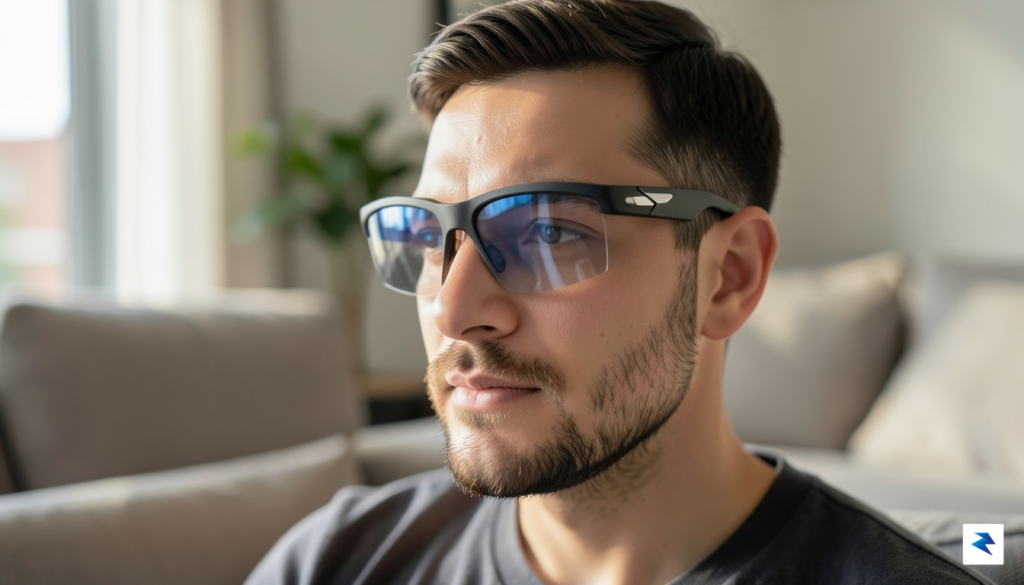
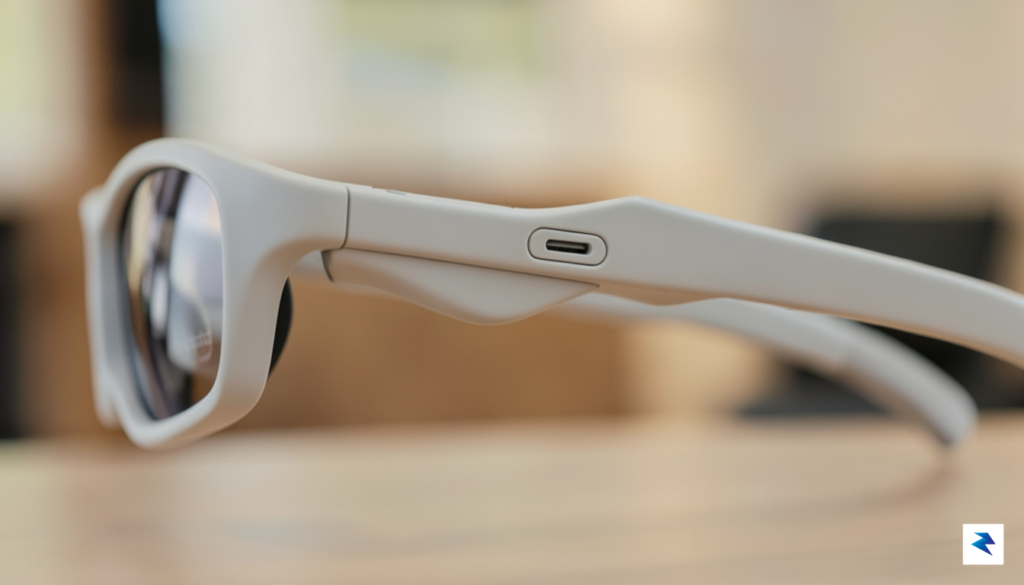
For years, the augmented reality industry has struggled with the “science experiment” aesthetic, producing bulky, front-heavy headsets that feel more like medical equipment than consumer electronics. With the A01 Plus, Xreal has finally shifted its philosophy toward genuine wearability. By utilizing advanced lightweight polymers and a refined internal architecture, the company has managed to shed significant mass compared to its predecessor, the 1S model. This reduction in weight is not merely a bullet-point specification; it is a fundamental shift in user experience. When a device sits on your face for more than thirty minutes, every gram matters, and the A01 Plus manages to hover in that “barely there” territory that is essential for long-term immersion.
The secret to the device’s comfort lies in its meticulous weight distribution and frame geometry. Unlike earlier iterations that relied on rigid, thick temples that pinched the temples, the A01 Plus features a flexible, hinge-forward design that distributes pressure evenly across the ears and the bridge of the nose. This balance is critical; when a headset is front-heavy, it tends to slide downward during extended viewing sessions, forcing the user to constantly readjust the hardware. By optimizing the center of gravity and incorporating adjustable nose pads, Xreal has effectively solved the fatigue issue that typically plagues users trying to watch a full-length film or engage in a lengthy gaming session.
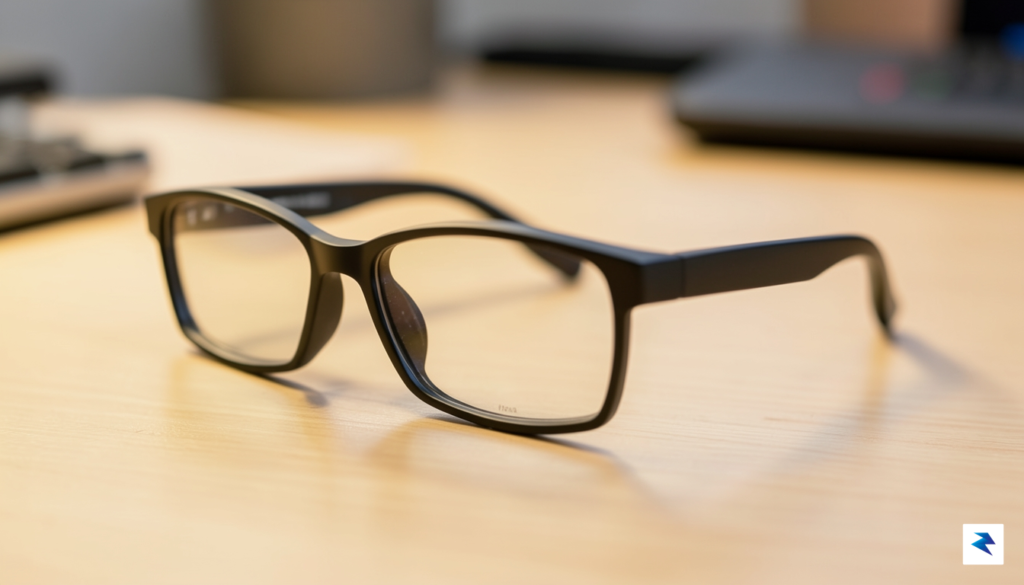
Beyond the internal engineering, the aesthetic choices made for the A01 Plus allow it to bridge the gap between niche tech gadget and everyday accessory. While many AR glasses scream “futuristic hardware,” Xreal has opted for a streamlined, minimalist frame that blends naturally with modern eyewear styles. This design decision is vital for those who intend to use their AR glasses in public spaces, such as on an airplane or in a coffee shop. Because the frame is low-profile and lacks the aggressive, bulky sensors found on premium competitors, it invites less scrutiny from bystanders, making the transition from a private virtual screen to the real world feel significantly more natural.
The true test of any wearable display is whether you remember you are wearing it after an hour of use. In this regard, the A01 Plus represents a massive leap forward for the accessibility of the medium.
Ultimately, the build quality feels robust without sacrificing the portability that defines the product category. The tactile feedback of the buttons is crisp, and the hinge tension is tuned to provide security without being overly stiff. For a $299 price point, users often expect corners to be cut in materials, yet Xreal has maintained a premium feel that doesn’t compromise on durability. By prioritizing a lightweight chassis and a balanced fit, the company has proven that comfort is not an optional luxury in the AR space—it is the prerequisite for adoption.
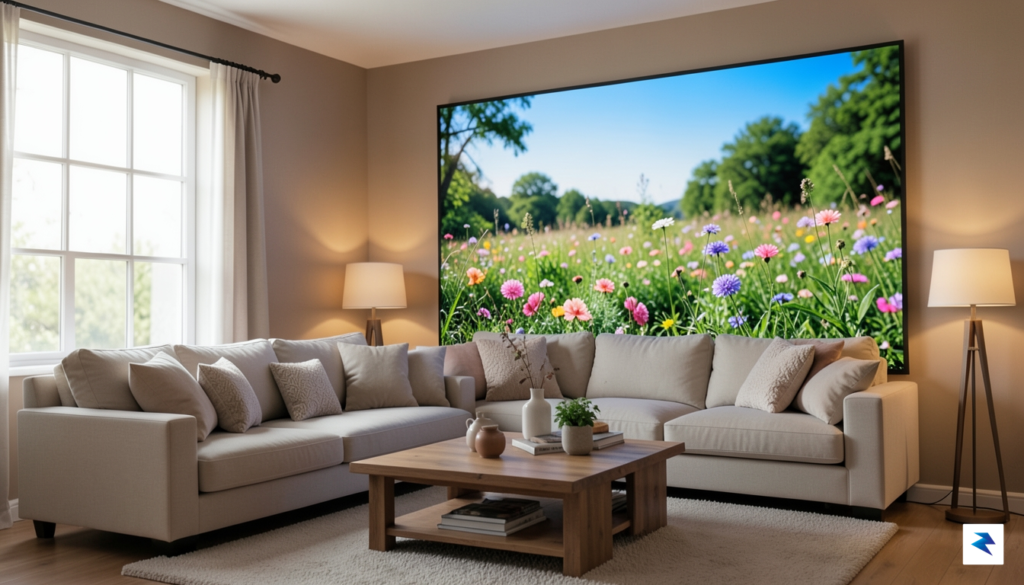
The primary purpose of any AR device is its visual output, and in this regard, the A01 Plus occupies a curious middle ground. While it lacks the deep, ink-like contrast ratios found in the more expensive 1S model, the resolution remains remarkably crisp for the price point. When you first put them on, the image feels less like a miniaturized screen hovering in front of you and more like a high-definition projector floating at a comfortable distance. Text remains legible during light productivity tasks, such as answering emails or reviewing documents, although you may find yourself adjusting the positioning slightly to ensure the corners don’t suffer from minor chromatic aberration.
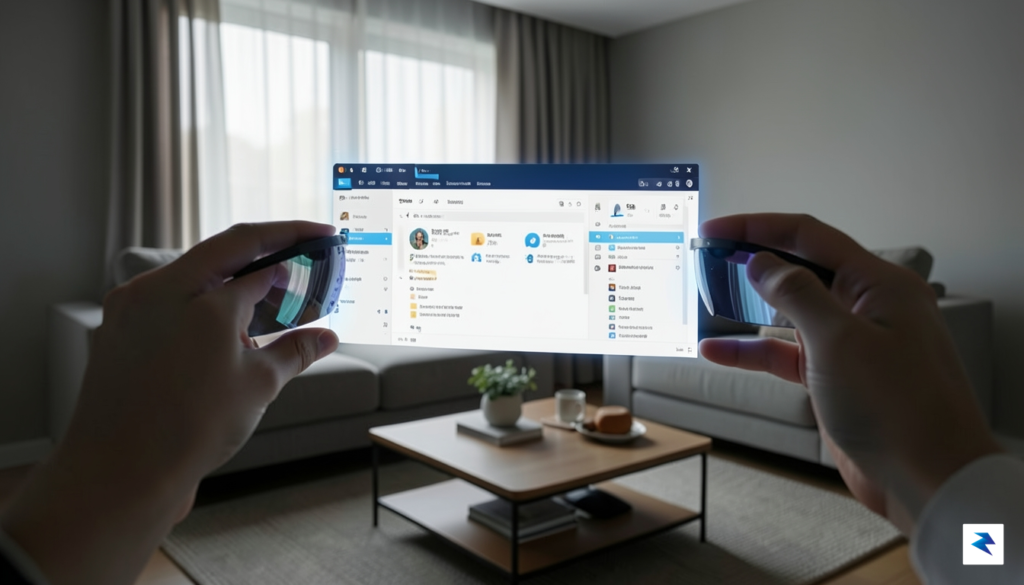
When it comes to entertainment, the experience is largely defined by the trade-off between brightness and ambient light. In a darkened room, the display truly shines, offering vibrant color reproduction that makes streaming movies feel like a private cinema experience. However, in brighter environments, the lack of heavy-duty light-blocking hardware means that the virtual image can appear slightly washed out. It is important to temper your expectations here: this is not a device designed to replace a professional-grade monitor or a high-end VR headset with full occlusion. Instead, it functions as a highly portable, supplemental display that handles media consumption with surprising grace.
The A01 Plus is best understood not as a replacement for your workspace, but as an elegant, secondary screen that brings a portable theater experience to wherever you happen to be sitting.
It is also vital to distinguish between true, spatially-anchored augmented reality and the virtual screen projection offered here. The field of view is wide enough to feel immersive, but it doesn’t wrap around your entire periphery, meaning you will always be aware of your physical surroundings. This is actually a benefit for casual gaming or light multitasking, as it prevents the disorienting “closed-in” sensation often associated with more immersive headsets. The color accuracy is respectable for the cost, leaning toward a natural, balanced profile rather than an overly saturated one. By prioritizing a stable, clear picture over gimmicky high-end specs, the A01 Plus delivers a reliable visual foundation that makes the lower price tag feel like a smart compromise rather than a sacrifice.
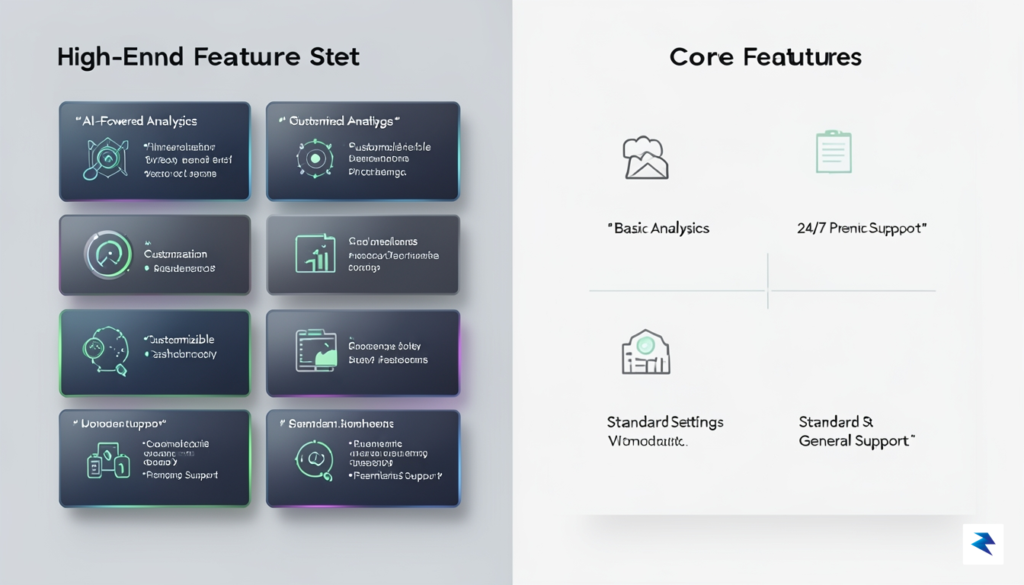
Achieving a breakthrough $299 price point requires a delicate balancing act, and with this latest iteration, Xreal has made calculated decisions regarding where to streamline its hardware. To bring these glasses to a more accessible market, the company pivoted away from the exotic, high-end materials found in the premium 1S model. While the chassis remains lightweight and wearable, you will notice a shift toward more utilitarian plastics rather than the brushed metals or aerospace-grade components that provide a “luxury” feel. For the average user, this isn’t necessarily a drawback, as the reduction in weight actually improves long-term comfort during extended media consumption sessions, but those expecting a premium, heavy-duty build may find the construction slightly underwhelming upon first touch.
Beyond the physical materials, the most significant technical trade-off lies in the onboard sensor array. In more expensive iterations, Xreal integrates highly granular environmental tracking sensors that allow for complex spatial computing and precise room-scale mapping. In this entry-level model, those advanced sensors have been pared back to focus primarily on basic orientation and head tracking. Consequently, while the glasses excel at maintaining a stable “virtual screen” in front of your eyes while you watch movies or work in a windowed desktop environment, they lack the sophisticated depth-sensing capabilities required for high-fidelity 3D object interaction or complex augmented reality gaming. If your primary goal is to use these as a secondary display for your laptop or phone, this omission is entirely negligible; however, power users seeking to develop or interact with deep AR applications will clearly feel the limitation.
From a software perspective, the ecosystem remains robust, yet it is important to understand that the “plug-and-play” experience is prioritized over total freedom. The device relies heavily on the companion software to bridge the gap between your hardware and the virtual interface, which means you are tethered to the compatibility of your source device. While the optics provide a sharp, clear image that rivals more expensive units, the lack of onboard processing means you are entirely dependent on your phone or computer to handle the heavy lifting of spatial rendering. This creates a “good enough” threshold that is perfectly calibrated for the casual media enthusiast: you gain a massive, private, high-definition screen in your pocket, but you lose the autonomy of a standalone spatial computer.
Ultimately, the value proposition hinges on your use case: if you prioritize a massive, portable screen for entertainment over advanced spatial interactivity, these trade-offs are a small price to pay for the significant savings.
Ultimately, these limitations shouldn’t be viewed as failures, but rather as a strategic narrowing of the product’s scope. By stripping away the niche, expensive hardware components that rarely see use in a standard viewing session, Xreal has successfully delivered a device that hits the sweet spot for the mainstream consumer. You are paying for the core experience—the high-quality display and the immersive nature of the AR interface—without the “feature creep” that inflates the price of flagship models. If you approach this purchase with the understanding that you are buying a premier portable display rather than a fully autonomous spatial computer, you will likely find the compromise not only acceptable but incredibly rewarding.

Deciding whether to invest in the Xreal A01 Plus comes down to stripping away the marketing hype surrounding “metaverse” dreams and focusing on what this device actually does: acting as a portable, high-definition monitor for your face. If you are a frequent traveler who finds themselves squinting at a cramped laptop screen on an airplane, or a casual streamer who wants to watch movies in bed without disturbing a partner, the value proposition here is undeniable. Unlike flagship headsets that force you to pay for advanced spatial sensors or bulky, underutilized processing power, the A01 Plus keeps things focused. It offers a streamlined, “plug-and-play” experience that prioritizes visual fidelity over complex, often buggy, augmented reality software suites.
For the budget-conscious tech enthusiast, this device represents the “Goldilocks” zone of wearable displays. It avoids the prohibitively high costs of premium AR optics while delivering a significantly sharper and more vibrant image than its predecessors. While you might sacrifice the deep, integrated ecosystem features found in more expensive hardware, you gain a device that is reliable, lightweight, and unintimidating. It is an ideal entry point for those who have been waiting on the sidelines for the AR market to mature into something practical rather than experimental. Rather than chasing the cutting edge, you are paying for a mature, functional screen-replacement tool that simply works when you plug it into your phone or handheld console.
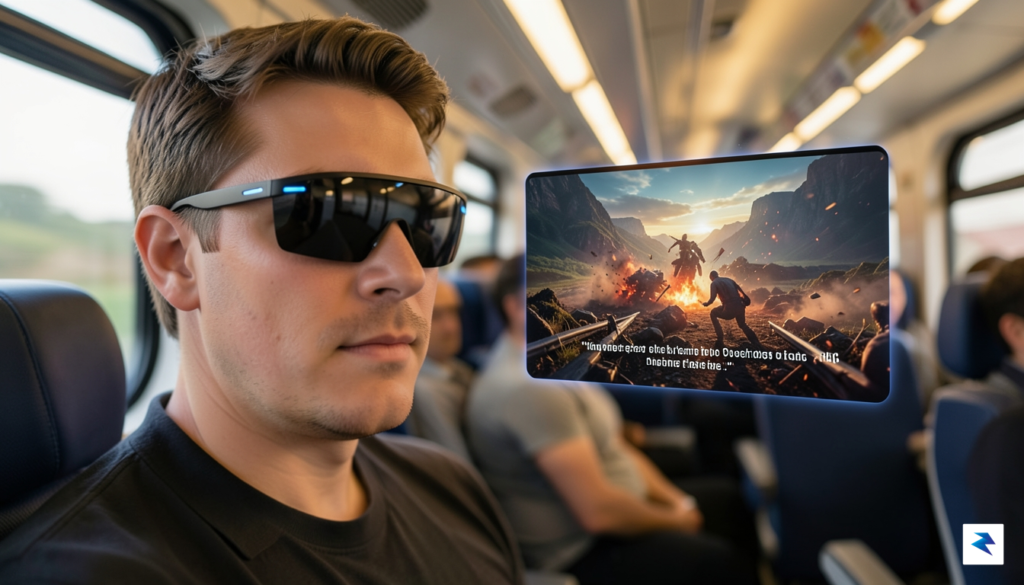
The Xreal A01 Plus succeeds because it stops trying to be a computer and finally succeeds at being the world’s most portable private cinema.
Before you pull the trigger, consider how you intend to use the hardware. If you are a power user expecting seamless multi-window productivity and complex gesture controls, you might find the software limitations restrictive and may want to wait for future iterations. However, for the majority of users, the trade-off is well worth it. You are trading expensive, bleeding-edge complexity for a polished, reliable consumer product that excels at media consumption and light gaming.
Ultimately, the Xreal A01 Plus is a “buy now” for anyone who values practicality over future-proofing. While future models will inevitably boast higher resolutions and wider fields of view, the current price point makes it an accessible upgrade for your existing devices today. You aren’t buying a vision of the future; you are buying a better way to watch your favorite content right now.
You must be logged in to post a comment.