The Best Bidets of 2026: Expert Reviews and Buying Guide
Why the Bidet Revolution is Changing Modern Hygiene For decades, North American households viewed the bidet as an exotic, space-consuming…
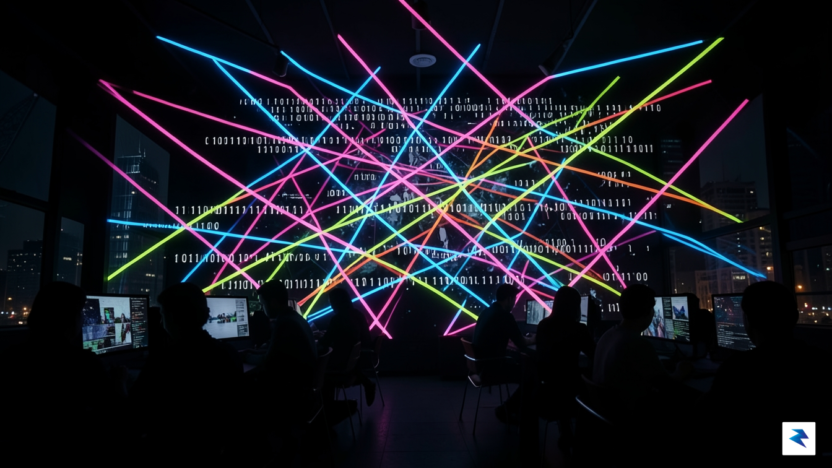
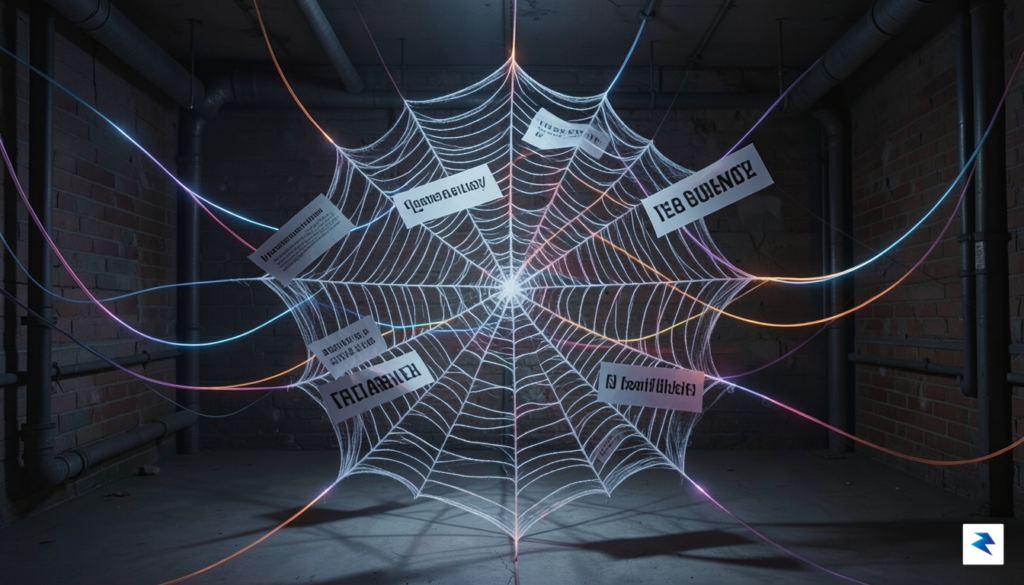
In today’s hyper-connected world, the digital landscape has fundamentally transformed how we consume and process information. News no longer flows solely through traditional, vetted channels; it explodes across social media platforms, messaging apps, and countless unmoderated websites, often without the crucial scrutiny of professional editors or fact-checkers. This unprecedented speed and sheer volume mean that narratives, both true and fabricated, can spread globally in mere minutes, often before any official verification can occur. The recent wave of baseless rumors concerning Senator Lindsey Graham’s purported death offers a stark, chilling illustration of precisely how quickly and effectively a fabricated story can embed itself within the public consciousness, even when easily disprovable.
A critical factor in the proliferation of these digital fictions is the phenomenon of the ‘information void.’ When there’s a scarcity of verified, concrete news surrounding an event or public figure, a vacuum is created that the human mind instinctively seeks to fill. This void becomes a fertile breeding ground for speculation and unverified claims, as people, hungry for answers or explanations, gravitate towards any narrative that appears to offer them, regardless of its factual basis. In such a climate, even the most outlandish conspiracy theories can take root and begin to gain momentum, simply because they provide an explanation where none officially exists, satisfying a deep-seated human desire for coherence.
Further accelerating this dangerous trend are the sophisticated algorithms that govern our social media feeds. These complex systems are primarily designed to maximize user engagement, prioritizing content that generates clicks, shares, comments, and reactions over factual accuracy or journalistic integrity. Sensational headlines, emotionally charged statements, and provocative theories, which often characterize misinformation, naturally perform exceptionally well within this algorithmic framework. Consequently, users are frequently exposed to a skewed version of reality, where outrageous but engaging falsehoods are amplified, while nuanced or factual corrections struggle to gain visibility, trapping individuals in increasingly insular echo chambers.
Compounding the challenge, sophisticated bot networks play an insidious role in manufacturing and amplifying these false narratives. These automated accounts, often operating in coordinated clusters, are programmed to rapidly disseminate specific messages, retweet unverified claims, and artificially boost the perceived popularity and reach of a story. By creating a false sense of consensus or widespread belief, bots can trick genuine users into thinking a particular rumor is more legitimate or widely accepted than it truly is. This digital mimicry then encourages human users to share the content, inadvertently turning themselves into unwitting participants in the propagation of misinformation, thereby lending credibility to claims that originated from malicious or automated sources.
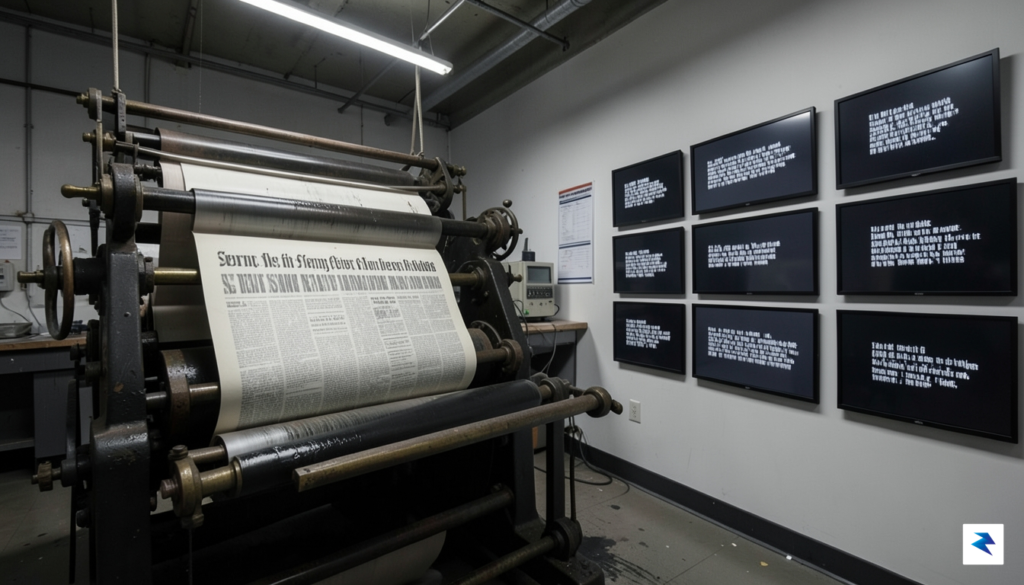
The phenomenon of the political death hoax is far from a modern invention, yet its evolution in the digital age has transformed it into a potent instrument of psychological warfare. Throughout history, rumors regarding the demise of high-profile leaders were often whispered in backrooms or circulated through broadsheets to test the resilience of an administration or to incite panic among a populace. Today, however, these fabrications have shed their status as simple, malicious pranks and have matured into sophisticated tools of political destabilization. When figures like Lindsey Graham become the center of such unfounded claims, the objective transcends mere confusion; it functions as a strategic maneuver to gauge the pulse of the electorate, monitor the speed of misinformation spread, and foster a manufactured sense of institutional fragility.
High-profile figures are consistently targeted because their visibility makes them ideal lightning rods for polarized discourse. By spreading a death hoax, bad actors can effectively “short” the stability of a political institution, observing how quickly the news cycle can be disrupted or how deeply public trust in official channels has eroded. In the case of the rumors surrounding Senator Graham, the mechanics of the hoax rely on the rapid, algorithmic amplification of social media. These claims persist in a vacuum of evidence precisely because they are not designed to be factual; they are designed to be provocative. When a user shares a false report of a senator’s passing, they are often participating in a form of digital signal-boosting that prioritizes engagement over accuracy, effectively weaponizing the audience’s curiosity against the truth.
The primary objective of a modern death hoax is rarely to deceive for long-term gain, but rather to expose the fractures in our shared reality and test the structural integrity of public institutions.
The impact of these fabrications extends far beyond the temporary confusion of the general public. For the individual target, such hoaxes create a persistent, low-level security threat, as the normalization of “death reporting” can inadvertently normalize the rhetoric of violence against public officials. Furthermore, it forces the target’s office to expend valuable resources addressing non-existent crises, thereby diverting attention from substantive policy debates. Despite the total lack of verification, these rumors continue to circulate because they satisfy a specific psychological need among extremist factions to see their political rivals diminished, even if only in the digital ether. As these tactics become more refined, the burden falls not only on the platforms that host them but on the critical media literacy of the audience tasked with discerning between political critique and malicious disinformation.
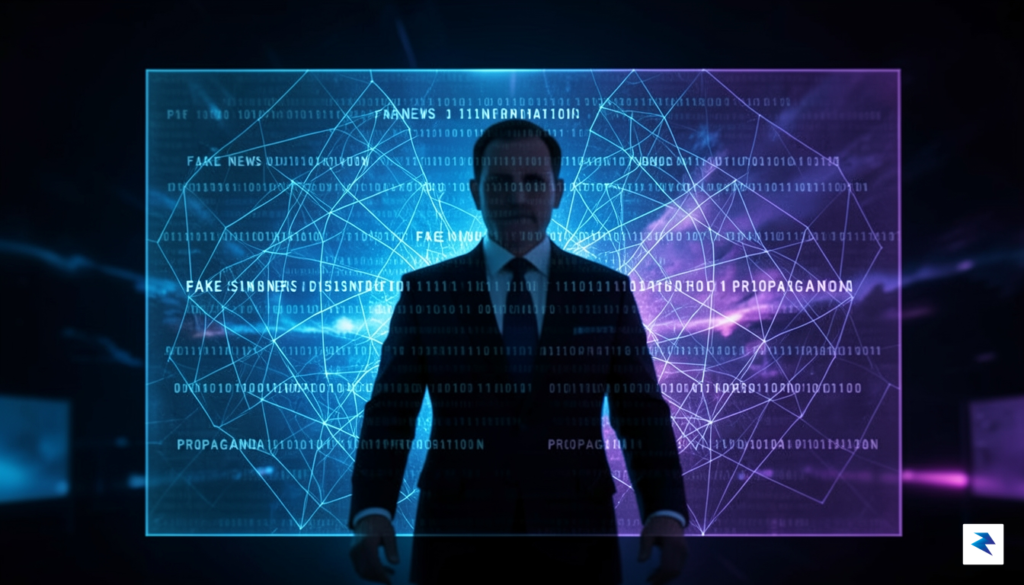

The immediate impulse to cast blame on foreign adversaries whenever a bizarre rumor gains traction in the American digital sphere has become a staple of modern political discourse. Whether fingers are pointed toward the intelligence apparatuses of Moscow, Tehran, or Beijing, this reflexive “blame game” reveals a profound, deep-seated anxiety regarding the fragility of our domestic information ecosystem. While there is often a lack of definitive evidence linking a specific state actor to isolated hoaxes, the mere suspicion of foreign involvement serves a strategic purpose. It underscores a fractured geopolitical reality where the line between organic domestic polarization and state-sponsored psychological operations has become increasingly blurred, leaving the public perpetually uncertain about the origin of the information they consume.
State-sponsored actors do not necessarily need to initiate every conspiracy theory to reap the benefits of the chaos they generate. In fact, the most effective digital interference often involves simply amplifying existing internal divisions, effectively turning the American electorate against itself. By pouring digital fuel onto the fires of domestic distrust, these actors can weaken institutional credibility and erode public faith in democratic processes without ever needing to manufacture a lie from scratch. When a rumor about a high-profile figure spreads like wildfire, it creates a “fog of war” that state actors can easily exploit to further destabilize the national conversation, turning minor social media glitches into broader crises of legitimacy.
There is a significant danger in the premature assignment of blame, as it often ignores the home-grown nature of contemporary disinformation. By reflexively attributing fringe conspiracies to external enemies, we risk creating a convenient scapegoat that prevents us from addressing the real, structural issues fueling domestic radicalization. When we categorize every viral falsehood as a calculated foreign attack, we inadvertently grant those adversaries more influence than they might actually possess, reinforcing the narrative that the American information landscape is easily manipulated from abroad. Furthermore, this focus on foreign culprits can stifle critical thinking, as it encourages citizens to dismiss uncomfortable domestic dissent as merely “foreign propaganda” rather than engaging with the underlying social anxieties that allowed the lie to take root in the first place.
The most dangerous aspect of modern disinformation is not the lie itself, but the way it forces us to weaponize our own distrust, making us view our neighbors as potential proxies for hostile foreign powers.
Ultimately, the viral nature of these rumors highlights the urgent need for a more resilient public consciousness. As long as our political culture remains defined by hyper-partisanship, the digital environment will remain an ideal breeding ground for chaos, regardless of whether a foreign hand is on the tiller. Moving forward, we must develop a more nuanced understanding of how information travels, recognizing that while external actors are certainly capable of exploitation, the primary vulnerability lies within our own fractured discourse. Only by addressing the domestic appetite for sensationalism can we hope to clear the fog and regain a semblance of objective, shared reality in our political life.
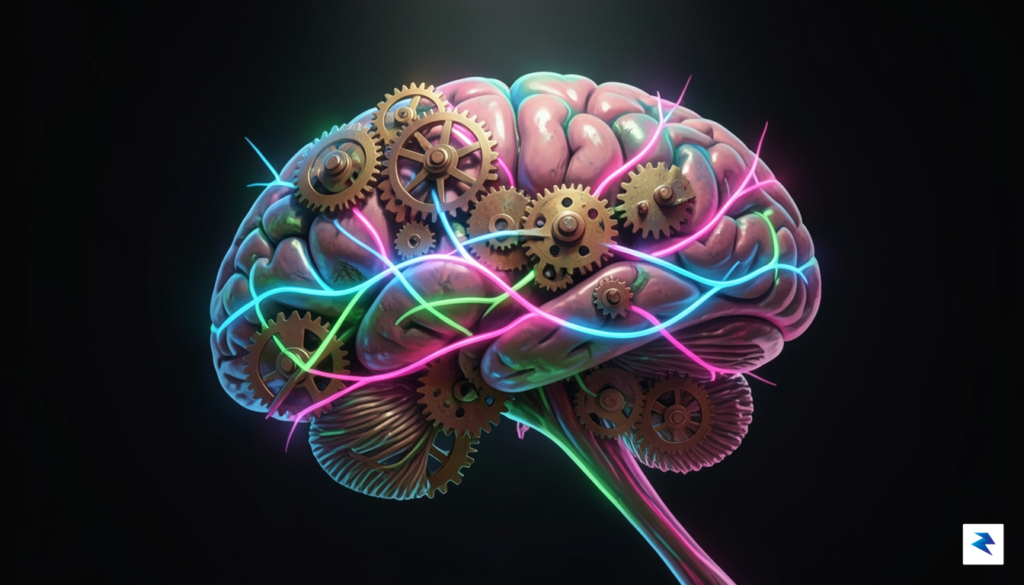

At the core of why narratives surrounding public figures like Lindsey Graham gain such traction lies a profound human desire for order in an inherently chaotic universe. When the world feels unpredictable—marked by shifting political landscapes and global instability—the human brain instinctively seeks patterns to make sense of the noise. Conspiracy theories act as a cognitive shortcut, replacing the terrifying reality of random events with a structured, albeit false, narrative where every action is intentional and every outcome is controlled by a hidden hand. This psychological mechanism offers a powerful, if temporary, sense of agency; by believing they have uncovered a “secret truth,” individuals feel they have reclaimed a degree of control over a reality that otherwise feels indifferent to their concerns.
This engagement is further fueled by ingrained cognitive biases that act as filters for incoming information. Confirmation bias, for instance, drives people to prioritize details that align with their preexisting suspicions while simultaneously discarding contradictory evidence as part of the “cover-up.” Furthermore, the Dunning-Kruger effect often plays a subtle role, as those with limited expertise in complex geopolitical or biological matters may overestimate their ability to interpret “evidence,” leading them to confidently share misinformation that experts have already debunked. When these biases intersect with the rapid-fire nature of social media, the result is an echo chamber where unsubstantiated claims are reinforced by peer approval rather than objective scrutiny.
Conspiracy theories are rarely about the facts themselves; they are about the emotional architecture of the believer, providing a shield against the anxiety of not knowing.
Beyond individual cognition, the social allure of these ecosystems cannot be overstated. For disenfranchised groups or those who feel ignored by mainstream institutions, these communities offer a sense of belonging and a shared identity that is incredibly potent. Being “in on the secret” fosters a unique bond among participants, transforming a solitary search for answers into a collective crusade against perceived corruption. This sense of belonging is a powerful emotional reward, making the act of sharing a hoax less about the accuracy of the claim and more about affirming one’s membership in a group that claims to see what the “blind masses” cannot. Ultimately, the viral spread of such theories is not a failure of intelligence, but a testament to how deeply the human psyche craves significance, community, and the comforting illusion of a world that is at least predictable, even if it is sinister.

In an era where sensational headlines can travel around the globe before the truth has even had a chance to lace up its shoes, the burden of verification falls squarely on the reader. When narratives regarding the health or status of public figures suddenly spike, the first step is to practice what digital media experts call lateral reading. Instead of blindly accepting a claim at face value, open multiple new browser tabs to search for the same story across established, reputable news outlets. If a major, high-stakes development regarding a prominent senator is being reported by only a single anonymous blog or a handful of suspicious social media accounts, it is almost certainly a fabrication designed to manipulate your emotions or drive engagement for ad revenue.
Beyond simply checking multiple outlets, it is vital to scrutinize the infrastructure of the accounts sharing the information. Automated bot networks often amplify disinformation by creating a false sense of consensus, using repetitive phrasing, high-frequency posting schedules, and suspicious profile imagery. If you find yourself in a thread where every comment reads like a variation of the same inflammatory script, you are likely witnessing a manufactured campaign rather than an organic public reaction. Before you hit the “share” button, take a moment to look at the account’s history, their follower-to-following ratio, and the date the account was created; these small investigative steps can effectively dismantle the illusion of popularity that many conspiracy theories rely upon to gain traction.

The role of traditional, reputable journalism is to act as a filter, separating verifiable facts from the noise of speculation. Professional newsrooms are bound by ethical standards, editorial oversight, and legal accountability, whereas viral rumors operate in a vacuum where there is no penalty for being wrong. Relying on outlets with a long track record of transparency and fact-checking provides a necessary anchor in a sea of digital misinformation. When a story seems designed to provoke outrage or shock, treat it as a warning sign. Digital hygiene requires us to pause and reflect on our own biases—often, we are more likely to believe and share information that confirms what we already suspect, regardless of its accuracy.
The most powerful weapon against digital deception is not a government policy or an algorithm, but the intentional, skeptical pause of the individual reader before they decide to propagate a claim.
Ultimately, curbing the spread of viral falsehoods is a collective responsibility that demands a commitment to slow, thoughtful engagement. By refusing to participate in the rapid-fire ecosystem of unverified rumors, we deprive disinformation campaigns of the oxygen they need to survive. Cultivating a habit of verifying information before sharing it does not just keep your own feed cleaner; it serves as a crucial line of defense for the broader public discourse. In the digital age, being informed is no longer just about consuming information—it is about actively curating the truth through constant vigilance and sound judgment.
You must be logged in to post a comment.