Why EV Charging Stations Are Spreading Even as Car Sales Cool
The Paradox of the EV Market: Sales vs. Infrastructure The current automotive landscape presents a fascinating, albeit counterintuitive,…
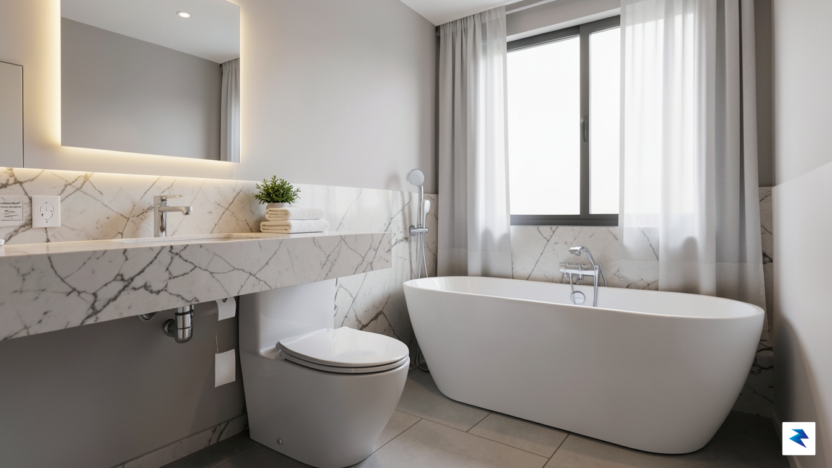
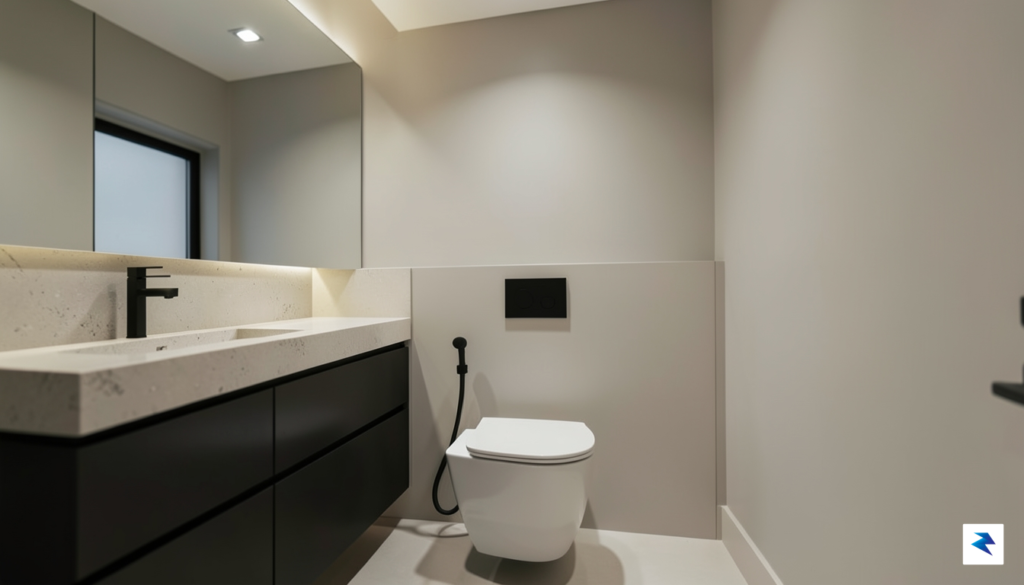
For decades, North American households viewed the bidet as an exotic, space-consuming fixture found only in high-end European hotels or ultra-luxury bathrooms. However, the last few years have marked a definitive shift in this cultural narrative. What was once considered an intimidating contraption is now rapidly becoming a standard, essential fixture in modern homes across the continent. This evolution is driven by a collective realization that relying solely on dry paper is an antiquated, inefficient method of hygiene. As modern consumers become more health-conscious and environmentally aware, the bidet has transitioned from a niche novelty into a staple of daily self-care.
The primary barrier to widespread adoption has historically been a lingering, misplaced “yuck” factor—a discomfort with the mechanics of water-based cleansing. Yet, when you objectively compare the two methods, the logic becomes undeniable. If you were to get mud or a sticky substance on your hands, you would never dream of simply wiping it off with a dry paper towel and calling it a day; you would use water to ensure a thorough clean. By applying that same common-sense logic to personal hygiene, it becomes clear that water spray systems provide a level of cleanliness that dry paper simply cannot replicate. Switching to a bidet isn’t just about comfort; it is about upgrading from merely “wiping” to actually being clean.
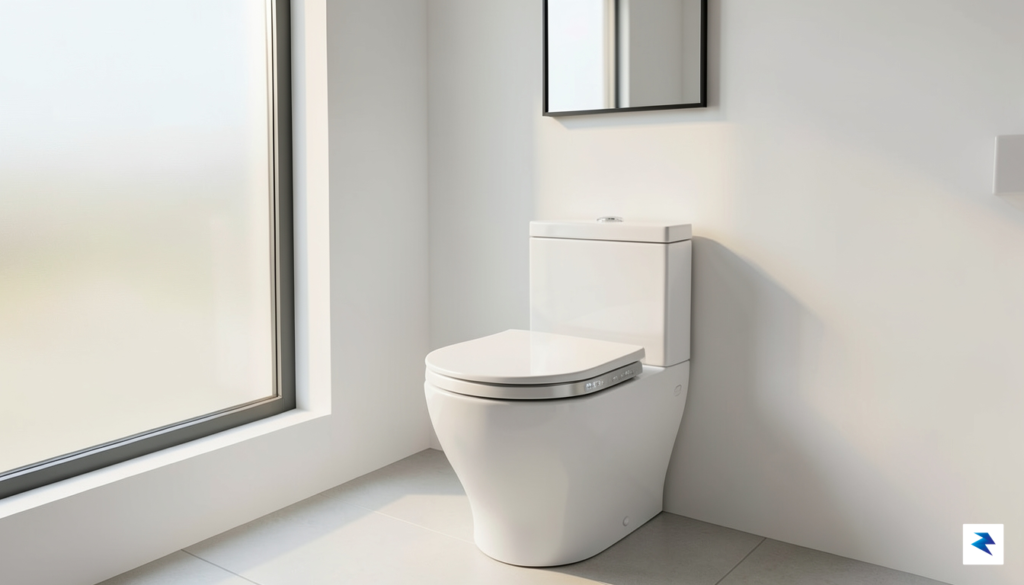
Beyond the immediate tactile benefits, there is a profound difference between the sensation of “feeling clean” and the reality of being truly sanitized. Dry paper often smears and leaves residue behind, whereas a targeted, controlled stream of water removes bacteria and debris effectively, leading to a much more hygienic outcome. Furthermore, the modern bidet experience—especially the models surfacing in 2026—is light-years ahead of the primitive systems of the past. With adjustable water pressure, temperature control, heated seats, and even oscillating spray patterns, these devices offer a customized experience that prioritizes comfort and skin health.
The shift toward water-based hygiene is not just a trend; it is a fundamental upgrade to our daily rituals that reconciles modern sanitary standards with the comfort we deserve in our most private spaces.
Finally, concerns regarding water usage are often overstated. While it may seem counterintuitive to use more water in the bathroom, the production of toilet paper is an incredibly water-intensive and resource-heavy process involving logging, bleaching, and chemical processing. By reducing or eliminating the reliance on toilet paper, households actually lower their overall environmental footprint. As more people experience the daily relief and improved hygiene provided by these systems, the remaining stigma is quickly evaporating, replaced by the realization that once you make the switch, there is simply no going back to the old way of doing things.
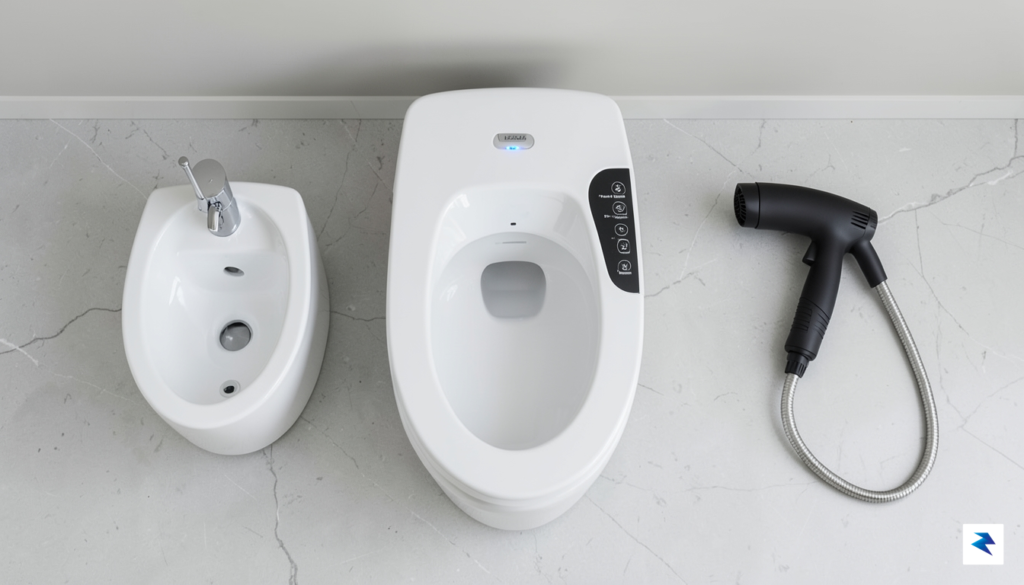
Before you invest in a new bathroom upgrade, it is essential to recognize that not every bidet is designed to fit every toilet. The most common pitfall for new buyers is failing to verify their toilet bowl shape, which generally falls into one of two categories: round or elongated. While many modern bidet seats offer adjustable mounting brackets to accommodate minor variations, purchasing a seat designed for an elongated bowl to place on a round fixture will result in an awkward, non-functional overhang. Always measure the distance from the mounting bolt holes to the front of the rim before finalizing your purchase to ensure a seamless, secure fit.
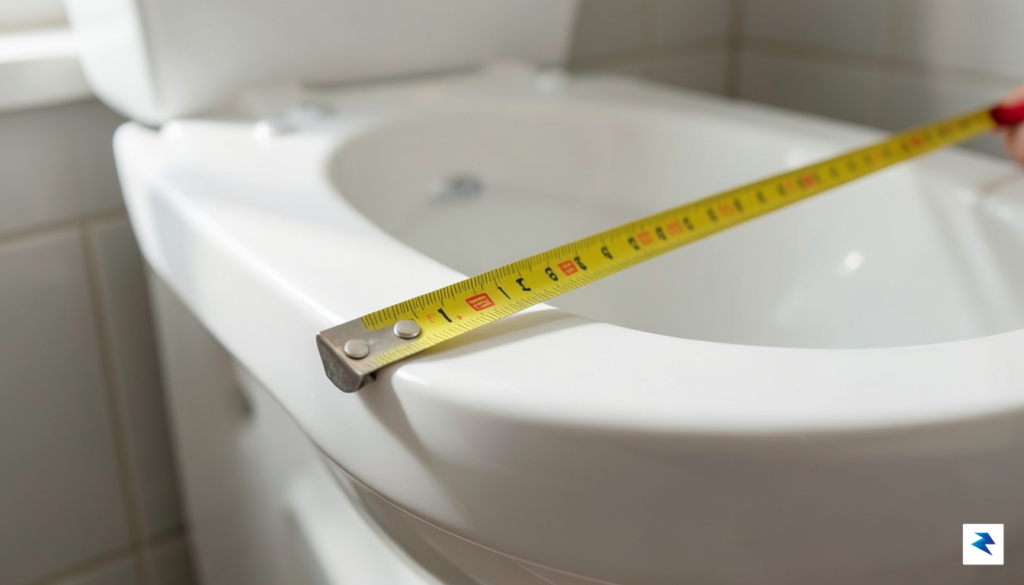
Beyond the shape of the bowl, you must determine which category of bidet best serves your lifestyle and infrastructure. Mechanical attachments are the most accessible entry point because they do not require electricity; they simply tap into your existing cold-water supply line. These are ideal for renters or those on a budget who want basic functionality without complex installation. Conversely, electronic bidet seats offer a luxury experience—think heated seats, customizable water pressure, and warm air dryers—but they necessitate a GFI-protected electrical outlet within a few feet of the toilet. If your bathroom lacks a nearby power source, you may need to consult an electrician or opt for a non-electric model to avoid dangerous extension cord setups.
Pro Tip: Always verify that your current water shut-off valve is easily accessible and in good working order. Installing a bidet requires temporarily disconnecting the water supply, and having a functioning valve is critical to preventing leaks or plumbing mishaps during the setup process.
If your bathroom layout is particularly tight or you prefer a minimalist aesthetic, handheld sprayers—often called “bidet showers”—provide a versatile alternative. Because these are mounted to the wall rather than fixed to the toilet seat, they are compatible with virtually any hardware configuration, regardless of bowl shape or electrical proximity. However, they do require a bit more manual dexterity to operate compared to automated seats. Ultimately, balancing your physical space, your desire for luxury features, and your existing plumbing layout will lead you to the model that provides the best long-term value for your home.
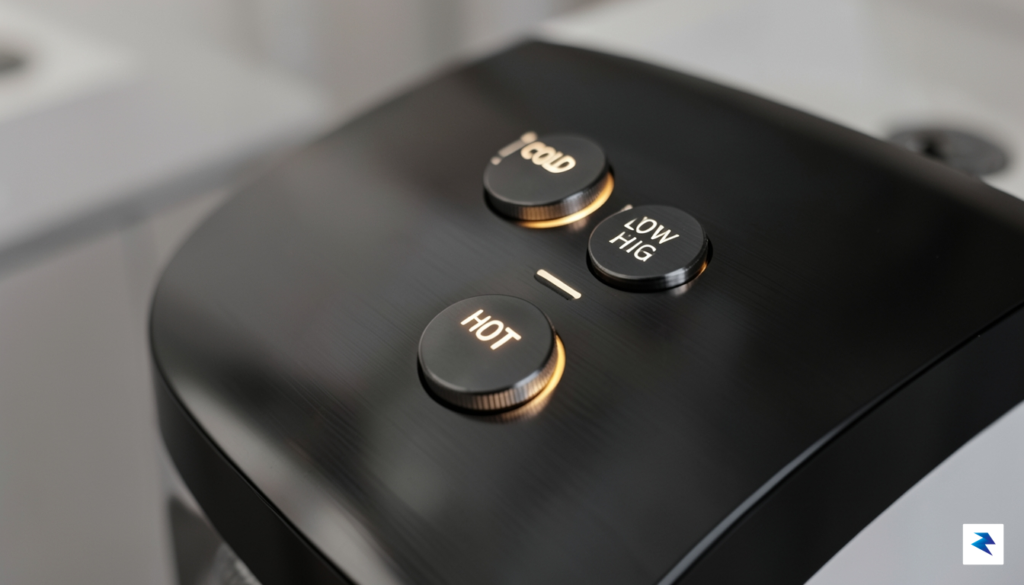
Navigating the current bidet market requires understanding that performance is rarely a one-size-fits-all metric. At the entry level, mechanical bidet attachments offer a budget-friendly, non-electric solution that relies entirely on your home’s existing water pressure. While these models are incredibly reliable and easy to install, they lack the creature comforts of temperature control or drying. For most users, the jump from a basic mechanical spray to a mid-range electronic seat is where the real value proposition begins. These electronic models, often championed by brands like Brondell, integrate seamlessly into your bathroom’s electrical layout, providing consistent water pressure and essential hygiene features like nozzle self-cleaning, which ensures the unit remains sanitary between every use.
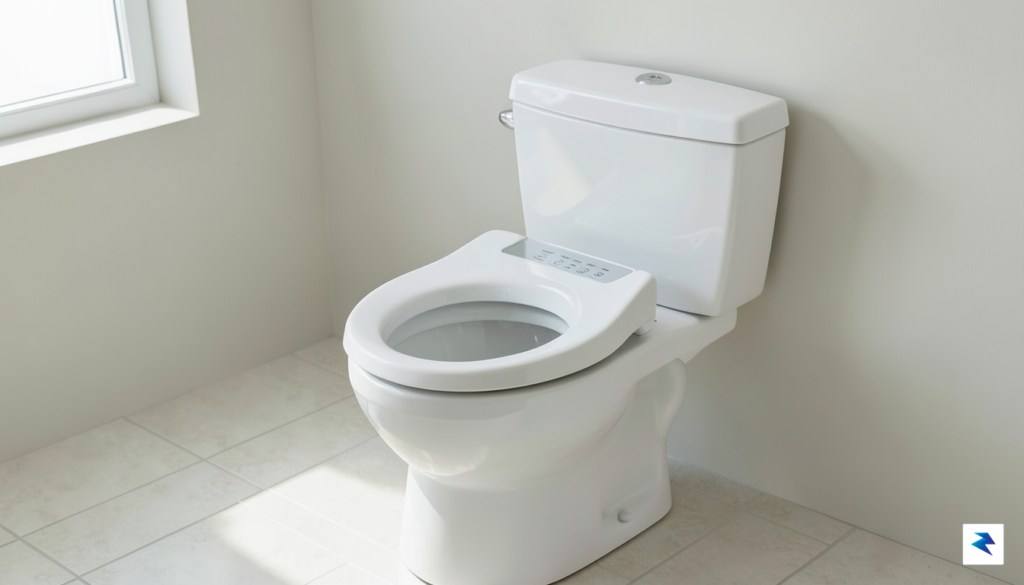
When you transition into the high-end luxury tier, the experience shifts from mere utility to a spa-like ritual. Premium systems, particularly the flagship offerings from Toto, utilize advanced instant heating technology rather than the traditional warm water tanks found in older models. This distinction is crucial; while tank-based systems may run out of warm water during a longer session, instant heaters provide an endless stream of temperature-controlled water. Furthermore, these luxury seats often include sophisticated air-drying functions, deodorizers, and even sensors that automatically open the lid as you approach. Investing in these features isn’t just about indulgence; it’s about long-term satisfaction and the durability of the internal components.
Pro-Tip: If you live in a region with particularly cold winters, prioritize models with “instant” water heating and heated seats. The initial investment in higher-tier electronics pays dividends in comfort during those frigid morning routines.
To help you weigh your options, consider these essential feature tiers when comparing brands:
Ultimately, reliability remains the most important factor regardless of the price point. Toto has long set the gold standard for build quality and longevity, while Brondell frequently wins awards for providing the best feature-to-price ratio for the average consumer. Before making a final decision, evaluate whether you value the raw durability of a luxury unit or the straightforward, functional efficiency of an entry-level mechanical device. By identifying which features genuinely improve your daily routine, you can ensure that your purchase remains a valuable addition to your home for years to come.
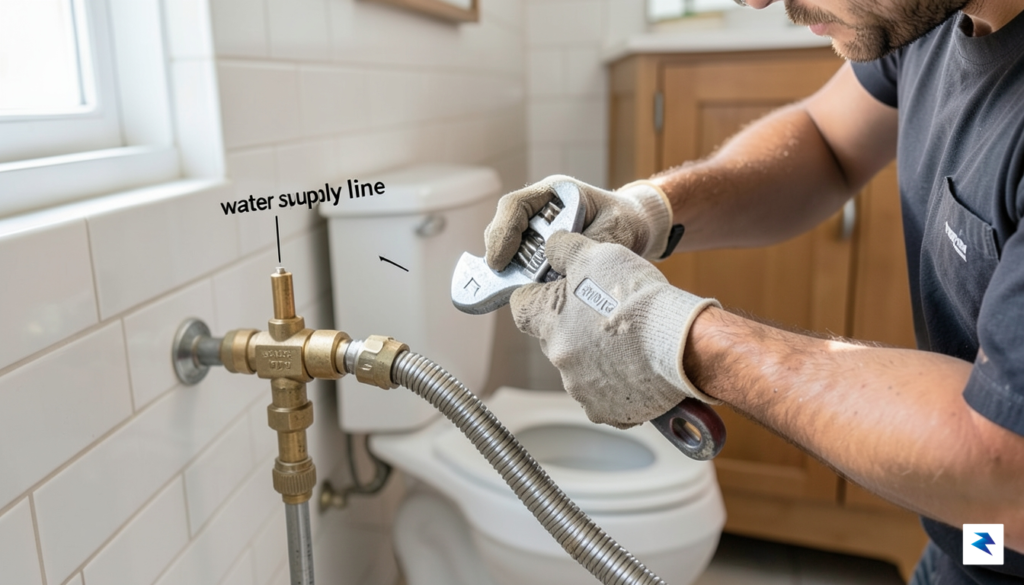
If the prospect of plumbing work feels intimidating, rest assured that the vast majority of modern bidet seats are engineered specifically for the DIY-savvy homeowner. In most cases, the entire installation process can be completed in under forty-five minutes using nothing more than a standard adjustable wrench and a screwdriver. Before you begin, the most critical safety step is to locate the water shut-off valve behind your toilet and rotate it clockwise until it is completely closed. Once the water flow is restricted, flush the toilet to drain the tank, which prevents residual water from leaking onto your bathroom floor during the installation. From there, simply remove your existing seat, attach the included mounting plate to the porcelain bowl, and install the T-valve adapter between your water supply line and the tank fill valve.
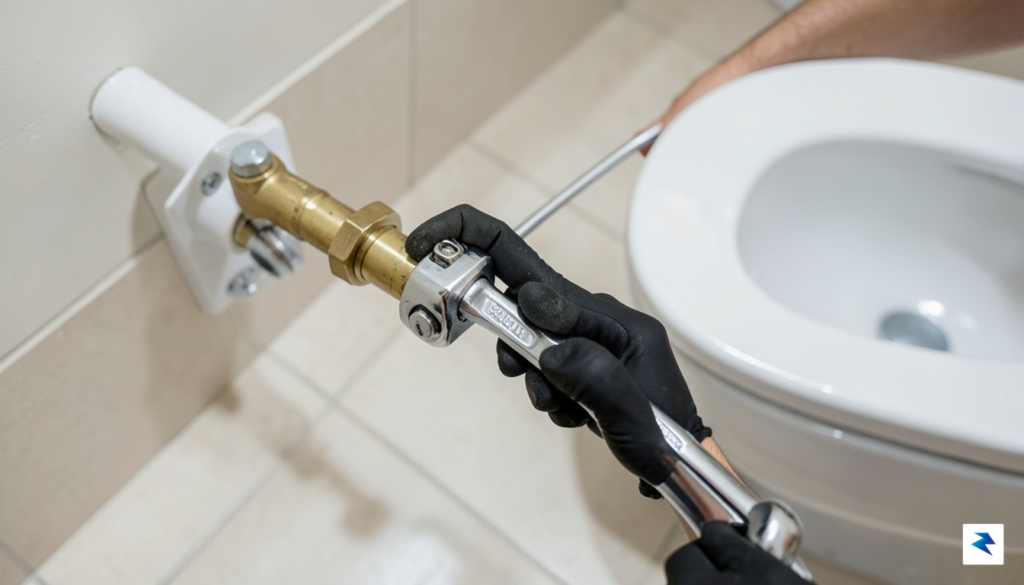
Once you have secured the bidet seat and reconnected the hoses, it is vital to check for leaks by turning the water supply back on slowly. Even a small drip can lead to water damage over time, so ensure all connections are snug but avoid overtightening, which can crack plastic fittings. Many of the 2026 models feature quick-release buttons that allow you to slide the seat off easily; this is an invaluable feature that makes cleaning the hidden areas between the seat and the toilet bowl much more manageable. To maintain the long-term integrity of the internal components, treat your bidet as an electronic appliance rather than a standard piece of bathroom hardware.
To ensure your bidet functions flawlessly for years, a regular maintenance routine is essential. Most high-end units now include self-cleaning nozzle cycles that engage before and after every use, but manual cleaning is still recommended once a month. Use a soft-bristled brush or a non-abrasive cloth dipped in mild, diluted soap to gently wipe the nozzles, taking care not to force them out of their housing. If you live in an area with hard water, mineral buildup is your biggest enemy. Over time, calcium deposits can clog the spray ports and reduce water pressure, so consider installing an inline water filter if your specific model supports it, and replace that filter every six months to keep the internal heating elements free of scale.
Pro-Tip: Avoid using harsh household cleaners, such as bleach or abrasive scouring pads, on the seat surface. These chemicals can yellow the plastic and degrade the finish, potentially causing the seat to become brittle or prone to cracking over time.
Finally, pay attention to the electronic connections if you have opted for a luxury model with a heated seat and warm air dryer. Ensure that the GFCI outlet powering the device remains dry and free of dust. If the seat begins to show signs of discolored plastic or if the spray pressure feels inconsistent, perform a quick reset of the unit by unplugging it for sixty seconds. By following these simple maintenance steps, you protect your investment and ensure that your bidet remains a hygienic, reliable staple of your daily bathroom routine.
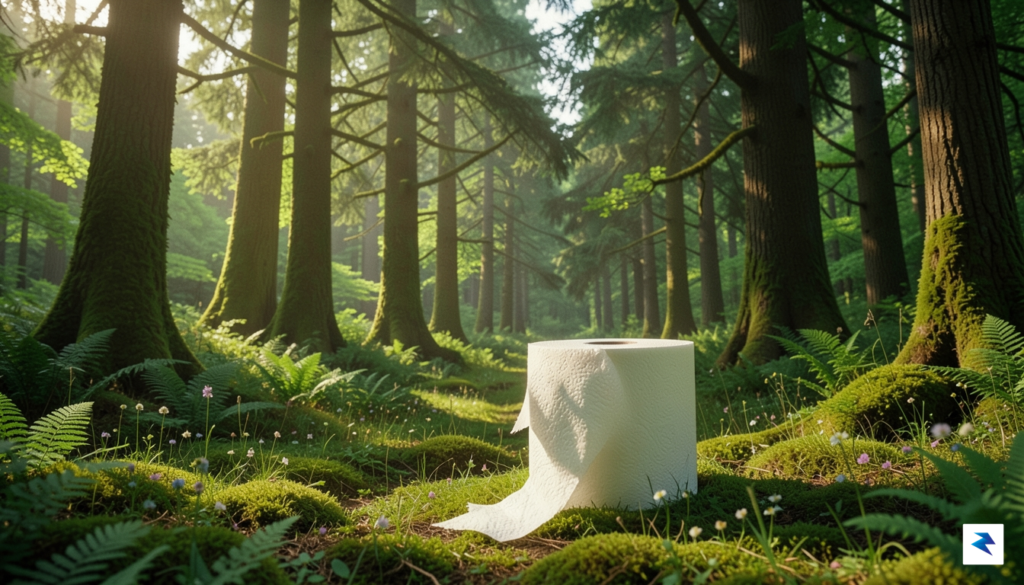
Beyond the undeniable upgrade in daily comfort, transitioning to a bidet represents a profound shift toward sustainable living and improved personal hygiene. The most immediate impact of ditching traditional dry wiping is the drastic reduction in your household’s paper waste. Consider that the production of toilet paper is a resource-heavy process, requiring millions of trees to be harvested annually, alongside billions of gallons of water and significant energy consumption for bleaching and packaging. By relying on a bidet, you are not only curbing the demand for these finite resources but also minimizing the environmental footprint associated with the manufacturing and transportation of bulk paper products, making every use an act of ecological mindfulness.
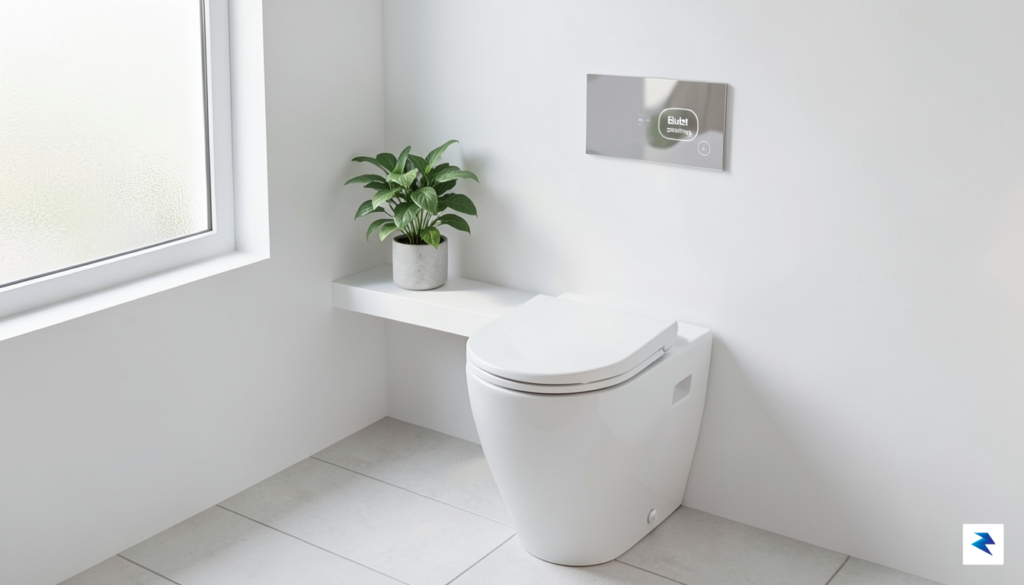
From a dermatological perspective, the benefits are equally compelling. Conventional dry toilet paper can be inherently abrasive, often stripping the skin of its natural moisture or causing micro-tears, especially for individuals with sensitive skin or those managing conditions like hemorrhoids, fissures, or post-surgical recovery. Water, by contrast, provides a gentle, non-irritating cleanse that effectively removes bacteria and residue without the friction of paper. This shift is particularly transformative for those prone to irritation or allergic reactions to the chemical additives, fragrances, and dyes commonly found in commercial bathroom tissue. By opting for a water-based routine, you allow your skin to maintain its natural barrier, significantly reducing the likelihood of discomfort and inflammation over the long term.
The transition to a bidet is a rare instance where personal wellness and environmental stewardship align perfectly; it is an investment that pays dividends for your skin health and the planet’s future with every single use.
When analyzing the long-term financial implications, the switch to a bidet emerges as a remarkably smart fiscal decision. While the initial investment in a high-quality bidet seat or attachment may seem substantial, the cumulative savings on toilet paper are significant. Most households find that their annual paper consumption drops by over 75 percent, effectively allowing the device to pay for itself within a few years of regular use. When you weigh these recurring savings against the rising costs of grocery store essentials, the bidet transitions from a luxury convenience to a pragmatic, cost-effective household staple. By pairing a more hygienic, restorative cleaning routine with a reduction in your overall consumption, you are not just improving your daily experience—you are making a lasting commitment to both your personal health and the broader environment.
You must be logged in to post a comment.