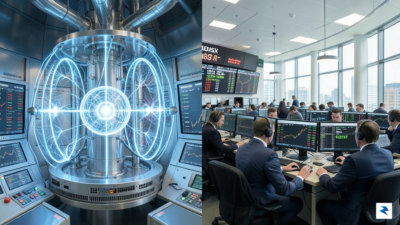
Economists and Tech Leaders Sound Alarm on AI’s Economic Impact
The Growing Consensus: Why Economists Are Sounding the Alarm on AI For years, the discourse surrounding artificial intelligence was dominated…
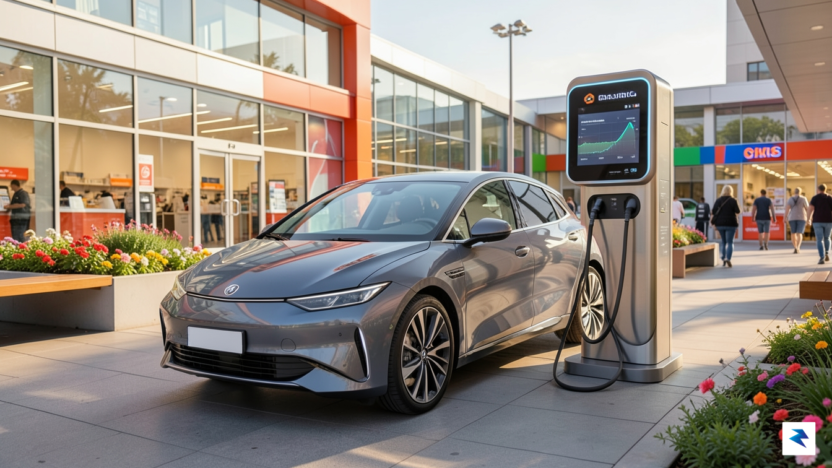
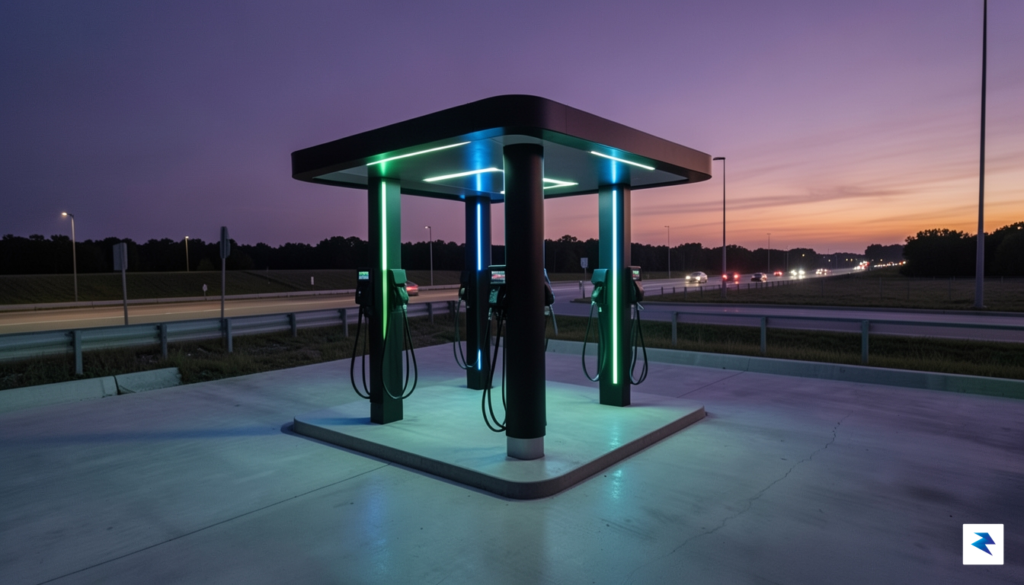
The current automotive landscape presents a fascinating, albeit counterintuitive, dichotomy. While the meteoric rise in electric vehicle (EV) adoption has hit a period of cooling growth—as evidenced by tempered quarterly sales figures and cautious consumer sentiment—the nation’s physical charging infrastructure is expanding at an unprecedented pace. This perceived disconnect often confuses casual observers who view the market through the lens of immediate sales volume. However, the reality is that the build-out of a national charging network is not a reaction to last month’s transaction reports; rather, it is a foundational, long-term industrial project designed to outlast short-term market fluctuations.
At the heart of this trend is the concept of the “infrastructure lag,” a common phenomenon in technological transitions where the physical backbone of an industry must be laid long before the mass-market migration reaches its peak. Investors and government entities are operating under the assumption that range anxiety remains the primary barrier to entry for the average driver. By prioritizing the installation of Level 3 DC fast chargers along major corridors and within urban centers now, stakeholders are effectively “future-proofing” the grid. Consequently, the rapid deployment of these stations is actually a strategic catalyst intended to entice the next wave of skeptical buyers, rather than a direct response to current sales data.
The investment in charging infrastructure is a multi-decade commitment that views the current sales plateau as a mere blip on the trajectory toward total electrification, prioritizing utility and accessibility over quarterly performance metrics.
It is important to recognize that infrastructure investment does not move in a 1:1 ratio with vehicle sales. Large-scale utility projects involve multi-year permitting processes, complex electrical grid upgrades, and intensive hardware procurement cycles. Because these initiatives are funded by long-term federal grants and private capital looking at a 10-to-20-year horizon, they are largely insulated from the temporary cooling of the retail market. While a dealership might adjust its inventory based on monthly demand, a utility company or a charging network provider is focused on building the network that will support millions of vehicles still to come. Therefore, the surge in charging hardware is not an anomaly; it is the necessary precursor to the widespread adoption that the industry is still working to achieve.
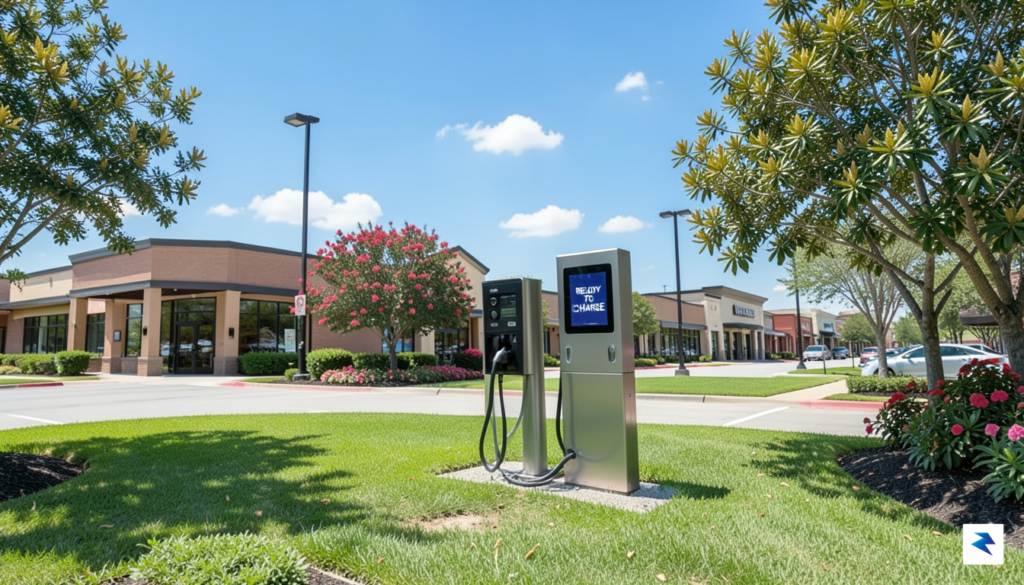
For years, the narrative surrounding the electric vehicle revolution was inextricably linked to the coastal hubs of California and the Northeast, where early adoption rates and regulatory pressure created a dense, localized infrastructure. However, a significant geographical pivot is currently underway, with the Southern United States rapidly transforming into the nation’s new powerhouse for EV charging deployment. States like Texas, Georgia, and Florida are no longer playing catch-up; instead, they are aggressively positioning themselves as critical corridors for long-distance electric travel. This shift is fueled by a unique combination of expansive geography, favorable zoning laws, and a concerted push from both private industry and state governments to capitalize on the untapped potential of the Sun Belt’s growing population.
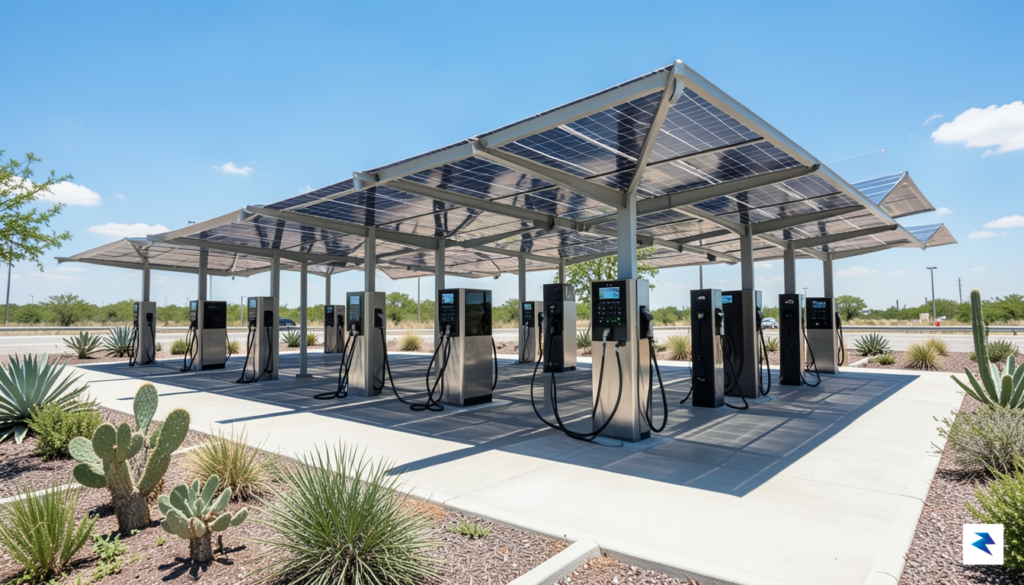
The rapid growth in states like Georgia and Texas is largely driven by land availability and the logistical ease of installing large-scale charging networks compared to the constrained urban environments of the West Coast. In regions where land is more plentiful, developers can construct “charging plazas” that offer amenities similar to traditional gas stations, including lounges and retail options, which are essential for making electric travel viable for long-haul commuters. Furthermore, these states are benefiting from a strategic alignment of federal funding through the National Electric Vehicle Infrastructure (NEVI) program and aggressive state-level incentives that encourage utility providers to modernize the grid. While federal grants provide the initial backbone for interstate connectivity, state-specific initiatives—such as Georgia’s proactive support for EV manufacturing—have created an ecosystem where the charging infrastructure naturally follows the industrial investment.
The Southern shift is not merely about meeting current demand; it is an infrastructure-first strategy designed to preemptively eliminate range anxiety across thousands of miles of interstate highway.
Reliability and power grid capacity also play a vital role in this regional expansion. Unlike older, more congested power grids in legacy coastal cities, many Southern states are actively upgrading their energy distribution systems to accommodate the increased load of rapid-charging stations. This modernization effort is often supported by a mix of renewable energy sources, such as solar and wind, which are particularly abundant in the South. By integrating these charging hubs directly into a resilient and expanding grid, Southern utility providers are ensuring that the infrastructure is sustainable for the long term. Consequently, this region is quickly becoming the blueprint for how the rest of the country can scale charging accessibility, proving that the future of electric mobility is as much about the sun-drenched highways of the South as it is about the tech-heavy centers of the coast.
For decades, the standard retail and fast-food business model relied on a rapid turnover of customers—the “grab-and-go” mentality that defined highway commerce. However, as the automotive landscape shifts toward electrification, major retailers and quick-service restaurants are fundamentally reimagining the value of time. They have identified a new secret weapon for customer retention: the charging plug. By installing high-speed EV infrastructure, these businesses are actively turning the mandatory 20-to-40-minute “dwell time” required for a battery charge into a strategic business opportunity. Instead of viewing a parked car as a static object, companies now see it as an anchor, tethering a captive audience to their storefronts for long enough to facilitate an additional meal or a spontaneous shopping trip.
This pivot toward the “dwell time” economy is fundamentally rewriting the rules of roadside service. When a driver plugs in, they are no longer just a transient visitor; they become a customer with time to burn and a need for amenities. Retailers are leveraging this shift by integrating charging stalls directly into their parking lot layouts, often pairing them with mobile apps that offer discounts or loyalty rewards while the vehicle reaches full capacity. This creates a powerful feedback loop where the convenience of the charger acts as a lure, while the proximity to refreshments and retail goods increases the average transaction value per visitor. By transforming the charging experience from a tedious chore into a comfortable interlude, businesses are effectively capturing revenue that would have otherwise vanished at a highway rest stop or a remote charging depot.
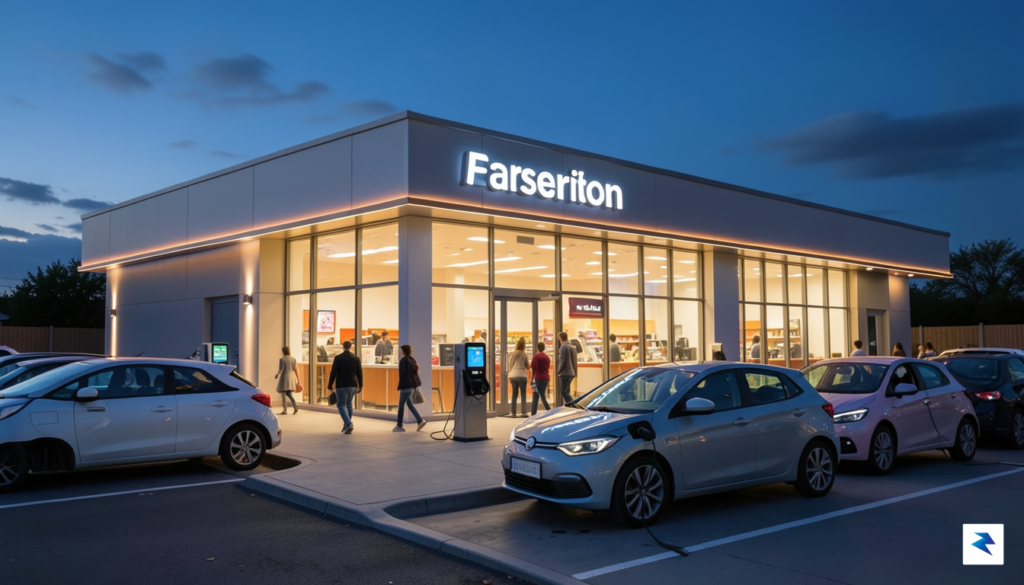
Furthermore, these investments serve as a long-term hedge against the inevitable evolution of personal mobility. While current electric vehicle sales may fluctuate due to market conditions and infrastructure gaps, the long-term trend toward electrification remains a structural certainty. Retailers and restaurant chains that install this infrastructure today are essentially future-proofing their physical footprints. They are ensuring that when the next wave of EV adoption occurs, their locations become the primary choice for travelers who prioritize convenience and accessibility. This forward-thinking strategy acknowledges that the service station of the future will not be defined by fuel pumps, but by the ability to provide a high-quality physical environment where customers can recharge themselves while they recharge their vehicles.
The integration of EV charging is not merely about providing a utility; it is about reclaiming the time that commuters spend in limbo, converting it into a meaningful touchpoint for brand engagement and increased sales.
Ultimately, this approach represents a shift from being a destination of necessity to a destination of convenience. As these companies refine their strategy, they are moving beyond simple parking lot installations to create “destination hubs” that include high-speed Wi-Fi, comfortable lounge areas, and curated retail offerings. By aligning the needs of the modern driver with the logistical requirements of modern commerce, these retailers are positioning themselves as essential waypoints in an electric-powered future, ensuring they remain relevant long after the transition from internal combustion engines is complete.
For years, the psychological hurdle known as “range anxiety” has acted as the primary gatekeeper for the electric vehicle revolution. Prospective buyers have long feared the prospect of being stranded with a depleted battery far from a power source, a concern that transcends mere inconvenience and touches on a deep-seated fear of unpredictability. However, the tide is beginning to turn as the charging landscape shifts from a collection of isolated, rare amenities to a robust, ubiquitous network. By normalizing the sight of high-speed charging stalls in grocery store parking lots, highway rest stops, and urban centers, the industry is successfully transforming the act of “refueling” from a source of stress into a mundane component of daily errands.
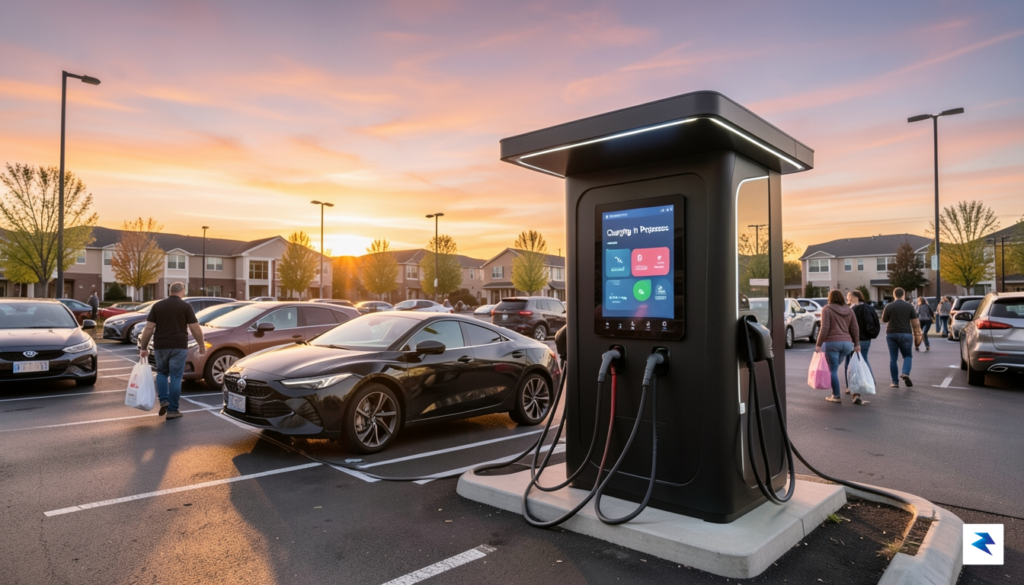
The distinction between home-based charging and public infrastructure is essential to understanding this consumer shift. While home charging provides the convenience of waking up to a “full tank” every morning, it is the reliability of the public network that grants drivers the freedom to venture beyond their local radius. When a driver knows that a fast charger is available every fifty miles along their route, the need for constant battery monitoring diminishes. This transition moves the EV experience closer to the traditional combustion engine model, where fuel availability is never a conscious thought during a commute. As public infrastructure achieves higher density, the perceived risk of ownership drops exponentially, allowing the average consumer to view an EV as a primary vehicle rather than a niche secondary option.
The true success of the electric transition will not be measured by the raw speed of a charger, but by the seamless integration of charging into the existing rhythms of human movement.
Furthermore, the strategic placement of these stations is fundamentally altering the decision-making process for potential buyers. In the past, purchasing an EV required a certain level of lifestyle adaptation, forcing owners to meticulously plan their movements around sparse infrastructure. Today, the density of the charging network acts as a safety net that validates the investment. When consumers see the infrastructure growing around them, it signals long-term stability and widespread societal adoption. This perception of reliability is the final piece of the puzzle; once the fear of being “stuck” is replaced by the confidence of being “connected,” the barrier to entry collapses, turning hesitant shoppers into confident electric vehicle owners.
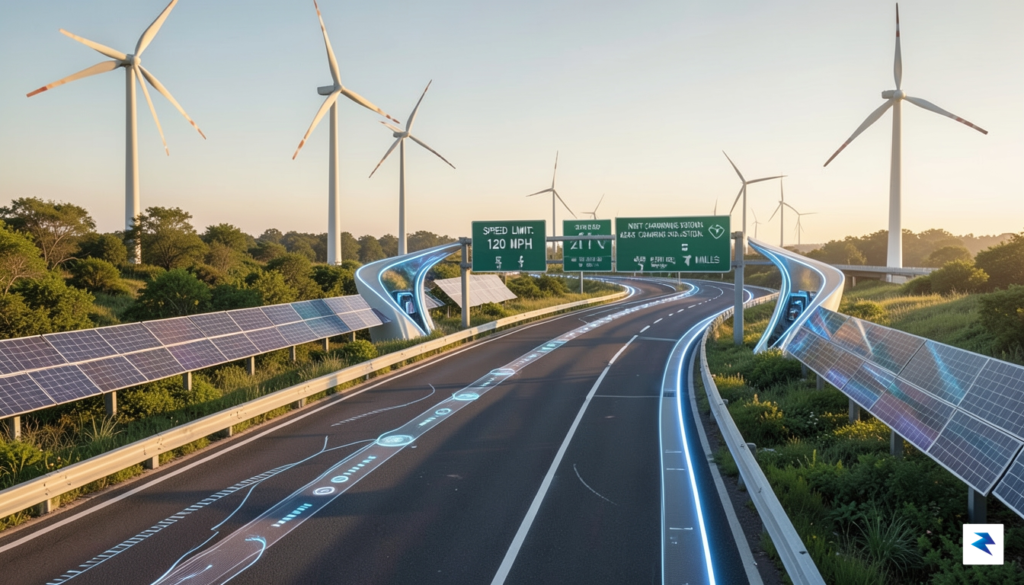
The current divergence between slowing vehicle sales and accelerating infrastructure development is not a sign of a failing market, but rather a necessary recalibration. We are witnessing the classic “chicken and egg” dilemma finally being resolved in favor of the consumer. By prioritizing the deployment of charging hardware today, the industry is proactively dismantling the most significant barrier to entry: range anxiety. As the network becomes more reliable, standardized, and ubiquitous, the friction associated with electric vehicle ownership will drop precipitously, effectively preparing the landscape for a new wave of mass-market adoption once economic conditions shift.
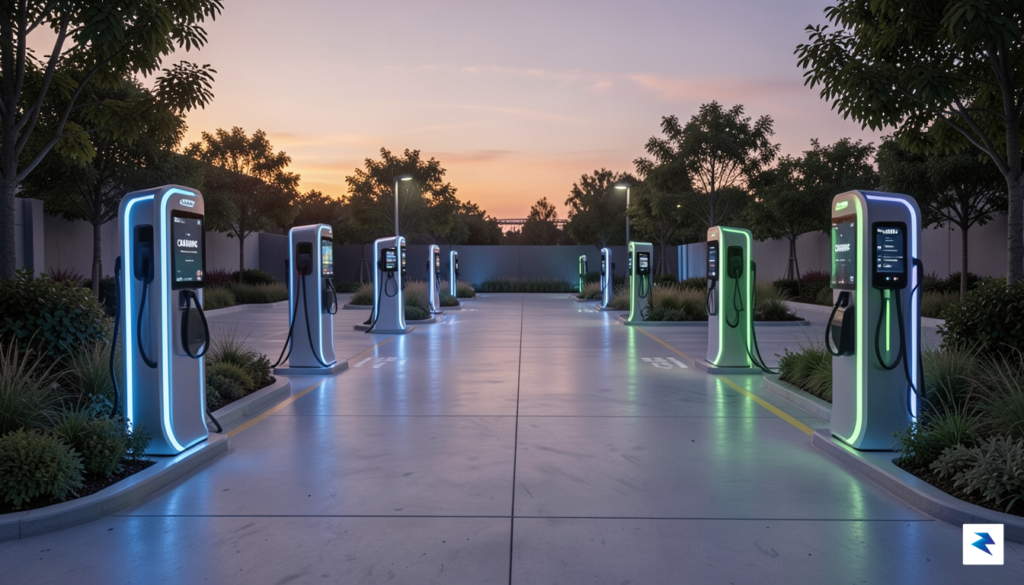
For this transition to succeed, the focus must move beyond simply installing more plugs. True market maturity hinges on three critical factors: interoperability, rapid charging speeds, and payment simplicity. When drivers can pull into any station regardless of their vehicle’s brand and be guaranteed a seamless, high-speed “plug-and-charge” experience, the psychological hurdle of switching from internal combustion engines vanishes. Standardization across the industry is already accelerating, ensuring that the fragmented charging experience of the past is quickly becoming obsolete. This technical maturity turns the charging station from a point of frustration into a seamless utility, much like the modern gas station.
The long-term health of the electric vehicle market is inextricably linked to the invisible backbone of the grid; as the charging network matures, the car itself becomes less of a lifestyle sacrifice and more of a practical, everyday convenience.
Furthermore, as these infrastructure projects come online, we can expect a cyclical recovery in consumer demand. History shows that technology adoption curves often plateau before a surge, and that surge is almost always triggered by the elimination of convenience gaps. By building out a resilient, high-speed charging backbone now, the industry is essentially “future-proofing” the market. When potential buyers realize that their next vehicle will be as easy to power up as it is to drive, the current cooling trend in sales is likely to be viewed as merely a temporary pause in a much larger, inevitable transition toward electrified transportation.
Ultimately, the current infrastructure boom serves as a bridge to a more sustainable future. By investing during this period of market consolidation, stakeholders are ensuring that when the next wave of buyers enters the showroom, the infrastructure will be waiting for them. This creates a more stable, predictable, and inviting market environment that rewards the early efforts of developers and policy makers alike. The path forward is clear: as the network grows, the friction of ownership fades, and the electric vehicle becomes the logical, effortless choice for the average driver.
You must be logged in to post a comment.