
The Anatomy of a Hoax: Why Conspiracy Theories About Lindsey Graham Went Viral
The Anatomy of Modern Political Misinformation In today's hyper-connected world, the digital landscape has fundamentally transformed how we…
With the arrival of iOS 27, Apple has ushered in a truly foundational shift in its mobile operating system philosophy, moving beyond the familiar rhythm of annual feature-laden updates. This isn’t merely another iterative bump in version numbers, offering a handful of new bells and whistles; instead, it represents a deliberate, strategic recalibration of how an iPhone functions at its very core. The focus has decisively pivoted towards deep, systemic integration and intelligent background processing, aiming to fundamentally redefine the symbiotic relationship between the user and their smartphone hardware, making the device feel less like a tool you operate and more like a proactive, intuitive assistant.
Indeed, this release harks back to what many in the tech world remember as the “Snow Leopard” philosophy – an era where optimization, stability, and underlying architectural improvements took precedence over flashy, marketable overhauls. iOS 27 meticulously refines the existing framework, enhancing efficiency, battery life, and overall responsiveness through smarter resource management and streamlined code. This behind-the-scenes engineering effort means that while the immediate visual changes might seem subtle to the casual observer, the profound impact on daily usability and performance becomes immediately apparent, fostering a sense of seamlessness and reliability that has, at times, felt secondary to novelty in previous generations.
The most significant strategic departure, however, lies in Apple’s nuanced approach to integrating artificial intelligence, weaving AI-driven workflows into the very fabric of the operating system rather than presenting them as isolated features. This isn’t about adding another voice command or a standalone AI app; it’s about infusing intelligence throughout the user experience, anticipating needs, optimizing tasks, and personalizing interactions in ways that were previously unimaginable. From predictive actions within apps to context-aware notifications and smarter data handling, iOS 27’s AI aims to reduce cognitive load and enhance productivity by making the iPhone a truly proactive partner in your daily life, learning and adapting to your unique patterns over time.
There has, understandably, been a degree of skepticism surrounding the practical utility of AI in mobile, with many fearing it would lead to unnecessary bloat or gimmicky features that fail to deliver real value. iOS 27 directly confronts this apprehension by focusing its AI capabilities on solving tangible user pain points. It’s designed to streamline everyday frustrations, like intelligently managing notifications to present only the most relevant information at the right time, or proactively suggesting actions based on your current context and schedule, thereby minimizing friction. This thoughtful integration aims to make the AI feel indispensable, not because it can perform impressive tricks, but because it quietly enhances efficiency and simplifies complex tasks, making your device genuinely smarter and more helpful without demanding constant attention or input.
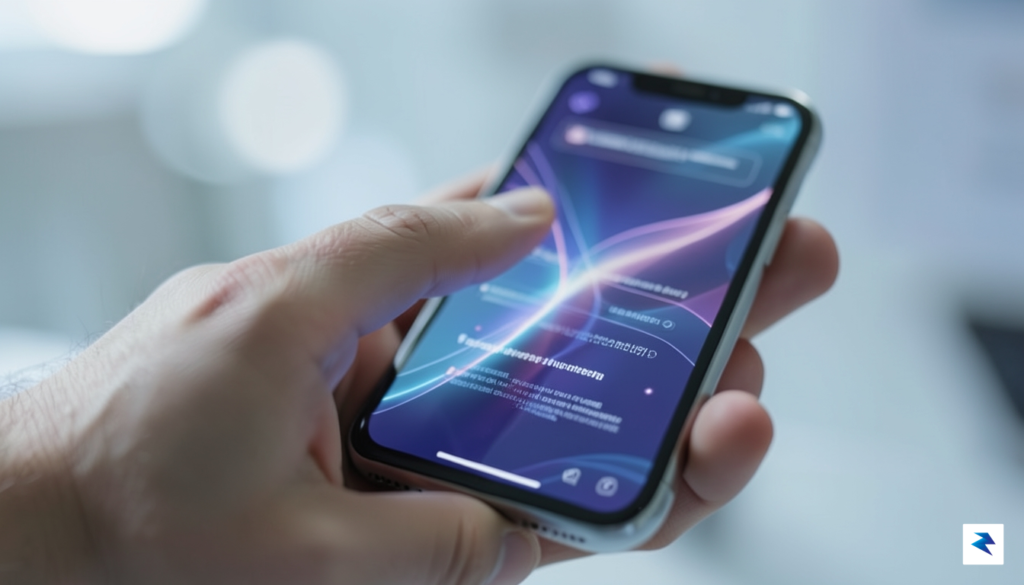
The transition from Siri’s historical reliance on rigid, keyword-based triggers to a truly conversational, context-aware intelligence marks the most significant shift in the iPhone experience in a decade. Previously, interacting with Siri felt like navigating a telephone tree; you had to use the exact syntax the software expected, or it would simply fail to execute the command. Today, the assistant processes intent rather than just keywords, allowing for a fluid, natural dialogue that respects the nuances of human speech. By leveraging sophisticated on-device machine learning, Siri now synthesizes information across disparate applications, effectively breaking down the digital silos that previously forced us to manually switch between apps to accomplish simple, multi-step tasks.
Consider the practical utility of this evolution during a typical workday. Previously, if you wanted to coordinate a meeting time mentioned in an email with a colleague, you would have to copy the details, jump to your calendar app, create a new entry, and manually paste the data. Now, you can simply ask Siri to “schedule a meeting based on that email from Sarah,” and the system intelligently cross-references your communication history with your schedule, pulling in the relevant date, time, and participants automatically. This capability transforms Siri from a simple command executor into a proactive personal assistant that understands the relationship between your various digital assets.
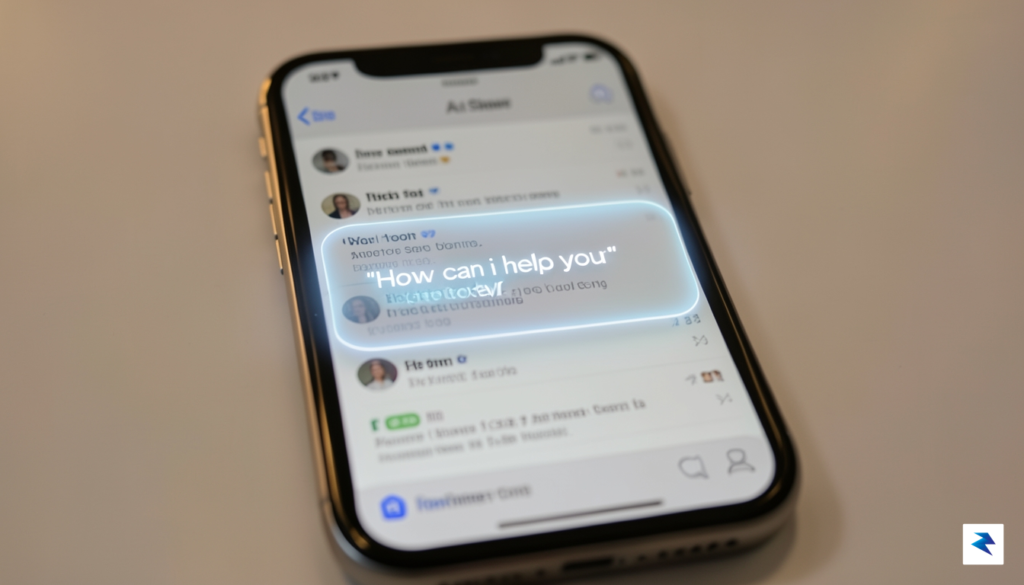
By shifting the heavy lifting of data interpretation from the cloud to the silicon inside your pocket, Apple has fundamentally lowered the barrier to entry for complex task management.
This pivot toward on-device processing is not merely a technical upgrade; it is a profound win for user privacy. By keeping the vast majority of our personal data—from our private messages to our precise location history—contained within the secure enclave of the iPhone, Apple ensures that our digital habits are not being offloaded to a server farm for training or profiling. This architecture provides the best of both worlds: the power of generative AI and the peace of mind that comes with local control. Because the processing happens locally, the response time is often faster, and the functionality remains consistent even when you are offline or traveling in areas with poor cellular reception.
Ultimately, these functional improvements drastically reduce the cognitive load required to manage a modern smartphone. We no longer need to mentally map out which app holds which piece of data or remember the specific steps required to bridge a gap between two services. By allowing Siri to act as a cohesive layer over the entire operating system, we can spend less time “operating” our devices and more time focusing on the actual content of our work and lives. This is the hallmark of truly useful technology—it stops being a tool that requires constant maintenance and starts being an invisible, intelligent partner that anticipates our needs before we even have to articulate them.
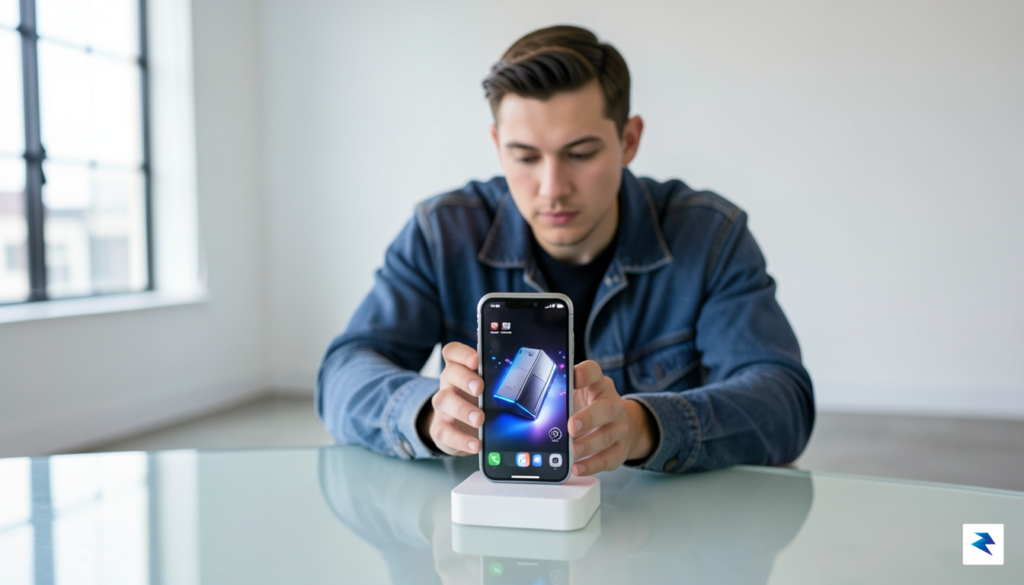
Transitioning to a public beta is always a calculated risk, especially when that software promises to fundamentally rewrite the way your primary device processes information. Having lived with these early builds since June, I have learned that the experience is a delicate balance between genuine productivity breakthroughs and the occasional, frustrating reality of pre-release instability. While the promise of an AI-driven Siri is undeniably transformative, early adopters must be prepared for the fact that the OS is a living, breathing project—one that might occasionally stumble right when you need it most.
The installation process itself is deceptively simple, often luring users into a false sense of security. Once the profile is installed and the device restarts, you are greeted with a seemingly polished interface that masks the complex, experimental machine learning models running beneath the hood. If you are considering running this on your daily driver, you must accept that battery drain will be higher than usual and certain third-party applications may occasionally crash or behave unexpectedly. It is not a matter of “if” you will encounter a bug, but rather “how often” you are willing to navigate around them in exchange for early access to smarter features.
In terms of feature stability, the new Siri integration is a tale of two worlds. The fundamental voice-to-text improvements and the enhanced language processing capabilities are remarkably stable, proving that Apple has spent significant time hardening the core infrastructure. However, the more experimental “agentic” capabilities—where Siri attempts to perform multi-step tasks across disparate apps—can be hit-or-miss. These experimental features are precisely why the feedback loop exists; every time you use the Feedback Assistant app to report a hang or a misinterpretation, you are directly contributing to the refinement of the final product. Apple relies heavily on this telemetry to smooth out the rough edges before the official public launch.
For the average user, the golden rule of beta testing remains unchanged: if you cannot afford for your phone to be offline or unreliable during a critical moment, wait for the general release.
If you are still eager to dive in, my advice is to approach the beta as a partnership rather than a finished service. You are essentially acting as a field researcher, testing how these new AI paradigms function in the messy, unpredictable context of real-world usage. For those who prioritize stability and absolute peace of mind, the best course of action is to exercise patience and wait for the final, polished software version. Conversely, if you are a tech enthusiast who finds the process of discovery more rewarding than the need for total reliability, the current build offers a fascinating, albeit imperfect, glimpse into the future of mobile computing.

For years, the tech community has clamored for a “Snow Leopard” moment—a release focused entirely on refining the core experience rather than chasing flashy, headline-grabbing features. With the latest iteration of iOS, it appears Apple has finally listened. Rather than introducing a radical visual overhaul that would require a steep learning curve, the system feels remarkably grounded, prioritizing the invisible architecture that dictates how your phone feels in daily use. Under the hood, the focus has shifted toward aggressive background process management and a more sophisticated approach to thermal regulation, ensuring that even when the device is juggling complex AI-driven tasks, it remains cool to the touch.
The most immediate change users will notice is in battery longevity. By optimizing how the Neural Engine handles background requests, Apple has managed to curb the “vampire drain” that often accompanies new software updates. When the system handles intelligent predictions or real-time data processing, it now does so with a granular awareness of power consumption that was previously missing. Instead of waking up the entire application processor for minor background tasks, iOS 27 delegates these chores to lower-power cores, effectively extending the time between charges even for those of us who lean heavily on the new AI-integrated features.
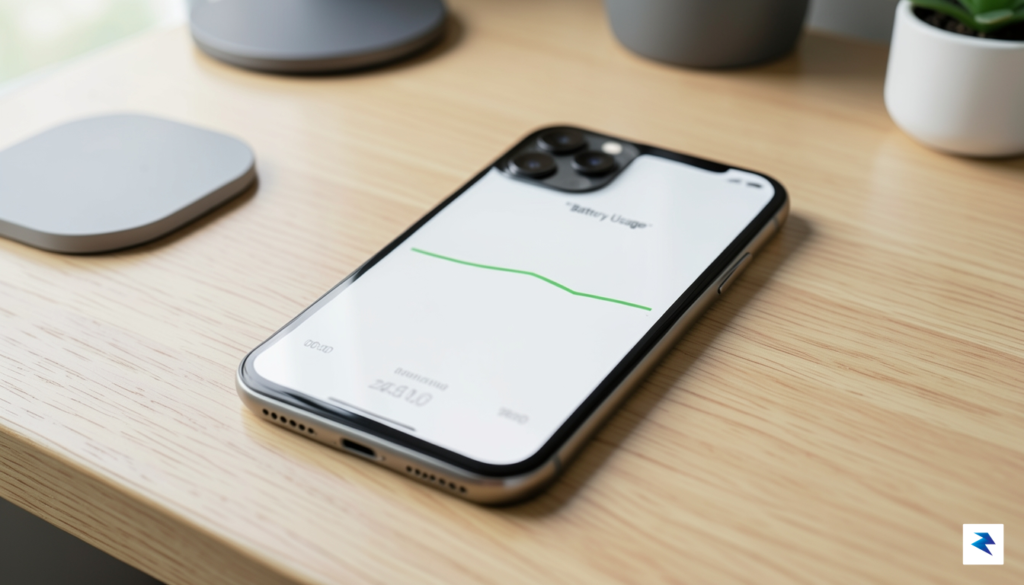
However, this focus on efficiency introduces a fascinating trade-off between raw processing power and sustained intelligence. Because the system is now so strictly managed to prevent thermal throttling, you might occasionally notice that certain AI-heavy tasks—like summarizing a massive thread of emails or processing localized video edits—take a split second longer to initiate than they would on a device pushed to its absolute thermal limit. Yet, this is a trade-off that pays dividends in long-term hardware health. By preventing the device from running consistently hot, Apple is effectively extending the lifespan of the battery and ensuring that the phone remains just as fluid in its third year of use as it is on day one.
The true success of this update isn’t in what it adds to your screen, but in what it removes from your cognitive load: the persistent worry about whether your phone will make it through the day.
Ultimately, the fluidity of the interface feels more cohesive than it has in years. Animations remain buttery smooth, and the responsiveness of the UI during multitasking is sharper, largely because the system is no longer fighting for resources against bloated background processes. While it may lack the superficial “wow” factor of a redesign, the reliability of this release is a testament to the idea that the best operating system is the one you don’t have to think about. By choosing refinement over revolution, the current software provides a stable foundation that allows the new AI capabilities to shine without compromising the fundamental usability of the iPhone.
The profound shift heralded by iOS 27, particularly in its deep integration of artificial intelligence, extends far beyond the typical annual software refresh. This isn’t merely about new features for a single year; it represents a foundational recalibration of the iPhone’s core operating system, setting a new trajectory for the device’s utility over the next five years and beyond. By embedding intelligence directly into the OS, Apple is not just enhancing existing capabilities but fundamentally redefining what a smartphone is capable of achieving, thereby significantly extending the relevant lifespan of existing hardware. This strategic move means that even iPhones from a few generations back will gain new layers of functionality and efficiency, keeping them more capable and current for a longer period.
One of the most significant long-term impacts of this AI-first approach is its ability to future-proof your current iPhone. Previously, new features often demanded more powerful, cutting-edge chipsets, pushing users towards annual upgrades to keep pace. However, with intelligence now at the heart of the OS, many sophisticated functionalities can be processed more efficiently on-device or intelligently offloaded to the cloud, allowing older hardware to access and utilize advanced AI capabilities. This means your iPhone, even if it’s two or three years old, can feel revitalized with smarter task management, more intuitive interactions, and personalized assistance that adapts to your evolving needs, effectively mitigating the pressure for constant hardware acquisition and maximizing the value of your investment.
Looking ahead, the future trajectory of Siri and Apple’s broader AI integration promises an even more seamless and proactive user experience. We’re moving beyond a reactive assistant that waits for commands, towards an omnipresent, context-aware intelligence that anticipates your needs, streamlines complex workflows, and proactively offers assistance before you even realize you need it. Imagine your iPhone intelligently preparing your commute based on your calendar and live traffic, or automatically summarizing lengthy email threads and suggesting appropriate responses, all without explicit prompts. This level of predictive intelligence will transform the device from a tool you operate into a truly collaborative partner that understands your patterns, preferences, and objectives across all your applications and interactions.
Furthermore, this deep integration could lead to a truly adaptive interface, where the iPhone’s layout, suggestions, and even its overall behavior dynamically shift based on your current task, location, or time of day. For the modern power user, this isn’t just a convenient enhancement; it quickly becomes an indispensable part of their workflow. The ability to offload cognitive load and automate tedious, multi-step processes means significant gains in productivity and focus. Whether managing complex projects, navigating a busy schedule, or simply optimizing daily routines, an iPhone that intelligently assists and adapts will prove to be a powerful differentiator, making it an essential extension of one’s professional and personal life.
Ultimately, the changes ushered in by iOS 27’s AI represent more than just an incremental update; they signify a fundamental paradigm shift in how we interact with our most personal device. For power users who demand efficiency, personalization, and seamless functionality, this evolution from a reactive tool to a genuinely intelligent, proactive partner will rapidly transition from a desirable luxury to an absolute necessity. It fundamentally redefines what a “modern smartphone” means, elevating the iPhone experience to a new standard of utility and intelligence that will become non-negotiable for those who truly push their devices to the limit.
You must be logged in to post a comment.