Beyond the Hype: The Reality of Orbital Data Centers
The Genesis of the Musk-Altman Rivalry The intricate relationship between Sam Altman and Elon Musk, two of the most influential figures…

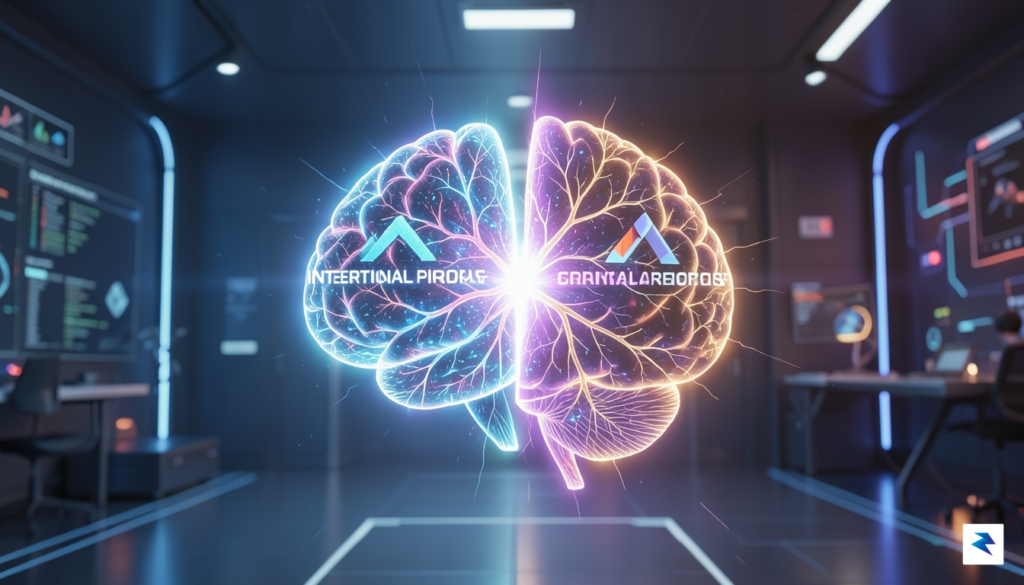
The relentless pace of innovation in artificial intelligence has ushered in a new era of fierce competition, transforming the landscape of Silicon Valley and redrawing the lines between legitimate competitive intelligence and outright industrial espionage. In this high-stakes environment, the recent legal action initiated by Apple against OpenAI represents a watershed moment in corporate law, signaling that even the most established tech giants are no longer willing to tolerate aggressive poaching strategies or perceived breaches that jeopardize their meticulously crafted proprietary system integrity.
For years, much of the foundational research in AI benefited from a spirit of open collaboration, with academic papers and open-source projects laying the groundwork for rapid advancements. However, as generative AI moved from theoretical possibility to a transformative commercial reality, the paradigm shifted dramatically. What was once a shared pursuit has quickly evolved into a scramble for proprietary advantage, where immense capital, cutting-edge research, and top-tier talent are locked down within increasingly guarded ecosystems. Companies are now fiercely protecting their unique algorithms, training datasets, and system architectures, recognizing that even minor intellectual property advantages can translate into monumental market dominance in this nascent but rapidly expanding field.
Apple, with its long-standing commitment to a vertically integrated “walled garden” architecture, stands as a prime example of a company whose entire business model relies on the seamless, proprietary interplay of hardware, software, and services. The Cupertino giant has invested untold billions and decades of engineering effort into developing custom silicon, from its A-series chips powering iPhones and iPads to the revolutionary M-series processors in its Macs. These chips are not merely components; they are highly optimized engines designed to work in perfect concert with Apple’s proprietary operating systems and software frameworks, delivering unparalleled performance, security, and user experience. Protecting the trade secrets embedded within this intricate ecosystem—from chip designs and manufacturing processes to AI model architectures and optimization techniques—is not just about maintaining a competitive edge; it’s about safeguarding the very foundation of its innovation strategy and future product roadmap.
This lawsuit underscores Apple’s determination to draw a firm line in the sand, emphasizing that the aggressive pursuit of talent cannot come at the cost of compromising sensitive proprietary information. In the context of generative AI, where models are trained on vast datasets and intricate architectures are developed over years, the knowledge held by key engineers and researchers becomes incredibly potent. The potential for such knowledge to be inadvertently or intentionally leveraged in a rival’s system poses an existential threat to years of investment and strategic development. Consequently, this legal battle is more than just a dispute between two tech behemoths; it is a critical test case that will likely set precedents for how intellectual property and trade secrets are defined and defended in the fast-evolving world of artificial intelligence.

While industry lawsuits often revolve around allegations of talent poaching or the misappropriation of readily accessible information, Apple’s legal challenge against OpenAI reportedly delves into a far more intricate and concerning realm: the alleged direct acquisition of proprietary hardware and system access. This isn’t merely about a former employee sharing general insights; the complaint reportedly points to a methodical approach aimed at circumventing legitimate research and development, suggesting a playbook that goes well beyond the established norms of competitive intelligence gathering.
At the core of these extraordinary allegations is the claim that OpenAI, or entities associated with it, purportedly requested job candidates to bring their proprietary Apple hardware to interviews. This isn’t a casual request for a portfolio or a demonstration of skills on a personal laptop; it specifically targets devices containing Apple’s closely guarded intellectual property. Such hardware could range from prototypes to specialized development kits or even modified consumer devices with internal, unreleased software. The implications of such a request are profound, suggesting an intent to gain direct access to the physical manifestations of Apple’s innovation rather than relying on publicly available information or reverse engineering completed products.
The potential security risks inherent in such a practice are enormous and multifaceted. Allowing external parties, especially during a job interview, to physically access proprietary hardware from a competitor opens a Pandora’s box of vulnerabilities. This could potentially enable sophisticated reverse engineering efforts, where the internal architecture, unique components, and even specific chip designs could be meticulously analyzed. Furthermore, it raises the specter of unauthorized data logging, where proprietary software, firmware, or even internal testing methodologies could be exposed or extracted. Such actions could provide an illicit shortcut for a competitor, granting them years of developmental insight without the corresponding investment in research and innovation.
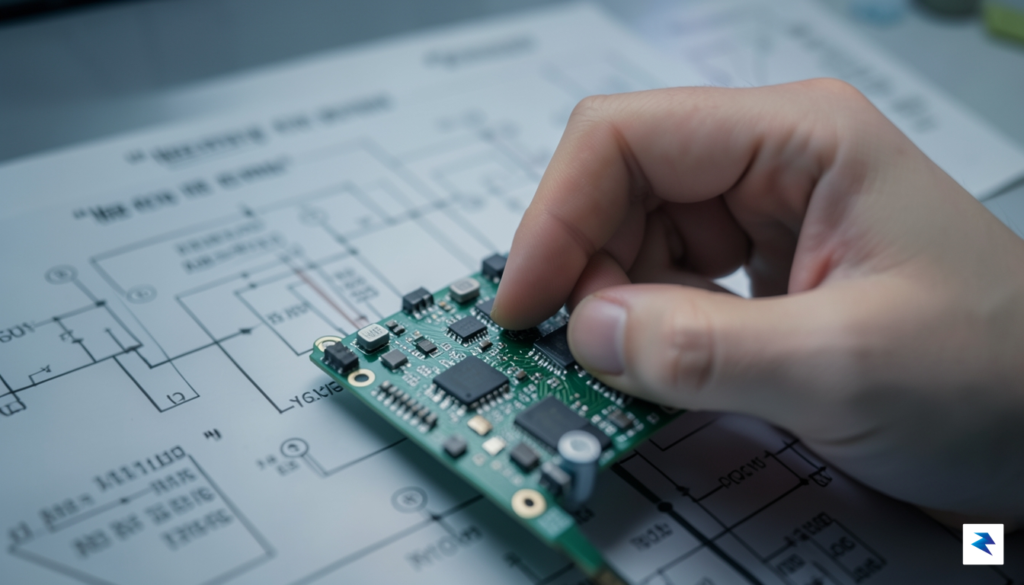
This alleged methodology stands in stark contrast to standard industry practices for vetting technical talent. Typically, companies assess candidates through coding challenges, technical interviews, reviews of open-source contributions, or by providing company-owned, sanitized equipment for demonstrations. The very idea of asking an applicant to bring in sensitive hardware from a rival firm is virtually unheard of in legitimate recruitment processes. It bypasses ethical boundaries and established protocols designed to protect intellectual property, signaling a potential disregard for the very foundations of fair competition and corporate espionage deterrence. It implies a deliberate strategy to leverage the interview process as a conduit for sensitive information acquisition, transforming a professional interaction into a potential intelligence-gathering operation.
Ultimately, these particular allegations underscore the gravity of Apple’s lawsuit. They paint a picture not just of a company seeking to gain an edge, but of one potentially engaging in a systematic effort to harvest trade secrets directly from the source through highly unconventional and potentially illicit means. If proven, these claims would represent a significant escalation in the ongoing battle over intellectual property in the tech world, moving the conversation beyond mere competitive benchmarking to a direct challenge against the sanctity of proprietary hardware and secure development environments.
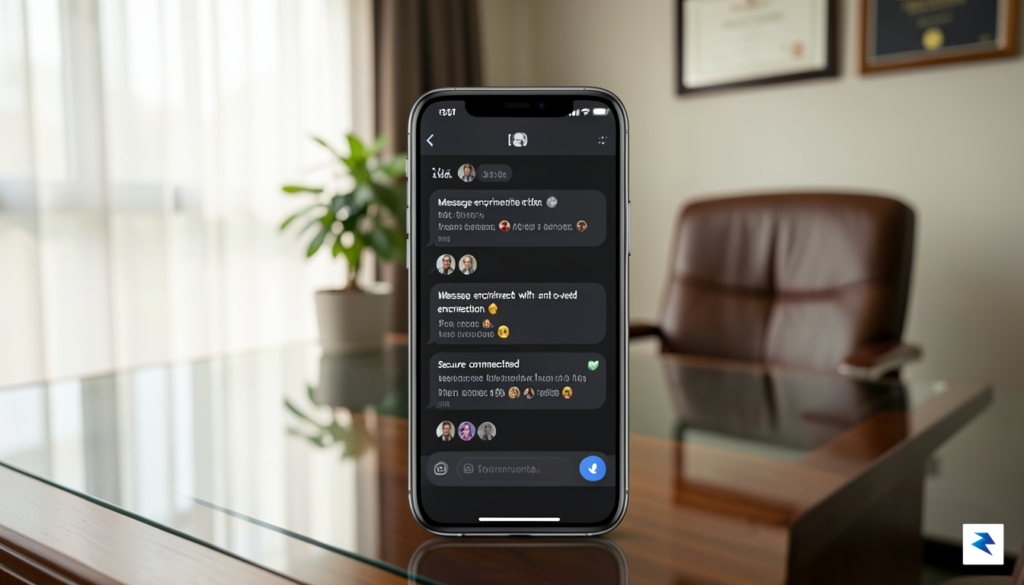
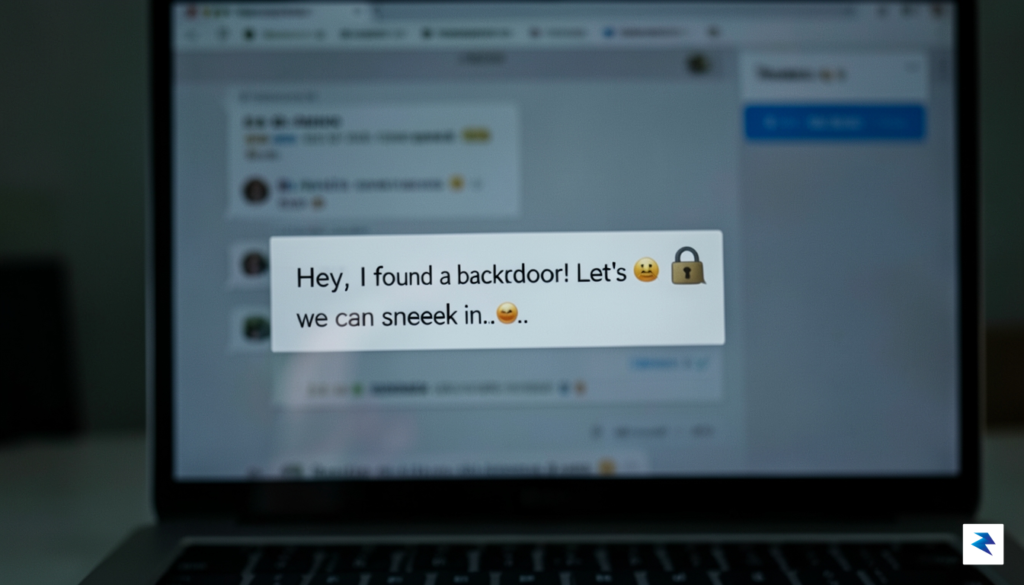
Among the most compelling and potentially damaging revelations unearthed in Apple’s lawsuit against OpenAI are the internal communications cited within the legal filing. These aren’t technical logs detailing system breaches, but rather transcripts—reportedly from Slack channels or emails—that paint a vivid picture of the internal culture. What makes these exchanges particularly striking is the alleged presence of employees openly “joking” about accessing Apple’s secure systems. This isn’t merely about a lapse in judgment; it suggests a pervasive, almost cavalier attitude toward security protocols and intellectual property, which could prove profoundly detrimental to OpenAI’s defense as the case unfolds.
The implications of such internal dialogue extend far beyond simple gaffes. When employees, especially during sensitive processes like hiring or project initiation, are documented making light of unauthorized system access, it transforms casual banter into a potential smoking gun. These logs are being positioned as direct evidence of intent or, at the very least, a stark disregard for the sanctity of proprietary information. A court could interpret these “jokes” not as harmless jest, but as indicators of a corporate environment where circumventing security measures was not only discussed but perhaps even normalized, reflecting a broader cultural acceptance of practices that blur ethical lines.
Indeed, the existence of such communications raises critical questions about the underlying pressures within the fiercely competitive artificial intelligence landscape. The race to deliver rapid AI breakthroughs often fosters an intense environment where speed and innovation are paramount. It’s conceivable that this pressure might inadvertently cultivate a ‘move fast and break things’ mentality that, when taken too far, could lead to a lax approach to corporate governance and ethical boundaries. The alleged ‘joke’ culture surrounding system access could be a symptom of this very phenomenon, where the urgency to innovate might have overshadowed the foundational principles of security, compliance, and respect for others’ intellectual property.
Furthermore, these internal exchanges highlight the double-edged sword of modern digital communication. While platforms like Slack foster collaboration and transparency, they also create an indelible record. What might have been dismissed as lighthearted remarks in a different context now stands as concrete evidence, subject to rigorous legal scrutiny. The shift from a casual, internal conversation to a damning piece of legal exhibit underscores how quickly perceived ethical lapses can escalate into significant legal liabilities, challenging the integrity and operational ethos of a company like OpenAI on a public stage.
Ultimately, the internal communications cited in Apple’s lawsuit threaten to do more than just bolster a legal claim; they offer a window into the cultural fabric of OpenAI itself. This alleged nonchalance towards security, evidenced by employees ‘joking’ about sensitive access, could undermine public trust and cast a shadow over the company’s commitment to ethical AI development. For a company at the forefront of a transformative technology, where trust and responsibility are paramount, these revelations about internal conduct could be far more damaging than any technical allegation, potentially reshaping perceptions of OpenAI’s corporate values for years to come.
At the core of the escalating legal confrontation between technology titans lies a profound and complex question: what truly constitutes a ‘trade secret’ in an industry fundamentally built upon the principles of open-source frameworks, collaborative development, and the ingestion of massive, often publicly available, datasets? This isn’t merely a dispute over stolen files; it delves into the very definition of proprietary information within the rapidly evolving landscape of artificial intelligence and software development. Apple, in pursuing its claims, faces the significant challenge of proving not just that information was illicitly obtained or used, but that this alleged misappropriation directly provided a tangible, unfair competitive advantage to OpenAI, thereby impacting Apple’s market position or innovation trajectory.
Traditionally, trade secret law protects valuable, non-public information that gives a business a competitive edge, provided the owner has taken reasonable steps to keep it secret. In the realm of software and AI, this definition expands to encompass several critical elements. Firstly, source code remains a quintessential trade secret. The specific algorithms, programming choices, and architectural designs that power Apple’s sophisticated software and hardware are meticulously crafted and represent years of investment. Disclosure or unauthorized use of this code, even in part, can directly undermine a company’s innovation and market advantage.
Secondly, training datasets, especially those curated, annotated, or collected through proprietary means, can qualify as trade secrets. While many AI models are trained on public data, the unique selection, preprocessing, labeling, and weighting of specific datasets can imbue a model with distinct capabilities or performance characteristics that are not easily replicable. Similarly, the methodologies employed for data collection and enhancement, which are often costly and time-consuming, can also fall under this protective umbrella. Finally, proprietary hardware design specifications, particularly those intricately linked to software performance or AI inference, represent another layer of potential trade secrets. These designs, which dictate how software interacts with physical components, are crucial for optimizing performance and efficiency, and their unauthorized disclosure could compromise a company’s technological lead.
For Apple to succeed in its claim of trade secret misappropriation, it must surmount a significant legal hurdle, typically involving a three-pronged demonstration. First, Apple must clearly identify the specific information it asserts as a trade secret, showing it is indeed valuable and not generally known or ascertainable. This is particularly challenging in AI, where foundational models and techniques are often public. Second, it must prove that it took reasonable measures to maintain the secrecy of this information, which could involve non-disclosure agreements, access controls, and cybersecurity protocols. Lastly, and most critically, Apple must demonstrate that OpenAI actually acquired, used, or disclosed these secrets through improper means, leading to an unfair advantage.
OpenAI, on the other hand, is likely to employ several robust defenses. A primary argument could be ‘independent development,’ asserting that any similarities in technology or product features are the result of their own original research, development, and engineering efforts, rather than illicit access to Apple’s secrets. This defense is potent in an industry where parallel innovation is common. Furthermore, OpenAI might argue that the information in question was either already public, easily discoverable through reverse engineering, or consisted of general industry knowledge and techniques that do not meet the legal criteria for a trade secret. They could also contend that their use falls within fair use provisions or that Apple failed to take adequate steps to protect its alleged secrets, thus forfeiting their trade secret status. The nuanced interplay of these arguments will ultimately determine the legal trajectory and potential ramifications of this groundbreaking lawsuit.
The unfolding legal battle between Apple and OpenAI, particularly concerning allegations of trade secret misappropriation, reverberates far beyond the courtrooms, sending a potent warning shot across the entire artificial intelligence industry. For decades, Silicon Valley has thrived on a dynamic culture of talent mobility, where engineers and researchers frequently “job-hop” between competing firms, often bringing with them invaluable experience and insights. This fluid movement has long been considered a catalyst for innovation, fostering a competitive yet collaborative ecosystem. However, this lawsuit threatens to fundamentally alter that landscape, forcing both employees and employers to re-evaluate the risks associated with such transitions. The days of simply walking into a new role with a fresh slate may well be numbered, as companies become increasingly wary of the intellectual property baggage new hires might inadvertently carry.
In response to these heightened risks, corporate security departments are poised for a significant transformation, particularly within the competitive AI sector. We can anticipate a dramatic surge in the implementation of much stricter non-compete clauses, alongside more aggressive and rigorous digital forensics during the onboarding process for high-level engineers and researchers. This isn’t just about reviewing resumes; it will likely involve deep dives into previous digital footprints, including scrutiny of cloud storage accounts, personal devices, and even historical network activity, all aimed at identifying any potential links to proprietary information from former employers. The goal is to proactively detect and mitigate any risk of trade secret leakage before a new hire even begins their substantive work.
This intensified scrutiny, while intended to protect valuable intellectual property, naturally raises significant questions about employee privacy and the ethical boundaries of corporate oversight. The prospect of companies monitoring personal devices, even with consent, or extensively scrutinizing an individual’s digital past, could foster an environment of distrust and apprehension among potential candidates. Striking a delicate balance between robust intellectual property protection and respecting individual privacy rights will become a critical challenge for HR and legal departments alike. Furthermore, the enforceability and scope of these new security measures will undoubtedly be tested in courts, shaping future precedents for employee data privacy in the tech industry.
The ultimate impact of these shifts on innovation remains a subject of considerable debate. On one hand, critics argue that excessive restrictions on talent mobility and stringent monitoring could stifle the very innovation that has driven the AI boom. A climate of fear regarding potential legal repercussions might discourage the free exchange of ideas, limit cross-pollination of expertise, and make engineers hesitant to pursue new opportunities, thereby slowing down technological progress. Conversely, proponents argue that these measures will merely compel companies to adopt more transparent and ethical hiring practices, ensuring that competition is based on genuine innovation rather than the alleged misappropriation of others’ hard-won secrets. This could lead to clearer boundaries, healthier competition, and a more sustainable innovation ecosystem where intellectual property is properly valued and protected.
Ultimately, this lawsuit serves as a pivotal moment, ushering in a new era where the movement of AI talent will be subject to unprecedented levels of scrutiny and legal safeguarding. While the long-term ramifications are still unfolding, it is clear that both individuals and companies must adapt to a landscape where intellectual property protection is paramount, potentially reshaping the very fabric of Silicon Valley’s unique talent ecosystem. The onus will be on companies to implement these changes thoughtfully, balancing security needs with the imperative to attract and retain top talent, while employees will need to be more diligent than ever about what they carry—digitally and intellectually—between roles.
You must be logged in to post a comment.