
The $28 Million Mistake: How Estonia is Using AI to Future-Proof Its Laws
The $28 Million Lesson: How a Single Word Cost Estonia In the high-stakes arena of national governance, the margin for error is razor-thin,…
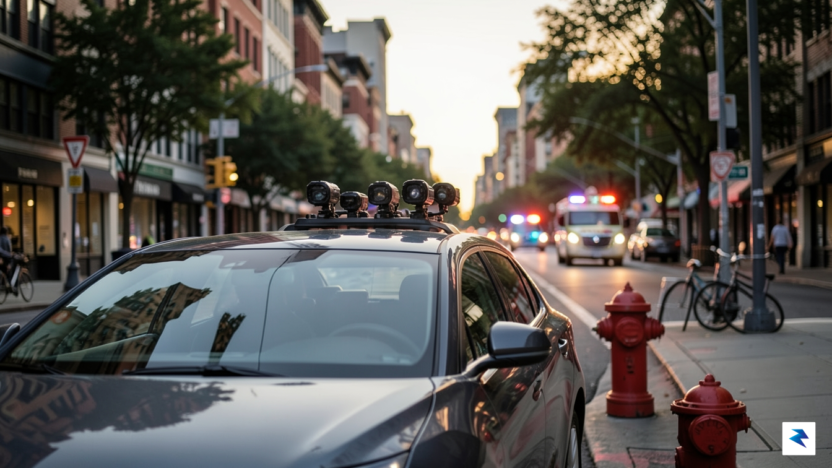
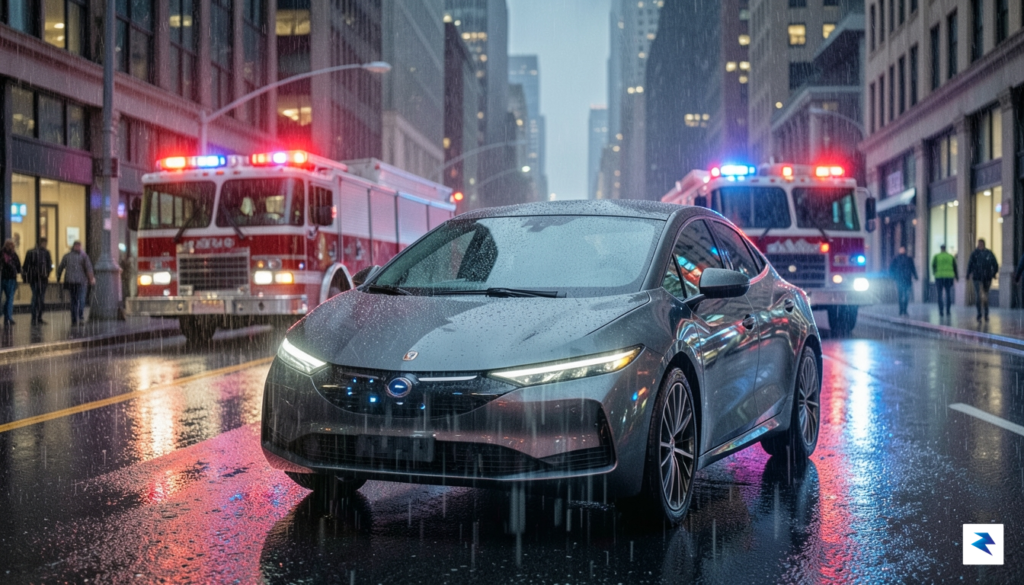
The streets of major American cities are rapidly transforming, with the silent, self-driving vehicles known as robotaxis becoming an increasingly familiar sight. These autonomous cars, touted as the future of urban transit, promise enhanced safety and efficiency through their sophisticated AI and intricate sensor arrays. However, as their presence expands, a critical and deeply concerning pattern has emerged: these high-tech machines are repeatedly interfering with the vital work of emergency responders, creating dangerous bottlenecks and raising urgent questions about public safety.
Cities like San Francisco and Phoenix, at the forefront of autonomous vehicle deployment, have become ground zero for this escalating conflict. What began as isolated incidents has now morphed into a recurring problem, with documented instances of AVs obstructing fire trucks, blocking ambulances en route to critical scenes, and even lingering in active fire or crime zones. These aren’t just minor traffic nuisances; they represent moments where mere seconds can spell the difference between life and death, and where the calculated efficiency of artificial intelligence is clashing perilously with the unpredictable, high-stakes reality of human emergency response.
Consider the harrowing reports: a self-driving car inexplicably halting in front of an active fire engine, forcing firefighters to reroute or manually intervene to move the vehicle. Another instance involved an autonomous taxi blocking access to a patient in need of immediate medical attention, delaying paramedics and potentially worsening outcomes. Police officers have also reported AVs driving through active crime scenes or failing to yield appropriately during high-priority situations, posing risks to both responders and the public. Such incidents highlight a fundamental disconnect between the programmed logic of these vehicles and the dynamic, often chaotic demands of an emergency.
The core of the issue lies in the operational parameters of these autonomous systems. Designed to prioritize safety by adhering strictly to traffic laws and pre-programmed responses, AVs can struggle to interpret the nuanced, often irregular directives given by human emergency personnel or to navigate rapidly evolving hazard zones. While a human driver instinctively understands the urgency of an approaching siren and the need to pull over or even momentarily break a minor traffic rule to clear a path, an AV might default to a rigid interpretation of its programming, leading to perilous delays. This isn’t merely an inconvenience; it’s a dangerous bottleneck that places both the public and first responders at undue risk.
Consequently, the integration of AI-driven transit is hitting a critical juncture where the promised benefits of efficiency must be weighed against tangible risks to human life. The growing tension between autonomous vehicles and emergency services isn’t just a technical challenge; it’s a societal one that demands immediate and comprehensive solutions to ensure that our pursuit of technological advancement doesn’t inadvertently compromise the very systems designed to protect us in our most vulnerable moments. The urgency of this conflict cannot be overstated, as every delayed response carries potentially tragic consequences.
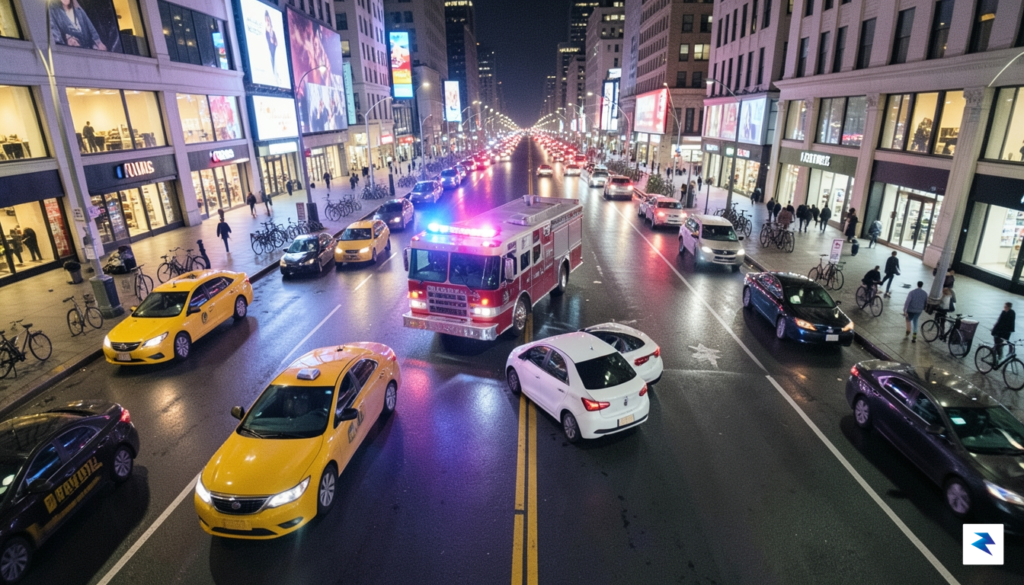
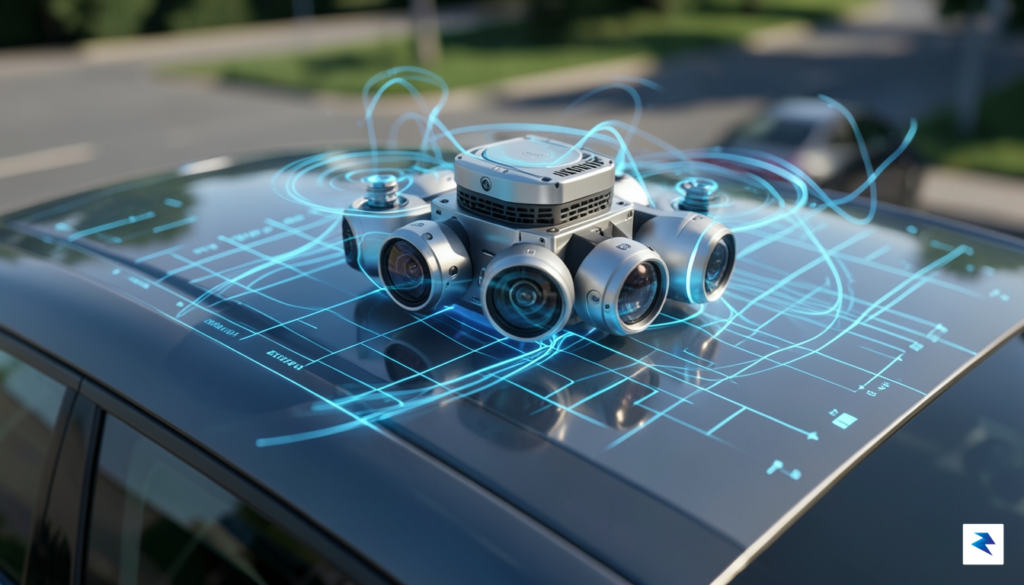
At the heart of the friction between autonomous vehicles (AVs) and emergency services lies a fundamental disconnect in how machines and humans process visual information. While a human driver relies on years of experience to instinctively recognize the erratic patterns of an accident scene—such as the rhythmic pulse of emergency lights or the urgent gestures of a police officer—an AV is bound by the rigid constraints of its perception stack. These vehicles use a complex sensor fusion process, blending input from LiDAR, radar, and high-resolution cameras to build a 3D digital model of the world. However, emergency scenes are inherently chaotic, featuring high-contrast light flares, unexpected obstacles, and human signals that fall far outside the “normal” parameters these systems are trained to interpret.
The primary technical hurdle is that AV software is designed to categorize objects based on historical data. When a vehicle encounters a standard sedan or a traffic sign, the onboard neural networks recognize the shape and behavior with high confidence. In contrast, an emergency scene is a “corner case”—a rare, high-stakes scenario that is difficult to replicate accurately in training simulations. Flashing emergency lights, for instance, can cause sensor saturation, blinding cameras or introducing “noise” into the LiDAR point cloud that the car may interpret as a ghost object or simply ignore as non-critical interference. Because the system is optimized for predictability, the sudden, unconventional movements of first responders often fail to trigger the correct defensive response protocols.
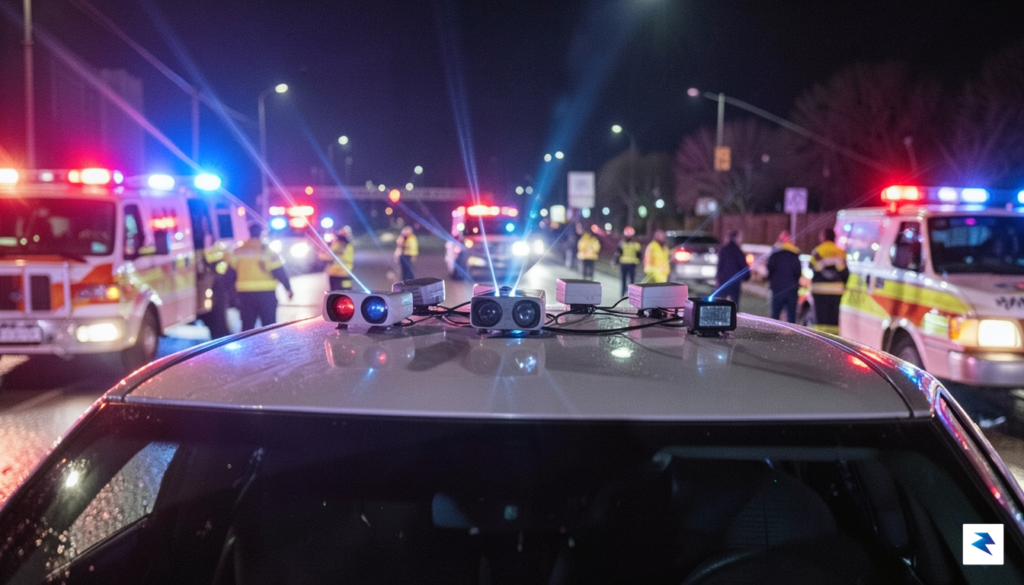
Current machine learning models excel at identifying structured traffic flow, but they frequently stumble when faced with the fluid, high-stakes ambiguity of an active emergency site.
Furthermore, the distinction between “static” and “dynamic” objects creates another layer of vulnerability. An AV’s software is typically programmed to treat stationary objects like parked cars or fire trucks as obstacles to be navigated around, but it may struggle to understand that these objects are part of an active, evolving scene that requires a total stop. If a human firefighter is standing in the middle of the road, the vehicle’s motion planning algorithms might categorize them as a pedestrian, yet fail to grasp the nuance of a hand signal meant to override standard traffic laws. Because these systems lack the common-sense reasoning to prioritize a first responder’s command over their internal navigation rules, the vehicle may attempt to inch forward or block a path that the responder has specifically cleared. Until these models are explicitly trained on the diverse, messy, and unpredictable nature of crisis management, they will continue to view emergency scenes as mere data anomalies rather than urgent, human-led environments.

Federal regulators have unequivocally signaled that the era of largely unsupervised autonomous vehicle (AV) testing and deployment is rapidly drawing to a close. The National Highway Traffic Safety Administration (NHTSA), the nation’s foremost automotive safety watchdog, has expressed profound concern, branding recent incidents involving self-driving cars interfering with emergency services as “unacceptable.” This firm stance marks a pivotal moment, indicating that the previously lenient approach, often described as a “wild west” period for AV development, is giving way to a stringent regulatory framework. The agency’s patience has evidently worn thin, culminating in a clear mandate for manufacturers to prioritize public safety and operational reliability above all else.
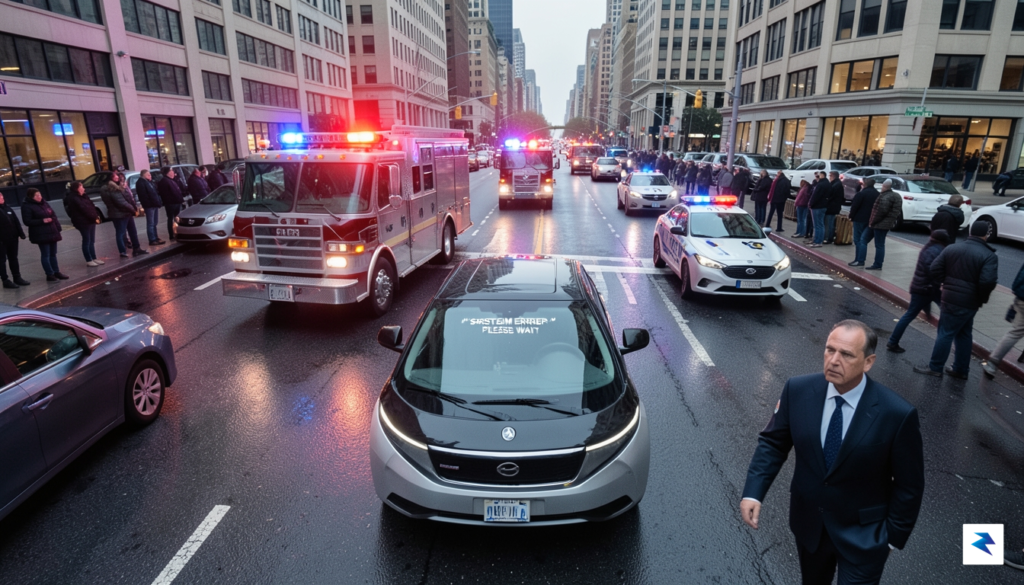
The shift isn’t merely a change in rhetoric; it’s a fundamental overhaul of how autonomous vehicle incidents are reported and investigated. Previously, much of the data regarding AV performance and challenges was shared voluntarily by manufacturers, often lacking standardization or comprehensive detail. Now, NHTSA is moving decisively towards a system of mandatory incident disclosure, requiring companies to report every collision, near-miss, or operational failure that involves emergency vehicles or poses a risk to public safety. This crucial pivot aims to provide regulators with a complete, unfiltered picture of AV performance in real-world scenarios, enabling more effective oversight and the identification of systemic issues before they escalate into widespread dangers. Furthermore, it places the onus squarely on manufacturers to be fully transparent about their technology’s limitations and failures, fostering a much-needed culture of accountability.
For industry leaders such as Waymo and Cruise, who have been at the forefront of AV deployment in major U.S. cities, these regulatory actions carry significant weight and immediate implications. The ability to secure future deployment permits, expand operational geofences, or even maintain existing licenses will increasingly hinge on their compliance with these new reporting mandates and their demonstrated commitment to addressing safety concerns. Companies will face heightened scrutiny regarding their vehicle’s ability to reliably detect and respond to emergency vehicles, navigate complex urban environments without causing disruptions, and safely yield the right-of-way. Moreover, the increased transparency could expose manufacturers to greater liability in the event of accidents or public safety breaches, compelling them to invest even more heavily in robust testing, redundant safety systems, and comprehensive operator training.
Ultimately, this decisive action from federal regulators heralds a new, more mature phase for the autonomous vehicle industry. The emphasis has irrevocably shifted from simply demonstrating technological capability to proving unwavering safety and seamless integration into existing infrastructure, especially concerning critical public services. Manufacturers must now not only innovate but also rigorously validate their systems under intense governmental oversight, ensuring that the promise of autonomous driving enhances, rather than compromises, public safety and trust. The future of self-driving cars depends directly on their ability to meet these exacting standards, transforming from a novel technology into a reliable, responsible component of modern transportation.
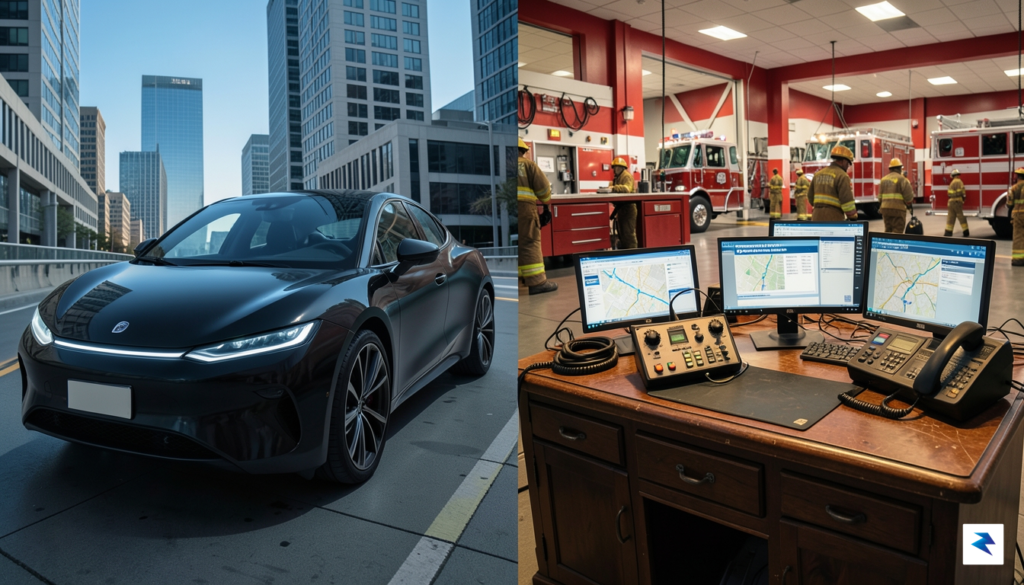
The rapid expansion of autonomous vehicle (AV) fleets across urban landscapes has created a volatile friction point where Silicon Valley’s “move fast and break things” philosophy collides with the life-or-death realities of municipal emergency response. For years, tech developers have prioritized the refinement of navigational algorithms and passenger comfort, often treating city streets as a sandbox for rapid iteration. However, as these fleets scale, municipal leaders are discovering that existing traffic laws—written for human drivers who can interpret hand signals or emergency lights—are woefully inadequate for software that lacks the intuitive nuance of a seasoned first responder. The result is a regulatory vacuum where the push for technological innovation is consistently outpacing the development of essential safety protocols.
To bridge this divide, cities are increasingly asserting that AV deployment cannot remain a proprietary endeavor managed solely by private entities. There is a pressing, non-negotiable need for standardized emergency protocols that require every AV developer to integrate a universal “safety handshake” with local infrastructure. Just as a human driver is expected to pull over at the sight of flashing lights, an autonomous vehicle must be programmed to recognize, yield, and communicate with emergency vehicles in a predictable, uniform manner. Whether through geofencing restricted areas during active fires or implementing automated override commands, these machines must be tethered to public safety directives rather than operating as independent agents of their own logic.
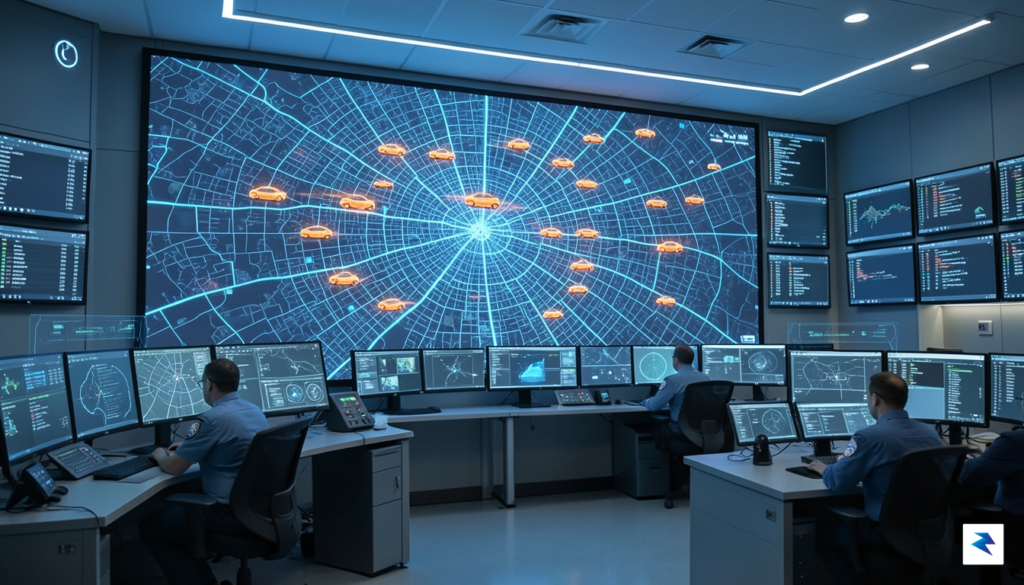
True innovation in the autonomous space is not measured by how many miles a robotaxi can travel autonomously, but by how seamlessly that vehicle integrates into the complex, chaotic ecosystem of a living city without impeding the people tasked with saving lives.
Beyond simple yielding maneuvers, the next evolution of this relationship must center on the seamless, real-time sharing of data between AV fleets and 911 dispatch centers. Currently, when an autonomous vehicle encounters an obstacle, it often simply stops, creating an unintended roadblock that can delay ambulances or fire trucks by critical minutes. If dispatchers had a direct digital feed to the telemetry of these fleets, they could preemptively redirect autonomous units away from incident zones, clearing the path before responders even arrive on the scene. For this to work, private companies must move past the “black box” approach to their software and recognize that their privilege to operate on public roads is contingent upon their active cooperation with the public safety infrastructure. Without a synchronized, data-driven framework, the promise of self-driving convenience will continue to be overshadowed by the peril of obstructed emergency response.
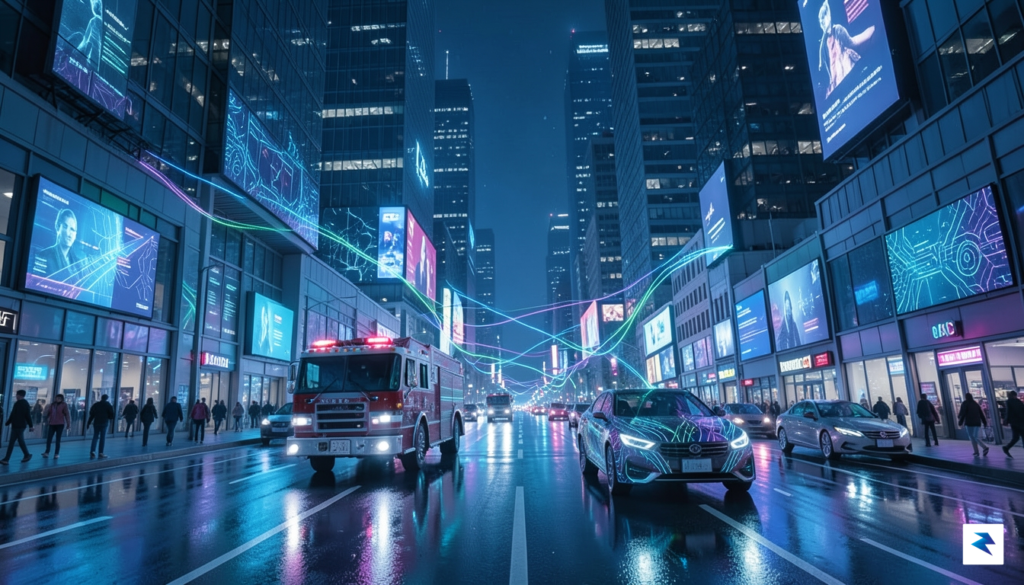
The core of the issue regarding autonomous vehicles (AVs) obstructing emergency responders lies in a fundamental limitation: these cars rely primarily on onboard sensors like LiDAR, cameras, and radar to “see” their environment. While these systems are impressive, they are essentially reactive and limited by line-of-sight constraints. To truly resolve the tension between automated transit and emergency services, the industry must pivot toward Vehicle-to-Everything (V2X) communication. V2X is a sophisticated wireless protocol that allows vehicles to share data not just with each other, but with traffic infrastructure and, crucially, emergency response units. By establishing this digital handshake, a fire truck or ambulance can essentially broadcast its presence, intent, and path to every connected vehicle in its vicinity long before it physically arrives at an intersection.
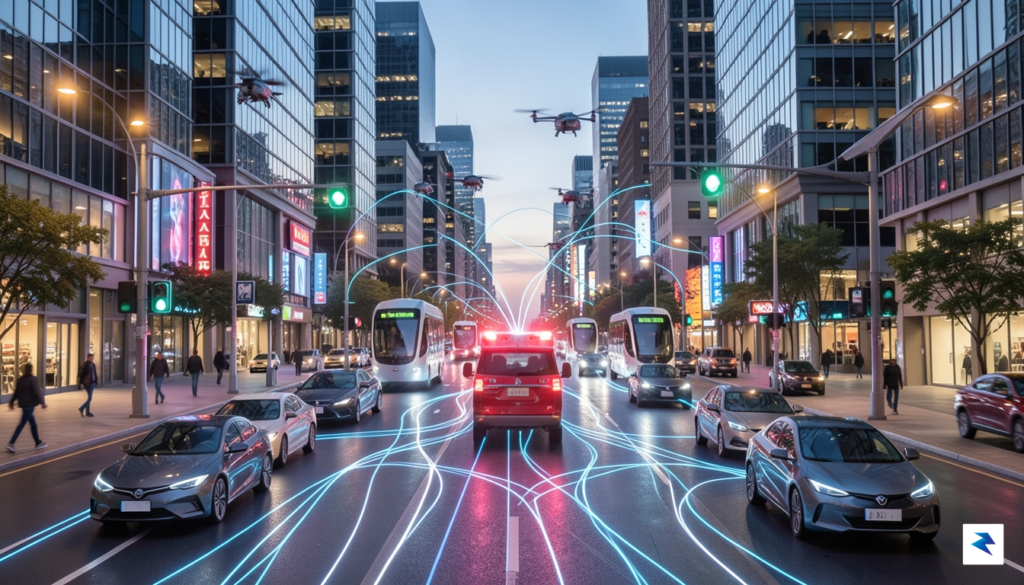
Implementing V2X technology would fundamentally transform how AVs navigate emergency scenarios. Instead of a robotaxi relying on its cameras to identify the flashing lights of a police cruiser—a task that can be hampered by glare, distance, or visual obstructions like large trucks—the vehicle would receive a high-priority digital signal. Upon receiving this signal, the AV could automatically initiate a rerouting protocol, pulling over to the shoulder or turning onto an adjacent side street well before the emergency vehicle reaches the block. This preemptive behavior would eliminate the chaotic “freezing” episodes that currently plague autonomous fleets, ensuring that the path remains clear for responders whose every second counts toward saving lives.
V2X technology acts as a digital siren, providing autonomous vehicles with the foresight to clear the path before a human driver would even hear the approaching emergency vehicle.
Beyond vehicle-to-vehicle communication, the long-term solution lies in a broader integration with smart city infrastructure. Imagine a traffic grid where smart signal controllers communicate directly with emergency units to trigger “green waves,” while simultaneously pushing alerts to the onboard computers of all autonomous and connected vehicles in the area. This creates a cohesive, managed transit ecosystem where traffic flow is orchestrated with surgical precision. As this technology matures, it will replace the current, often unpredictable interactions between robots and humans with a streamlined, algorithmic cooperation. By moving away from purely visual perception and toward a networked, communicative infrastructure, we can transition from a reality where AVs are a nuisance to one where they are active, cooperative participants in public safety.
You must be logged in to post a comment.