
Are Google Pixel Prices Rising? What You Need to Know Before You Buy
The Shifting Landscape of Smartphone Pricing The global smartphone industry is currently navigating a period of unprecedented volatility,…
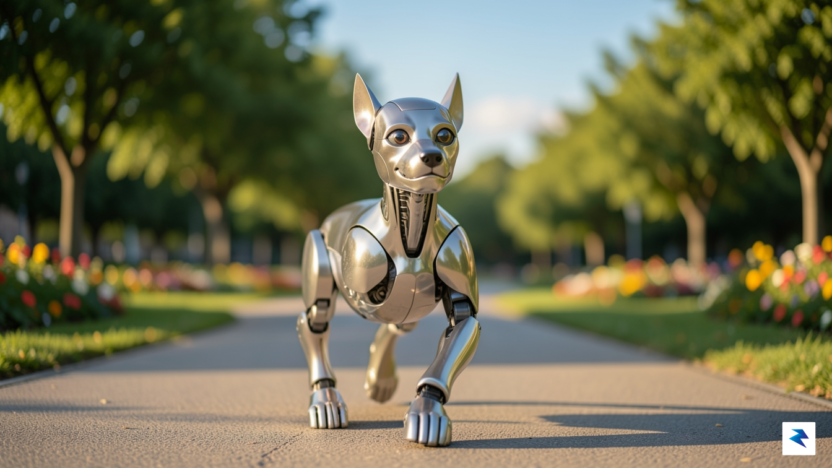
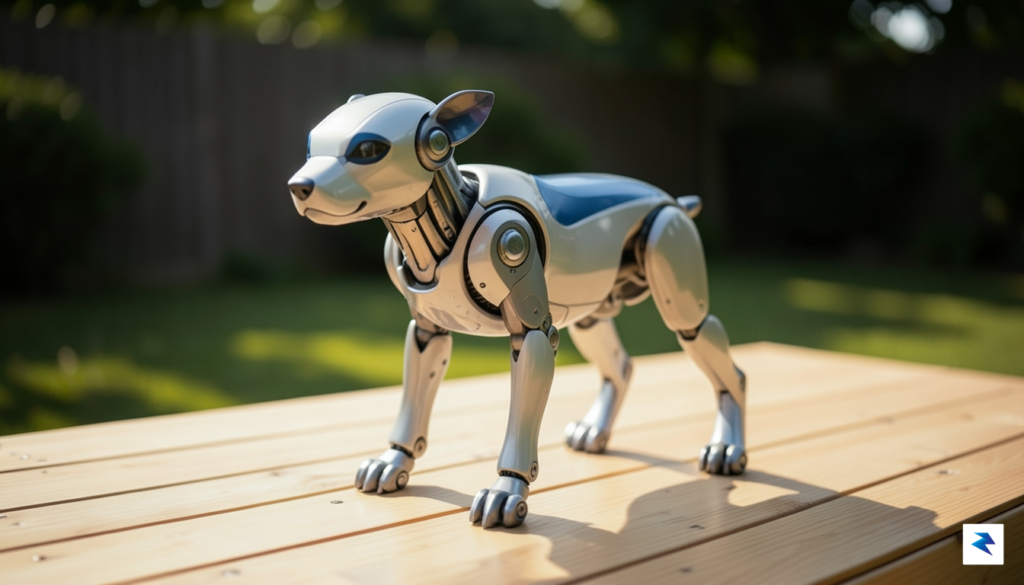
For decades, the promise of personal robotics largely remained a futuristic fantasy, or manifested in forms that were either highly specialized or somewhat mundane. Early consumer robots typically fell into two distinct categories: the stationary assistant, epitomized by smart speakers like Amazon Echo or Google Home, which offered voice-activated convenience but no physical presence beyond their static shell; and the utilitarian drone, which provided aerial mobility for tasks like photography or package delivery, yet remained detached and often relegated to outdoor use. While both categories brought undeniable technological advancements, they largely failed to deliver on the vision of an interactive, physically integrated companion that could truly share our living spaces and routines. These devices, for all their utility, were tools rather than dynamic entities capable of genuine engagement.
However, we are now witnessing a significant evolution, a transition toward a new generation of robotic companions that fundamentally redefines our expectations for personal technology. This shift is characterized by a move away from mere functionality towards qualities like tactility, expressiveness, and physical capability, allowing robots to integrate seamlessly into daily life in unprecedented ways. Rather than being confined to a countertop or the sky, these emerging machines are designed to navigate complex indoor environments, interact with their surroundings, and offer a level of physical presence that fosters a deeper connection. They are not just smart devices; they are becoming active participants in our homes, capable of moving, playing, and even observing, thus bridging the gap between cold hardware and warm, engaging interaction.
A crucial aspect of this evolution lies in navigating the delicate balance between familiarity and novelty, often referred to as the ‘uncanny valley.’ This phenomenon describes the discomfort and revulsion people feel towards robots or animated figures that appear almost, but not quite, human. Instead of striving for perfect human mimicry, many developers are now embracing a ‘charming’ factor, designing robots with animalistic or stylized features that evoke endearment rather than unease. A robot dog, for instance, with its playful movements and expressive gestures, taps into our inherent affection for pets, allowing us to form an emotional bond without the psychological hurdles of an uncannily human-like figure. This deliberate design choice bypasses the discomfort, making these new companions immediately more approachable and desirable for broad consumer adoption.
Furthermore, the growing appeal of mobile, legged robots over their flying drone counterparts for household integration is becoming increasingly clear. While drones excel in aerial reconnaissance or rapid point-to-point delivery, their noisy operation, limited battery life, and spatial constraints make them less suitable for continuous, intimate interaction within a home. Legged robots, by contrast, offer a ground-based presence that feels more natural and less intrusive. They can navigate stairs, step over obstacles, and move through rooms with a fluid grace that mimics biological creatures, allowing for physical interaction like playful nudges or following commands. This physical groundedness creates a sense of companionship and participation that a hovering drone simply cannot replicate, making them far more effective at truly integrating into the fabric of everyday domestic life.
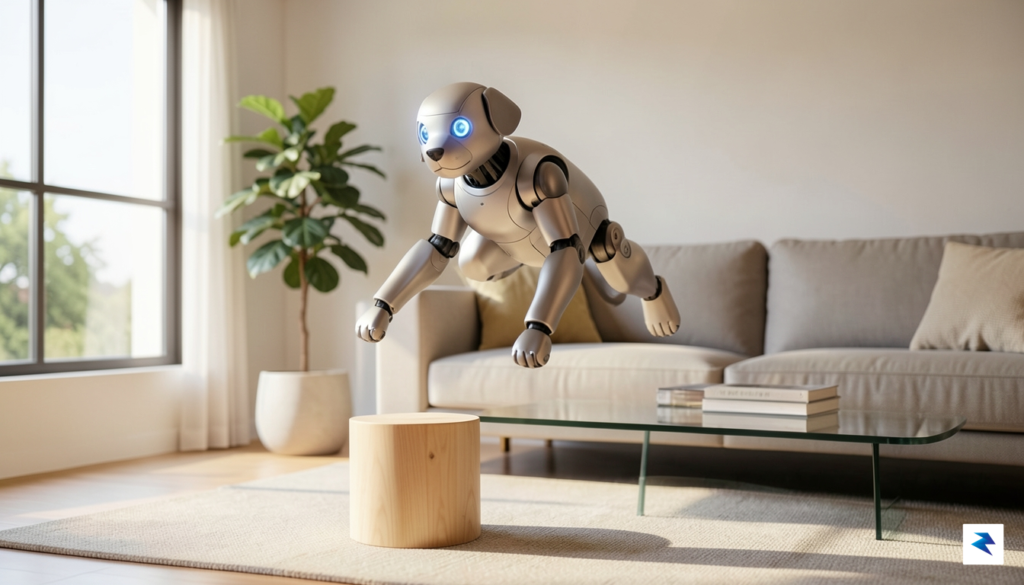
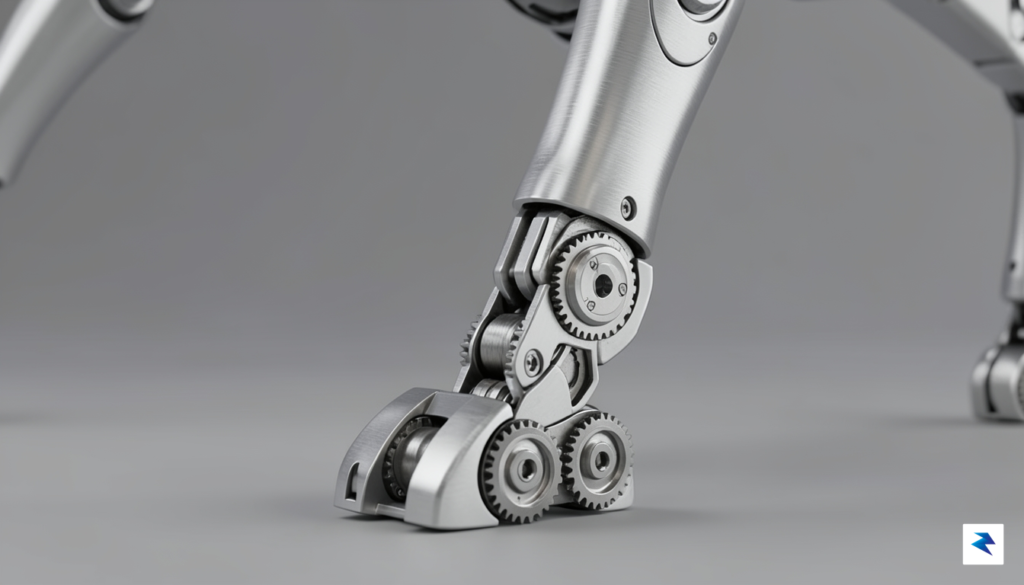
At its core, the Beni robot dog is a true marvel of miniaturized engineering, demonstrating how sophisticated design can imbue mechanical systems with an almost organic grace. Its creators have meticulously focused on achieving a broad range of movement that feels surprisingly lifelike, allowing it to not only navigate diverse, uneven terrain with ease but also execute complex, dynamic maneuvers and tricks. This impressive agility isn’t magic; rather, it’s the result of a deliberate fusion of advanced hardware components and intelligent software, meticulously calibrated to mimic the natural movements of a living creature.
The secret to Beni’s dynamic prowess lies largely in its advanced actuator technology. Each joint is equipped with custom-designed, high-torque brushless DC motors, chosen specifically for their exceptional power-to-weight ratio and precise control capabilities. These actuators are not merely strong; they are also incredibly responsive, capable of rapid acceleration and deceleration, which is crucial for maintaining balance during high-speed movements or when performing intricate jumps and spins. This precision allows Beni to articulate its limbs with subtle nuances, translating digital commands into fluid, continuous motion that defies its mechanical nature and enables it to absorb impacts, adjust its footing, and maintain stability across various surfaces.
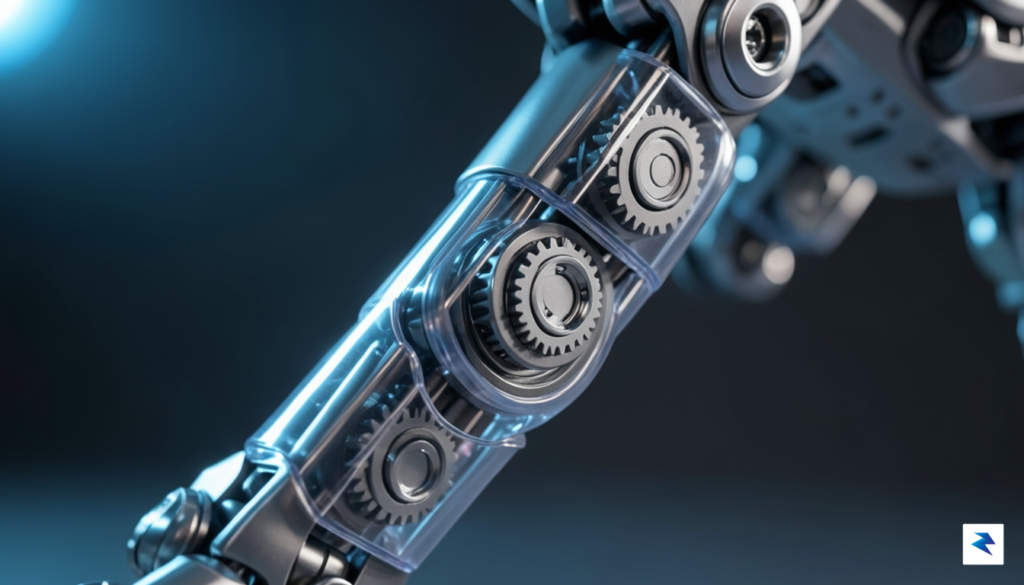
Achieving such dynamic performance in a compact form factor demands a delicate balance, particularly concerning power and weight. Beni’s designers have engineered an optimal weight distribution, strategically placing components to lower the center of gravity and enhance stability without compromising agility. This includes the careful integration of its high-density lithium polymer battery pack, which, despite being a significant weight component, is positioned to contribute positively to the robot’s overall equilibrium. The synergy between battery capacity and motor strength is critical, ensuring that Beni not only has sufficient power for sustained operation but also the immediate burst capability required for powerful jumps and quick, reactive movements, effectively maximizing output while minimizing the total mass.
Beyond the impressive hardware, Beni’s lifelike behaviors are underpinned by a sophisticated software architecture. Its internal logic employs advanced algorithms for inverse kinematics and dynamic balance control, allowing the robot to translate high-level commands into a series of precise, coordinated motor movements. This software intelligently simulates a variety of ‘dog-like’ gaits—from a casual walk and an energetic trot to a powerful gallop and even a playful jump—each meticulously refined to emulate natural animal locomotion. Furthermore, sensor fusion, incorporating data from accelerometers, gyroscopes, and force sensors in its feet, enables Beni to perceive its environment in real-time, adapting its gait and posture instantly to navigate obstacles, ascend inclines, or correct its balance after an unexpected bump.
Ultimately, it is the seamless integration of these high-performance components with intelligent, adaptive software that allows Beni to transcend the typical limitations of robotics. The result is a machine that doesn’t just move; it moves with an uncanny precision and responsiveness that feels genuinely organic. This harmonious blend of engineering excellence, from its powerful actuators and optimized weight distribution to its intuitive gait-simulation software, collectively empowers Beni to perform a wide array of maneuvers with surprising agility and a touch of personality, truly bringing its mechanical package to life.
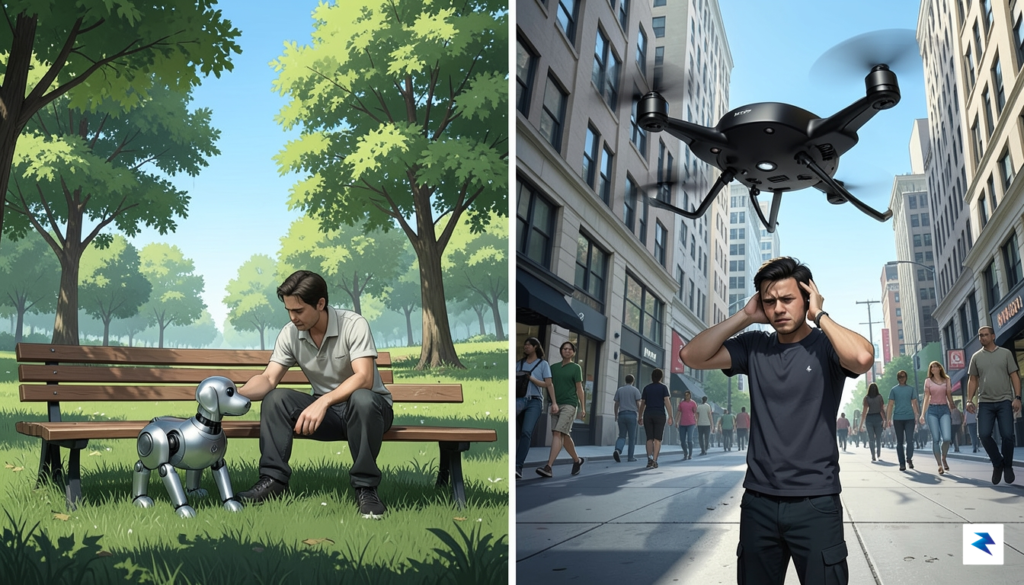
While aerial drones have revolutionized the way we capture the world, they often come with a significant sensory and social tax that limits their daily usability. A typical consumer drone produces a high-pitched, aggressive whine—often exceeding 80 decibels—that instantly commands attention and disrupts the tranquility of any public space. In contrast, a robotic companion like the Beni operates with a soft, mechanical hum that is barely audible over ambient city noise. This quiet operation allows the user to navigate parks, sidewalks, or indoor venues without drawing the immediate, defensive glare of bystanders who might otherwise feel they are being surveyed by a loud, buzzing intruder.
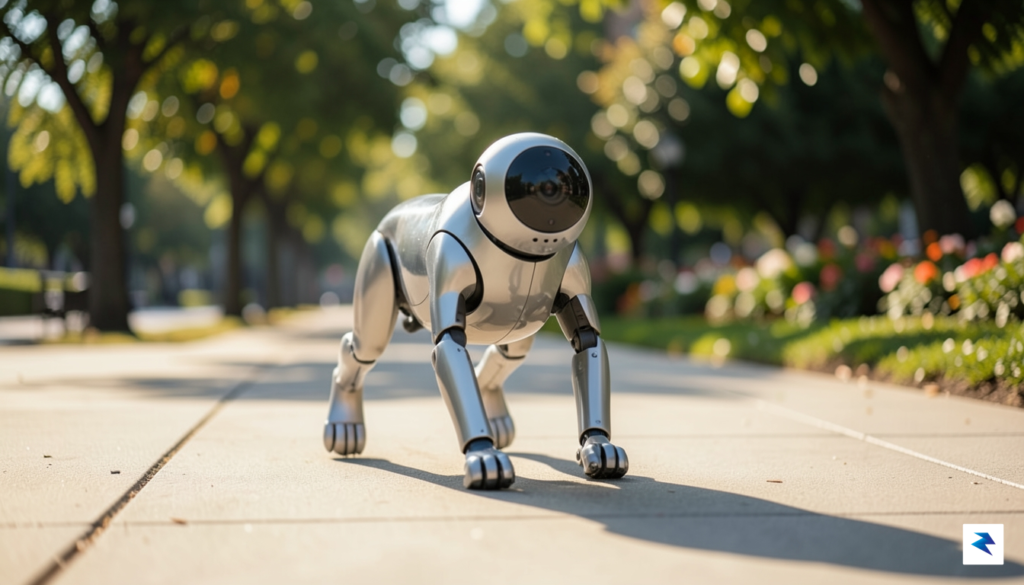
Beyond the auditory disturbance, there is the undeniable “creepiness” factor associated with anything hovering overhead. People naturally react with suspicion to drones because they are inherently associated with surveillance and privacy intrusion. When a flying camera is buzzing near your head, your instinct is to look up and wonder who is watching you. However, a legged robot moving along the ground feels fundamentally different; it inhabits the same physical plane as the people around it. By moving like a pet or a small vehicle, the robot loses the predatory profile of an aerial device, transforming from a potential spy tool into a curious, approachable piece of technology that feels more like a participant in the environment than an observer looming above it.
The true advantage of a robotic platform lies in its ability to blend into the human-scale world, turning a potentially intrusive filming session into a charming, non-threatening interaction.
For content creators, the shift from aerial to terrestrial filming offers a distinct aesthetic benefit: the perspective of empathy. Aerial shots are undeniably grand, but they often feel detached and clinical. A robot dog operating at eye level captures life from the perspective of a person walking through a scene, which creates a more intimate and relatable connection with the audience. Furthermore, the risk profile is night and day; while a drone failure almost always results in a catastrophic crash that can damage property or injure bystanders, a robotic dog simply stops or sits down if it encounters a technical glitch. This reliability provides peace of mind that allows creators to focus on their storytelling rather than worrying about the legal and safety liabilities of flying hardware in crowded environments.
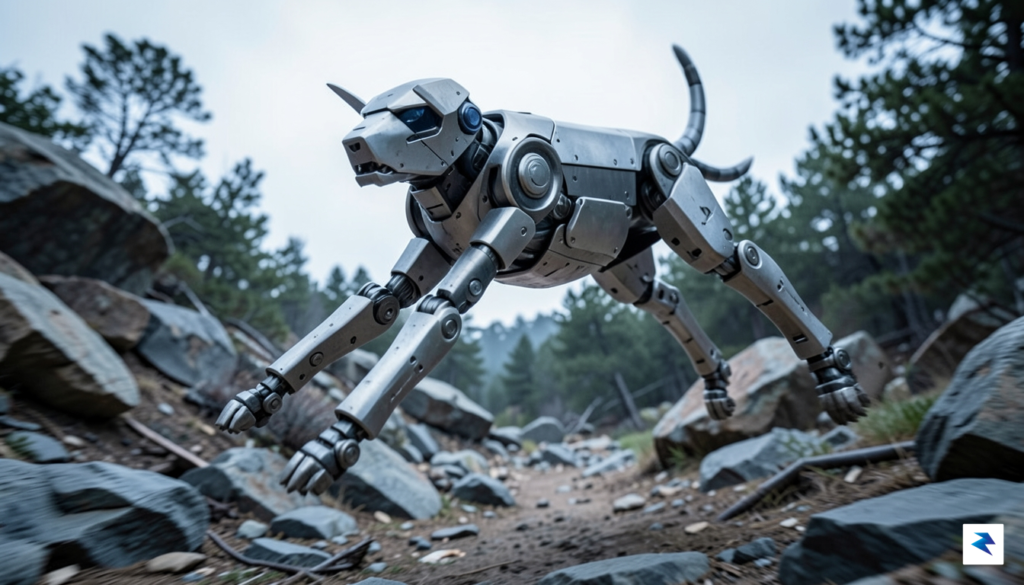
When you invest in a robotic companion at this price point, the fear of an accidental tumble is almost paralyzing. However, the Beni robot is engineered with a chassis that prioritizes structural integrity above all else. Constructed from a high-impact, lightweight composite, the frame is designed to absorb the kinetic energy of a fall rather than transferring that stress to the delicate internal electronics. During my time testing the unit, I watched it take several tumbles off of low furniture and uneven terrain; each time, the casing remained unscathed, proving that the manufacturers prioritized real-world utility over fragile aesthetics.
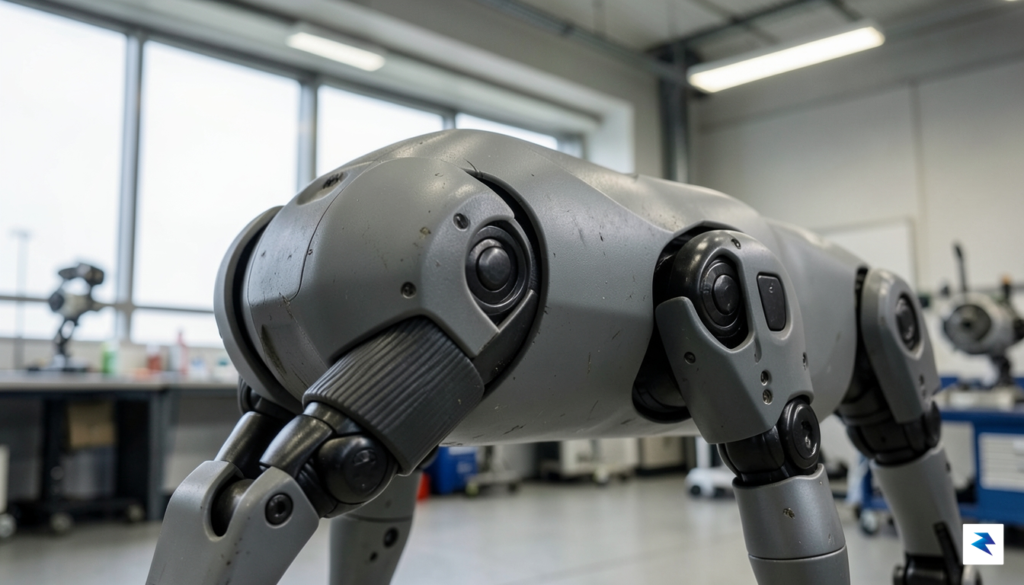
The true marvel of the Beni, however, lies in its software-driven resilience. Much like a living creature that instinctively scrambles back to its feet, the robot utilizes an advanced self-righting algorithm that detects its orientation the moment it hits the ground. By analyzing sensor data from its internal gyroscopes and accelerometers, the robot intelligently coordinates the movement of its limbs to push itself back into an upright position. This process happens with a fluidity that is honestly startling to witness, effectively turning a potential “game over” moment into a seamless part of its movement cycle. It transforms the robot from a static piece of hardware into a dynamic entity that refuses to accept defeat.
The genius of the Beni isn’t that it never falls, but that it views falling as just another step in its navigation routine.
Beyond the immediate software recovery, the long-term viability of the robot is secured by its thoughtful, modular design. Recognizing that no piece of hardware is truly indestructible, the creators have made the critical joints and limb segments easily replaceable. If a motor were to eventually give out or a limb casing were to crack after months of heavy use, users can swap out components using standard tools rather than shipping the entire unit back for expensive repairs. This commitment to modularity ensures that the robot remains a companion for years rather than a piece of electronic waste. It creates a reassuring ownership experience, knowing that even if the robot eventually meets a surface it cannot conquer, the machine is built to be mended, maintained, and kept in the action.

As we look toward the next five years, the trajectory of consumer robotics suggests a rapid transition from novelty items to essential household companions. We are entering an era where hardware costs are plummeting while software capabilities—specifically in computer vision and autonomous navigation—are reaching a level of sophistication previously reserved for high-end industrial labs. Devices like the Beni robot are merely the vanguard of a broader movement, signaling that our gadgets are evolving from static tools into active, engaging participants in our daily lives. Within half a decade, it is likely that such robotic entities will be as ubiquitous as smart speakers, seamlessly moving through our living rooms to capture candid moments, assist with chores, or simply provide a sense of playful presence.
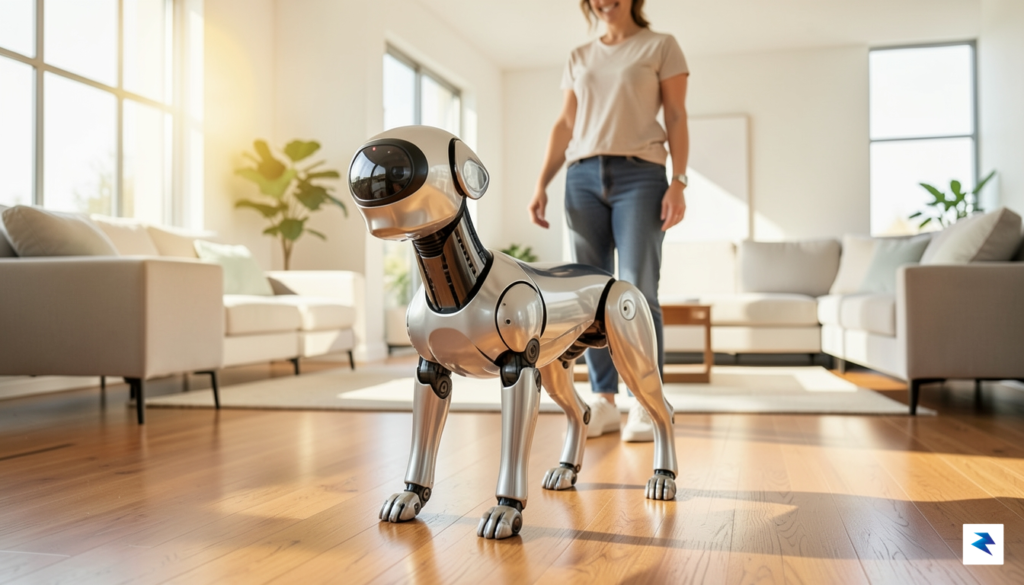
Naturally, the prospect of having an autonomous, camera-equipped companion roaming our private spaces brings valid concerns regarding data privacy and surveillance. As these robots become more common, the industry must prioritize transparent data handling, local processing, and clear visual indicators for when a device is actively recording. While the convenience of hands-free, dynamic filming is undeniably transformative for content creators and families alike, consumers will need to be diligent about the security protocols governing their home robotics. Balancing the desire for high-tech interaction with the fundamental human need for digital privacy will be the defining challenge for manufacturers as they aim to gain widespread public trust.
The true value of personal robotics lies not in their utility as cameras, but in their capacity to bridge the gap between inanimate machinery and genuine, joyful companionship.
Ultimately, the joy-factor of robotic companionship is what will likely secure its place in our homes. There is a profound, almost primal satisfaction in interacting with a machine that responds to your presence with movement, curiosity, and playfulness. Unlike a traditional camera on a tripod, these robot dogs possess a personality that encourages us to engage with our surroundings more creatively. By turning the act of filming into a collaborative game, they change the way we document our memories and interact with our digital archives. As these robots continue to learn our habits and preferences, they will evolve into personalized creative partners, making our daily lives feel less like a series of mundane tasks and more like a vibrant, captured story.
You must be logged in to post a comment.