
Reimagining the Prairie: Inside the New Netflix Little House Adaptation
Reimagining the Frontier: The New Netflix Little House For generations, Laura Ingalls Wilder’s Little House on the Prairie series has…
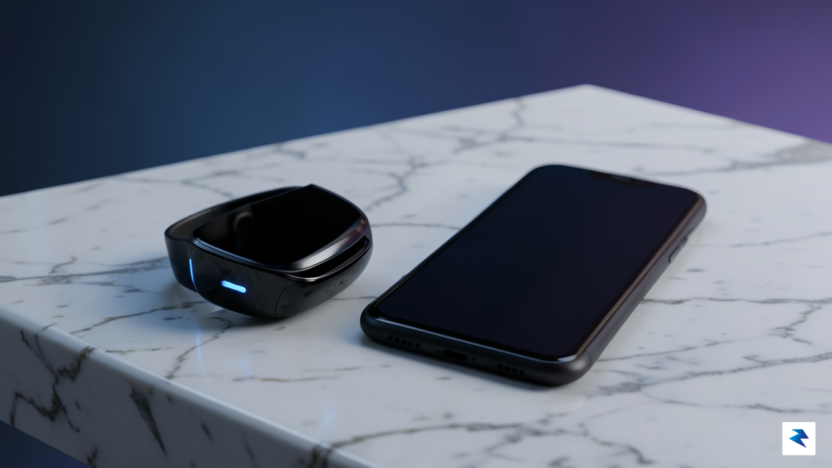

The global smartphone industry is currently navigating a period of unprecedented volatility, driven by a convergence of macroeconomic pressures that extend far beyond the walls of any single tech campus. From the lingering effects of global supply chain disruptions to the persistent upward trend of inflationary costs, manufacturers are grappling with significantly higher expenses for essential components like semiconductors, high-grade camera sensors, and advanced display panels. When these logistical hurdles are combined with the staggering investments required for research and development—particularly in the rapidly evolving fields of on-device artificial intelligence and sophisticated image processing—it becomes clear why the financial burden of innovation is shifting toward the end user.
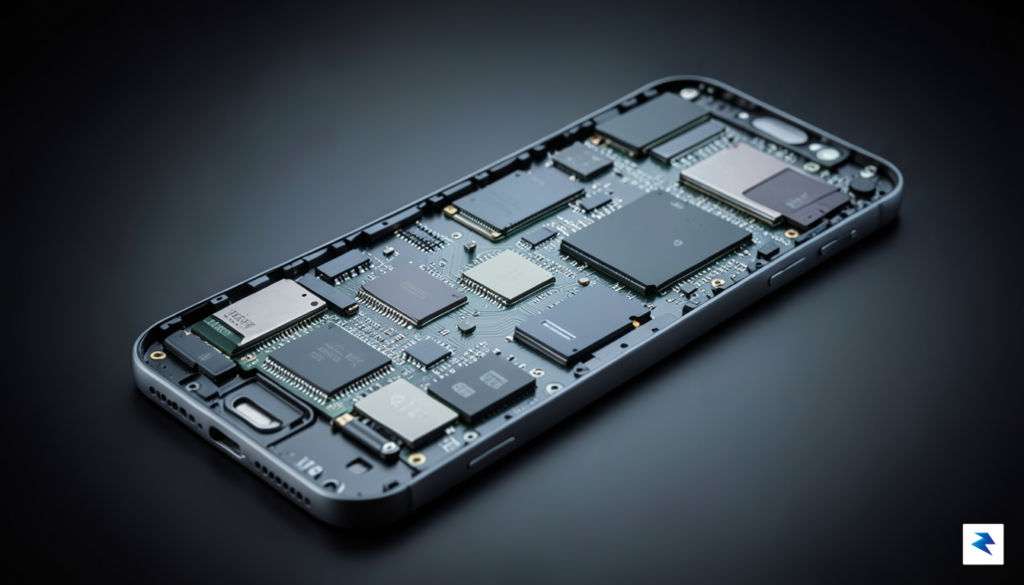
This reality is further compounded by the industry-wide trend of “premiumization.” Consumers are no longer satisfied with marginal upgrades; they demand devices that serve as professional-grade cameras, gaming consoles, and personal AI assistants all in one. To meet these elevated expectations, companies like Google are forced to integrate increasingly expensive hardware, such as custom silicon and bespoke cooling systems, which inevitably pushes the base cost of production higher. Because smartphone manufacturers operate on thin margins, these increased overhead costs cannot be absorbed indefinitely without compromising the quality of the product or the sustainability of the business model. Consequently, periodic price adjustments have transitioned from a rarity to a standard industry practice, designed to offset the capital-intensive nature of maintaining a competitive flagship lineup.
Price increases in the smartphone sector are rarely arbitrary; they are the tangible result of a market that demands cutting-edge features while simultaneously battling rising global manufacturing costs.
Ultimately, prospective buyers should view these potential price hikes not as an isolated incident specific to one brand, but as a reflection of the broader economic environment governing consumer electronics today. As the bar for what constitutes a “flagship” experience continues to rise, the ecosystem must adapt to support the complex, resource-heavy technology that powers our daily lives. Understanding these underlying market forces allows consumers to make more informed decisions, recognizing that when a company updates its pricing structure, it is often a direct response to the rising costs of the materials and engineering labor required to push the boundaries of what a handheld device can achieve.

The murmurs surrounding Google’s upcoming hardware release cycle suggest a definitive shift in the company’s pricing strategy, moving away from the aggressive undercutting that once defined the Pixel brand. Industry analysts and supply chain leaks point toward a consistent $50 increase across the board for the next generation of Pixel smartphones. While a $50 bump might seem marginal in isolation, it represents a strategic departure when applied to the entire portfolio. When we compare these rumored figures to the launch prices of the previous generation, it becomes clear that Google is no longer positioning its hardware solely as a value-oriented alternative to the premium offerings from Apple and Samsung. Instead, the company appears to be betting on the increased maturity of its custom Tensor silicon and the refined integration of its AI-driven software experience to justify a higher entry point for consumers.
This upward price adjustment is not limited to the flagship handsets; it is expected to ripple across the wearable ecosystem as well. The upcoming iteration of the Pixel Watch is rumored to see a similar cost increase, particularly when weighing the differences between the base Bluetooth-only models and the premium LTE-enabled variants. Historically, Google has utilized the LTE surcharge to capture more value from power users, but with a higher base price, the total cost of ownership for a fully connected ecosystem—a phone paired with a cellular-enabled watch—is reaching a significant new threshold. For the average consumer, this means that upgrading to the latest hardware will require a more careful assessment of whether the incremental improvements in battery life, display technology, and processing speed provide enough tangible value to warrant the increased investment.
The potential $50 price hike across the Pixel lineup signals a transition from “value-first” hardware to a “premium-tier” market strategy, testing consumer brand loyalty in a crowded field.
Ultimately, these adjustments reflect the broader economic pressures facing the consumer electronics industry, including rising component costs and the massive R&D expenditure required to advance generative AI capabilities on mobile devices. By consolidating these costs into the retail price, Google is signaling that the era of “discount flagship” hardware is effectively drawing to a close. Prospective buyers should prepare for a landscape where the entry-level price is higher, but the expectation for hardware longevity and software support is equally elevated. Whether this strategy will pay off depends entirely on whether Google can deliver a flawless out-of-the-box experience that makes the cost increase feel like a transition to a more polished, premium product rather than just a simple expense hike for the end user.
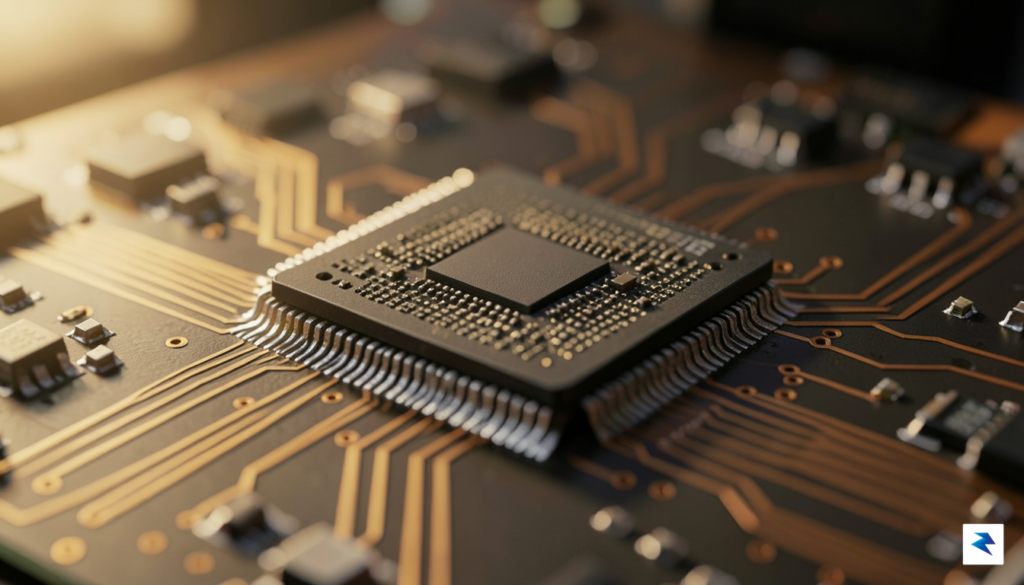
The murmurs of an impending price adjustment for Google’s highly anticipated Pixel line have certainly sparked conversation, leaving many consumers to ponder a critical question: are these potential increases a justified reflection of enhanced technology, or merely a consequence of broader economic shifts? Navigating this complex landscape requires a clear understanding of what goes into manufacturing a cutting-edge smartphone today, dissecting both the inherent value added by innovation and the unavoidable pressures from the global market.
On the hardware front, there’s a strong case to be made for ‘value-added’ pricing. Each new generation of Pixel devices often introduces significant advancements, particularly in its custom-designed Tensor processor. A more powerful Tensor chip translates directly into superior on-device AI capabilities, which underpin everything from advanced computational photography and real-time language translation to improved battery management and more seamless user interactions. Developing and fabricating these bespoke, high-performance chips is an incredibly expensive undertaking, a cost that naturally finds its way into the final product price but also delivers tangible, superior performance to the user.
Beyond the core processor, other hardware improvements also contribute to a higher bill of materials. We often see upgrades in display technology, moving towards brighter, more color-accurate LTPO OLED panels with adaptive refresh rates that not only enhance visual fidelity but also optimize power consumption. Similarly, advancements in camera sensor technology, crucial for the Pixel’s renowned photography prowess, involve more sophisticated and costly components. Even something as seemingly mundane as battery life can see improvements through higher-density cells or more efficient power delivery systems, all of which represent engineering investments and component costs that directly benefit the user experience.
However, not all price increases stem from direct hardware upgrades. The reality of the current global market brings its own set of inflationary pressures. The cost of raw materials, manufacturing, and shipping has been steadily climbing. More specifically, the demand for highly specialized components, particularly those enabling advanced AI features and sophisticated sensor arrays, has soared. This increased demand, coupled with intricate global supply chains, means that the core components Google needs to build its Pixels are simply more expensive to acquire than ever before, regardless of whether a new feature is directly added.
Therefore, it becomes vital to differentiate between ‘value-added’ costs and ‘inflationary’ price hikes. A value-added increase occurs when the consumer receives a demonstrably better product, justifying the higher price through enhanced features, performance, or durability. For instance, paying more for a phone with a significantly faster processor, a revolutionary camera system, or a genuinely longer-lasting battery falls into this category. Conversely, an inflationary price hike is largely driven by external economic factors—such as rising labor costs, increased shipping fees, or general component price inflation—without a proportionate leap in user-perceivable value or functionality.
Ultimately, consumers will weigh the rumored price tags against the perceived improvements. If the next Pixel iteration truly pushes the boundaries with groundbreaking new features and substantial performance gains that genuinely elevate the user experience, then a higher price might be accepted as a fair trade-off for innovation. Yet, if the increases are perceived primarily as a response to broader market pressures with only incremental improvements, Google might find itself needing to work harder to convince buyers that the enhanced cost aligns with an equally enhanced value proposition.

For the average consumer, a potential $50 to $100 price hike is far from trivial, as it fundamentally shifts the cost-benefit analysis of what has traditionally been a value-oriented smartphone series. When the barrier to entry rises, the impulse to upgrade annually becomes increasingly difficult to justify from a financial perspective. To navigate this new pricing environment, shoppers must adopt a more strategic mindset, shifting focus away from the “latest and greatest” yearly cycle toward long-term ownership and total cost of ownership. By viewing your device as a multi-year investment rather than a disposable commodity, the sting of a higher upfront cost becomes much easier to manage.

One of the most effective ways to mitigate higher retail prices is to aggressively leverage official trade-in programs and carrier-specific incentives. Rather than simply letting an old phone gather dust in a drawer, trading it in at the point of purchase can often offset a significant portion of a price increase. Google, in particular, frequently offers enhanced trade-in values during the initial launch window, which can effectively bring the net cost back down to previous levels. Furthermore, keep a close eye on carrier promotions; while these often require sticking with a specific service provider, the monthly bill credits can make the newest flagship feel significantly more affordable over the life of the device.
Strategic buying is the best defense against inflation: by combining aggressive trade-in values with off-peak purchasing, you can effectively neutralize the impact of manufacturer price hikes.
It is also vital to consider the long-term value provided by Google’s extended software support cycles. Unlike many competitors that abandon devices after two or three years, the current generation of Pixel hardware is supported for seven years of OS and security updates. This commitment is a major counterbalance to higher upfront costs, as it allows your device to remain secure, functional, and relevant for much longer than previous models. When you divide the total price of a phone by seven years of guaranteed support, the “per-year” cost is remarkably low, making it a much more sensible investment for those who are wary of frequent spending.
Finally, timing is everything when it comes to avoiding the “early adopter tax.” While the excitement of a launch day purchase is undeniable, waiting just a few months can lead to substantial savings. Major sales events like Black Friday, Cyber Monday, and even mid-cycle spring promotions frequently see flagship prices drop significantly. By resisting the urge to buy at launch, you can often secure the same technology at a price point that aligns much better with a budget-conscious lifestyle. Being patient not only saves you money but also allows for early reviews to surface, ensuring that your investment is sound before you commit your hard-earned cash.
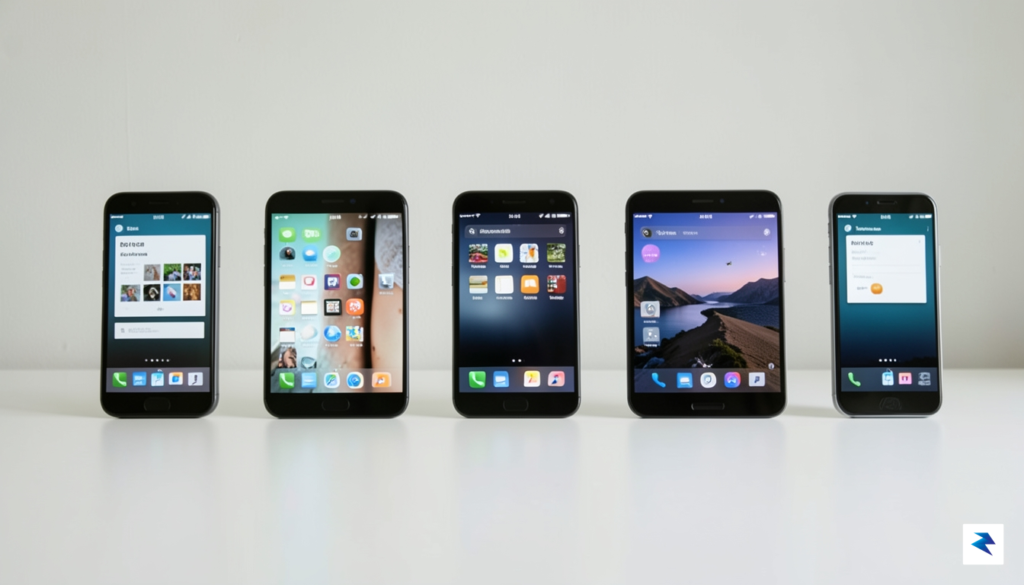
If the anticipated price hikes for the latest flagship Pixel hardware push these devices beyond your budgetary comfort zone, it is important to remember that the Android ecosystem is more robust and competitive than it has ever been. While Google’s premium offerings are known for their sophisticated computational photography and clean software experience, they are certainly not the only path to a high-quality smartphone. For many users, the most logical first step is to evaluate Google’s own “A-series” devices, which consistently deliver the core “Pixel experience”—including the signature camera processing and timely security updates—at a significantly lower entry point. By prioritizing essential features over luxury hardware flourishes, these models effectively bridge the gap between budget-conscious necessity and flagship performance.

Beyond the Google ecosystem, the broader market provides compelling alternatives that often shift the price-to-performance ratio in the consumer’s favor. Manufacturers like Samsung and OnePlus have refined their mid-range and “flagship killer” lineups to offer hardware specifications that frequently rival, or even exceed, those of more expensive devices. Samsung’s Galaxy A-series, for example, offers an unparalleled level of software support and screen quality, while OnePlus continues to emphasize rapid charging and raw performance overhead. Choosing these alternatives often involves a minor trade-off regarding the specific “Pixel-exclusive” software tweaks or the absolute bleeding-edge of camera sensor technology, yet the day-to-day utility remains remarkably similar for the average user.
Ultimately, the decision comes down to distinguishing between the prestige of holding a top-tier flagship and the practical efficiency of selecting a device that meets your functional requirements without the premium tax.
When you pivot away from the highest-priced models, you are not necessarily sacrificing quality; rather, you are engaging in a more strategic allocation of your resources. The modern smartphone market is designed to offer diminishing returns at the ultra-premium level, meaning that a device costing several hundred dollars less can often perform 90% of the tasks with 95% of the reliability. Whether you prioritize a vibrant OLED display, long-term battery endurance, or simply a reliable camera for daily snapshots, there is almost certainly a device within the competitive Android landscape that satisfies your needs. By looking past the flagship tier, you can secure a powerful, modern device that keeps your wallet intact while still providing a premium digital experience.
You must be logged in to post a comment.