Beyond Text: Why Video Games Are the New Frontier for AGI
The Limitations of Text-Based AI Large Language Models (LLMs) have undeniably revolutionized how we interact with technology, demonstrating an…
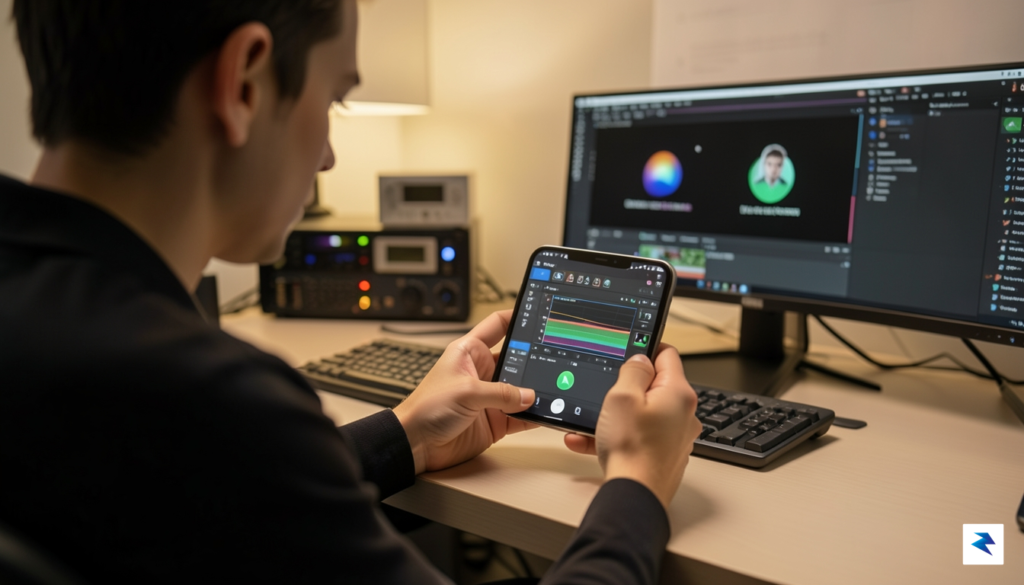
In an era where nearly every pocket holds a high-definition camera, the sheer volume of video content captured daily is staggering. From fleeting moments of family life to breathtaking travel vistas, our smartphones have become the primary tools for documenting our world. For years, Google Photos has served as the unparalleled digital archive for these memories, a sophisticated organizer that meticulously sorts, backs up, and intelligently surfaces our most cherished images and videos. Its initial prowess lay in its organizational brilliance and seamless cloud integration, ensuring that a lifetime of visual stories was always accessible, yet its role in active creative manipulation remained largely foundational.
However, the landscape of mobile content creation is rapidly evolving beyond mere storage and basic adjustments. Users are no longer content with simple trims or generic filters; there’s a growing appetite for tools that can transform raw, amateur footage into something truly captivating, something that echoes the polished aesthetics of professional productions. This shift demands more than just traditional editing suites; it calls for intelligent systems that can understand context, enhance aesthetics, and even generate creative elements with minimal user input. The aspiration for cinematic quality, once the exclusive domain of dedicated video editors, is now reaching the fingertips of the everyday smartphone owner.
Enter Google Photos’ latest groundbreaking innovation: the AI-powered ‘Video Remix’ tool. This isn’t just another incremental update; it represents a profound paradigm shift in how we approach mobile video editing. Moving far beyond the manual, often tedious process of cutting, splicing, and color-correcting, Video Remix harnesses the power of artificial intelligence to intelligently analyze your clips, identify compelling moments, and then creatively re-imagine them. It’s designed to transform disjointed segments into cohesive, stylish, and engaging short videos, effectively turning a collection of raw footage into a polished narrative with a few taps.
The true genius of Video Remix lies in its ability to democratize sophisticated video production. By leveraging advanced machine learning algorithms, Google Photos can now automatically suggest themes, apply dynamic transitions, synchronize footage with audio, and even generate entirely new visual elements to enhance your story. This means that users who lack extensive editing experience, expensive software, or even the time to meticulously craft a video can now achieve results that were previously unattainable. The AI acts as a personal editor, sifting through hours of footage to pinpoint the most impactful shots and seamlessly weaving them together into a professional-looking sequence, making high-quality video storytelling accessible to everyone.
This development signifies more than just a new feature for Google Photos; it marks a pivotal moment in the evolution of consumer-level creative tools. It underscores a future where technology doesn’t just assist with basic tasks but actively participates in the creative process, lowering the barrier to entry for high-quality content creation dramatically. As AI continues to mature, we can anticipate even more intuitive and powerful tools emerging, empowering individuals to tell their stories with unprecedented flair and ease, ultimately reshaping our expectations of what a smartphone camera and its accompanying software can achieve.
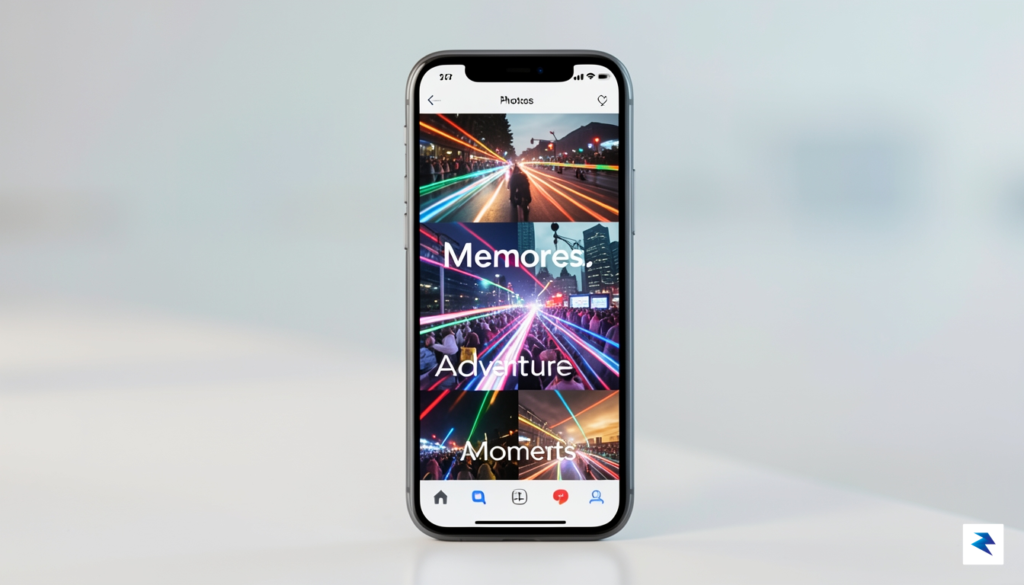
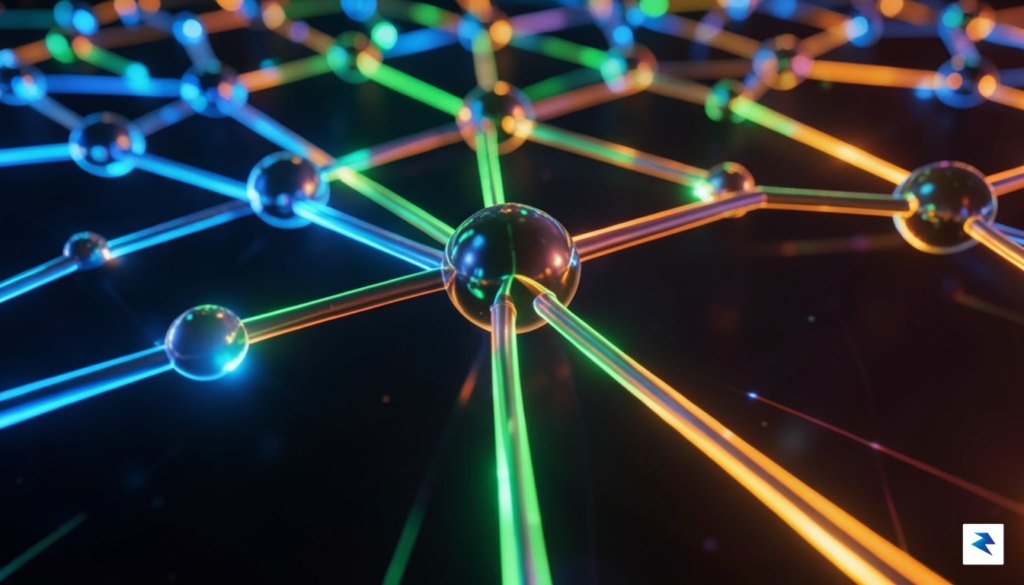
At its heart, Google Photos’ new Video Remix tool isn’t just another fancy filter; it represents a significant leap in how we interact with our video memories. Unlike traditional editing features that simply overlay a predefined color palette or effect onto your footage, this innovative tool harnesses the power of Google’s cutting-edge generative AI models. These sophisticated artificial intelligence systems are designed to do far more than just apply a superficial layer; they deeply analyze every frame of your video, understanding its elements, context, and even the emotional tone of the scene. This profound understanding allows the AI to then intelligently re-render the footage, creating truly personalized and often dramatic transformations that would typically require hours of professional editing.
The distinction between the Video Remix tool and conventional filters lies in its fundamental approach. A traditional filter acts like a transparent colored sheet placed over an image; it modifies the overall look by adjusting hues, saturation, or brightness uniformly across the entire clip. In contrast, Google’s generative AI delves into the very fabric of your video, meticulously examining the underlying pixel structure and the composition of each shot. It can identify distinct objects, people, backgrounds, and movements, giving it the ability to manipulate these individual components rather than just the collective image. This means the AI can, for instance, subtly alter the lighting on a specific face, enhance the vibrancy of a sunset in the background, or even adjust the pacing of certain segments, all while maintaining a natural and cohesive appearance.
The mechanism behind this magic involves a complex process where the AI first deconstructs the video into its core components. Imagine the AI not just seeing a picture of a beach, but understanding that there are waves, sand, sky, and perhaps people playing. With this granular understanding, it can then apply sophisticated artistic and corrective layers with unparalleled precision. It doesn’t just make the video “brighter”; it can intelligently brighten only the underexposed faces while leaving the perfectly lit background untouched, or introduce a cinematic color grade that enhances the mood without distorting natural colors. This level of selective modification ensures that the changes are integrated seamlessly into the footage, making them feel organic and intentional.
Furthermore, the tool’s ability to “re-render” means it’s not just tweaking existing pixels, but potentially generating new ones or altering their values in a way that creates entirely new visual information. For example, if a scene is a bit dull, the AI might subtly enhance the texture of a landscape, add a soft glow to a light source, or even smooth out shaky footage with impressive stability, all without requiring the user to navigate complex timelines or effect panels. This deep manipulation of the video’s core data is what elevates the Video Remix tool beyond simple enhancements, empowering users to achieve professional-looking results with just a few taps, democratizing advanced video editing for everyone.
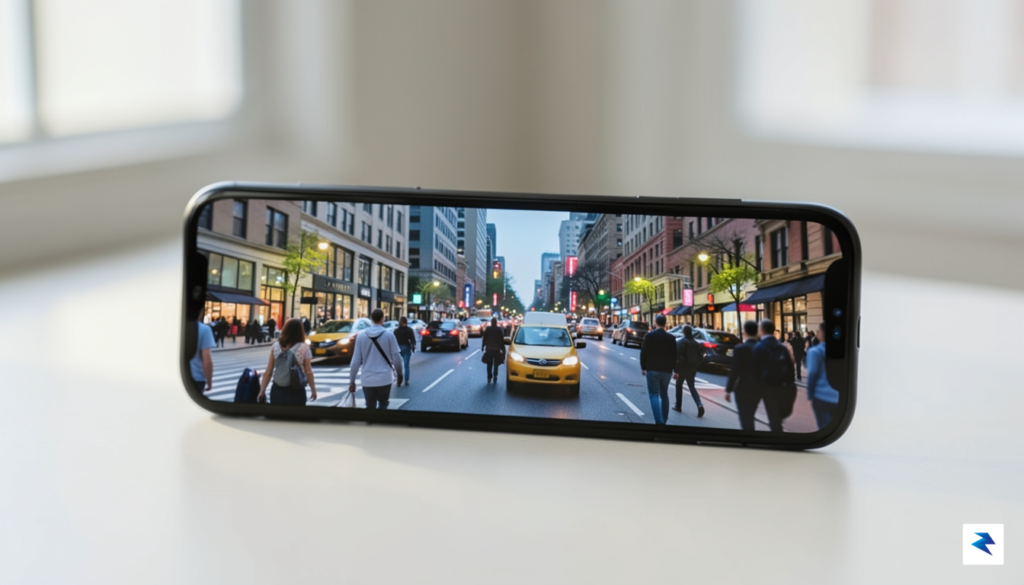
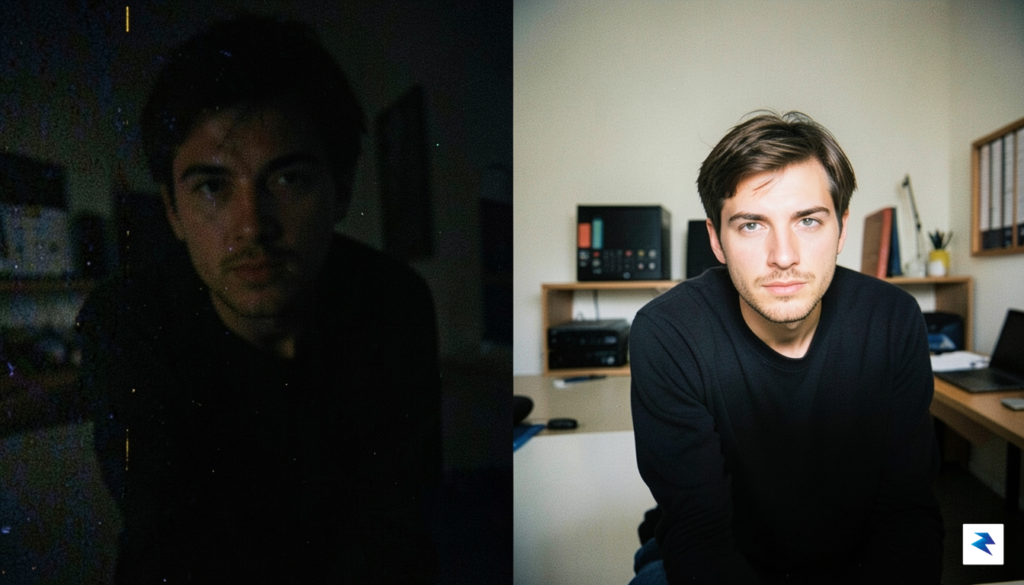
The standout capabilities of the new AI-powered Video Remix tool lie in its ability to salvage footage that might have otherwise been discarded due to poor lighting or distracting environments. At the heart of this functionality is the Cinematic Relighting feature, which utilizes sophisticated machine learning models to analyze the existing light sources within your clips. By intelligently identifying areas of underexposure, the AI can selectively brighten shadows and balance high-contrast zones, effectively giving your subjects a professional, studio-lit appearance. This means that videos captured in challenging conditions—such as a dimly lit restaurant or a sunset where the subject is backlit—can be restored to reveal rich details and vibrant textures that were previously obscured.
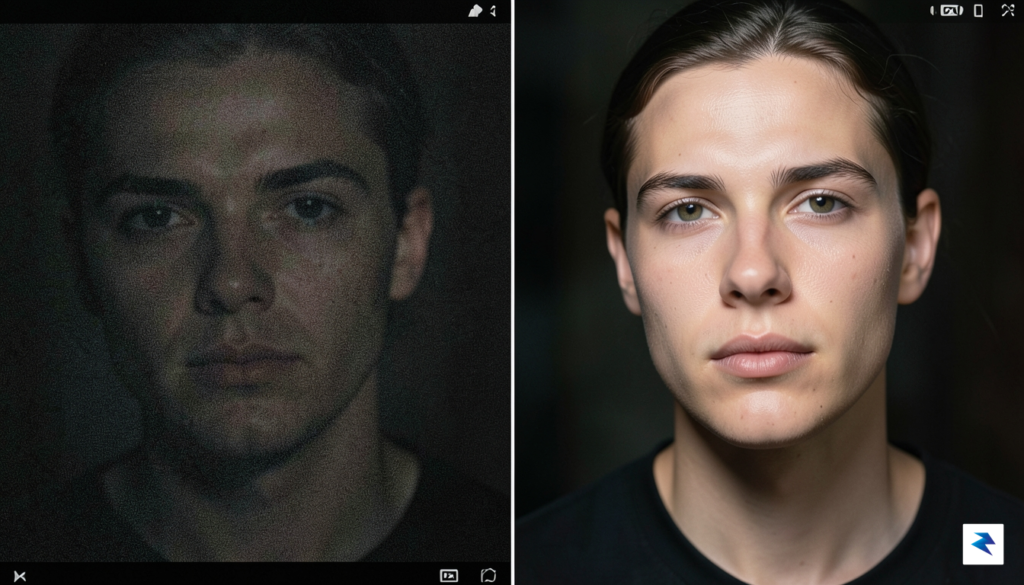
Beyond simple lighting adjustments, the tool introduces powerful Background Swapping capabilities that leverage precise AI masking to separate your subjects from their surroundings with surgical accuracy. In the past, achieving a clean background replacement required cumbersome desktop software and hours of frame-by-frame editing, but Google’s latest update automates this process entirely. Once the background is isolated, users can seamlessly drop in new, aesthetically pleasing backdrops that transform the entire mood of the clip. Whether you want to replace a cluttered living room with a serene mountain vista or simply blur out a distracting crowd in the background of a family milestone, the AI maintains a natural edge transition that prevents the common “cut-out” look often seen in basic mobile editors.
The true power of AI in video editing isn’t just about applying filters; it is about providing creators with the control to rewrite the visual narrative of their most cherished memories after the camera has stopped rolling.
The practical applications for these features are vast, catering to everyone from casual smartphone users to aspiring content creators. For travel enthusiasts, this means you can take a video shot in a crowded, overcast tourist destination and transpose your subject into a sun-drenched, iconic location, ensuring the focus remains squarely on the experience. Families can benefit by reviving precious, once-in-a-lifetime moments—like a child’s first birthday or a graduation—that were compromised by harsh shadows or chaotic backgrounds. Meanwhile, social media creators can utilize these tools to maintain a consistent visual brand aesthetic across their feed, even when filming in unpredictable or inconsistent environments. By bridging the gap between raw, imperfect captures and polished, cinematic final products, Google Photos is effectively turning every user into a professional editor.
The advent of Google Photos’ new AI-powered video remixing tool marks a significant shift for the burgeoning landscape of content creation, particularly impacting influencers and social media creators. In an ecosystem where virality is fleeting and trends move at lightning speed, time is an invaluable, finite resource for anyone looking to build an audience. By embedding sophisticated, professional-level video editing capabilities directly within a widely used photo gallery app, Google essentially hands every smartphone user a portable, AI-driven production studio. This innovation dramatically lowers the barrier to entry for producing polished, engaging video content, fundamentally altering the quality bar for everyday posts across platforms like Instagram Reels, TikTok, and YouTube Shorts.
This development ushers in a new era of democratized video production. Traditionally, crafting high-quality video required a steep learning curve, investing in expensive desktop software such as Adobe Premiere Pro or DaVinci Resolve, and often powerful computing hardware. These programs offer unparalleled granular control over every aspect of a video, from color grading to complex motion graphics, but demand considerable time and expertise. Google’s AI, however, streamlines this laborious process, allowing creators to generate visually compelling narratives with minimal effort and technical know-how. It abstracts away the complexities, focusing instead on delivering quick, aesthetically pleasing results that resonate with modern social media aesthetics.
The efficiency gains for creators are perhaps the most transformative aspect of this new tool. Influencers and brands constantly need to churn out fresh content to maintain engagement and relevance, often on incredibly tight schedules. The ability to quickly select a few clips and let AI intelligently stitch them together, add music, and apply cinematic effects within minutes, rather than hours, is a game-changer. This speed enables creators to be more agile, respond to trends faster, and significantly increase their content volume without sacrificing production quality. Instead of spending precious hours meticulously cutting footage, creators can now dedicate more energy to conceptualizing innovative ideas, perfecting their on-camera performance, or engaging directly with their community.
Moreover, this integration could empower a new wave of creators who previously felt intimidated by professional editing suites. Aspiring influencers, small businesses, and casual users can now produce content that looks far more polished than what was previously achievable with basic in-app editors. While desktop software will undoubtedly remain indispensable for feature films, documentaries, and highly specialized productions requiring bespoke control, the AI-driven approach in Google Photos is perfectly tailored for the fast-paced, high-volume demands of short-form social media. It fills a critical gap, allowing creators to maintain a consistent flow of high-quality, engaging content, ultimately fostering a more dynamic and visually rich social media environment for everyone.


As AI-powered creative tools become increasingly sophisticated, the line between authentic documentation and digital fabrication continues to blur. While the ability to remix home videos into cinematic masterpieces offers unparalleled creative freedom, it also raises urgent questions regarding the sanctity of our personal digital archives. When we can effortlessly alter the mood, lighting, or even the context of a recorded memory, we must ask ourselves how much manipulation is acceptable before a video loses its role as a truthful record of our lives. The power to reshape reality is a significant technological leap, but it carries the inherent responsibility to maintain a clear distinction between raw, lived experiences and synthetically enhanced narratives.
Transparency is the bedrock of trust in this new era of generative media. To address the potential for misinformation or unintended deception, tech companies like Google are increasingly prioritizing the integration of robust metadata tagging and digital watermarking. By embedding non-visible identifiers within the file structure of an AI-remixed video, platforms can signal to viewers—and other software—that the content has been algorithmically altered. This approach is not merely a technical safeguard; it is an essential ethical commitment to ensure that future audiences can distinguish between an original camera capture and a creation fashioned by artificial intelligence.
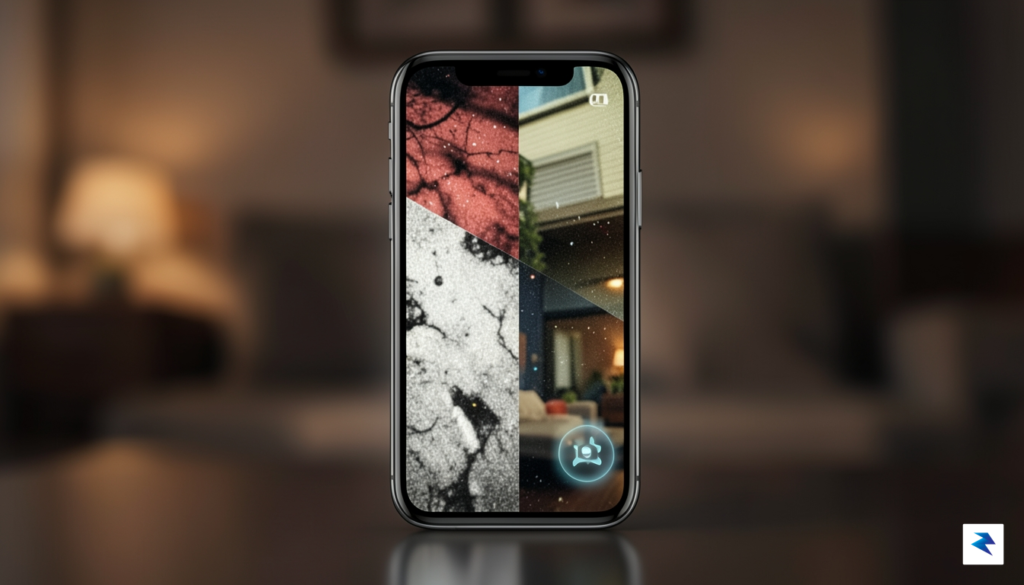
The core challenge lies in striking a healthy balance between empowering individual expression and preventing the erosion of truth. For many, tools like these are a gateway to storytelling, allowing users to turn mundane snippets of daily life into evocative, high-quality content that feels professionally produced. However, this ease of use necessitates a new kind of digital literacy for the general public. As consumers of media, we must cultivate a more critical eye, learning to appreciate the artistry of AI-assisted editing while remaining aware that the polished final product may not accurately represent the reality of the moment as it originally unfolded.
True creative freedom in the age of AI depends not just on the capability of the software, but on our collective commitment to honesty regarding how our media is crafted and shared.
Ultimately, the future of AI-generated media rests on the synergy between innovation and ethical design. If we embrace these tools with a focus on transparency and user education, we can enjoy the benefits of advanced video editing without compromising the integrity of our personal histories. As these features continue to evolve, the responsibility falls on both the developers to provide clear labeling and the users to remain stewards of their own digital narratives. By maintaining this vigilance, we can ensure that our video libraries remain a trusted reflection of our world, even as our methods for capturing that world become more magical than ever before.
The introduction of the Video Remix tool represents a significant turning point in how we interact with our digital libraries. By moving away from complex, professional-grade editing software and toward intuitive, AI-driven solutions, Google is effectively democratizing the art of cinematic storytelling. This evolution ensures that our most cherished memories are no longer trapped in stagnant, unedited files, but are instead elevated into dynamic experiences that feel polished and intentional. When technology can effortlessly bridge the gap between a raw smartphone clip and a compelling narrative, it fundamentally changes our relationship with the content we capture every day.
Looking ahead, this integration of generative intelligence into our personal media management is clearly just the beginning of a broader trend. As these algorithms become more sophisticated and context-aware, we can expect to see similar features permeate every corner of our digital lives, from cloud storage platforms to social media feeds. The future of personal media is not merely about storage capacity or organizational speed; it is about the active transformation of our daily experiences into high-quality visual stories. As AI becomes a silent, helpful partner in our creative process, the barrier to entry for high-quality production will continue to vanish, allowing users to focus on the moments that matter most rather than the technical difficulties of post-production.
The true power of AI in personal media lies not in replacing human creativity, but in removing the technical friction that often prevents us from sharing our stories with the world.
Ultimately, this shift toward AI-assisted curation and editing invites us to rethink the legacy we leave behind. We are transitioning from an era where we simply collect thousands of fragmented, disorganized clips to one where our digital archives become curated galleries of our own history. By leveraging tools that can synthesize tone, pacing, and visual style, we are essentially reclaiming our memories and presenting them in a way that resonates more deeply with friends, family, and our future selves. As these technologies mature, we will find that the most valuable asset we possess is no longer just the hardware in our pockets, but the intelligent software that helps us articulate the story of our lives with clarity, beauty, and emotional impact.
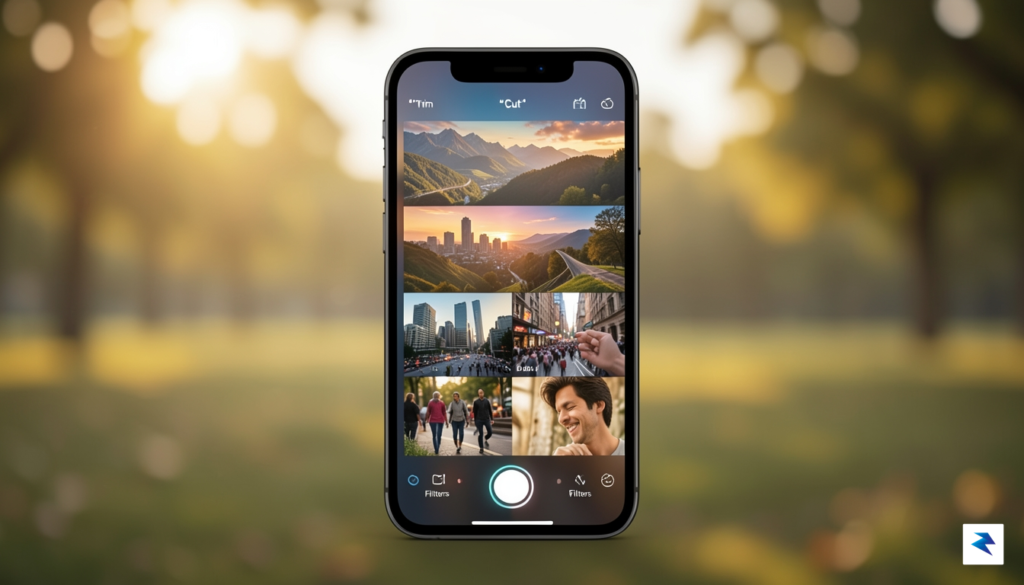
You must be logged in to post a comment.