
Grok 4.5 vs. GPT-5.5 vs. Claude: Which AI Actually Writes Better Code?
Introduction: The Modern AI Build-Off The landscape of artificial intelligence is shifting under our feet at a pace that makes yesterday’s…
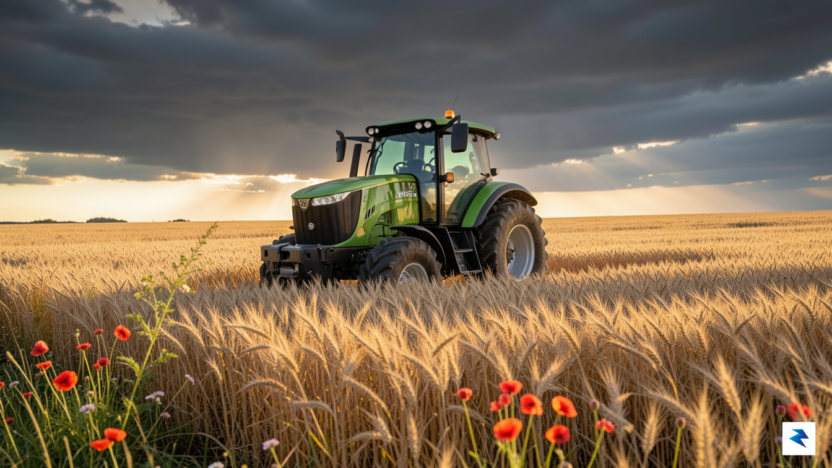
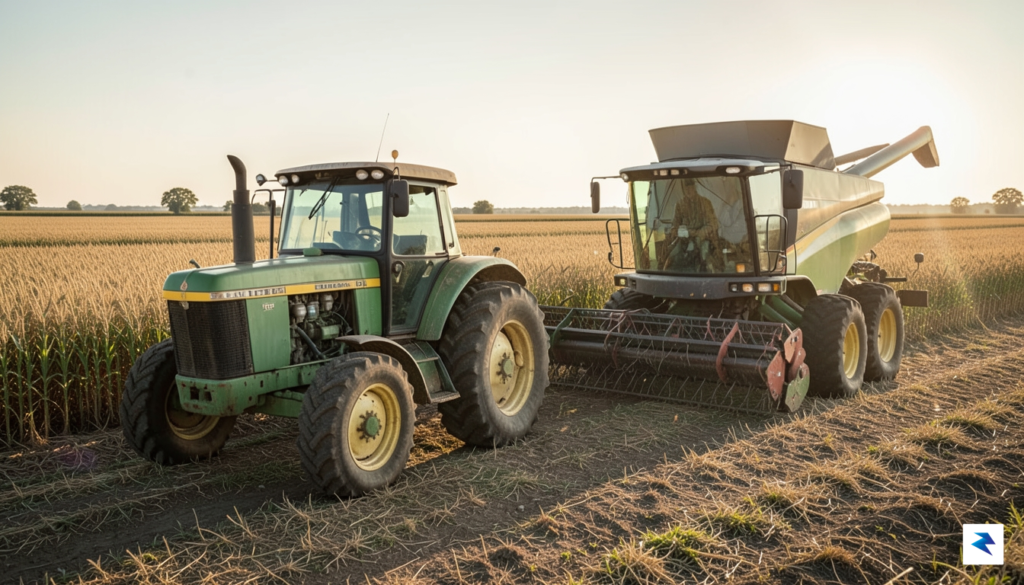
For generations, the American farmer was defined by an intimate, hands-on relationship with their machinery. Repairs were a rite of passage performed in the barn, where a wrench, a service manual, and a bit of ingenuity could solve almost any mechanical failure. In this era, ownership meant total dominion over one’s assets; if you bought a tractor, you possessed the absolute right to modify, maintain, and overhaul it as you saw fit. However, as the turn of the millennium brought rapid advancements in digital integration, the landscape of agricultural equipment underwent a seismic shift. Tractors evolved from purely mechanical beasts into sophisticated, software-heavy platforms governed by complex Electronic Control Units (ECUs), effectively turning field equipment into locked digital ecosystems.
This transition fundamentally altered the nature of ownership, moving it away from the traditional concept of physical property and toward a nebulous model of digital licensing. Manufacturers began utilizing proprietary software locks to restrict access to diagnostic ports and repair manuals, arguing that such measures were necessary to protect intellectual property and ensure safety. For the farmer, this meant that a simple sensor failure—once a manageable afternoon project—now required an authorized dealer visit, often involving expensive proprietary software tools and significant downtime. The friction between these corporate security measures and the practical, time-sensitive realities of harvest season created a growing divide, laying the groundwork for a burgeoning grassroots rebellion.
The “Right to Repair” movement emerged as a direct response to this systematic erosion of owner autonomy. What began as localized frustration among independent mechanics and family-run farms coalesced into a national advocacy effort, uniting diverse groups under the common goal of restoring traditional repair rights. Advocates argued that when a machine is essential to one’s livelihood, the manufacturer’s desire to control the repair market should not supersede the owner’s right to keep their equipment operational. This movement was never merely about tinkering; it was about economic survival in an age where digital barriers were increasingly used to stifle competition and enforce dealer-only servicing.
The core of the Right to Repair movement is the belief that ownership is meaningless if the owner is prohibited from maintaining the tools they rely on to feed the world.
Over the last decade, this grassroots pressure has forced a public reckoning regarding the limits of software licensing in the physical world. By challenging the legal and technical boundaries set by companies like John Deere, farmers and independent repair advocates have successfully shifted the narrative from a niche tech-policy debate to a mainstream issue of consumer rights. The recent FTC settlement serves as a milestone in this journey, signaling that the era of impenetrable, “black-box” equipment ownership is slowly drawing to a close, and that the power to repair is being returned, piece by piece, to those who work the land.

The recent agreement between the Federal Trade Commission (FTC) and John Deere represents a significant shift in the landscape of agricultural technology, effectively ending years of tension regarding equipment ownership. At the heart of this settlement is a legally binding memorandum of understanding that forces the manufacturer to dismantle the digital barriers that previously restricted farmers and independent mechanics from performing essential maintenance. Rather than relying solely on dealership-exclusive service centers, owners are now empowered by a framework that mandates transparency and open access to the proprietary systems that govern modern machinery.
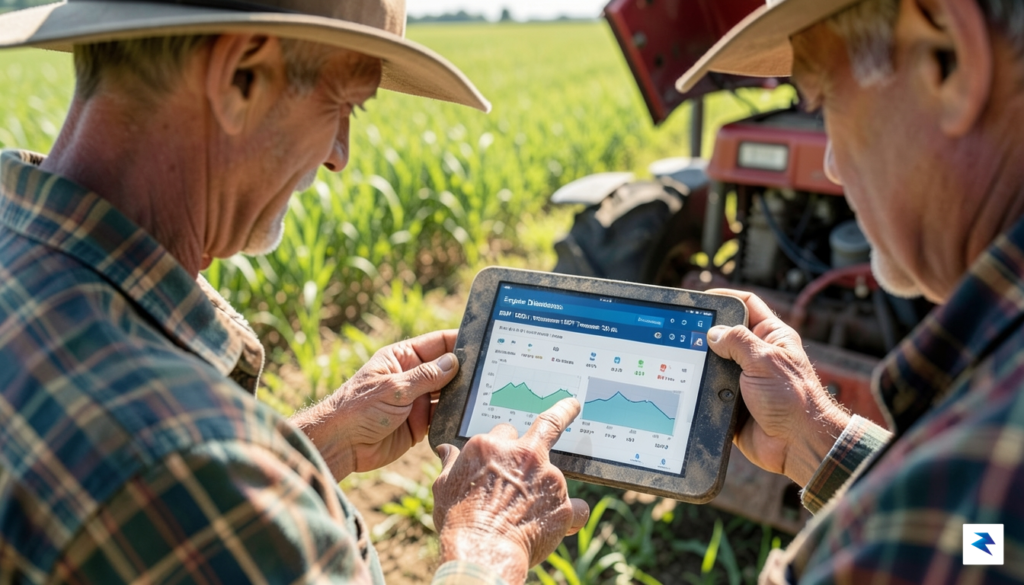
The core of the commitment centers on the release of “Service Advisor,” the sophisticated diagnostic software that was once guarded as a trade secret by John Deere dealerships. Under the terms of the settlement, the company is now required to provide owners and independent repair shops with the same diagnostic tools used by authorized technicians. This includes providing access to the software’s full suite of features, which allows users to read and clear fault codes, calibrate sensors, and perform routine updates that were previously locked behind software paywalls. By leveling this playing field, the agreement ensures that a mechanical failure no longer necessitates a costly tow to a remote dealership, allowing for more localized and efficient repairs.
“The settlement guarantees that owners of agricultural equipment have the right to access the software, diagnostic tools, and manuals necessary to keep their machinery operational without being shackled to a single-service provider.”
Beyond the software itself, the settlement imposes strict requirements regarding the availability of parts and technical documentation. John Deere must now ensure that owners have the same access to operator manuals, parts catalogs, and maintenance guides as authorized agents. Furthermore, the agreement mandates that these resources be maintained for the reasonable lifespan of the equipment, preventing the company from declaring older models “obsolete” to force unnecessary upgrades. This longevity clause is vital for the agricultural community, as many farmers rely on equipment that has been in service for decades. By codifying these obligations, the FTC has established a new baseline for the industry, ensuring that the right to repair is not merely a suggestion, but a legally enforceable standard that prioritizes the economic independence of the end-user.
For those working the land, time is the most valuable commodity, and the rhythm of the seasons waits for no one. In the past, a malfunctioning sensor or a software glitch during the height of planting or harvesting often meant days of forced inactivity, as farmers were tethered to the schedules of authorized dealership technicians. With the new provisions for right-to-repair, the operational landscape is shifting toward self-sufficiency. By gaining authorized access to the same sophisticated diagnostic tools and service manuals previously reserved for dealership staff, farmers can now troubleshoot and resolve common technical issues on-site. This shift significantly reduces the period of “planned downtime,” allowing agricultural operations to maintain their momentum and avoid the costly delays that ripple through an entire season’s harvest schedule.
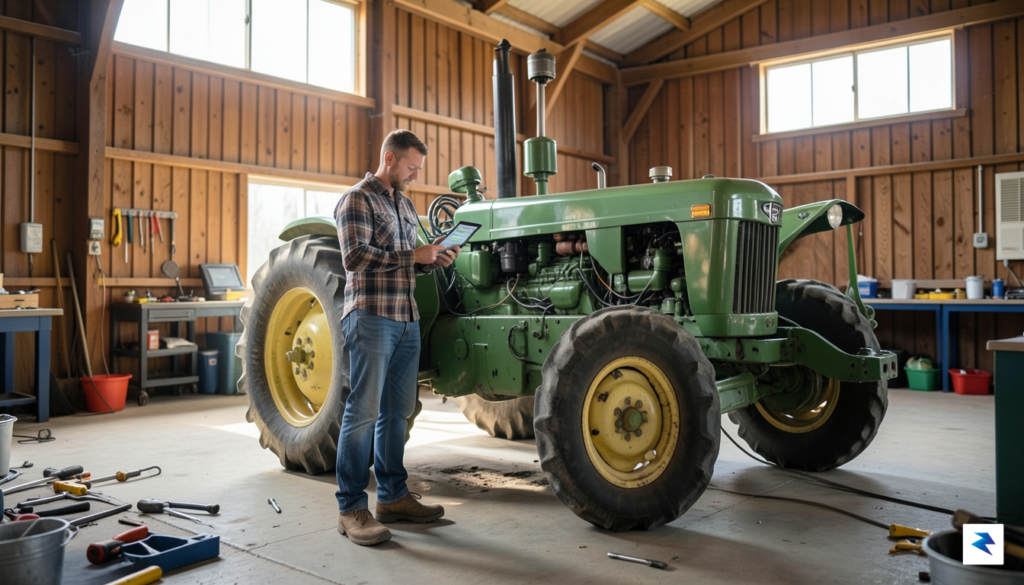
Beyond the immediate relief for equipment owners, this settlement acts as a massive catalyst for local, independent repair shops. For years, these essential community businesses were effectively locked out of the market by proprietary software locks and encrypted diagnostic ports that only official dealers could unlock. Now, these mechanics can finally offer comprehensive services, leveling the playing field and fostering a competitive market for parts and labor. This change not only keeps money circulating within the local rural economy but also ensures that there are more qualified hands available to keep the regional fleet running smoothly. When a local shop is empowered to fix a modern tractor, the entire farming community gains a reliable safety net that is geographically closer and often more responsive than a distant corporate dealership.
The core of this transition is the restoration of agency; by treating equipment owners as true owners, we ensure that the machinery serves the farmer, rather than the other way around.
Furthermore, the long-term implications for equipment longevity cannot be overstated. When software barriers prevent owners from performing routine calibrations or clearing minor fault codes, equipment is often left to sit idle or is operated inefficiently, leading to premature wear and tear. Access to comprehensive diagnostic data allows for proactive maintenance, enabling farmers to identify and address small mechanical anomalies before they escalate into catastrophic, high-cost failures. By integrating these diagnostic insights into their regular maintenance routines, operators can significantly extend the operational lifespan of their machinery. This transition ultimately leads to a more sustainable model of equipment ownership, where the focus moves away from constant upgrades and toward the endurance and reliability of the tools already in the shed.
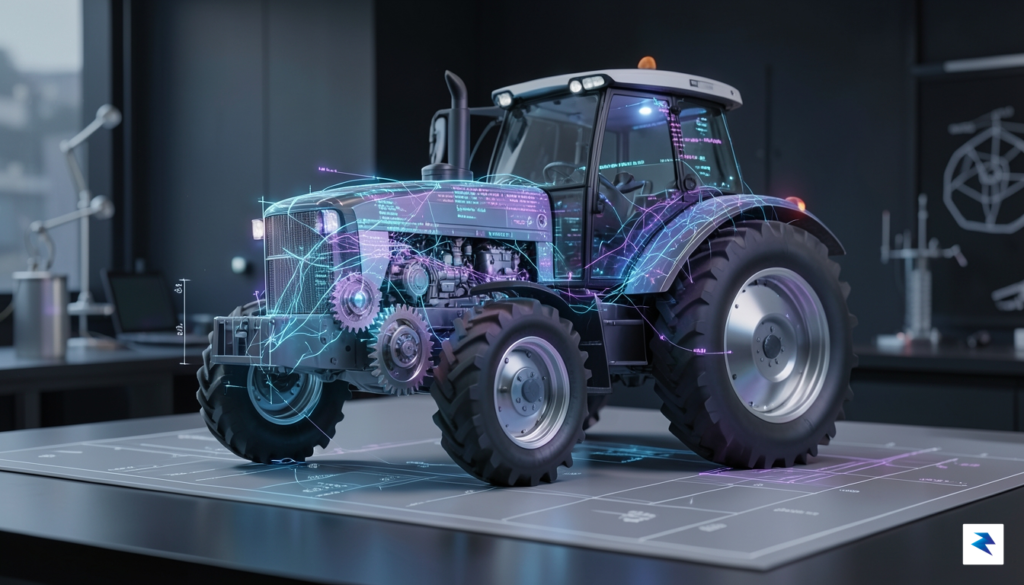
The resolution of the John Deere dispute marks a pivotal shift in the ongoing debate over what it truly means to own a piece of modern machinery. For decades, the rise of proprietary software has blurred the line between physical property and digital service, effectively turning tractors into rolling platforms rather than standalone tools. By forcing a more open approach to repair, the Federal Trade Commission has signaled that the era of “digital feudalism”—where manufacturers maintain total control over the lifecycle of a product long after the point of sale—is facing a significant legal and cultural reckoning. This precedent is not merely an agricultural victory; it serves as a foundational blueprint for other sectors, including consumer electronics, electric vehicles, and high-end medical devices, where similar software-locking practices have long frustrated consumers and independent repair technicians alike.
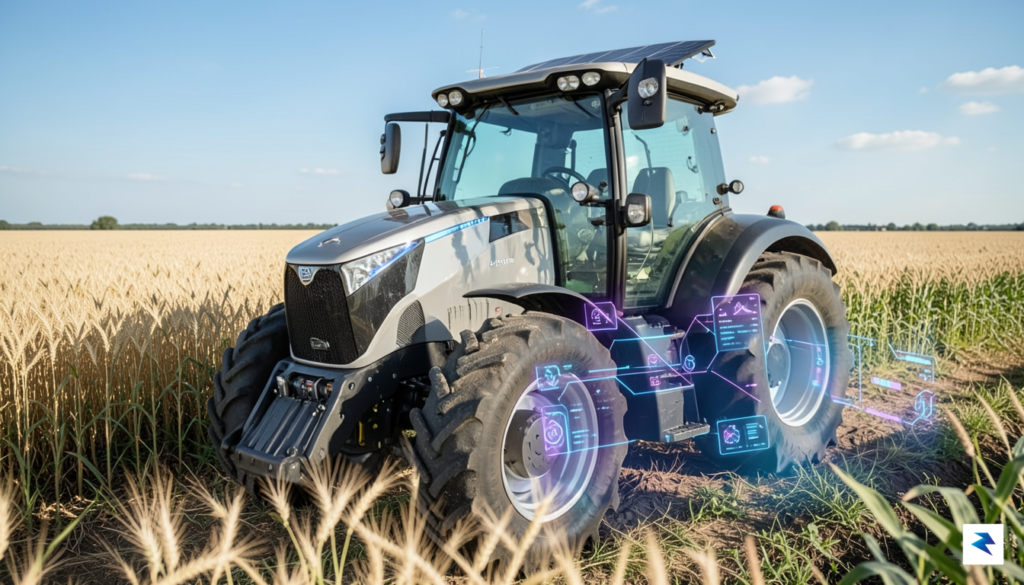
At the heart of this conflict lies a fundamental tension between product security and user autonomy. Manufacturers frequently cite cybersecurity risks and intellectual property protections as justification for restricting repair access, arguing that unauthorized modifications could compromise safety or emissions compliance. While these concerns are not entirely unfounded in an age of connected devices, they have often been used as a convenient veil to monopolize repair services and inflate aftermarket costs. The current movement toward the Right to Repair challenges this dynamic, suggesting that true ownership must include the freedom to diagnose, modify, and fix the hardware one has purchased. If consumers are to rely on sophisticated technology for their livelihoods, they must be empowered to maintain that technology without being tethered to a corporate ecosystem that can remotely throttle performance or dictate repair timelines.
True ownership in the 21st century requires that the digital keys to our property remain in our own hands, not locked behind the proprietary firewalls of the manufacturer.
Furthermore, the implications for sustainable agricultural practices cannot be overstated. In a global economy that is increasingly focused on reducing waste and extending the lifespan of industrial equipment, the ability to repair, refurbish, and maintain machinery is a pillar of environmental stewardship. When farmers are forced to discard functional equipment simply because of a software glitch that only a dealer can resolve, it creates an unsustainable cycle of consumption. By normalizing the right to repair, we are moving toward a more circular economy where the emphasis is placed on longevity and utility. As other industries observe this shift, we can expect a broader push toward modularity and open-standard diagnostics, ultimately ensuring that technological advancement serves the consumer’s interest rather than merely constraining their independence.
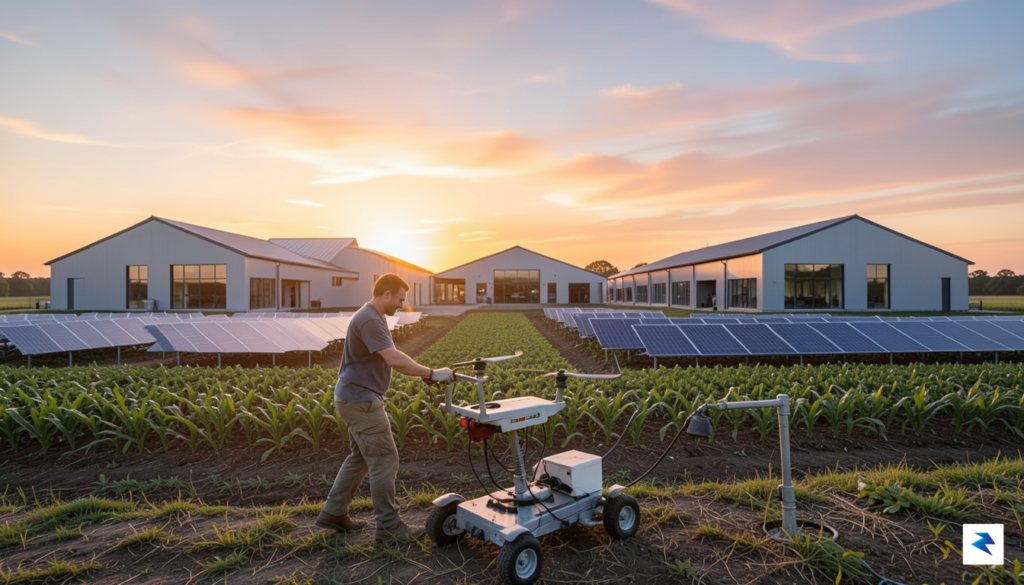
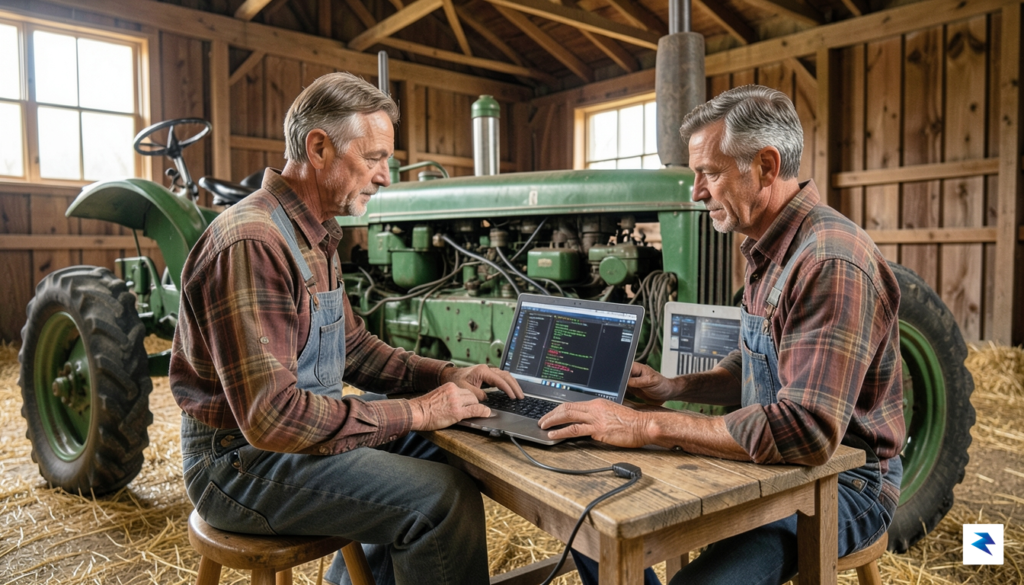
While the recent regulatory shifts represent a monumental win for the agricultural community, the practical application of these rights is not as simple as flipping a switch. Farmers are now stepping into a landscape where the equipment they own is increasingly defined by sophisticated, proprietary code rather than just mechanical gears and hydraulics. Mastering this shift requires a steep learning curve; operators must now transition from traditional wrenches to digital diagnostic tablets, navigating complex software interfaces that were previously locked behind manufacturer-controlled portals. This transition period will likely involve significant trial and error as independent shops and farm owners alike learn to interpret machine-generated data logs and calibrate sensitive electronic components without voiding their equipment’s operational stability.
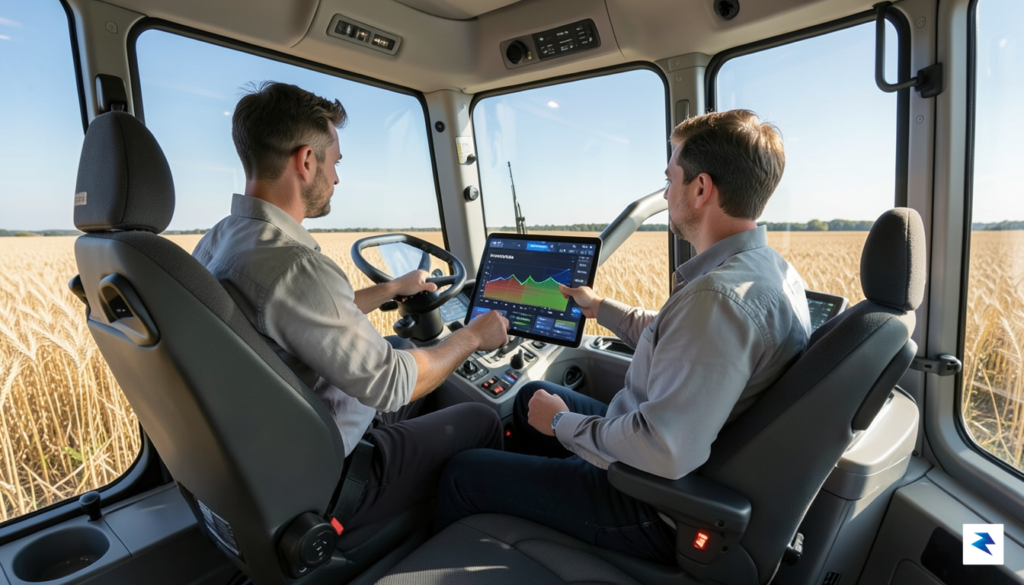
Beyond the immediate learning curve, the industry must grapple with the delicate balance between open access and cybersecurity. Modern agricultural machinery is essentially a mobile computer network, often integrated with GPS, automated steering systems, and precision farming data that, if compromised, could pose significant risks to both crop yields and operational security. Manufacturers are rightfully concerned that unauthorized software modifications could lead to safety hazards or, worse, create vulnerabilities that hackers could exploit to disable fleets of equipment. Consequently, the industry is searching for a middle ground where the “Right to Repair” does not become an open door for malicious actors to bypass safety protocols or alter emissions control systems that are mandated by law.
True progress in the equipment repair landscape depends on finding a sustainable equilibrium where digital transparency empowers the owner without compromising the integrity or safety of highly interconnected machinery.
Looking ahead, the path forward will require a renewed spirit of cooperation between the original equipment manufacturers and the agricultural community. Standardization remains the most significant hurdle; as it stands, each manufacturer uses different diagnostic protocols and proprietary software, which creates a fragmented environment for independent technicians. To ensure this movement succeeds, industry leaders must work toward creating universal diagnostic standards that allow for seamless repairs across various makes and models. If stakeholders can commit to transparent communication and shared technical resources, the future of farming will be characterized by greater self-reliance, reduced downtime, and a more resilient agricultural infrastructure that truly respects the farmer’s right to maintain their own livelihood.
You must be logged in to post a comment.