
AI IPOs Take Center Stage: Is Crypto Losing Its Institutional Edge?
The Great Capital Rotation: AI vs. Crypto The financial markets are currently witnessing a profound realignment of capital, a phenomenon often…
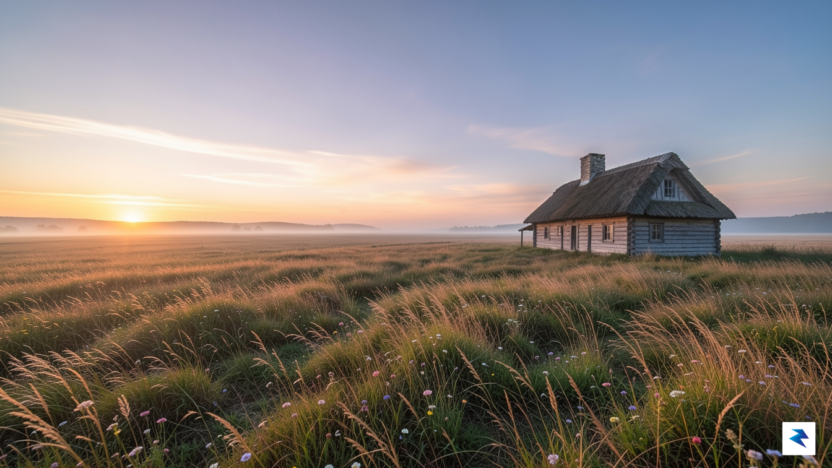
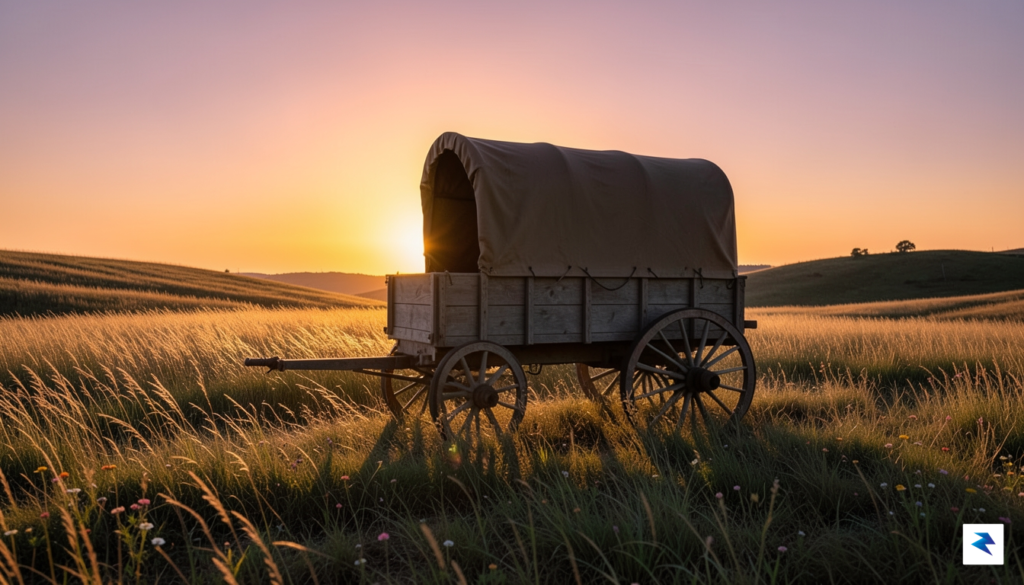
For generations, Laura Ingalls Wilder’s Little House on the Prairie series has functioned as the bedrock of American frontier mythology. These narratives—steeped in themes of rugged individualism, family resilience, and the relentless pursuit of the American Dream—have shaped how millions perceive the 19th-century Midwest. However, as cultural conversations have evolved, the idyllic, sepia-toned nostalgia long associated with the Ingalls family has faced increasing scrutiny. The upcoming Netflix adaptation represents a watershed moment for the franchise, signaling a departure from the sanitized comforts of previous iterations toward a more rigorous, historically nuanced exploration of the era.
The production team behind this new project faces the delicate task of honoring the source material’s emotional core while simultaneously broadening its lens to include the complex social realities that Wilder’s original books often bypassed. By shifting the focus from mere survivalist romance to a more grounded, objective examination of the frontier, the series aims to capture the authentic tension of westward expansion. This isn’t merely a stylistic update; it is an intentional recontextualization designed to invite 21st-century viewers into a world that is as morally ambiguous as it is physically demanding. In doing so, the show acknowledges that the “prairie” was not a blank canvas for heroic ambition, but a contested space defined by scarcity, displacement, and profound hardship.
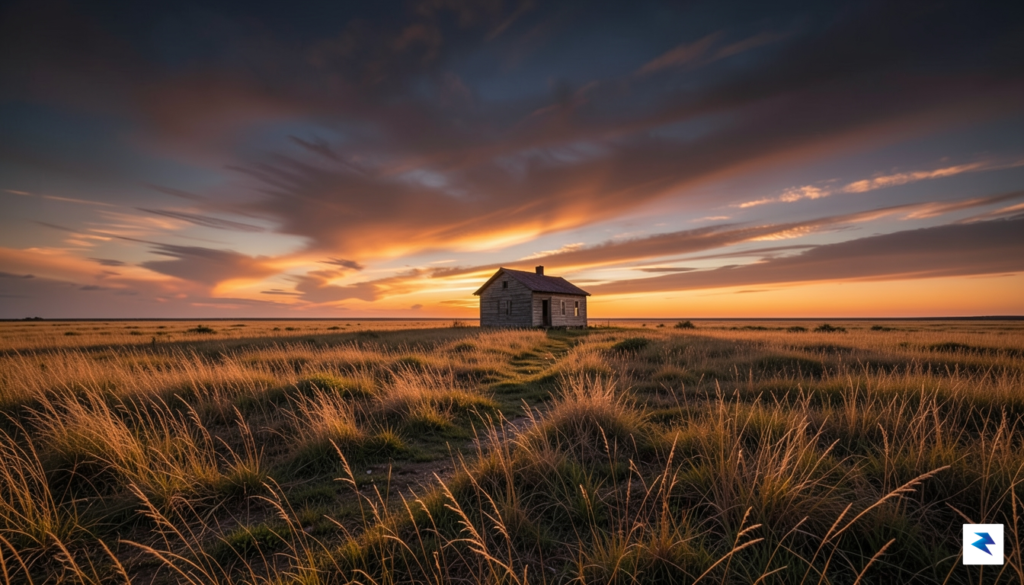
The true power of this adaptation lies in its refusal to look away from the grit of history, transforming a familiar childhood bedtime story into a sophisticated saga of human endurance.
Ultimately, this pivot toward a more comprehensive narrative scope serves to revitalize the franchise for a modern audience that demands greater transparency regarding the past. By weaving together the intimate, personal struggles of the Ingalls family with the broader geopolitical and social currents of the time, the series promises a richer, more multifaceted experience. This approach ensures that the “Little House” legacy remains relevant, proving that the stories of the frontier are most compelling when they are permitted to be as complicated and messy as the history they inhabit. As viewers prepare to return to the Big Woods, they should expect a prairie that feels less like a distant, romanticized memory and more like a visceral, living stage for the complexities of the human condition.
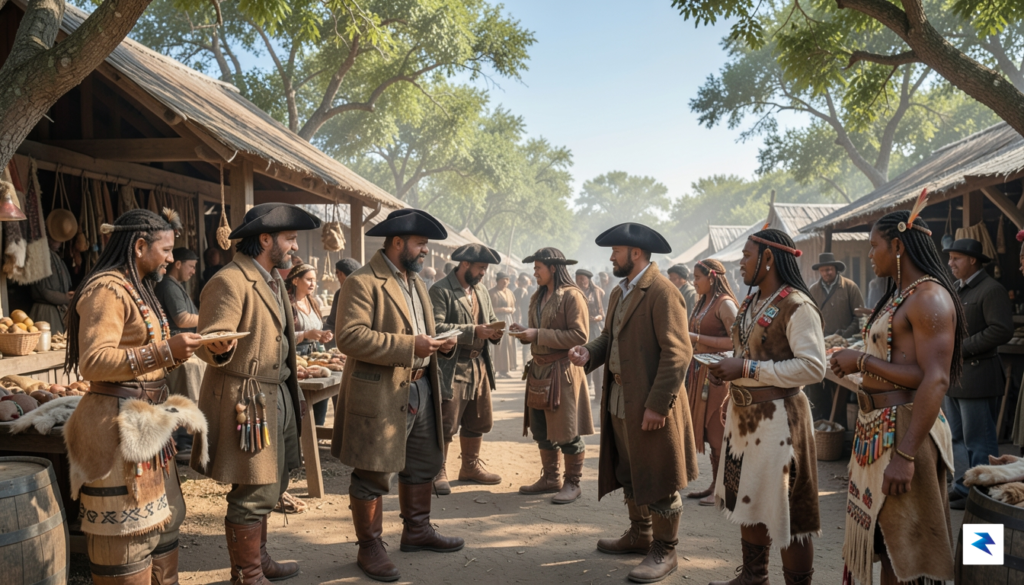
For generations, the classic depiction of the American frontier was filtered through a narrow, often monochromatic lens that suggested the West was a blank slate waiting only for the arrival of white settlers. This historical erasure largely pushed Black homesteaders, indigenous nations, and diverse migrant communities to the periphery, if not out of the frame entirely. By mythologizing a singular, monolithic experience, earlier iterations of the prairie narrative missed the profound complexity of territorial expansion. Reclaiming these stories is not merely an exercise in modern inclusivity; it is a necessary act of historical correction that acknowledges the actual, vibrant, and multifaceted human landscape that existed on the Great Plains.
The latest adaptation addresses this oversight by weaving Black and Native characters into the very fabric of the everyday prairie experience, rather than relegating them to guest roles or historical footnotes. By showcasing Black pioneers who braved the same harsh elements and environmental challenges as the Ingalls family, the narrative provides a more comprehensive view of the era. This shift underscores the reality that the pursuit of a new life in the West was a shared struggle across many racial and ethnic lines. Similarly, by centering Native perspectives, the series moves away from portraying indigenous people as mere obstacles to expansion, instead depicting them as stewards of the land with their own deeply rooted histories, distinct cultures, and legitimate claims to the territories being settled.
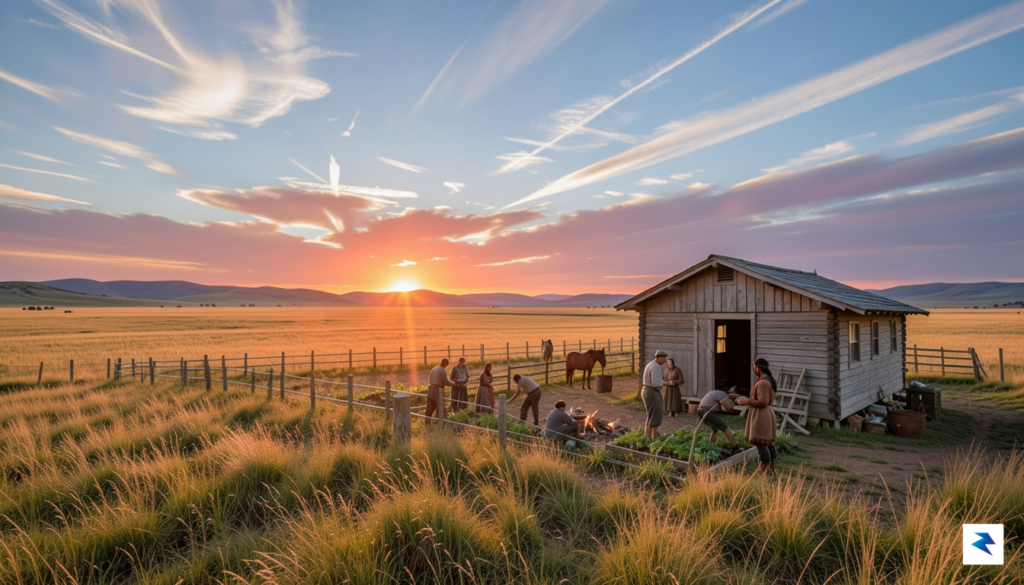
A significant achievement of this production is the intentional avoidance of tokenism. The writers have successfully integrated these arcs by ensuring that the new characters drive the plot forward through their own agency, struggles, and personal ambitions. Their inclusion feels organic to the setting because it was organic to history; their stories are not superimposed upon the setting but are instead essential components of the era’s turbulent growth. As one of the producers noted during development:
The goal was never to simply fill a quota, but to look at the historical map of the 19th-century frontier and realize that the map was always far more crowded, colorful, and contested than our childhood books ever led us to believe.
By deepening the narrative, the series invites contemporary audiences to engage with a more honest version of the past. It challenges viewers to confront the tensions of expansion while simultaneously celebrating the resilience of those who, regardless of their background, sought to carve out a home in an unforgiving environment. This broader perspective ultimately enriches the legend of the prairie, transforming it from a static, idealized memory into a dynamic, living history that resonates with the diversity of the modern world.
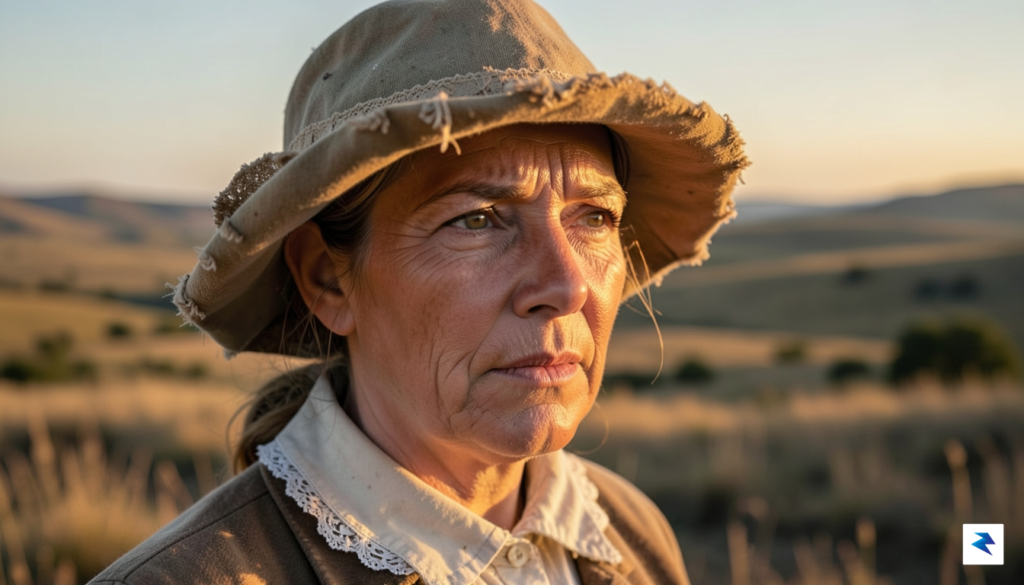
In the original Laura Ingalls Wilder canon, Caroline “Ma” Ingalls was frequently depicted as the bedrock of Victorian propriety, a woman whose stoicism and adherence to domestic decorum served as a moral compass for her wandering family. She was the patient seamstress and the quiet keeper of the hearth, often relegated to the background while Pa took the lead in the narrative’s adventurous spirit. However, the new adaptation breaks away from this traditional archetype, reimagining Ma not merely as a supportive spouse, but as a formidable matriarch whose agency is the literal lifeline of the Ingalls household. This modern interpretation shifts the focus from her passive endurance to her active, tactical decision-making, acknowledging the grueling labor and mental fortitude required to sustain a family on the unforgiving frontier.
One of the most striking departures in this series occurs during the family’s survival struggles, where Ma is no longer waiting for Pa’s instruction to navigate crises. Instead, the screenwriters have highlighted scenes where she independently manages agricultural logistics and negotiates with neighbors, demonstrating a sharp, pragmatic intelligence that challenges the romanticized veneer of pioneer life. By placing the weight of the family’s survival squarely on her shoulders, the series transforms her from a figure of domestic compliance into a primary strategist. This evolution is particularly evident in moments of crisis, such as during the harsh winter sequences, where Ma’s foresight regarding food rationing and resource management proves more critical to their long-term survival than the traditional hunting and gathering typically associated with the patriarch.
The strength of the frontier was not found solely in the strength of a man’s arm, but in the relentless, quiet calculation of the woman who ensured there was something to eat when the snow stopped falling.
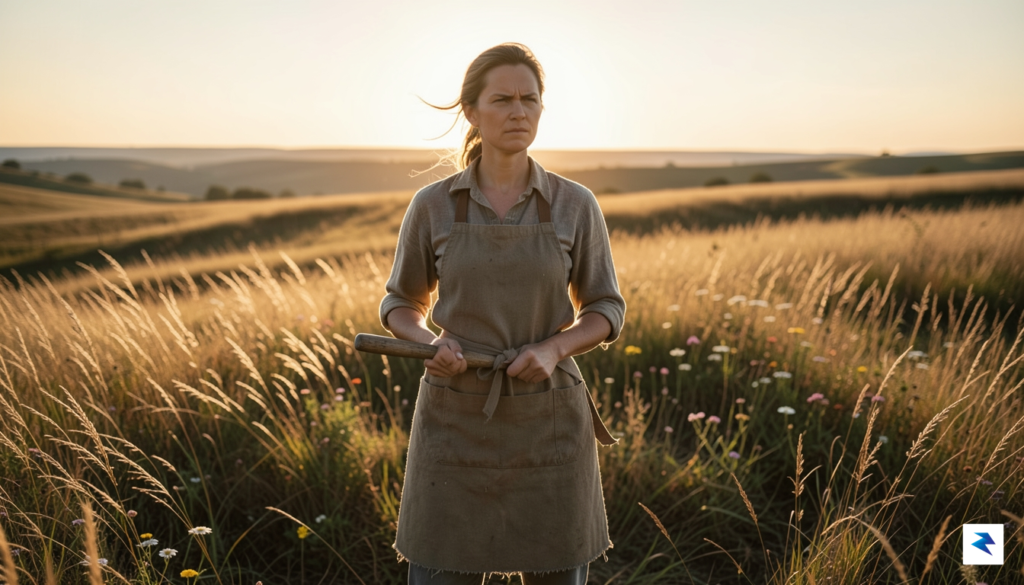
This reimagining resonates deeply with contemporary audiences who are eager to see historical narratives move beyond the narrow gender constraints of the past. By granting Ma a more robust voice and more tangible authority, the adaptation invites viewers to reconsider the roles women played in shaping the American West. Modern viewers are less interested in seeing a perfect, idealized mother figure and more invested in witnessing the complexities of a woman navigating the limitations of her time while asserting her own will. This shift in characterization doesn’t just update the story for a new generation; it restores a sense of historical agency to a character who was far more capable and essential than her literary predecessor was ever allowed to appear.

Revisiting Laura Ingalls Wilder’s iconic frontier narrative is a task that requires both profound reverence and a critical, unflinching eye. For generations, the Little House series has served as a cornerstone of American children’s literature, celebrated for its vivid descriptions of pioneer resilience and the warmth of the Ingalls family hearth. However, modern scholarship has rightly cast a long, necessary shadow over these tales, highlighting the pervasive prejudices, dehumanizing depictions of Indigenous peoples, and the glorification of Manifest Destiny that define the original text. The challenge for today’s creators is not to erase this history, but to engage with it directly, acknowledging that the very foundation of the story is built upon a worldview that necessitates correction and context.
The showrunners behind this new adaptation have adopted a thoughtful, editorial approach that treats Wilder’s prose as a living document rather than a static relic. Instead of sanitizing the narrative or ignoring the darker realities of the 19th-century frontier, the creative team has chosen to use the source material as a springboard for a more inclusive and historically honest conversation. By centering the experiences of those marginalized or erased in the original books—specifically the Osage people whose land the Ingalls family occupied—the series transforms the prairie from a blank canvas for white expansion into a complex, contested landscape. This method does not diminish the emotional core of the Ingalls family’s journey; rather, it anchors their personal struggles within the broader, often painful reality of American westward expansion.
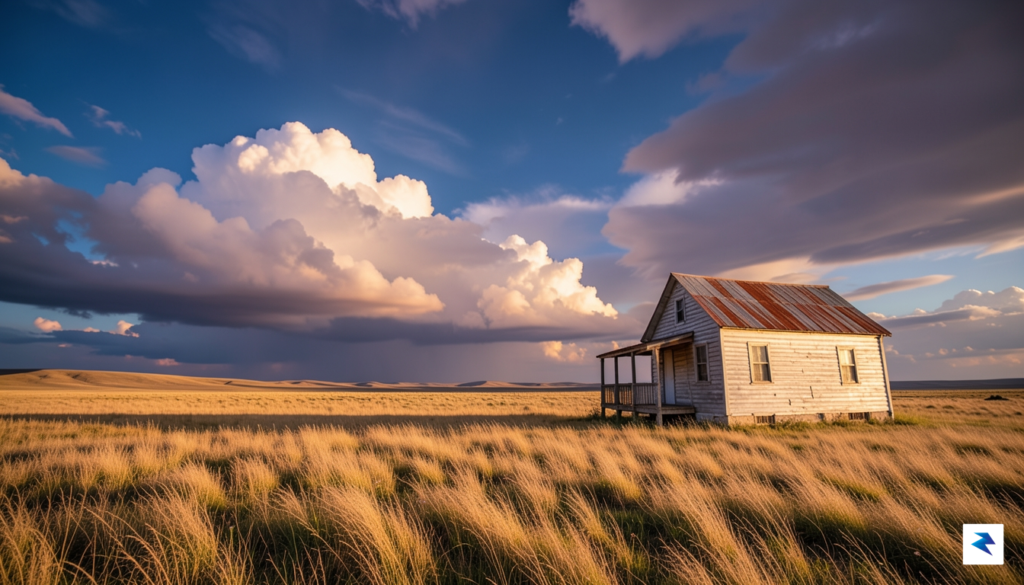
True adaptation lies in the ability to honor the heart of a story while stripping away the blind spots that hinder its relevance in a modern world.
Ultimately, this reimagining functions as a bridge between the nostalgia of the past and the demands of contemporary social consciousness. By weaving in historical counter-narratives, the series invites viewers to appreciate the storytelling craft of the original works while actively dismantling the biases that were once woven into the fabric of the pioneer myth. This delicate balance ensures that the prairie remains a place of exploration and growth, but one where the voices of all who inhabited that space are finally given the weight and dignity they were long denied. Through this lens, the adaptation does not merely retell a classic; it corrects the record, ensuring that the legacy of the frontier is understood in all its multifaceted, and often uncomfortable, complexity.
Reimagining a cultural touchstone like Laura Ingalls Wilder’s work is inherently a high-stakes endeavor, as the series occupies a sacred space in the collective childhood memories of millions. When creators choose to pivot away from traditional interpretations in favor of a more inclusive narrative, they are essentially walking a tightrope between honoring the spirit of the original text and addressing the glaring omissions of its past. This creative gamble inevitably invites a firestorm of debate, particularly from purists who equate historical accuracy with the preservation of the story exactly as it was first written. However, the production team seems to understand that to keep these stories alive, they must reflect the realities of the modern viewer rather than merely echoing the sentiments of the nineteenth-century frontier.
The tension between historical authenticity and modern storytelling is perhaps the most significant hurdle for this adaptation. Critics often argue that tempering the harsh, exclusionary realities of the pioneer era undermines the integrity of the historical setting. Conversely, the showrunners argue that by broadening the lens to include diverse perspectives that were historically present but systematically erased from the original narratives, they are actually providing a more comprehensive and honest portrait of the prairie. This intentional choice to court controversy is not merely for shock value; it is a deliberate attempt to engage with the uncomfortable truths of American expansionism, forcing the audience to grapple with a version of history that is more complex—and arguably more relevant—than the sanitized mythologies of the past.
Ultimately, the decision to modernize these stories serves a vital long-term purpose: ensuring that the “Little House” legacy does not become a relic trapped in time. By sparking a robust public conversation, the series forces a confrontation with our own nostalgia, challenging us to ask why we cling to certain versions of history and what we gain by expanding them. If the project succeeds, it will demonstrate that beloved classics are not fragile artifacts to be kept under glass, but living, breathing entities capable of growth. By inviting a global and diverse generation into the world of the Ingalls family, the creators are betting that the audience is ready to move past the comfort of the familiar to embrace a broader, more truthful understanding of the pioneer experience.
The true value of a classic lies not in its resistance to change, but in its ability to spark new conversations that bridge the gap between our history and our future.
This bold approach transforms the prairie from a static, idealized stage into a dynamic environment where themes of resilience, community, and identity can be explored through a contemporary lens. While the backlash from die-hard fans may be swift, the potential reward is far greater: a revitalized narrative that resonates with the complexities of the modern world. By prioritizing nuance over nostalgia, this adaptation isn’t just updating a story; it is inviting a whole new generation to see themselves within the vast, sprawling history of the American frontier.
You must be logged in to post a comment.