
Is the $800 Beni Robot Dog the Future of Content Creation?
The Evolution of Robotic Companions: Beyond the Toy For decades, the promise of personal robotics largely remained a futuristic fantasy, or…

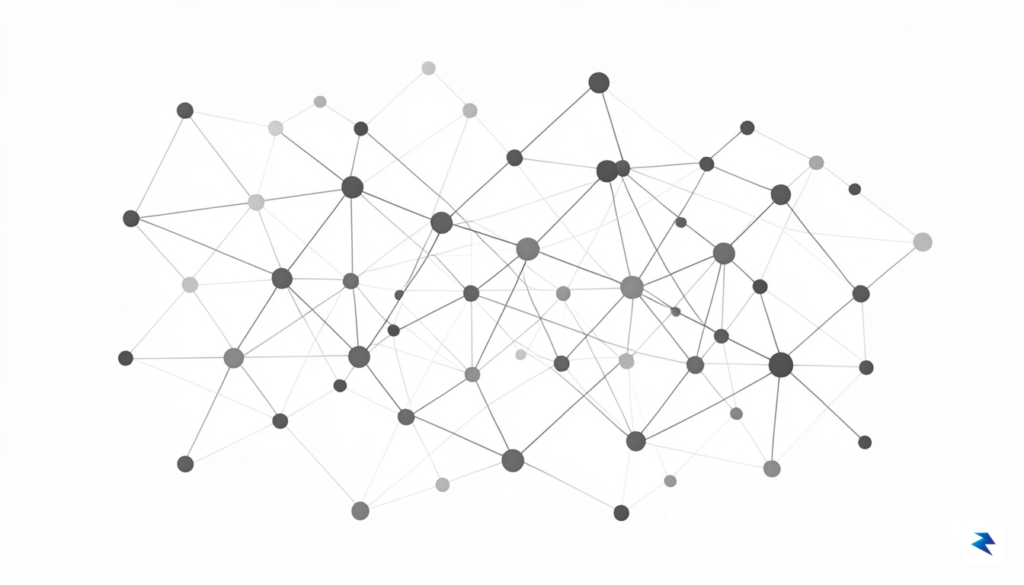
What began as a modest, experimental initiative under the name “Birdwatch” has rapidly matured into the most critical infrastructure for information verification on X. Initially conceived as a niche project to combat misinformation through decentralized, crowd-sourced oversight, the system relied on the premise that collective intelligence is more effective than centralized moderation. By allowing a diverse group of contributors to append context to potentially misleading posts, X shifted the burden of truth away from opaque corporate algorithms and placed it squarely into the hands of the user base. This transition was not merely a rebranding effort; it represented a fundamental pivot in how the platform views its responsibility toward maintaining a factual discourse in a digital age increasingly plagued by viral falsehoods.
The platform’s commitment to this model has only intensified as the digital landscape has become more polarized and fast-paced. X has clearly identified Community Notes as its primary mechanism for “truth-seeking,” effectively doubling down on the idea that users are best equipped to police their own environment when provided with the right tools. By incentivizing accuracy through a reputation-based scoring system, the platform has managed to foster a degree of self-correction that traditional legacy media outlets struggle to replicate at scale. This strategy relies heavily on the transparency of the process, where contributors must cite external evidence to support their claims, ensuring that the notes are not merely personal opinions but are grounded in verifiable reality.

Despite its success, the system faces a significant operational hurdle: the “lag time” between a post’s initial viral explosion and the emergence of a helpful note. Because the current verification process requires a consensus among contributors with diverse viewpoints, it can take hours, or sometimes days, for a note to reach the threshold required for public visibility. During this window of latency, misinformation can spread rapidly, reaching millions of users and cementing false narratives before the corrective context is ever applied. Critics have long argued that a correction provided after the damage is done holds far less weight than the initial, sensationalized claim.
The true value of an information ecosystem is not just the accuracy of its content, but the speed at which that accuracy can be restored once a falsehood begins to circulate.
To address this critical gap, X is now exploring more proactive methods to ensure that users are not left in the dark once a correction finally arrives. By integrating direct notifications into the user experience, the platform is attempting to bridge the gap between “viral exposure” and “post-correction awareness.” This evolution suggests that X recognizes the limitations of passive observation; simply having a note exist on a post is no longer enough if the people who initially engaged with that misinformation never return to see the updated context. Through this new notification strategy, the platform aims to reclaim the ground lost to viral speed, ensuring that the truth catches up to the lie, even if it arrives a few steps behind.

The proposed notification system represents a significant shift in how X handles misinformation and content accuracy, moving away from passive observation toward active user engagement. When a piece of content is flagged and subsequently corrected through the platform’s community-driven fact-checking mechanisms, the system will trigger an automated direct message to any user who previously interacted with that post. Engagement, in this technical context, is defined broadly to include any form of meaningful participation, specifically likes, replies, or reposts. By capturing the entire spectrum of interaction, the platform ensures that users who helped amplify potentially inaccurate information are directly informed of the context adjustment.
Technically, this process relies on a sophisticated indexing system that tracks user interaction history against the metadata of flagged posts. Once a correction is published and verified, the platform’s backend processes will cross-reference the unique identifiers of the affected post with the database of users who engaged with it. These notifications will be delivered directly to the user’s inbox rather than appearing as a standard push notification or a banner on the timeline. This design choice aims to create a more private, personalized feedback loop, ensuring that the correction reaches the user in a space where they are accustomed to reading detailed information.
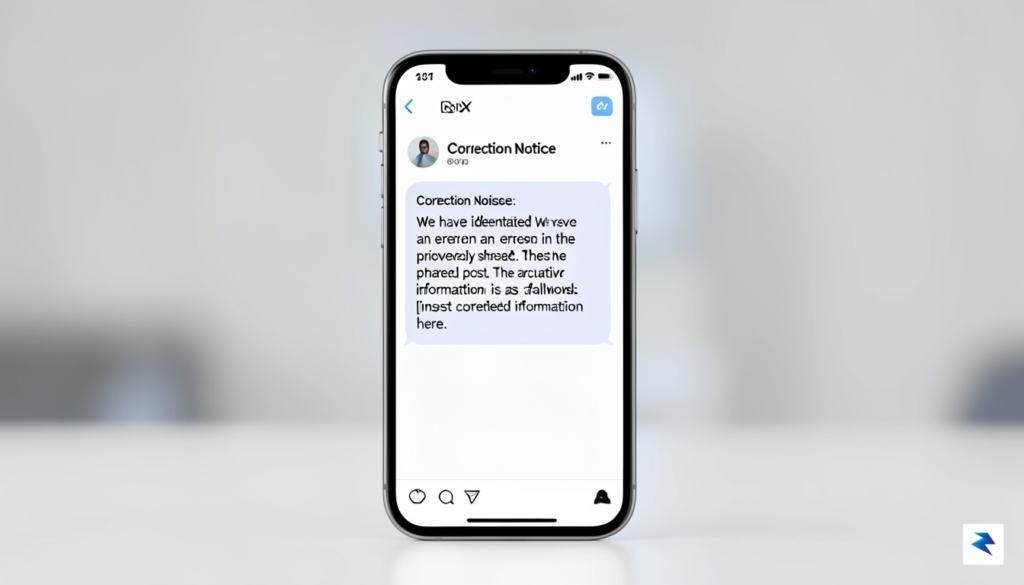
Privacy and user experience remain at the forefront of the implementation strategy. Because direct messages are typically reserved for private correspondence, the platform must strike a balance between providing necessary context and avoiding the feeling of an intrusive “digital reprimand.” While specific details on the opt-out mechanisms are still evolving, early indications suggest that these alerts will likely be mandatory for all users to ensure the integrity of the information ecosystem. This approach treats corrections not as optional updates, but as essential metadata that should follow the content wherever it travels. By integrating these alerts into the DM structure, X is effectively forcing a re-engagement with the corrected version of the story, which may help mitigate the spread of viral misinformation after the initial damage has been done.
The core objective of this feature is to close the misinformation gap by ensuring that transparency is delivered directly to those who were previously influenced by inaccurate content.
Ultimately, this technical infrastructure serves as a proactive layer of accountability. Rather than waiting for a user to stumble upon a follow-up post or a correction notice on the original thread, the system ensures the information is brought directly to the user’s attention. This transition from a passive, feed-based model to a proactive, direct-notification model could prove vital in curbing the rapid dissemination of falsehoods. As the feature rolls out, the success of this initiative will depend on how effectively the system differentiates between malicious misinformation and simple human error, as well as how users respond to receiving corrections in their private message folders.


Integrating proactive notifications into the user experience represents a significant shift in how social platforms handle the lifecycle of information. By pushing corrections directly into a user’s inbox, the platform is essentially inserting itself into the private, one-on-one communication space, which is a departure from traditional feed-based moderation. This strategy forces a delicate balance: while it undeniably bolsters the platform’s integrity by ensuring users are not misled by outdated or false claims, it also risks creating a sense of digital intrusion. Users often view their direct messages as a sanctuary for personal connection, and the arrival of an automated system alert could be perceived as jarring, potentially leading to a feeling of being “policed” rather than simply informed.
The psychological impact of these alerts cannot be ignored. Receiving a notification that explicitly states a post you previously engaged with—perhaps a post you liked or shared—has been flagged as incorrect can be inherently confrontational. It may trigger a defensive reaction, as users are asked to re-evaluate their own judgment or the quality of the content they chose to amplify. To mitigate this friction, the language used in these automated messages must be strictly neutral and objective. If the phrasing feels accusatory or biased, it could alienate the user base, leading to “notification fatigue” where users begin to tune out these messages entirely or, worse, develop a sense of resentment toward the platform’s editorial oversight.
The effectiveness of this feature will ultimately depend on its precision; if the system triggers corrections for subjective matters or minor discrepancies, it risks undermining the very credibility it aims to build.
Furthermore, there is a tangible risk to engagement metrics. In a fast-paced environment where social media thrives on rapid reaction, pausing to digest a correction may disrupt the flow of consumption. If users are bombarded with too many DM alerts, the platform might inadvertently discourage the very interactions it relies on, as individuals become hesitant to engage with content for fear of being corrected later. To succeed, X must ensure that these messages add genuine value to the user experience rather than acting as a constant, intrusive reminder of past errors. Transparency is key, but it must be delivered in a way that respects the user’s agency and maintains the fluidity of the digital conversation.

While innovative approaches like direct notifications for corrected posts aim to improve accuracy, they often grapple with a more fundamental and persistent adversary: speed. In the high-velocity world of social media, particularly on platforms like X, information—and misinformation—can travel across global networks in mere seconds. This instantaneous dissemination creates an immense challenge for any corrective measure, no matter how well-intentioned or technologically advanced. The core question remains whether any system, even one powered by a vast crowd, can realistically outpace the viral nature of a post that explodes across timelines before a single fact-check has even been initiated.
The concept of a “first-mover advantage” is incredibly potent in the realm of online narratives. False or misleading information, often designed to be sensational or provocative, frequently captures public attention long before diligent fact-checkers or community notes can even begin to scrutinize its veracity. By the time a correction is published or a crowdsourced note is applied, the initial, incorrect impression has already been deeply ingrained in the minds of countless users. Unraveling this ingrained belief becomes exponentially harder than preventing its initial spread, as cognitive biases often lead people to cling to the first information they encounter, even when presented with compelling evidence to the contrary.
Moreover, the reliance on volunteer-based moderation, while democratic in spirit, comes with inherent limitations. Crowdsourced fact-checking systems depend on the collective effort, availability, and expertise of a diverse user base. However, this pool of volunteers is not always uniformly active, equally knowledgeable, or entirely free from bias. There are often significant delays in review times, especially for less prominent posts or during periods of high platform activity. Furthermore, the sheer volume of content generated daily can easily overwhelm even a dedicated community, leading to a backlog of unverified claims that continue to circulate unchecked, amplifying their potential harm.
The potential for these systems to be “gamed” or manipulated also presents a significant vulnerability. Malicious actors, state-sponsored entities, or even organized groups with specific agendas could potentially coordinate efforts to unfairly downvote accurate community notes, amplify misleading ones, or simply flood the system with so much content that legitimate fact-checkers are drowned out. This strategic exploitation can erode trust in the crowdsourced mechanism itself, rendering it ineffective or even counterproductive. The battle against misinformation then transforms into a battle for control over the very tools designed to combat it.
Consequently, while algorithmic flags and crowdsourced efforts are invaluable first lines of defense, they remain an imperfect solution. Manual human review, conducted by trained experts and journalists, continues to be a necessary, albeit slower, companion to these automated and community-driven processes. These experts can handle nuanced contexts, understand complex narratives, and identify sophisticated disinformation campaigns that might bypass algorithms or overwhelm volunteers. However, the inherent slowness of expert human review means it simply cannot match the breakneck speed of viral content, leaving a persistent gap between the moment misinformation spreads and when it can be definitively corrected. Bridging this gap remains one of the most formidable challenges facing social media platforms today.

The transition toward a proactive notification model marks a significant evolution in how platforms manage information integrity. By alerting users directly when content they have interacted with is flagged or corrected, X is moving away from the role of a centralized, top-down arbiter of truth and toward a decentralized, community-driven ecosystem. This model hinges on the belief that collective intelligence can outperform static, bureaucratic moderation teams. If this system scales effectively, it suggests a future where digital literacy is not just a personal responsibility, but a collaborative process reinforced by platform-level infrastructure. However, the long-term sustainability of this approach depends heavily on the platform’s ability to maintain high-quality participation and prevent the weaponization of the reporting process itself.

Looking ahead, the integration of artificial intelligence will likely become the force multiplier for these community-driven efforts. We can anticipate a future where AI-assisted tools help surface potential misinformation in real-time, providing Community Note contributors with relevant, high-quality data to verify claims more rapidly. By automating the heavy lifting of fact-checking—such as cross-referencing citations or identifying logical fallacies—AI could significantly reduce the time between a post’s publication and the appearance of a helpful correction. This synergy between human judgment and algorithmic precision could set a new industry standard, effectively turning every user into a more informed participant in the digital discourse.
The true strength of the crowdsourced model lies not in the infallibility of the individual, but in the rapid, iterative refinement of the collective consensus.
Ultimately, these developments signal a fundamental shift in the social contract between tech companies and their users. Rather than relying on opaque black-box algorithms to shadow-ban or censor content, platforms are choosing to prioritize transparency and user agency. This shift empowers individuals to make better-informed decisions about the content they consume and share, effectively fostering a more resilient online environment. As this model matures, the broader implication is clear: the future of digital literacy will be defined by platforms that provide the tools for communities to self-correct, thereby creating a more nuanced and accurate reflection of global discourse without the need for heavy-handed institutional interference.
You must be logged in to post a comment.