How to Disable Music Videos and Canvas on Spotify for a Better Experience
Why Spotify’s Video-First Approach Can Disrupt Your Listening Experience Over the past few years, Spotify has undergone a significant…
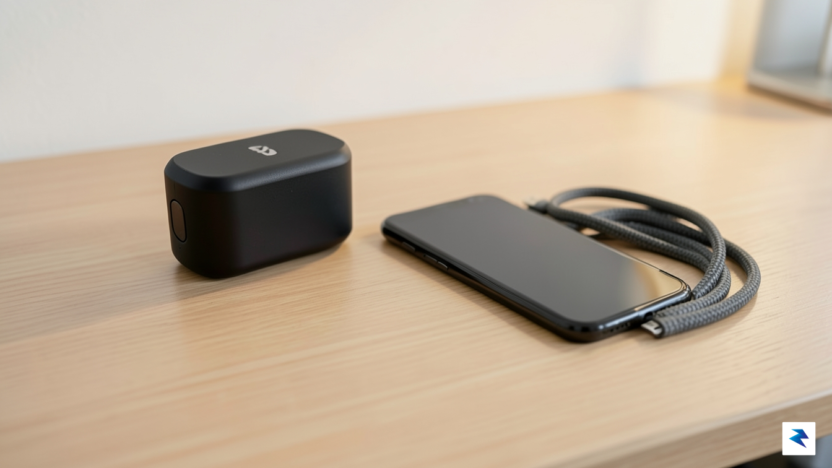
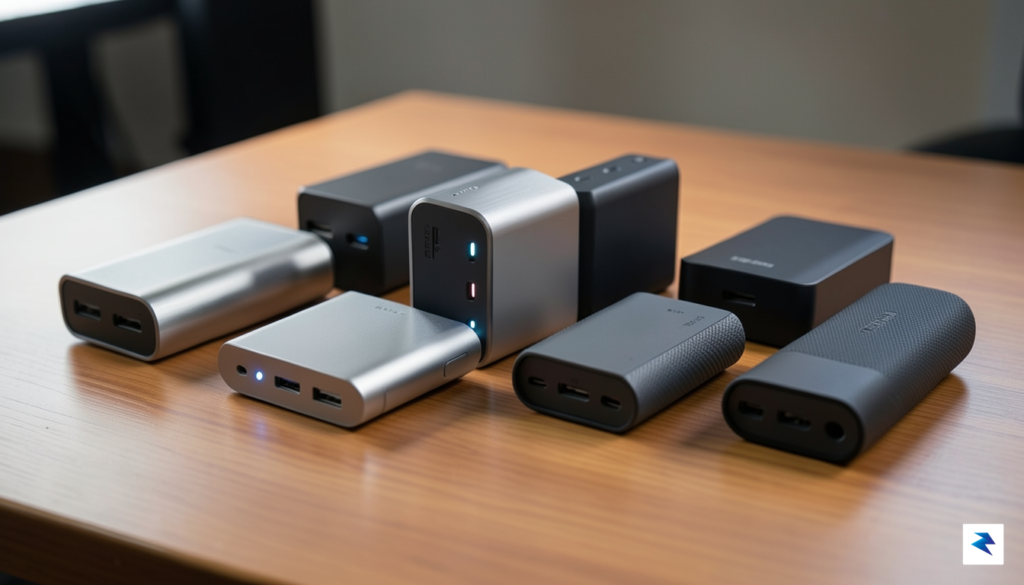
When searching for a new portable power source, it is tempting to simply look for the largest capacity number on the box. However, capacity is only one piece of a much larger puzzle. To truly find the right charger, you must first audit your hardware ecosystem. Charging a modern smartphone, which typically sips power at 20 to 30 watts, is a vastly different task than providing the sustained, high-voltage delivery required to power a professional-grade laptop or a handheld gaming console like the Steam Deck. Relying on a standard “phone-only” power bank for these high-demand devices often results in frustration, as the bank may fail to provide enough wattage to maintain a charge while the device is in use, or it might not trigger the fast-charging protocols necessary to avoid a multi-hour wait.
The most common point of confusion for consumers lies in the distinction between milliampere-hours (mAh) and Watt-hours (Wh). While manufacturers prioritize mAh because the number looks larger on packaging, Watt-hours actually provide a more accurate representation of the total energy storage available. Watt-hours are calculated by multiplying the battery’s capacity by its nominal voltage, and they are the standard metric used by airlines to determine if a battery is safe for air travel. Understanding this distinction is vital because a 20,000 mAh battery might sound massive, but if its voltage output is low, it will struggle to push the necessary energy into a device that demands high power delivery (PD) standards.
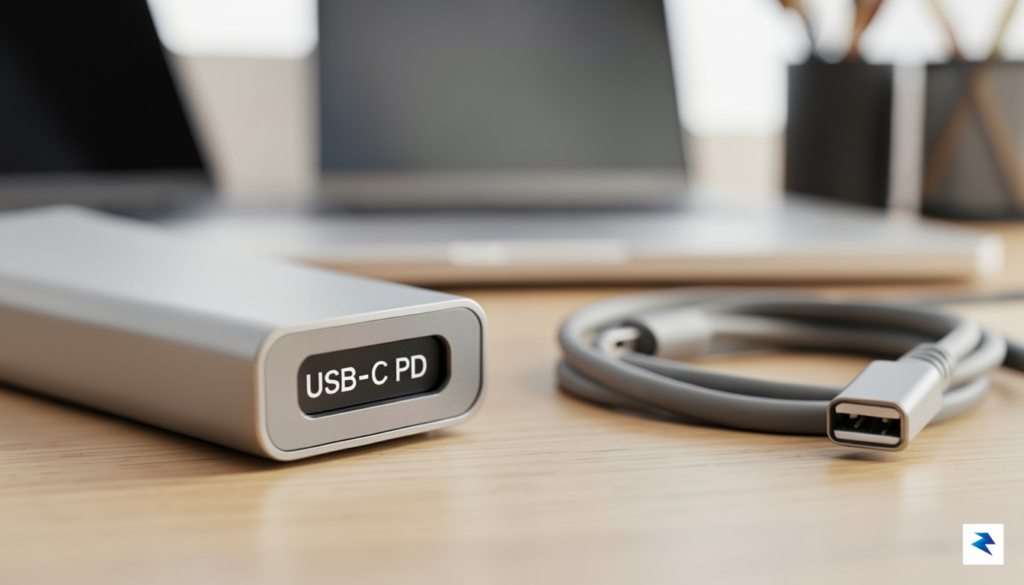
Key Takeaway: Always check the “Power Delivery” (PD) rating of a power bank. If you intend to charge a laptop, ensure the output supports at least 65W, as anything less may charge the device painfully slowly or not at all while it is powered on.
Furthermore, you must consider the relationship between your device’s internal battery architecture and the power bank’s output capability. High-demand devices like MacBooks and gaming handhelds require a “handshake” between the charger and the device to negotiate the correct voltage and amperage. If your power bank lacks the necessary PD protocols, it will revert to a basic, low-speed charging mode, effectively wasting your time. When you are frequently away from a wall outlet, this inefficiency is more than just an inconvenience; it can mean the difference between staying productive on a flight or ending up with a dead device mid-task. By aligning your power bank’s output specifications with the peak requirements of your most demanding hardware, you ensure that your gear stays functional exactly when you need it most.
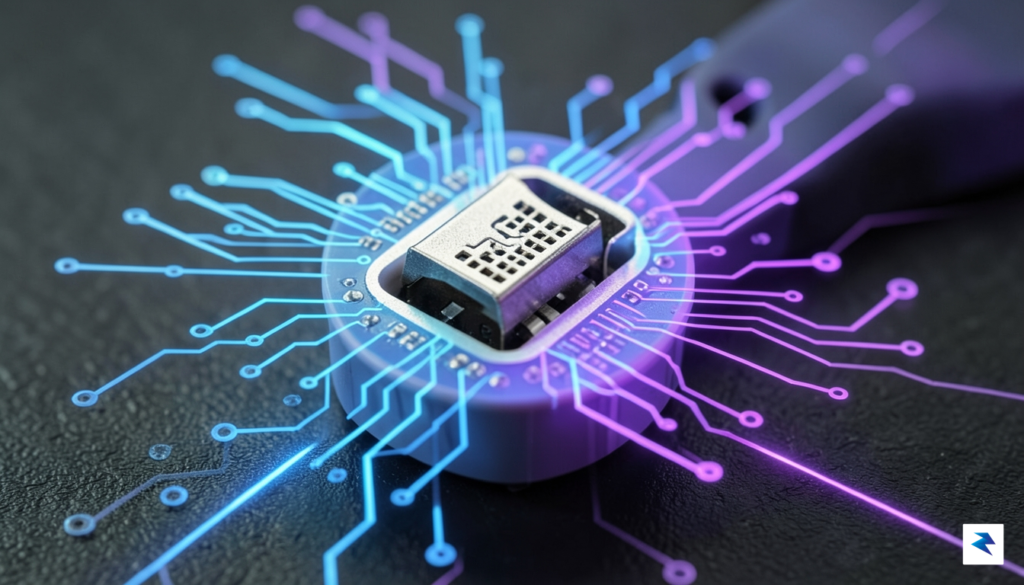
When you start shopping for a portable charger, the sheer volume of acronyms can feel like navigating a foreign language. However, decoding these labels is the single most effective way to ensure you aren’t stuck with a brick that takes all night to charge your phone. At the heart of today’s ecosystem is USB Power Delivery (PD), which is essentially the gold standard for universal charging. Unlike older charging methods that relied on fixed voltages, PD negotiates with your device to determine exactly how much power it can safely handle. This “handshake” allows the power bank to ramp up the wattage to its maximum capacity, potentially refilling your phone from empty to 50% in under thirty minutes, provided your device is compatible.
While PD provides the foundation, Programmable Power Supply (PPS) is the refinement that makes modern fast charging feel seamless. If Power Delivery is the highway, PPS is the intelligent cruise control that adjusts the voltage and current in real-time increments. By constantly fine-tuning the energy flow, PPS prevents your battery from overheating and reduces the wear and tear that typically occurs during rapid charging cycles. This is particularly vital for newer smartphones that are highly sensitive to thermal fluctuations; without PPS, your device might throttle its charging speed prematurely to protect itself from excessive heat.
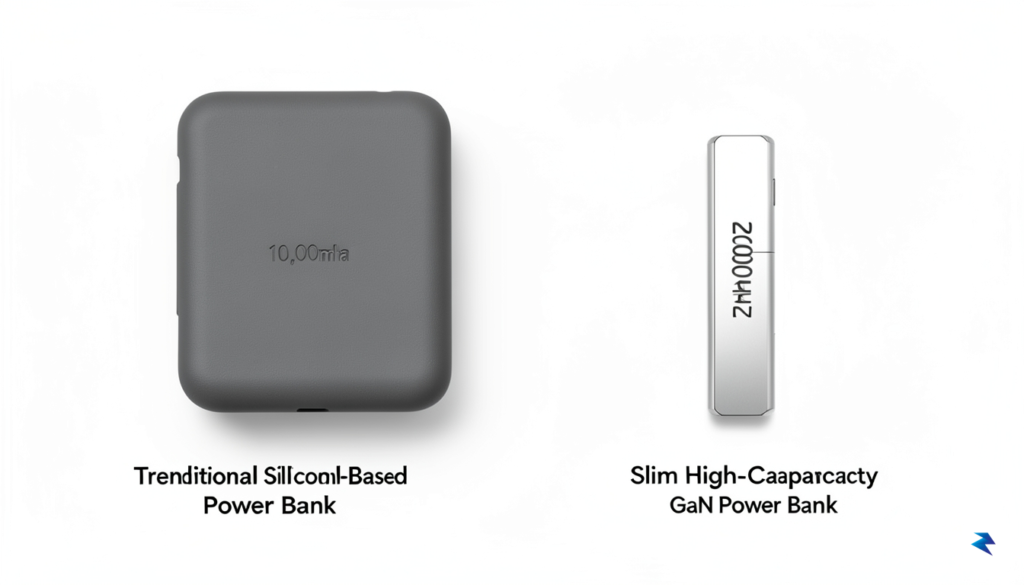
Beyond the charging protocols, the physical build of your power bank is likely powered by Gallium Nitride (GaN) technology. For years, chargers relied on silicon, which is functional but prone to generating heat and requiring bulky components to manage that thermal load. GaN replaces silicon to allow for much higher efficiency in a significantly smaller footprint. Because GaN semiconductors handle electricity with far less resistance, they lose less energy as heat, allowing manufacturers to pack massive capacity into chargers that easily fit in your pocket. Choosing a GaN-based power bank isn’t just about saving space; it’s about getting a more durable, cooler-running device that doesn’t waste energy during the conversion process.
To maximize your charging experience, always look for the combination of PD 3.1 compatibility and PPS support. This pairing ensures that your charger remains future-proofed for the next generation of high-speed electronics while maintaining optimal battery health for your current devices.
Ultimately, these specifications are not just marketing fluff designed to inflate the price of a unit. They represent a fundamental shift in how we manage portable energy. By prioritizing power banks that utilize GaN for efficiency and PD with PPS for intelligent power delivery, you are investing in a reliable companion that respects your time and protects your hardware. When you ignore these technical details, you risk buying outdated technology that may fail to trigger the fast-charging modes your high-end devices require, leaving you tethered to a wall outlet far longer than necessary.
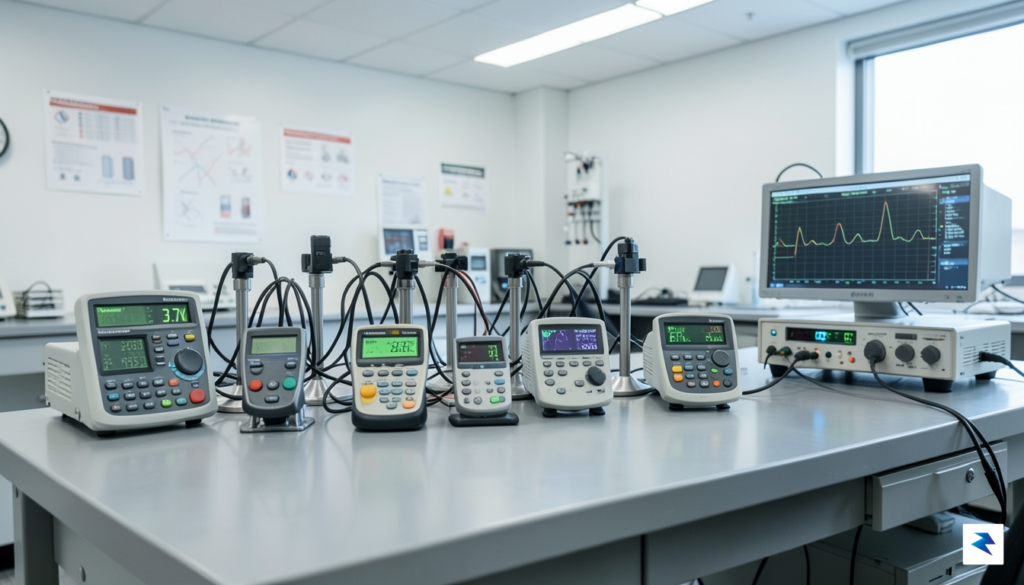
When shopping for a portable charger, the temptation to opt for the cheapest model found on a marketplace can be dangerous. A power bank is essentially a high-density brick of chemical energy, and when manufactured without rigorous quality control, it poses a legitimate fire hazard. Reputable manufacturers invest heavily in safety protocols that differentiate their products from generic, unbranded knock-offs. These premium brands utilize high-grade Lithium-ion or Lithium-polymer cells that undergo stringent testing to ensure they do not swell, leak, or catch fire during the rapid thermal expansion that occurs during high-speed charging.
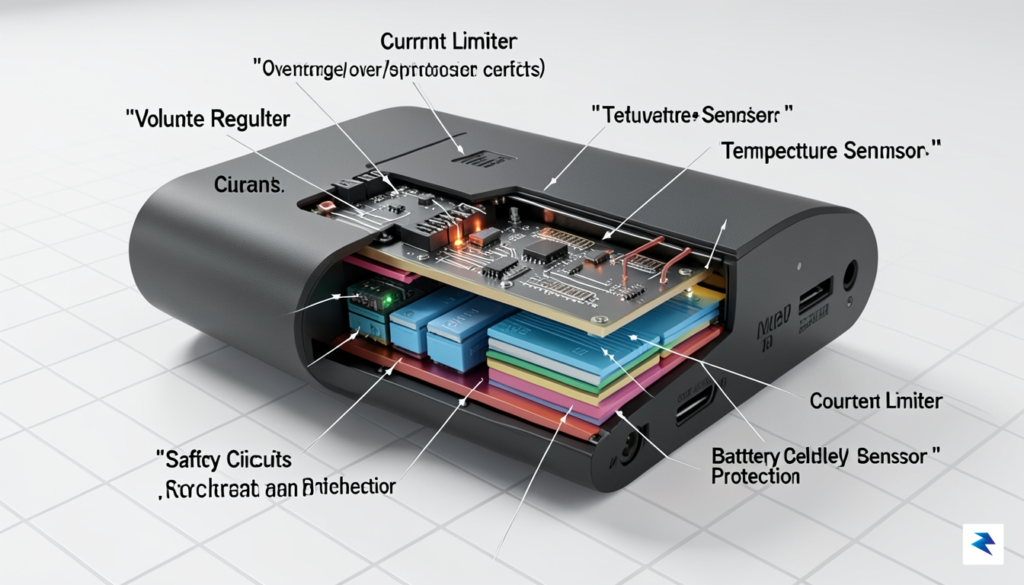
The most important indicator of a safe device is the presence of UL Certification. When a power bank bears a UL seal, it signifies that the device has passed rigorous testing for fire, electric shock, and mechanical hazards. Beyond certification, a reliable power bank must feature a sophisticated Battery Management System (BMS). This internal circuit is the “brain” of the device, providing essential safeguards such as over-voltage protection, short-circuit prevention, and over-temperature monitoring. Without these mechanisms, a simple power surge could fry the delicate charging port of your expensive smartphone or, in worst-case scenarios, lead to a catastrophic battery failure.
To ensure your safety, always prioritize power banks that explicitly list their safety certifications and internal protection features. If a product description is vague about its technical specs, treat it as a red flag.
Beyond safety, understanding how to handle your battery will significantly extend its functional lifespan. Batteries are chemical entities that degrade over time, but you can slow this process by managing how you cycle and store them. Avoid leaving your power bank in extreme environments, such as a hot car during the summer or a freezing garage in the winter, as extreme temperatures are the primary catalysts for internal chemical breakdown. Furthermore, if you plan on storing your power bank for an extended period, try to keep the charge level around 50 percent rather than leaving it fully charged or completely depleted.
Ultimately, investing in a high-quality unit is a form of insurance for your other electronics. By choosing reputable brands that prioritize safety standards and utilizing proper storage habits, you ensure that your portable power solution remains a reliable companion for years rather than a disposable item that ends up in a landfill after just a few months of use. Remember, the cost of a premium power bank is negligible when compared to the value of the devices it protects and the peace of mind you gain by avoiding potential hardware failures.
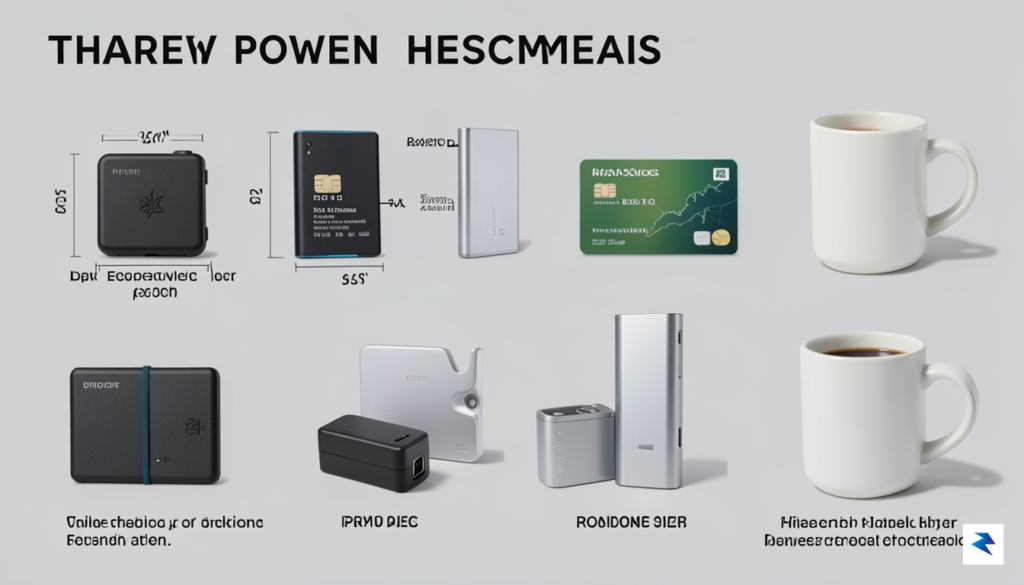
When shopping for a portable charger, it is easy to fall into the trap of thinking that more capacity is always better. However, the reality of everyday carry is dictated by a constant tug-of-war between raw energy reserves and physical bulk. Carrying a massive, high-capacity brick in your jeans pocket or a slim laptop bag quickly becomes a burden rather than a convenience. To find your ideal match, you must evaluate your specific daily requirements against the weight and dimensions of the unit.
For most urban commuters, a 5,000mAh to 10,000mAh power bank is the “sweet spot” for portability. These units are designed to provide a single, reliable top-up for your smartphone when you are running low during a long day of meetings or commuting. Because they are roughly the size of a deck of cards or a thin smartphone, they slip easily into a pocket or a small purse without adding noticeable weight. If your primary goal is to ensure your phone survives the train ride home without needing a wall outlet, you rarely need anything more substantial than this class of charger.
If your day involves constant screen time, heavy data usage, or managing multiple devices, you should lean toward the 15,000mAh to 20,000mAh range. This category serves as the workhorse for professionals who need to keep a smartphone and a pair of wireless earbuds—or perhaps a tablet—charged throughout a full day of travel. While these bricks are noticeably heavier and thicker, they offer enough headroom to fully recharge a modern smartphone two or three times over. They represent the best compromise for those who want to avoid “battery anxiety” without committing to the heft of an expedition-grade device.
Devices exceeding 25,000mAh are specialized tools intended for remote workers, photography enthusiasts, or long-haul travelers who need to keep power-hungry laptops running. At this level, you are no longer talking about a pocketable accessory; you are carrying a piece of critical infrastructure that requires a dedicated compartment in your backpack. These high-capacity power banks are essential for off-grid scenarios, but they come with a crucial logistical caveat that every traveler should keep in mind.
Pro Tip: When traveling by air, remember the “100Wh rule.” Most airlines strictly prohibit lithium-ion batteries exceeding 100 watt-hours (roughly 27,000mAh) in carry-on luggage without special approval. Always check the label on your specific model before heading to the airport to ensure your gear meets TSA and international safety standards.
Ultimately, the best capacity for your lifestyle is the one you will actually remember to pack. If a power bank is too heavy, it will eventually stay in your desk drawer, rendering its massive capacity useless. By auditing how often you actually reach for a charge during a typical week, you can select a unit that balances necessary power with the ergonomic ease required for your specific routine.
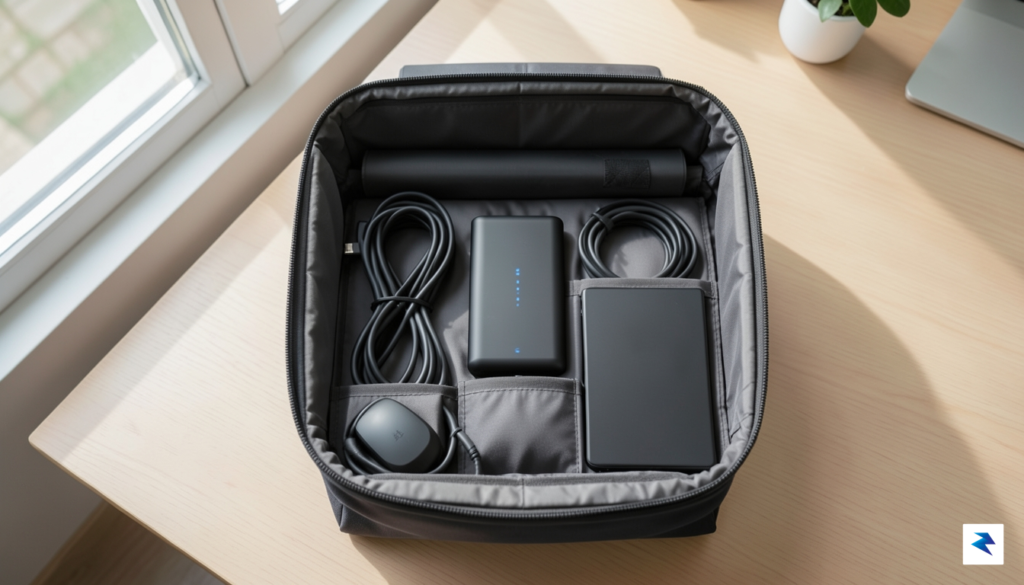
After rigorous testing of over 100 power banks, it has become clear that the “perfect” charger is less about raw capacity and more about how the device integrates into your specific lifestyle. To make the right choice, you should prioritize a balance of three core pillars: port versatility, build quality, and charging speed. If you are a heavy traveler, look for banks that support Power Delivery (PD) 3.1, as this standard ensures your laptop and smartphone charge at peak efficiency simultaneously. Conversely, if you are a casual user, prioritize a compact, high-density cell that can fit into a jacket pocket without weighing you down. Before finalizing your purchase, confirm that the unit supports pass-through charging, which allows the power bank to charge your devices while it is plugged into a wall outlet itself—a lifesaver during overnight airport layovers.
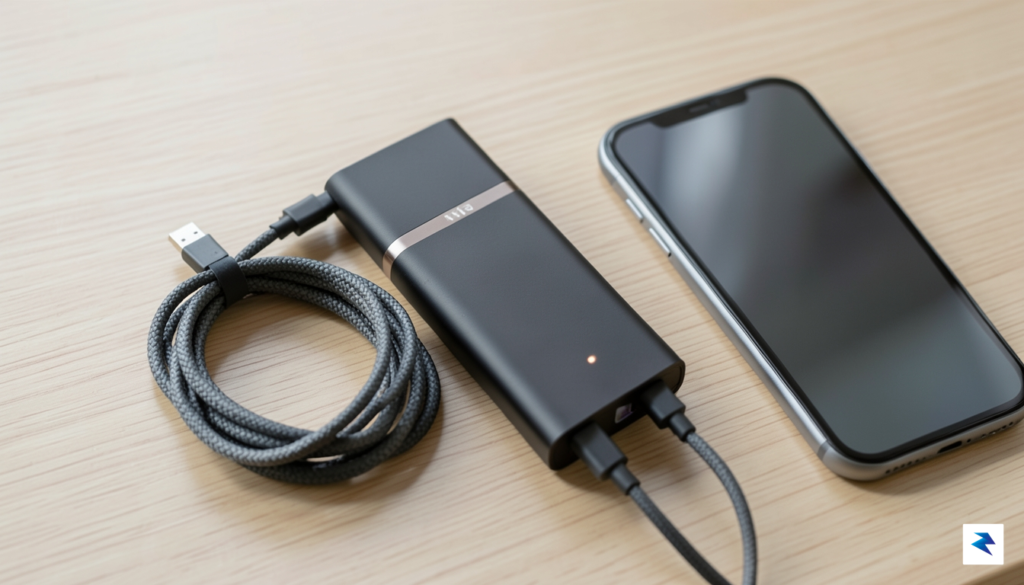
The power bank is only as fast as its weakest link; always pair your high-output charger with a cable rated for the same wattage to avoid significant energy loss.
Many consumers overlook the importance of the charging cable, treating it as an afterthought, but your cable is quite literally the bridge between power and performance. Using a low-quality or frayed cable can bottleneck even the most advanced portable chargers, effectively throttling your charging speeds and wasting potential energy. We strongly recommend investing in high-quality, braided USB-C cables that are certified for 100W or higher, as these are more durable and provide the necessary thermal management for rapid charging. Furthermore, keeping your cable management tidy—perhaps by using silicone ties or short-length cables—prevents internal wire breakage and keeps your gear bag organized, ensuring you never have to fumble with tangled cords in a pinch.
Looking ahead, the landscape of portable power is shifting rapidly toward gallium nitride (GaN) technology and ultra-fast graphene battery cells. We are seeing a move away from bulky, heavy bricks toward incredibly dense, pocket-sized units that can deliver enough juice to power a professional-grade laptop for hours. As we move through 2026, keep an eye out for devices that incorporate intelligent power distribution, which automatically optimizes energy flow based on the specific needs of your connected hardware. By selecting a device that utilizes these emerging standards, you are not just buying a temporary solution; you are future-proofing your mobile workstation against the increasing power demands of next-generation hardware.
You must be logged in to post a comment.