Microsoft 2026 Support Deadlines: A Complete Guide for IT Leaders
Understanding the 2026 Microsoft Lifecycle Policy At the heart of every IT environment lies the Microsoft Lifecycle Policy, a foundational…

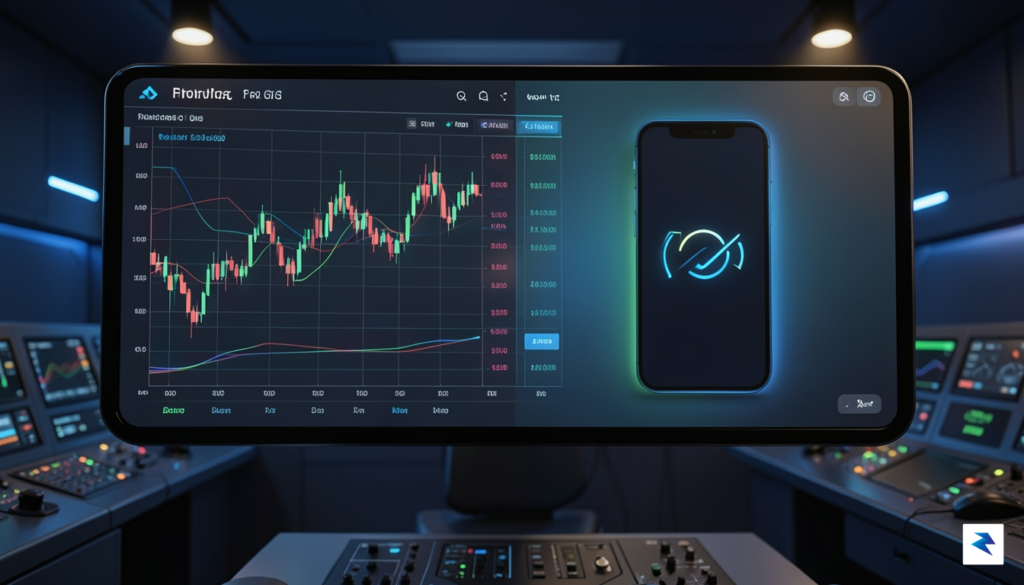
For the better part of a decade, Binance has reigned supreme as the undisputed heavyweight of the digital asset industry, primarily known for its lightning-fast matching engine and a staggering array of trading pairs. By focusing on high-frequency traders and retail investors seeking exposure to volatile market swings, the platform effectively captured the lion’s share of global liquidity. However, as the crypto landscape matures and the initial gold-rush era of speculation gives way to a more pragmatic phase of adoption, Binance is confronting a new reality: the pure-play trading exchange model is reaching a point of saturation. The fierce competition for market share, combined with a broader market shift toward long-term utility rather than short-term gains, has necessitated a fundamental pivot in the company’s strategic trajectory.
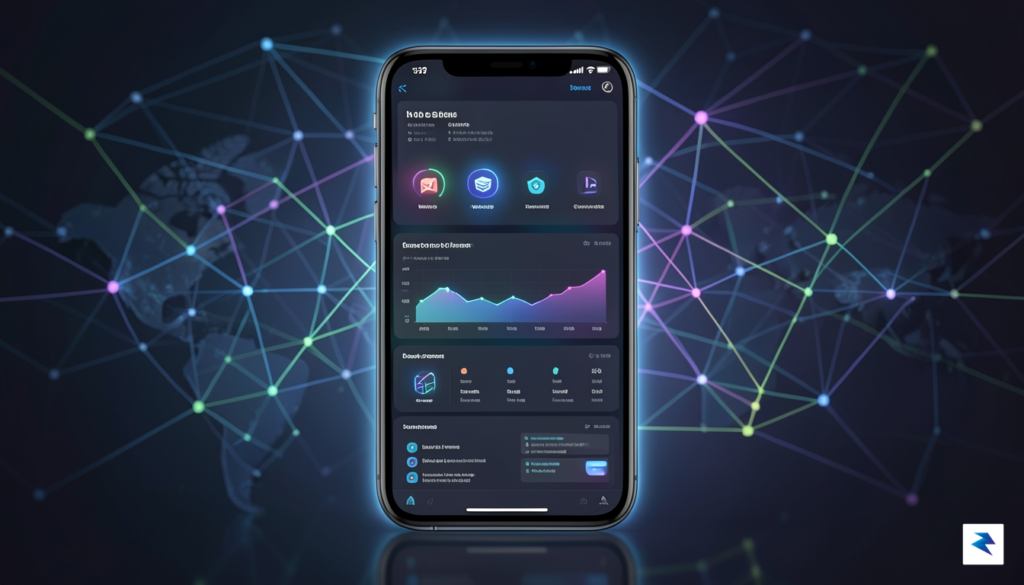
To remain indispensable in an increasingly crowded financial ecosystem, Binance is aggressively rebranding its identity, moving away from being merely a portal for price discovery toward becoming a comprehensive financial “super app.” This transition reflects a broader trend seen in traditional fintech, where companies like WeChat or Revolut have successfully expanded their utility by embedding themselves into the daily habits of their users. For Binance, this means offering a seamless integration of services that go far beyond the order book, including peer-to-peer payment rails, high-yield savings accounts, decentralized finance (DeFi) interfaces, and streamlined on-ramps to the burgeoning Web3 economy. By positioning itself as the primary financial hub for the everyday digital asset user, the exchange aims to foster deeper customer loyalty and increase the lifetime value of its global user base.
The shift toward a super app model is not merely a diversification tactic; it is an infrastructure play designed to capture the entire lifecycle of a user’s digital economic activity, transforming the exchange from a volatile trading venue into a stable financial utility.
This evolution is arguably the most logical step for maintaining long-term growth in a sector that is shedding its reputation for reckless speculation. By building a robust ecosystem that prioritizes utility—such as simplified stablecoin transactions, integrated merchant services, and intuitive asset management tools—Binance is effectively lowering the barrier to entry for mainstream consumers. Rather than relying solely on the erratic ebb and flow of asset prices to drive engagement, the platform is betting that a versatile, all-encompassing interface will provide the consistent utility necessary to retain users throughout market cycles. Consequently, the Binance of tomorrow is designed to be the digital wallet, bank, and marketplace for the next generation of decentralized finance, marking a definitive departure from its history as a singular trading dashboard.

At the center of this evolution is the realization that long-term sustainability in the digital asset space requires shifting the narrative from volatile speculation to everyday utility. While crypto exchanges have historically functioned as digital casinos where users chase short-term price fluctuations, Binance is aggressively positioning its infrastructure to become the backbone of modern global commerce. By prioritizing the seamless transfer of value through tools like Binance Pay, the company is effectively lowering the barrier to entry for millions of users who are currently intimidated by the complexities of blockchain technology. This pivot transforms crypto from an abstract asset class into a functional medium of exchange, allowing users to settle debts, purchase goods, and transfer funds globally with the same ease as sending an email.
The strategic shift toward payment processing is also a calculated move to diversify revenue streams away from the fickle nature of spot trading commissions. Relying solely on market volume is a risky endeavor, as trading activity is inextricably linked to market cycles and investor sentiment, which can dry up during prolonged bear markets. In contrast, transaction-based payment services offer a more resilient and predictable income model. Because commerce is a constant human necessity regardless of whether the market is bullish or bearish, integrating crypto into the retail payments ecosystem provides Binance with a stable financial foundation that remains insulated from the wilder swings of cryptocurrency valuations.
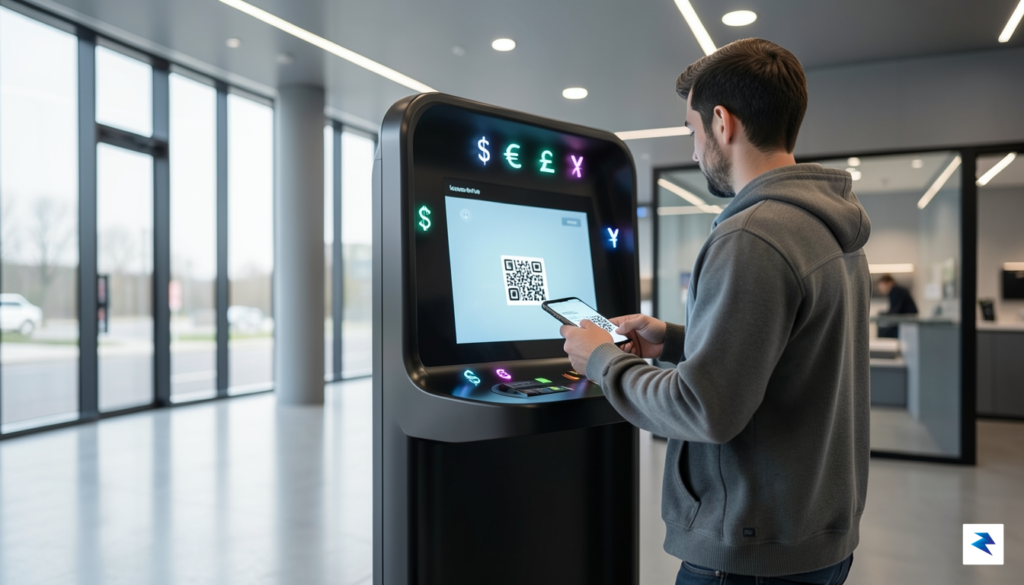
Furthermore, Binance is actively targeting the systemic inefficiencies that have plagued traditional banking for decades. The global financial system is currently hampered by slow settlement times, exorbitant cross-border transaction fees, and a lack of interoperability between disparate banking networks. These friction points not only drain wealth from the average consumer but also stifle international trade for small and medium-sized enterprises. By bypassing legacy intermediary banks and utilizing blockchain-powered rails, Binance aims to replace these slow, opaque processes with instant, transparent, and low-cost alternatives.
The true “killer app” for cryptocurrency is not a complex decentralized protocol or a high-yield derivative product; it is the ability to move value across borders as easily as sending a text message.
Ultimately, this approach addresses the most significant hurdle to mass adoption: the “usability gap.” By embedding payment rails directly into an all-in-one super app, Binance is abstracting away the technical hurdles—such as managing private keys or navigating decentralized exchanges—that previously deterred the average consumer. As these tools become more refined and widely accepted by merchants, the focus shifts from how the technology works to what it can do for the user. When crypto becomes the invisible engine driving routine purchases, it will move beyond the fringes of the financial system and firmly into the mainstream, cementing Binance’s role as the primary architect of this new digital economy.

At the heart of Binance’s evolution into a comprehensive “super app” lies a strategic pivot toward stablecoins, which have transitioned from simple defensive assets to the foundational infrastructure of its entire ecosystem. While early crypto adopters once viewed stablecoins merely as a safe harbor during periods of extreme market volatility, they now function as the primary medium of exchange for millions of users worldwide. By pegging their value to fiat currencies like the U.S. dollar, these digital assets provide the essential price stability required for everyday financial interactions. This stability effectively bridges the gap between the chaotic, fluctuating nature of speculative crypto assets and the predictable requirements of real-world commerce, allowing consumers to pay for goods, services, and remittances without the constant fear of sudden, value-eroding devaluation.

The mechanics of this integration are designed to remove friction for the average user, making financial services as intuitive as sending a text message. Within the Binance ecosystem, stablecoins serve as the common language that enables seamless cross-border remittances, a process that has historically been plagued by high fees and slow processing times in the traditional banking sector. By bypassing the legacy intermediary layers, Binance allows users to send value across borders almost instantaneously and at a fraction of the cost of traditional wire transfers. This efficiency is particularly transformative for migrant workers and individuals living in regions with volatile local currencies, as it provides them with a reliable mechanism to preserve their earnings and support families abroad.
Stablecoins are no longer just a trading tool; they are the rails upon which the next generation of global financial inclusion is being built.
Furthermore, the role of stablecoins in lowering barriers for unbanked populations cannot be overstated. In many emerging economies, access to basic financial instruments is hindered by complex documentation requirements, high minimum balance thresholds, and the physical absence of banking infrastructure. Binance leverages the accessibility of stablecoins to offer these underserved populations a gateway into the digital economy, enabling them to participate in savings, payments, and micro-transactions directly from a mobile device. By integrating these assets into its super app model, Binance is effectively democratizing access to capital and financial services, proving that the future of global finance is not just about speculation, but about utility, stability, and the empowerment of users who were previously locked out of the global financial system.

The concept of a “super app” originates from the success of platforms like WeChat and Grab, which evolved from singular utilities—messaging or ride-hailing—into comprehensive digital ecosystems where users spend the majority of their online lives. In the context of the global crypto market, Binance is aggressively pursuing this model, aiming to transform from a simple cryptocurrency exchange into a multifaceted financial gateway. For the end user, this means that the boundaries between trading, banking, and lifestyle services are beginning to dissolve. Instead of toggling between a dozen specialized applications to manage crypto assets, pay for goods, or earn interest, the user finds everything housed within a single, unified interface that functions as an all-encompassing digital wallet.
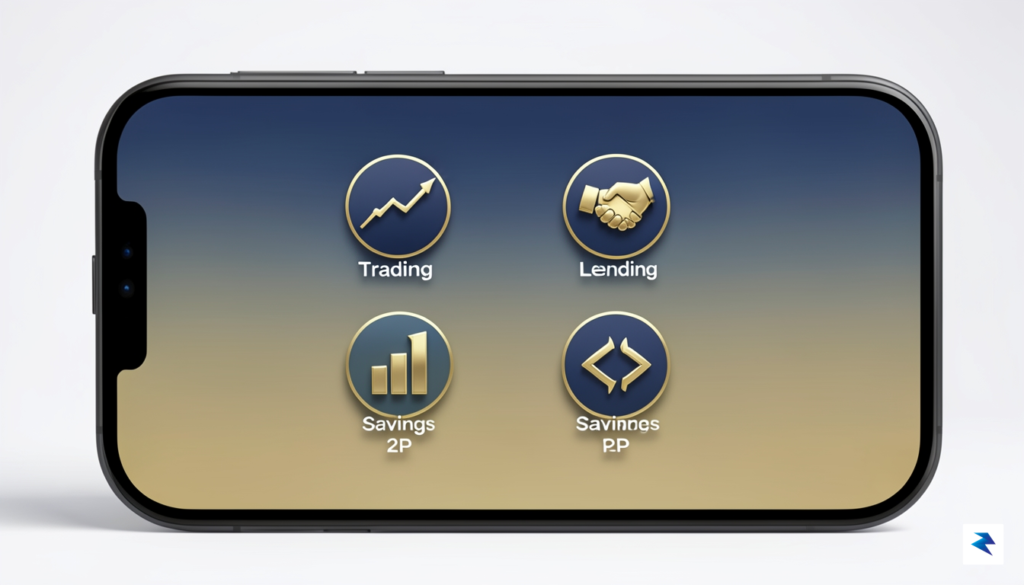
At the heart of this transformation is the seamless integration of diverse financial pillars. A user might start their day by checking their spot portfolio, move funds into a high-yield savings protocol to earn interest, apply for an instant crypto-backed loan to cover a short-term expense, and finally use a crypto-enabled debit card to pay for their morning coffee—all without ever leaving the application environment. By embedding these sophisticated decentralized finance (DeFi) tools into a consumer-friendly shell, the platform effectively lowers the barrier to entry for the average person. This consolidation creates a “sticky” ecosystem where the utility of holding digital assets extends far beyond mere speculation or volatile trading, grounding the user experience in practical, everyday financial management.
The true power of the crypto super app lies in its ability to abstract away the technical complexity of blockchain technology, turning intimidating decentralized protocols into intuitive, one-tap financial services.
However, the ambition to consolidate such a vast array of complex tools presents a significant UX/UI challenge. Financial services are inherently dense with data, risk, and regulatory requirements, which can easily overwhelm the casual mobile user. To succeed, Binance must strike a delicate balance between providing the depth required by professional traders and the simplicity demanded by retail consumers. This requires a modular design approach where users can customize their dashboard to highlight the features they use most while tucking away advanced trading charts or margin settings. If executed correctly, the result is not just a trading platform, but a robust digital hub that empowers users to take full control of their financial destiny in an increasingly digitized global economy.

Transitioning from a centralized exchange into a comprehensive financial “super app” places Binance directly in the crosshairs of global financial authorities. As the platform moves beyond simple crypto-asset trading into the realms of daily payments, remittances, and banking-style services, it is no longer operating solely within the relatively nascent sphere of digital asset regulation. Instead, the company must now align itself with the stringent, multi-layered frameworks that govern traditional financial institutions, including rigorous Anti-Money Laundering (AML) protocols and Know-Your-Customer (KYC) mandates that span multiple international jurisdictions.
The complexity of this expansion cannot be overstated, as each new region brings a distinct set of regulatory hurdles. To mitigate these risks, Binance has increasingly focused on securing local licenses and cultivating strategic partnerships with established, regulated financial entities. By operating through authorized local channels rather than attempting to disrupt traditional systems from the outside, the exchange is signaling a shift in its corporate philosophy. This collaborative approach allows the platform to integrate more seamlessly into local banking infrastructures, ensuring that its payment solutions remain compliant with regional mandates while simultaneously building institutional trust.

Interestingly, this evolution toward a service-oriented model may ultimately serve as a catalyst for a more mature relationship with regulators. When a platform offers a broad array of utility-driven services—such as stablecoin-based bill payments or cross-border settlements—it provides authorities with more transparency and a clearer footprint of user activity. Because these services are often tied to real-world identity verification and verifiable transactions, they create a bridge between the opaque world of early-stage crypto and the high-compliance environment of mainstream finance.
The pivot toward a super app model is not merely a product strategy; it is a tactical effort to institutionalize crypto utility within the existing global financial architecture.
Ultimately, the long-term success of this vision depends on Binance’s ability to prove that its innovation is compatible with systemic stability. By proactively embedding sophisticated compliance tech into its interface, the company is attempting to demonstrate that it can provide the speed and accessibility of a tech company while maintaining the security and oversight expected of a bank. This delicate balance between driving rapid, user-centric growth and adhering to the foundational tenets of financial law will likely define the next decade of the exchange’s existence, transforming it from a trading venue into an essential pillar of the modern digital economy.

The transformation currently being spearheaded by major platforms like Binance signals a profound maturation of the entire digital asset landscape. For years, the industry was primarily defined by high-volatility trading and speculative fervor, which often distanced the average consumer from the underlying technological potential. However, as the ecosystem shifts toward utility-driven models—integrating stablecoin payments, high-yield savings, and seamless remittance services—the once-rigid boundary between a volatile crypto exchange and a traditional retail bank is rapidly dissolving. This evolution suggests that we are moving toward a future where “crypto-native” services are not merely niche tools for early adopters, but the invisible infrastructure powering everyday global finance.
Looking ahead over the next three to five years, we can expect a significant increase in mainstream adoption, driven largely by the ease of interaction with these “super app” ecosystems. As financial barriers to entry continue to lower, the average user will likely view their crypto wallet as a primary hub for wealth management, bill payments, and cross-border transactions, rather than just a speculative ledger. This shift is poised to create a more resilient market, as growth will be fueled by sustained transaction volume and service utility rather than the cyclical waves of retail hype. Consequently, decentralized finance (DeFi) protocols will likely become more deeply integrated into these centralized user interfaces, providing a “best of both worlds” experience that combines institutional security with decentralized efficiency.
The true milestone for the blockchain industry will not be measured by the peak price of a single asset, but by the moment when crypto-native services become the default, invisible backbone of the global digital economy.
Ultimately, the defining theme of this decade will be the transition from pure speculation to daily, practical utility. As the friction surrounding onboarding and regulatory compliance is mitigated by these integrated financial platforms, the narrative surrounding digital assets will necessarily move away from “get-rich-quick” schemes toward a focus on financial inclusion and economic sovereignty. This pivot is essential for the long-term viability of the industry, as it demonstrates that the technology can solve real-world problems—such as reducing the cost of international transfers or providing access to capital in unbanked regions. By embedding these capabilities directly into the fabric of daily life, the industry is not just changing how we trade, but fundamentally redefining how we interact with money itself.
You must be logged in to post a comment.