Beyond Trading: How Binance Is Building the World’s First Crypto Super App
The Evolution of Binance: Beyond the Trading Dashboard For the better part of a decade, Binance has reigned supreme as the undisputed…
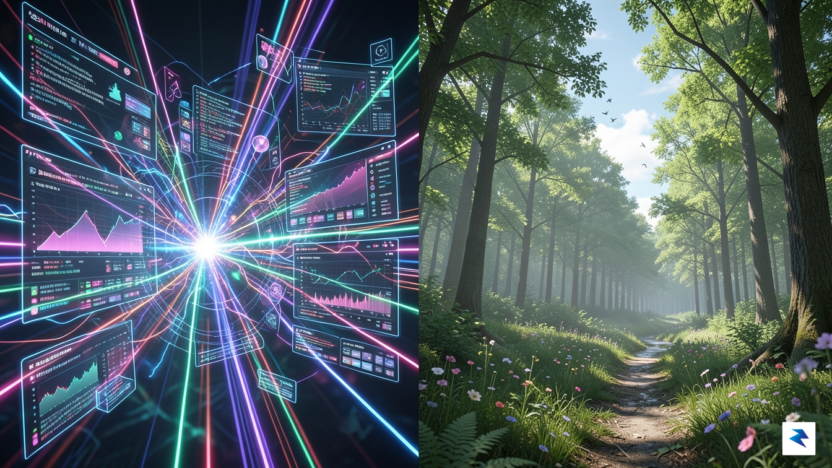

Digital fatigue is no longer merely a trending phrase or a niche complaint; it has evolved into a pervasive byproduct of our ‘always-on’ modern existence. This deep-seated exhaustion stems from the relentless demands of constant digital engagement, manifesting not just as physical tiredness but as a profound cognitive and emotional drain. Symptoms often include persistent eye strain, a pervasive mental fog that hinders concentration, heightened irritability even in non-digital contexts, and a general sense of apathy or disengagement towards screens and online interactions. Essentially, it signifies a state where our brains struggle to process the sheer volume of digital stimuli, leading to burnout.
The relentless influx of notifications, emails, instant messages, and social media updates forms a continuous stream of information, creating an unprecedented cognitive load. This constant demand for our attention means our minds are rarely given the chance to truly disconnect and recover, leading to a state of perpetual alertness. What was once seen as convenient access has transformed into an expectation of immediate responsiveness, blurring the lines between work and leisure and eroding our capacity for focused, uninterrupted thought. Consequently, this ‘always-on’ culture prevents us from achieving true mental rest, leaving us feeling drained and overwhelmed.
Reflecting on the early 2010s, there was an undeniable excitement surrounding digital connectivity; the novelty of instant information and global communication was thrilling. However, that initial enthusiasm has gradually given way to a palpable screen resentment, as the downsides of hyper-connectivity have become increasingly apparent. What began as a tool for convenience and connection has, for many, morphed into a source of anxiety and exhaustion. This profound psychological shift underscores a collective realization that while technology offers immense benefits, its unchecked presence can profoundly diminish our well-being.
The physiological impact of this persistent cognitive load is significant, affecting everything from our attention spans to our sleep patterns. With average daily screen times often extending to several hours, our brains are constantly engaged in processing stimuli, making decisions, and filtering information. This ceaseless activity contributes to decision fatigue and diminishes our capacity for deep work or creative thought. Ultimately, digital fatigue represents more than just a temporary weariness; it is a fundamental reorientation in our relationship with technology, marking a widespread struggle to maintain mental equilibrium in an increasingly connected world.
At the heart of our modern screen exhaustion lies the architecture of the Attention Economy, a system specifically engineered to treat human focus as a finite commodity to be harvested. Every time we engage with a platform, we are participating in a sophisticated feedback loop designed to trigger dopamine releases. These platforms utilize variable reward schedules—much like a slot machine—where the uncertainty of what appears next in our scroll keeps us tethered to the screen. This constant pursuit of the “next interesting thing” forces the brain into a state of sustained alertness, an evolutionary mismatch that leaves our cognitive resources depleted. Because our biological hardware was never designed to process this volume of high-speed information, the result is a profound sense of mental fragmentation.
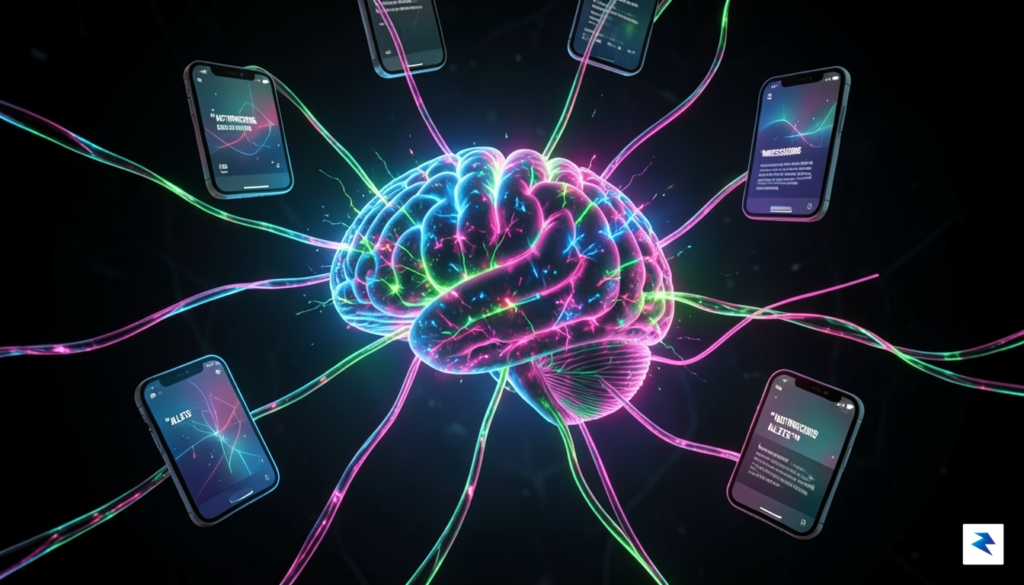
Beyond the dopamine loop, we encounter the phenomenon of decision fatigue, which stems from the endless micro-interactions required of us every minute. Every swipe, every choice to like or ignore, and every decision to click into a thread demands a cognitive “tax.” While these actions seem trivial in isolation, their cumulative weight is staggering; when our brains are forced to make hundreds of minor judgments in rapid succession, our willpower and mental clarity begin to fracture. This depletion creates a ripple effect, often leaving us feeling unmotivated or irritable once we finally step away from the device, as our capacity for deep, deliberate thought has been exhausted by the sheer volume of superficial stimuli.
The true cost of the digital age is not just the time we lose, but the quality of the cognitive space we sacrifice to maintain a constant state of hyper-connectivity.
This psychological burden is further compounded by the twin pressures of social comparison and the Fear of Missing Out (FOMO). We are constantly bombarded with curated highlights of other people’s lives, which triggers an involuntary urge to measure our own messy, unfiltered realities against an impossible standard. This social anxiety, paired with the panic that we might be losing touch with current events or cultural trends, keeps us locked in a cycle of compulsive checking. Ultimately, this state of perpetual vigilance creates a “background hum” of stress. Even when we aren’t actively using our devices, the subconscious expectation of being reachable and informed prevents our minds from achieving the restorative rest necessary to recover from the day’s digital demands.
The era of the “all-access” digital lifestyle is rapidly losing its luster, replaced by a growing movement toward digital minimalism and guarded privacy. For years, social media platforms incentivized users to broadcast every facet of their lives, turning personal experiences into performative content designed to trigger dopamine hits through likes and comments. However, as the cumulative weight of algorithmic exhaustion sets in, a significant demographic of users is opting out of the public spectacle. This shift, often described as the “Great Unplugging,” represents a collective realization that the pressure to maintain a perfectly curated online persona is both unsustainable and mentally taxing.

Instead of feeding the endless cycle of the public timeline, users are migrating toward smaller, high-trust environments. The rise of private group chats, encrypted messaging apps, and niche Discord servers has created a new digital refuge where the stakes are significantly lower. In these spaces, social interaction is no longer about performative engagement or chasing virality; it is about authentic connection. By prioritizing intimate circles over massive, impersonal audiences, users are reclaiming their agency, ensuring that their digital interactions serve their personal wellbeing rather than the demands of a platform’s growth algorithm.
The most profound shift in modern digital habits is the move from being a public creator to an intentional curator, trading massive reach for meaningful resonance.
This transition toward intentional consumption is also manifesting in how individuals manage their existing digital landscapes. Rather than passively scrolling through endless, noisy feeds, many are adopting a “ruthless curation” strategy. This involves unfollowing accounts that trigger anxiety or comparison, muting inflammatory keywords, and actively seeking out long-form content like newsletters or specialized forums that provide actual value rather than fleeting entertainment. This change in behavior marks a departure from the passive consumption of viral trends toward a more disciplined, active engagement with the internet.
Ultimately, the current digital fatigue is not a sign that social media is dying, but rather that it is evolving into something more sustainable. People are no longer willing to sacrifice their mental health for the sake of an algorithm. By moving to smaller, community-focused platforms and setting firm boundaries around their public presence, users are effectively dismantling the culture of performative exhaustion. This new phase of social media use emphasizes quality over quantity, proving that the most powerful digital tool today is simply the ability to step back and choose where to direct one’s attention.

Reclaiming your time does not necessitate the complete abandonment of modern technology; rather, it demands a deliberate recalibration of your relationship with your devices. To break free from the cycle of constant connectivity, you must transition from being a passive consumer of algorithmic content to an active architect of your digital environment. By implementing sustainable boundaries, you can effectively prioritize your mental health over the demands of endless notifications and infinite scrolls.

The first step in this process is a rigorous digital audit. Start by pruning your notifications until only the absolute essentials remain—those that signal human connection rather than automated engagement. Unsubscribe from newsletters that you never read and unfollow accounts that trigger feelings of inadequacy or anxiety. By curating your digital space to reflect your actual interests and values, you reduce the cognitive load imposed by unnecessary digital noise, transforming your device into a tool that serves your goals rather than a distraction that fragments your attention.
Once your digital environment is pruned, establish physical and temporal boundaries to protect your focus. Consider implementing “analog-only” zones or specific times of day, such as a “no-phone morning” routine, where you prioritize offline activities like movement, meditation, or quiet reflection before engaging with the online world. These rituals create a necessary buffer between you and the algorithmic tide, allowing you to start your day with intentionality. When you reclaim the first hour of your morning from the influence of social media, you regain a sense of agency that persists throughout the rest of your day.
Finally, fundamentally shift your consumption habits from “just-in-case” information gathering to “just-in-time” learning. We often fall into the trap of consuming vast amounts of content under the guise of staying informed, when in reality, we are simply indulging in low-quality digital snacking. By limiting your consumption to information that solves a specific problem or fulfills an immediate need, you cultivate a mindset of digital minimalism. This lifestyle choice not only alleviates the symptoms of digital fatigue but also fosters a deeper, more meaningful engagement with the world around you, allowing you to pursue growth without being tethered to a screen.
True digital autonomy is found not in the absence of technology, but in the unwavering ability to choose when, where, and why you engage with it.
Embracing these practices leads to long-term benefits that extend far beyond a momentary break from social media. As you cultivate a more intentional digital life, you will likely notice an increase in sustained focus, reduced levels of daily stress, and a renewed capacity for deep work. Digital minimalism is not merely a restrictive set of rules, but a liberating lifestyle choice that restores your sovereignty, ensuring that your time—your most precious resource—is spent on what truly matters.
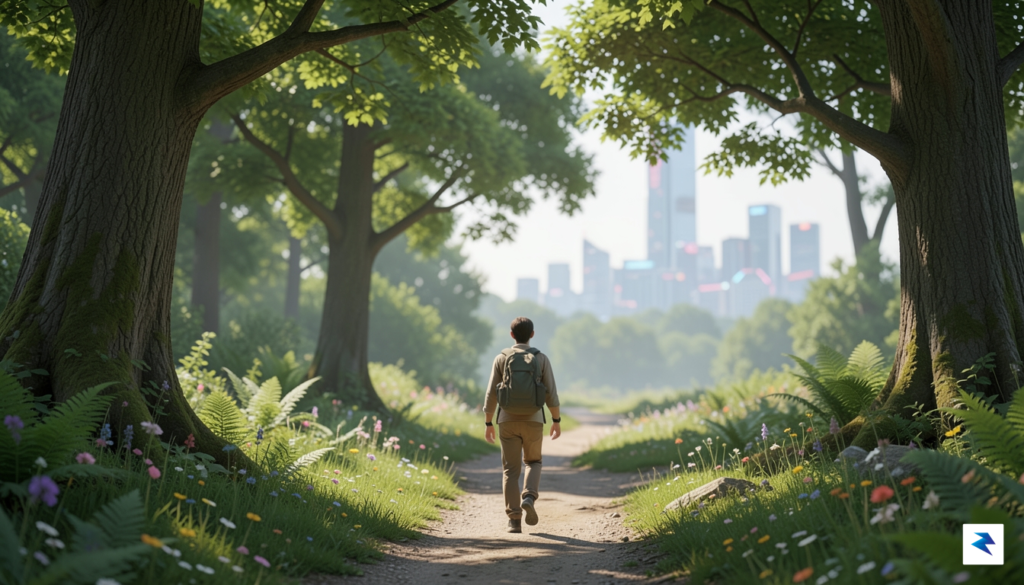
As we navigate the next decade, the most successful and resilient individuals will be those who master the art of intentional disconnection. We are witnessing a fundamental shift in our collective consciousness, where the relentless pressure to be constantly “online” is being replaced by a sophisticated understanding of digital hygiene. This evolution is not about abandoning technology—an unrealistic goal in our modern world—but rather about reclaiming our agency. By treating our digital presence as a curated resource rather than a bottomless void, we transform these platforms from sources of persistent stress into tools that genuinely enrich our creative, professional, and personal lives.
Technology is certainly not going away, but our control over its intrusion into our private spaces is finally catching up to the speed of innovation. We are moving toward an era of mindful connectivity, where the quality of our digital interactions far outweighs the quantity of our screen time. This transition requires us to establish firm boundaries, such as designating screen-free zones in our homes or adopting “analog hours” where we intentionally step away from the glow of our devices to engage with the physical world. When we choose to step back, we aren’t losing touch with the world; we are actually deepening our presence in the moments that matter most.

The goal of a balanced digital life is not to eliminate technology, but to ensure that it exists to serve your human experience, rather than demanding that your human experience serve the needs of the algorithm.
Ultimately, the future of our relationship with the digital realm is one of empowerment and deliberate choice. By prioritizing deep work, face-to-face conversations, and uninterrupted rest, we protect our mental clarity from the fragmentation caused by constant notifications. The path forward is bright for those who recognize that their attention is a finite, valuable commodity. As we learn to treat our cognitive energy with the same care we would any other precious resource, we will find that the digital and physical worlds can coexist in a harmonious, sustainable balance. Embracing this disciplined approach allows us to enjoy the benefits of global connectivity while maintaining the quiet, focused peace that is essential for a fulfilling life.
You must be logged in to post a comment.